LMS
LMS
Last updated on 16th Apr 2026| 7512

Infosys fresher interviews are designed to evaluate both fundamental technical knowledge and basic communication skills. Candidates can expect questions on aptitude, logical reasoning, and core subjects like programming, databases, and computer fundamentals depending on the role. Along with technical questions, interviewers may also ask about academic projects, strengths, and career goals. Preparing clear answers, revising basics, and demonstrating a willingness to learn can significantly improve your chances of success in the latest Infosys fresher interview process.
1. What is Infosys and why is it popular?
Ans:
Infosys is a globally recognized technology and consulting organization serving clients across multiple industries and countries. The company is popular for strong training systems, innovation culture, and excellent career opportunities for graduates. Freshers prefer Infosys because it provides learning platforms, structured onboarding, and project exposure. Its reputation for ethics, quality delivery, and employee development makes it highly respected. Joining Infosys is considered a valuable beginning for many careers.
2. How to prepare for Infosys fresher interviews?
Ans:
- Revising aptitude topics, communication skills, and core technical fundamentals helps create balanced readiness for fresher recruitment processes successfully. Strong preparation across multiple areas improves overall confidence during selection rounds. Balanced skills are highly valuable.
- Practicing common HR questions such as introduction, strengths, teamwork, and career goals improves confidence during interviews significantly. These questions are frequently asked in fresher hiring processes. Practice creates smoother responses.
- Preparing academic project explanations, internships, and resume details strengthens overall candidate credibility effectively. Interviewers often ask questions from these areas directly. Clear answers improve impressions.
- Solving mock assessments regularly improves speed, accuracy, and familiarity with hiring patterns greatly. Timed practice reduces stress during real tests. Repetition builds success.
3. What is importance of self introduction in interviews?
Ans:
Self introduction is important because it creates the first impression before deeper questioning begins. It helps candidates present education, skills, projects, and career interest in structured order. A confident introduction reflects communication ability and professional readiness immediately. Interviewers often guide later questions based on the quality of introduction. Strong introductions improve interview momentum significantly.
4. How to give strong self introduction?
Ans:
- Beginning with education background and concise profile summary creates a professional opening immediately during interviews. First impressions are formed quickly in opening moments. Strong starts matter greatly.
- Mentioning relevant skills, certifications, and project experience adds practical value to the response strongly. These details help recruiters understand readiness clearly. Relevant content creates impact.
- Including strengths such as adaptability, discipline, and quick learning improves overall impression significantly. Employers value trainable and dependable freshers. Positive strengths improve selection chances.
- Ending with enthusiasm for opportunity creates polished and memorable conclusion effectively. Good endings leave positive final impressions naturally. Confidence is reflected clearly.
5. What are common strengths for freshers?
Ans:
Common strengths for freshers include learning attitude, adaptability, teamwork, communication skills, and discipline. These strengths are valuable because entry-level hiring focuses strongly on trainability and potential. Interviewers appreciate candidates who appear responsible and positive toward growth opportunities. Relevant strengths should match workplace expectations and project collaboration needs. Well-presented strengths improve selection chances significantly.
6. How to answer strengths questions effectively?
Ans:
- Selecting strengths related to professional success such as teamwork and punctuality creates stronger relevance immediately. Job-related strengths sound more practical to recruiters. Relevance improves credibility.
- Supporting strengths with examples from academics or projects increases authenticity and confidence effectively. Examples prove that strengths are real and demonstrated already. Evidence creates trust.
- Avoiding unrealistic claims protects credibility during follow-up questioning rounds significantly. Overstated answers may create doubt in interviews. Honest responses are safer.
- Delivering answers with humility and clarity creates balanced professional impact naturally. Confidence with modesty leaves better impressions. Tone matters greatly.
7. What are safe weaknesses to mention?
Ans:
Safe weaknesses are manageable areas that do not damage trust or job suitability. Examples may include hesitation in presentations, over-focusing on details, or limited networking confidence. Strong weakness answers always include improvement actions already being practiced consistently. Interviewers usually evaluate honesty and growth mindset more than weakness itself. Smart weakness responses create positive impressions effectively.
8. How to answer weakness questions professionally?
Ans:
- Mentioning realistic weaknesses with low business risk shows self-awareness and honesty clearly. Recruiters appreciate mature candidates who know improvement areas. Honest answers build trust.
- Explaining improvement efforts such as practice or feedback converts weakness into growth story effectively. Improvement mindset is often more important than weakness itself. Growth attracts recruiters.
- Avoiding severe weaknesses like irresponsibility or poor teamwork protects image significantly. High-risk weaknesses can create negative assumptions quickly. Smart selection is necessary.
- Keeping tone calm and solution-oriented improves answer quality naturally. Positive framing creates better interview impact. Composure reflects maturity.
9. What is importance of communication skills for Infosys?
Ans:
Communication skills are important because teams, managers, and clients interact regularly in service organizations. Clear communication supports meetings, documentation, updates, and requirement understanding efficiently. Interviewers assess confidence, clarity, listening ability, and professionalism through every round. Even technically strong candidates benefit greatly from strong communication standards. Communication skills significantly improve employability and growth.
10. How to improve communication before interviews?
Ans:
- Practicing answers aloud daily helps improve fluency, confidence, and sentence structure steadily. Speaking practice reduces hesitation over time. Regular effort gives visible improvement.
- Reading newspapers and business content expands vocabulary and professional expression effectively. Better vocabulary improves polished communication during interviews. Reading also builds awareness.
- Participating in mock interviews develops spontaneous speaking ability significantly over time. Realistic practice prepares candidates for unexpected questions. Mocks improve confidence.
- Recording responses and correcting mistakes helps remove hesitation naturally. Self-review reveals weak areas clearly. Improvement becomes faster.
11. What is the difference between Resume and CV?
Ans:
| Criteria | Resume | CV |
|---|---|---|
| Length | Usually short and concise. | Usually detailed and longer. |
| Focus | Skills and job relevance. | Full academic and career history. |
| Usage | Corporate job applications. | Academic or research roles. |
| Update | Customized for each job. | Updated with full achievements. |
12. Write a program for resume score calculation.
Ans:
This example calculates resume score based on skills, project, and communication marks.
- #include <stdio.h>
- int main() {
- int skills=80, project=85, communication=90;
- float score;
- score=(skills+project+communication)/3.0;
- printf(“Resume Score = %.2f”, score);
- return 0;
- }
In this example, the program calculates average resume evaluation score.
13. What is importance of academic marks in Infosys hiring?
Ans:
Academic marks are often used in eligibility criteria and screening stages initially. Good marks may indicate consistency, discipline, and learning ability to recruiters. However, marks alone do not guarantee final selection without interview performance. Average scores can still succeed through preparation and communication excellence. Balanced profile development matters more than marks alone.
14. How to answer low marks questions confidently?
Ans:
- Acknowledging results honestly while focusing on improvement creates maturity in responses clearly. Honest acceptance often creates better impressions than excuses. Maturity is respected.
- Highlighting projects, certifications, and current skills balances academic concerns effectively. Skills can demonstrate present readiness strongly. Growth matters more than past scores.
- Mentioning stronger later-semester performance can demonstrate progress significantly. Improvement trends show resilience and learning ability. Progress creates confidence.
- Maintaining confidence without excuses improves professional image naturally. Calm answers show maturity and responsibility. Confidence supports credibility.
15. What is importance of teamwork in Infosys jobs?
Ans:
Teamwork is essential because most corporate tasks require collaboration across departments and roles. Projects often involve developers, analysts, testers, and managers working together closely. Candidates with teamwork skills usually adapt faster to project environments. Interviewers value cooperation, respect, and communication within teams strongly. Strong teamwork ability improves long-term career success.
16. How to answer teamwork questions properly?
Ans:
- Sharing project examples involving coordination and shared goals demonstrates teamwork experience clearly. Real examples help recruiters trust responses more easily. Experience matters greatly.
- Mentioning support for teammates reflects collaborative attitude strongly during interviews. Helpful behavior is valued in project environments. Cooperation builds teams.
- Explaining conflict resolution through calm discussion improves maturity perception significantly. Teams value members who solve issues professionally. Calmness creates trust.
- Connecting teamwork with successful outcomes creates complete and effective responses naturally. Results show impact of collaboration clearly. Outcomes strengthen answers.
17. What is importance of adaptability for freshers?
Ans:
Adaptability is important because freshers often enter new systems, teams, and technologies quickly. Companies prefer candidates who learn fast and adjust without resistance to change. Adaptable employees perform better during training and project deployment stages. This quality also supports relocation and process transitions smoothly. Adaptability is highly valued in entry-level hiring.
18. How to show adaptability in interviews?
Ans:
- Mentioning examples of learning new tools or handling sudden changes shows flexibility effectively. Real adaptation stories create stronger credibility in interviews. Practical proof matters.
- Showing willingness to relocate or join varied teams reflects professional adaptability clearly. Flexibility is useful in service organizations. Recruiters value openness.
- Expressing interest in continuous learning strengthens profile significantly. Learning mindset is essential for fresher growth. Curiosity creates opportunity.
- Using calm and positive language improves recruiter confidence naturally. Attitude strongly influences interview perception. Positivity matters greatly.
19. What is importance of punctuality in corporate life?
Ans:
Punctuality reflects discipline, dependability, and respect for schedules in professional environments. Employees who are punctual help maintain meetings, deadlines, and workflow efficiency consistently. Interviewers often associate punctual behavior with seriousness and accountability. Even interview arrival timing contributes strongly to first impressions. Punctuality remains an important workplace habit.
20. How to maintain punctual habits?
Ans:
- Planning tasks in advance helps reduce delays and improve consistency daily. Preparation prevents last-minute confusion and stress. Planning builds discipline.
- Setting reminders for meetings and deadlines strengthens punctual discipline effectively. Alerts help maintain professional reliability consistently. Tools can improve habits.
- Keeping buffer time for travel or technical setup reduces risk significantly. Unexpected delays are easier to manage with extra time. Safety margins help greatly.
- Following regular routine habits supports punctuality naturally over time. Consistency turns punctuality into daily behavior. Habits create success.
21. What is importance of confidence in interviews?
Ans:
Confidence helps candidates express knowledge clearly and remain calm under pressure. It improves body language, voice tone, and overall professional presence significantly. Confident candidates often perform better in unexpected questioning situations. Preparation remains the strongest source of genuine confidence always. Confidence strongly supports interview success opportunities.
22. How to build confidence before interview day?
Ans:
- Revising important topics thoroughly removes uncertainty and improves readiness greatly. Preparation is the strongest source of confidence. Knowledge creates calmness.
- Practicing self introduction and common questions develops speaking confidence effectively. Repetition makes responses smoother and stronger. Practice matters greatly.
- Mock interviews help normalize pressure and improve composure significantly. Familiarity with interview style reduces fear. Experience builds courage.
- Positive mindset and neat appearance support confidence naturally. Looking prepared improves self-belief instantly. Presentation influences mindset.
23. What is importance of HR round in Infosys?
Ans:
The HR round evaluates attitude, communication, cultural fit, and long-term commitment. Questions often cover goals, strengths, weaknesses, teamwork, and relocation topics. This round helps determine workplace suitability beyond technical performance alone. Good technical results should be supported by positive HR interaction. Preparing HR questions is essential for final success.
24. How to prepare for HR round?
Ans:
- Practicing common personal questions helps maintain calmness during interviews significantly. Familiar questions become easier with rehearsal. Preparation reduces stress.
- Using honest and positive responses creates trust with recruiters effectively. Authentic communication improves professional image strongly. Honesty matters greatly.
- Avoiding negative comments about previous experiences preserves image strongly. Professional tone is important in all interviews. Positivity creates impact.
- Maintaining smile, eye contact, and respectful tone improves impact naturally. Nonverbal behavior strongly affects impressions. Presence matters too.
25. What are final tips for Infosys fresher interview success?
Ans:
Success depends on balanced preparation across aptitude, communication, and technical fundamentals. Candidates should know resume details, projects, and common HR responses clearly. Professional behavior, punctuality, and confidence create strong impressions consistently. Regular practice and positive mindset convert preparation into visible performance. Disciplined effort gives the best chance of selection success.
26. What is importance of positive attitude in interviews?
Ans:
A positive attitude is important because organizations prefer candidates who bring energy and constructive thinking to teams. Interviewers often observe mindset through tone, reactions, and confidence during challenging conversations. Positive candidates are usually considered easier to train and more cooperative professionally. This quality also helps in handling setbacks and workplace pressure effectively. A positive attitude strongly improves fresher selection opportunities.
27. How to show positive attitude during interviews?
Ans:
- Speaking enthusiastically about learning opportunities and growth creates a strong professional impression immediately during discussions. Enthusiasm often signals motivation and readiness. Positive energy matters.
- Responding calmly to difficult questions reflects emotional maturity and workplace readiness significantly. Calmness under pressure is highly valued. Control creates trust.
- Using respectful language, smiling naturally, and maintaining composed body language improves perception effectively. Professional behavior supports positive attitude strongly. Manners create impact.
- Avoiding complaints, blame, or negative comments preserves constructive candidate image strongly. Positive framing always leaves better impressions. Negativity should be avoided.
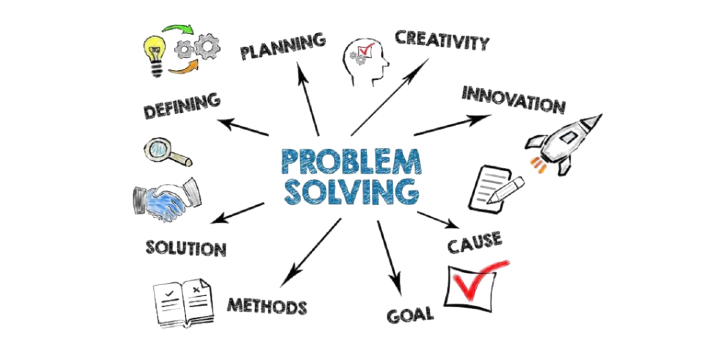
28. What is importance of problem solving ability?
Ans:
Problem solving ability is valuable because workplace tasks often include obstacles requiring logical solutions. Recruiters prefer candidates who analyze situations instead of reacting with confusion. Even entry-level roles require practical thinking and decision support regularly. This skill contributes to productivity, teamwork, and efficient task completion. Strong problem solving ability increases employability significantly.
29. How to improve problem solving skills?
Ans:
- Practicing aptitude questions, puzzles, and reasoning exercises regularly develops structured thinking habits effectively. Repetition sharpens analysis and speed over time. Practice is powerful.
- Breaking large problems into smaller parts improves clarity and solution accuracy significantly over time. Smaller steps reduce confusion and improve progress. Structured thinking helps greatly.
- Comparing multiple solutions for one issue strengthens judgment and flexibility naturally. Different approaches improve decision quality. Comparison builds maturity.
- Reviewing mistakes carefully creates continuous improvement in analytical ability strongly. Learning from errors prevents repeated failures. Reflection improves growth.
30. What is importance of time management in jobs?
Ans:
Time management is essential because professional work depends on deadlines and planned execution consistently. Employees who manage time well usually maintain productivity without sacrificing quality standards. This skill helps balance assignments, meetings, and reporting responsibilities efficiently. Interviewers value candidates who appear organized and disciplined naturally. Strong time management supports reliable career growth significantly.
31. How to improve time management habits?
Ans:
- Creating daily task lists with priorities helps maintain focus on important work throughout the day effectively. Priority planning prevents confusion and saves valuable time regularly. Organized schedules improve productivity strongly.
- Dividing larger tasks into milestones improves progress tracking and reduces delays significantly. Smaller goals feel easier to complete and maintain motivation steadily. This creates smoother execution.
- Avoiding unnecessary distractions such as excessive phone usage increases productivity naturally. Better concentration helps finish tasks faster with improved quality. Focus is essential in professional life.
- Reviewing completed work regularly improves planning quality over time strongly. Reflection helps identify delays and future improvements clearly. Continuous review builds efficiency.
32. What is importance of learning attitude for freshers?
Ans:
Learning attitude is highly important because freshers receive training after recruitment in many roles. Candidates willing to learn new tools and methods adapt faster in project environments. This quality reflects curiosity, humility, and long-term growth potential strongly. Recruiters often choose trainable candidates over average technical performers. Learning attitude greatly improves hiring possibilities significantly.
33. How to show learning attitude in interviews?
Ans:
- Mentioning interest in certifications, technologies, and skill development creates positive recruiter confidence immediately. It shows long-term commitment toward career improvement clearly. Recruiters value growth mindset.
- Sharing examples of self-learning through projects demonstrates initiative and seriousness effectively. Self-driven candidates often adapt faster in companies significantly. Real examples create strong impact.
- Expressing comfort with training programs reflects adaptability strongly in service organizations. Companies prefer candidates who learn quickly and cooperate well. Flexibility improves selection chances.
- Asking thoughtful questions about growth opportunities leaves lasting positive impression significantly. Intelligent questions show curiosity and maturity naturally. This improves interviewer perception.
34. What is importance of discipline in corporate life?
Ans:
Discipline is important because companies depend on consistency, accountability, and dependable employee behavior daily. Disciplined professionals meet deadlines and follow processes without repeated supervision. This quality builds trust with managers and improves team coordination significantly. Interviewers often connect discipline with long-term performance reliability. Strong discipline supports sustained career success greatly.
35. How to demonstrate discipline in interviews?
Ans:
- Arriving early for interviews reflects seriousness and respect for schedules immediately. Punctual behavior creates a positive first impression clearly. Timeliness is highly valued.
- Giving structured answers calmly shows organized thinking and responsible communication effectively. Disciplined speaking style improves professional image significantly. Clear structure shows maturity.
- Mentioning regular preparation routines indicates commitment and self-management strongly. Consistent effort often reflects dependable work habits naturally. Preparation builds trust.
- Maintaining neat appearance and professional behavior improves disciplined image significantly. Presentation influences first impressions in interviews strongly. Professional conduct matters greatly.
36. What is importance of project knowledge in fresher interviews?
Ans:
Project knowledge is important because interviewers assess practical understanding beyond textbook theory. Candidates should know objectives, tools used, challenges faced, and final outcomes clearly. Strong project explanations show communication ability and actual involvement significantly. Weak project knowledge may create doubts regarding participation authenticity. Clear project understanding improves fresher credibility strongly.
37. Write a program for project marks calculation.
Ans:
This example calculates total project evaluation marks.
- #include <stdio.h>
- int main() {
- int presentation=25, execution=30, viva=20;
- int total;
- total = presentation + execution + viva;
- printf(“Project Marks = %d”, total);
- return 0;
- }
In this example, the program calculates total project marks.
38. What is importance of teamwork examples in interviews?
Ans:
Teamwork examples help interviewers judge collaboration skills through real situations rather than theory alone. Good examples may come from projects, events, internships, or volunteer experiences. Such answers reveal communication, supportiveness, and conflict handling ability clearly. Organizations depend heavily on teams for successful project execution. Strong teamwork examples improve selection chances significantly.
39. How to answer teamwork scenario questions?
Ans:
- Describing common goals and shared responsibilities creates useful context for interviewers immediately. Clear context helps them understand your contribution better. Structured stories are effective.
- Mentioning communication methods used with teammates demonstrates workplace relevance effectively. Collaboration depends on updates and coordination significantly. Communication is central to teamwork.
- Explaining conflict resolution through calm discussion reflects maturity strongly. Teams often face disagreements that need balanced handling naturally. This shows professionalism.
- Highlighting successful outcomes gives stronger impact to the response significantly. Results help prove effectiveness of teamwork clearly. Outcomes make stories memorable.
40. What is importance of adaptability in Infosys roles?
Ans:
Adaptability matters because service companies may change technologies, teams, or client requirements quickly. Freshers who adjust smoothly usually perform better during training and deployment stages. Adaptable employees also manage organizational changes with less resistance and higher productivity. Recruiters value flexibility because dynamic environments require fast transitions regularly. Strong adaptability increases hiring potential significantly.
41. How to improve adaptability skills?
Ans:
- Learning different tools and software creates comfort with workplace changes over time effectively. Exposure to variety reduces fear of change clearly. Learning broadens flexibility.
- Participating in varied academic activities builds flexibility through new experiences strongly. Diverse experiences improve adjustment ability naturally. Experience creates confidence.
- Maintaining open mindset toward feedback improves adjustment ability significantly. Feedback helps faster growth and smoother transitions regularly. Openness is valuable.
- Focusing on solutions rather than resistance helps adaptation happen faster naturally. Positive attitude makes change easier to manage. Solution thinking matters.
42. What is importance of listening skills in interviews?
Ans:
Listening skills are essential because correct answers depend on understanding questions fully before responding. Candidates who listen carefully avoid irrelevant answers and misunderstandings during interviews. Good listening also reflects patience, respect, and communication maturity professionally. Interviewers appreciate thoughtful engagement instead of rushed speaking. Strong listening skills improve overall interview quality significantly.
43. How to improve listening skills quickly?
Ans:
- Practicing attentive conversations daily helps build stronger focus during professional interactions naturally. Daily habits improve interview performance over time clearly. Practice sharpens listening.
- Waiting briefly before answering ensures complete understanding of the question effectively. Short pauses reduce rushed mistakes significantly. Calm responses look professional.
- Politely requesting repetition when unclear prevents confusion and wrong responses significantly. Clarification is better than incorrect assumptions naturally. Smart candidates verify doubts.
- Reducing distractions improves listening performance consistently over time strongly. Better attention leads to more accurate answers clearly. Focus is important.
44. What is importance of honesty in HR rounds?
Ans:
Honesty is important because recruiters evaluate trustworthiness along with communication and skills. False claims about achievements or knowledge often fail during follow-up questions quickly. Truthful responses about strengths and weaknesses create mature impressions strongly. Organizations prefer dependable candidates who communicate transparently professionally. Honesty supports long-term career growth significantly.
45. How to answer honestly with confidence?
Ans:
- Sharing real achievements and actual skills creates immediate credibility with recruiters strongly. Genuine answers are easier to defend confidently in interviews. Truth builds trust.
- Admitting limited knowledge while expressing willingness to learn shows maturity effectively. Honest humility often creates better impressions than false expertise. Recruiters appreciate sincerity.
- Avoiding exaggerated statements prevents contradictions during technical rounds significantly. Consistent answers improve reliability and confidence clearly. Accuracy matters greatly.
- Delivering truthful answers calmly maintains professionalism and confidence naturally. Honest communication reduces stress and improves clarity. Calmness creates impact.
46. What is the difference between Technical Knowledge and Communication Skills?
Ans:
| Criteria | Technical Knowledge | Communication Skills |
|---|---|---|
| Meaning | Understanding technical concepts and tools. | Ability to express ideas clearly. |
| Focus | Programming, DBMS, networking, systems. | Speaking, listening, writing. |
| Use in Interview | Helps answer technical questions. | Helps present answers confidently. |
| Career Value | Builds technical performance. | Builds teamwork and client interaction. |
47. How to prepare technical subjects effectively?
Ans:
- Revising definitions, concepts, and common questions builds strong technical confidence steadily. Repetition improves memory and reduces confusion clearly. Strong basics are essential.
- Using short notes and diagrams improves memory retention and revision speed significantly. Visual summaries make concepts easier to recall naturally. Smart revision saves time.
- Practicing simple coding and output questions adds practical value effectively. Application-based learning strengthens theoretical concepts strongly. Practice improves confidence.
- Explaining concepts aloud improves clarity for technical discussions naturally. Speaking practice helps interviews and communication greatly. Teaching improves learning.
48. What is importance of confidence in final rounds?
Ans:
Confidence in final rounds is critical because interviewers evaluate readiness for workplace entry. Candidates with calm confidence usually communicate strengths more effectively and clearly. This quality helps handle pressure and panel questions smoothly. Confidence should come from preparation rather than exaggeration. Strong confidence improves final round success probability significantly.
49. How to maintain confidence in final round?
Ans:
- Revising achievements, projects, and preparation effort builds natural confidence before interviews strongly. Preparation reminds candidates of their strengths clearly. Revision supports calmness.
- Keeping breathing steady and posture upright improves calmness effectively. Body language strongly influences confidence levels naturally. Good posture matters.
- Listening carefully and answering step by step reduces panic significantly. Structured responses create control during pressure moments clearly. Calm process helps performance.
- Treating the round as professional conversation supports better performance naturally. This mindset reduces fear and improves connection with interviewers. Perspective matters.
50. What are final tips for Infosys fresher interview success?
Ans:
Final success depends on balanced preparation across aptitude, communication, and technical basics. Candidates should know resume details, projects, and HR responses thoroughly. Professional behavior, punctuality, and calm confidence create powerful impressions consistently. Regular practice and positive mindset help convert preparation into visible performance. Disciplined effort provides the strongest path toward selection success.
51. What is importance of aptitude round in Infosys hiring?
Ans:
The aptitude round is important because it helps recruiters measure reasoning ability, numerical skill, and problem-solving speed. Many companies use aptitude tests to shortlist candidates before technical and HR interview stages begin. Strong aptitude performance reflects analytical thinking and ability to handle structured tasks efficiently. This round often includes quantitative aptitude, logical reasoning, and verbal ability sections together. Good aptitude preparation significantly improves progression chances in hiring processes.
52. How to prepare aptitude round effectively?
Ans:
- Practicing daily questions on percentages, ratios, averages, profit and loss, and time calculations builds stronger numerical confidence steadily. Regular practice improves calculation speed and reduces common mistakes clearly. Strong math basics increase test performance.
- Solving logical reasoning topics such as seating arrangements, puzzles, coding-decoding, and series improves structured thinking significantly. These questions train the mind to identify patterns quickly. Better reasoning helps in many rounds.
- Reading comprehension passages and grammar exercises help strengthen verbal test performance effectively. Strong language ability improves understanding of instructions and questions. Verbal skills also support interviews later.
- Attempting timed mock tests regularly improves speed, concentration, and exam pressure handling greatly. Mock practice creates real test experience naturally. This increases confidence on exam day.
53. What is importance of verbal ability in interviews?
Ans:
Verbal ability is important because workplace communication depends on understanding language and expressing ideas clearly. Recruiters often assess grammar, vocabulary, reading comprehension, and sentence correction through tests. Strong verbal skills support email writing, meetings, documentation, and client communication responsibilities. Candidates with better verbal ability usually perform confidently in interviews and group discussions. Improving verbal skills enhances employability significantly.
54. How to improve verbal ability quickly?
Ans:
- Reading newspapers, editorials, and professional content daily improves vocabulary and sentence understanding consistently. Daily reading exposes candidates to better language usage naturally. This strengthens communication confidence.
- Practicing grammar topics such as tenses, articles, prepositions, and sentence correction increases accuracy effectively. Good grammar reduces speaking and writing errors significantly. Accuracy creates better impressions.
- Solving comprehension passages helps develop reading speed and interpretation ability significantly. Fast reading with understanding is valuable in aptitude rounds. This also helps workplace learning.
- Speaking in English regularly builds confidence and practical fluency naturally over time. Continuous speaking practice removes hesitation gradually. Fluency improves interview performance.
55. What is importance of logical reasoning skills?
Ans:
Logical reasoning skills are valuable because many technical and business tasks require structured decision-making. These skills help candidates analyze information, identify patterns, and solve problems quickly. Recruiters use reasoning rounds to evaluate mental sharpness and analytical capability. Strong reasoning also supports coding logic and troubleshooting in workplace tasks. Reasoning preparation improves placement readiness significantly.
56. How to prepare logical reasoning topics?
Ans:
- Practicing puzzles involving directions, blood relations, syllogisms, and arrangements builds reasoning confidence strongly. These topics sharpen thinking through structured logic clearly. Regular solving improves speed.
- Solving pattern recognition and number series questions improves analytical speed significantly over time. Such problems train the brain to detect rules quickly. Faster recognition helps in exams.
- Learning shortcut methods for elimination saves time during competitive rounds effectively. Smart methods reduce unnecessary calculations greatly. Time management becomes stronger.
- Attempting sectional mocks helps identify weak reasoning areas for improvement naturally. Focused revision becomes easier after analysis. Continuous improvement raises scores.
57. What is importance of programming basics for freshers?
Ans:
Programming basics are important because many entry-level IT roles require coding understanding. Topics like variables, loops, arrays, functions, and conditions are commonly asked in interviews. Strong basics make advanced learning easier during corporate training programs later. Interviewers often use simple coding questions to test logic clarity. Programming fundamentals greatly improve fresher opportunities significantly.
58. Write a program for addition of two numbers.
Ans:
This example adds two numbers and displays the result.
- #include <stdio.h>
- int main() {
- int a=15, b=25, sum;
- sum = a + b;
- printf(“Sum = %d”, sum);
- return 0;
- }
In this example, the program adds 15 and 25.
59. What is importance of database basics in interviews?
Ans:
Database basics are important because almost every software application stores and manages data regularly. Interviewers often ask tables, keys, normalization, joins, and SQL query fundamentals. Candidates with database understanding appear more prepared for enterprise projects. Strong DBMS knowledge also supports backend learning during training periods. Database basics strengthen technical profiles significantly.
60. How to prepare database topics for interviews?
Ans:
- Learning concepts such as primary key, foreign key, relationships, and normalization builds strong foundation steadily. These basics explain how structured data is organized clearly. Strong fundamentals help advanced learning.
- Practicing simple SQL queries for select, insert, update, and joins improves readiness effectively. Query writing skill is commonly tested in interviews. Practice increases confidence.
- Understanding differences between DBMS and RDBMS helps answer theory questions confidently. Conceptual clarity creates better interview responses significantly. Theory matters too.
- Revising real-world database examples adds practical value significantly. Examples make technical concepts easier to remember naturally. Practical thinking impresses recruiters.
61. What is importance of networking basics?
Ans:
Networking basics are useful because modern systems communicate through connected devices and servers globally. Interviewers may ask IP address, DNS, protocols, HTTP, and client-server concepts frequently. This knowledge shows awareness of how applications exchange information. Networking fundamentals are valuable in support, cloud, and infrastructure roles. Basic networking preparation improves technical confidence significantly.
62. How to prepare networking concepts?
Ans:
- Studying terms such as router, switch, DNS, IP address, and bandwidth builds understanding steadily. These concepts explain how devices connect and transfer data daily. Strong basics support advanced topics.
- Learning protocols like HTTP, HTTPS, FTP, and TCP/IP improves interview readiness effectively. These protocols are widely used in browsing and communication systems. Understanding them increases confidence.
- Using diagrams to understand data flow helps retain concepts clearly over time. Visual learning makes network communication easier to remember naturally. Diagrams simplify complex ideas.
- Revising practical internet examples makes answers stronger significantly. Real examples connect theory with common technology usage daily. This improves explanation ability.
63. What is the difference between Process and Thread?
Ans:
| Criteria | Process | Thread |
|---|---|---|
| Meaning | Independent running program. | Small execution unit inside process. |
| Memory | Has separate memory space. | Shares process memory. |
| Creation | More time and resources needed. | Faster and lighter to create. |
| Usage | Used for separate applications. | Used for multitasking inside app. |
64. How to prepare operating system topics?
Ans:
- Learning concepts such as process management, threads, and scheduling builds conceptual clarity steadily. These topics explain how systems run programs efficiently. Strong basics improve confidence.
- Understanding memory allocation, deadlock, and virtual memory improves technical depth effectively. These are common interview areas in operating systems. Better depth creates stronger answers.
- Comparing Windows, Linux, and Unix adds practical relevance significantly. Real system comparisons show applied understanding clearly. Practical awareness is valuable.
- Revising common interview questions boosts confidence naturally. Frequent practice improves speed and memory retention steadily. Preparation becomes smoother.
65. What is importance of email etiquette in corporate jobs?
Ans:
Email etiquette is important because professional communication often happens through formal messages daily. Poor emails may create confusion, delays, or weak professional image unnecessarily. Recruiters value candidates who understand clear subjects, polite tone, and structure. Good email habits improve coordination with teams and managers significantly. Email etiquette supports strong workplace professionalism.
66. How to improve professional email writing?
Ans:
- Using clear subject lines helps recipients understand purpose and urgency immediately. Good subject lines save time and improve response rates clearly. Clarity is essential.
- Writing short, polite, and structured content improves readability greatly. Well-organized emails are easier to understand quickly. Professional tone creates respect.
- Checking grammar, spelling, and attachments prevents avoidable mistakes significantly. Final review avoids embarrassing errors naturally. Accuracy builds credibility.
- Ending with respectful closing lines creates polished professional impression naturally. Good endings show courtesy and maturity clearly. Small habits matter.
67. What is importance of professional appearance in interviews?
Ans:
Professional appearance matters because first impressions are often formed before conversation begins. Neat dressing and grooming reflect seriousness, discipline, and respect for opportunity. Candidates with professional appearance usually seem more confident and organized. This does not require expensive clothing but clean and suitable presentation. Good appearance positively supports interview perception significantly.
68. How to prepare interview appearance properly?
Ans:
- Choosing clean, formal, and comfortable attire creates immediate professional presence during interviews. Proper clothing helps candidates feel more confident clearly. Comfort also improves focus.
- Maintaining proper grooming such as neat hair and polished shoes improves presentation strongly. Grooming reflects discipline and self-respect significantly. Details create strong impressions.
- Avoiding distracting accessories preserves seriousness and focus effectively. Simple appearance keeps attention on communication naturally. Professionalism matters most.
- Keeping documents organized and posture confident completes image significantly. Good preparation shows readiness before speaking begins. Organization adds value.
69. What is importance of body language during interviews?
Ans:
Body language is important because non-verbal behavior communicates confidence continuously. Good posture, natural eye contact, and controlled gestures strengthen spoken answers effectively. Negative habits like slouching or fidgeting may reduce interviewer confidence. Strong body language also helps candidates appear calm under pressure. Positive non-verbal communication improves interview performance significantly.
70. How to improve interview body language?
Ans:
- Sitting upright with relaxed shoulders creates confident and attentive presence immediately. Good posture reflects energy and professionalism clearly. First impressions improve.
- Maintaining balanced eye contact while listening and answering improves engagement effectively. Eye contact shows interest and confidence naturally. It builds connection.
- Avoiding nervous habits such as tapping preserves composure significantly. Controlled movements make candidates appear calmer and prepared. Discipline matters.
- Smiling naturally and greeting politely enhances professional warmth strongly. Friendly behavior creates positive atmosphere during interviews. Courtesy is valuable.
71. What is importance of stress management in interviews?
Ans:
Stress management is important because nervousness can reduce memory, clarity, and confidence unexpectedly. Even prepared candidates may underperform if anxiety becomes too high. Calm candidates usually think better and answer logically under pressure. Professional composure also signals readiness for deadlines and challenges. Managing stress greatly improves interview outcomes significantly.
72. How to reduce stress before interviews?
Ans:
- Practicing mock interviews regularly helps normalize pressure and familiarity strongly. Repeated exposure reduces fear naturally over time. Practice builds calmness.
- Deep breathing before rounds calms physical tension and improves clarity effectively. Simple breathing methods support focus significantly. Calm mind performs better.
- Revising strengths and preparation achievements builds positive self-belief significantly. Confidence grows when effort is remembered clearly. Positive thinking helps.
- Reaching venue early or testing online setup removes avoidable stress naturally. Last-minute problems often increase anxiety unnecessarily. Early readiness gives comfort.
73. What is importance of asking questions at interview end?
Ans:
Asking thoughtful questions shows genuine interest in the role and company opportunity. It reflects preparation effort, curiosity, and seriousness about career growth. Good questions may focus on training, role expectations, or development opportunities. This final stage can leave memorable positive impression on interviewers. Meaningful closing interaction improves candidate image significantly.
74. What questions can be asked to recruiters?
Ans:
- Asking about fresher training programs shows learning mindset and development interest clearly. Recruiters value candidates who want to grow continuously. It reflects positive attitude.
- Requesting information about technologies used in projects reflects technical curiosity effectively. This shows interest in real work and learning opportunities. Curiosity creates impact.
- Asking about team structure and role expectations demonstrates seriousness significantly. Clear understanding helps candidates judge fit properly. Good questions show maturity.
- Inquiring about growth opportunities creates strong final impression naturally. Career-focused questions show long-term thinking clearly. This improves candidate image.
75. What are final tips for clearing Infosys rounds?
Ans:
Clearing Infosys rounds depends on balanced preparation across aptitude, communication, and technical basics. Candidates should know resume details, projects, and common HR responses thoroughly. Professional behavior, punctuality, and confidence create strong interviewer impressions consistently. Regular practice and calm mindset help convert preparation into visible performance. Disciplined effort offers the best path toward fresher selection success.
75. What are final tips for clearing Infosys rounds?
Ans:
Clearing Infosys rounds depends on balanced preparation across aptitude, communication, and technical basics. Candidates should know resume details, projects, and common HR responses thoroughly. Professional behavior, punctuality, and confidence create strong interviewer impressions consistently. Regular practice and calm mindset help convert preparation into visible performance. Disciplined effort offers the best path toward fresher selection success.
76. What is importance of consistency during interview preparation?
Ans:
Consistency is important because regular preparation creates stronger memory retention and gradual skill improvement over time. Candidates who study daily usually perform better than those who prepare only occasionally before interviews. Steady practice builds confidence in aptitude, communication, and technical fundamentals together. Consistency also reduces last-minute pressure and confusion during recruitment stages. Regular disciplined preparation greatly improves final selection chances significantly.
77. How to maintain consistency in preparation?
Ans:
- Creating a realistic daily study schedule with fixed topics helps maintain steady momentum throughout preparation periods effectively. A clear routine reduces procrastination and confusion greatly. Daily structure improves discipline.
- Dividing large syllabus areas into smaller achievable tasks prevents burnout and improves progress significantly over time. Small milestones feel easier to complete regularly. This keeps motivation high.
- Tracking completed topics and mock test performance builds motivation and accountability naturally. Visible progress encourages continued effort strongly. Tracking also highlights weak areas.
- Avoiding long gaps in revision ensures concepts remain fresh and interview ready strongly. Regular review improves recall speed during interviews. Consistency strengthens confidence.
78. What is importance of mock interviews for freshers?
Ans:
Mock interviews are valuable because they simulate real pressure and questioning environments before actual rounds begin. Candidates gain experience in speaking clearly, organizing answers, and handling unexpected questions confidently. They also help identify weak areas in communication, confidence, or subject knowledge early. Repeated practice improves comfort level and reduces nervousness substantially. Mock interviews significantly enhance overall interview readiness.
79. Write a program for mock interview score average.
Ans:
This example calculates average score of three mock interview rounds.
- #include <stdio.h>
- int main() {
- int round1=70, round2=80, round3=90;
- float avg;
- avg=(round1+round2+round3)/3.0;
- printf(“Average Score = %.2f”, avg);
- return 0;
- }
In this example, the program calculates mock interview average score.
80. What is importance of resume confidence during interviews?
Ans:
Resume confidence means being fully prepared to explain every detail written in the profile document clearly. Interviewers often ask questions based on projects, skills, certifications, and achievements listed there. Candidates unsure about resume content may appear unprepared or exaggerated in claims. Strong familiarity creates smooth answers and stronger credibility instantly. Resume confidence greatly improves interviewer trust significantly.
81. How to gain resume confidence quickly?
Ans:
- Reviewing every line of the resume carefully helps prevent confusion during questioning rounds immediately. Knowing each point creates smoother responses clearly. Preparation increases trust.
- Preparing explanations for projects, tools used, and responsibilities strengthens ownership effectively. Detailed answers show genuine involvement significantly. Ownership impresses interviewers.
- Removing outdated or weak content improves profile clarity and confidence significantly. Stronger resumes are easier to defend confidently. Quality matters more than quantity.
- Practicing resume walkthrough aloud creates smoother delivery naturally. Speaking practice reduces hesitation during real interviews. Confidence grows quickly.
82. What is importance of project ownership in interviews?
Ans:
Project ownership is important because recruiters prefer candidates who genuinely contributed to their academic work. Ownership is shown through clear explanations of goals, tasks, problems, and solutions handled personally. Candidates with ownership answer follow-up questions confidently and naturally. Weak ownership may create doubt regarding actual involvement in projects. Strong ownership significantly improves fresher credibility.
83. How to show project ownership strongly?
Ans:
- Explaining personal responsibilities clearly helps interviewers understand direct contribution effectively during discussions. Specific roles make answers believable and strong. Clarity builds trust.
- Mentioning technical challenges solved demonstrates initiative and practical capability significantly. Problem-solving stories create stronger impressions naturally. Challenges show real experience.
- Describing learning outcomes from the project reflects maturity and reflection strongly. Learning mindset is valued by recruiters greatly. Growth matters.
- Presenting measurable results creates stronger professional impact naturally. Numbers and outcomes make projects more convincing. Results improve credibility.
84. What is importance of learning from failures?
Ans:
Learning from failures is important because mistakes often create the strongest growth opportunities. Interviewers appreciate candidates who show maturity, resilience, and improvement mindset after setbacks. Failure responses reveal attitude more than the failure event itself. Candidates who analyze errors usually become stronger performers later. Growth from setbacks significantly improves long-term success.
85. How to answer failure questions professionally?
Ans:
- Choosing a genuine example with meaningful lesson creates honest and mature response immediately. Authentic stories feel more credible to interviewers clearly. Honesty matters greatly.
- Explaining corrective action taken after failure demonstrates responsibility effectively. Taking ownership shows professional maturity significantly. Action is important.
- Highlighting improvement achieved later turns negative experience into strength significantly. Recovery stories show resilience and learning ability. Growth creates positive impact.
- Maintaining calm tone without excuses preserves professionalism strongly. Balanced communication reflects maturity during difficult topics. Tone matters in interviews.
86. What is the difference between Workplace Ethics and Workplace Skills?
Ans:
| Criteria | Workplace Ethics | Workplace Skills |
|---|---|---|
| Meaning | Honesty and responsible behavior. | Ability to perform job tasks. |
| Examples | Integrity, punctuality, discipline. | Communication, coding, teamwork. |
| Focus | Professional conduct. | Job performance and productivity. |
| Value | Builds trust and reputation. | Builds efficiency and career growth. |
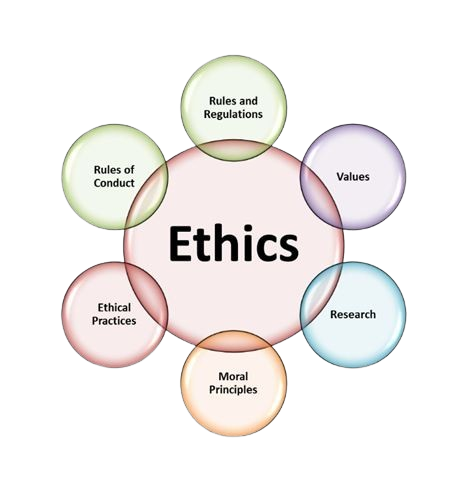
87. How to demonstrate workplace ethics in interviews?
Ans:
- Mentioning honesty, punctuality, and accountability reflects strong professional values immediately. These qualities are respected in every workplace clearly. Ethics starts with basics.
- Describing respectful treatment of colleagues shows team-oriented behavior effectively. Good relationships improve collaboration and culture significantly. Respect is essential.
- Supporting policy compliance and confidentiality demonstrates maturity significantly. Responsible behavior builds employer trust strongly. Discipline matters greatly.
- Giving ethical examples from academics or internships strengthens credibility naturally. Real situations make values believable during interviews. Examples create impact.
88. What is importance of flexibility in corporate jobs?
Ans:
Flexibility is important because business priorities, schedules, and project needs can change rapidly. Employees who remain cooperative during changes are valuable to organizations. Flexibility includes learning new tools, changing teams, or handling shifting timelines smoothly. Rigid behavior may slow progress in dynamic workplaces significantly. Strong flexibility improves employability and career progression.
89. How to show flexibility during interviews?
Ans:
- Expressing openness toward training, role learning, and new responsibilities creates positive recruiter confidence immediately. Recruiters value candidates who can grow with changing business needs. This reflects learning mindset strongly.
- Mentioning adaptability to schedule or team changes shows practical readiness effectively. Modern organizations often require quick adjustments across projects. Adaptability improves employability.
- Sharing examples of adjusting during academic projects strengthens authenticity significantly. Real experiences make interview answers more believable and impactful. Examples create stronger trust.
- Maintaining solution-focused language reflects flexible mindset naturally. Positive communication shows maturity during uncertain situations. This creates a professional impression.
90. Write a program for customer satisfaction score.
Ans:
This example calculates average customer rating.
- #include <stdio.h>
- int main() {
- int r1=4, r2=5, r3=4;
- float avg;
- avg=(r1+r2+r3)/3.0;
- printf(“Customer Score = %.2f”, avg);
- return 0;
- }
In this example, the program calculates average customer satisfaction rating.
91. How to demonstrate customer focus in interviews?
Ans:
- Mentioning importance of timely delivery and quality standards shows service mindset clearly. Customers value reliability and consistent outcomes greatly. This reflects professionalism.
- Explaining attentive listening to requirements reflects customer understanding effectively. Good listening prevents mistakes and improves satisfaction levels. Understanding needs is essential.
- Supporting teamwork for better outcomes demonstrates practical value significantly. Strong internal teamwork often leads to stronger customer results. Collaboration matters greatly.
- Showing patience and professionalism strengthens candidate image naturally. Calm behavior is highly valuable in client-facing environments. Professional conduct builds trust.
92. What is importance of confidence after rejection?
Ans:
Confidence after rejection is important because hiring journeys often include multiple attempts. Candidates who recover quickly continue improving instead of losing momentum. Rejections may result from competition, fit, or timing rather than capability alone. Strong confidence supports persistence and better future performance. Resilient mindset greatly increases long-term career success.
93. How to handle interview rejection positively?
Ans:
- Treating rejection as feedback opportunity helps maintain growth mindset strongly. Every setback can reveal areas for improvement clearly. Learning attitude is powerful.
- Reviewing preparation gaps and improving weak areas creates future advantage effectively. Better preparation increases chances in later interviews. Improvement builds confidence.
- Continuing applications regularly prevents discouragement from slowing progress significantly. Consistent effort creates more opportunities over time. Momentum matters greatly.
- Protecting confidence through consistent practice supports long-term success naturally. Skill growth reduces fear and increases readiness. Confidence comes from preparation.
94. What is importance of company research before interviews?
Ans:
Company research is important because informed candidates answer with stronger relevance and confidence. Knowing services, values, culture, and recent achievements shows genuine interest clearly. Research also helps create better answers for joining motivation questions. Candidates who understand the company often ask smarter questions later. Preparation through research significantly improves interview quality.
95. How to research Infosys before interviews?
Ans:
- Reviewing official website sections on services, careers, and values builds strong awareness effectively. Official sources provide accurate company information clearly. This improves answer relevance.
- Reading recent company news helps create updated and relevant responses significantly. Current awareness shows seriousness and preparation. Recruiters appreciate informed candidates.
- Understanding training culture and global presence improves motivation answers strongly. It helps explain why you want to join the company. This creates stronger impact.
- Learning role expectations supports better alignment during interviews naturally. Knowing responsibilities helps give practical responses. Preparation increases confidence.
96. What is importance of patience during hiring process?
Ans:
Patience is important because recruitment timelines may include assessments, interviews, and verification stages. Candidates who remain calm avoid unnecessary stress during waiting periods. Professional patience reflects maturity and emotional balance positively. Using waiting time for continued preparation creates better readiness. Patience supports smoother job search success significantly.
97. How to stay patient after interviews?
Ans:
- Continuing skill development after interviews keeps progress moving positively during waiting periods effectively. Productive use of time improves future opportunities greatly. Learning reduces stress.
- Avoiding overanalysis of every answer reduces stress significantly. Constant worry rarely changes results after interviews. Calm thinking is healthier.
- Applying to multiple opportunities creates balanced expectations naturally. Multiple options reduce pressure from one result only. Broader search is smart.
- Maintaining professional optimism supports mental confidence strongly. Positive mindset helps long-term consistency and motivation. Hope supports progress.
98. What is the difference between Career Goals and Career Plans?
Ans:
| Criteria | Career Goals | Career Plans |
|---|---|---|
| Meaning | Desired future achievements. | Steps to reach those achievements. |
| Focus | Destination oriented. | Action oriented. |
| Example | Become team leader. | Learn skills and gain experience. |
| Purpose | Provides direction. | Provides execution path. |
99. How to answer career goals questions properly?
Ans:
- Mentioning desire to build strong fundamentals creates practical fresher response immediately. Recruiters value candidates focused on learning basics first. This sounds realistic.
- Including skill growth and project contribution shows balanced ambition effectively. Growth with contribution reflects professional maturity. It creates positive impression.
- Referring to leadership aspirations in long term adds vision significantly. Long-range thinking shows commitment and ambition. Future goals matter.
- Keeping goals realistic and aligned with company growth strengthens impact naturally. Practical goals appear sincere and achievable. Alignment improves relevance.
100. What are final tips for Infosys fresher success journey?
Ans:
Success journey begins with disciplined preparation across aptitude, technical, and communication areas consistently. Candidates should maintain confidence, professionalism, and willingness to learn continuously. Every interview experience should be used for improvement and stronger future performance. Patience, consistency, and positive attitude create sustainable progress over time. Focused effort provides the strongest route toward Infosys fresher success.
101. What is importance of continuous learning after joining Infosys?
Ans:
Continuous learning is important because technology, tools, and business processes change rapidly in modern organizations. Freshers who continue learning after joining adapt faster to new responsibilities and projects successfully. This habit improves technical capability, communication quality, and long-term promotion potential steadily. Organizations value employees who upgrade skills without waiting for external pressure. Continuous learning strongly supports sustainable career growth significantly.
102. How to maintain continuous learning habit?
Ans:
- Creating weekly goals for certifications, reading, and technical practice helps maintain learning momentum consistently throughout career growth stages effectively. Small regular goals create long-term progress. Discipline matters greatly.
- Using company training platforms, workshops, and internal resources improves knowledge expansion significantly over time. Internal resources are valuable learning tools. Smart employees use them fully.
- Learning from mentors, seniors, and project experiences adds practical understanding beyond theory strongly. Real workplace learning builds faster maturity. Guidance accelerates growth.
- Tracking progress regularly builds discipline and motivation naturally for long-term development. Visible progress keeps enthusiasm high. Monitoring supports consistency.
103. What is importance of professionalism after selection?
Ans:
Professionalism remains important after selection because recruitment success is only the beginning of career growth. Behavior, punctuality, communication, and reliability shape workplace reputation continuously over time. Employees who remain professional gain trust from managers and colleagues more quickly. Strong professionalism also improves chances for better responsibilities and leadership opportunities. Professional conduct significantly influences long-term success.
104. Write a program for task completion percentage.
Ans:
This example calculates completed work percentage.
- #include <stdio.h>
- int main() {
- int completed=8, total=10;
- float percent;
- percent=(completed*100.0)/total;
- printf(“Completion = %.2f%%”, percent);
- return 0;
- }
In this example, the program calculates task completion percentage.
105. What is importance of workplace relationships for freshers?
Ans:
Workplace relationships are important because collaboration and support improve daily productivity greatly. Freshers who build respectful relationships usually learn faster through guidance and teamwork. Healthy connections reduce communication barriers and create positive working environments naturally. Professional relationships should be based on respect, cooperation, and trust consistently. Strong workplace rapport supports career progress significantly.
106. How to build strong workplace relationships?
Ans:
- Communicating politely and listening carefully helps create trust with colleagues from the beginning of employment effectively. Respectful communication builds strong first impressions. Trust grows steadily.
- Offering support during team tasks builds goodwill and stronger collaboration significantly. Helpful behavior is remembered positively. Team spirit matters.
- Respecting different opinions and work styles improves harmony naturally across teams. Diversity of thought strengthens workplace culture. Respect prevents conflicts.
- Maintaining professionalism while being approachable creates lasting positive relationships strongly. Friendly professionalism balances comfort and respect. This supports teamwork.
107. What is importance of taking initiative in jobs?
Ans:
Taking initiative is important because proactive employees help teams progress faster without constant supervision. Freshers who volunteer for learning and tasks often gain visibility and trust quickly. Initiative reflects ownership mindset, confidence, and growth orientation strongly. Managers appreciate employees who solve issues before escalation becomes necessary. Proactive behavior significantly improves career opportunities.
108. How to demonstrate initiative as fresher?
Ans:
- Volunteering for additional learning tasks and responsibilities shows enthusiasm and ownership immediately within professional environments effectively. Managers notice proactive behavior quickly. Initiative creates opportunities.
- Suggesting practical improvements after understanding processes reflects thoughtful contribution significantly. Useful ideas show engagement with work. Smart suggestions matter.
- Solving minor issues independently before escalation demonstrates confidence strongly. Responsible problem solving builds trust naturally. Independence is valuable.
- Asking for new learning opportunities creates proactive professional image naturally. Curiosity reflects growth mindset clearly. Learning attitude is respected.
109. What is the difference between Accountability and Responsibility?
Ans:
| Criteria | Accountability | Responsibility |
|---|---|---|
| Meaning | Answerable for final result. | Assigned duty or task. |
| Focus | Ownership of outcomes. | Execution of work. |
| Authority | Usually with leader or owner. | Can be shared among team. |
| Result | Success or failure ownership. | Task completion effort. |
110. How to show accountability at work?
Ans:
- Accepting assigned tasks seriously and delivering committed outcomes creates dependable image strongly during workplace responsibilities effectively. Reliability makes employees valuable. Ownership builds trust.
- Communicating delays early with solutions reflects maturity and honesty significantly. Transparency helps teams plan better. Honest updates matter.
- Correcting mistakes quickly instead of hiding them builds trust naturally. Responsibility is respected by managers greatly. Integrity is important.
- Reviewing completed work carefully shows ownership and responsibility consistently. Self-checking reduces errors and improves quality. Discipline creates results.
111. What is importance of performance feedback in Infosys careers?
Ans:
Performance feedback is important because improvement becomes faster when strengths and gaps are clearly identified. Employees who accept feedback positively usually grow skills and maturity more quickly. Feedback helps align performance with company standards and project expectations effectively. Ignoring feedback may slow progress and repeat avoidable mistakes regularly. Constructive feedback strongly supports professional development significantly.
112. How to use feedback for growth?
Ans:
- Listening carefully without defensiveness helps capture valuable improvement suggestions from seniors effectively during professional discussions consistently. Open mindset improves learning speed greatly. Feedback becomes useful.
- Converting feedback into action plans creates measurable progress significantly over time. Action matters more than hearing advice only. Implementation drives growth.
- Asking clarifying questions ensures complete understanding of expectations strongly. Clear expectations prevent repeated mistakes. Questions are valuable.
- Reviewing later improvement results builds confidence naturally. Progress proves effort is working. Reflection supports motivation.
113. What is importance of patience for long-term success?
Ans:
Patience is important because careers develop through learning, effort, and gradual advancement rather than instant results. Freshers who stay patient during training and early challenges usually perform better later. This quality supports emotional balance during pressure, delays, and changing circumstances. Patient professionals remain focused on growth instead of frustration. Patience strongly contributes to lasting success significantly.
114. How to stay motivated for long-term career growth?
Ans:
- Setting clear yearly goals for skills, promotions, and learning keeps direction strong throughout career journey effectively. Goals provide purpose and focus daily. Direction improves consistency.
- Celebrating small milestones helps maintain motivation significantly during demanding periods. Small wins keep energy positive. Progress should be recognized.
- Learning from successful professionals provides inspiration and practical strategies strongly. Good examples guide better decisions. Mentorship helps growth.
- Maintaining healthy routine and positive mindset supports sustained motivation naturally. Strong habits protect long-term performance. Health matters greatly.
115. What are ultimate tips for Infosys fresher interview success?
Ans:
Ultimate success comes from balanced preparation across aptitude, technical subjects, and communication ability consistently. Candidates should understand resume details, projects, and HR questions thoroughly before interviews. Professional attitude, punctuality, honesty, and confidence create memorable positive impressions strongly. Continuous practice, patience, and willingness to learn improve every opportunity steadily. Disciplined effort provides the strongest path toward Infosys fresher selection success.
![Top Informatica Interview Questions & Answers – [UPDATED] Interview Question](https://www.acte.in/wp-content/uploads/2020/05/4-img-acte-1-400x218.jpeg)