LMS
LMS
Last updated on 19th Jun 2026| 7523

TCS iON NQT (National Qualifier Test) Is One Of The Most Popular Employability Assessments For Students And Fresh Graduates Seeking Opportunities In The IT Industry. The Test Evaluates Candidates In Aptitude, Reasoning, Verbal Ability, Programming, And Technical Skills. Preparing With Frequently Asked TCS iON NQT Questions And Answers Helps Improve Problem-Solving Abilities And Increases Confidence During The Recruitment Process. Understanding Key Concepts, Practicing Coding Problems, And Reviewing Technical Interview Questions Can Significantly Enhance Performance. This Guide Covers Important TCS iON NQT Questions And Answers To Help Students Prepare Effectively And Improve Their Chances Of Securing A Job In Leading Companies.
1. What Is C Programming?
Ans:
C Is A General-Purpose Programming Language Used For System And Application Development. It Is Fast, Efficient, And Portable Across Platforms. C Supports Structured Programming Concepts. It Provides Direct Memory Access Through Pointers. Many Modern Languages Are Derived From C. It Is Widely Used In Operating Systems And Embedded Systems. Learning C Helps Build Strong Programming Fundamentals. C Continues To Be A Preferred Language For Learning Programming Basics.
2. What Is A Dictionary In Python?
Ans:
- A Dictionary Stores Data As Key-Value Pairs. Keys Must Be Unique. Dictionaries Provide Fast Data Access. They Are Mutable Collections. Dictionaries Simplify Data Organization.
- Python Uses Curly Braces For Dictionaries. They Are Widely Used In Real Applications. Dictionaries Improve Lookup Efficiency.
- They Support Flexible Data Storage. Dictionaries Are Ideal For Storing And Retrieving Data Efficiently Using Keys.
3. What Is A Variable In Programming?
Ans:
A Variable Is A Named Memory Location Used To Store Data. Its Value Can Change During Program Execution. Variables Help Manage Information Efficiently. Each Variable Has A Specific Data Type. Proper Variable Naming Improves Code Readability. Variables Are Essential For Calculations And Data Processing. They Form The Foundation Of Every Program. Variables Make Programs Dynamic And Flexible.
4. What Are Data Types In C?
Ans:
Data Types Define The Type Of Data A Variable Can Store. Common Data Types Include Int, Float, Char, And Double. They Determine Memory Allocation Requirements. Data Types Help Prevent Invalid Operations. Choosing The Correct Type Improves Performance. They Ensure Accurate Data Processing. Data Types Are Fundamental To Programming Logic. Proper Data Types Improve Program Accuracy And Efficiency.
5. What Is A Loop?
Ans:
A Loop Repeats A Block Of Code Multiple Times. It Helps Reduce Redundant Coding Efforts. Common Loops Include For, While, And Do-While. Loops Improve Program Efficiency And Readability. They Are Useful For Iterative Tasks. Loop Conditions Control Execution Flow. Proper Loop Usage Optimizes Program Performance. Loops Are Essential For Repetitive Programming Tasks.
6. What Is An Array?
Ans:
An Array Is A Collection Of Similar Data Elements Stored Sequentially. Each Element Is Accessed Using An Index. Arrays Simplify Data Management. They Reduce The Need For Multiple Variables. Arrays Improve Program Organization. They Are Widely Used In Sorting And Searching Operations. Arrays Enable Efficient Data Storage. Arrays Help Manage Large Amounts Of Data Easily.
7. What Is A Function?
Ans:
- A Function Is A Reusable Block Of Code Designed To Perform A Specific Task. Functions Improve Modularity And Readability. They Reduce Code Duplication.
- Functions Can Accept Parameters And Return Values. They Simplify Program Maintenance. Functions Promote Structured Programming Practices.
- They Enhance Overall Code Quality. Functions Make Programs Easier To Understand And Debug.
8. What Is Recursion?
Ans:
Recursion Is A Technique Where A Function Calls Itself. It Solves Problems By Breaking Them Into Smaller Subproblems. Recursive Functions Require A Base Condition. Without A Base Case, Infinite Recursion Can Occur. It Is Commonly Used In Tree Traversals. Recursion Simplifies Complex Algorithms. Proper Design Ensures Efficient Execution. It Is Useful For Solving Hierarchical And Mathematical Problems.
9. What Is A Pointer?
Ans:
A Pointer Is A Variable That Stores The Address Of Another Variable. It Enables Direct Memory Access. Pointers Improve Performance In Certain Operations. They Are Widely Used In Dynamic Memory Allocation. Pointers Support Efficient Data Structures. Proper Handling Prevents Memory Errors. They Are An Important Feature Of C Programming. Pointers Provide Greater Control Over System Memory.
10. What Is Dynamic Memory Allocation?
Ans:
Dynamic Memory Allocation Allows Memory To Be Assigned During Runtime. Functions Like Malloc And Free Are Used In C. It Provides Flexibility In Memory Management. Programs Can Request Memory As Needed. Proper Deallocation Prevents Memory Leaks. Dynamic Allocation Is Useful For Large Applications. It Improves Resource Utilization. It Enables Efficient Use Of Available System Memory.
11. What Is A Structure In C?
Ans:
- A Structure Is A User-Defined Data Type That Groups Different Data Types Together. It Helps Organize Related Information. Structures Improve Data Management.
- They Are Useful In Real-World Applications. Each Member Can Have A Different Data Type. Structures Support Complex Data Representation.
- They Enhance Program Readability. Structures Are Commonly Used To Model Real-World Entities.
12. What Is A Queue?
Ans:
A Queue Is A Linear Data Structure Following FIFO Principle. FIFO Means First In First Out. Elements Are Inserted At The Rear. Elements Are Removed From The Front. Queues Are Used In Scheduling Systems. They Support Resource Management. Queues Are Important In Operating Systems. They Help Manage Tasks In The Order They Arrive. Queues Ensure Fair Processing Of Requests And Operations.
13. What Is An Algorithm?
Ans:
An Algorithm Is A Step-By-Step Procedure To Solve A Problem. It Defines The Logic Of A Program. Algorithms Should Be Clear And Efficient. Good Algorithms Reduce Execution Time. They Help Developers Design Better Solutions. Algorithms Are Independent Of Programming Languages. They Are Essential In Software Development. Efficient Algorithms Improve Overall Application Performance
14. Program To Find The Sum Of Two Numbers
Ans:
This Program Adds Two Numbers Using The Addition Operator. The Variables a And b Store The Values. The Sum Is Calculated And Displayed Using printf(). It Is One Of The Most Basic Programming Questions Asked In TCS iON NQT.
- #include
- int main(){
- int a=10,b=20;
- printf(“%d”,a+b);
- }
15. What Is Time Complexity?
Ans:
Time Complexity Measures The Execution Time Of An Algorithm. It Describes How Performance Changes With Input Size. Big O Notation Is Commonly Used. Lower Complexity Indicates Better Efficiency. It Helps Compare Different Algorithms. Time Complexity Is Important In Optimization. Efficient Algorithms Improve System Performance. It Assists Developers In Selecting Better Solutions.
16. What Is Space Complexity?
Ans:
Space Complexity Measures The Memory Required By An Algorithm. It Includes Input Storage And Auxiliary Memory. Efficient Algorithms Use Less Memory. Space Complexity Helps Optimize Resource Usage. It Is Often Analyzed Alongside Time Complexity. Lower Space Requirements Improve Scalability. It Is Important For Large Applications. It Helps Create Memory-Efficient Software Solutions.
17. What Is Linear Search?
Ans:
- Linear Search Checks Each Element Sequentially Until The Target Is Found. It Is Simple To Implement. It Works On Sorted And Unsorted Data.
- The Worst-Case Time Complexity Is O(n). It Is Suitable For Small Datasets. Linear Search Requires No Special Data Arrangement.
- It Is Commonly Used In Basic Applications. It Is Easy To Understand And Implement. Linear Search Is Often Used When The Dataset Size Is Small.
18. What Is Binary Search?
Ans:
Binary Search Finds Elements In A Sorted Array Efficiently. It Repeatedly Divides The Search Space In Half. The Time Complexity Is O(log n). Binary Search Is Faster Than Linear Search. It Requires Sorted Data. The Algorithm Reduces Comparisons Significantly. It Is Widely Used In Search Applications. It Is One Of The Most Efficient Searching Techniques. Binary Search Greatly Improves Search Performance In Large Datasets.
19. What Is A Stack?
Ans:
A Stack Is A Linear Data Structure Following LIFO Principle. LIFO Means Last In First Out. Elements Are Added Using Push Operation. Elements Are Removed Using Pop Operation. Stacks Are Used In Function Calls. They Support Expression Evaluation. Stacks Simplify Many Computational Tasks. They Are Widely Used In Compiler And Memory Management. Stacks Are Essential For Managing Program Execution Flow.
20. What Is The Difference Between Structure And Union?
Ans:
| Feature | Structure | Union |
|---|---|---|
| Definition | A Structure Is A User-Defined Data Type That Groups Different Data Types Together. | A Union Is A User-Defined Data Type That Allows Different Data Types To Share The Same Memory Location |
| Memory Allocation | Separate Memory Is Allocated For Each Member. | All Members Share The Same Memory Space. |
| Memory Size | Size Is Equal To The Sum Of All Member Sizes (Including Padding). | Size Is Equal To The Size Of The Largest Member. |
| Access To Members | All Members Can Store Values Simultaneously. | Only One Member Can Hold A Value At A Time. |
21. What Is A Linked List?
Ans:
- A Linked List Is A Linear Data Structure Consisting Of Nodes. Each Node Contains Data And A Reference To The Next Node. Linked Lists Support Dynamic Memory Allocation.
- They Allow Efficient Insertions And Deletions. Unlike Arrays, They Do Not Require Contiguous Memory. Linked Lists Are Widely Used In Data Management.
- They Provide Flexibility In Handling Dynamic Data. Different Types Include Singly, Doubly, And Circular Linked Lists. Linked Lists Are Commonly Used In Implementing Stacks And Queues.
22. What Is A Doubly Linked List?
Ans:
A Doubly Linked List Contains Nodes With Two References. One Reference Points To The Next Node. The Other Reference Points To The Previous Node. It Allows Traversal In Both Directions. Insertions And Deletions Become Easier. It Requires More Memory Than A Singly Linked List. Doubly Linked Lists Improve Navigation Efficiency. They Are Used In Browser History And Navigation Systems. They Support Efficient Bidirectional Data Traversal.
23. What Is A Circular Linked List?
Ans:
A Circular Linked List Is A Linked List Where The Last Node Points To The First Node. It Forms A Circular Structure. There Is No Null Reference At The End. It Supports Continuous Traversal. Circular Linked Lists Are Useful In Scheduling Applications. They Optimize Certain Operations. Memory Utilization Is Efficient. They Are Used In Round Robin Scheduling Algorithms. Circular Structures Simplify Repetitive Processing Tasks.
24. What Is A Tree Data Structure?
Ans:
A Tree Is A Hierarchical Data Structure Consisting Of Nodes. The Topmost Node Is Called The Root. Nodes Are Connected Through Parent-Child Relationships. Trees Represent Hierarchical Information Efficiently. They Support Fast Searching And Sorting. Trees Are Used In Databases And File Systems. Various Types Include Binary Trees And AVL Trees. Trees Improve Data Organization And Retrieval. They Are Essential In Many Computer Science Applications.
25. What Is A Binary Tree?
Ans:
- A Binary Tree Is A Tree Where Each Node Has At Most Two Children. These Children Are Called Left And Right Child Nodes. Binary Trees Support Efficient Data Processing.
- They Are Used In Expression Evaluation. Binary Trees Simplify Searching Operations. Traversal Techniques Are Commonly Applied.
- They Form The Basis For Advanced Tree Structures. Binary Trees Improve Data Representation Efficiency. They Are Widely Used In Software Development.
26. What Is A Binary Search Tree?
Ans:
A Binary Search Tree Is A Special Binary Tree. In A BST, Left Child Values Are Smaller Than The Parent. Right Child Values Are Greater Than The Parent. This Property Enables Fast Searching. BST Operations Include Insert, Delete, And Search. It Improves Data Retrieval Performance. BSTs Are Common In Database Applications. They Reduce Search Complexity Significantly. Balanced BSTs Further Enhance Performance
27. Write A Program To Check Whether A Number Is Even Or Odd.
Ans:
This Program Uses The Modulus Operator % To Check The Remainder. If The Number Is Divisible By 2, It Is Even. Otherwise, It Is Odd. This Is A Frequently Asked Logic-Based Question In Placement Tests.
- #include
- int main(){
- int n=8;
- printf(n%2==0?”Even”:”Odd”);
- }
28. What Is A Graph?
Ans:
A Graph Is A Non-Linear Data Structure Consisting Of Vertices And Edges. Vertices Represent Entities. Edges Represent Connections Between Entities. Graphs Model Real-World Relationships Effectively. They Are Used In Social Networks. Graph Algorithms Solve Connectivity Problems. Graphs Support Pathfinding Applications. They Are Important In Computer Science. Graph Theory Has Many Practical Applications
29. What Is BFS?
Ans:
Breadth First Search Is A Graph Traversal Algorithm. It Explores Nodes Level By Level. BFS Uses A Queue Data Structure. It Finds The Shortest Path In Unweighted Graphs. BFS Visits Neighboring Nodes First. It Is Easy To Implement. BFS Is Useful In Networking Applications. It Guarantees Complete Exploration Of Reachable Nodes. BFS Is Widely Used In Pathfinding Problems.
30. What Is DFS?
Ans:
Depth First Search Is A Graph Traversal Technique. It Explores A Branch Fully Before Backtracking. DFS Uses A Stack Or Recursion. It Is Useful For Exploring Complex Graphs. DFS Helps Detect Cycles. It Supports Topological Sorting. DFS Is Widely Used In Problem Solving. It Efficiently Traverses Deep Structures. DFS Plays A Key Role In Graph Algorithms.It Is Commonly Used In Pathfinding And Network Analysis Applications.
31. What Is A Database?
Ans:
A Database Is An Organized Collection Of Data. It Enables Efficient Storage And Retrieval. Databases Support Multiple Users Simultaneously. They Maintain Data Consistency And Integrity. Database Systems Reduce Redundancy. They Improve Data Security. Databases Are Used In Almost Every Application. They Facilitate Effective Information Management. Modern Businesses Depend Heavily On Databases.
32. What Is DBMS?
Ans:
- A Database Management System Is Software Used To Manage Databases. It Provides Data Storage Facilities. DBMS Supports Data Manipulation Operations.
- It Controls User Access. It Maintains Data Integrity And Security. Popular DBMS Examples Include MySQL And Oracle.
- DBMS Simplifies Database Administration. It Improves Data Availability And Reliability. DBMS Is Essential For Modern Information Systems.
33. What Is SQL?
Ans:
SQL Stands For Structured Query Language. It Is Used To Interact With Databases. SQL Supports Data Retrieval And Manipulation. Commands Include SELECT, INSERT, UPDATE, And DELETE. SQL Simplifies Database Operations. It Is Widely Supported By Database Systems. SQL Enhances Data Management Efficiency. It Is An Industry Standard For Databases. SQL Skills Are Highly Valuable In IT Careers.
34. What Is A Primary Key?
Ans:
A Primary Key Uniquely Identifies Each Record In A Table. It Prevents Duplicate Entries. Primary Keys Cannot Contain Null Values. They Ensure Data Integrity. Every Table Typically Has One Primary Key. Primary Keys Improve Query Performance. They Help Establish Relationships Between Tables. Proper Key Selection Is Important. Primary Keys Maintain Database Consistency.
35. What Is A Foreign Key?
Ans:
A Foreign Key Creates Relationships Between Tables. It References The Primary Key Of Another Table. Foreign Keys Maintain Referential Integrity. They Prevent Invalid Data Entries. Relationships Improve Data Organization. Foreign Keys Support Normalization. They Enable Efficient Data Linking. Foreign Keys Ensure Consistency Across Related Tables. They Are Fundamental In Relational Databases.
36. What Is Normalization?
Ans:
Normalization Is The Process Of Organizing Database Tables Efficiently. It Reduces Data Redundancy. Normalization Improves Data Consistency. It Divides Large Tables Into Smaller Ones. Relationships Connect The Resulting Tables. Normal Forms Guide The Process. Normalization Simplifies Maintenance. It Enhances Database Performance. Proper Normalization Leads To Better Database Design.
37. What Is Denormalization?
Ans:
Denormalization Combines Tables To Improve Query Performance. It Reduces The Need For Complex Joins. Denormalization Increases Data Redundancy. It Is Used In Read-Intensive Systems. Performance Gains May Be Significant. Careful Planning Is Required. Denormalization Balances Speed And Storage. It Is Common In Data Warehousing. The Technique Optimizes Large-Scale Queries.
38. What Is An Operating System?
Ans:
- An Operating System Is System Software That Manages Hardware And Software Resources. It Provides A User Interface. The OS Handles Memory Management.
- It Controls Process Execution. Operating Systems Manage Input And Output Devices. Examples Include Windows And Linux.
- The OS Ensures Efficient Resource Utilization. It Acts As A Bridge Between Users And Hardware. Operating Systems Are Essential For Computer Functionality.
39. What Is A Process?
Ans:
A Process Is A Program In Execution. It Has Its Own Memory Space. Processes Perform Tasks Independently. The Operating System Manages Processes. Multiple Processes Can Run Simultaneously. Processes Support Multitasking. Resource Allocation Is Handled Efficiently. Process Management Improves System Performance. Processes Are Fundamental To Operating Systems.
40. What Is A Thread?
Ans:
A Thread Is The Smallest Unit Of Execution Within A Process. Multiple Threads Can Exist In A Process. Threads Share Process Resources. They Improve Application Performance. Multithreading Supports Concurrent Execution. Threads Reduce Resource Consumption. They Enhance Responsiveness. Thread Management Is Important In Modern Applications. Threads Improve Computational Efficiency.
41. What Is A Deadlock?
Ans:
- A Deadlock Occurs When Two Or More Processes Wait Indefinitely For Resources Held By Each Other. None Of The Processes Can Proceed. Deadlocks Reduce System Efficiency.
- They Usually Occur In Multi-Processing Environments. Resource Allocation Must Be Managed Carefully. Prevention And Detection Techniques Are Used.
- Deadlocks Can Cause System Delays. Operating Systems Provide Mechanisms To Handle Them. Proper Resource Management Minimizes Deadlock Risks.
42. What Is CPU Scheduling?
Ans:
CPU Scheduling Is The Process Of Selecting A Process For Execution. The Operating System Decides Which Process Runs Next. Scheduling Improves CPU Utilization. Different Algorithms Are Available. Examples Include FCFS And Round Robin. Scheduling Reduces Waiting Time. It Enhances System Performance. Efficient Scheduling Improves User Experience. It Is A Core Function Of Operating Systems.
43. Program To Find The Largest Of Two Numbers
Ans:
This Program Uses The Ternary Operator To Compare Two Numbers. If a Is Greater Than b, It Prints a; Otherwise, It Prints b. The Approach Is Simple And Efficient For Beginners.
- #include
- int main(){
- int a=15,b=25;
- printf(“%d”,(a>b)?a:b);
- }
44. What Is Object-Oriented Programming?
Ans:
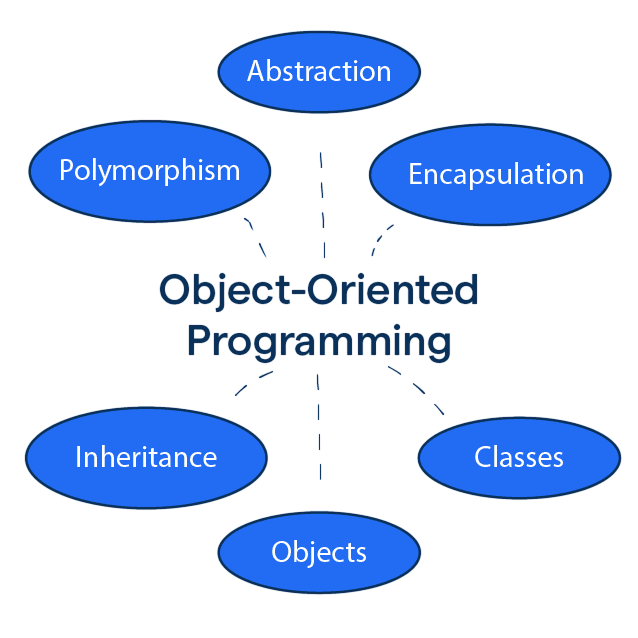
Object-Oriented Programming Is A Programming Paradigm Based On Objects. Objects Combine Data And Methods. OOP Promotes Code Reusability. It Supports Modularity And Maintainability. Major Concepts Include Encapsulation And Inheritance. OOP Simplifies Complex Software Development. Languages Like Java Use OOP Extensively. It Enhances Software Design Quality. OOP Is Widely Used In Modern Applications.
45. What Is A Class?
Ans:
A Class Is A Blueprint For Creating Objects. It Defines Properties And Behaviors. Classes Support Code Reusability. Objects Are Instances Of Classes. A Class Organizes Related Data And Functions. It Improves Program Structure. Classes Are Fundamental In OOP. They Help Build Modular Applications. Classes Simplify Software Development.
46. What Is An Object?
Ans:
An Object Is An Instance Of A Class. It Contains Data And Methods. Objects Represent Real-World Entities. They Interact With Other Objects. Objects Support Encapsulation. They Improve Program Organization. OOP Relies On Objects For Functionality. Each Object Has Its Own State. Objects Make Programs More Realistic And Manageable. Objects Help Model Real-World Problems Effectively In Software Development.
47. What Is Encapsulation?
Ans:
- Encapsulation Is The Process Of Wrapping Data And Methods Together. It Restricts Direct Access To Data. Encapsulation Improves Security.
- It Protects Internal Object Details. Access Modifiers Control Visibility. Encapsulation Enhances Maintainability. It Supports Modular Design.
- This Concept Is Fundamental In OOP. Encapsulation Promotes Better Code Management. It Helps Prevent Unauthorized Access And Modification Of Data.
48. What Is Inheritance?
Ans:
Inheritance Allows One Class To Acquire Properties Of Another Class. It Promotes Code Reusability. The Existing Class Is Called Parent Class. The Derived Class Is Called Child Class. Inheritance Reduces Redundant Code. It Supports Hierarchical Relationships. OOP Uses Inheritance Extensively. It Simplifies Application Development. Inheritance Improves Software Scalability.
49. What Is Polymorphism?
Ans:
Polymorphism Means One Interface With Multiple Implementations. It Allows Methods To Behave Differently. Polymorphism Supports Flexibility. It Enhances Code Reusability. Method Overloading And Overriding Are Examples. OOP Uses Polymorphism Widely. It Simplifies Program Extension. Polymorphism Improves Maintainability. It Makes Applications More Adaptable.
50. What Is Abstraction?
Ans:
Abstraction Hides Implementation Details And Shows Essential Features. It Simplifies Complex Systems. Users Focus On Functionality Rather Than Internal Logic. Abstract Classes And Interfaces Support Abstraction. It Enhances Security. Abstraction Improves Maintainability. It Is A Core OOP Principle. It Reduces Complexity In Development. Abstraction Helps Build Robust Applications.
51. What Is Method Overloading?
Ans:
Method Overloading Allows Multiple Methods With The Same Name. The Methods Differ In Parameters. It Improves Readability. Overloading Supports Compile-Time Polymorphism. It Simplifies Program Design. Different Inputs Can Be Handled Efficiently. Java Supports Method Overloading. It Enhances Flexibility. Overloading Improves Code Reusability.
52. What Is Method Overriding?
Ans:
Method Overriding Occurs When A Child Class Redefines A Parent Method. It Supports Runtime Polymorphism. Overriding Provides Specialized Behavior. The Method Signature Remains The Same. It Enhances Flexibility. Overriding Is Common In OOP Applications. It Improves Code Extensibility. Dynamic Method Dispatch Uses Overriding. It Enables Customized Functionality.
53. What Is Java?
Ans:
Java Is A Popular Object-Oriented Programming Language. It Is Platform Independent. Java Uses The JVM For Execution. It Supports Robust And Secure Applications. Java Is Widely Used In Enterprise Development. It Provides Rich Libraries. Java Supports Multithreading. It Is Common In Web And Mobile Applications. Java Remains Highly Demanded In Industry. Java Follows The Principle Of Write Once, Run Anywhere.
54. What Is JVM?
Ans:
- JVM Stands For Java Virtual Machine. It Executes Java Bytecode. JVM Makes Java Platform Independent. It Manages Memory Efficiently.
- JVM Supports Garbage Collection. It Provides Runtime Environment For Java Programs. JVM Improves Portability.
- It Enhances Security Features. JVM Is Essential For Java Execution. JVM Acts As A Bridge Between Java Programs And The Operating System
55. What Is JDK?
Ans:
DK Stands For Java Development Kit. It Provides Tools For Java Development. JDK Includes JVM And JRE. Developers Use It To Compile Programs. It Supports Application Creation. JDK Contains Debugging Utilities. It Is Required For Java Programming. The Kit Simplifies Development Tasks. JDK Is Essential For Java Developers. It Provides Everything Needed To Develop And Test Java Applications.
56. What Is JRE?
Ans:
JRE Stands For Java Runtime Environment. It Provides Libraries And JVM. JRE Allows Java Applications To Run. It Does Not Include Development Tools. End Users Typically Need JRE. It Supports Program Execution. JRE Ensures Compatibility. It Simplifies Running Java Programs. JRE Is A Vital Part Of The Java Ecosystem. It Provides The Necessary Environment For Executing Java Applications.
57. What Is Python?
Ans:
Python Is A High-Level Programming Language. It Has Simple And Readable Syntax. Python Supports Multiple Programming Paradigms. It Is Widely Used In AI And Data Science. Python Offers Extensive Libraries. It Enhances Developer Productivity. Python Is Easy To Learn. It Supports Rapid Application Development. Python Is Popular Across Industries. Python Is One Of The Most Preferred Languages For Beginners.
58. What Is A List In Python?
Ans:
A List Is A Collection Data Type In Python. It Stores Multiple Values. Lists Are Ordered And Mutable. Elements Can Be Added Or Removed. Lists Support Indexing. They Simplify Data Management. Lists Are Widely Used In Python Programs. They Allow Storing Different Data Types. Lists Provide Flexible Data Handling. Lists Are Useful For Managing Dynamic Collections Of Data.
59. What Is A Tuple In Python?
Ans:
A Tuple Is An Ordered Collection In Python. Tuples Are Immutable. Once Created, Values Cannot Change. Tuples Support Indexing. They Improve Data Security. Tuples Consume Less Memory. They Are Useful For Fixed Data. Python Uses Tuples Frequently. Tuples Improve Program Reliability. Tuples Are Commonly Used When Data Should Remain Unchanged.
60. What Is The Difference Between Compiler And Interpreter?
Ans:
| Feature | Compiler | Interpreter |
|---|---|---|
| Definition | Translates The Entire Source Code Into Machine Code Before Execution | Translates And Executes Source Code Line By Line |
| Execution Speed | Faster Execution After Compilation | Slower Execution Due To Line-By-Line Translation |
| Error Detection | Reports Errors After Compiling The Entire Program | Reports Errors One By One During Execution |
| Output | Generates An Executable File | Does Not Generate An Executable File |
61. What Is Computer Networking?
Ans:
Computer Networking Connects Multiple Devices For Communication. Networks Enable Data Sharing. They Support Resource Utilization. Networking Is Essential For Internet Access. Devices Communicate Through Protocols. Networks Improve Collaboration. They Support Modern Businesses. Networking Technologies Continue To Evolve. Networks Form The Backbone Of Digital Communication.
62. What Is An IP Address?
Ans:
An IP Address Is A Unique Identifier For A Device On A Network. It Helps Route Data Correctly. IP Addresses Can Be IPv4 Or IPv6. They Support Device Communication. Every Internet-Connected Device Uses An IP Address. It Enables Network Connectivity. IP Addresses Are Essential In Networking. They Ensure Accurate Data Delivery. Network Management Depends On IP Addressing.
63. What Is DNS?
Ans:
- DNS Stands For Domain Name System. It Converts Domain Names Into IP Addresses. DNS Makes Internet Usage Easier. Users Can Access Websites By Name.
- DNS Eliminates The Need To Remember IP Addresses. It Supports Efficient Navigation. DNS Servers Handle Requests.
- It Is Essential For Internet Functionality. DNS Improves User Convenience. DNS Acts Like The Internet’s Phonebook For Website Access.
64. What Is HTTP?
Ans:
HTTP Stands For HyperText Transfer Protocol. It Enables Communication Between Browsers And Servers. HTTP Transfers Web Content. It Is A Stateless Protocol. Websites Use HTTP Extensively. It Supports Client-Server Architecture. HTTP Is Fundamental To Web Browsing. Secure Communication Uses HTTPS. HTTP Powers Modern Web Applications. It Allows Web Pages And Resources To Be Delivered Efficiently.
65. Program To Find The Factorial Of A Number
Ans:
The Program Multiplies Numbers From 1 To n Using A Loop. For n = 5, The Output Is 120. Factorial Questions Are Common In TCS NQT To Test Looping Concepts.
- #include
- int main(){
- int i,f=1,n=5;
- for(i=1;i<=n;i++) f*=i;
- printf(“%d”,f);
- }
66. What Is Cloud Computing?
Ans:
Cloud Computing Is The Delivery Of Computing Services Over The Internet. It Provides Access To Servers, Storage, And Applications. Users Can Access Resources On Demand. Cloud Computing Reduces Infrastructure Costs. It Supports Scalability And Flexibility. Popular Models Include IaaS, PaaS, And SaaS. Businesses Use Cloud Services Extensively. Cloud Computing Enhances Operational Efficiency. It Enables Remote Access To Resources. Cloud Technology Supports Modern Digital Transformation.
67. What Is Virtualization?
Ans:
Virtualization Is The Creation Of Virtual Versions Of Computing Resources. It Allows Multiple Operating Systems To Run On One Physical Machine. Virtualization Improves Resource Utilization. It Reduces Hardware Costs. Virtual Machines Operate Independently. Virtualization Simplifies System Management. It Supports Cloud Computing Environments. Organizations Use It For Better Efficiency. It Enhances Flexibility In IT Infrastructure. Virtualization Optimizes Hardware Performance.
68. What Is An API?
Ans:
API Stands For Application Programming Interface. It Enables Communication Between Software Applications. APIs Define Rules For Data Exchange. They Simplify Integration Between Systems. APIs Improve Development Speed. They Promote Reusability Of Services. Modern Applications Depend Heavily On APIs. APIs Support Automation And Connectivity. They Enhance Software Functionality. APIs Are Essential In Modern Software Development.
69. What Is REST API?
Ans:
- REST Stands For Representational State Transfer. It Is An Architectural Style For Web Services. REST APIs Use HTTP Methods Like GET And POST.
- They Are Lightweight And Scalable. REST Promotes Stateless Communication. It Is Widely Used In Web Applications. REST APIs Simplify System Integration.
- They Improve Interoperability Between Platforms. REST Supports Efficient Data Exchange. It Is Popular In Modern Application Development.
70. What Is SDLC?
Ans:
SDLC Stands For Software Development Life Cycle. It Defines The Process Of Developing Software. Common Phases Include Planning, Design, Coding, Testing, And Maintenance. SDLC Improves Project Management. It Ensures High-Quality Software Delivery. Different Models Include Waterfall And Agile. SDLC Reduces Development Risks. It Enhances Team Coordination. SDLC Provides A Structured Development Approach. It Is Essential For Successful Software Projects.
71. What Is Agile Methodology?
Ans:
Agile Is A Software Development Approach Focused On Flexibility. It Promotes Iterative Development. Agile Encourages Customer Collaboration. Teams Deliver Software In Small Increments. Agile Supports Quick Adaptation To Changes. It Improves Product Quality. Agile Enhances Communication Among Team Members. Continuous Feedback Is A Key Principle. Agile Accelerates Software Delivery. It Is Widely Used In Modern Development Teams.
72. What Is Scrum?
Ans:
Scrum Is An Agile Framework For Managing Projects. It Divides Work Into Iterations Called Sprints. Scrum Encourages Team Collaboration. Daily Stand-Up Meetings Improve Communication. Scrum Includes Roles Like Scrum Master And Product Owner. It Enhances Productivity. Scrum Supports Continuous Improvement. Teams Deliver Incremental Value Regularly. Scrum Improves Project Transparency. It Helps Manage Complex Development Projects.
73. What Is Software Testing?
Ans:
Software Testing Is The Process Of Evaluating Software Quality. It Identifies Defects And Errors. Testing Ensures Software Meets Requirements. It Improves Reliability And Performance. Different Testing Types Exist. Testing Enhances User Satisfaction. It Reduces Software Failures. Testing Is A Critical Development Activity. Proper Testing Improves Product Quality. It Ensures Better Customer Experience.
74. What Is A Bug?
Ans:
A Bug Is A Defect Or Error In Software. Bugs Cause Unexpected Behavior. They Can Affect Performance And Functionality. Developers Identify And Fix Bugs During Testing. Bugs May Result From Coding Mistakes. Bug Tracking Systems Help Manage Issues. Removing Bugs Improves Software Quality. Early Detection Saves Development Costs. Bugs Can Impact User Experience. Effective Testing Reduces The Number Of Bugs.
75. What Is The Bug Life Cycle?
Ans:
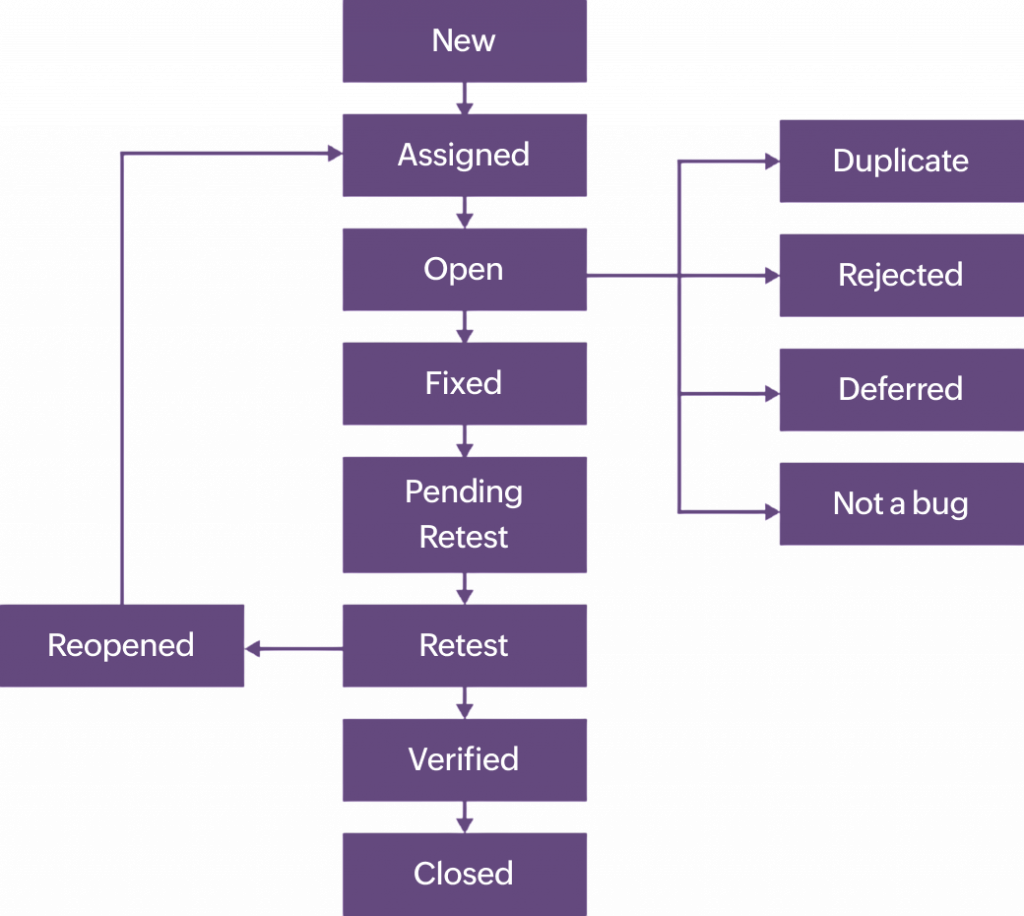
- The Bug Life Cycle Describes The Stages Of A Defect. A Bug Is Reported, Verified, Assigned, Fixed, And Retested. It Helps Track Defects Efficiently.
- Proper Management Improves Software Quality. Different Statuses Indicate Progress. Teams Use Tracking Tools For Monitoring.
- The Process Ensures Accountability. It Supports Better Communication. Bug Life Cycle Improves Defect Resolution Efficiency. It Helps Deliver Reliable Software.
76. Program To Reverse A Number
Ans:
This Program Extracts Digits One By One Using Modulus And Division Operations. The Digits Are Rearranged In Reverse Order. It Helps Assess Understanding Of Loops And Number Manipulation.
- #include
- int main(){
- int n=123,r=0;
- while(n){r=r*10+n%10;n/=10;}
- printf(“%d”,r);
- }
77. What Is Black Box Testing?
Black Box Testing Focuses On Functionality Without Viewing Source Code. Testers Validate Inputs And Outputs. It Verifies User Requirements. Black Box Testing Simulates User Behavior. It Helps Detect Functional Defects. No Programming Knowledge Is Required. It Is Widely Used In Software Testing. Black Box Testing Enhances Product Quality. It Ensures Correct System Behavior. It Focuses On End-User Experience.
78. What Is Unit Testing?
Ans:
Unit Testing Verifies Individual Components Of Software. It Ensures Each Module Functions Correctly. Developers Usually Perform Unit Testing. It Helps Detect Errors Early. Unit Tests Improve Code Reliability. Automated Testing Tools Are Commonly Used. It Simplifies Debugging. Unit Testing Supports Maintainable Code. It Reduces Future Development Costs. It Is The Foundation Of Effective Testing.
79. What Is Integration Testing?
Ans:
- Integration Testing Verifies Interaction Between Modules. It Ensures Components Work Together Correctly. Integration Issues Are Identified Early.
- Testing Improves System Reliability. It Validates Data Flow Between Modules. Different Strategies Can Be Used. Integration Testing Supports Quality Assurance.
- It Detects Interface Defects. Proper Testing Enhances Application Stability. It Ensures Smooth Component Communication.
80. What Is Regression Testing?
Ans:
Regression Testing Ensures Existing Features Still Work After Changes. It Verifies Software Stability. Regression Testing Prevents New Defects. Automated Tools Are Often Used. It Is Performed After Modifications. Testing Improves Product Reliability. Regression Testing Supports Continuous Development. It Reduces Risks Associated With Updates. It Helps Maintain Software Quality. It Ensures Consistent System Performance.
81. What Is DevOps?
Ans:
DevOps Is A Culture That Combines Development And Operations. It Promotes Collaboration Between Teams. DevOps Improves Software Delivery Speed. Automation Is A Key Principle. It Enhances Reliability And Efficiency. Continuous Monitoring Is Encouraged. DevOps Supports Faster Releases. It Reduces Deployment Failures. Organizations Adopt DevOps For Better Productivity. It Bridges The Gap Between Development And Operations.
82. What Is CI/CD?
Ans:
CI/CD Stands For Continuous Integration And Continuous Deployment. It Automates Software Delivery Processes. CI Ensures Frequent Code Integration. CD Automates Deployment Activities. CI/CD Improves Development Speed. It Reduces Manual Errors. Teams Deliver Updates Faster. Automation Enhances Software Quality. CI/CD Supports Agile Practices. It Enables Rapid And Reliable Releases.
83. What Is Cyber Security?
Ans:
Cyber Security Protects Systems And Data From Threats. It Prevents Unauthorized Access. Cyber Security Includes Policies And Technologies. It Safeguards Sensitive Information. Organizations Invest Heavily In Security Measures. Security Reduces Risks. Cyber Security Supports Business Continuity. Threat Detection Is Essential. It Protects Digital Assets. Cyber Security Is Crucial In The Digital Era.
84. What Is Encryption?
Ans:
- Encryption Converts Data Into An Unreadable Format. Only Authorized Users Can Access The Original Data. Encryption Protects Sensitive Information.
- It Enhances Data Security. Encryption Is Used In Online Transactions. Security Protocols Depend On Encryption. It Prevents Unauthorized Access.
- Encryption Supports Privacy Protection. Strong Algorithms Improve Security. It Is Essential For Secure Communication.
85. What Is A Firewall?
Ans:
A Firewall Is A Security System That Monitors Network Traffic. It Blocks Unauthorized Access. Firewalls Protect Internal Networks. They Enforce Security Policies. Firewalls Can Be Hardware Or Software Based. They Reduce Security Risks. Organizations Use Firewalls Extensively. Firewalls Improve Network Protection. They Act As A Barrier Against Threats. Firewalls Are Fundamental To Network Security.
86. What Is Malware?
Ans:
Malware Is Malicious Software Designed To Harm Systems. Examples Include Viruses And Worms. Malware Can Steal Data. It May Damage Files And Applications. Cybercriminals Use Malware For Attacks. Security Software Helps Detect Malware. Malware Threatens System Integrity. Prevention Is Better Than Recovery. Awareness Reduces Risks. Malware Protection Is Essential For Safe Computing.
87. What Is Phishing?
Ans:
Phishing Is A Cyber Attack That Tricks Users Into Revealing Information. Attackers Often Use Fake Emails. Phishing Targets Passwords And Financial Data. It Exploits Human Trust. Awareness Helps Prevent Attacks. Security Training Is Important. Phishing Can Cause Significant Losses. Organizations Implement Protective Measures. Detection Tools Improve Security. Vigilance Is Essential Against Phishing Attempts.
88.Program To Check Whether A Number Is Prime
Ans:
A Prime Number Has Only Two Factors: 1 And Itself. The Program Checks Divisibility From 2 To n-1. If Any Divisor Is Found, The Number Is Not Prime. Prime Number Logic Is Frequently Asked In TCS iON NQT Coding Tests.
- #include
- int main(){
- int n=7,i,f=0;
- for(i=2;i
- printf(f?”Not Prime”:”Prime”);
- }
89. What Is Big Data?
Ans:
Big Data Refers To Extremely Large Datasets. Traditional Systems Cannot Process It Efficiently. Big Data Includes Structured And Unstructured Information. It Supports Advanced Analytics. Organizations Use Big Data For Insights. Big Data Technologies Handle Massive Volumes. It Improves Decision Making. Data Growth Continues Rapidly. Big Data Creates New Opportunities. It Drives Innovation Across Industries.
90. What Is Machine Learning?
Ans:
Machine Learning Is A Branch Of Artificial Intelligence. It Enables Systems To Learn From Data. Algorithms Improve Performance Over Time. Machine Learning Supports Prediction And Automation. It Is Widely Used In Industry. Data Plays A Crucial Role. Models Identify Patterns Efficiently. Machine Learning Enhances Decision Making. It Powers Many Modern Applications. It Continues To Transform Technology.
91. What Is Artificial Intelligence?
Ans:
Artificial Intelligence Enables Machines To Mimic Human Intelligence. AI Supports Learning And Problem Solving. It Is Used In Automation Systems. AI Improves Productivity. Various Techniques Exist Within AI. It Supports Smart Applications. AI Is Used Across Multiple Industries. It Enhances User Experiences. AI Continues To Evolve Rapidly. It Is Shaping The Future Of Technology.
92. What Is SaaS?
Ans:
SaaS Stands For Software As A Service. Applications Are Delivered Over The Internet. Users Access Software Through Browsers. SaaS Eliminates Local Installation Requirements. It Reduces Maintenance Efforts. Subscription Models Are Common. SaaS Supports Scalability. Businesses Use SaaS Widely. It Improves Accessibility. SaaS Simplifies Software Consumption.
93. What Is Docker?
Ans:
Docker Is A Platform For Containerization. It Packages Applications With Dependencies. Docker Ensures Consistent Execution Across Environments. Containers Are Lightweight. Docker Simplifies Deployment. It Improves Resource Efficiency. Developers Use Docker Extensively. It Supports Modern DevOps Practices. Docker Enhances Portability. It Accelerates Application Delivery.
94. What Is Kubernetes?
Ans:
- Kubernetes Is A Container Orchestration Platform. It Manages Containerized Applications. Kubernetes Supports Scalability And Automation.
- It Handles Deployment Efficiently. Kubernetes Improves Resource Utilization. It Supports High Availability. Organizations Use Kubernetes For Cloud Applications.
- It Simplifies Container Management. Kubernetes Enhances Reliability. It Is Widely Adopted In Modern Infrastructure.
95. What Is Git?
Ans:
Git Is A Distributed Version Control System. It Tracks Changes In Source Code. Git Supports Team Collaboration. Developers Can Manage Multiple Versions. Git Improves Code Management. Branching And Merging Are Key Features. It Helps Maintain Project History. Git Is Widely Used In Software Development. It Enhances Productivity. Git Simplifies Source Code Control.
96. What Is GitHub?
Ans:
GitHub Is A Platform For Hosting Git Repositories. It Supports Collaboration Among Developers. GitHub Provides Version Control Features. Teams Can Share And Manage Code. It Supports Open-Source Projects. GitHub Includes Project Management Tools. It Improves Development Workflows. Developers Use GitHub Worldwide. It Enhances Collaboration Efficiency. GitHub Is A Popular Development Platform.
97. What Is HTML?
Ans:
HTML Stands For HyperText Markup Language. It Is Used To Create Web Pages. HTML Defines Page Structure. Tags Organize Content Effectively. Browsers Interpret HTML Code. It Is The Foundation Of Web Development. HTML Supports Text And Media Elements. Developers Use HTML Extensively. It Enables Web Content Presentation. HTML Is Essential For Building Websites.
98. What Is CSS?
Ans:
CSS Stands For Cascading Style Sheets. It Controls The Appearance Of Web Pages. CSS Defines Colors, Layouts, And Fonts. It Separates Design From Content. CSS Improves User Experience. Websites Use CSS For Styling. It Supports Responsive Design. CSS Enhances Visual Appeal. Developers Use CSS Alongside HTML. CSS Makes Websites Attractive And Professional.
99. What Is JavaScript?
Ans:
- JavaScript Is A Popular Scripting Language For Web Development. It Adds Interactivity To Websites. JavaScript Runs In Browsers.
- It Supports Dynamic Content Updates. Developers Use It For Front-End Development. JavaScript Enhances User Experience.
- It Works With HTML And CSS. Modern Frameworks Depend On JavaScript. It Powers Interactive Web Applications. JavaScript Is Essential For Modern Web Development.
100. What Is Responsive Web Design?
Ans:
Responsive Web Design Ensures Websites Work On Different Devices. It Adapts Layouts Automatically. Responsive Design Improves User Experience. CSS Media Queries Are Commonly Used. It Supports Mobile And Desktop Screens. Responsive Websites Reach More Users. It Enhances Accessibility. Modern Websites Use Responsive Design Standards. It Improves Engagement And Usability. Responsive Design Is Essential For Today’s Web Applications.

![Top Informatica Interview Questions & Answers – [UPDATED] Interview Question](https://www.acte.in/wp-content/uploads/2020/05/4-img-acte-1.jpeg.webp)