LMS
LMS
Last updated on 20th Jun 2026| 7547

The TCS Ninja Test Is One Of The Most Popular Recruitment Assessments For Fresh Graduates Seeking Opportunities In The IT Industry. The Test Evaluates Candidates On Aptitude, Reasoning, Programming, Technical Knowledge, And Communication Skills. Preparing Common TCS Ninja Test Questions And Answers Helps Freshers Improve Problem-Solving Abilities And Build Confidence For The Selection Process. Understanding Frequently Asked Questions, Coding Challenges, And Interview Topics Can Significantly Increase The Chances Of Success In The TCS Ninja Hiring Process.
1. What Is Percentage?
Ans:
Percentage Is A Way Of Expressing A Number As A Fraction Of 100. It Is Represented Using The “%” Symbol. Percentages Help Compare Quantities Easily. They Are Widely Used In Mathematics And Daily Life. Businesses Use Percentages To Calculate Profit And Loss. Students Use Them To Calculate Marks. Understanding Percentages Is Important For Aptitude Tests. Percentages Make Numerical Comparisons Simple And Easy To Understand..
2. How Do You Calculate Percentage?
Ans:
Percentage Is Calculated By Dividing The Obtained Value By The Total Value And Multiplying By 100. The Formula Is (Part ÷ Whole) × 100. This Method Is Commonly Used In Exams. It Helps Determine Performance Levels. Companies Use It For Growth Analysis. It Is One Of The Most Basic Mathematical Calculations. Percentage Calculation Is Frequently Asked In Interviews. It Is A Fundamental Concept Used In Many Real-Life Situations.
3. What Is The Percentage Of 25 Out Of 100?
Ans:
To Find The Percentage, Divide 25 By 100 And Multiply By 100. The Calculation Is (25 ÷ 100) × 100. The Answer Is 25%. This Means 25 Out Of Every 100 Parts. It Is A Simple Example Of Percentage Calculation. Such Questions Test Basic Mathematical Knowledge. They Are Common In Aptitude Rounds. This Example Demonstrates The Basic Method Of Finding Percentages.s.
4. A Product Costs ₹500 And Is Sold For ₹600. What Is The Profit Percentage?
Ans:
First Calculate The Profit By Subtracting Cost Price From Selling Price. Profit = ₹600 − ₹500 = ₹100. Then Use The Formula (Profit ÷ Cost Price) × 100. The Calculation Is (100 ÷ 500) × 100. The Profit Percentage Is 20%. This Shows The Seller Earned A 20% Profit. Profit Percentage Questions Are Common In Interviews. Such Problems Help Assess Financial And Numerical Skills.
5. How Many Ways Can 2 Students Be Selected From 5 Students?
Ans:
- Since Selection Is Required And Order Does Not Matter, Combination Is Used. Apply The Formula 5C2 = 10.
- This Means There Are Ten Different Ways To Select Two Students From Five. Such Questions Are Common In Aptitude Exams. Combination Problems Focus On Selection Rather Than Arrangement.
- Understanding The Difference Is Important. These Problems Improve Logical And Analytical Thinking Skills.
6. What Is The Formula For Permutation?
Ans:
The Permutation Formula Is Used To Find The Number Of Ordered Arrangements. It Is Written As nPr = n! / (n-r)!. Here, n Represents The Total Number Of Objects And r Represents The Number Of Objects Chosen. The Formula Is Useful In Solving Arrangement Problems. It Is One Of The Most Important Aptitude Formulas. Interviewers Often Ask It Directly. Understanding This Formula Helps Solve Complex Arrangement Questions Efficiently.
7. What Is The Formula For Combination?
Ans:
The Combination Formula Is Used To Find The Number Of Selections. It Is Written As nCr = n! / r!(n-r)!. This Formula Ignores The Order Of Selection. It Is Frequently Used In Probability And Statistics. Combination Questions Are Common In Competitive Exams. Knowing The Formula Helps Solve Problems Quickly. It Is Essential For Solving Selection-Based Questions.
8. What Is Selling Price?
Ans:
- Selling Price Is The Amount At Which A Product Is Sold To A Customer. It May Be Higher Or Lower Than The Cost Price.
- Selling Price Helps Determine Profit Or Loss. Businesses Set Selling Prices Based On Market Conditions.
- Understanding Selling Price Is Important For Financial Planning. It Is A Basic Commerce Concept. It Frequently Appears In Aptitude Questions.
9. How Is Profit Calculated?
Ans:
rofit Is Calculated By Subtracting The Cost Price From The Selling Price. The Formula Is Profit = Selling Price − Cost Price. A Positive Result Indicates Financial Gain. Businesses Use Profit Analysis To Measure Success. Profit Calculation Is Important In Commerce. It Helps In Decision Making. It Is A Common Aptitude Topic. Profit = Selling Price − Cost Price
10. How Is Loss Calculated?
Ans:
Loss Is Calculated By Subtracting The Selling Price From The Cost Price. The Formula Is Loss = Cost Price − Selling Price. A Positive Result Indicates Financial Loss. Businesses Monitor Losses To Improve Performance. Loss Calculation Helps In Financial Analysis. It Is Frequently Asked In Interviews. Understanding It Is Essential. It Helps Organizations Identify Areas That Need Cost Control And Improvement.
11. A Product Costs ₹1,000 And Is Sold For ₹1,200. What Is The Profit?
Ans:
First Calculate The Difference Between Selling Price And Cost Price. Profit = ₹1,200 − ₹1,000 = ₹200. Since The Selling Price Is Greater Than The Cost Price, There Is A Profit. This Represents Financial Gain. Profit Calculations Are Common In Aptitude Tests. They Help Assess Numerical Skills. Such Questions Frequently Appear In Interviews. Understanding Profit Helps Evaluate Business Performance And Financial Success.
12. A Product Costs ₹900 And Is Sold For ₹810. What Is The Loss?
Ans:
- First Calculate The Difference Between Cost Price And Selling Price. Loss = ₹900 − ₹810 = ₹90.
- Since The Selling Price Is Less Than The Cost Price, There Is A Loss. This Represents Financial Reduction.
- Loss Calculations Are Important In Commerce. They Help Analyze Business Performance. Such Questions Are Common In Aptitude Exams.
13. What Is Gain Percentage?
Ans:
Gain Percentage Is Another Term For Profit Percentage. It Measures The Profit Earned Relative To The Cost Price. The Formula Is (Profit ÷ Cost Price) × 100. Businesses Use It To Evaluate Performance. Gain Percentage Helps Compare Investments. It Is A Common Topic In Aptitude Tests. Understanding It Improves Numerical Ability. Gain Percentage = (Profit ÷ Cost Price) × 100
14. What Is Discount?
Ans:
A Discount Is A Reduction In The Marked Price Of A Product. Businesses Offer Discounts To Increase Sales. Discounts Attract Customers And Improve Revenue. They Are Common During Festivals And Promotions. Understanding Discounts Is Important In Commerce. Discount Problems Frequently Appear In Aptitude Tests. They Are Widely Used In Retail Businesses.
15. Write a program Fibonacci series?
Ans:
- int a=0,b=1,c,i;
- for(i=1;i<=10;i++){
- printf(“%d “,a);
- c=a+b; a=b; b=c;
- }
16. Why Are Profit And Loss Questions Asked In Interviews?
Ans:
Profit And Loss Questions Test Numerical And Analytical Skills. They Evaluate A Candidate’s Ability To Perform Calculations Quickly. These Concepts Have Real-Life Business Applications. Employers Value Strong Quantitative Skills. Such Questions Help Assess Logical Thinking. They Frequently Appear In Aptitude Rounds. Understanding Them Improves Interview Performance.
17. What Is The Importance Of Profit In Business?
Ans:
Profit Indicates The Financial Success Of A Business. It Helps Companies Expand Operations. Businesses Use Profit To Invest In Growth Opportunities. Profit Supports Sustainability And Development. Investors Analyze Profit Before Making Decisions. It Is A Key Performance Indicator. Understanding Profit Is Important In Commerce. Profit Reflects The Financial Health And Success Of A Business
18. What Is The Importance Of Controlling Losses?
Ans:
Controlling Losses Helps Businesses Remain Financially Stable. It Improves Profitability And Sustainability. Companies Monitor Expenses To Reduce Losses. Effective Loss Management Supports Growth. It Helps Maintain Competitive Advantage. Businesses Use Various Strategies To Minimize Risks. Understanding Loss Control Is Important For Success.
19. What Is The Relationship Between Cost Price And Selling Price?
Ans:
- Cost Price And Selling Price Determine Whether A Business Earns A Profit Or Incurs A Loss. If Selling Price Exceeds Cost Price, There Is A Profit.
- If Selling Price Is Lower Than Cost Price, There Is A Loss. These Concepts Are Fundamental In Commerce.
- They Help Evaluate Financial Performance. Understanding Their Relationship Is Essential. They Frequently Appear In Aptitude Tests.
20. How Are Profit And Loss Used In Real Life?
Ans:
Profit And Loss Concepts Are Used In Business, Retail, Banking, And Investments. They Help Individuals And Organizations Make Better Financial Decisions. Companies Use Them To Evaluate Performance. Investors Analyze Profitability Before Investing. Retailers Use Them To Set Prices. Understanding Profit And Loss Improves Financial Awareness. They Have Wide Practical Applications.
21. What Is The Difference Between Mixtures And Allegation?
Ans:
| Feature | Mixtures | Allegation |
|---|---|---|
| Definition | Mixtures Refer To The Combination Of Two Or More Substances. | Allegation Is A Mathematical Method Used To Find The Ratio Of Mixing Different Substances |
| Purpose | Used To Create A Combined Product From Different Components. | Used To Calculate The Required Mixing Ratio. |
| Focus | Focuses On The Final Combined Substance. | Focuses On Determining Proportions Of Ingredients. |
| Application | Used In Chemistry, Food Processing, And Manufacturing. | Used Mainly In Aptitude And Quantitative Problems. |

22. What Is Compound Interest?
Ans:
- Compound Interest Is The Interest Calculated On Both The Principal And Previously Earned Interest.
- It Helps Investments Grow Faster Over Time. Compound Interest Is Widely Used In Banking And Finance. It Produces Higher Returns Than Simple Interest.
- Understanding Compound Interest Is Important For Financial Planning. It Is Frequently Asked In Aptitude Tests. It Is Known As Interest On Interest.
23. Write A Program To Add Two Numbers
Ans:
This Program Adds Two Numbers And Displays The Result. It Demonstrates The Use Of Variables And Arithmetic Operators. Addition Is One Of The Basic Operations In Programming. It Helps Build A Foundation For More Complex Calculations.
- #include
- int main(){
- printf(“%d”,10+20);
- return 0;
- }
24. What Is The Formula For Compound Interest?
Ans:
Compound Interest Is Calculated Using The Formula A = P(1 + R/100)^T. The Amount Obtained Includes Both Principal And Interest. Compound Interest Depends On Time And Rate. It Is Commonly Used For Investments. The Formula Produces Accurate Results. Understanding It Is Important In Finance. It Frequently Appears In Exams. It Helps Investors Estimate The Future Value Of Their Investments.
25. A Sum Of ₹1,000 Is Invested At 10% Per Year For 2 Years. What Is The Simple Interest?
Ans:
Use The Formula SI = (P × R × T) ÷ 100. Here P = ₹1,000, R = 10%, And T = 2 Years. The Calculation Is (1000 × 10 × 2) ÷ 100. The Result Is ₹200. This Represents The Interest Earned In Two Years. Such Questions Are Common In Aptitude Tests. They Help Assess Numerical Skills.Simple Interest Provides A Straightforward Method For Calculating Returns.Simple Interest = ₹200. The Investment Earns ₹200 As Interest Over Two Years.
26. A Sum Of ₹1,000 Is Invested At 10% Per Year For 2 Years. What Is The Compound Interest?
Ans:
First Calculate The Amount Using A = P(1 + R/100)^T. The Calculation Is 1000(1.10)^2 = ₹1,210. Subtract The Principal Amount From The Final Amount. CI = ₹1,210 − ₹1,000 = ₹210. Compound Interest Is Higher Than Simple Interest. Such Questions Are Common In Interviews. They Test Financial Awareness. This Example Demonstrates The Power Of Interest Compounding Over Time.
27. Why Is Simple Interest Important?
Ans:
Simple Interest Helps Calculate Loan Costs And Investment Returns Easily. It Is Widely Used In Basic Financial Transactions. Students Learn It As A Fundamental Finance Concept. Businesses Use It For Short-Term Calculations. It Improves Financial Literacy. Understanding It Supports Better Money Management. It Has Practical Applications. Simple Interest Simplifies Financial Calculations.
28. Why Is Compound Interest Important?
Compound Interest Helps Investments Grow Faster. It Encourages Long-Term Saving And Investing. Banks Use Compound Interest For Deposits And Loans. Understanding It Helps Individuals Build Wealth. It Is One Of The Most Powerful Financial Concepts. It Supports Better Financial Planning. It Has Significant Real-Life Applications. Compound Interest Increases Wealth Through Reinvestment Of Interest.
29. What Is Principal Amount?
Ans:
- Principal Amount Is The Original Sum Of Money Invested Or Borrowed. Interest Is Calculated Based On The Principal.
- It Is A Key Component Of Interest Calculations. Understanding Principal Amount Is Important In Finance.
- It Helps Determine Future Returns. Banks Use It For Loan Calculations. It Is A Fundamental Financial Term.
30. What Is Rate Of Interest?
Ans:
Rate Of Interest Represents The Percentage Charged Or Earned On A Principal Amount. It Is Usually Expressed Annually. The Rate Influences Total Interest Earned Or Paid. Banks And Financial Institutions Determine Interest Rates. Understanding Interest Rates Helps Financial Planning. It Is A Common Aptitude Topic. It Impacts Investment Growth.
31. What Is Time In Interest Calculations?
Ans:
Time Refers To The Duration For Which Money Is Invested Or Borrowed. It Is Usually Measured In Years. Time Directly Affects The Interest Amount. Longer Time Periods Result In Higher Interest. It Is A Key Variable In Interest Formulas. Understanding Time Is Important In Financial Calculations. It Frequently Appears In Aptitude Problems. Rate Of Interest Is The Percentage Applied To The Principal Amount
32. What Is Amount In Compound Interest?
Ans:
- Amount Refers To The Total Money Obtained After Adding Interest To The Principal. It Includes Both Principal And Interest Earned.
- Amount Is Calculated Using The Compound Interest Formula. It Helps Measure Investment Growth. Understanding Amount Is Important In Finance.
- It Supports Better Investment Planning. It Is Commonly Used In Banking.
33. What Is The Difference Between Simple Interest And Compound Interest?
Ans:
Simple Interest Is Calculated Only On The Principal Amount. Compound Interest Is Calculated On Principal Plus Accumulated Interest. Simple Interest Grows At A Constant Rate. Compound Interest Grows Faster Over Time. Both Concepts Are Important In Finance. Understanding The Difference Improves Financial Knowledge. They Frequently Appear In Aptitude Tests.
34. Where Is Simple Interest Used?
Ans:
Simple Interest Is Commonly Used In Short-Term Loans And Basic Financial Transactions. It Simplifies Interest Calculations. Educational Loans Sometimes Use Simple Interest. Businesses Use It For Certain Financial Agreements. It Is Easy To Understand And Apply. Understanding Its Uses Is Important. It Has Practical Applications. Simple Interest Is Used In Basic Loans And Investments.
35. Where Is Compound Interest Used?
Ans:
- Compound Interest Is Used In Savings Accounts, Fixed Deposits, And Investments. It Helps Increase Returns Over Time.
- Financial Institutions Depend On Compound Interest Calculations. It Encourages Long-Term Wealth Creation.
- Understanding Its Uses Supports Better Financial Decisions. It Is Widely Applied In Banking. It Is An Important Financial Concept.
36. Why Do Banks Prefer Compound Interest
Ans:
Compound Interest Generates Higher Returns Over Time. It Reflects The True Growth Of Investments And Loans. Banks Use It To Calculate Savings And Borrowing Costs. It Supports Accurate Financial Planning. Understanding Compound Interest Benefits Customers. It Is A Standard Practice In Banking. It Improves Financial Efficiency. Banks Prefer Compound Interest Because It Accurately Reflects Growth Over Time.
37. How Does Time Affect Compound Interest?
Ans:
The Longer The Investment Period, The Greater The Compound Interest Earned. Interest Continues To Accumulate On Previous Interest. This Creates Faster Growth Over Time. Long-Term Investments Benefit The Most. Understanding This Relationship Is Important. It Supports Better Investment Planning. It Is A Key Financial Principle. Longer Time Periods Result In Higher Compound Interest.
38. How Does Rate Of Interest Affect Returns?
Ans:
A Higher Interest Rate Produces Greater Returns. Interest Accumulates Faster At Higher Rates. Investors Compare Interest Rates Before Investing. Understanding Rates Helps Maximize Earnings. It Is Important For Financial Planning. Businesses Also Consider Interest Rates Carefully. It Frequently Appears In Aptitude Questions. Higher Interest Rates Lead To Higher Returns.
39. Why Are Interest Questions Asked In Interviews?
Ans:
- Interest Questions Test Numerical Ability And Financial Awareness. They Help Assess Problem-Solving Skills. Many Business Decisions Depend On Interest Calculations.
- Interviewers Use Them To Evaluate Quantitative Thinking. Understanding Interest Improves Aptitude Performance.
- These Questions Have Real-Life Relevance. They Are Common In Competitive Exams.
40. How Are Simple Interest And Compound Interest Used In Real Life?
Ans:
Simple Interest And Compound Interest Are Used In Banking, Loans, Investments, And Savings. They Help Individuals Make Better Financial Decisions. Businesses Use Them For Financial Planning. Investors Analyze Interest Before Investing Money. Understanding Interest Improves Financial Literacy. These Concepts Have Practical Importance. They Are Essential In Everyday Finance.
41. What Is Time In Time, Speed And Distance?
Ans:
Time Refers To The Duration Taken To Complete A Journey Or Activity. It Is Usually Measured In Seconds, Minutes, Or Hours. Time Is One Of The Three Main Components Of Motion Problems. It Helps Determine Speed And Distance. Understanding Time Is Important For Travel Planning. It Is Frequently Asked In Aptitude Tests. It Has Many Real-Life Applications.
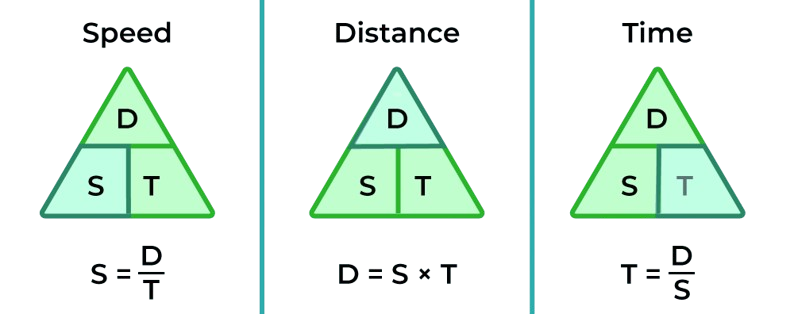
42. What Is Speed?
Ans:
- Speed Is The Distance Covered Per Unit Of Time. It Indicates How Fast An Object Is Moving. The Formula For Speed Is Distance ÷ Time.
- Speed Is Commonly Measured In Kilometers Per Hour. Understanding Speed Helps Analyze Motion.
- It Is An Important Physics Concept. It Frequently Appears In Aptitude Questions.
43. What Is Distance?
Ans:
Distance Is The Total Length Covered By An Object During Motion. It Is Usually Measured In Meters Or Kilometers. Distance Helps Determine Speed And Time. It Is An Important Component Of Motion Analysis. Understanding Distance Improves Problem-Solving Skills. It Has Practical Applications In Transportation. It Is Commonly Asked In Interviews.
44. What Is The Formula For Time?
Ans:
Time Can Be Calculated When Distance And Speed Are Known. The Formula Is Distance ÷ Speed. Time Helps Measure Journey Duration. It Is Widely Used In Travel Planning. Understanding Time Improves Numerical Skills. It Is A Basic Motion Concept. It Frequently Appears In Aptitude Tests. Time = Distance ÷ Speed
45. A Car Travels 120 Km In 2 Hours. What Is Its Speed?
Ans:
Use The Formula Speed = Distance ÷ Time. The Distance Covered Is 120 Km. The Time Taken Is 2 Hours. The Calculation Is 120 ÷ 2. The Result Is 60 Km/Hr. This Represents The Car’s Average Speed. Such Questions Are Common In Aptitude Exams. Understanding Speed Calculations Helps Improve Numerical Accuracy. Speed = 60 Km/Hr. The Car Covers 60 Kilometers Every Hour.
46. Write A Program To Find Whether A Number Is Even Or Odd
Ans:
This Program Checks Whether A Number Is Even Or Odd Using The Modulus Operator. If The Number Is Divisible By Two, It Is Even. Otherwise, It Is Odd. This Is A Common Logic-Building Question In Interviews.
- #include
- int main(){
- int n=8;
- printf(n%2==0?”Even”:”Odd”);
- }
47. A Person Covers 150 Km At A Speed Of 50 Km/Hr. How Much Time Is Required?
Ans:
Use The Formula Time = Distance ÷ Speed. The Distance Is 150 Km. The Speed Is 50 Km/Hr. The Calculation Is 150 ÷ 50. The Result Is 3 Hours. Time Calculation Questions Test Numerical Ability. They Are Common In Aptitude Tests. Understanding Time Calculations Improves Problem-Solving Skills.Distance Measures The Total Path Covered By An Object.
48 A Train Travels At 80 Km/Hr For 3 Hours. What Distance Does It Cover?
Ans:
Use The Formula Distance = Speed × Time. The Speed Is 80 Km/Hr. The Time Taken Is 3 Hours. The Calculation Is 80 × 3. The Result Is 240 Km. This Represents The Total Distance Covered. Distance Problems Are Frequently Asked In Interviews. They Help Assess Basic Motion Concepts.Distance = 240 Km. The Train Covers A Total Distance Of 240 Kilometers.
49. Where Are Permutations And Combinations Used In Real Life?
Ans:
Permutations And Combinations Have Many Practical Applications. Permutations Are Used In Password Generation, Scheduling, And Seating Arrangements. Combinations Are Used In Team Selection, Lottery Systems, And Probability Calculations. They Help Solve Complex Counting Problems Efficiently. Many Computer Science Algorithms Use These Concepts. Understanding Them Improves Problem-Solving Skills.
50. Why Is Time Important In Motion Problems?
Ans:
- Time Helps Determine Journey Duration. It Is Essential For Calculating Speed And Distance.
- Businesses Use Time Analysis For Scheduling Activities. Understanding Time Improves Planning Efficiency.
- It Supports Better Decision Making. Time Is A Key Variable In Motion Calculations. It Frequently Appears In Aptitude Exams.
51. What Is Average Speed?
Ans:
Average Speed Represents The Overall Speed During A Journey. It Is Calculated Using Total Distance And Total Time. Average Speed Provides A Realistic Measure Of Travel Performance. It Is Used In Transportation Analysis. Businesses Use It For Delivery Planning. Understanding Average Speed Is Important. It Helps Evaluate Efficiency. Average Speed = Total Distance ÷ Total Time
52. A Car Travels 100 Km In 2 Hours And 150 Km In 3 Hours. What Is The Average Speed?
Ans:
Total Distance = 100 + 150 = 250 Km. Total Time = 2 + 3 = 5 Hours. Use The Formula Average Speed = Total Distance ÷ Total Time. The Calculation Is 250 ÷ 5. The Result Is 50 Km/Hr. Average Speed Questions Are Common In Aptitude Tests. They Assess Numerical Skills.Average Speed = 50 Km/Hr. Understanding Average Speed Helps Analyze Overall Travel Efficiency And Performance.
53. What Is Relative Speed?
Ans:
Relative Speed Refers To The Speed Of One Object Compared To Another. It Helps Analyze Motion Between Moving Objects. Relative Speed Is Important In Transportation Problems. It Is Used In Train And Vehicle Calculations. Understanding Relative Speed Improves Motion Analysis. It Is Commonly Asked In Aptitude Tests. It Simplifies Complex Movement Problems.
54. What Is Uniform Speed?
Ans:
Uniform Speed Means An Object Covers Equal Distances In Equal Time Intervals. The Motion Remains Consistent Throughout The Journey. Uniform Speed Simplifies Motion Calculations. It Is Commonly Used In Physics. Understanding Uniform Speed Helps Analyze Travel Efficiency. It Is A Fundamental Motion Concept. It Frequently Appears In Aptitude Questions.
55. What Is Non-Uniform Speed?
Ans:
- Non-Uniform Speed Means An Object Covers Unequal Distances In Equal Time Intervals. The Speed Changes During Motion.
- Most Real-Life Travel Involves Non-Uniform Speed. Understanding It Helps Analyze Actual Motion.
- It Is An Important Physics Concept. It Supports Better Motion Analysis. It Frequently Appears In Problem-Solving Questions.
56. What Are The Applications Of Time, Speed And Distance?
Ans:
Time, Speed And Distance Are Used In Transportation, Logistics, And Engineering. They Help Plan Travel Schedules. Businesses Use Them To Optimize Deliveries. Scientists Use Them To Study Motion. They Improve Route Planning And Efficiency. These Concepts Have Practical Applications. They Are Essential In Everyday Life. They Help Analyze And Plan Movement Efficiently.
57. Why Are Time, Speed And Distance Questions Asked In Interviews?
Ans:
These Questions Test Numerical And Analytical Skills. They Evaluate Problem-Solving Ability. Employers Use Them To Assess Logical Thinking. Understanding Motion Concepts Improves Aptitude Performance. Such Questions Have Practical Relevance. They Are Common In Competitive Exams. They Help Measure Quantitative Ability. They Assess Numerical Reasoning And Logical Thinking Skills.
58. How Does Speed Affect Travel Time?
Ans:
Higher Speed Reduces Travel Time For A Fixed Distance. Lower Speed Increases Travel Time. Understanding This Relationship Helps In Travel Planning. It Supports Efficient Transportation Management. Businesses Use Speed Analysis For Deliveries. It Improves Decision Making. It Is A Common Aptitude Topic. Increasing Speed Decreases Travel Time.
59. What Is SQL?
Ans:
SQL Stands For Structured Query Language. It Is Used To Interact With Databases. SQL Supports Data Retrieval And Manipulation. Commands Include SELECT, INSERT, UPDATE, And DELETE. It Is Widely Used Across Industries. SQL Helps Manage Large Volumes Of Data. It Is Essential For Database Professionals. SQL Is The Standard Language For Relational Databases.
60 What Is A Primary Key?
Ans:
- A Primary Key Uniquely Identifies Each Record In A Table. It Cannot Contain Duplicate Values. Primary Keys Cannot Be Null.
- They Ensure Data Integrity. Each Table Usually Has One Primary Key. They Improve Data Retrieval Performance.
- Primary Keys Are Important In Relational Databases. They Help Maintain Uniqueness Across Records.
61. What Is A Foreign Key?
Ans:
A Foreign Key Establishes Relationships Between Tables. It References The Primary Key Of Another Table. Foreign Keys Maintain Referential Integrity. They Prevent Invalid Data Entries. They Help Connect Related Information. Foreign Keys Are Common In Relational Databases. They Support Efficient Data Organization. They Ensure Consistency Between Related Tables.
62. Compares Two Numbers And Displays The Larger One?
Ans:
This Program Compares Two Numbers And Displays The Larger One. It Uses A Conditional Operator To Make The Comparison. Such Problems Help Develop Decision-Making Logic. They Are Frequently Asked In Entry-Level Coding Tests
- #include
- int main(){
- int a=15,b=25;
- printf(“%d”,a>b?a:b);
- }
63. What Is The Unit Of Speed?
Ans:
Speed Is Commonly Measured In Kilometers Per Hour Or Meters Per Second. Different Situations Use Different Units. Understanding Units Is Important For Accurate Calculations. Speed Units Help Compare Motion. They Are Widely Used In Science And Engineering. Unit Conversion Is Sometimes Required. It Is A Common Aptitude Topic. Common Units Are Km/Hr And M/S.
64. What Is The Unit Of Distance?
Ans:
Distance Is Commonly Measured In Meters And Kilometers. Different Units Are Used Depending On The Situation. Understanding Distance Units Improves Calculation Accuracy. They Are Widely Used In Transportation And Science. Unit Conversion Is Important. It Supports Better Numerical Skills. It Is Frequently Asked In Exams. Common Units Are Meter (M) And Kilometer (Km).
65. What Is The Unit Of Time?
Ans:
Time Is Commonly Measured In Seconds, Minutes, And Hours. Different Activities Require Different Time Units. Understanding Time Units Improves Numerical Accuracy. They Are Used In Science And Daily Life. Time Measurement Is Essential For Motion Analysis. It Supports Better Planning. It Frequently Appears In Aptitude Questions. Common Units Are Seconds, Minutes, And Hours.
66. Why Is Motion Analysis Important?
Ans:
Motion Analysis Helps Understand How Objects Move. It Supports Transportation Planning And Engineering Design. Businesses Use It For Logistics Optimization. Understanding Motion Improves Efficiency. It Has Applications In Science And Technology. It Supports Better Decision Making. It Is An Important Analytical Concept. Motion Analysis Helps Study And Improve Movement Efficiency.
67. What Is Overtaking In Time, Speed And Distance?
Ans:
- Overtaking Occurs When A Faster Object Passes A Slower Object Moving In The Same Direction. Relative Speed Is Used To Solve Such Problems.
- Overtaking Questions Are Common In Aptitude Tests. They Improve Logical Thinking. Understanding Overtaking Supports Motion Analysis.
- It Has Practical Applications In Transportation. It Is An Important Topic.Overtaking Happens When A Faster Object Passes A Slower One.
68. What Is Crossing Time In Train Problems?
Ans:
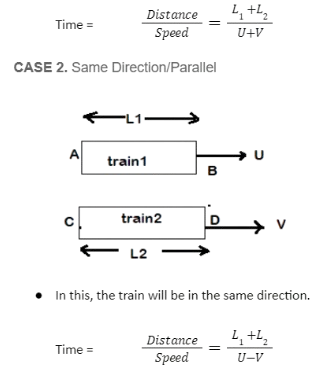
Crossing Time Refers To The Time Taken By A Train To Completely Cross An Object Or Another Train. It Depends On Train Length And Speed. These Problems Frequently Appear In Aptitude Exams. Understanding Crossing Time Improves Numerical Skills. It Supports Motion Analysis. It Has Practical Relevance. It Is A Popular Interview Topic. Crossing Time Is The Time Required To Completely Pass An Object.
69. Why Should Freshers Learn Time, Speed And Distance?
Ans:
Time, Speed And Distance Questions Frequently Appear In Interviews And Aptitude Tests. They Improve Numerical Ability. Understanding Motion Concepts Enhances Problem-Solving Skills. Businesses Use Similar Calculations In Planning. They Support Better Analytical Thinking. Learning These Concepts Strengthens Mathematical Foundations. They Are Valuable For Career Growth.
70. How Are Time, Speed And Distance Used In Real Life?
Ans:
These Concepts Are Used In Transportation, Logistics, Sports, And Engineering. They Help Plan Travel And Delivery Schedules. Businesses Use Them To Improve Efficiency. Scientists Use Them To Study Motion. Understanding These Concepts Supports Better Decision Making. They Have Wide Practical Applications. They Are Essential In Everyday Life.
71. What Is A Ratio?
Ans:
- A Ratio Is A Comparison Between Two Quantities Of The Same Kind. It Shows How Much One Quantity Relates To Another.
- Ratios Are Usually Written In The Form A:B. They Are Widely Used In Mathematics And Daily Life. Businesses Use Ratios For Financial Analysis.
- Understanding Ratios Improves Numerical Skills. Ratio Questions Are Common In Aptitude Tests.
72. What Is A Proportion?
Ans:
A Proportion Is An Equation That States Two Ratios Are Equal. It Helps Compare Different Quantities Accurately. Proportions Are Widely Used In Mathematics. They Support Problem Solving In Daily Life. Businesses Use Proportions For Planning And Analysis. Understanding Proportions Improves Logical Thinking. They Frequently Appear In Aptitude Exams.
73. What Is The Ratio Of 20 To 30?
Ans:
To Find The Ratio, Write The Numbers As 20:30. Divide Both Numbers By Their Highest Common Factor, Which Is 10. The Simplified Ratio Becomes 2:3. Ratios Help Compare Quantities Efficiently. Such Questions Test Basic Numerical Skills. They Are Common In Interviews. Understanding Simplification Is Important. Learning Ratios Helps Solve Many Real-Life And Aptitude Problems Quickly.
74.Write A Program To Print Numbers From 1 To 5
Ans:
This Program Uses A Loop To Print Numbers Sequentially. Loops Help Execute A Set Of Statements Repeatedly. They Reduce The Need For Writing Repetitive Code. Looping Concepts Are Essential For Programming.
- #include
- int main(){
- for(int i=1;i<=5;i++) printf("%d ",i);
- }
75. What Is The Importance Of Ratios?
Ans:
Ratios Help Compare Quantities Clearly And Efficiently. They Are Used In Mathematics, Finance, And Science. Businesses Use Ratios To Measure Performance. Ratios Simplify Complex Comparisons. Understanding Ratios Improves Analytical Thinking. They Have Many Practical Applications. They Are Essential For Aptitude Preparation.
76. What Is The Importance Of Proportions?
Ans:
Proportions Help Establish Relationships Between Quantities. They Simplify Mathematical Calculations. Businesses Use Proportions For Resource Planning. Understanding Proportions Improves Problem-Solving Ability. They Are Widely Used In Daily Life. They Support Better Decision Making. They Frequently Appear In Competitive Exams. Proportions Help Determine Equivalent Relationships Between Quantities.
77. What Is A Simple Ratio?
Ans:
- A Simple Ratio Is A Ratio Reduced To Its Lowest Form. It Makes Comparisons Easier To Understand. Ratios Are Simplified By Dividing Both
- Terms By Their Common Factor. Simple Ratios Improve Calculation Accuracy. They Are Commonly Used In Mathematics.
- Understanding Them Is Important. They Frequently Appear In Interviews.
78. What Is A Continued Ratio?
Ans:
A Continued Ratio Compares Three Or More Quantities Together. It Is Written In The Form A:B:C. Continued Ratios Help Analyze Multiple Relationships. They Are Widely Used In Mathematics. Understanding Continued Ratios Improves Numerical Skills. They Support Better Analysis. They Are Important In Aptitude Tests. A Continued Ratio Compares More Than Two Quantities.
79. What Is Direct Proportion?
Ans:
Direct Proportion Occurs When Two Quantities Increase Or Decrease Together. If One Quantity Doubles, The Other Also Doubles. Direct Proportion Is Common In Mathematics And Science. It Helps Analyze Relationships Between Variables. Understanding It Improves Problem Solving. It Has Practical Applications. It Frequently Appears In Aptitude Exams. In Direct Proportion, Both Quantities Change In The Same Direction.
80. What Is Inverse Proportion?
Ans:
- Inverse Proportion Occurs When One Quantity Increases While The Other Decreases. If One Quantity Doubles, The Other Becomes Half.
- It Is Commonly Used In Work And Time Problems. Understanding Inverse Proportion Improves Analytical Thinking.
- It Supports Better Calculations. It Has Practical Applications. It Is A Popular Aptitude Topic.
81. If 5 Pens Cost ₹50, What Is The Cost Of 8 Pens?
Ans:
First Find The Cost Of One Pen. ₹50 ÷ 5 = ₹10 Per Pen. Multiply The Cost By 8. The Calculation Is ₹10 × 8. The Result Is ₹80. This Is A Direct Proportion Problem. Such Questions Are Common In Aptitude Tests. They Help Evaluate Basic Mathematical And Analytical Skills.Cost Of 8 Pens = ₹80. This Shows That The Cost Increases Directly With Quantity. Direct Proportion Means Both Quantities Increase Or Decrease Together At The Same Rate.
82. If 10 Workers Complete A Job In 12 Days, How Many Days Will 20 Workers Take?
Ans:
This Is An Inverse Proportion Problem. More Workers Require Less Time. Multiply Workers And Days. 10 × 12 = 120. Divide By 20 Workers. The Result Is 6 Days. Such Questions Test Logical Thinking. They Frequently Appear In Interviews. They Demonstrate The Relationship Between Workforce Size And Completion Time. Inverse Proportion Shows That Increasing One Quantity Causes The Other Quantity To Decrease.
83. What Are Equivalent Ratios?
Ans:
Equivalent Ratios Represent The Same Relationship Between Quantities. They Are Obtained By Multiplying Or Dividing Both Terms By The Same Number. Equivalent Ratios Simplify Comparisons. They Help Solve Proportion Problems. Understanding Them Improves Numerical Skills. They Are Important In Mathematics. They Frequently Appear In Exams.
84. Why Are Ratio Questions Asked In Interviews?
Ans:
Ratio Questions Test Numerical Ability And Logical Thinking. They Help Assess Problem-Solving Skills. Employers Use Them To Evaluate Quantitative Aptitude. Ratios Have Many Business Applications. Understanding Ratios Improves Analytical Skills. They Frequently Appear In Competitive Exams. They Support Better Decision Making. They Also Help Candidates Develop Strong Mathematical Reasoning Skills.
85. Why Are Proportion Questions Asked In Interviews?
Ans:
- Proportion Questions Assess Logical Reasoning And Calculation Ability. They Help Evaluate A Candidate’s Quantitative Skills.
- Proportions Have Practical Business Applications. Understanding Them Improves Problem Solving.
- They Frequently Appear In Aptitude Tests. They Support Better Decision Making. They Are Important For Career Growt
86. What Is The Formula For Proportion?
Ans:
A Proportion Is Written As A:B = C:D. The Cross Products Of A Proportion Are Equal. This Means A × D = B × C. The Formula Helps Verify Proportions. It Is Widely Used In Mathematics. Understanding It Simplifies Calculations. It Is A Common Aptitude Topic.. A:B = C:D Or A × D = B × C. Proportions Help Establish Accurate Relationships Between Different Quantities.
87. What Is The Ratio Of 45 To 60?
Ans:
Write The Ratio As 45:60. Divide Both Numbers By Their Highest Common Factor, Which Is 15. The Simplified Ratio Becomes 3:4. Ratios Help Compare Quantities Efficiently. Understanding Simplification Is Important. Such Questions Are Common In Aptitude Tests. They Improve Numerical Skills.Ratio = 3:4. Simplifying Ratios Makes Comparisons Easier And More Meaningful.
88. What Is The Ratio Of 36 To 48?
Ans:
Write The Ratio As 36:48. Divide Both Numbers By Their Highest Common Factor, Which Is 12. The Simplified Ratio Becomes 3:4. Ratios Simplify Comparisons Between Quantities. They Improve Numerical Understanding. Such Questions Are Common In Interviews. They Help Assess Basic Mathematics Skills. Ratio Simplification Is An Essential Skill For Solving Aptitude Problems Quickly.
89. What Is The Difference Between Ratio And Proportion?
Ans:
A Ratio Compares Two Quantities. A Proportion States That Two Ratios Are Equal. Ratios Are Written In The Form A:B. Proportions Are Written As A:B = C:D. Both Concepts Are Important In Mathematics. Understanding Them Improves Analytical Thinking. They Frequently Appear In Aptitude Tests.Ratio Compares Quantities, While Proportion Equates Two Ratios. Both Concepts Are Widely Used In Business, Finance, And Daily Calculations.
90. What Is Verbal Ability?
Ans:
- Verbal Ability Refers To A Person’s Skill In Understanding And Using Language Effectively. It Includes Grammar, Vocabulary, Reading Comprehension, And Communication Skills.
- Verbal Ability Helps In Expressing Ideas Clearly. It Is Important For Interviews And Competitive Exams.
- Employers Value Strong Verbal Skills. Good Verbal Ability Improves Workplace Communication. It Is An Essential Skill For Career Growth.
91. Write A Program To Find The Square Of A Number
Ans:
This Program Calculates The Square Of A Given Number By Multiplying The Number By Itself. It Demonstrates The Use Of Arithmetic Operations. Such Programs Are Useful For Learning Mathematical Computations In Programming.
- #include
- int main(){
- int n=6;
- printf(“%d”,n*n);
- }
92. What Is Vocabulary?
Ans:
Vocabulary Refers To The Collection Of Words A Person Knows And Uses. A Strong Vocabulary Improves Communication Skills. It Helps In Reading, Writing, And Speaking Effectively. Vocabulary Development Enhances Confidence. Employers Appreciate Candidates With Good Language Skills. Learning New Words Improves Verbal Ability. It Is An Important Part Of English Proficiency.
93. What Is Reading Comprehension?
Ans:
- Reading Comprehension Is The Ability To Read And Understand Written Text. It Helps Identify Main Ideas And Important Details.
- Good Comprehension Skills Improve Learning Efficiency. Reading Comprehension Questions Are Common In Aptitude Tests.
- It Enhances Analytical Thinking. Strong Comprehension Skills Support Effective Communication. It Is A Key Component Of Verbal Ability.
94. Choose The Correct Antonym Of “Success.”
Ans:
The Word “Success” Means Achievement Or Accomplishment. An Antonym Is A Word With The Opposite Meaning. Common Antonyms Of Success Include Failure And Defeat. Antonym Questions Test Vocabulary And Language Skills. They Are Frequently Asked In Aptitude Tests. Understanding Antonyms Improves English Proficiency. They Help Build Strong Communication Skills.
95. How Are Proportions Used In Daily Life?
Ans:
Proportions Are Used In Cooking, Construction, Shopping, And Budgeting. They Help Maintain Correct Relationships Between Quantities. Understanding Proportions Improves Accuracy. They Simplify Everyday Calculations. They Have Many Practical Applications. They Support Better Planning. They Are Important In Daily Activities.
96. What Is The Golden Rule Of Proportion?
Ans:
The Golden Rule States That The Product Of The Means Equals The Product Of The Extremes. This Helps Verify Whether A Proportion Is Correct. It Simplifies Mathematical Calculations. It Is Widely Used In Mathematics. Understanding This Rule Improves Problem Solving. It Frequently Appears In Exams. It Is An Important Concept. The Rule Makes It Easy To Check The Accuracy Of Proportional Relationships.
97. How Do Ratios Help In Financial Analysis?
Ans:
Ratios Help Measure Profitability, Liquidity, And Efficiency. Businesses Use Them To Evaluate Performance. Investors Analyze Ratios Before Making Decisions. Ratios Simplify Financial Comparisons. Understanding Ratios Improves Business Knowledge. They Support Better Decision Making. They Are Widely Used In Finance. Financial Ratios Help Organizations Monitor Growth And Operational Effectiveness.
98. Why Are Ratio And Proportion Important In Aptitude Tests?
Ans:
They Test Numerical Ability And Logical Thinking. They Help Assess Problem-Solving Skills. These Concepts Have Real-Life Applications. Employers Value Strong Quantitative Skills. Understanding Them Improves Aptitude Performance. They Frequently Appear In Competitive Exams. They Strengthen Mathematical Foundations. Mastering These Topics Increases Confidence During Tests And Interviews.
99. How Do Ratios And Proportions Help In Real Life?
Ans:
Ratios And Proportions Are Used In Finance, Engineering, Science, And Daily Activities. They Help Compare Quantities And Maintain Relationships. Businesses Use Them For Planning. Understanding Them Supports Better Decisions. They Simplify Calculations. They Have Wide Practical Applications. They Are Essential Mathematical Concepts. They Help People Solve Everyday Problems Efficiently And Accurately.
100. Why Are Ratio And Proportion Essential Topics For Freshers?
Ans:
- Ratio And Proportion Questions Frequently Appear In Interviews And Aptitude Tests. They Improve Numerical And Analytical Skills.
- Understanding Them Enhances Problem-Solving Ability. Businesses Use Similar Concepts In Planning And Analysis.
- They Support Better Decision Making. Learning Them Strengthens Mathematical Foundations. They Are Valuable For Career Success.

![Top Informatica Interview Questions & Answers – [UPDATED] Interview Question](https://www.acte.in/wp-content/uploads/2020/05/4-img-acte-1.jpeg.webp)