LMS
LMS
Last updated on 01st Oct 2026| 4129

- Introduction to Building a Digital Marketing Career at an MNC
- Essential Digital Marketing Skills and Qualifications for MNCs
- Understanding SEO, SEM, and Search Marketing
- Social Media Marketing and Content Strategy
- Email Marketing, Analytics, and Performance Tracking
- Building a Strong Digital Marketing Portfolio
- Preparing for Digital Marketing Interviews at MNCs
- Resume, Certifications, and Career Growth Tips
- Conclusion and Next Steps for Building a Digital Marketing Career
Introduction to Building a Digital Marketing Career at an MNC
Building a Digital Marketing Career at a multinational company (MNC) can provide opportunities to work with global brands, diverse audiences, and large-scale marketing campaigns. Digital marketing combines search engine optimization, social media marketing, content marketing, email marketing, paid advertising, analytics, and marketing automation to help businesses reach and engage their target customers. Professionals working in MNCs may be involved in planning digital strategies, managing online campaigns, analyzing customer behavior and supporting business growth across different markets. To begin a career in digital marketing, candidates should develop skills in SEO, search engine marketing, social media platforms, content creation, Google Analytics, advertising platforms, and data-driven marketing. Enrolling in a structured Digital Marketing Training program can also help beginners build practical knowledge across these areas. Strong communication, creativity, analytical thinking, and problem-solving abilities are also important for succeeding in a competitive corporate environment. Beginners can gain practical experience by working on personal projects, internships, certifications, freelance campaigns, and digital marketing portfolios. Understanding industry trends and learning how global organizations use digital channels can further improve career readiness. With the right combination of technical knowledge, practical experience, creativity, and continuous learning, aspiring professionals can build a successful Digital Marketing Career at an MNC.
Essential Digital Marketing Skills and Qualifications for MNCs
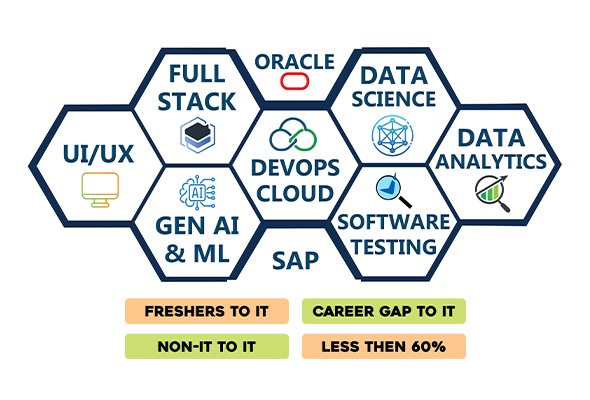
- Search Engine Optimization: Learn keyword research, on-page optimization, technical SEO, link building, and content optimization to improve website visibility in search results.
- Search Engine Marketing: Understand paid search advertising, campaign planning, keyword targeting, bidding strategies, ad creation, and performance optimization.
- Social Media Marketing: Develop skills in creating and managing campaigns across major social media platforms while understanding audience engagement and content performance.
- Content Marketing: Learn how to create valuable blogs, articles, videos, social media content, and other marketing materials that attract and engage target audiences.
- Digital Analytics: Understand website traffic, conversion rates, engagement metrics, customer behavior, and campaign performance using analytics tools.
- Practical Experience: Build experience through internships, freelance campaigns, personal projects, certifications, and a professional digital marketing portfolio. Beginners can also strengthen their fundamentals through a GEO Tutorial to understand how content optimization is evolving for AI-powered search and discovery.
- Marketing Automation: Gain knowledge of automation workflows, lead nurturing, customer journeys, and tools that help organizations manage large-scale marketing activities.
- Communication Skills: Develop strong written and verbal communication skills to collaborate with global teams, clients, stakeholders, and marketing professionals.
- Analytical and Creative Thinking: Combine creativity with data-driven analysis to develop effective campaigns, identify opportunities, and solve marketing challenges.
Get Your Digital Marketing Certification by Learning from Industry-Leading Experts and Advancing Your Career with ACTE’s Digital Marketing Course.
Understanding SEO, SEM, and Search Marketing
SEO and SEM are essential components of digital marketing that help businesses improve online visibility, attract targeted audiences, and generate leads or conversions through search engines. SEO focuses on increasing organic visibility through keyword research, on-page optimization, technical SEO, internal linking, website performance, crawlability, indexing, and structured data. SEM focuses mainly on paid search advertising, including campaign structure, keyword targeting, ad copy, bidding strategies, budgets, and audience targeting. Digital marketers should understand search intent to determine whether users are looking for information, products, services, or specific solutions and create suitable content or advertisements accordingly. Competitive analysis can help identify keyword opportunities and understand market strategies. Marketers should also monitor impressions, clicks, click-through rates, conversion rates, cost per click, and return on advertising spend. Digital Marketing Training can help learners develop practical knowledge of SEO, SEM, keyword research, campaign optimization, and other search marketing techniques. Understanding local and global search behavior is particularly useful for MNC campaigns targeting different markets, languages, and audiences. Continuous analysis and optimization of keywords, content, advertisements, and campaigns can improve overall search marketing performance.
Social Media Marketing and Content Strategy
Social media marketing and content strategy are essential areas of digital marketing that help businesses build brand awareness, engage audiences, generate leads, and strengthen customer relationships across digital platforms. Marketers should begin with audience research to understand customer interests, preferences, behaviors, and needs before developing suitable campaigns. Content planning involves creating organized calendars for blogs, videos, images, social posts, promotions, and other marketing activities. Professionals should understand how audiences and content formats differ across major social media platforms and develop engaging written, visual, and video content accordingly. Consistent brand messaging, tone, and visual identity are important when managing multiple channels. Digital marketers should also understand paid social advertising, including audience targeting, campaign setup, ad formats, budgets, bidding, and optimization. Monitoring comments, messages, and mentions helps maintain audience engagement, while analytics such as reach, impressions, clicks, conversions, engagement rates, and follower growth help evaluate performance. For MNC campaigns, marketers should also adapt content strategies to different cultures, languages, regions, and customer segments while continuously using performance data to improve results.

Learn Digital Marketing Training Course to Build Your Skills
Weekday / Weekend BatchesSee Batch DetailsEmail Marketing, Analytics, and Performance Tracking
- Email Campaign Planning: Plan structured email campaigns around business objectives, customer journeys, audience needs, promotional goals, suitable messaging, and measurable marketing outcomes.
- Audience Segmentation: Segment audiences using demographics, interests, online behavior, purchase history, location, and engagement levels to deliver relevant and personalized email content.
- Email Content: Create engaging subject lines, personalized messages, valuable content, attractive layouts, and clear calls to action that encourage recipients to open, click, and convert.
- Email Automation: Build automated email workflows for welcome campaigns, lead nurturing, abandoned carts, product updates, customer follow-ups, reminders, and re-engagement activities.
- Marketing Analytics: Analyze website traffic, user behavior, campaign engagement, conversions, acquisition channels, and marketing performance to identify useful trends and opportunities.
- Reporting: Create clear marketing reports and dashboards that summarize campaign results, important metrics, audience trends, key insights, challenges, and actionable recommendations. Marketers can also explore an AEO Tutorial to understand how optimization for answer-focused search experiences complements broader performance strategies.
- Key Performance Indicators: Monitor open rates, click-through rates, conversion rates, bounce rates, acquisition costs, engagement levels, and ROI to evaluate overall campaign effectiveness.
- Conversion Tracking: Measure how email and digital marketing campaigns contribute to valuable actions such as leads, purchases, registrations, downloads, subscriptions, and inquiries.
- A/B Testing: Compare different subject lines, email content, layouts, calls to action, landing pages, sending times, and campaign approaches to identify the highest-performing options.
- Performance Optimization: Use campaign data and audience insights to improve targeting, personalization, content quality, sending schedules, budgets, conversions, and overall marketing results.

Get JOB Oriented Digital Marketing Training for Beginners By MNC Experts
- Instructor-led Sessions
- Real-life Case Studies
- Assignments
Building a Strong Digital Marketing Portfolio
Building a strong digital marketing portfolio is an effective way to demonstrate practical skills and stand out when applying for opportunities at MNCs. Candidates should include SEO projects covering keyword research, content optimization, technical SEO, and organic visibility improvements, along with social media campaigns that demonstrate content planning, audience targeting, engagement strategies, and performance analysis. Content marketing examples can include blogs, articles, videos, social posts, and landing pages created for specific audiences. Paid advertising projects should demonstrate campaign setup, targeting, creatives, budgets, optimization, and measurable results, while email marketing examples can cover segmentation, automation, A/B testing, and performance tracking. Candidates should also showcase analytics dashboards, conversion reports, traffic analysis, and familiarity with modern marketing tools. Presenting projects as case studies can clearly explain the problem, strategy, execution, challenges, results, and lessons learned. Highlighting measurable improvements in traffic, engagement, leads, conversions, or campaign efficiency can strengthen credibility. The portfolio should remain professional, visually organized, easy to navigate, and regularly updated with relevant digital marketing work.
Want to Master Digital Marketing? Explore the Digital Marketing Master Program Offered at ACTE Today!
Preparing for Digital Marketing Interviews at MNCs
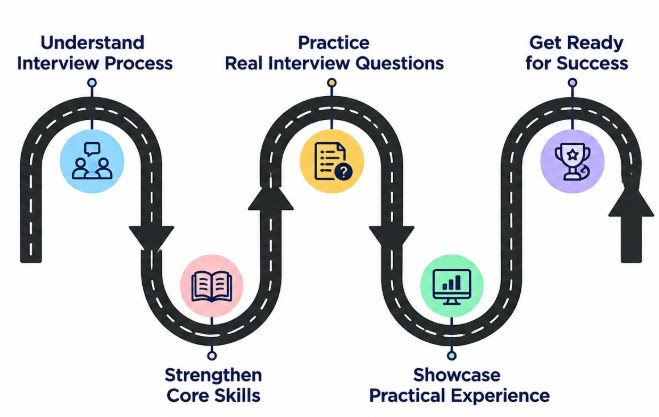
Preparing for a Digital Marketing Interview at an MNC requires strong technical knowledge, practical experience, analytical thinking, creativity, problem-solving, and communication skills. Candidates should revise important digital marketing concepts such as SEO, SEM, social media marketing, content marketing, email marketing, affiliate marketing, and marketing automation. SEO preparation should cover keyword research, search intent, on-page and technical SEO, backlinks, organic traffic, and search performance. Candidates can strengthen these core concepts through practical Digital Marketing Training that covers industry-relevant tools and techniques. Candidates should also understand paid advertising concepts such as campaign structure, audience targeting, bidding, budgets, ad formats, conversion tracking, and optimization. Strong analytics skills are important for interpreting website traffic, engagement, conversions, customer acquisition costs, ROI, and other performance metrics. Practicing real-world case studies can improve campaign planning and problem-solving abilities. Candidates should be prepared to discuss projects on their resumes, including objectives, audiences, strategies, tools, challenges, results, and lessons learned. Staying updated with digital marketing trends, consumer behavior, advertising platforms, and emerging technologies is also valuable. Regular mock interviews can further improve confidence, structured thinking, and communication.
Want to Learn About Digital Marketing? Explore Our Digital Marketing Interview Questions and Answers Featuring the Most Frequently Asked Questions in Job Interviews.
Resume, Certifications, and Career Growth Tips
- Create a Strong Resume: Highlight practical skills in SEO, SEM, social media, content marketing, email campaigns, analytics, paid advertising, automation, and relevant digital marketing tools.
- Customize Your Resume: Tailor your resume for each MNC job by reviewing the description and emphasizing relevant marketing skills, projects, achievements, tools, and professional experience.
- Showcase Achievements: Include measurable results such as increased website traffic, engagement, leads, conversions, revenue, lower advertising costs, or improved campaign performance.
- Earn Relevant Certifications: Complete recognized certifications in digital marketing, SEO, analytics, paid search, social media, content marketing, and advertising to validate your knowledge.
- Build a Professional Portfolio: Create a portfolio featuring SEO projects, social campaigns, content samples, paid advertisements, email campaigns, analytics reports, and practical case studies.
- Develop Communication Skills: Improve written, verbal, presentation, and interpersonal communication skills to work confidently with clients, managers, stakeholders, and international teams.
- Stay Updated: Regularly learn about search updates, advertising platforms, social media trends, analytics technologies, AI marketing tools, automation, and changing customer behavior. Beginners can strengthen their foundational knowledge with Digital Marketing for Beginners.
- Gain Practical Experience: Build hands-on marketing experience through internships, freelance work, personal projects, volunteer campaigns, or entry-level roles involving real marketing activities.
- Network Professionally: Connect with marketing professionals, attend industry events, join relevant online communities, exchange knowledge, and develop relationships that support career opportunities.
- Plan Career Growth: Set clear professional goals and develop specialized marketing, analytics, leadership, and strategic skills to progress toward senior and managerial positions within MNCs.
Conclusion and Next Steps for Building a Digital Marketing Career
Building a successful Digital Marketing Career at an MNC requires technical knowledge, creativity, analytical thinking, communication skills, and practical experience. Aspiring professionals should build strong expertise in SEO, SEM, social media marketing, content marketing, email marketing, paid advertising, analytics, and marketing automation. Hands-on experience through internships, freelance campaigns, personal projects, and real-world assignments can strengthen practical abilities and improve confidence. Enrolling in Digital Marketing Training can help learners develop practical skills and gain structured knowledge of essential digital marketing tools and strategies. Creating a professional portfolio that showcases SEO work, content samples, advertising campaigns, analytics reports, and measurable results can demonstrate practical capabilities to recruiters. Relevant digital marketing and analytics certifications can further strengthen a professional profile. Candidates should also prepare for technical, behavioral, analytical, and scenario-based interview questions while improving presentation, writing, collaboration, and client communication skills. Staying updated with search algorithms, advertising platforms, AI-powered marketing tools, consumer behavior, and emerging trends is essential for long-term growth. Building professional networks and setting clear career goals can help marketers progress from entry-level positions to specialized, senior, managerial, and leadership roles within global organizations.