LMS
LMS
Last updated on 20th Apr 2026| 7578

TCS Spring Boot Developer Interview Questions for Freshers is a focused guide for candidates preparing for Java-based development roles at Tata Consultancy Services. It includes commonly asked questions on Spring Boot concepts such as REST APIs, dependency injection, microservices architecture, annotations, and application configuration, along with clear and easy-to-understand answers. This resource helps freshers strengthen their backend development skills, understand real-time project scenarios, and build the confidence needed to perform well in technical interview rounds.
1. What is Spring Boot?
Ans:
Spring Boot is a Java-based framework used to build production-ready applications quickly and efficiently. It simplifies development by reducing configuration work required in traditional Spring projects significantly. Spring Boot provides embedded servers, starter dependencies, and auto configuration features by default. It is widely used for REST APIs, enterprise systems, and microservice architectures. Spring Boot is one of the most common fresher interview topics. It helps developers create scalable applications with less setup effort. Understanding Spring Boot improves backend development career opportunities.
2. How to prepare Spring Boot basics effectively?
Ans:
- Learning the purpose of Spring Boot and how it simplifies Java development creates strong foundational clarity quickly. It helps freshers understand why the framework is widely used in modern projects. Clear basics improve interview confidence.
- Understanding starter dependencies, embedded servers, and auto configuration improves technical readiness significantly. These are core Spring Boot features that save development time. They are frequently asked in interviews.
- Studying real-world use cases such as APIs and business applications adds practical relevance effectively. Real examples make answers stronger and easier to explain. They also improve memory retention.
- Revising common beginner terminology helps build fresher interview confidence naturally. Terms like bean, dependency injection, and annotation are important for interviews. Good revision creates quick recall.
3. What is difference between Spring and Spring Boot?
Ans:
| Criteria | Spring | Spring Boot |
|---|---|---|
| Meaning | Comprehensive Java framework with many modules. | Extension of Spring for faster development. |
| Configuration | Needs more manual setup. | Uses auto configuration. |
| Server | Requires external server deployment. | Uses embedded server. |
| Usage | Large enterprise applications. | REST APIs and microservices. |
4. How to answer Spring and Spring Boot difference clearly?
Ans:
- Explaining Spring as the core framework and Spring Boot as a faster extension creates immediate clarity strongly. This gives interviewers a direct comparison quickly. Clear structure improves answer quality.
- Mentioning reduced configuration in Spring Boot improves practical understanding significantly. It highlights one of the biggest advantages of Spring Boot. This point is commonly expected.
- Highlighting embedded server support adds useful technical relevance effectively. It explains easier deployment and faster testing clearly. This strengthens your response.
- Using simple comparison language creates better interviewer impression naturally. Clear communication is important during technical interviews.
5. What is dependency injection?
Ans:
Dependency Injection is a design principle where required objects are provided externally. It reduces tight coupling between classes and improves maintainability significantly. Spring Boot uses dependency injection through the Spring container automatically. This approach supports easier testing and cleaner project architecture structures. Dependency injection is a core interview topic. It promotes reusable code and flexible software design practices. Knowledge of dependency injection is valuable for Java developers.
6. How to prepare dependency injection concepts?
Ans:
- Learning loose coupling benefits creates strong conceptual understanding for beginners quickly. It explains why flexible code design is important in projects. This builds strong basics.
- Studying constructor injection and field injection improves technical depth significantly. These are common ways to inject dependencies in Spring Boot. Interviewers may ask their differences.
- Understanding Spring container responsibilities adds practical relevance effectively. The container creates and manages required objects automatically. This is central to Spring Boot.
- Revising object creation examples strengthens memory naturally. Simple examples help explain concepts more confidently.
7. What is inversion of control?
Ans:
Inversion of Control means object creation and lifecycle management are handled by the framework. Instead of classes controlling dependencies directly, the container manages them centrally. This improves modularity, flexibility, and maintainability in applications significantly. Spring uses IoC containers to manage beans efficiently. IoC is commonly asked in fresher interviews. It allows developers to focus more on business logic implementation. Understanding IoC strengthens Spring framework fundamentals clearly.
8. How to explain inversion of control simply?
Ans:
- Defining framework-managed object creation creates immediate conceptual clarity strongly. It means Spring creates objects automatically when needed. This is the main idea of IoC.
- Comparing manual object creation versus container management improves understanding significantly. Comparisons make technical concepts easier to remember. They also improve explanations.
- Linking IoC with dependency injection adds technical relevance effectively. Both concepts work closely together in Spring Boot projects. Mentioning both improves answers.
- Using real project examples strengthens confidence naturally. Practical examples create better interview responses.
9. What is bean in Spring Boot?
Ans:
A bean is an object created, managed, and controlled by the Spring container. Beans are registered through annotations or configuration classes in projects. The container handles initialization, dependency wiring, and lifecycle operations automatically. Services, repositories, and controllers commonly exist as beans. Bean knowledge is essential for interviews. Beans help organize application components in a structured manner. Understanding beans is important for Spring Boot development.
10. Write a program for Spring bean example.
Ans:
This example shows a simple Spring bean using annotation.
- @Component
- class Student {
- void show(){
- System.out.println(“Bean Created”);
- }
- }
Here Student class becomes a Spring-managed bean.
11. What is @SpringBootApplication annotation?
Ans:
@SpringBootApplication is the main annotation used to start Spring Boot applications. It combines configuration, component scanning, and auto configuration features together. This annotation is usually placed on the main starter class. It reduces the need for multiple separate annotations significantly. This annotation is commonly asked in interviews. It simplifies project startup and application bootstrapping process. Knowing this annotation is important for beginners.
12. How to explain @SpringBootApplication clearly?
Ans:
- Mentioning combination of three major annotations creates strong technical clarity quickly. It shows deeper knowledge of Spring Boot startup design. This impresses interviewers.
- Explaining starter class placement improves practical understanding significantly. It helps candidates know where to use the annotation. This is useful in coding rounds.
- Highlighting simplified configuration adds useful relevance effectively. It explains why Spring Boot setup is easier than traditional Spring. This is a key benefit.
- Revising startup flow builds fresher confidence naturally. Strong basics help during technical discussions.
13. What is auto configuration in Spring Boot?
Ans:
Auto configuration automatically configures application components based on dependencies present. It reduces manual setup and saves development time significantly. For example, database settings may be configured when required libraries exist. Developers can override defaults whenever customization becomes necessary. Auto configuration is a popular fresher topic. It improves productivity by providing sensible default settings. This feature makes Spring Boot development faster.
14. How to prepare auto configuration basics?
Ans:
- Learning automatic setup based on classpath dependencies creates immediate clarity strongly. It explains how Spring Boot detects libraries automatically. This saves configuration time.
- Understanding reduced XML and Java config improves beginner confidence significantly. Less setup means easier project development. This is a major advantage.
- Studying database and web examples adds practical value effectively. Real scenarios make the concept easier to explain. Examples improve interview answers.
- Revising customization ability strengthens interview responses naturally. It shows you know defaults can be overridden.
15. What is starter dependency in Spring Boot?
Ans:
Starter dependencies are predefined dependency groups that simplify project setup greatly. They include libraries commonly needed for specific development tasks together. Examples include web starter, data JPA starter, and security starter packages. This avoids managing many individual dependencies manually. Starter dependencies are common interview concepts. They help developers start projects quickly with proper libraries. Understanding starters improves build management skills.
16. How to prepare starter dependency topics?
Ans:
- Learning grouped dependencies concept creates strong understanding for freshers quickly. It explains how multiple required libraries come together in one starter package. This saves project setup time.
- Studying common starters such as web and JPA improves relevance significantly. These starters are widely used in real applications and interviews. Practical knowledge adds confidence.
- Explaining faster setup benefits adds practical technical value effectively. Developers avoid adding many separate dependencies manually. This improves productivity.
- Revising Maven or Gradle usage builds confidence naturally. Build tool basics are useful during coding rounds and interviews.
17. What is embedded server in Spring Boot?
Ans:
An embedded server is a web server packaged inside the application itself. Common embedded servers include Tomcat, Jetty, and Undertow options. Applications run directly without separate external deployment steps. This simplifies development, testing, and deployment processes significantly. Embedded server concepts are frequently asked. It allows faster execution and easier application deployment. Embedded servers are useful in microservice architectures.
18. How to explain embedded server advantages?
Ans:
- Learning no separate server installation requirement creates immediate practical clarity strongly. Developers can run applications directly without manual deployment steps. This saves time.
- Mentioning faster execution through packaged applications improves relevance significantly. It helps in testing and quick startup during development. This is highly useful.
- Studying Tomcat as default server adds technical depth effectively. Tomcat is commonly used in Spring Boot projects. Interviewers often ask this point.
- Comparing with WAR deployment strengthens understanding naturally. It clearly shows the advantage of embedded servers.
19. What is application.properties file?
Ans:
application.properties is a configuration file used in Spring Boot applications. It stores settings such as server port, database credentials, and logging values. Externalized configuration helps manage environments more efficiently and cleanly. The file can also be replaced with YAML format alternatives. This file is commonly asked in fresher interviews. It keeps application settings organized and easy to update. Proper usage improves maintainability of software projects.
20. How to prepare configuration file concepts?
Ans:
- Learning property-based configuration creates strong understanding quickly for beginners. It shows how settings are stored outside Java code for flexibility. This improves maintainability.
- Studying server port and datasource examples improves practical relevance significantly. These are common real project settings used frequently. Examples help in interviews.
- Understanding environment management adds technical maturity effectively. Different values can be used for development and production systems. This is useful in companies.
- Revising syntax builds interview confidence naturally. Correct property format helps during practical discussions.
21. What is @Value annotation?
Ans:
@Value annotation is used to inject values from configuration files into variables. It commonly reads values from application.properties or environment settings. This annotation helps manage configurable values without hardcoding directly. Examples include ports, names, and custom property values. @Value is useful for fresher interviews. It increases flexibility by separating values from source code. Understanding @Value improves configuration handling skills.
22. How to explain @Value annotation properly?
Ans:
- Learning configuration value injection creates immediate conceptual clarity strongly. It explains how values move from property files into variables automatically. This is practical knowledge.
- Understanding removal of hardcoded values improves maintainability relevance significantly. Applications become easier to update later. This is a strong advantage.
- Studying practical examples like app name adds value effectively. Real examples make answers easier to explain in interviews. They improve clarity.
- Revising syntax helps stronger memory naturally. Correct syntax creates better coding confidence.
23. What is @Autowired annotation?
Ans:
@Autowired annotation is used to inject dependencies automatically into Spring-managed classes. It can be applied on constructors, setters, or fields in projects. This reduces manual object creation and simplifies wiring greatly. Constructor injection is generally preferred for cleaner design. @Autowired is a very common interview topic. It supports loose coupling and cleaner application structure. Understanding this annotation is essential for Spring Boot.
24. How to prepare @Autowired concepts?
Ans:
- Learning automatic dependency wiring creates strong beginner clarity immediately. It explains how Spring connects required objects automatically. This is a core concept.
- Understanding constructor injection preference improves technical maturity significantly. It is considered cleaner and safer than field injection. Interviewers often ask this.
- Studying service and repository examples adds practical relevance effectively. These layers commonly use dependency injection in projects. Real examples improve answers.
- Revising annotation usage builds fresher confidence naturally. Practice helps during coding rounds.
25. What are final beginner tips for Spring Boot preparation?
Ans:
Strong beginner preparation should focus on annotations, configuration, and core architecture concepts. Candidates should understand dependency injection and project flow clearly. Simple CRUD project practice improves practical discussion quality significantly. Clear explanations often create better impressions than memorized complexity alone. Consistent revision gives strong fresher interview success chances. Practicing mini projects improves real-time development confidence. Regular learning helps candidates grow into strong backend developers.
26. What is @RestController annotation?
Ans:
@RestController is a Spring Boot annotation used to create RESTful web service controllers easily. It combines @Controller and @ResponseBody functionality into one simplified annotation. Methods inside this class usually return JSON or XML responses directly. This annotation is widely used for API development in modern applications. @RestController is a frequent fresher interview topic. It helps developers build APIs faster with clean controller structure. Understanding @RestController improves backend development skills significantly.
27. How to prepare @RestController concepts clearly?
Ans:
- Learning controller classes that return API responses creates strong beginner clarity quickly. It helps understand how backend services communicate with clients effectively. This is a core REST concept.
- Understanding automatic JSON conversion improves technical readiness significantly for interviews. Spring Boot handles conversion automatically and saves coding effort. This makes development faster.
- Studying relation between @Controller and @ResponseBody adds conceptual depth effectively. This helps explain why @RestController is commonly preferred. Strong comparisons improve answers.
- Practicing simple API examples strengthens memory naturally. Practical coding improves fresher confidence. Hands-on learning gives better recall.
28. What is the difference between @RequestMapping and @GetMapping?
Ans:
| Criteria | @RequestMapping | @GetMapping |
|---|---|---|
| Purpose | Used for general request mapping. | Used only for GET requests. |
| Usage | Supports multiple HTTP methods. | Specialized shortcut for GET. |
| Readability | Needs method specification. | Cleaner and shorter syntax. |
| Common Use | Flexible controller mapping. | Fetching data from server. |
29. How to explain request mapping annotations properly?
Ans:
- Learning URL mapping purpose creates immediate understanding for beginners strongly. It explains how requests reach controller methods correctly. This is fundamental in APIs.
- Understanding class-level and method-level mapping improves technical maturity significantly. It helps organize endpoints cleanly. Good structure improves maintainability.
- Studying specialized annotations adds practical development relevance effectively. These shortcuts improve code readability. Clean code is preferred in projects.
- Revising request routing flow builds fresher confidence naturally. Strong basics improve interviews. Practice helps quick explanation.
30. What is @GetMapping annotation?
Ans:
@GetMapping is a shortcut annotation used to handle HTTP GET requests. It is commonly used for fetching data from servers through REST APIs. This annotation improves readability compared to generic request mapping syntax. Developers use it for listing resources or retrieving single records. @GetMapping is frequently asked in fresher interviews. It helps in creating clear endpoints for data retrieval operations. Understanding @GetMapping improves REST API development knowledge.
31. How to prepare HTTP mapping annotations?
Ans:
- Learning GET, POST, PUT, and DELETE purposes creates strong REST clarity quickly. These methods represent common CRUD operations. Understanding them is essential.
- Understanding resource retrieval through @GetMapping improves interview readiness significantly. It is mainly used to fetch data safely. This is a common question.
- Studying CRUD examples adds practical relevance effectively for beginners. Real examples make answers stronger. Practical knowledge builds confidence.
- Revising annotation syntax strengthens memory naturally. Practice improves confidence. Syntax knowledge helps coding rounds.
32. What is @PostMapping annotation?
Ans:
@PostMapping is used to handle HTTP POST requests in REST controllers. It is generally used to create new resources in databases or systems. Client data is often sent in request body format. This annotation improves code readability and API structure significantly. @PostMapping is a common Spring Boot interview topic. It helps in designing create operations following REST standards. Understanding @PostMapping improves backend coding confidence.
33. How to explain POST request handling clearly?
Ans:
- Learning resource creation purpose creates strong conceptual understanding immediately. POST is mainly used to save new data. This is common in APIs.
- Understanding request body data flow improves technical confidence significantly. JSON data is commonly sent from client side. Data transfer knowledge is useful.
- Studying registration or save examples adds practical relevance effectively. Real examples improve answers. Examples make theory easier.
- Revising CRUD operations builds fresher preparation naturally. Basics are important. Strong fundamentals improve interviews.
34. What is @PutMapping annotation?
Ans:
@PutMapping is used to handle HTTP PUT requests for updating resources. It generally replaces or updates existing records in systems. Client data is sent through request body during update operations. This annotation supports clear RESTful API design patterns effectively. @PutMapping is regularly asked in interviews. It helps maintain proper update operations in REST services. Understanding @PutMapping improves Spring Boot development skills.
35. How to prepare update API concepts?
Ans:
- Learning PUT as update operation creates immediate REST clarity strongly. It is used to modify existing records. This is key CRUD knowledge.
- Understanding request body usage improves technical maturity significantly. Updated data is passed from client side. Proper request design matters.
- Studying employee or product update examples adds practical value effectively. Real scenarios improve understanding. Examples strengthen answers.
- Comparing PUT with POST strengthens conceptual understanding naturally. This helps explain create versus update. Comparisons are useful in interviews.
36. What is @DeleteMapping annotation?
Ans:
@DeleteMapping is used to handle HTTP DELETE requests in REST APIs. It removes resources identified through path variables or identifiers. This annotation supports clean and meaningful API endpoint design. Delete operations often require validation and proper error handling. @DeleteMapping is an important fresher topic. It helps in implementing resource deletion following REST principles. Understanding @DeleteMapping improves backend development skills in Spring Boot.
37. How to explain delete APIs properly?
Ans:
- Learning resource removal through HTTP DELETE creates strong beginner clarity quickly. It explains how records are deleted safely. This is common CRUD logic.
- Understanding identifier-based deletion improves technical readiness significantly. IDs are commonly used in delete APIs. Clear identification is important.
- Studying safety checks and validations adds practical relevance effectively. Error handling is important. Good APIs validate requests properly.
- Revising CRUD mapping methods builds confidence naturally. Practice improves answers. Repetition builds strong memory.
38. What is @PathVariable annotation?
Ans:
@PathVariable is used to capture dynamic values from URL paths. It is commonly used when retrieving or updating specific resources. For example, product id values can be read directly from endpoints. This makes URLs cleaner and more RESTful in structure. @PathVariable is frequently asked in interviews. It improves request handling by mapping URL values directly to method parameters. Understanding @PathVariable is important for building Spring Boot REST APIs.
39. How to prepare @PathVariable concepts?
Ans:
- Learning dynamic URL parameter reading creates immediate practical clarity strongly. It explains path-based values in APIs. This is useful in routing.
- Understanding resource-specific endpoints improves REST design knowledge significantly. Clean URLs improve standards. Good design improves readability.
- Studying examples like user slash id adds technical relevance effectively. Examples improve confidence. Practical usage is easy to explain.
- Practicing mappings builds fresher confidence naturally. Coding practice is helpful. Repetition improves speed.
40. What is @RequestParam annotation?
Ans:
@RequestParam is used to read query parameters from incoming requests. It is helpful for filtering, searching, sorting, or pagination operations. Values are passed after question marks in URLs normally. This annotation simplifies handling optional client request values greatly. @RequestParam is a common Spring Boot topic. It also supports default values and required parameter settings easily. Understanding @RequestParam improves REST API development skills effectively.

41. How to explain query parameters clearly?
Ans:
- Learning URL-based filtering values creates strong beginner understanding quickly. Query parameters are common in APIs. They support flexible requests.
- Understanding search and pagination examples improves technical maturity significantly. Many systems use these features. This adds practical relevance.
- Comparing query parameters with path variables adds conceptual depth effectively. It helps explain usage differences. Comparison improves clarity.
- Revising request examples builds confidence naturally. Practice improves clarity. Examples help in interviews.
42. Write a program for @RequestBody example.
Ans:
This example receives JSON data into Java object.
- @PostMapping(“/save”)
- public String save(@RequestBody Student s){
- return s.getName();
- }
Here incoming JSON data is converted into Student object automatically.
43. How to prepare request body handling concepts?
Ans:
- Learning JSON to Java object conversion creates immediate clarity strongly. It is widely used in POST and PUT APIs. This is a core REST concept.
- Understanding POST and PUT usage improves technical readiness significantly. Request bodies carry client data. Proper data mapping is important.
- Studying DTO examples adds practical relevance effectively for interviews. Structured classes improve design. Clean architecture matters.
- Practicing payload mapping strengthens memory naturally. Coding improves confidence. Hands-on learning gives better results.
44. What is ResponseEntity in Spring Boot?
Ans:
ResponseEntity is a wrapper used to customize HTTP responses fully. It allows returning status codes, headers, and response body together. This improves control over API responses in enterprise systems. Developers commonly use it for success and error handling scenarios. ResponseEntity is an important interview concept. It also helps in sending proper HTTP responses for REST APIs. Using ResponseEntity improves flexibility and maintainability of applications.
45. How to explain ResponseEntity benefits?
Ans:
- Learning custom response control creates strong practical clarity quickly. It helps send proper client responses. Better responses improve APIs.
- Understanding status code handling improves technical maturity significantly. Codes like 200 and 404 are common. Status codes are interview basics.
- Studying error response examples adds enterprise relevance effectively. Professional APIs need proper responses. Good design improves usability.
- Revising API response patterns builds fresher confidence naturally. Practice helps interviews. Clear answers matter.
46. What is @Service annotation?
Ans:
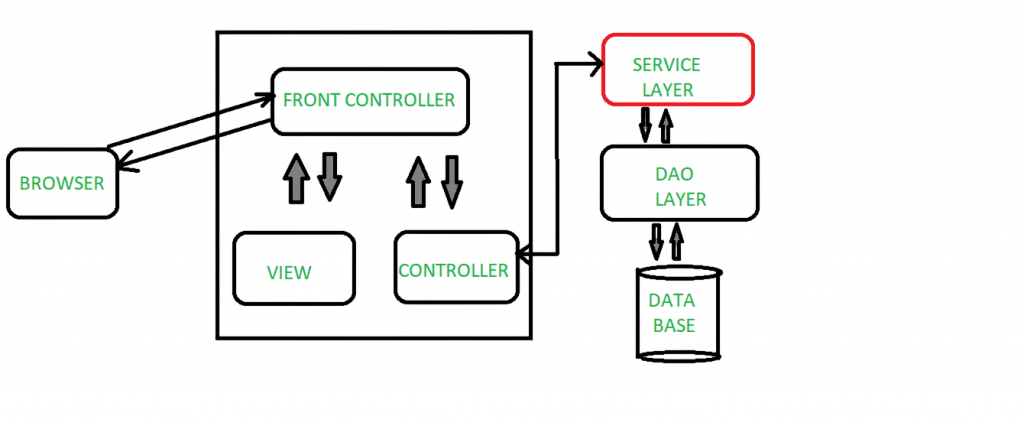
@Service marks a class as a business service component in Spring applications. It is generally used for implementing business logic methods cleanly. Service classes are detected automatically during component scanning. This supports layered architecture and better maintainability significantly. @Service is commonly asked in interviews. It helps separate business logic from controller and repository layers. Using @Service improves code organization and application scalability.
47. How to prepare service layer concepts?
Ans:
- Learning separation of controller and business logic creates strong architecture clarity quickly. It improves code structure. Layered design is important.
- Understanding automatic bean registration improves technical readiness significantly. Spring detects services automatically. This reduces manual setup.
- Studying order or payment examples adds practical relevance effectively. Real examples strengthen answers. Practical use cases help memory.
- Revising layered flow builds fresher confidence naturally. Strong basics help interviews. Clear concepts improve performance.
48. What is @Repository annotation?
Ans:
@Repository marks a class responsible for database access operations. It is commonly used with Spring Data JPA repositories. This annotation also supports exception translation mechanisms automatically. Repository classes help separate persistence logic from business services cleanly. @Repository is a frequent fresher interview topic. It improves code organization by keeping database logic in one layer. Using @Repository also supports maintainable and scalable Spring applications.
49. How to explain repository layer clearly?
Ans:
- Learning database interaction responsibility creates immediate conceptual clarity strongly. Repository handles data access. This is its main purpose.
- Understanding separation from service layer improves architecture knowledge significantly. It keeps clean design. Better structure improves maintenance.
- Studying CRUD repository examples adds practical relevance effectively. Examples improve answers. Real use cases help learning.
- Revising data access flow strengthens confidence naturally. Practice helps interviews. Repetition improves memory.
50. What are final tips after REST API preparation stage?
Ans:
Strong preparation should now include controllers, mappings, request handling, and response design clearly. Candidates should understand CRUD flows and layered architecture thoroughly. Building small API projects improves practical discussion quality significantly. Simple explanations often outperform memorized complex wording during interviews. Regular revision increases fresher success chances strongly.
51. What is Spring Data JPA?
Ans:
Spring Data JPA is a framework module that simplifies database access using Java Persistence API concepts. It reduces boilerplate code required for repositories and common database operations significantly. Developers can create interfaces instead of writing many SQL queries manually. This module supports pagination, sorting, and custom query methods efficiently. Spring Data JPA is a frequent fresher interview topic.
52. How to prepare Spring Data JPA basics clearly?
Ans:
- Learning repository interface based database handling creates strong beginner clarity quickly. It helps freshers understand modern database coding methods clearly. This improves practical confidence.
- Understanding reduced manual SQL effort improves technical readiness significantly for interviews. Spring Data JPA saves development time greatly. It increases productivity.
- Studying pagination and sorting support adds practical enterprise relevance effectively. These features are common in real applications. They improve scalable design.
- Practicing CRUD examples strengthens memory naturally during preparation. Hands-on examples improve confidence. Practical learning gives better recall.
53. What is JPA?
Ans:
JPA stands for Java Persistence API used for object relational mapping in Java projects. It provides standards for mapping Java classes with relational database tables efficiently. JPA helps developers work with objects instead of low-level database code directly. Frameworks like Hibernate commonly implement JPA specifications in applications. JPA is an essential Spring Boot interview concept.
54. How to explain JPA properly?
Ans:
- Learning JPA as a standard specification creates immediate conceptual clarity strongly. It helps explain database persistence in Java projects. This is a common interview point.
- Understanding object to table mapping improves technical maturity significantly. This is the main purpose of ORM concepts. It simplifies development.
- Knowing Hibernate as common implementation adds useful relevance effectively. Interviewers often ask this connection. It shows deeper knowledge.
- Revising ORM examples builds fresher confidence naturally. Practice improves memory. Examples make theory easier.
55. What is Hibernate?
Ans:
Hibernate is a popular ORM framework used to implement JPA functionality in Java. It maps Java objects to database tables and manages persistence operations automatically. Hibernate reduces repetitive SQL writing and improves development productivity significantly. It supports caching, lazy loading, and advanced relationship mapping features. Hibernate is commonly asked in fresher interviews.
56. How to prepare Hibernate basics effectively?
Ans:
- Learning ORM purpose creates strong beginner understanding quickly for interviews. It explains Java object and table mapping clearly. This is core Hibernate knowledge.
- Understanding automatic CRUD operations improves technical readiness significantly. Hibernate handles many operations internally. This saves coding effort.
- Studying Hibernate features like caching adds practical relevance effectively. These features improve performance. Enterprise systems use them widely.
- Comparing JPA and Hibernate strengthens conceptual clarity naturally. It helps explain standard versus implementation. Comparisons improve answers.
57. What is entity class in Spring Boot?
Ans:
An entity class is a Java class mapped to a database table. Each object of the class generally represents one table record. Annotations like @Entity and @Table are commonly used for mapping. Fields inside the class correspond to table columns clearly. Entity classes are core interview topics. They help in performing database operations easily using JPA and Hibernate. Proper understanding of entity classes improves backend development skills.
58. Write a program for entity class example.
Ans:
This example shows a simple JPA entity class.
- @Entity
- class Employee {
- @Id
- int id;
- String name;
- }
Here Employee class is mapped as a database table entity.
59. What is @Id annotation?
Ans:
@Id annotation is used to mark the primary key field in an entity class. It uniquely identifies each record stored in the database table. This annotation is mandatory for most JPA entity definitions. Primary keys help updates, retrievals, and deletions efficiently. @Id is frequently asked in interviews.
60. How to explain primary key concepts clearly?
Ans:
- Learning unique row identification creates strong database clarity quickly. Primary keys are essential in relational databases. They prevent confusion.
- Understanding @Id role in entity classes improves technical readiness significantly. It connects Java objects with database records. This is a common topic.
- Studying examples like employee id adds practical relevance effectively. Examples improve understanding. Real cases are easier to remember.
- Revising database basics strengthens memory naturally. Strong basics help interviews. Confidence grows with practice.

Learn Spring Boot with Advanced Concepts By Industry Experts
- Instructor-led Sessions
- Real-life Case Studies
- Assignments
61. What is @GeneratedValue annotation?
Ans:
@GeneratedValue is used to generate primary key values automatically for entity records. It avoids manual id assignment during insert operations significantly. Different generation strategies include AUTO, IDENTITY, and SEQUENCE commonly. This helps maintain consistent unique identifiers efficiently. @GeneratedValue is a common fresher topic.
62. How to prepare auto generated key concepts?
Ans:
- Learning automatic id generation creates immediate beginner clarity strongly. It saves manual key assignment effort. This improves convenience.
- Understanding strategy types improves technical maturity significantly for interviews. Common types include AUTO and IDENTITY. Strategy questions are common.
- Studying insert operation examples adds practical relevance effectively. Real use cases improve answers. Examples build clarity.
- Revising entity lifecycle strengthens confidence naturally. Practice improves memory. Repetition helps interviews.
63. What is the difference between CrudRepository and JpaRepository?
Ans:
| Criteria | CrudRepository | JpaRepository |
|---|---|---|
| Purpose | Provides basic CRUD methods. | Provides CRUD with advanced JPA features. |
| Features | Save, delete, find methods. | Pagination, sorting, batch support. |
| Usage | Simple applications. | Enterprise applications. |
| Inheritance | Base repository interface. | Extends CrudRepository. |
64. How to explain CrudRepository benefits?
Ans:
- Learning ready-made CRUD methods creates strong practical clarity quickly. It saves coding time in projects. This is a major benefit.
- Understanding reduced boilerplate code improves technical readiness significantly. Less manual coding improves productivity. Developers work faster.
- Studying common methods adds direct project relevance effectively. Methods like save and findAll are widely used. These are interview basics.
- Comparing manual DAO coding strengthens understanding naturally. This improves interview explanations. Comparisons create clarity.
65. What is JpaRepository?
Ans:
JpaRepository extends CrudRepository and provides advanced JPA-specific features additionally. It includes pagination, sorting, and batch operation support efficiently. This interface is widely used in Spring Boot enterprise applications. JpaRepository helps simplify scalable data access layer development greatly. JpaRepository is an important interview concept.
66. How to prepare JpaRepository concepts?
Ans:
- Learning inheritance from CrudRepository creates immediate technical clarity strongly. It explains repository hierarchy clearly. This improves understanding.
- Understanding pagination and sorting benefits improves maturity significantly. These are common enterprise needs. Scalability matters greatly.
- Studying enterprise usage scenarios adds practical relevance effectively. Real examples improve answers. Practical learning helps memory.
- Revising repository hierarchy builds fresher confidence naturally. Practice helps memory. Clear concepts improve interviews.
67. What is custom query method in repository?
Ans:
Custom query methods are repository methods created using naming conventions automatically. Spring interprets method names and generates matching queries internally. Examples include findByName or findByStatus methods commonly. This reduces manual SQL writing and speeds development significantly. Custom queries are frequently asked topics.
68. How to explain derived query methods clearly?
Ans:
- Learning method-name based query generation creates strong beginner clarity quickly. It reduces manual SQL effort. This is a key feature.
- Understanding examples like findByEmail improves practical readiness significantly. Examples are common in projects. Real cases help memory.
- Knowing reduced SQL coding adds enterprise relevance effectively. Faster development is a major advantage. Productivity improves greatly.
- Practicing naming patterns strengthens memory naturally. Practice improves coding confidence. Repetition builds speed.
69. What is @Query annotation?
Ans:
@Query annotation is used to define custom JPQL or SQL queries manually. It is useful when method naming conventions become too complex. Developers can write flexible queries for advanced filtering needs. This annotation improves control over repository query behavior significantly. @Query is a common interview topic.
70. How to prepare @Query concepts properly?
Ans:
- Learning manual custom query writing creates immediate technical clarity strongly. It helps solve complex search requirements. This adds flexibility.
- Understanding complex search requirements improves practical maturity significantly. Flexible queries are useful in projects. Real scenarios need this skill.
- Studying JPQL versus native query usage adds relevance effectively. This is often asked in interviews. Comparisons improve answers.
- Revising repository examples builds fresher confidence naturally. Practice improves answers. Hands-on work helps memory.
71. What is one to one mapping?
Ans:
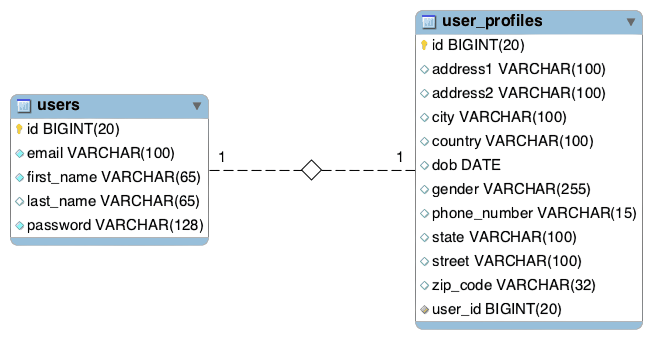
One to one mapping represents a relationship where one record matches one other record. Examples include user and passport type data models commonly. JPA supports this relationship through mapping annotations efficiently. Proper mapping helps maintain normalized database structures clearly. Relationship mapping is a regular interview topic.
72. How to explain entity relationships clearly?
Ans:
- Learning one-to-one mapping creates strong relational clarity quickly for beginners. It explains direct record relationships. This is foundational knowledge.
- Understanding user and passport examples improves practical relevance significantly. Real examples improve answers. Examples make concepts simple.
- Studying annotation-based mapping adds technical maturity effectively. This is useful in coding rounds. Technical depth improves confidence.
- Revising cardinality types strengthens confidence naturally. Practice improves memory. Repetition helps interviews.
73. What is one to many mapping?
Ans:
One to many mapping means one parent record relates to multiple child records. Examples include customer with many orders in business systems. This relationship is widely used in relational database designs. JPA supports it through annotations and collection fields efficiently. One to many mapping is often asked.
74. How to prepare database relationship topics?
Ans:
- Learning parent-child relationship models creates immediate conceptual clarity strongly. It helps understand data structure design. This is important in databases.
- Understanding customer and order examples improves practical maturity significantly. Examples are common in interviews. Real cases improve answers.
- Studying collection mapping in entities adds technical relevance effectively. This improves coding knowledge. Practical coding matters.
- Revising one-to-one and one-to-many differences strengthens memory naturally. Practice improves clarity. Comparisons help retention.
75. What are final tips after database preparation stage?
Ans:
Strong preparation should now include JPA, Hibernate, repositories, and relationship mapping clearly. Candidates should understand CRUD flow from controller to database thoroughly. Building simple employee management projects improves discussion quality significantly. Clear explanations often outperform memorized advanced terminology during interviews. Consistent revision increases fresher success chances strongly.
76. What is exception handling in Spring Boot?
Ans:
Exception handling in Spring Boot is the process of managing runtime errors gracefully during execution. It helps applications return meaningful responses instead of crashing unexpectedly under failures. Proper exception handling improves user experience and system maintainability significantly. Common approaches include try-catch blocks and global exception handlers. Exception handling is a common fresher interview topic.
77. How to prepare exception handling concepts clearly?
Ans:
- Learning graceful error management creates strong practical understanding quickly for beginners. It helps explain how applications handle failures safely. This is very important.
- Understanding custom messages and status codes improves technical maturity significantly. Proper responses improve user experience. Good APIs handle errors well.
- Studying try-catch and handler annotations adds useful relevance effectively. These are common interview topics. Practical knowledge helps greatly.
- Practicing API failure scenarios strengthens confidence naturally. Real examples improve answers. Practice builds clarity.
78. What is @ControllerAdvice annotation?
Ans:
@ControllerAdvice is used to manage exceptions globally across multiple controllers centrally. It separates error handling logic from business controller classes cleanly. This annotation improves code reuse and cleaner project architecture greatly. Global handlers can return consistent responses for many exceptions. @ControllerAdvice is frequently asked in interviews.
79. How to explain global exception handling properly?
Ans:
- Learning centralized error handling creates immediate conceptual clarity strongly. It shows how one place can manage many exceptions. This improves maintainability.
- Understanding cleaner controllers improves architecture maturity significantly. Business logic remains separate from error handling. Code becomes cleaner.
- Studying consistent API response examples adds practical relevance effectively. Standard responses improve applications. Users get better experience.
- Revising exception flow builds fresher confidence naturally. Practice helps in interviews. Repetition improves memory.
80. What is logging in Spring Boot?
Ans:
Logging is the practice of recording application events, warnings, and errors during execution. It helps developers monitor behavior and troubleshoot production issues efficiently. Spring Boot commonly uses Logback with SLF4J for logging support. Proper logs improve debugging and system observability significantly. Logging is an important fresher topic.
81. How to prepare logging basics effectively?
Ans:
- Learning why logs are needed creates strong beginner clarity quickly. Logs help track application behavior clearly. This is useful in support work.
- Understanding info, debug, warn, and error levels improves technical readiness significantly. These levels are common interview questions. Log levels are essential basics.
- Studying troubleshooting examples adds practical enterprise relevance effectively. Logs are useful in production support. Real usage improves understanding.
- Revising logger usage builds confidence naturally. Practice improves coding knowledge. Repetition helps interviews.
82. What is Spring Boot DevTools?
Ans:
Spring Boot DevTools is a developer utility module that improves development productivity greatly. It supports automatic restart when source code changes are detected. Live reload features help reflect frontend changes faster during development. This reduces repetitive manual restart effort significantly. DevTools is commonly asked in fresher interviews.
83. Write a program for DevTools dependency example.
Ans:
This example adds Spring Boot DevTools dependency in Maven.
- <dependency>
- <groupId>org.springframework.boot</groupId>
- <artifactId>spring-boot-devtools</artifactId>
- </dependency>
After adding this dependency, restart and live reload features can be used.
84. What is profile in Spring Boot?
Ans:
A profile in Spring Boot is used to manage environment-specific configurations separately. Common profiles include development, testing, and production environments. Different property files can load based on active profile settings. This helps maintain cleaner deployment configurations significantly. Profiles are frequent interview concepts.
85. How to prepare Spring profiles properly?
Ans:
- Learning environment-specific configuration creates strong deployment clarity quickly. It explains how settings change by environment. This is practical knowledge.
- Understanding dev and production differences improves technical maturity significantly. Real projects use multiple environments. This is common in companies.
- Studying active profile switching adds practical relevance effectively. This is useful during deployment. Flexibility improves operations.
- Revising property file usage builds fresher confidence naturally. Practice improves answers. Confidence grows with revision.
86. What is actuator in Spring Boot?
Ans:
Spring Boot Actuator provides production-ready monitoring and management endpoints for applications. It exposes health, metrics, beans, and environment information conveniently. These endpoints help administrators monitor systems efficiently in production. Actuator improves visibility and operational management significantly. Actuator is an important fresher interview topic.
87. How to explain Actuator features clearly?
Ans:
- Learning monitoring endpoint purpose creates immediate practical clarity strongly. It helps track application status easily. Monitoring is essential in production.
- Understanding health and metrics endpoints improves technical readiness significantly. These are commonly asked features. They help system checks.
- Studying production support use cases adds enterprise relevance effectively. Monitoring is important in live systems. Real examples strengthen answers.
- Revising security considerations builds stronger interview maturity naturally. Sensitive endpoints need protection. Security awareness is valuable.
88. What is the difference between monolith and microservice?
Ans:
| Criteria | Monolith | Microservice |
|---|---|---|
| Structure | Single large application. | Multiple small independent services. |
| Deployment | Deploy whole application together. | Deploy each service separately. |
| Scaling | Scale complete application. | Scale only required service. |
| Flexibility | Less flexible. | More flexible and faster releases. |
89. How to prepare microservice basics for freshers?
Ans:
- Learning small independent service design creates strong architecture clarity quickly. Each service handles one business function. This is the core concept.
- Understanding Spring Boot suitability improves technical relevance significantly. It is widely used for microservices. This is a common interview point.
- Studying examples like payment and order services adds practical value effectively. Real examples improve answers. Examples make concepts clear.
- Revising monolith versus microservice differences strengthens confidence naturally. Comparison helps interviews. Structured answers create impact.
90. What are final success tips for TCS Spring Boot developer interviews?
Ans:
Strong success depends on clear fundamentals, project practice, and confident communication throughout preparation. Candidates should understand annotations, REST APIs, JPA, and exception handling thoroughly. Building CRUD applications helps demonstrate practical development awareness significantly. Simple structured answers often create better impressions than memorized complexity alone. Consistent revision gives the best chance of fresher selection success.

![Top Informatica Interview Questions & Answers – [UPDATED] Interview Question](https://www.acte.in/wp-content/uploads/2020/05/4-img-acte-1-400x218.jpeg)