LMS
LMS
Last updated on 15th Apr 2026| 7385

The growing demand for careers at Amazon has created exciting opportunities for freshers in the technical field. Amazon is one of the world’s leading technology companies, known for its innovation in cloud computing, e-commerce, and software development. With its strong work culture, cutting-edge technologies, and focus on customer-centric solutions, Amazon attracts candidates who are eager to learn and grow. To help you prepare effectively, we have put together this Amazon Interview Preparation Guide for Freshers. This guide will provide you with essential tips, commonly asked questions, and strategies to boost your confidence and increase your chances of success. Let’s get started!
1. What is Amazon interview process for freshers?
Ans:
Amazon interview process for freshers usually includes online assessment, technical evaluation, and behavioral interview rounds. The company checks problem-solving ability, communication skills, and alignment with workplace values carefully. Some roles may include coding tests, logical reasoning, and managerial interaction stages. The process is designed to identify candidates with learning ability and ownership mindset. Understanding the interview flow improves preparation confidence significantly.
2. How to prepare for Amazon interview rounds effectively?
Ans:
- Study the complete hiring process including assessments and interview rounds. Knowing each stage reduces confusion and helps plan preparation clearly. Structured awareness improves confidence.
- Prepare programming, aptitude, and communication fundamentals. Balanced preparation increases readiness for multiple round types significantly. Core skills matter greatly.
- Practice mock interviews for confidence. Simulated rounds improve speaking ability and reduce nervousness naturally. Practice creates better performance.
- Revise concepts and company values regularly. Consistent revision improves memory and sharper responses effectively. Repetition builds success.
3. What are Amazon Leadership Principles?
Ans:
Amazon Leadership Principles are core values used to guide decisions, teamwork, and workplace behavior. These principles include ownership, customer obsession, bias for action, and continuous improvement focus. Interviewers often assess candidates through questions based on these principles carefully. Real examples connected to behavior are highly valuable during selection rounds. Understanding these principles is essential for freshers.
4. How to prepare Amazon Leadership Principles clearly?
Ans:
- Read each leadership principle carefully. Strong familiarity helps connect answers with company expectations clearly. Understanding values is essential.
- Connect principles with project or internship examples. Real experiences make behavioral answers stronger and more believable significantly. Examples create impact.
- Practice behavioral responses in structured format. Organized speaking improves clarity during interviews effectively. Structure shows professionalism.
- Revise values regularly for better memory. Repetition helps quick recall during pressure situations naturally. Memory improves confidence.
5. What is online assessment in Amazon hiring?
Ans:
Online assessment is the first screening stage for many Amazon fresher opportunities. It may contain aptitude questions, coding problems, debugging tasks, or work simulation exercises. The test is designed to measure logical ability, technical knowledge, and speed. Strong time management is highly important during this round. Online assessment performance often decides next interview eligibility.
6. How to prepare for Amazon online assessment?
Ans:
- Practice aptitude topics like reasoning and percentages. These topics are common in early screening rounds clearly. Speed improves with repetition.
- Solve coding questions on arrays and strings. Beginner-friendly coding practice builds confidence significantly. These topics appear frequently.
- Use timed practice sessions. Time pressure training improves speed and decision-making effectively. It simulates real exams.
- Review previous mistakes regularly. Learning from errors prevents repetition naturally. Mistake analysis is valuable.
7. What is technical interview in Amazon?
Ans:
Technical interviews at Amazon evaluate coding skills, data structures, algorithms, and logical reasoning ability. Candidates may solve problems while explaining thought process step by step clearly. Interviewers often check optimization awareness and clean coding practices carefully. Some non-coding roles may focus more on domain knowledge and fundamentals. Technical preparation is critical for fresher success.
8. How to prepare technical fundamentals for Amazon?
Ans:
- Revise loops, functions, arrays, and strings. These are core programming basics asked frequently in interviews clearly. Strong basics are essential.
- Study stacks, queues, trees, and hash maps. Data structures improve problem-solving capability significantly. They are common interview topics.
- Practice problem solving with complexity discussion. Good solutions need both logic and efficiency effectively. Optimization matters greatly.
- Write clean code regularly. Readable code creates stronger interviewer impression naturally. Clean coding is valuable.
9. What is behavioral interview in Amazon?
Ans:
Behavioral interviews focus on past actions, decision-making style, and workplace attitude patterns. Questions are usually connected with teamwork, conflict handling, ownership, and learning mindset. Interviewers want structured responses supported by real examples and measurable outcomes. Clear communication and honesty are highly important in this round. Behavioral preparation strongly influences final results.
10. How to prepare behavioral answers properly?
Ans:
- Use STAR method for organized responses. This structure makes answers logical and easy to follow clearly. It improves interview quality.
- Prepare examples for teamwork and deadlines. Real stories help prove workplace readiness significantly. Examples add credibility.
- Practice concise storytelling. Short clear answers keep interviewer attention effectively. Brevity shows confidence.
- Match examples with leadership principles. Alignment with company values creates stronger impact naturally. This is highly useful.
11. What is STAR method in interviews?
Ans:
STAR stands for Situation, Task, Action, and Result in structured behavioral responses. This format helps candidates explain experiences in logical and easy manner. Situation describes background, task explains responsibility, action shows contribution clearly. Result highlights final outcome, learning, or measurable success achieved. STAR method is highly useful for Amazon interviews.
12. Write a program for factorial in C.
Ans:
This example calculates factorial of a number.
- #include <stdio.h>
- int main() {
- int n=5,f=1;
- for(int i=1;i<=n;i++) f=f*i;
- printf(“%d”,f);
- return 0;
- }
Here the program prints factorial of 5.
13. What coding topics are asked in Amazon interviews?
Ans:
Amazon coding rounds often include arrays, strings, linked lists, recursion, and trees. Hashing, sorting, searching, stacks, queues, and dynamic programming may also appear. Questions usually test logic, optimization, and handling of edge cases carefully. Clear explanation of approach matters along with final code output. Coding practice is essential for fresher applicants.
14. How to prepare coding topics efficiently?
Ans:
- Start with arrays and strings. These topics are easier entry points for coding practice clearly. Basics build momentum.
- Move toward trees, recursion, and hashing. Intermediate topics improve logical depth significantly. Progression helps confidence.
- Practice time complexity discussion. Efficient thinking is important in coding interviews effectively. Complexity awareness matters.
- Solve questions daily. Daily practice builds speed and consistency naturally. Regular effort wins.
15. What is data structure importance in Amazon interviews?
Ans:
Data structures help organize information for efficient storage, access, and processing operations. Interviewers ask these topics because they reflect strong problem-solving foundations clearly. Correct structure selection can greatly improve runtime and memory performance. Common examples include arrays, stacks, queues, trees, and hash maps. Data structure knowledge is highly valuable for freshers.
16. How to prepare data structures strongly?
Ans:
- Understand insert, delete, and search operations. Core operations define how structures behave clearly. Basics are essential.
- Learn use cases for each structure. Knowing where to apply them improves coding judgment significantly. Application knowledge matters.
- Practice coding implementations. Writing code builds stronger understanding effectively. Practice increases speed.
- Revise complexity analysis. Performance comparison helps choose better solutions naturally. Efficiency matters.
17. What is time complexity in coding interviews?
Ans:
Time complexity measures how runtime grows as input size increases gradually. It helps compare algorithms and choose efficient solutions under constraints. Common notations include O(1), O(log n), O(n), and O(n²). Interviewers often ask optimization after basic solution completion carefully. Complexity understanding improves coding interview performance significantly.
18. How to prepare complexity analysis clearly?
Ans:
- Learn Big O notation meanings. Understanding notation helps explain efficiency clearly. It is a core interview topic.
- Compare brute force and optimized solutions. This builds analytical thinking significantly. Optimization improves scores.
- Practice loops and recursion analysis. Many complexity questions come from these patterns effectively. Practice improves speed.
- Revise examples regularly. Repetition makes concepts easier to remember naturally. Memory builds confidence.
19. What communication skills are needed for Amazon interviews?
Ans:
Communication skills help explain solutions, ask clarifications, and answer behavioral questions clearly. Strong speaking ability creates better interviewer understanding during technical discussions. Listening carefully is equally important for correct response delivery. Professional tone and concise structure improve overall impression significantly. Communication is critical for fresher success.
20. How to improve interview communication effectively?
Ans:
- Practice answers aloud regularly. Speaking practice improves fluency and confidence clearly. Regular effort helps greatly.
- Attend mock interviews. Realistic practice improves comfort under pressure significantly. Mocks are highly useful.
- Use simple structured language. Clear communication is more effective than complex wording naturally. Simplicity creates impact.
- Record sessions and improve weak areas. Self-review helps identify mistakes effectively. Continuous improvement matters.
21. What common mistakes happen in Amazon interviews?
Ans:
Common mistakes include rushing answers, poor communication, and ignoring problem constraints. Many candidates code immediately without discussing logic first carefully. Weak behavioral examples and lack of leadership principle awareness also hurt results. Poor time management during assessments can reduce scores significantly. Avoiding mistakes increases fresher selection chances.
22. How to avoid common interview mistakes?
Ans:
- Read questions carefully before solving. Good understanding prevents avoidable mistakes clearly. Patience is important.
- Explain thought process before coding. Communication helps interviewers follow your logic significantly. Clear thinking matters.
- Prepare leadership examples. Behavioral readiness strengthens final performance effectively. Examples create confidence.
- Practice timed tests regularly. Speed control improves assessment scores naturally. Timed practice helps greatly.
23. What is resume importance for Amazon freshers?
Ans:
A strong resume creates first impression before any interview round begins. It should highlight education, projects, internships, certifications, and measurable achievements clearly. Simple formatting and truthful content are highly important for credibility. Relevant technical keywords may improve shortlisting chances significantly. Resume quality supports fresher opportunities strongly.
24. How to prepare final week before Amazon interview?
Ans:
- Revise coding topics and leadership principles. Final revision sharpens memory before interviews clearly. It boosts confidence.
- Practice mock interviews. Simulated rounds improve calmness and speaking significantly. Practice helps performance.
- Review resume details carefully. Every listed point should be explainable effectively. Accuracy matters greatly.
- Maintain proper sleep and calm mindset. Good rest improves focus naturally. Mental readiness is important.
25. What are final success tips for Amazon freshers?
Ans:
Success in Amazon interviews depends on fundamentals, communication, and disciplined preparation. Candidates should balance coding practice with behavioral question readiness carefully. Clear examples aligned with leadership principles create strong impressions significantly. Regular mock tests help improve speed and confidence effectively. Consistent preparation gives the best chance of selection success.
26. What is aptitude round in Amazon hiring?
Ans:
Aptitude round is used to evaluate reasoning ability, numerical accuracy, and analytical thinking speed. Questions may include percentages, probability, ratios, logical sequences, and puzzle solving topics. This stage helps measure problem-solving ability under strict time pressure conditions. Strong speed with accuracy is highly important for better scores. Aptitude preparation supports fresher hiring success significantly.
27. Write a program for percentage calculation in C.
Ans:
This example calculates percentage from five subject marks.
- #include <stdio.h>
- int main() {
- int m1=80,m2=75,m3=90,m4=85,m5=70;
- float per;
- per=(m1+m2+m3+m4+m5)/5.0;
- printf(“Percentage = %.2f”, per);
- return 0;
- }
Here the program calculates average percentage of marks.
28. What is the difference between Aptitude Round and Technical Round?
Ans:
| Criteria | Aptitude Round | Technical Round |
|---|---|---|
| Focus | Reasoning, maths, logical thinking. | Coding, concepts, technical skills. |
| Questions | Puzzles, percentages, series. | DSA, DBMS, OS, programming. |
| Purpose | Checks analytical speed. | Checks technical capability. |
| Stage | Usually early screening round. | Usually later interview stage. |
29. How to improve logical reasoning skills?
Ans:
- Solving daily puzzle questions helps develop pattern recognition strongly over time. Frequent exposure trains the mind to identify logical sequences quickly. Daily practice creates steady improvement.
- Learning common reasoning models improves speed significantly during assessments. Familiarity with standard question types reduces solving hesitation clearly. Preparation increases efficiency.
- Practicing elimination techniques helps answer difficult questions effectively. Removing wrong choices improves accuracy when full solutions seem hard naturally. Smart strategy saves time.
- Maintaining consistency builds long-term confidence naturally. Regular reasoning practice strengthens mental sharpness and focus steadily. Discipline creates better results.
30. What is debugging round in technical hiring?
Ans:
Debugging rounds evaluate the ability to identify and fix mistakes in code. Candidates may receive programs containing syntax, logic, or runtime errors carefully. This tests attention to detail and programming fundamentals clearly. Strong debugging skills are valuable in real software development environments. Debugging may appear in Amazon assessments frequently.
31. How to prepare debugging questions properly?
Ans:
- Revising syntax rules of common languages reduces basic errors significantly. Strong syntax knowledge helps identify mistakes faster during coding tests clearly. Fundamentals are highly important.
- Practicing logical trace methods helps locate hidden bugs strongly. Step-by-step execution reveals incorrect conditions and loops naturally. Tracing improves debugging skill.
- Reading existing code regularly improves understanding effectively. Exposure to different coding styles increases error detection ability significantly. Practice builds confidence.
- Testing multiple inputs builds stronger debugging confidence naturally. Different cases reveal hidden bugs and boundary issues clearly. Good testing improves final output.
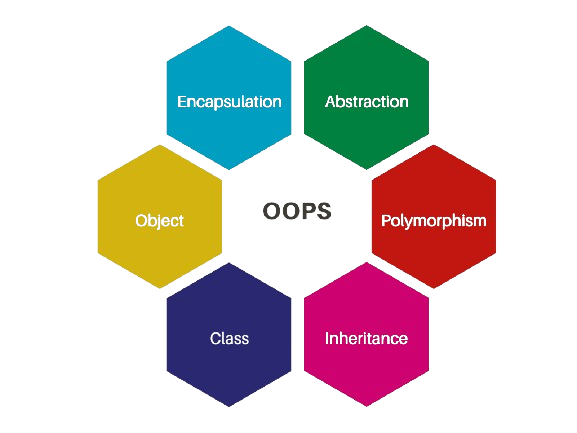
32. What is object oriented programming importance?
Ans:
Object oriented programming is a design method based on classes and objects. It improves code reusability, maintainability, and structured software development greatly. Core principles include encapsulation, inheritance, polymorphism, and abstraction concepts. Many interviewers ask OOP basics for fresher technical roles. OOP knowledge remains highly valuable in software careers.
33. How to prepare OOP concepts clearly?
Ans:
- Learning definitions of four core OOP principles creates strong conceptual clarity quickly. These principles form the base of modern software design clearly. Strong basics improve interview answers.
- Using real-world examples such as vehicles and accounts improves understanding significantly. Practical analogies make abstract concepts easier to remember naturally. Examples increase confidence.
- Practicing class creation in programming languages adds technical confidence effectively. Hands-on coding converts theory into real understanding clearly. Practice builds stronger skills.
- Revising interview questions regularly strengthens memory naturally. Repetition improves recall speed during technical discussions significantly. Consistent revision supports success.
34. What is database importance in Amazon interviews?
Ans:
Database knowledge is useful because many systems depend on efficient data storage operations. Interviewers may ask SQL basics, joins, keys, and normalization topics. Understanding databases shows readiness for backend and analytics responsibilities clearly. Practical data retrieval logic is highly valued in technical roles. Database preparation supports fresher opportunities significantly.
35. Write a program for SQL student record display.
Ans:
This example displays student records using SQL query.
- SELECT id, name, marks
- FROM Students
- WHERE marks > 70
- ORDER BY marks DESC;
In this example, the query shows students scoring above 70 marks.
36. What is operating system importance in interviews?
Ans:
Operating system knowledge helps understand memory, processes, files, and resource management. Interviewers may ask scheduling, deadlock, multitasking, and virtual memory basics. These topics reflect computer science fundamentals clearly for technical candidates. Strong OS understanding supports broader system design learning significantly. Operating systems are common fresher interview subjects.
37. How to prepare operating system concepts?
Ans:
- Learn process versus thread differences. This is one of the most common operating system interview questions clearly. It builds strong fundamentals.
- Revise memory management and scheduling. These topics explain how systems allocate resources efficiently. Understanding them improves technical depth.
- Study deadlock causes and prevention methods. Deadlock handling is frequently discussed in interviews significantly. It shows system awareness.
- Solve short operating system questions. Quick revision helps retain concepts naturally. Practice improves confidence.
38. What is computer network importance in interviews?
Ans:
Computer networks enable communication between systems across local and global environments. Interviewers may ask protocols, IP addressing, DNS, and OSI model basics. These concepts are valuable for cloud, backend, and infrastructure roles. Networking knowledge shows broad technical awareness significantly. This subject is useful for Amazon preparation.
39. How to prepare networking basics properly?
Ans:
- Learn HTTP, HTTPS, TCP, and UDP basics. These protocols are widely used in internet communication daily. Understanding them improves interview readiness.
- Understand IP addresses and DNS concepts. These topics explain how devices locate and connect clearly. They are practical networking essentials.
- Revise OSI model layers. Layered models help organize networking knowledge significantly. This is a common theory question.
- Use real-world internet examples for memory. Practical examples make technical topics easier to remember naturally. Real use cases improve answers.
40. What is coding language selection strategy?
Ans:
Coding language selection means choosing a language with strong comfort and practice level. Popular interview choices include Java, Python, C++, and JavaScript frequently. The best choice is usually one with clear syntax familiarity and confidence. Strong logic matters more than language popularity alone. Consistent practice in one language improves results significantly.
41. What is the difference between Java and Python for coding interviews?
Ans:
| Criteria | Java | Python |
|---|---|---|
| Syntax | More structured and verbose. | Simple and concise syntax. |
| Speed of Coding | Takes more lines to write. | Faster to write solutions. |
| Use Case | Strong for OOP and enterprise coding. | Strong for scripting and quick logic. |
| Interview Choice | Good if already practiced well. | Good for fast implementation. |
42. What is project discussion in Amazon interviews?
Ans:
Project discussions help interviewers understand practical exposure and technical contribution levels. Questions may cover architecture, challenges, tools used, and outcomes achieved. Clear explanation of responsibilities creates stronger credibility during interviews. Projects often differentiate fresher profiles from generic applicants significantly. Well-prepared project discussion is highly valuable.
43. How to prepare project explanations strongly?
Ans:
- Prepare concise summaries of project goals. Clear summaries help interviewers understand your work quickly. Strong introductions matter.
- Explain technologies used and responsibilities. This shows technical involvement and ownership significantly. Specific details create credibility.
- Mention challenges solved during execution. Problem-solving stories make projects more impressive effectively. Challenges show growth.
- Revise measurable outcomes and results. Numbers and impact statements strengthen answers naturally. Results create stronger impressions.
44. What is internship importance for freshers?
Ans:
Internships provide real workplace exposure, communication growth, and process understanding early. They demonstrate discipline, learning ability, and practical adaptability clearly. Interviewers often value hands-on experience even if short-term in duration. Internships can provide useful examples for behavioral responses significantly. Such experience strengthens fresher profiles strongly.
45. How to present internship experience effectively?
Ans:
- Explain responsibilities clearly and honestly. Honest communication creates trust and professionalism clearly. Accuracy is important.
- Highlight skills learned during internship. Learning outcomes show growth and adaptability significantly. Skills improve profile value.
- Mention teamwork or deadline handling. Workplace examples create practical interview impact effectively. Real exposure matters.
- Connect experience with target role. Relevance helps interviewers see better fit naturally. Alignment improves chances.
46. What is ownership principle in Amazon culture?
Ans:
Ownership means taking responsibility beyond assigned minimum expectations consistently. Employees are expected to think long-term and solve problems proactively. This principle values accountability, initiative, and commitment strongly. Behavioral interviews often test ownership through past examples carefully. Ownership awareness helps fresher preparation significantly.
47. How to prepare ownership principle answers?
Ans:
- Use examples of initiative in projects. Initiative shows willingness to act without waiting clearly. This reflects ownership mindset.
- Show accountability during problems. Accepting responsibility creates trust significantly. Accountability is highly valued.
- Explain long-term thinking in actions. Good ownership considers future impact effectively. Strategic thinking matters.
- Practice concise STAR method answers. Structured examples improve clarity naturally. Preparation builds confidence.
48. What is customer obsession principle?
Ans:
Customer obsession means placing customer needs at the center of decisions. Amazon values quality service, trust, and continuous experience improvement strongly. Employees are expected to solve issues with customer impact in mind. This principle influences many behavioral interview questions significantly. Understanding it supports fresher success strongly.
49. How to prepare customer obsession responses?
Ans:
- Use examples where service quality improved. Practical customer-focused stories create stronger responses clearly. Real examples matter.
- Show empathy and problem resolution. Understanding user pain points is highly valuable significantly. Solutions create trust.
- Explain long-term trust building. Good service creates loyalty over time effectively. Trust is essential.
- Revise STAR stories before interviews. Structured preparation improves recall naturally. Practice increases confidence.
50. What are mid-stage preparation tips for Amazon interviews?
Ans:
Mid-stage preparation should now combine aptitude, coding, and behavioral readiness together. Candidates should revise fundamentals while increasing mock interview practice regularly. Leadership principles and project discussions need equal attention carefully. Weak areas should be identified and improved systematically significantly. Balanced preparation creates stronger selection chances ahead.
51. What is bias for action principle?
Ans:
Bias for action means making timely decisions and moving forward without unnecessary delay. Amazon values speed when opportunities or customer issues require immediate attention. This principle does not support careless work but encourages smart urgency consistently. Interviewers may ask examples related to fast execution and ownership behavior. Understanding this principle helps fresher preparation significantly.
52. How to prepare bias for action answers?
Ans:
- Use examples of quick decisions under pressure. Fast and smart action is central to this principle clearly. Real examples help.
- Show balance between speed and responsibility. Good decisions must remain thoughtful significantly. Smart urgency matters.
- Explain measurable positive outcomes. Results make examples stronger and more believable effectively. Outcomes create impact.
- Practice concise STAR stories. Structured answers improve delivery naturally. Preparation builds confidence.
53. What is problem solving importance in Amazon interviews?
Ans:
Problem solving ability is highly valued because many workplace challenges need structured thinking. Interviewers check how obstacles are analyzed and solutions are developed carefully. Strong problem solving includes logic, prioritization, creativity, and decision quality. Both technical and non-technical roles require this skill consistently. This competency strongly influences fresher success.
54. Write a program for sum of array elements.
Ans:
This example finds sum of array elements.
- #include <stdio.h>
- int main() {
- int arr[5]={2,4,6,8,10}, sum=0;
- for(int i=0;i<5;i++)
- sum += arr[i];
- printf(“Sum = %d”, sum);
- return 0;
- }
In this example, the program calculates total of array values.
55. What is Amazon bar raiser round?
Ans:
Bar raiser round is a specialized interview stage used in many Amazon hiring processes. The interviewer focuses on maintaining high hiring standards across teams consistently. Questions may cover leadership principles, judgment, ownership, and long-term potential carefully. This round often examines depth rather than surface-level preparation alone. Strong structured responses are highly valuable here.
56. How to prepare for bar raiser round?
Ans:
- Prepare strong behavioral examples. Real experiences are highly important in this round clearly. Good examples create trust.
- Practice deep follow-up questions. Interviewers often test depth of thinking significantly. Preparation avoids confusion.
- Demonstrate ownership and learning mindset. Growth attitude creates stronger impressions effectively. Ownership matters greatly.
- Remain calm and authentic. Genuine answers are more powerful naturally. Confidence improves communication.
57. What is resume shortlisting importance?
Ans:
Resume shortlisting is often the first gateway before assessments or interviews begin. Recruiters scan education, projects, skills, and achievements within short time carefully. Clear formatting and relevant keywords improve visibility significantly for applicants. Strong resumes increase chances of entering hiring pipelines consistently. Resume quality should never be ignored.
58. How to improve resume for Amazon applications?
Ans:
- Highlight measurable project outcomes. Numbers and impact statements attract attention clearly. Results strengthen resumes.
- Use clear sections and formatting. Organized resumes are easier to review significantly. Readability matters greatly.
- Include relevant technical tools. Matching skills with role needs improves shortlisting effectively. Relevance creates advantage.
- Keep content concise and truthful. Honest resumes build trust naturally. Accuracy is essential.
59. What is the difference between Brute Force and Optimized Solution?
Ans:
| Criteria | Brute Force | Optimized Solution |
|---|---|---|
| Approach | Checks all possibilities. | Uses smarter logic or data structures. |
| Speed | Usually slower. | Usually faster. |
| Memory | May use less or basic memory. | May use extra memory for speed. |
| Interview Value | Good starting approach. | Preferred final answer. |
60. How to prepare optimization skills properly?
Ans:
- Solve brute force first, then improve. This method builds logical progression clearly. Optimization becomes easier afterward.
- Learn hashing and two-pointer patterns. These techniques solve many problems efficiently significantly. Pattern knowledge is powerful.
- Practice time and space complexity comparison. Comparing solutions improves technical judgment effectively. Analysis matters greatly.
- Review accepted optimized solutions. Studying strong answers teaches better strategies naturally. Learning from examples helps.
61. What is system design basics for freshers?
Ans:
Basic system design evaluates structured thinking about scalable application architecture concepts. Freshers may receive simplified questions around URL shortener or messaging systems. Interviewers check component understanding rather than expert architecture depth. Topics may include databases, caching, APIs, and load balancing basics. This knowledge adds strong advantage significantly.
62. Write a program for system design component display.
Ans:
This example displays common system design components for beginners.
- #include <stdio.h>
- int main() {
- printf(“1. Database\n”);
- printf(“2. Cache\n”);
- printf(“3. API\n”);
- printf(“4. Load Balancer\n”);
- printf(“5. Server\n”);
- return 0;
- }
In this example, the program prints basic system design components.
63. What is adaptability importance in Amazon culture?
Ans:
Adaptability means adjusting effectively to new tools, priorities, and changing business needs. Fast-moving organizations value candidates who learn quickly and stay productive consistently. Interviewers may ask examples involving change management or new responsibilities. Adaptability reflects growth mindset and resilience strongly. This trait supports fresher long-term success.
64. How to prepare adaptability answers strongly?
Ans:
- Use examples of learning new tools quickly. Fast learning shows curiosity and flexibility clearly. Companies value this quality highly.
- Show positive response to sudden changes. Calm reactions during change reflect maturity significantly. Adaptability improves trust.
- Explain results achieved after adaptation. Outcomes prove that flexibility created value effectively. Results strengthen answers.
- Practice concise and confident responses. Clear delivery improves interview impact naturally. Confidence supports credibility.
65. What is the difference between Ownership and Teamwork?
Ans:
| Criteria | Ownership | Teamwork |
|---|---|---|
| Meaning | Personal responsibility for results. | Collaboration with others. |
| Focus | Individual initiative. | Shared goals and support. |
| Success | Completing tasks effectively. | Achieving group outcomes. |
| Value | Shows accountability. | Shows cooperation. |
66. How to answer teamwork questions effectively?
Ans:
- Share examples of collaboration under deadlines. Time-bound teamwork stories show reliability and coordination clearly. Real examples create strong impact.
- Mention communication and support behavior. Good teamwork depends on updates and helping others significantly. Communication builds trust.
- Show conflict resolution maturity. Teams succeed when disagreements are handled professionally effectively. Maturity is highly valued.
- Highlight measurable team outcomes. Results like faster delivery or quality improvement strengthen answers naturally. Outcomes prove contribution.
67. What is failure question importance in interviews?
Ans:
Failure questions assess honesty, learning attitude, and resilience after setbacks carefully. Interviewers want reflection rather than perfect stories without mistakes. Strong answers explain issue, corrective action, and lessons learned clearly. Blaming others usually creates negative impressions significantly. This topic is common in Amazon interviews.
68. How to prepare failure based answers?
Ans:
- Choose genuine examples with meaningful lessons. Honest stories appear more believable and relatable clearly. Authenticity matters greatly.
- Explain accountability clearly. Accepting responsibility shows maturity and integrity significantly. Recruiters respect ownership.
- Show improvement after the setback. Growth after mistakes reflects learning mindset effectively. Progress strengthens answers.
- Keep tone positive and growth-focused. Balanced attitude leaves better impressions naturally. Positivity shows resilience.
69. What is conflict resolution importance at workplace?
Ans:
Conflict resolution is essential because teams often have different views or priorities. Healthy resolution maintains productivity and professional relationships strongly. Interviewers assess communication, empathy, and solution orientation through such questions. Good responses show calm behavior and shared-goal thinking consistently. This skill is valuable for freshers.
70. How to answer conflict handling questions properly?
Ans:
- Explain calm listening behavior first. Listening carefully helps understand both sides clearly. Patience prevents escalation.
- Mention fact-based discussion methods. Objective conversations lead to fairer solutions significantly. Facts reduce misunderstandings.
- Show win-win solution focus. Good resolutions support both people and goals effectively. Balance is important.
- Highlight restored teamwork outcome. Final cooperation proves successful conflict handling naturally. Outcomes strengthen answers.
71. What is the difference between ownership and accountability?
Ans:
| Criteria | Ownership | Accountability |
|---|---|---|
| Meaning | Taking initiative and responsibility proactively. | Answering for assigned results or actions. |
| Focus | End-to-end success of work. | Completion of assigned duty. |
| Behavior | Acts without waiting for instructions. | Reports status and outcomes. |
| Value | Drives improvement and leadership. | Builds trust and discipline. |
72. How to improve time management for Amazon rounds?
Ans:
- Practice timed mock tests regularly. Time-bound practice improves speed and confidence clearly. It simulates real rounds well.
- Solve easier questions first when needed. Quick wins save time and build momentum significantly. Smart sequencing helps scores.
- Use weekly preparation schedules. Planned study routines improve consistency effectively. Scheduling prevents last-minute stress.
- Review where time gets wasted. Identifying delays helps optimize preparation naturally. Reflection improves efficiency.

73. What is confidence importance during interviews?
Ans:
Confidence helps candidates communicate clearly and think calmly under pressure. It creates stronger presence during both technical and HR rounds consistently. Confidence should come from preparation rather than empty overstatement behavior. Balanced confidence improves interviewer trust significantly. This quality matters greatly for freshers.
74. Write a program for interview confidence score.
Ans:
This example calculates average confidence score from practice sessions.
- #include <stdio.h>
- int main() {
- int day1=80, day2=85, day3=90;
- float avg;
- avg=(day1+day2+day3)/3.0;
- printf(“Confidence Score = %.2f”, avg);
- return 0;
- }
In this example, the program calculates average interview confidence score.
75. What are advanced stage preparation tips for Amazon interviews?
Ans:
Advanced preparation should now combine coding depth, behavioral mastery, and calm execution together. Weak sections identified earlier must receive focused revision consistently. Mock interviews should simulate realistic pressure and follow-up questions carefully. Resume, projects, and leadership examples need final polishing significantly. This stage strongly improves final selection chances.
76. What is final round importance in Amazon hiring?
Ans:
Final rounds are highly important because they often determine complete hiring confidence levels. Interviewers may evaluate consistency across previous rounds and cultural alignment carefully. Behavioral depth, communication maturity, and technical clarity are commonly rechecked again. Strong professionalism during this stage creates lasting positive impressions significantly. Final round preparation should be taken seriously always.
77. How to prepare for Amazon final rounds effectively?
Ans:
- Revising previous interview answers helps maintain consistency strongly across all discussions quickly. Consistent responses show honesty and stable preparation clearly. This improves interviewer trust.
- Reviewing leadership principles and behavioral stories improves readiness significantly before final interactions. Company values are often tested again carefully. Better recall creates stronger answers.
- Staying calm with proper rest increases communication quality effectively. A fresh mind improves focus and structured responses naturally. Calmness reduces avoidable mistakes.
- Preparing thoughtful closing questions improves professional impression naturally. Smart questions show genuine interest and maturity significantly. Strong endings create impact.
78. What is the difference between Salary and Benefits?
Ans:
| Criteria | Salary | Benefits |
|---|---|---|
| Meaning | Fixed monetary payment. | Extra rewards and support. |
| Examples | Monthly pay amount. | Insurance, bonus, leave. |
| Form | Main income component. | Additional compensation. |
| Purpose | Pays for work done. | Improves employee welfare. |
79. How to prepare for salary discussions properly?
Ans:
- Researching fresher compensation trends creates stronger awareness before recruiter conversations quickly. Market knowledge helps set realistic expectations clearly. Awareness improves decision quality.
- Focusing on growth opportunity along with salary improves maturity significantly. Career learning and brand value also matter strongly. Balanced thinking impresses recruiters.
- Maintaining respectful communication adds professional value effectively during negotiations. Polite behavior creates better impressions and smoother discussions naturally. Professionalism is essential.
- Understanding complete benefits package helps better decisions naturally. Benefits may include bonuses, insurance, and allowances significantly. Full evaluation is important.
80. What is relocation readiness importance for freshers?
Ans:
Relocation readiness is valuable because many roles may require movement across cities. Flexible candidates often receive broader opportunity access within large organizations. Interviewers may ask willingness to adapt to new work environments carefully. Positive attitude toward relocation reflects commitment significantly. This factor can support fresher selection chances.
81. How to prepare relocation related answers?
Ans:
- Showing openness to new opportunities creates stronger hiring flexibility quickly. Companies value candidates who can support business needs clearly. Flexibility increases options.
- Mentioning adaptability to new environments improves response quality significantly. It shows confidence in handling change and responsibility naturally. Adaptability is valuable.
- Keeping answers practical and professional adds value effectively. Balanced responses create mature impressions during interviews greatly. Professional tone matters.
- Avoiding negative hesitation builds better impression naturally. Clear willingness shows positive attitude and readiness significantly. Positivity supports selection chances.
82. What is joining readiness in hiring process?
Ans:
Joining readiness means ability to complete documentation and start work smoothly. Recruiters may ask notice period, academic completion, and availability dates carefully. Clear responses help planning and reduce onboarding delays significantly. Freshers with organized readiness often create positive impressions. This stage matters after selection decisions.
83. How to prepare joining process readiness?
Ans:
- Keeping academic documents updated creates smoother onboarding readiness quickly. Organized records reduce last-minute stress clearly. Preparation saves time.
- Knowing availability dates improves recruiter coordination significantly. Clear timelines help companies plan joining schedules effectively. Accuracy matters greatly.
- Preparing identification and certificates adds practical efficiency effectively. Required documents are common during onboarding processes naturally. Readiness creates good impressions.
- Responding promptly to communication improves professional image naturally. Quick responses show seriousness and discipline significantly. Professional habits matter.
84. What is virtual interview preparation importance?
Ans:
Virtual interviews require technical readiness along with normal interview preparation standards. Stable internet, proper audio, and professional environment are highly important factors. Communication clarity becomes more critical without physical presence cues. Good setup can improve confidence and reduce avoidable stress significantly. Virtual readiness supports fresher success strongly.
85. Write a program for virtual interview device check.
Ans:
This example checks whether camera and microphone are ready.
- #include <stdio.h>
- int main() {
- int camera=1, mic=1;
- if(camera==1 && mic==1)
- printf(“Device Ready”);
- else
- printf(“Check Devices”);
- return 0;
- }
In this example, camera and microphone are verified for interview readiness.
86. What is the difference between Rejection and Failure?
Ans:
| Criteria | Rejection | Failure |
|---|---|---|
| Meaning | Not selected in one attempt. | Unsuccessful result in goal. |
| Scope | Often temporary and specific. | Can be broader situation. |
| Cause | Competition or fit mismatch. | Many possible reasons. |
| View | Chance to try again. | Lesson for improvement. |
87. How to improve after interview rejection?
Ans:
- Analyzing technical and communication gaps creates stronger next-step clarity quickly. Honest review helps target weak areas clearly. Reflection improves progress.
- Practicing weak sections consistently improves readiness significantly for future attempts. Focused effort creates measurable improvement naturally. Consistency matters greatly.
- Maintaining confidence after setbacks adds emotional strength effectively. Resilience helps candidates continue applying positively strongly. Mindset is important.
- Applying again with better preparation can create success naturally. Many candidates succeed after improved second attempts significantly. Persistence wins.
88. What is post interview follow up importance?
Ans:
Post interview follow up shows professionalism and continued interest in the opportunity. Short polite communication can leave a respectful final impression clearly. It should remain concise without excessive repeated messaging behavior. Following process timelines is also highly important significantly. This stage should be handled professionally always.
89. How to prepare complete success strategy for Amazon hiring?
Ans:
- Building strong fundamentals in coding, aptitude, and communication creates broad readiness quickly. Balanced basics help across all interview rounds clearly. Strong foundations matter.
- Practicing leadership principle answers improves behavioral performance significantly during interviews. Company values are highly important in selection decisions naturally. Preparation creates advantage.
- Using mock interviews under timed pressure adds real-world preparation effectively. Simulated stress improves calm execution greatly. Practice sharpens readiness.
- Staying disciplined for several weeks builds strongest selection chances naturally. Long-term consistency gives better results than last-minute effort significantly. Discipline wins success.
90. What are ultimate tips for Amazon fresher interview success?
Ans:
Ultimate success depends on preparation quality, consistency, and confident execution throughout rounds. Candidates should balance technical strength with behavioral maturity and professionalism carefully. Clear communication and structured answers often create stronger impressions significantly. Regular practice, calm mindset, and self-belief improve final performance effectively. Disciplined preparation gives the best chance of selection success.