LMS
LMS
Last updated on 03rd Nov 2025| 12941

- What is EV Fleet Management
- Benefits for Businesses
- Telematics Integration
- Charging Infrastructure
- Fleet Tracking and Routing
- Maintenance Scheduling
- Driver Behavior Monitoring
- Battery Health Management
- Cost Analysis Tools
- Regulatory Compliance
- Future Trends in Fleet EVs
- Conclusion
What is EV Fleet Management?
EV Fleet Management refers to the administration of a group of electric vehicles (EVs) used by a business or organization. It encompasses everything from vehicle acquisition, operation, maintenance, and replacement to tracking energy consumption and ensuring regulatory compliance. To understand how intelligent systems streamline these fleet management tasks and ensure data-driven compliance, explore Artificial Intelligence Training a hands-on course that covers machine learning, predictive maintenance, and smart analytics for scalable, efficient EV operations. With the rise in environmental concerns and the shift towards sustainable transportation, companies are increasingly converting their internal combustion engine (ICE) fleets to electric. EV fleet management enables businesses to control costs, reduce emissions, and optimize vehicle usage through data-driven strategies and advanced technologies.
Benefits for Businesses
Electric vehicle (EV) fleets offer a strong chance for businesses to improve performance and responsibility. To explore how fleet operations connect with the underlying mechanics of EVs and the technologies that make them efficient, explore Electric Cars Work Explained a comprehensive guide that details EV architecture, motor functionality, energy conversion, and the principles behind sustainable electric mobility. Switching to electric vehicles allows organizations to save money on fuel and maintenance costs while also working toward their sustainability goals.
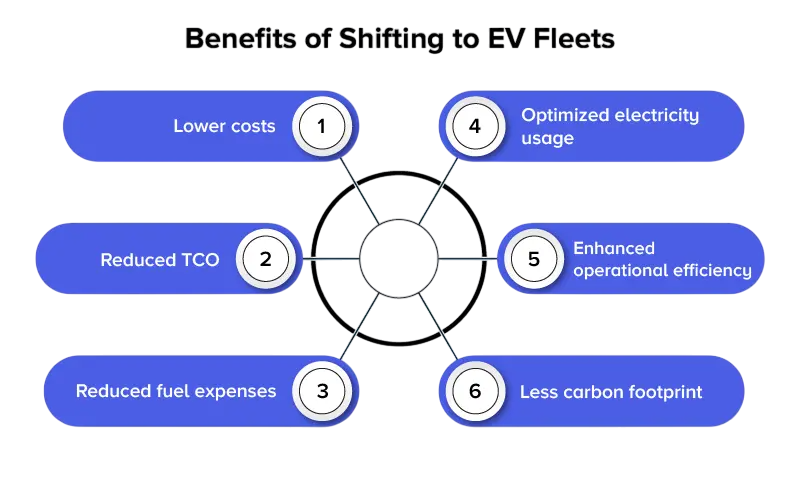
The financial benefits go beyond just immediate savings. Many regions provide government incentives, such as tax rebates and subsidies, to help lower initial investment costs. Additionally, the simple mechanical design of EVs means less maintenance, which cuts down on vehicle downtime and repair costs. Most importantly, adopting an electric fleet sends a strong message about commitment to environmental care. It shows the company is forward-thinking and eco-friendly, appealing to customers and stakeholders who are increasingly mindful of environmental issues.
Ready to Get Certified in Artificial Intelligence ? Explore the Program Now Artificial Intelligence Online Training Offered By ACTE Right Now!
Telematics Integration
Telematics plays a vital role in EV fleet management. It involves the use of GPS and onboard diagnostics to collect and transmit data such as vehicle location, speed, battery status, and maintenance alerts. To explore how these telematics systems vary across different categories of electric mobility, explore Types of Electric Vehicles a comprehensive guide that explains BEVs, PHEVs, HEVs, and FCEVs, along with their unique technologies, applications, and role in modern transportation.
- Vehicle location and usage patterns
- Charging status and battery levels
- Driver behavior and safety metrics
- Predictive maintenance alerts
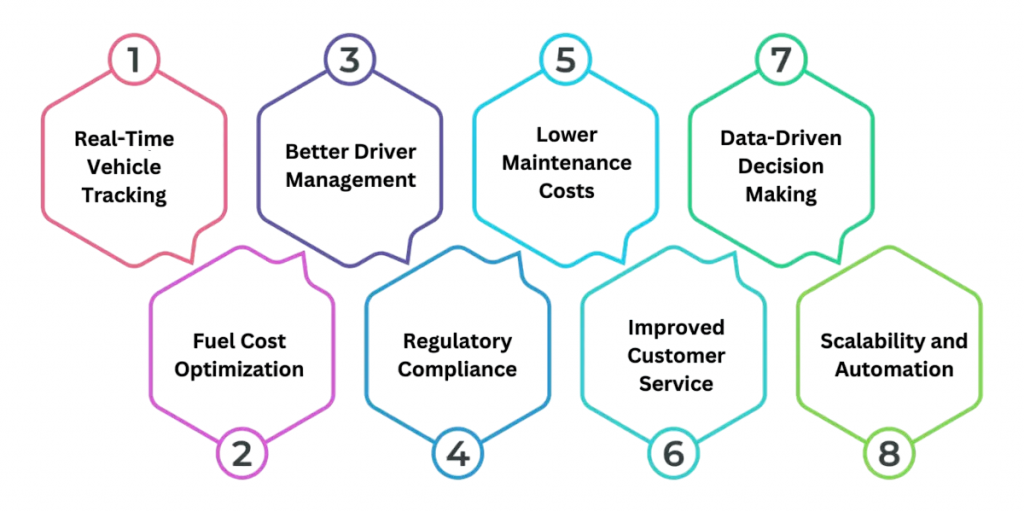
With telematics, fleet managers gain real-time insights into vehicle performance and can make data-driven decisions. Integration with fleet management software enhances route planning, improves fuel efficiency, and increases driver accountability.
To Explore Artificial Intelligence in Depth, Check Out Our Comprehensive Artificial Intelligence Online Training To Gain Insights From Our Experts!
Charging Infrastructure
One of the critical components of managing an EV fleet is ensuring adequate and efficient charging infrastructure. This includes planning for accessibility, optimizing energy distribution, and integrating smart technologies for monitoring and control. To explore how these strategies align with hybrid systems that balance fuel and electric power, explore Hybrid Electric Vehicles a comprehensive guide that explains their architecture, advantages, charging requirements, and role in bridging the transition toward fully electric mobility.
- On-site Charging Stations: Installed at company depots or offices for overnight or scheduled charging.
- Public Charging Access: Ensuring vehicles can utilize public fast-charging networks during operations.
- Smart Charging Systems: These optimize charging times based on electricity tariffs and fleet schedules.
- Load Management: Managing grid demand and preventing overloading through coordinated charging cycles.
Proper planning and investment in scalable charging infrastructure are essential for the seamless operation of EV fleets.
Fleet Tracking and Routing
In the fast-changing world of electric vehicle logistics, optimized routing has become essential for reducing costs and ensuring timely deliveries. Fleet tracking solutions now use advanced technologies to analyze key factors like battery range, available charging stations, traffic conditions, terrain challenges, and weather effects on vehicle performance. To understand how intelligent systems process this data for smarter routing, predictive diagnostics, and energy optimization, explore Artificial Intelligence Training a hands-on course that covers machine learning, sensor fusion, and real-time analytics for next-gen fleet management. By incorporating new AI and machine learning algorithms, these software platforms offer real-time tracking and dynamic rerouting. This helps businesses improve efficiency, reduce delivery delays, and enhance customer communication and satisfaction. This smart approach not only simplifies logistics operations but also represents a major step forward in managing electric vehicle fleets with unmatched precision and flexibility.

Develop Your Skills with Artificial Intelligence Training
Weekday / Weekend BatchesSee Batch DetailsMaintenance Scheduling
Electric vehicles (EVs) need regular maintenance to keep performing well and lasting long, even though they require less service than internal combustion engine vehicles. To understand how this balance of reduced servicing needs combines with dual power systems for greater efficiency, explore Plug-In Hybrid Electric Vehicle a comprehensive guide that explains their design, charging requirements, maintenance aspects, and role in bridging the gap between traditional and fully electric mobility. Important maintenance tasks include checking battery health routinely, rotating tires regularly, inspecting the brake system with a focus on regenerative braking, and updating software on time. By using predictive maintenance systems, fleet managers can monitor vehicle data and schedule services before issues arise, which cuts down on unexpected downtime. With effective fleet management software, organizations can track maintenance alerts and logs, ensuring vehicles remain compliant and extending the lifespan of their electric vehicle assets.
Looking to Master Machine Learning? Discover the Artificial Intelligence Expert Masters Program Training Course Available at ACTE Now!
Driver Behavior Monitoring
Monitoring and improving driver behavior is essential for safety, vehicle longevity, and efficiency. Telematics helps track parameters such as speed, braking patterns, battery usage, and route efficiency. To explore how these insights enhance performance and sustainability across modern mobility solutions, explore Electric Vehicles a comprehensive guide that explains EV types, core components, charging systems, and the role of telematics in optimizing fleet and individual driving experiences.
- Harsh braking or acceleration
- Speeding incidents
- Idling time
This data can be used for training programs, incentives for safe driving, and corrective actions. Improved driver behavior can extend EV range and reduce wear and tear.
Battery Health Management
Battery performance is central to EV fleet success. Managers must monitor:
- State of Charge (SOC)
- Depth of Discharge (DOD)
- Charging cycles
- Thermal management
Advanced battery management systems (BMS) analyze this data and alert managers to degradation trends, enabling timely interventions. Maintaining battery health maximizes range, efficiency, and overall vehicle lifespan, which is vital for cost-effective operations.
Preparing for Artificial Intelligence Job Interviews? Have a Look at Our Blog on Artificial Intelligence Interview Questions and Answers To Ace Your Interview!
Cost Analysis Tools
EV fleet management platforms provide effective cost analysis tools that help businesses make smart decisions about electric vehicle investments. To explore how these insights align with broader considerations of sustainability, performance, and long-term value, explore Advantages and Disadvantages of EV a comprehensive guide that explains the benefits, challenges, cost factors, and strategic implications of adopting electric vehicles in both personal and commercial contexts. By offering detailed insights into Total Cost of Ownership (TCO), these platforms allow companies to compare electricity and fuel costs, assess maintenance savings, and evaluate vehicle lifecycle expenses. These strong analytical features enable organizations to identify the best time for vehicle replacement and create more precise budget forecasts. The financial data generated by these platforms supports immediate operational choices and builds strong business cases for wider electrification strategies. This ultimately leads to more informed and financially sensible transportation investments.
Regulatory Compliance
EV fleet managers must stay compliant with various laws and regulations:
- Emissions Standards: Some regions mandate minimum emissions or zero-emission vehicle quotas.
- Safety Requirements: Ensuring vehicles meet electrical and operational safety standards.
- Data Protection: Managing driver and vehicle data securely under regulations like GDPR.
- Reporting Mandates: Emission tracking and energy use may require regular reporting to government bodies.
Non-compliance can lead to fines and reputational damage, making compliance tracking tools essential for fleet operators.
Future Trends in Fleet EVs
The future of EV fleet management is bright and rapidly evolving. To understand how power electronics like inverters and switching devices are driving this transformation, explore IGBT and MOSFET a comprehensive guide that compares their efficiency, switching speed, thermal performance, and role in enabling reliable, high-performance electric vehicle systems.
- Autonomous EV Fleets: Self-driving technology will revolutionize logistics and delivery.
- Vehicle-to-Grid (V2G): EVs will feed energy back into the grid, turning fleets into mobile energy assets.
- AI-Powered Management: AI will predict failures, optimize usage, and manage dynamic routing autonomously.
- Solid-State Batteries: Longer-lasting, faster-charging batteries will reduce operational constraints.
- Blockchain Integration: For secure tracking of energy use, maintenance records, and emissions compliance.
- Subscription-Based Fleet Services: Businesses may prefer mobility-as-a-service (MaaS) over ownership, enhancing flexibility and reducing upfront costs.
Conclusion
EV fleet management is transforming how businesses operate their transportation and logistics functions. With advancements in telematics, software, and battery technology, companies can significantly lower operational costs while promoting environmental responsibility. To understand how intelligent systems drive these efficiencies through data-driven automation and predictive analytics, explore Artificial Intelligence Training a hands-on course that covers machine learning, fleet optimization, and smart energy management for sustainable EV operations. Successful fleet electrification requires a strategic approach that integrates robust infrastructure, intelligent data use, and forward-thinking software tools. As regulations tighten and EV technology matures, businesses that adopt smart fleet management practices will be better positioned to lead in the sustainable mobility revolution.