LMS
LMS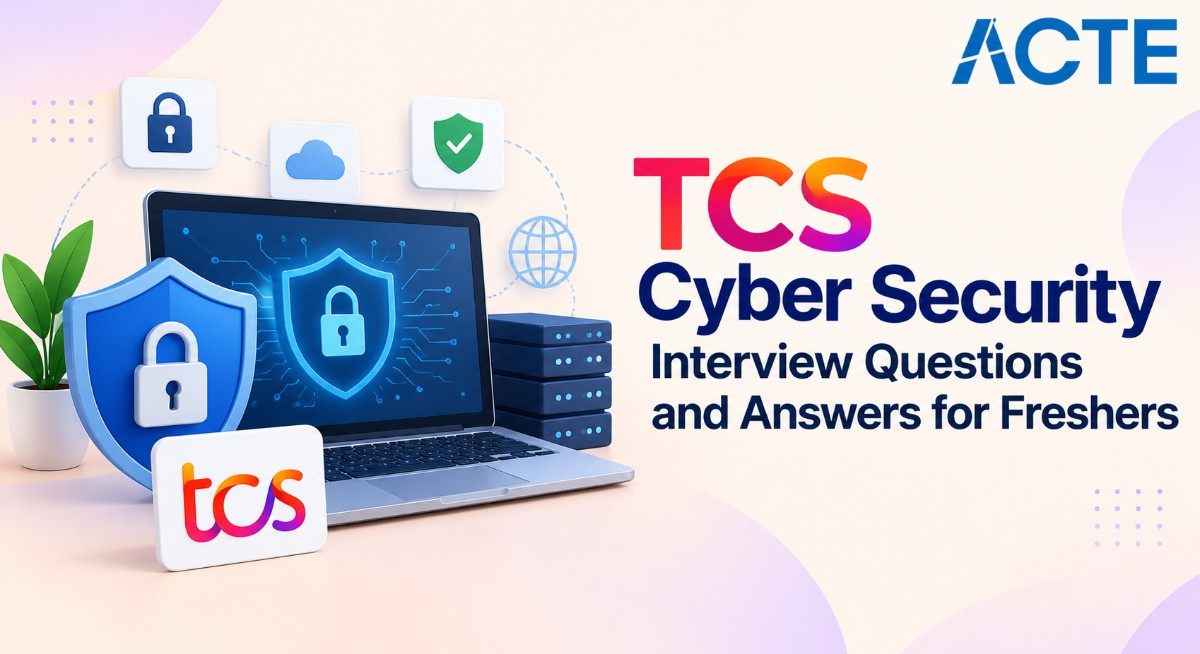
Last updated on 02nd Sep 2026| 12996

TCS Cyber Security Interview Questions And Answers For Freshers Are Designed To Help Candidates Prepare For Technical Interviews In The Cybersecurity Domain. Cybersecurity Plays An Important Role In Protecting Organizational Data, Applications, Networks, Systems, And Digital Services From Cyber Threats. TCS Interviews May Cover Fundamental Concepts Such As Network Security, Firewalls, Malware, Phishing, Encryption, Authentication, Authorization, Vulnerability Management, And Incident Response. Candidates May Also Be Asked About Security Tools, Operating Systems, Cloud Security, SIEM, SOC Operations, And Common Cyberattack Techniques. For Freshers, Understanding Core Security Concepts And Explaining Them Clearly Is Important For Performing Well In Technical Rounds. Practical Knowledge Of Security Best Practices, Problem-Solving Skills, And Awareness Of Current Cyber Threats Can Further Strengthen Interview Preparation. This Collection Of TCS Cyber Security Interview Questions And Answers Covers Important Beginner-Level Topics And Provides Simple Explanations To Help Freshers Build Confidence And Prepare Effectively For Cybersecurity Interviews.
1. What Is Cyber Security?
Ans:
Cyber Security Is The Practice Of Protecting Computers, Networks, Applications, And Data From Digital Threats. It Helps Prevent Unauthorized Access, Data Theft, Malware Attacks, And Service Disruptions. Cyber Security Uses Technologies, Processes, And Security Policies To Protect Digital Assets. Common Security Areas Include Network Security, Application Security, Cloud Security, And Data Security. Authentication And Authorization Are Used To Control Access To Protected Resources. Encryption Helps Protect Sensitive Information During Storage And Transmission. Cyber Security Is Essential For Maintaining Confidentiality, Integrity, And Availability Of Information.
2. What Are The Three Principles Of The CIA Triad?
Ans:
The CIA Triad Represents Confidentiality, Integrity, And Availability In Information Security. Confidentiality Ensures That Sensitive Information Is Accessible Only To Authorized Users. Integrity Ensures That Data Remains Accurate, Complete, And Protected From Unauthorized Modification. Availability Ensures That Systems And Information Remain Accessible When Required. Authentication And Access Controls Help Maintain Confidentiality. Hashing, Digital Signatures, And Validation Mechanisms Help Maintain Integrity. Backup Systems, Redundancy, And Disaster Recovery Help Maintain Availability.
3. What Is Confidentiality?
Ans:
Confidentiality Is A Security Principle That Protects Information From Unauthorized Access. It Ensures That Sensitive Data Is Available Only To Approved Individuals Or Systems. Access Control Lists And User Permissions Are Commonly Used To Maintain Confidentiality. Encryption Can Protect Data While It Is Stored Or Transmitted Across Networks. Strong Authentication Further Reduces The Risk Of Unauthorized Access. Confidentiality Is Especially Important For Financial, Personal, And Business Information. A Security Breach That Exposes Private Information Can Result In Serious Business And Legal Consequences.
4. What Is Integrity?
Ans:
Integrity Ensures That Information Remains Accurate, Complete, And Unchanged Without Authorization. It Protects Data From Accidental Modification, Malicious Changes, And Unauthorized Manipulation. Hashing Algorithms Can Be Used To Detect Changes Made To Files Or Messages. Digital Signatures Can Help Verify Both Data Integrity And Source Authenticity. Access Controls Also Reduce The Possibility Of Unauthorized Data Modification. Integrity Is Important For Databases, Financial Records, Applications, And System Configurations. Maintaining Data Integrity Helps Organizations Trust The Information Used For Business Decisions.
5. What Is Availability In Cyber Security?
Ans:
Availability Means That Systems, Applications, And Data Are Accessible To Authorized Users When Needed. Security Incidents Such As Denial-Of-Service Attacks Can Affect System Availability. Organizations Use Redundant Servers, Backups, Monitoring, And Disaster Recovery To Improve Availability. Load Balancing Can Distribute Traffic Across Multiple Servers. Regular Maintenance Helps Prevent Failures Caused By Outdated Or Misconfigured Systems. Business Continuity Planning Helps Organizations Continue Operations During Major Disruptions. Availability Is One Of The Three Fundamental Principles Of The CIA Triad.
6. What Is Malware?
Ans:
- Malware Is Malicious Software Designed To Damage Systems, Steal Information, Or Perform Unauthorized Activities.
- Common Types Of Malware Include Viruses, Worms, Trojans, Ransomware, And Spyware. Malware Can Enter Systems Through Malicious Files, Websites, Emails, Or Vulnerable Applications.
- Antivirus Software And Endpoint Security Solutions Can Help Detect And Block Malware. Regular Software Updates Can Reduce Vulnerabilities Commonly Exploited By Attackers.
7. What Is A Computer Virus?
Ans:
AA Computer Virus Is A Type Of Malware That Attaches Itself To Legitimate Files Or Programs. It Usually Requires Some Form Of User Or System Activity To Execute And Spread. A Virus Can Corrupt Files, Modify System Behavior, Or Affect Computer Performance. Viruses Can Spread Through Infected Files, Removable Devices, Emails, And Downloads. Antivirus Programs Can Identify Many Known Viruses Using Signatures And Behavioral Detection. Keeping Operating Systems And Applications Updated Can Reduce Infection Risks. Safe Browsing And Careful File Handling Are Important Practices For Preventing Virus Infections.
8. What Is A Computer Worm?
Ans:
A Computer Worm Is Malware That Can Replicate And Spread Across Networks Without Requiring A Host File. Worms Often Exploit Vulnerabilities In Operating Systems, Applications, Or Network Services. Once Inside A Network, A Worm Can Spread Quickly To Other Vulnerable Systems. Large Worm Outbreaks Can Cause Network Congestion And System Performance Problems. Network Segmentation Can Limit The Spread Of Worms Between Systems. Security Patches And Vulnerability Management Help Prevent Worm-Based Attacks. Continuous Monitoring Can Help Detect Unusual Network Activity Caused By Worm Propagation.
9. What Is A Trojan Horse?
Ans:
A Trojan Horse Is Malicious Software That Pretends To Be A Legitimate Application Or File. Unlike A Worm, A Trojan Generally Does Not Automatically Replicate Across Systems. Users May Install Trojans After Downloading Unsafe Software Or Opening Malicious Attachments. A Trojan Can Create Unauthorized Access, Steal Information, Or Download Additional Malware. Application Allowlisting And Endpoint Protection Can Help Detect Suspicious Programs. Users Should Download Software Only From Trusted Sources And Verify Its Authenticity. Security Awareness Training Can Reduce The Risk Of Trojan-Based Social Engineering Attacks.
10. What Is Ransomware?
Ans:
Ransomware Is Malware That Prevents Access To Files Or Systems And Demands Payment From Victims. It Commonly Encrypts Files So That They Cannot Be Used Without A Decryption Mechanism. Ransomware Can Spread Through Phishing Emails, Vulnerable Services, And Compromised Credentials. Regular Offline Or Immutable Backups Can Help Organizations Recover Without Depending On Attackers. Endpoint Detection And Response Tools Can Help Identify Suspicious Encryption Activities. Network Segmentation Can Reduce The Impact Of A Ransomware Incident. Security Awareness, Patch Management, And Strong Access Controls Are Important Preventive Measures.
11. What Is Spyware?
Ans:
Spyware Is Malicious Software Designed To Secretly Monitor Activities Or Collect Information From A Device. It Can Capture Sensitive Information Such As Browsing Activity, Credentials, Or System Details. Spyware May Be Installed Through Malicious Applications, Websites, Attachments, Or Exploited Vulnerabilities. Endpoint Security Software Can Detect Many Forms Of Suspicious Spyware Activity. Users Should Avoid Installing Applications From Unknown Or Untrusted Sources. Strong Security Updates Can Reduce Vulnerabilities That Spyware May Exploit. Early Detection Is Important Because Spyware Can Remain Hidden For Long Periods.
12. What Is Phishing?
Ans:
Phishing Is A Social Engineering Attack That Attempts To Trick Users Into Revealing Sensitive Information. Attackers Commonly Use Fake Emails, Websites, Messages, Or Login Pages To Impersonate Trusted Organizations. Phishing Attacks May Attempt To Steal Passwords, Banking Information, Or Authentication Codes. Checking URLs, Sender Details, And Unexpected Requests Can Help Identify Suspicious Messages. Multi-Factor Authentication Can Reduce The Impact Of Stolen Passwords. Email Security Solutions Can Detect And Block Many Malicious Messages. Security Awareness Training Is One Of The Most Important Defenses Against Phishing.
13. What Is Social Engineering?
Ans:
- Social Engineering Is The Use Of Psychological Manipulation To Trick People Into Performing Unsafe Actions. Attackers May Pretend To Be Employees, Customers, Managers, Or Trusted Service Providers.
- Common Techniques Include Phishing, Pretexting, Baiting, Tailgating, And Impersonation. Attackers Often Exploit Trust, Urgency, Fear, Or Curiosity To Influence Victims.
- Security Awareness Training Helps Employees Recognize Suspicious Requests. Verification Procedures Can Prevent Unauthorized Actions Caused By Impersonation
14. What Is A Firewall?
Ans:
A Firewall Is A Security System That Controls Network Traffic Based On Defined Security Rules. It Can Allow Or Block Traffic According To IP Addresses, Ports, Protocols, Or Applications. Firewalls Can Be Implemented As Hardware Appliances, Software Applications, Or Cloud Services. They Help Prevent Unauthorized Network Connections And Reduce Attack Exposure. Firewalls Can Also Log Traffic To Support Monitoring And Security Investigation. Next-Generation Firewalls May Provide Additional Features Such As Application Inspection And Intrusion Prevention. Proper Firewall Configuration Is Important Because Incorrect Rules Can Create Security Gaps.
15. What Is An IDS?
Ans:
IDS Stands For Intrusion Detection System And Is Used To Identify Suspicious Network Or System Activity. It Monitors Traffic Or Host Events And Generates Alerts When Potential Attacks Are Detected. Network-Based IDS Monitors Network Traffic While Host-Based IDS Monitors Individual Systems. IDS Solutions Can Use Signatures, Rules, And Behavioral Analysis To Detect Threats. Security Teams Can Investigate Alerts To Determine Whether An Incident Has Occurred. IDS Generally Focuses On Detection Rather Than Automatically Blocking Every Threat. It Is An Important Component Of Network Monitoring And Security Operations.
16. What Is An IPS?
Ans:
IPS Stands For Intrusion Prevention System And Is Designed To Detect And Block Malicious Activity. It Usually Operates Inline With Network Traffic To Inspect And Prevent Suspicious Connections. IPS Can Use Attack Signatures, Behavioral Rules, And Security Policies To Identify Threats. It Can Block Known Exploits, Malicious Traffic, And Certain Unauthorized Activities. Regular Signature And Rule Updates Help Improve Detection Accuracy. Incorrect Configuration Can Cause Legitimate Traffic To Be Blocked. IPS Is Commonly Used Alongside Firewalls And Other Network Security Technologies.
17. What Is The Difference Between IDS And IPS?
Ans:
| Feature | IDS (Intrusion Detection System) | IPS (Intrusion Prevention System)P |
|---|---|---|
| Purpose | Detects Suspicious Or Malicious Activities | Detects And Blocks Suspicious Or Malicious Activities |
| Action | Generates Alerts When A Threat Is Detected | Automatically Takes Action To Prevent The Threat |
| Deployment | Usually Monitors Network Traffic Without Being Directly In The Traffic Path | Usually Placed Inline With Network Traffic |
| Deployment | Usually Monitors Network Traffic Without Being Directly In The Traffic Path | Usually Placed Inline With Network Traffic |
18. What Is VPN?
Ans:
VPN Stands For Virtual Private Network And Creates An Encrypted Connection Over A Network. It Can Protect Data From Certain Types Of Network Interception During Transmission. VPNs Are Commonly Used For Secure Remote Access To Organizational Resources. They Can Also Connect Different Networks Through Secure Tunnels. VPN Security Depends On Strong Encryption, Authentication, And Proper Configuration. Organizations Often Combine VPN Access With Multi-Factor Authentication And Access Policies. A VPN Does Not Automatically Protect A Device From Malware Or Every Type Of Cyber Attack.
19. What Is Encryption?
Ans:
- Encryption Is The Process Of Converting Readable Data Into An Unreadable Format Using An Algorithm And Key. The Original Information Is Called Plaintext And The Encrypted Information Is Called Ciphertext.
- Decryption Converts Ciphertext Back Into Readable Data Using The Appropriate Key. Symmetric Encryption Uses The Same Key For Encryption And Decryption. Asymmetric Encryption Uses A Public Key And A Private Key Pair.
- Encryption Helps Protect Sensitive Information During Storage And Transmission. Proper Key Management Is Essential For Maintaining The Security Of Encrypted Information
20. What Is Symmetric Encryption?
Ans:
Symmetric Encryption Uses The Same Secret Key For Both Encryption And Decryption. It Is Generally Faster Than Asymmetric Encryption And Is Suitable For Large Amounts Of Data. The Main Challenge Is Securely Sharing The Secret Key Between Authorized Parties. AES Is A Common Modern Symmetric Encryption Algorithm. Symmetric Encryption Is Widely Used In File Protection, Database Security, And Network Communications. Strong Keys And Secure Key Management Are Required To Prevent Unauthorized Decryption. It Is Often Combined With Asymmetric Techniques For Secure Key Exchange.
21. What Is Asymmetric Encryption?
Ans:
Asymmetric Encryption Uses Two Related Keys Called A Public Key And A Private Key. The Public Key Can Be Shared, While The Private Key Must Be Protected. Data Encrypted With A Public Key Can Generally Be Decrypted Using The Corresponding Private Key. Asymmetric Cryptography Is Used In Secure Communication, Digital Certificates, And Digital Signatures. RSA And ECC Are Examples Of Asymmetric Cryptographic Techniques. It Is Generally More Computationally Expensive Than Symmetric Encryption. Many Secure Protocols Combine Asymmetric Cryptography With Symmetric Encryption For Better Performance.
22. What Is Hashing?
Ans:
Hashing Is The Process Of Converting Input Data Into A Fixed-Length Value Using A Hash Function. A Cryptographic Hash Function Is Designed To Make It Difficult To Recover The Original Input From The Hash Value. Hashing Is Commonly Used For Data Integrity Verification And Secure Password Storage. SHA-256 Is An Example Of A Widely Used Cryptographic Hash Function. Passwords Should Be Stored Using Strong Password Hashing With Salting Rather Than Plaintext. A Small Change In Input Should Produce A Significantly Different Hash Value. Hashing Is Different From Encryption Because Hashing Is Designed To Be One-Way.
23. What Is Hashing?
Ans:
- Hashing Is The Process Of Converting Input Data Into A Fixed-Length Value Using A Hash Function. A Cryptographic Hash Function Is Designed To Make It Difficult To Recover The Original Input From The Hash Value.
- Hashing Is Commonly Used For Data Integrity Verification And Secure Password Storage. SHA-256 Is An Example Of A Widely Used Cryptographic Hash Function.
- Passwords Should Be Stored Using Strong Password Hashing With Salting Rather Than Plaintext. A Small Change In Input Should Produce A Significantly Different Hash Value.
24. What Is Authentication?
Ans:
Authentication Is The Process Of Verifying The Identity Of A User, Device, Or System. It Confirms Whether The Entity Requesting Access Is Really Who It Claims To Be. Common Authentication Methods Include Passwords, Security Tokens, Mobile Devices, And Biometrics. Authentication Factors Are Generally Based On Something Known, Something Possessed, Or Something Inherent. Multi-Factor Authentication Combines More Than One Factor To Provide Stronger Protection. Strong Authentication Helps Prevent Unauthorized Users From Accessing Systems And Applications. It Is A Fundamental Security Control Used Across Enterprise And Cloud Environments.
25. What Is A Firewall In Cyber Security?
Ans:
A Firewall Is A Network Security System Used To Monitor And Control Incoming And Outgoing Network Traffic. It Applies Predefined Security Rules To Allow Or Block Network Connections. Firewalls Help Protect Computers, Servers, And Networks From Unauthorized Access And Suspicious Traffic. They Can Be Implemented As Hardware Devices, Software Applications, Or Cloud-Based Security Services. Firewalls Can Control Traffic Based On IP Addresses, Ports, Protocols, Applications, And Other Security Conditions. A Firewall Is An Important Security Component Used To Reduce Network Threats And Protect Organizational Resources.
26. What Is Multi-Factor Authenticatiog?
Ans:
Multi-Factor Authentication Is A Security Method That Requires More Than One Independent Authentication Factor. Common Factors Include Passwords, Mobile Devices, Security Keys, And Biometric Characteristics. MFA Provides Additional Protection When A Password Is Stolen Or Discovered By An Attacker. Authentication Applications And Hardware Security Keys Can Provide Stronger Protection Than Password-Only Authentication. SMS-Based Authentication Can Provide Additional Security But Has Certain Limitations. MFA Is Widely Used For Email, Cloud Services, Banking Systems, And Enterprise Applications. It Is An Important Security Control For Protecting Important Accounts And Resources.
27. What Is Least Privilege?
Ans:
- Least Privilege Is A Security Principle That Gives Users, Applications, And Services Only The Minimum Access Required To Perform Their Tasks. It Reduces The Number Of Resources That Can Be Accessed By A Compromised Account.
- Administrative Privileges Should Be Provided Only When They Are Necessary For Specific Responsibilities. The Principle Can Also Be Applied To Applications, Databases, Cloud Services, And System Processes.
- Access Permissions Should Be Regularly Reviewed To Remove Unnecessary Privileges. Least Privilege Helps Reduce Unauthorized Changes, Data Exposure, And Lateral Movement.
28. What Is Access Control?
Ans:
Access Control Is The Process Of Managing Who Can Access A System, Resource, Application, Or Data And What Actions They Can Perform. Access Control Uses Users, Groups, Roles, Permissions, And Security Policies To Manage Access. It Can Protect Databases, Files, Applications, Networks, Cloud Resources, And Enterprise Systems. Role-Based Access Control Assigns Permissions According To Defined Organizational Roles. Attribute-Based Access Control Can Make Decisions Based On Attributes Such As User, Resource, Location, Or Device. Strong Authentication And Least Privilege Support Effective Access Control. Regular Permission Reviews Help Ensure That Access Remains Appropriate And Secure
29. What Is A Security Vulnerability?
Ans:
A Security Vulnerability Is A Weakness In Software, Hardware, Configuration, Processes, Or Systems That Could Be Exploited By An Attacker. Vulnerabilities Can Result From Programming Errors, Outdated Software, Weak Configurations, Or Improper Access Controls. Successful Exploitation May Lead To Unauthorized Access, Data Theft, Service Disruption, Or Other Security Problems. Vulnerability Scanning Tools Can Help Organizations Identify Known Weaknesses. Vulnerabilities Should Be Prioritized According To Severity, Exposure, And Potential Business Impact. Patching, Secure Configuration, And Compensating Controls Can Reduce Vulnerability Risk. Continuous Vulnerability Management Helps Organizations Maintain A Strong Security Posture
30. What Is A Zero-Day Vulnerability?
Ans:
A Zero-Day Vulnerability Is A Security Weakness That Is Unknown To The Vendor Or Does Not Yet Have An Available Security Patch. Attackers May Exploit Such Vulnerabilities Before Organizations Have Enough Time To Prepare A Specific Fix. Zero-Day Attacks Can Be Difficult To Detect Because Traditional Signature-Based Defenses May Not Recognize Them. Behavioral Monitoring And Anomaly Detection Can Help Identify Suspicious Activity Associated With Unknown Threats. Network Segmentation And Least Privilege Can Limit The Impact Of A Successful Exploit. Vendors Usually Develop And Release Security Updates After A Vulnerability Is Discovered And Confirmed.
31. What Is Vulnerability Assessment?
Ans:
Vulnerability Assessment Is A Systematic Process Used To Identify, Analyze, And Prioritize Security Weaknesses. It Can Examine Networks, Applications, Operating Systems, Devices, And Other Technology Assets. Automated Vulnerability Scanners Can Detect Many Known Vulnerabilities And Configuration Problems. Identified Issues Can Be Evaluated According To Severity, Exploitability, Exposure, And Business Impact. High-Risk Vulnerabilities Should Generally Receive Faster Remediation Than Lower-Risk Findings
32. What Is Penetration Testing?
Ans:
Penetration Testing Is An Authorized Security Assessment That Simulates Attacker Techniques To Identify And Validate Exploitable Weaknesses. It Can Be Performed Against Networks, Web Applications, APIs, Wireless Systems, Cloud Environments, And Other Technology Assets. Penetration Testing Helps Determine Whether A Vulnerability Can Actually Be Exploited Under The Defined Test Conditions. Security Testers Document Evidence, Attack Paths, Business Impact, And Recommended Remediation.
33. What Is The Difference Between Vulnerability Assessment And Penetration Testing?
Ans:
| Basis | Vulnerability Assessment | Penetration Testing |
|---|---|---|
| Purpose | Identifies And Lists Potential Security Vulnerabilities In Systems And Applications. | Actively Tests Whether Identified Vulnerabilities Can Be Exploited In A Controlled Environment. |
| Approach | Primarily Uses Automated Scanning And Security Assessment Tools To Find Weaknesses. | Uses Manual Techniques And Specialized Tools To Simulate Real-World Attacks. |
| Result | Provides A List Of Vulnerabilities With Severity Levels And Remediation Recommendations. | Provides Evidence Of Exploitation, Security Impact, And Detailed Findings From The Simulated Attack. |
| Frequency | Can Be Performed Regularly To Continuously Identify New Or Existing Vulnerabilities. | Is Usually Performed Periodically Or When A Detailed Security Validation Is Required. |
34. What Is OWASP?
Ans:
OWASP Stands For Open Worldwide Application Security Project And Focuses On Improving Application Security. It Provides Educational Resources, Security Guidance, Tools, And Best Practices For Developers And Security Professionals. The OWASP Top 10 Is A Well-Known Resource That Describes Common And Important Web Application Security Risks. Developers Can Use OWASP Guidance To Build More Secure Applications And Reduce Common Vulnerabilities. Security Testers Can Use It To Understand Important Areas That Should Be Evaluated During Application Testing.
35. What Is SQL Injection?
Ans:
SQL Injection Is A Web Application Vulnerability That Occurs When Untrusted User Input Is Improperly Included In Database Queries. An Attacker May Manipulate Input To Change The Intended Behavior Of A SQL Statement. A Successful Attack Can Potentially Allow Unauthorized Reading, Modification, Or Deletion Of Database Information. Parameterized Queries And Prepared Statements Are Important Techniques For Preventing SQL Injection. Input Validation And Proper Database Access Controls Can Provide Additional Protection.
36. What Is Cross-Site Scripting?
Ans:
Cross-Site Scripting, Commonly Called XSS, Is A Web Security Vulnerability In Which Untrusted Content Causes Script Code To Execute In A User’s Browser. Attackers May Use XSS To Manipulate Web Pages, Perform Actions In A User’s Context, Or Access Certain Browser Information. Common Types Include Stored XSS, Reflected XSS, And DOM-Based XSS. Output Encoding Is An Important Defense Because It Prevents Untrusted Data From Being Interpreted As Executable Code. Input Validation And Content Security Policy Can Provide Additional Protection
37. What Is Cross-Site Request Forgery?
Ans:
Cross-Site Request Forgery, Or CSRF, Is An Attack That Tricks An Authenticated User’s Browser Into Sending An Unwanted Request To A Trusted Application. The Attack Can Take Advantage Of Automatically Included Authentication Information Such As Cookies. If The Application Does Not Properly Validate Requests, Unauthorized Actions May Be Performed Using The Victim’s Session. Anti-CSRF Tokens Can Help Confirm That A Request Was Intentionally Generated By The Application. SameSite Cookie Settings Can Provide Additional Protection Against Certain Cross-Site Request Scenarios
38. What Is A DDoS Attack?
Ans:
A DDoS Attack Stands For Distributed Denial-Of-Service Attack And Attempts To Make A Service Unavailable To Legitimate Users. The Attack Usually Uses Traffic Or Requests From Many Distributed Systems To Overwhelm A Target. Compromised Devices In A Botnet Can Be Used To Generate Large Volumes Of Malicious Traffic. DDoS Attacks Can Target Network Bandwidth, Servers, Applications, Or Other Infrastructure Resources. Rate Limiting, Traffic Filtering, Load Balancing, And Specialized DDoS Protection Services Can Help Reduce The Impact.
39. What Is A DoS Attack?
Ans:
A DoS Attack Stands For Denial-Of-Service Attack And Attempts To Prevent Legitimate Users From Accessing A System Or Service. It Usually Consumes Resources Such As Processing Power, Memory, Network Capacity, Or Application Connections. Unlike A Distributed Attack, A Traditional DoS Attack May Originate From A Single System Or A Limited Number Of Sources. Rate Limiting And Resource Controls Can Help Reduce The Effectiveness Of Resource-Exhaustion Attacks. Firewalls And Network Monitoring Tools Can Help Detect Suspicious Traffic And Abnormal Usage Patterns
40. What Is A Botnet?
Ans:
A Botnet Is A Group Of Compromised Devices That Can Be Controlled By An Attacker Through Malicious Software Or Other Control Mechanisms. The Devices In A Botnet May Include Computers, Servers, Routers, Cameras, Or Other Internet-Connected Systems. Attackers Can Use Botnets For Activities Such As DDoS Attacks, Spam Distribution, Credential Theft, And Malware Delivery. Weak Passwords, Unpatched Software, And Exposed Services Can Help Attackers Compromise Devices. Network Monitoring And Endpoint Security Can Help Identify Suspicious Botnet Activity

41. What Is A Security Patch?
Ans:
- A Security Patch Is A Software Update Designed To Fix A Security Vulnerability Or Address A Security-Related Problem. Software Vendors Release Patches When Vulnerabilities Are Discovered And Appropriate Fixes Are Developed.
- Delaying Important Security Patches Can Leave Systems Exposed To Known Attacks. Organizations Usually Prioritize Patches According To Vulnerability Severity, Exploitability, Exposure, And Business Impact.
- Patches Should Be Tested Before Deployment When Necessary To Reduce The Risk Of Operational Problems.
42. What Is Patch Management?
Ans:
Patch Management Is The Organized Process Of Identifying, Testing, Deploying, And Monitoring Software Updates Across An Organization’s Technology Environment. It Helps Reduce Exposure To Known Vulnerabilities In Operating Systems, Applications, Devices, And Other Components. Effective Patch Management Usually Begins With Maintaining An Accurate Inventory Of Technology Assets. Security Teams Prioritize Updates Based On Risk And Deploy Critical Patches Within Appropriate Timeframes. Patches May Be Tested Before Deployment To Identify Compatibility Or Operational Problems.
43. What Is A Firewall?
Ans:
A Firewall Is A Network Security System Used To Monitor And Control Incoming And Outgoing Network Traffic. It Works As A Security Barrier Between Trusted And Untrusted Networks. A Firewall Allows Or Blocks Traffic Based On Predefined Security Rules. It Helps Prevent Unauthorized Access To Systems, Applications, And Network Resources. Firewalls Can Be Implemented As Hardware, Software, Or Cloud-Based Security Services.
44. What Is Antivirus Software?
Ans:
Antivirus Software Is A Security Program Used To Detect, Prevent, And Remove Malicious Software. It Scans Files, Applications, Emails, And System Activities For Potential Threats. Antivirus Tools Can Identify Malware Such As Viruses, Trojans, Worms, And Spyware. They Commonly Use Signature-Based And Behavior-Based Detection Techniques. Modern Antivirus Solutions Can Also Provide Real-Time Protection Against Suspicious Activities. Regular Updates Help Antivirus Software Recognize Newly Discovered Threats. Antivirus Software Helps Protect Computers And Organizational Systems From Malware Attacks.
45. What Is Malware?
Ans:
Malware Is A General Term Used To Describe Software Designed To Damage, Disrupt, Or Gain Unauthorized Access To Computer Systems. Common Types Of Malware Include Viruses, Worms, Trojans, Ransomware, And Spyware. Malware Can Enter Systems Through Malicious Links, Attachments, Downloads, Or Vulnerable Applications. It Can Steal Sensitive Information, Encrypt Files, Or Disrupt Business Operations. Security Software And Regular System Updates Help Reduce Malware Risks. User Awareness Is Also Important For Preventing Malware Infections. Effective Cybersecurity Controls Help Detect, Block, And Remove Malware From Systems.
46. What Is A Computer Virus?
Ans:
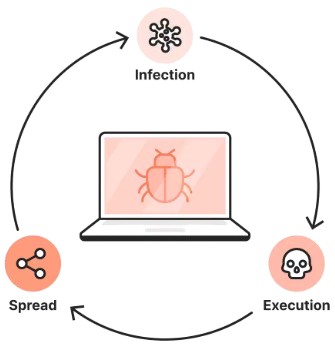
A Computer Virus Is A Type Of Malware That Can Attach Itself To Legitimate Files Or Programs. It Usually Requires Some Form Of User Or System Activity To Execute And Spread. A Virus Can Modify, Corrupt, Delete, Or Damage Files And System Resources. Some Viruses Can Also Collect Information Or Create Security Vulnerabilities. Antivirus Software Can Detect Many Known Viruses Through Signatures And Behavioral Analysis. Keeping Operating Systems And Applications Updated Helps Reduce Virus-Related Risks. Safe Downloading And Email Practices Also Help Prevent Virus Infections.
47. What Is A Trojan Horse?
Ans:
A Trojan Horse Is A Type Of Malware That Pretends To Be A Legitimate Application Or File. It Attempts To Trick Users Into Installing Or Executing The Malicious Program. Unlike A Traditional Virus, A Trojan Usually Does Not Automatically Replicate Itself. It Can Provide Attackers With Unauthorized Access To A Compromised System. Trojans May Be Used To Steal Credentials, Install Additional Malware, Or Monitor Activities. Security Software And Application Whitelisting Can Help Detect And Prevent Trojans. Users Should Download Software Only From Trusted Sources To Reduce Trojan Risks.
48. What Is Ransomware?
Ans:
- Ransomware Is A Type Of Malware That Prevents Access To Files Or Systems And Demands Payment From The Victim.
- It Commonly Encrypts Important Files So That They Cannot Be Accessed Normally. Attackers May Demand A Ransom In Exchange For A Decryption Key Or Restoration Of Access.
- Ransomware Can Cause Significant Financial, Operational, And Data Loss For Organizations. Regular Backups Can Help Organizations Recover Data Without Depending Entirely On Attackers
49. What Is Phishing?
Ans:
Phishing Is A Social Engineering Attack Used To Trick People Into Revealing Sensitive Information. Attackers Often Use Fake Emails, Websites, Messages, Or Login Pages To Deceive Victims. The Main Targets Can Include Passwords, Banking Information, Authentication Codes, And Personal Data. Phishing Messages Often Create Urgency Or Fear To Encourage Quick Actions. Email Security Systems Can Detect Many Suspicious Messages And Malicious Links. User Training Helps Employees Recognize Fake Emails And Other Phishing Attempts. Multi-Factor Authentication Can Further Reduce The Impact Of Stolen Credentials.
50. What Is Social Engineering?
Ans:
Social Engineering Is A Cybersecurity Technique In Which Attackers Manipulate People Into Performing Unsafe Actions. Instead Of Directly Exploiting Technical Vulnerabilities, Attackers Exploit Human Trust And Behavior. Common Examples Include Phishing, Pretexting, Baiting, Tailgating, And Impersonation. Attackers May Pretend To Be Employees, Managers, Customers, Or Technical Support Staff. Security Awareness Training Helps Employees Identify Suspicious Requests And Communications.
51. What Is Encryption?
Ans:
Encryption Is A Security Process That Converts Readable Data Into An Unreadable Format. The Converted Data Can Only Be Properly Understood By Using An Appropriate Decryption Key. Encryption Helps Protect Sensitive Information From Unauthorized Access And Disclosure. It Can Be Used For Data Stored On Devices As Well As Data Transmitted Across Networks. Symmetric Encryption Uses The Same Key For Encryption And Decryption. Asymmetric Encryption Uses A Public Key And A Private Key For Secure Communication. Encryption Is Widely Used In Secure Websites, Banking Systems, Applications, And Cloud Services.
52. What Is Decryption?
Ans:
Decryption Is The Process Of Converting Encrypted Data Back Into Its Original Readable Form. It Normally Requires A Valid Encryption Key Or Appropriate Cryptographic Credentials. Decryption Allows Authorized Users And Systems To Access Protected Information. The Security Of The Decryption Process Depends On Strong Algorithms And Proper Key Management. Unauthorized Access To Encryption Keys Can Allow Attackers To Read Sensitive Data. Secure Key Storage And Access Controls Are Therefore Important For Data Protection. Decryption Is An Essential Part Of Secure Communication And Data Management.
53. What Is Hashing?
Ans:
- Hashing Is A Cryptographic Technique That Converts Input Data Into A Fixed-Length Value Called A Hash. A Hash Function Is Generally Designed To Make It Computationally Difficult To Reverse The Original Input.
- Hashing Is Commonly Used For Password Storage, Data Integrity Verification, And Digital Security. Secure Password Storage Usually Uses Specialized Password Hashing Algorithms With Salting.
- Even A Small Change In Input Data Can Produce A Significantly Different Hash Value. Hashing Is Different From Encryption Because Encryption Is Designed To Be Reversible With A Key. Common Cryptographic Hash Families Include SHA-2 And SHA-3.
54. What Is Multi-Factor Authentication?
Ans:
Multi-Factor Authentication Is A Security Method That Requires More Than One Verification Factor To Access An Account. The Factors Can Include Something A User Knows, Has, Or Is. A Password Represents Something The User Knows, While A Security Token Can Represent Something The User Has. Biometric Verification Such As Fingerprints Can Represent Something The User Is. MFA Provides Additional Protection Even If A Password Is Compromised. It Is Commonly Used For Email Accounts, Cloud Platforms, Banking Systems, And Enterprise Applications. Implementing MFA Significantly Strengthens Account Security And Reduces Unauthorized Access Risks.
55. What Is Vulnerability?
Ans:
A Vulnerability Is A Weakness In A System, Application, Network, Or Process That Can Be Exploited By An Attacker. Vulnerabilities Can Result From Software Bugs, Misconfigurations, Weak Passwords, Or Outdated Components. Attackers May Use Vulnerabilities To Gain Unauthorized Access Or Perform Malicious Activities. Security Teams Regularly Identify And Assess Vulnerabilities Through Scanning And Testing. Software Vendors Often Release Security Patches To Fix Known Vulnerabilities. Organizations Should Prioritize Vulnerabilities Based On Their Potential Risk And Business Impact. Regular Vulnerability Management Helps Reduce The Attack Surface Of An Organization.
56. What Is A Security Patch?
Ans:
A Security Patch Is A Software Update Designed To Fix A Security Vulnerability Or Weakness. Software Vendors Release Patches When Vulnerabilities Are Discovered Or Security Improvements Are Required. Applying Patches Helps Prevent Attackers From Exploiting Known Security Issues. Unpatched Systems Can Become Easy Targets For Automated And Targeted Cyberattacks. Organizations Usually Test Important Patches Before Deploying Them Across Production Systems. Patch Management Includes Identifying, Testing, Deploying, And Monitoring Software Updates. Regular Patching Is An Important Practice For Maintaining A Secure IT Environment.
57. What Is Vulnerability Scanning?
Ans:
Vulnerability Scanning Is A Security Process Used To Identify Known Weaknesses In Systems, Networks, And Applications. Scanning Tools Examine Devices And Software For Vulnerabilities, Misconfigurations, And Outdated Components. The Results Usually Include Information About Detected Vulnerabilities And Their Severity. Security Teams Use These Results To Prioritize Remediation Activities. Regular Scanning Helps Organizations Identify Security Problems Before Attackers Exploit Them. Authenticated And Unauthenticated Scans Can Provide Different Levels Of Visibility. Vulnerability Scanning Is An Important Activity Within A Broader Vulnerability Management Program.
58. What Is Penetration Testing?
Ans:
- Penetration Testing Is An Authorized Security Assessment Used To Identify And Validate Vulnerabilities In Systems Or Applications. Security Professionals Simulate Controlled Attacks Within A Defined Scope And Rules Of Engagement.
- The Testing Helps Determine Whether Identified Weaknesses Can Actually Be Exploited. Penetration Testing Can Cover Networks, Web Applications, APIs, Mobile Applications, And Infrastructure.
- The Results Are Documented In A Report With Findings, Evidence, Risk Levels, And Recommendations
59. What Is Intrusion Detection System?
Ans:
An Intrusion Detection System, Or IDS, Is A Security Solution Used To Detect Suspicious Or Malicious Activities. It Monitors Network Traffic Or System Events And Looks For Signs Of Potential Attacks. An IDS Can Use Signature-Based Detection To Identify Known Attack Patterns. It Can Also Use Anomaly-Based Detection To Identify Unusual Behavior. When Suspicious Activity Is Detected, The System Generates Alerts For Security Teams. An IDS Primarily Focuses On Detection And Alerting Rather Than Automatically Blocking Traffic. It Helps Security Teams Investigate Potential Threats And Respond To Security Incidents.
60. What Is Intrusion Prevention System?
Ans:
An Intrusion Prevention System, Or IPS, Is A Security Solution Designed To Detect And Help Block Malicious Network Activities. It Continuously Monitors Network Traffic For Suspicious Patterns And Potential Attacks. When Malicious Traffic Is Identified, An IPS Can Take Automated Actions Based On Configured Security Rules. These Actions May Include Blocking Traffic, Dropping Packets, Or Preventing Specific Connections. IPS Solutions Can Help Protect Networks Against Exploitation Attempts And Known Attack Patterns. They Are Often Deployed Alongside Firewalls And Other Network Security Technologies. An IPS Helps Organizations Detect And Prevent Threats Before They Cause Significant Damage.

Get JOB Oriented Cyber Security Training for Beginners By MNC Experts
- Instructor-led Sessions
- Real-life Case Studies
- Assignments
61. What Is A VPN?
Ans:
A VPN, Or Virtual Private Network, Is A Security Technology Used To Create A Secure Connection Over A Public Or Untrusted Network. It Encrypts Network Traffic To Help Protect Data From Unauthorized Access During Transmission. VPNs Are Commonly Used To Secure Remote Connections To Organizational Networks And Cloud Resources. They Can Help Protect Sensitive Information When Users Access Services Through Public Wi-Fi Networks. A VPN Can Also Hide The User’s Network Address From The Public Internet, Depending On The Configuration. Organizations Often Use VPNs Along With Authentication And Access-Control Mechanisms. VPNs Are An Important Tool For Supporting Secure Remote Access And Network Communication.
62. What Is A Proxy Server?
Ans:
A Proxy Server Is An Intermediate System That Receives Requests From A Client And Forwards Them To Another Server. It Can Be Used To Control, Monitor, Filter, Or Manage Internet Traffic Within An Organization. Proxy Servers Can Help Enforce Access Policies And Prevent Users From Accessing Restricted Websites. They Can Also Cache Frequently Requested Content To Improve Network Performance. Some Proxy Servers Provide Additional Security By Hiding Internal Network Addresses From External Services. However, A Proxy Is Not The Same As Encryption And Does Not Automatically Secure All Traffic. Properly Configured Proxy Servers Can Support Network Security, Privacy, And Traffic Managemen
63. What Is Network Security?
Ans:
Network Security Is The Practice Of Protecting Computer Networks, Devices, Applications, And Data From Unauthorized Access And Cyber Threats. It Includes Security Technologies, Policies, Processes, And Controls Used To Protect Network Resources. Firewalls, IDS, IPS, VPNs, Network Segmentation, And Access Controls Are Common Network Security Components. Network Security Helps Prevent Threats Such As Malware, Unauthorized Access, Data Theft, And Network Attacks. Monitoring And Logging Are Also Used To Identify Suspicious Network Activities. Regular Security Assessments Help Organizations Discover And Correct Network Weaknesses. Effective Network Security Helps Maintain The Confidentiality, Integrity, And Availability Of Network Resources.
64. What Is Endpoint Security?
Ans:
- Endpoint Security Is A Security Approach Used To Protect Devices Such As Computers, Laptops, Smartphones, And Servers Connected To A Network.
- Endpoints Can Become Entry Points For Malware, Unauthorized Access, And Other Cyber Threats. Endpoint Security Solutions Can Include Antivirus, Endpoint Detection And Response, Firewalls, Application Control, And Device Management.
- These Tools Help Detect Suspicious Activities And Protect Devices From Known And Unknown Threats
65. What Is Endpoint Detection And Response?
Ans:
Endpoint Detection And Response, Commonly Called EDR, Is A Security Technology Used To Monitor And Protect Endpoint Devices. It Continuously Collects Information About Processes, Files, Network Connections, And Other Endpoint Activities. EDR Solutions Analyze This Information To Detect Suspicious Or Malicious Behavior. When A Threat Is Identified, Security Teams Can Investigate The Activity And Take Response Actions. EDR Can Help Isolate A Compromised Device To Prevent A Threat From Spreading Further. It Also Provides Security Teams With Detailed Information For Incident Investigation And Threat Hunting. EDR Is An Important Component Of Modern Endpoint Security Strategies.
66. What Is SIEM?
Ans:
SIEM Stands For Security Information And Event Management And Is A Security Platform Used To Collect And Analyze Security Data. It Collects Logs And Events From Servers, Applications, Networks, Endpoints, And Security Devices. SIEM Systems Correlate Different Events To Identify Suspicious Patterns And Potential Security Incidents. They Can Generate Alerts When Activities Match Configured Detection Rules Or Threat Indicators. Security Teams Use SIEM Platforms For Monitoring, Investigation, Incident Response, And Compliance Reporting. Centralized Logging Makes It Easier To Understand What Happened Across Different Systems. SIEM Is Commonly Used As A Central Monitoring Component In Security Operations Centers.
67. What Is SOC?
Ans:
SOC Stands For Security Operations Center And Refers To A Team Or Facility Responsible For Monitoring And Responding To Security Threats. A SOC Continuously Monitors Security Events From Networks, Endpoints, Applications, And Other Technology Systems. Security Analysts Investigate Alerts To Determine Whether They Represent Genuine Security Incidents. The SOC May Perform Activities Such As Threat Detection, Incident Response, Threat Hunting, And Security Monitoring. SIEM, EDR, Network Monitoring, And Other Security Tools Are Commonly Used By SOC Teams. SOC Analysts Also Document Incidents And Coordinate Remediation Activities. A SOC Helps Organizations Detect And Respond To Cyber Threats In A Structured And Timely Manner.
68. What Is Incident Response?
Ans:
Incident Response Is The Organized Process Of Detecting, Investigating, Containing, And Recovering From Cybersecurity Incidents. It Helps Organizations Respond Quickly To Events Such As Malware Infections, Data Breaches, And Unauthorized Access. The Process Commonly Includes Preparation, Detection, Analysis, Containment, Eradication, Recovery, And Lessons Learned. Security Teams First Identify The Nature And Scope Of The Incident. Containment Helps Prevent The Threat From Spreading To Additional Systems Or Resources. After Recovery, Organizations Review The Incident To Improve Future Security Controls. A Well-Defined Incident Response Plan Helps Reduce The Impact Of Cybersecurity Incidents.
69. What Is Data Breach?
Ans:
A Data Breach Is A Security Incident In Which Sensitive, Confidential, Or Protected Information Is Accessed, Exposed, Changed, Or Stolen Without Proper Authorization. Breaches Can Affect Personal Information, Financial Data, Business Records, Credentials, Or Intellectual Property. Common Causes Include Phishing, Weak Security Controls, Malware, Misconfiguration, And Exploited Vulnerabilities. A Data Breach Can Cause Financial Loss, Reputation Damage, Legal Issues, And Operational Disruption. Organizations Use Security Monitoring And Access Controls To Reduce The Possibility Of Data Breaches. Incident Response Procedures Help Identify And Contain Breaches When They Occur. Strong Data Protection Practices Are Essential For Reducing Breach Risks.
70. What Is Access Control?
Ans:
Access Control Is A Security Mechanism Used To Determine Who Or What Can Access Specific Systems, Applications, Data, Or Resources. It Ensures That Users Receive Only The Permissions Required To Perform Their Authorized Tasks. Access Control Can Be Implemented Through Authentication, Authorization, Roles, Policies, And Permissions. Role-Based Access Control Is Commonly Used To Assign Permissions Based On Job Responsibilities. The Principle Of Least Privilege Helps Limit Unnecessary Access To Sensitive Resources. Regular Access Reviews Help Organizations Remove Unnecessary Or Outdated Permissions. Effective Access Control Helps Prevent Unauthorized Access And Protect Sensitive Information.
71. What Is Authentication?
Ans:
- Authentication Is The Process Of Verifying The Identity Of A User, Device, Or System Before Allowing Access To A Resource.
- Common Authentication Methods Include Passwords, Security Tokens, Certificates, And Biometric Verification. Authentication Confirms That The Entity Requesting Access Is Who Or What It Claims To Be.
- Strong Authentication Methods Can Reduce The Risk Of Unauthorized Account Access. Multi-Factor Authentication Provides Additional Protection By Requiring Multiple Verification Factors.
72. What Is Authorization?
Ans:
Authorization Is The Process Of Determining What An Authenticated User Or System Is Allowed To Access Or Perform. It Normally Takes Place After The User’s Identity Has Been Successfully Verified. Authorization Policies Can Control Access To Files, Applications, Databases, APIs, And Other Resources. Permissions May Be Assigned Based On Roles, Responsibilities, Groups, Or Specific Access Policies. The Principle Of Least Privilege Helps Ensure That Users Receive Only Necessary Permissions. Proper Authorization Reduces The Risk Of Unauthorized Data Access And Unapproved Actions. Authentication Confirms Identity, While Authorization Determines The Access That Identity Is Allowed To Have.
73. What Is The Principle Of Least Privilege?
Ans:
The Principle Of Least Privilege Means Providing Users, Applications, And Systems Only The Minimum Access Required To Perform Their Responsibilities. It Helps Reduce The Damage That Can Result From Compromised Accounts Or Malicious Activities. For Example, A User Who Only Needs To Read Data Should Not Automatically Receive Permission To Modify Or Delete It. Least Privilege Can Be Applied To User Accounts, Administrator Accounts, Applications, Services, And Cloud Resources. Regular Permission Reviews Help Remove Access That Is No Longer Required. This Principle Also Supports Better Separation Of Responsibilities Within An Organization
74. What Is Role-Based Access Control?
Ans:
Role-Based Access Control, Or RBAC, Is An Access Management Model That Assigns Permissions According To Defined User Roles. Instead Of Assigning Every Permission Individually, Permissions Are Grouped Into Roles Based On Job Responsibilities. For Example, An Employee, Manager, And Administrator May Have Different Levels Of System Access. RBAC Simplifies Permission Management And Makes Access Policies Easier To Maintain. It Also Supports The Principle Of Least Privilege By Providing Role-Appropriate Permissions. Organizations Can Regularly Review Roles To Ensure That Access Remains Appropriate.
75. What Is Identity And Access Management?
Ans:
Identity And Access Management, Or IAM, Is A Framework Used To Manage Digital Identities And Control Access To Organizational Resources. IAM Helps Organizations Create, Modify, And Remove User Accounts And Their Associated Permissions. It Commonly Includes Authentication, Authorization, Single Sign-On, Multi-Factor Authentication, And Access Policies. IAM Helps Ensure That The Right Users Receive The Right Access At The Right Time. It Can Also Provide Logging And Monitoring Of Identity-Related Activities. Automated Provisioning And Deprovisioning Can Reduce Errors When Employees Join Or Leave An Organization. IAM Is A Key Component Of Enterprise Security And Access Governance.
76. What Is Single Sign-On?
Ans:
Single Sign-On, Or SSO, Is An Authentication Mechanism That Allows Users To Access Multiple Applications Using One Set Of Authentication Credentials. After Successful Authentication With The Central Identity Provider, Users Can Access Authorized Applications Without Repeatedly Entering Their Credentials. SSO Can Improve User Convenience And Reduce The Number Of Passwords Users Need To Remember. It Can Also Help Organizations Centralize Authentication Policies And Security Controls. When Combined With Multi-Factor Authentication, SSO Can Provide Stronger Account Protection
77. What Is Digital Signature?
Ans:
A Digital Signature Is A Cryptographic Mechanism Used To Verify The Authenticity And Integrity Of Digital Data Or Messages. It Uses A Private Key To Create A Signature And A Corresponding Public Key To Verify It. A Valid Digital Signature Can Provide Evidence That Data Was Signed By The Expected Sender. It Can Also Detect Whether The Signed Data Was Modified After Signing. Digital Signatures Are Commonly Used In Secure Emails, Software Distribution, Electronic Documents, And Online Transactions. They Help Provide Authentication, Integrity, And Non-Repudiation. Digital Signatures Are Different From Encryption Because Their Primary Purpose Is Verification Rather Than Confidentiality.
78. What Is Public Key Infrastructure?
Ans:
- Public Key Infrastructure, Or PKI, Is A Framework Used To Manage Digital Certificates, Public Keys, Private Keys, And Certificate Authorities. PKI Helps Establish Trust Between Users, Devices, Applications, And Services.
- Certificate Authorities Issue And Validate Digital Certificates That associate identities With Public Keys. PKI Is Commonly Used For Secure Websites, Digital Signatures, Email Security, And Device Authentication.
- Proper Certificate Management Includes Issuing, Renewing, Revoking, And Monitoring Certificates.
79. What Is SSL And TLS?
Ans:
SSL And TLS Are Cryptographic Protocols Used To Protect Data During Network Communication. SSL Is An Older Technology, While TLS Is Its Modern Successor And Is The Standard Used Today. TLS Helps Provide Confidentiality, Integrity, And Authentication Between Communicating Systems. Secure Websites Commonly Use HTTPS, Which Uses TLS To Protect Web Traffic. TLS Helps Prevent Attackers From Easily Reading Or Modifying Data While It Is Being Transmitted. Digital Certificates Are Used To Help Authenticate The Server During Secure Connections. Using Current TLS Versions And Proper Configuration Is Important For Maintaining Secure Network Communication
80. What Is HTTPS?
Ans:
HTTPS Stands For Hypertext Transfer Protocol Secure And Is The Secure Version Of HTTP Used For Web Communication. It Uses TLS To Encrypt Data Exchanged Between A Web Browser And A Web Server. HTTPS Helps Protect Information Such As Login Credentials, Personal Data, And Transaction Details During Transmission. It Also Helps Verify The Identity Of The Website Through Digital Certificates. Without HTTPS, Sensitive Information Transmitted Over A Network May Be More Easily Intercepted Or Modified. Modern Websites Commonly Use HTTPS To Provide Secure Communication Between Clients And Servers. HTTPS Is An Important Security Measure For Protecting Web Applications And Their Users.
81. What Is SQL Injection?
Ans:
SQL Injection Is A Web Application Security Vulnerability In Which Malicious SQL Input Is Inserted Into Database Queries. It Can Occur When Applications Improperly Handle User-Supplied Input Before Using It In Database operations. A Successful SQL Injection Attack May Allow Unauthorized Data Access, Modification, Or Deletion. It Can Also Potentially Affect Authentication And Other Application Functions. Parameterized Queries And Prepared Statements Are Important Techniques For Preventing SQL Injection. Input Validation And Proper Database Permissions Provide Additional Protection. Regular Security Testing Can Help Identify And Correct SQL Injection Vulnerabilities.
82. What Is Cross-Site Scripting?
Ans:
Cross-Site Scripting, Commonly Called XSS, Is A Web Security Vulnerability That Allows Untrusted Script Content To Be Executed In A User’s Browser. It Usually Occurs When An Application Fails To Properly Validate, Encode, Or Sanitize User-Supplied Content. XSS Can Be Used To Manipulate Web Pages Or Perform Actions In The Context Of A Victim’s Browser. Depending On The Situation, It May Expose Session Information Or Other Sensitive Data. Input Validation, Output Encoding, And Appropriate Content Security Policies Can Help Prevent XSS. Secure Application Development Practices Are Important For Reducing XSS Vulnerabilities. Regular Web Application Security Testing Can Also Help Detect XSS Issues.
83. What Is Denial-Of-Service Attack?
Ans:
A Denial-Of-Service, Or DoS, Attack Attempts To Make A System, Application, Or Network Resource Unavailable To Legitimate Users. The Attacker May Overwhelm A Target With Excessive Requests Or Exploit A weakness That Causes Service Disruption. A Distributed Denial-Of-Service, Or DDoS, Attack Uses Multiple Systems To Generate Traffic Against A Target. DoS And DDoS Attacks Can Cause Downtime, Performance Problems, And Business Disruption. Organizations Can Use Traffic Filtering, Rate Limiting, Load Balancing, And DDoS Protection Services To Reduce Risk.
84. What Is Zero-Day Vulnerability?
Ans:
A Zero-Day Vulnerability Is A Security Weakness That Is Unknown To The Vendor Or Has Not Yet Been Properly Patched. Attackers May Exploit Such A Vulnerability Before An Official Security Fix Becomes Available. Zero-Day Attacks Can Be Difficult To Detect Because Traditional Signature-Based Security Tools May Not Recognize Them. Organizations Can Reduce Risk Through Network Segmentation, Endpoint Monitoring, Application Controls, And Behavioral Detection. Security Researchers And Vendors Work To Discover, Analyze, And Patch These Vulnerabilitie
85. What Is Security Information And Event Management?
Ans:
- Security Information And Event Management, Or SIEM, Is A Technology Used To Collect, Centralize, Correlate, And Analyze Security Events From Multiple Sources.
- It Can Receive Logs From Firewalls, Servers, Applications, Endpoints, Network Devices, And Other Security Systems. SIEM Platforms Use Rules, Correlation Techniques, And Analytics To Identify Potential Security Incidents.
- Security Analysts Can Use SIEM Alerts To Investigate Suspicious Activities And Determine The Scope Of An Incident.
86. What Is Threat Intelligence?
Ans:
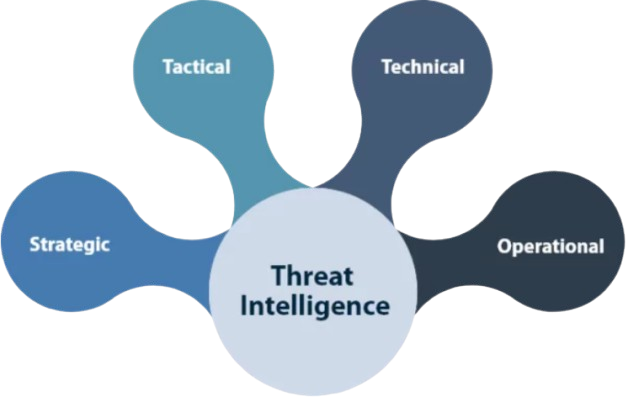
Threat Intelligence Is The Process Of Collecting, Analyzing, And Using Information About Cyber Threats To Improve Security Decisions. It Can Include Information About Malware, Attack Techniques, Threat Actors, Indicators Of Compromise, And Emerging Security Risks. Security Teams Use Threat Intelligence To Understand Potential Threats And Strengthen Detection And Prevention Controls. Threat Intelligence Can Be Obtained From Internal Security Data, Security Researchers, Industry Sources, And Trusted Intelligence Feeds. It Can Help Organizations Prioritize Risks Based On Relevant Threat Information.
87. What Is A Security Audit?
Ans:
A Security Audit Is A Systematic Review Of An Organization’s Security Controls, Policies, Processes, And Technology. It Helps Determine Whether Security measures Are Properly Designed, Implemented, And Maintained. Audits Can Examine Areas Such As Access Control, Network Security, Data Protection, Patch Management, And Incident Response. Evidence Such As Logs, Configurations, Policies, And Access Records May Be Reviewed During An Audit. Findings Are Usually Documented With Identified Gaps And Recommended Corrective Actions. Regular Security Audits Help Organizations Improve Their Security Posture And Meet Applicable Requirements.
88. What Is Security Awareness Training?
Ans:
Security Awareness Training Is An Educational Program Designed To Help Employees Understand Cybersecurity Risks And Safe Computing Practices. It Teaches Users How To Recognize Threats Such As Phishing, Malware, Social Engineering, And Suspicious Requests. Training Can Also Cover Password Security, Multi-Factor Authentication, Data Protection, And Safe Internet Usage. Regular Awareness Programs Help Employees Understand Their Role In Protecting Organizational Information. Simulated Phishing Exercises Can Help Measure And Improve User Awareness.
89. What Is Disaster Recovery?
Ans:
Disaster Recovery Is The Process Of Restoring IT Systems, Applications, Data, And Services After A Major Disruption Or Disaster. Disruptions Can Result From Cyberattacks, Hardware Failures, Natural Disasters, Human Errors, Or Other Unexpected Events. Disaster Recovery Plans Define Procedures For Recovering Critical Technology Resources And Business Operations. Backups, Redundant Systems, Alternate Infrastructure, And Recovery Procedures Can Support Disaster Recovery. Organizations Often Define Recovery Time Objectives And Recovery Point Objectives For Critical Services
90. What Is Cybersecurity Risk Management?
Ans:
Cybersecurity Risk Management Is The Process Of Identifying, Assessing, Treating, And Monitoring Risks Related To Information And Technology Security. Organizations Identify Assets, Threats, Vulnerabilities, And Potential Business Impacts To Understand Their Security Risks. Risks Can Then Be Prioritized Based On Their Likelihood And Potential Consequences. Security Controls Such As Access Management, Encryption, Monitoring, And Backup Can Be Used To Reduce Identified Risks. Continuous Monitoring Helps Organizations Detect Changes In Their Threat Environment And Security Posture

![25+ Best Azure Interview Questions & Answers [ TO GET HIRED ] Interview Question](https://www.acte.in/wp-content/uploads/2020/06/18-IMG-acte-400x218.jpeg)