LMS
LMS
Last updated on 17th Aug 2026| 9299

- Introduction to Full Stack Development
- What Is a Full Stack Developer and What Do They Do?
- Understanding Frontend Development Technologies
- Learning Backend Development and Server-Side Technologies
- Database Management and Integration for Full Stack Development
- APIs, Git, GitHub, and Essential Development Tools
- Building Full Stack Projects for Practical Experience
- Full Stack Developer Career Preparation and Job Opportunities
- Conclusion: Starting Your Full Stack Developer Career
Introduction to Full Stack Development
Full Stack Development is the process of building complete web applications by working on both the frontend and backend components. A Full Stack Developer handles different layers of an application, including user interfaces, server-side logic, databases, APIs, and application deployment. For beginners, learning Full Stack Development provides a strong foundation for understanding how modern websites and web applications are designed, developed, tested, and maintained. Popular technologies such as HTML, CSS, JavaScript, React, Angular, Node.js, Java, Spring Boot, Python, and databases are commonly used in full stack development. Beginners looking for structured practical learning can also explore the Full Stack Course to build industry-relevant development skills. By learning these technologies through practical projects, beginners can develop problem-solving skills, gain hands-on experience, and prepare for entry-level software development opportunities. This tutorial explains the essential concepts, technologies, tools, projects, and career preparation steps needed to start a Full Stack Developer career.
What Is a Full Stack Developer and What Do They Do?
A Full Stack Developer is a software professional who works on both the frontend and backend components of web applications. On the frontend, developers create responsive and user-friendly interfaces using technologies such as HTML, CSS, JavaScript, React, or Angular. On the backend, they develop business logic, APIs, authentication systems, and application services using technologies such as Java, Spring Boot, .NET, Python, or Node.js. Developers working with Java-based applications can also benefit from understanding OOPs Concepts in Java , as object-oriented principles are commonly used when designing and maintaining backend applications. Full Stack Developers also work with databases to store, retrieve, and manage application data using SQL or NoSQL technologies. Their responsibilities can include understanding project requirements, designing application components, writing and testing code, debugging issues, integrating APIs, participating in code reviews, and supporting deployment activities. Depending on the project, developers may also work with cloud platforms, containers, CI/CD pipelines, microservices, and monitoring tools. Strong communication and teamwork are important because Full Stack Developers often collaborate with project managers, business analysts, testers, architects, and other technical teams. For beginners, developing both frontend and backend skills provides flexibility and helps build a broader understanding of modern software development.
Get Your Full Stack Certification by Learning from Industry-Leading Experts and Advancing Your Career with ACTE’s Full Stack Course.
Understanding Frontend Development Technologies
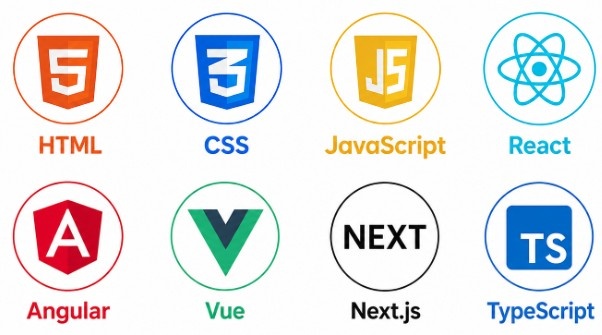
Frontend development focuses on creating the visual and interactive parts of web applications that users directly interact with. Beginners should start by learning HTML to structure web pages, CSS to design layouts and responsive interfaces, and JavaScript to add dynamic functionality. After developing a strong foundation, learners can explore modern frontend frameworks and libraries such as React or Angular to build scalable and component-based applications. Frontend Developers also need to understand responsive design, browser compatibility, form validation, accessibility, and basic web performance optimization.

Learning Backend Development and Server-Side Technologies
Backend development focuses on the server-side logic that powers web applications and manages communication between the frontend, databases, and external services. Beginners can start by learning a backend programming language such as Java, Python, JavaScript with Node.js, or C#. Popular backend technologies such as Spring Boot, Express.js, Django, and .NET are widely used to build scalable applications and APIs. Developers should understand important concepts such as server-side programming, REST APIs, authentication, authorization, error handling, data validation, and application security. Learning Java developers can also explore Java Servlets Tutorial to understand how Java-based server-side applications handle client requests and generate responses. Learning how frontend applications communicate with backend services through APIs is also an essential part of Full Stack Development. Practical experience with backend projects can help beginners understand how business logic is implemented and how applications process user requests and data. Strong backend knowledge combined with frontend and database skills enables Full Stack Developers to build complete, functional, and scalable web applications.
Database Management and Integration for Full Stack Development
- Understanding Database Fundamentals Learn how databases store, organize, retrieve, and manage application data. Understand tables, records, relationships, primary keys, foreign keys, and basic database design concepts.
- Learning SQL Databases Develop practical SQL skills using databases such as MySQL or PostgreSQL. Practice creating tables, inserting data, writing queries, joins, filtering, sorting, and aggregating information. Beginners can strengthen their understanding of SQL concepts through the Python for Data Science Tutorial, which introduces Python skills commonly used alongside data and database operations.
- Exploring NoSQL Databases Understand NoSQL databases such as MongoDB and learn how document-based data is stored and managed for applications that require flexible and scalable data structures.
- Connecting Databases with Backend Applications Learn how backend technologies communicate with databases to create, read, update, and delete application data. Practice database connectivity through APIs and server-side applications.
- Understanding Database Security and Optimization Learn basic database security practices, data validation, access control, indexing, and query optimization to improve application reliability, performance, and data protection.

Get JOB Oriented Full Stack Training for Beginners By MNC Experts
- Instructor-led Sessions
- Real-life Case Studies
- Assignments
APIs, Git, GitHub, and Essential Development Tools
- Understanding APIs Learn how APIs enable communication between different applications and services. Understand REST APIs, HTTP methods, JSON data, request and response handling, authentication, and API integration.
- Learning Git and Version Control Develop practical Git skills for tracking code changes, creating branches, merging updates, resolving conflicts, and maintaining organized development workflows. Beginners can also strengthen their programming foundation with the Java Tutorial for Beginners & Experts while practicing version-controlled coding projects.
- Using GitHub for Collaboration Learn how to manage repositories on GitHub, push and pull code, create pull requests, review changes, manage issues, and collaborate with other developers on software projects.
- Working with Postman Use Postman to create, test, and debug APIs. Practice sending GET, POST, PUT, and DELETE requests while validating responses and identifying API-related issues.
- Using Development and Debugging Tools Become familiar with tools such as Visual Studio Code, browser developer tools, terminal commands, package managers, and debugging utilities to improve development efficiency.
- Understanding Project Workflows Learn how development tools work together throughout the software lifecycle, from writing and testing code to version control, API integration, debugging, and application deployment.
Want to Master Full Stack? Explore the Full Stack Master Program Offered at ACTE Today!
Building Full Stack Projects for Practical Experience
- Building Beginner-Friendly Web Projects Start with simple projects such as personal portfolios, responsive websites, registration forms, and basic CRUD applications to understand frontend and backend development fundamentals.
- Developing Intermediate Full Stack Applications Build applications such as e-commerce websites, task management systems, online booking platforms, or employee management systems to practice frontend, backend, database, and API integration.
- Creating Advanced Full Stack Projects Develop complex applications with authentication, role-based access, payment integration, real-time features, microservices, cloud deployment, and scalable database architecture.
- Building a Full Stack Portfolio Maintain a portfolio containing multiple completed projects with source code, project descriptions, technologies used, screenshots, and live demonstrations to showcase practical skills to potential employers. Learners looking to gain structured, hands-on experience can also explore the Full Stack Course for practical development training.
- Integrating Frontend, Backend, and Databases Connect user interfaces with backend APIs and databases to understand how complete applications process requests, manage data, authenticate users, and deliver dynamic content.
- Testing and Debugging Projects Test application functionality, identify errors, debug frontend and backend issues, validate APIs, and improve application performance and reliability before deployment.
- Deploying Projects to the Cloud Learn how to deploy completed applications using cloud platforms and services. Practice configuring environments, managing application resources, and making projects accessible online.
Want to Learn About Full Stack? Explore Our Full Stack Interview Questions and Answers Featuring the Most Frequently Asked Questions in Job Interviews.
Full Stack Developer Career Preparation and Job Opportunities
- Build Strong Programming Fundamentals Develop a solid understanding of programming concepts such as variables, data types, functions, loops, object-oriented programming, data structures, and problem-solving techniques.
- Develop Practical Full Stack Skills Gain hands-on experience with frontend technologies, backend frameworks, databases, APIs, Git, testing, and deployment by working on real-world projects.
- Create an Effective Full Stack Developer Resume Prepare a professional resume that highlights technical skills, projects, internships, certifications, education, and practical experience relevant to Full Stack Developer positions.
- Build a Professional Project Portfolio Showcase completed Full Stack projects through GitHub repositories and live demonstrations. Include project descriptions, technologies used, key features, and your contributions.
- Prepare for Technical Interviews Practice programming questions, data structures and algorithms, frontend and backend concepts, database queries, API development, system design basics, and project-based interview questions. Candidates can also improve their JavaScript knowledge with the JavaScript Tutorial for Beginners .
- Improve Communication and Soft Skills Develop communication, teamwork, problem-solving, presentation, and time-management skills to collaborate effectively with development teams and handle professional responsibilities.
- Explore Full Stack Developer Job Opportunities Apply for entry-level and junior Full Stack Developer, Web Developer, Software Developer, and Backend or Frontend Developer roles while continuously improving technical skills and practical experience.
Conclusion: Starting Your Full Stack Developer Career
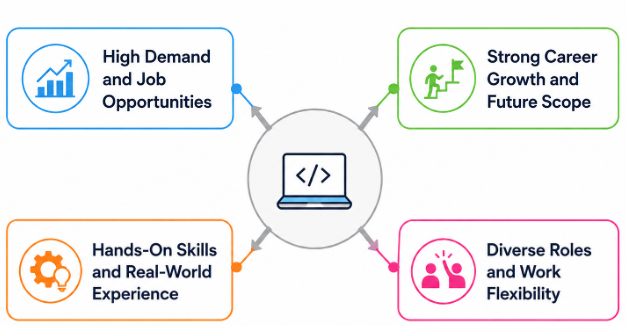
Starting a Full Stack Developer career requires a strong understanding of frontend development, backend programming, databases, APIs, version control, testing, and deployment. Beginners can build a solid foundation by learning technologies such as HTML, CSS, JavaScript, React, Angular, Node.js, Java, Spring Boot, SQL, and NoSQL databases. Practical experience is equally important, so developing real-world projects can help learners strengthen their technical skills and demonstrate their abilities to potential employers. Creating a professional GitHub portfolio, preparing an effective resume, practicing technical interviews, and improving communication skills can further support the job search process. Learners who want structured guidance and practical training can also explore the Full Stack Course to strengthen their development skills and career readiness. As technology continues to evolve, Full Stack Developers should regularly learn new tools, frameworks, cloud technologies, DevOps practices, and modern development approaches. With consistent practice, continuous learning, and practical project experience, beginners can build the skills needed to pursue entry-level Full Stack Developer and Software Developer opportunities.