
 LMS
LMS
Last updated on 21st Aug 2026| 14151

- Understanding Amazon’s Digital Marketing Career Landscape
- Search Marketing and Paid Advertising Roles at Amazon
- Product Marketing and E-Commerce Promotion Careers
- Social Media and Digital Content Marketing Opportunities
- Campaign Management and Marketing Operations Roles
- Amazon Digital Marketing Salary by Experience and Role
- Core Marketing, Analytics, and Customer Insight Skills
- Qualifications and Experience Needed for Amazon Marketing Jobs
- Interview Preparation for Amazon Digital Marketing Positions
- Long-Term Career Paths in Amazon Digital Marketing
Understanding Amazon’s Digital Marketing Career Landscape
Digital marketing careers at Amazon cover a broad range of activities related to customer acquisition, advertising, e-commerce growth, product promotion and campaign management. Professionals may contribute to marketing strategies that help customers discover products and services while supporting business growth across different markets. Depending on the position, responsibilities can involve paid advertising, campaign planning, customer segmentation, performance analysis, content development, marketing operations, and experimentation. Amazon’s marketing environment is highly data-driven, making analytical thinking and performance measurement particularly valuable. Candidates looking to build these foundational skills can also explore Digital Marketing Training to develop practical knowledge relevant to modern marketing roles. Candidates can strengthen their profiles by developing knowledge of digital advertising, e-commerce marketing, SEO, paid search, social media, email marketing, customer journeys, and conversion optimization. Skills in Excel, SQL, analytics, visualization, and campaign reporting can also be useful for data-focused positions. Combining marketing creativity with analytical problem-solving and customer-focused thinking can prepare professionals for diverse digital marketing career opportunities at Amazon.
Search Marketing and Paid Advertising Roles at Amazon
Search marketing and paid advertising professionals focus on improving customer acquisition and campaign performance through digital advertising channels. Responsibilities may include keyword research, campaign creation, audience targeting, bid management, budget allocation, performance monitoring, and optimization. Professionals should understand concepts related to paid search, PPC, search engine marketing, display advertising, audience segmentation, remarketing, and conversion tracking. Candidates looking to strengthen their understanding of paid search can also explore Understanding Search Engine Marketing to build a stronger foundation in search-focused advertising strategies. Campaign performance is typically evaluated through metrics such as impressions, clicks, click-through rates, conversion rates, cost per acquisition, and return on advertising spend. Strong analytical abilities help marketers identify underperforming campaigns and determine opportunities for improvement. Professionals may also work with creative, analytics, product, sales, and business teams to align advertising activities with broader objectives. Practical experience managing advertising campaigns, interpreting performance data, conducting A/B tests, and developing optimization recommendations can help candidates demonstrate relevant skills for search and paid media opportunities.
Get Your Digital Marketing Certification by Learning from Industry-Leading Experts and Advancing Your Career with ACTE’s Digital Marketing Course.
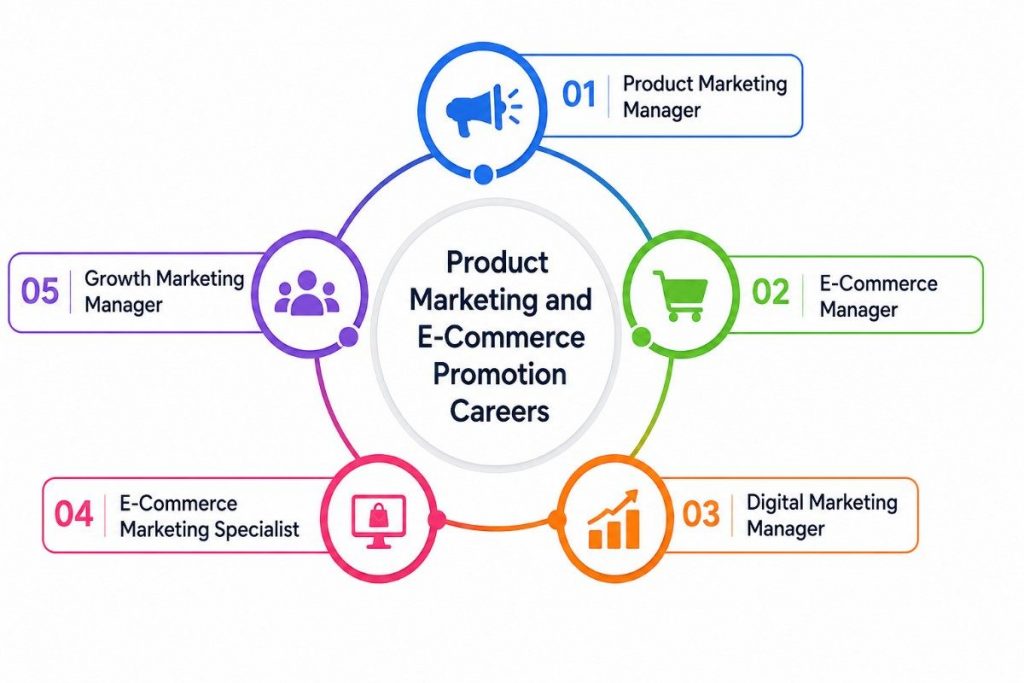
Product Marketing and E-Commerce Promotion Careers
Product marketing and e-commerce promotion professionals help customers understand products, features, benefits, and value while supporting online sales and business growth. Their responsibilities can include developing positioning and messaging, planning promotional campaigns, conducting competitor research, identifying customer segments, supporting product launches, and analyzing campaign results. E-commerce marketers should understand customer journeys from product discovery through purchase and retention.

Learn Digital Marketing Training Course to Build Your Skills
Weekday / Weekend BatchesSee Batch DetailsCampaign Management and Marketing Operations Roles
Campaign management and marketing operations professionals help coordinate the planning, execution, measurement, and improvement of marketing activities. Their work can involve maintaining campaign schedules, coordinating stakeholders, managing marketing assets, monitoring budgets, tracking performance, preparing reports, and ensuring campaigns are delivered accurately and on time. Marketing operations roles may also involve workflow management, process improvement, data quality, campaign automation, and reporting systems. Professionals need strong organizational abilities because they may manage multiple campaigns, deadlines, teams, and business requirements simultaneously. Candidates looking to strengthen their practical knowledge can also explore Digital Marketing Training to develop skills relevant to campaign management and marketing operations. Analytical skills are equally valuable for evaluating campaign results and identifying opportunities to improve efficiency or performance. Knowledge of spreadsheets, analytics platforms, marketing automation, dashboards, project management, and reporting can strengthen preparation for these positions. Effective communication and cross-functional collaboration are also important because campaign professionals frequently coordinate with marketing, creative, analytics, product, sales, and technical teams.
Amazon Digital Marketing Salary by Experience and Role
- Entry-Level Digital Marketing Salaries Freshers and early-career professionals may begin in marketing associate, campaign support, advertising operations, or analytical positions. Compensation can vary according to location, business unit, qualifications, and responsibilities.
- Mid-Level Marketing Compensation Professionals with several years of experience may progress into specialist or manager-level positions. Expertise in campaign strategy, analytics, customer acquisition, and performance optimization can support career and salary growth.
- Senior Marketing and Leadership Salaries Senior marketing professionals may manage larger campaigns, programs, budgets, teams, or strategic initiatives. Compensation generally depends on job level, experience, location, responsibilities, and demonstrated business impact.
- Salary Differences by Marketing Specialization Compensation can differ across product marketing, performance marketing, advertising, marketing analytics, content, and campaign management roles because each position requires different levels of technical and strategic expertise. Understanding the Skills in Digital Marketing can help professionals identify valuable areas for specialization and career development.
- Factors Influencing Salary Growth Experience, performance, specialized skills, leadership responsibilities, location, and measurable business contributions can influence earning potential. Developing expertise in high-value marketing areas can support long-term compensation growth.

Get JOB Oriented Digital Marketing Training for Beginners By MNC Experts
- Instructor-led Sessions
- Real-life Case Studies
- Assignments
Core Marketing, Analytics, and Customer Insight Skills
- Digital Marketing Strategy Professionals should understand audience targeting, customer journeys, campaign planning, channel selection, conversion optimization, and performance measurement to develop marketing strategies aligned with business objectives. A broader understanding of the Digital Marketing Funnel can also help marketers connect different stages of the customer journey with appropriate strategies.
- Marketing Analytics and Measurement Strong analytical abilities help marketers evaluate impressions, clicks, conversions, engagement, acquisition costs, and campaign returns. These insights allow teams to identify performance issues and improve marketing decisions.
- Customer Behavior and Insights Understanding customer needs, preferences, purchasing patterns, and online behavior helps marketers develop more relevant campaigns. Customer data can support segmentation, personalization, and marketing strategy development.
- Experimentation and Campaign Optimization Marketers should understand A/B testing and performance experimentation. Testing different audiences, messages, creatives, and campaign approaches can help identify strategies that produce stronger results.
- Data Interpretation and Storytelling Professionals should be able to transform marketing data into clear insights and recommendations. Effective storytelling helps communicate campaign results and strategic opportunities to stakeholders and leadership teams.
Want to Master Digital Marketing? Explore the Digital Marketing Master Program Offered at ACTE Today!
Qualifications and Experience Needed for Amazon Marketing Jobs
- Relevant Educational Background Depending on the specific position, candidates may benefit from education in marketing, business, communications, economics, analytics, advertising, or related disciplines. Requirements should always be checked against the individual job posting.
- Practical Digital Marketing Experience Hands-on experience with digital campaigns, advertising, e-commerce, content, customer acquisition, or marketing analytics can strengthen a candidate’s profile and demonstrate practical understanding of marketing processes. Candidates can also explore Digital Marketing Projects Guide to understand how practical projects can demonstrate relevant skills and experience.
- Analytical and Technical Knowledge Skills in Excel, SQL, data analysis, dashboards, experimentation, and marketing measurement can be valuable for analytically focused positions where marketers need to evaluate large amounts of performance data.
- Marketing Projects and Portfolio Freshers can demonstrate practical skills through internships, academic projects, freelance campaigns, or personal projects. Portfolio examples should clearly explain objectives, strategies, execution, metrics, and outcomes.
- Communication and Collaboration Skills Marketing professionals frequently collaborate with product, sales, creative, analytics, and business teams. Strong communication, organization, presentation, teamwork, and stakeholder-management abilities can support professional success.
Want to Learn About AI? Explore Our Digital Marketing Interview Questions and Answers Featuring the Most Frequently Asked Questions in Job Interviews.
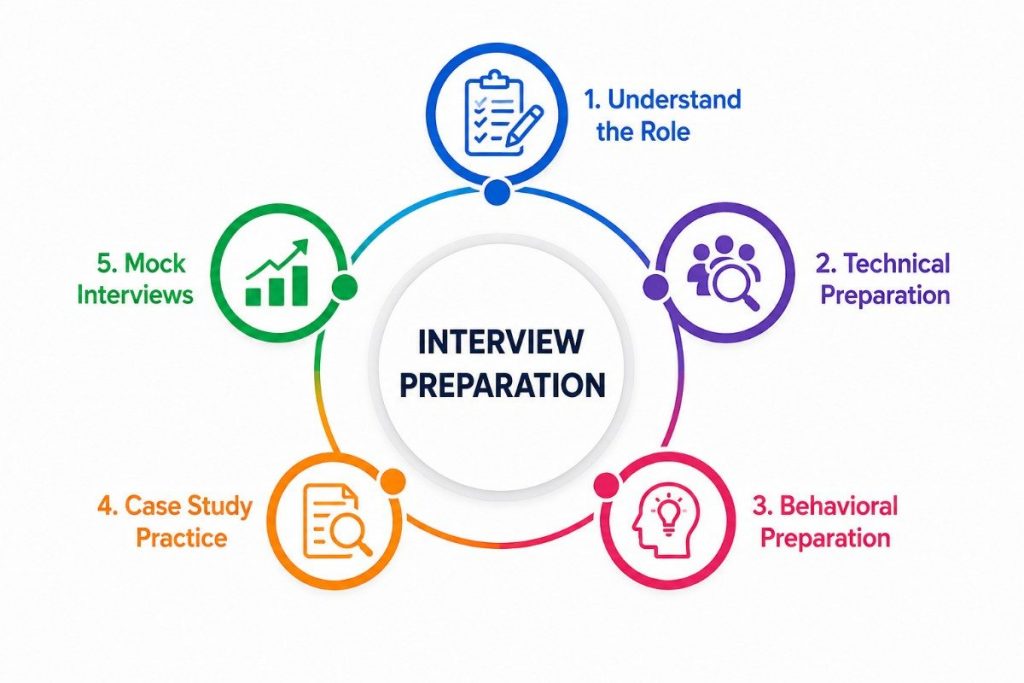
Interview Preparation for Amazon Digital Marketing Positions
- Understanding Amazon Leadership Principles Candidates should become familiar with Amazon’s Leadership Principles and prepare examples showing how their experiences demonstrate qualities such as customer focus, ownership, learning, delivering results, and problem-solving.
- Preparing Marketing Case Studies Practice analyzing marketing scenarios involving customer acquisition, campaign performance, product promotion, audience targeting, or conversion challenges. Candidates can strengthen their preparation by reviewing Digital Marketing Mistakes You Must Avoid to better understand common campaign challenges and how to approach marketing problems strategically.
- Preparing Behavioral Interview Examples Develop examples from internships, projects, employment, or academic experiences demonstrating teamwork, leadership, challenges, failures, achievements, and problem-solving. Structure answers clearly using the STAR approach.
- Explaining Campaign Results Candidates should be prepared to discuss campaigns or projects they have worked on, including objectives, responsibilities, strategies, challenges, performance metrics, and results. Quantifying achievements can make examples more convincing.
Long-Term Career Paths in Amazon Digital Marketing
A long-term career in Amazon digital marketing can provide opportunities to progress from execution-focused positions into specialized, strategic, and leadership roles. Professionals may begin in areas such as campaign management, advertising operations, marketing analytics, content marketing, or customer acquisition before developing expertise in a particular specialization. With experience, marketers can advance into roles involving product marketing, performance marketing customer insights, or advertising strategy. Senior professionals may take responsibility for larger campaigns, budgets and business growth initiatives. Developing strong analytical skills can also create pathways toward marketing analytics, business intelligence, and data-driven strategy positions. Professionals who strengthen leadership, stakeholder management, strategic planning, and decision-making capabilities can pursue marketing manager and broader leadership opportunities. Continuous learning is particularly important as digital advertising, e-commerce, automation, artificial intelligence, personalization, and customer behavior continue to evolve. Building expertise across both creative marketing and data analytics can help professionals remain adaptable and competitive. Candidates seeking to strengthen their digital marketing expertise can also explore Digital Marketing Training to build practical skills that support long-term career growth. By consistently delivering measurable results, developing specialized knowledge, and taking on increasingly complex responsibilities, digital marketers can build sustainable career paths and pursue long-term growth opportunities within Amazon’s broader marketing ecosystem.


Social Media and Digital Content Marketing Opportunities
Social media and digital content marketing roles involve creating and distributing useful, engaging, and audience-focused content across digital channels. Professionals may contribute to campaign concepts, social content, videos, landing pages, promotional materials, newsletters, and other marketing communications depending on the role. Successful content strategies require an understanding of target audiences, brand messaging, customer interests, channel characteristics, and campaign objectives. Marketers should develop skills in content planning, copywriting, storytelling, campaign coordination, audience engagement, and performance analysis. Developing a structured approach to social platforms can be strengthened by learning how to Social Media Content Strategy around audience needs and campaign goals. Analytics can help teams understand which content generates engagement, traffic, conversions, or other desired outcomes. Content professionals may collaborate with designers, creative teams, product marketers, agencies, and business stakeholders to maintain consistent messaging across campaigns. Building a portfolio containing content strategies, campaign examples, creative briefs, and measurable results can help candidates demonstrate both creative and analytical marketing abilities.