
 LMS
LMS
Last updated on 09th Jun 2026| 14121

- Introduction to Digital Marketing
- Understanding Marketing Channels
- SEO Fundamentals
- Content Marketing Basics
- Social Media Marketing
- Google Ads and PPC
- Email Marketing Essentials
- Analytics and Performance Tracking
- Building a Portfolio and Job Preparation
- Conclusion and Career Growth Tips
Introduction to Digital Marketing
Digital Marketing is the practice of promoting products, services, and brands through online channels such as search engines, social media platforms, websites, email, and mobile applications. As internet usage continues to grow, businesses increasingly rely on digital marketing to reach their target audiences, generate leads, and drive sales. Unlike traditional marketing, digital marketing provides measurable results, allowing marketers to track campaigns and optimize performance in real time inDigital Marketing Training . It encompasses various strategies including Search Engine Optimization (SEO), Content Marketing, Social Media Marketing, Pay-Per-Click Advertising (PPC), Email Marketing, and Analytics. Digital marketing enables businesses of all sizes to compete effectively by reaching customers globally while maintaining cost efficiency. For freshers, understanding digital marketing fundamentals is essential because organizations across industries require professionals who can build online visibility and engage customers through digital channels. Learning digital marketing opens doors to numerous career opportunities in a rapidly evolving and highly demanded field.
Understanding Marketing Channels
Marketing channels are the platforms and methods businesses use to communicate with potential and existing customers. In digital marketing, these channels include search engines, social media platforms, email, websites, video platforms, online marketplaces, and mobile applications. Each channel serves a unique purpose and targets audiences at different stages of the customer journey in our Digital Marketing Training. Search engines help users discover information, while social media platforms encourage engagement and brand awareness. Email marketing supports customer retention, and content marketing helps educate and influence purchasing decisions. Successful digital marketers understand how to use multiple channels together to create integrated marketing campaigns. For example, a business may use SEO to attract website visitors, social media to engage audiences, and email campaigns to nurture leads. Understanding marketing channels helps marketers allocate resources effectively, select the right platforms, and deliver consistent messages that maximize customer reach, engagement, and conversion rates.
Ready to Get Certified in Digital Marketing? Explore the Program Now Digital Marketing Online Training Offered By ACTE Right Now!
SEO Fundamentals
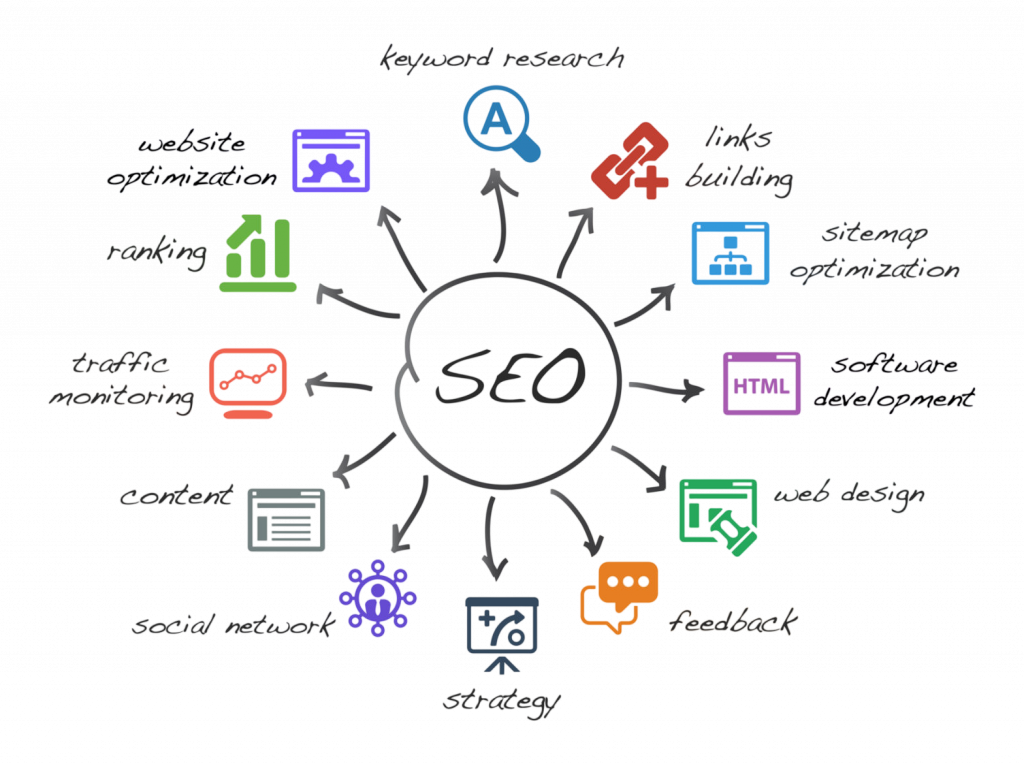
Search Engine Optimization (SEO) is the practice of enhancing a website’s visibility on search engines like Google. Its primary goal is to increase organic traffic by helping web pages rank higher for relevant search queries. SEO is built on several key elements, including keyword research, on-page optimization, technical SEO, content quality, and link building. You can explore more in Overview Of Google Analytics. Keyword research identifies the terms users search for, while on-page optimization focuses on improving titles, headings, content, and metadata. Technical SEO ensures websites are fast, mobile-friendly, and easily crawlable by search engines. Link building strengthens website authority through quality backlinks. In practice, businesses use SEO to attract potential customers without relying solely on paid advertising. Effective SEO enhances brand visibility, drives website traffic, and supports lead generation. For beginners, mastering SEO fundamentals provides a solid foundation for building successful digital marketing campaigns and achieving sustainable online growth.
Content Marketing Basics
- Introduction to Content Marketing: Content marketing focuses on creating and sharing valuable information that attracts and engages a target audience. It helps businesses build trust, educate customers, and establish brand authority while supporting long-term growth objectives. Learn more in Career in Digital Marketing.
- Types of Content: Businesses use formats such as blogs, articles, videos, infographics, podcasts, eBooks, and case studies. Each format serves different audience needs and helps deliver information effectively across multiple digital channels.
- Content Creation Strategy: A content strategy involves identifying target audiences, selecting relevant topics, setting goals, and creating a publishing schedule. A well-planned strategy ensures consistency, improves engagement, and supports overall marketing objectives. Explore tools in Learn SEO Tools.
- Content Distribution: Distribution involves sharing content through websites, social media platforms, email campaigns, and other online channels. Effective distribution increases visibility, reaches larger audiences, and improves customer engagement opportunities.
- Benefits of Content Marketing: Content marketing improves brand awareness, supports SEO efforts, generates leads, enhances customer trust, and increases audience engagement. Consistent, high-quality content helps businesses build lasting relationships and achieve sustainable growth.

Google Ads and PPC
- Introduction to PPC Advertising: Pay-Per-Click advertising is a digital marketing model where businesses pay only when users click their ads. It provides immediate visibility and helps companies reach potential customers quickly through targeted advertising campaigns.
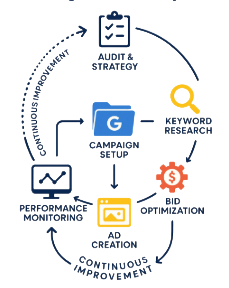
- Google Ads Platform: Google Ads allows businesses to create search, display, video, shopping, and app promotion campaigns. The platform helps advertisers connect with users actively searching for products, services, or information online.
- Keyword Research and Targeting: Keyword research identifies search terms used by potential customers. Proper targeting ensures advertisements reach relevant audiences, increasing click-through rates, improving campaign performance, and maximizing advertising budgets. Learn more in Develop a Strategy for Email Marketing.
- Campaign Management and Optimization: Campaign management involves monitoring ad performance, adjusting bids, testing ad copies, and refining targeting strategies. Continuous optimization helps improve conversions, reduce costs, and achieve better marketing results.
- Benefits of Google Ads and PPC: Google Ads and PPC provide measurable results, faster lead generation, increased website traffic, improved brand visibility, and greater control over marketing budgets. These tools are essential for digital marketers aiming to maximize ROI and drive business growth.
To Explore Digital Marketing in Depth, Check Out Our Comprehensive Digital Marketing Training To Gain Insights From Our Experts!
Email Marketing Essentials
Email marketing is one of the most effective digital strategies for building customer relationships, nurturing leads, and driving conversions. It involves sending targeted messages through newsletters, promotional campaigns, product updates, event invitations, and personalized communications. Businesses use email marketing to stay connected with their audience and deliver relevant content directly to their inboxes. A successful campaign requires audience segmentation, compelling subject lines, engaging content, clear calls to action, and performance tracking. Modern email platforms allow marketers to automate campaigns based on customer behavior, preferences, and interactions. Learn more in Benefits of Digital Marketing. For example, an online store can send welcome emails to new subscribers, promotional offers to existing customers, and abandoned cart reminders to encourage purchases. Email marketing is highly measurable, enabling marketers to track open rates, click-through rates, conversions, and customer engagement. By delivering personalized and valuable content, businesses can improve customer loyalty, increase sales, and strengthen long-term relationships with their audience.
Excited to Obtaining Your Gen AI Certificate? View The Digital Marketing Training Offered By ACTE Right Now!
Email Marketing Essentials
Email marketing is one of the most effective digital strategies for building customer relationships, nurturing leads, and driving conversions. It involves sending targeted messages to subscribers through newsletters, promotional campaigns, product updates, event invitations, and personalized communications. Businesses use email marketing to stay connected with their audience and deliver relevant content directly to their inboxes. A successful campaign requires audience segmentation, compelling subject lines, engaging content, clear calls to action, and performance tracking. Modern email platforms allow marketers to automate campaigns based on customer behavior, preferences, and interactions. Learn more in Ranking Factors for Google. For example, an online store can send welcome emails to new subscribers, promotional offers to existing customers, and abandoned cart reminders to encourage purchases. Email marketing is highly measurable, enabling marketers to track open rates, click-through rates, conversions, and customer engagement. By delivering personalized and valuable content, businesses can improve customer loyalty, increase sales, and strengthen long-term relationships with their audience.
Looking to Digital Marketing Training? Discover the Digital Marketing Expert Masters Program Training Course Available at ACTE Now!
Analytics and Performance Tracking
Analytics and performance tracking are essential components of digital marketing, helping businesses measure campaign effectiveness and make data-driven decisions. Marketers use analytics tools to monitor website traffic, user behavior, conversion rates, engagement metrics, and performance across multiple channels. By analyzing this data, businesses can identify strengths and areas for improvement. Key performance indicators (KPIs) such as impressions, clicks, bounce rates, lead generation, and return on investment provide valuable insights into marketing success. Analytics also helps marketers understand customer preferences, optimize content strategies, and allocate budgets more effectively. Learn more in Guide to Google Analytics. In practice, companies can use analytics to determine which marketing channels generate the highest conversions and focus resources accordingly. Performance tracking ensures continuous improvement and maximizes the value of marketing efforts. For beginners, learning analytics is crucial, as successful digital marketing depends on interpreting data and applying insights to achieve better results.
Preparing for Digital Marketing Job Interviews? Have a Look at Our Blog on Digital Marketing Interview Questions and Answers To Ace Your Interview!
Building a Portfolio and Job Preparation
Building a strong portfolio is a crucial step for anyone starting a career in digital marketing. A portfolio highlights practical skills, completed projects, campaign results, certifications, and marketing achievements to potential employers. Beginners can include sample SEO audits, content marketing plans, social media campaigns, email marketing projects, and Google Ads strategies to showcase their capabilities. Alongside portfolio development, job preparation involves creating a professional resume, optimizing LinkedIn profiles, improving communication skills, and preparing for interviews. Learn more in Digital Marketing Training. Employers often seek candidates who can apply digital marketing concepts in real-world scenarios and demonstrate analytical thinking. Participating in internships, freelance projects, and personal marketing initiatives provides valuable hands-on experience. A well-structured portfolio helps candidates stand out in a competitive job market and serves as proof of their knowledge and skills. By combining practical experience with continuous learning, beginners can enhance their employability and successfully launch their digital marketing careers.
Conclusion and Career Growth Tips
Digital Marketing offers exciting career opportunities for individuals interested in creativity, technology, communication, and business growth. Throughout this tutorial, we explored essential topics such as marketing channels, SEO, content marketing, social media marketing, Google Ads, email marketing, analytics, and career preparation. These skills form the foundation of successful digital marketing practices and are highly valued by employers across industries. As businesses continue to expand their online presence, the demand for skilled digital marketers continues to increase in our Digital Marketing Training. Career roles include SEO Specialist, Content Marketer, Social Media Executive, PPC Analyst, Email Marketing Specialist, and Digital Marketing Manager. Continuous learning is important because digital marketing trends, tools, and algorithms evolve frequently. Professionals should stay updated with industry developments, earn certifications, gain practical experience, and build strong portfolios. By developing both technical and creative skills, freshers can establish successful careers and achieve long-term growth in the dynamic and rapidly evolving digital marketing industry.
Social Media Marketing