LMS
LMS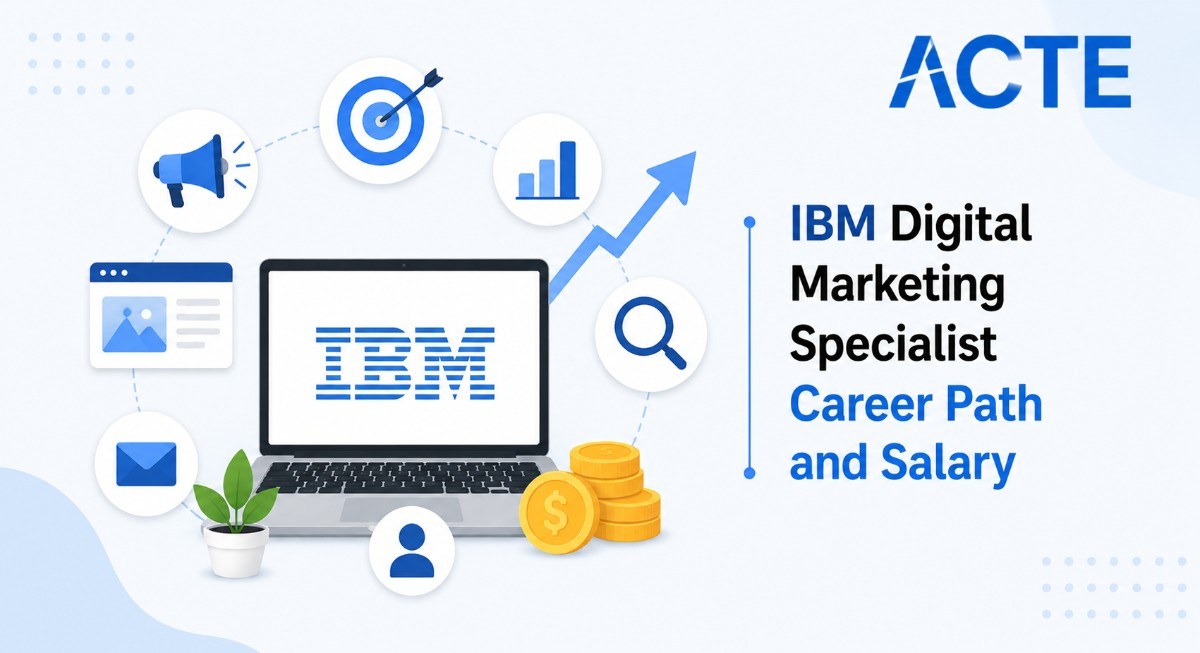
Last updated on 21st Aug 2026| 14152

- Exploring the Digital Marketing Specialist Career at IBM
- Day-to-Day Responsibilities of IBM Digital Marketing Professionals
- Digital Campaign Strategy and Lead Generation Opportunities
- Marketing Automation and Customer Engagement Roles
- Data-Driven Marketing and Performance Measurement Careers
- Salary Expectations for IBM Digital Marketing Specialists
- Skills and Tools Needed to Succeed in IBM Marketing Roles
- How Experience and Specialization Influence Career Growth
- Moving from Digital Marketing Specialist to Leadership Roles
- Building a Long-Term Digital Marketing Career at IBM
Exploring the Digital Marketing Specialist Career at IBM
A Digital Marketing Specialist career at IBM can provide opportunities to combine marketing strategy, technology, analytics, customer engagement, and digital communication. Professionals in digital marketing may contribute to campaigns designed to increase awareness, generate demand, engage potential customers, and support business growth. Depending on the position and team, responsibilities can involve campaign planning, content distribution, audience segmentation, marketing analytics, digital advertising, lead generation, and performance measurement. Professionals should develop skills in digital marketing platforms, analytics, CRM concepts, marketing automation, content strategy, and data-driven decision-making. Freshers and aspiring professionals can strengthen these skills through Digital Marketing Training Because IBM operates primarily in technology and enterprise markets, marketers can benefit from understanding areas such as cloud computing, artificial intelligence, automation, cybersecurity, and business technology solutions. Strong analytical abilities are also valuable for evaluating customer behavior and campaign effectiveness.to gain a structured understanding of important marketing concepts and practical tools. Combining these technical capabilities with communication, creativity, business understanding, and collaboration can create a strong foundation for long-term digital marketing career development.
Day-to-Day Responsibilities of IBM Digital Marketing Professionals
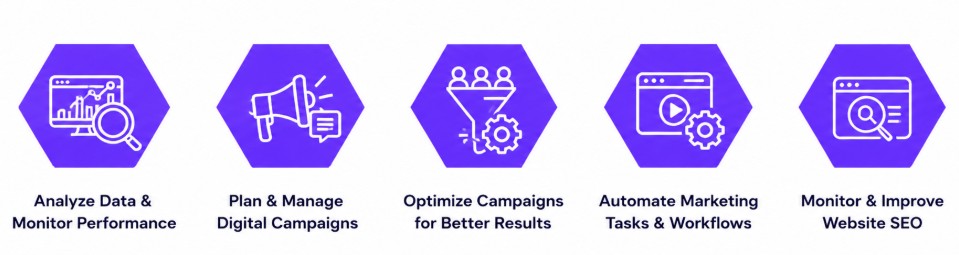
The daily responsibilities of digital marketing professionals at IBM can vary depending on their specialization, experience, business unit, and campaign objectives. Professionals may plan digital campaigns, coordinate content, analyze audience behavior, monitor marketing performance, prepare reports, manage campaign schedules, and collaborate with internal stakeholders. They may also work with marketing automation, customer relationship management, analytics, advertising, and content platforms to support campaign execution.
Get Your Digital Marketing Certification by Learning from Industry-Leading Experts and Advancing Your Career with ACTE’s Digital Marketing Course.
Digital Campaign Strategy and Lead Generation Opportunities
Digital campaign strategy and lead generation focus on attracting relevant audiences, building interest, and converting potential customers into qualified business opportunities. Marketing professionals may contribute to audience targeting, campaign messaging, content distribution, landing pages, email marketing, paid advertising, webinars, and other digital initiatives. Effective campaign planning begins with defining objectives, understanding target audiences, selecting appropriate channels, and establishing measurable performance indicators. Lead generation professionals should understand the customer journey and how prospects move through awareness, consideration, and decision stages. They may evaluate metrics such as engagement, click-through rates, conversions, cost per lead, and lead quality to determine campaign effectiveness. Aspiring marketers can build these practical skills through Digital Marketing Training, which can help them develop a structured understanding of campaign planning, digital tools, and marketing strategies. Marketing automation and CRM platforms can also help teams manage leads, personalize communications, and support nurturing activities. Professionals can strengthen their capabilities by learning campaign analytics, audience segmentation, conversion optimization, A/B testing, and performance reporting. Combining data-driven analysis with relevant content and clear messaging can help marketers improve campaign effectiveness and support business growth.
Marketing Automation and Customer Engagement Roles
- Marketing Automation Campaign Management Professionals use marketing automation platforms to schedule campaigns, manage workflows, segment audiences, and deliver personalized communications. Automation helps teams improve campaign efficiency while maintaining consistent customer engagement.
- Email Marketing and Lead Nurturing Digital marketers can develop email campaigns that educate prospects and move them through different stages of the customer journey. Skills in segmentation, personalization, automation, and performance analysis help improve engagement and conversions. Professionals can also Develop a Strategy for Email Marketing to strengthen their understanding of effective email campaigns and lead nurturing.
- CRM and Customer Data Management Understanding CRM platforms helps marketers organize customer information, track interactions, manage leads, and coordinate marketing activities. Accurate customer data also supports personalization and better campaign targeting.
- Customer Journey and Personalization Marketing professionals analyze customer touchpoints to understand how audiences interact with campaigns and digital experiences. These insights can help create more relevant messages, recommendations, and personalized customer journeys.
- Engagement and Retention Strategies Customer engagement professionals develop strategies that encourage audiences to remain connected with products and services. They may use content, email, events, personalized communication, and analytics to strengthen long-term relationships.

Learn Digital Marketing Training Course to Build Your Skills
Weekday / Weekend BatchesSee Batch DetailsData-Driven Marketing and Performance Measurement Careers
- Campaign Performance Measurement Professionals monitor metrics such as impressions, engagement, clicks, leads, conversions, and cost per acquisition. Comparing these indicators with campaign objectives helps determine overall marketing effectiveness.
- Marketing Dashboards and Reporting Dashboards provide stakeholders with a clear view of campaign performance and important KPIs. Professionals should know how to organize data, select meaningful metrics, and communicate results through understandable visual reports.
- Marketing Data Analysis Marketing professionals analyze campaign and customer data to identify trends, patterns, opportunities, and performance issues. Strong analytical skills help teams make informed decisions instead of relying only on assumptions. Learning about an Overview Of Google Analytics can also help professionals understand how digital data is collected and interpreted.
- A/B Testing and Optimization A/B testing allows marketers to compare different versions of emails, landing pages, advertisements, or calls to action. Analyzing test results helps teams identify approaches that can improve engagement and conversion performance.
- Data-Driven Marketing Decisions Marketers should convert analytical findings into actionable recommendations. Understanding customer behavior, campaign performance, and business objectives helps professionals determine where marketing strategies can be improved.

Get JOB Oriented Digital Marketing Training for Beginners By MNC Experts
- Instructor-led Sessions
- Real-life Case Studies
- Assignments
Salary Expectations for IBM Digital Marketing Specialists
- Mid-Level Digital Marketing Salaries Professionals with experience in campaign strategy, analytics, automation, customer engagement, or lead generation may progress toward specialist and manager-level opportunities with increased responsibilities.
- Entry-Level Marketing Compensation Entry-level compensation can vary based on location, role, qualifications, business unit, and responsibilities. Candidates should compare the salary information provided for the specific IBM position rather than relying on one general figure. Understanding Salary for Digital Marketing can also help candidates gain broader context about compensation trends in the field.
- Senior Marketing Compensation Experienced professionals handling strategic campaigns, larger programs, teams, or business initiatives may move into senior positions. Compensation can reflect job level, specialization, leadership scope, location, and performance.
- Salary Differences by Specialization Marketing analytics, automation, product marketing, demand generation, content, and campaign management require different capabilities. As a result, compensation can vary considerably between marketing specializations.
- Factors Affecting Salary Growth Professional experience, technical expertise, measurable results, leadership responsibilities, specialization, and location can influence long-term earning potential. Developing in-demand skills can support career and compensation growth.
Skills and Tools Needed to Succeed in IBM Marketing Roles
- Marketing Automation and CRM Tools Knowledge of marketing automation and CRM platforms can help professionals manage campaigns, customer information, lead nurturing, segmentation, and personalized communication more effectively.
- Analytics and Reporting Skills Marketers should be comfortable interpreting campaign data and creating performance reports. Skills in spreadsheets, analytics platforms, dashboards, and visualization can strengthen data-driven marketing capabilities.
- Digital Marketing Fundamentals Professionals should understand content marketing, SEO, paid media, email marketing, campaign management and conversion optimization to build a strong digital marketing foundation. Aspiring marketers can strengthen these fundamentals through Digital Marketing Training and gain practical exposure to essential marketing concepts and tools.
- Content and Communication Skills Strong writing, storytelling, presentation, and communication abilities help marketers develop effective campaign messages and explain strategies, performance results, and recommendations to stakeholders.
- AI and Emerging Marketing Technologies Understanding how AI can support personalization, content development, customer insights, automation, and campaign optimization can help marketers adapt to evolving technology-driven marketing environments.
Want to Master Digital Marketing? Explore the Digital Marketing Master Program Offered at ACTE Today!
How Experience and Specialization Influence Career Growth
- Developing a Marketing Specialization Professionals can specialize in areas such as marketing analytics, automation, demand generation, customer engagement, content strategy, or digital advertising based on their strengths and career interests.
- Building Experience Through Marketing Projects Hands-on experience helps professionals understand how campaigns operate in real business environments. Managing campaigns, analyzing results, and solving marketing problems can strengthen practical expertise. Working on practical Digital Marketing Projects Guide can also help professionals develop experience that supports career growth.
- Expanding Technical Marketing Skills Developing expertise in analytics, CRM, automation, AI, and marketing technology can create opportunities for professionals to work on more complex and technology-focused marketing initiatives.
- Taking on Strategic Responsibilities Experienced marketers may progress from campaign execution toward strategy, planning, budgeting, performance management, and stakeholder coordination as they demonstrate stronger business understanding.
- Progressing Toward Leadership Roles Professionals who develop strategic thinking, communication, team management, and decision-making skills can pursue senior specialist, marketing manager, program leadership, and broader marketing leadership opportunities.
Want to Learn About AI? Explore Our Digital Marketing Interview Questions and Answers Featuring the Most Frequently Asked Questions in Job Interviews.
Moving from Digital Marketing Specialist to Leadership Roles
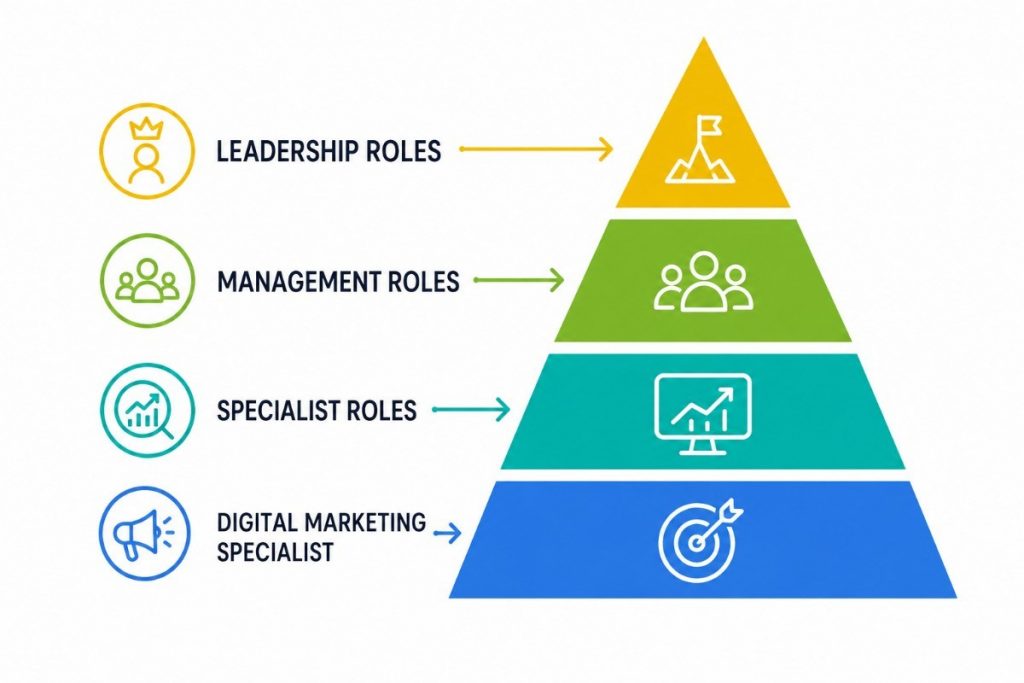
Moving from a Digital Marketing Specialist position into leadership requires professionals to expand beyond campaign execution and develop strategic, analytical, business, and people-management capabilities. Early-career marketers may begin by managing digital campaigns, content, marketing automation, customer engagement, analytics, or lead-generation activities. With experience, they can take responsibility for larger campaigns, budgets, marketing programs, performance targets, and cross-functional projects. Professionals aiming for leadership should strengthen skills in strategic planning, data-driven decision-making, stakeholder management, project management, presentation, and team collaboration.
Building a Long-Term Digital Marketing Career at IBM
Building a long-term digital marketing career at IBM requires continuous learning and the ability to adapt to changing technologies, customer expectations, and marketing practices. Professionals should develop strong foundations in campaign strategy, content marketing, automation and performance measurement while gradually specializing in areas aligned with their career interests. As digital marketing becomes increasingly technology-driven, knowledge of artificial intelligence, analytics, personalization, CRM systems, automation platforms, and emerging digital technologies can strengthen career prospects. Practical experience remains important, so professionals should seek opportunities to manage campaigns, analyze customer data, improve marketing processes, and demonstrate measurable business outcomes. Communication, creativity, strategic thinking, collaboration, and leadership skills become increasingly valuable as responsibilities grow. Professionals can also strengthen their profiles through relevant certifications, industry learning, and exposure to cross-functional projects. Aspiring professionals looking to strengthen their practical knowledge can consider Digital Marketing Training to develop relevant skills and gain a structured understanding of modern marketing practices. By combining marketing expertise with technology knowledge, customer understanding, and business strategy, professionals can pursue opportunities across specialized marketing, management, strategy, and leadership roles while developing a sustainable long-term digital marketing career at IBM.