LMS
LMS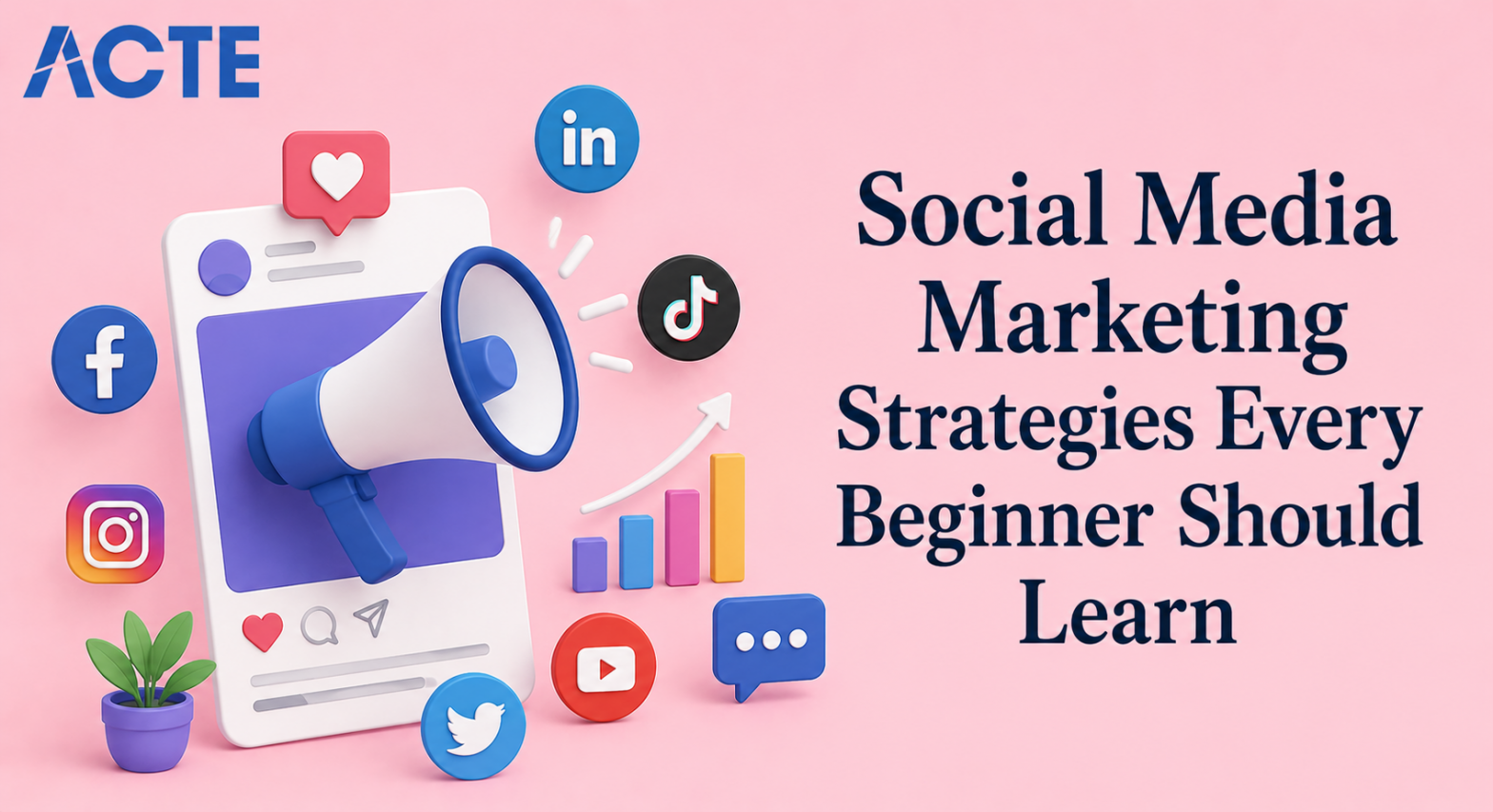
Last updated on 11th Jun 2026| 13935

- Introduction to Social Media Marketing
- Understanding the Social Media Marketing Landscape
- Choosing the Right Social Media Platforms
- Creating a Social Media Content Strategy
- Building and Engaging an Online Community
- Social Media Content Creation Best Practices
- Social Media Advertising and Paid Campaigns
- Measuring Social Media Performance and Analytics
- Career Opportunities in Social Media Marketing for Beginners
- Conclusion: Building a Successful Career in Social Media Marketing
Introduction to Social Media Marketing
Social Media Marketing (SMM) is the practice of using social media platforms to promote products, services, brands, and content while building meaningful relationships with target audiences. Platforms such as Facebook, Instagram, LinkedIn, X, and YouTube provide businesses with opportunities to engage directly with customers, increase brand awareness, and drive website traffic. Unlike traditional marketing methods, social media marketing enables real-time communication, audience interaction, and measurable campaign performance in Digital Marketing Training. Businesses use social media to share content, promote offers, launch advertising campaigns, provide customer support, and build online communities around their brands. The growing popularity of social media has made it an essential component of modern digital marketing strategies across industries. For beginners, understanding social media marketing is important because it combines creativity, communication, content creation, and analytics. By learning how social media platforms function and how audiences interact online, aspiring marketers can develop valuable skills that support business growth and open doors to exciting career opportunities in the digital marketing industry.
Understanding the Social Media Marketing Landscape
- Overview of Social Media Marketing: Social media marketing involves using platforms like Facebook, Instagram, LinkedIn, X, and YouTube to promote brands, engage audiences, and achieve business goals. It helps businesses connect directly with customers and build long-term relationships.
- Importance of Social Media for Businesses: Social media enables organizations to increase brand visibility, communicate with customers, generate leads, and drive website traffic in Digital Marketing Training. It has become an essential component of modern digital marketing strategies.
- Popular Social Media Platforms: Different platforms serve different purposes and audiences. Understanding platform characteristics helps marketers select the most suitable channels for content distribution and audience engagement.
- Social Media Trends and Consumer Behavior: Analyzing user behavior and industry trends helps marketers create relevant campaigns that align with audience interests, preferences, and changing online habits.
- Benefits of Understanding the Landscape: A strong understanding of the social media ecosystem helps marketers create effective strategies, improve engagement, and maximize marketing results across multiple platforms and Learn more in Benefits of Digital Marketing.
Ready to Get Certified in Digital Marketing? Explore the Program Now Digital Marketing Online Training Offered By ACTE Right Now!
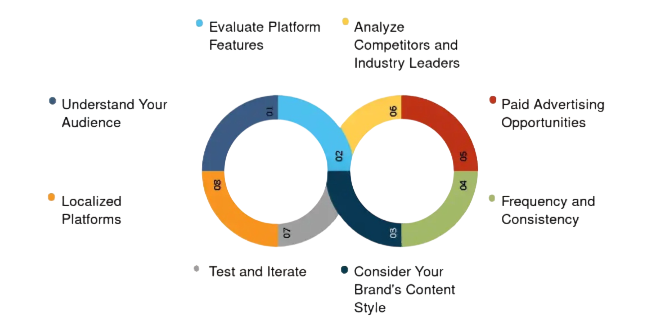
Choosing the Right Social Media Platforms
- Identifying Target Audiences: Selecting the right platform begins with understanding audience demographics, interests, and online behavior and Guide To Goole Analytics. This helps businesses focus their efforts where potential customers are most active.
- Evaluating Platform Features: Each social media platform offers unique features such as stories, videos, groups, reels, and professional networking tools. Understanding these features supports better content planning.
- Aligning Platforms with Business Goals: Businesses should choose platforms that support specific objectives such as brand awareness, lead generation, customer engagement, or sales growth and Ranking Factors for Google.
- Comparing Audience Demographics: Different platforms attract different age groups, industries, and user interests. Comparing demographics helps marketers target audiences more effectively.
- Benefits of Platform Selection: Choosing the right platforms improves marketing efficiency, increases audience engagement, and ensures resources are invested in channels that deliver the best results.
- Defining Content Objectives: A content strategy begins with setting clear goals such as increasing engagement, driving traffic, generating leads, or improving brand awareness through social media activities.
- Understanding Audience Interests: Researching audience preferences helps marketers create content that resonates with users and encourages interaction, sharing, and long-term engagement.
- Planning a Content Calendar: A content calendar organizes publishing schedules, campaign timelines, and content themes, ensuring consistency and effective communication across social media channels and PPC Analyst Salary Details .
- Balancing Content Types: Combining educational, promotional, entertaining, and interactive content helps maintain audience interest while supporting business and marketing objectives.
- Benefits of a Content Strategy: A structured strategy improves consistency, strengthens brand messaging, increases engagement, and helps achieve measurable social media marketing goals.
- Understanding Community Building: Community building focuses on creating meaningful relationships with followers and encouraging active participation around a brand, product, or service.
- Responding to Audience Interactions: Engaging with comments, messages, and feedback demonstrates responsiveness and helps strengthen trust and customer relationships.
- Encouraging User Participation: Polls, contests, discussions, and user-generated content encourage audience involvement and create a more active and engaged community and Guide to Content Marketing Strategy.
- Managing Online Reputation: Monitoring conversations and addressing concerns professionally helps maintain a positive brand image and improve customer satisfaction.
- Benefits of Community Engagement: Strong online communities improve customer loyalty, increase brand advocacy, enhance engagement, and contribute to sustainable business growth.
- Creating High-Quality Visual Content: Images, videos, infographics, and graphics capture attention quickly and improve content performance across social media platforms.
- Writing Engaging Captions and Copy: Clear, concise, and compelling captions help communicate messages effectively and encourage audience interaction with social media posts.
- Using Consistent Branding Elements: Maintaining consistent colors, logos, tone, and messaging strengthens brand recognition and creates a professional online presence and Salary for Digital marketing .
- Optimizing Content for Each Platform: Content should be tailored to platform-specific formats, audience preferences, and engagement styles to maximize performance and reach.
- Benefits of Content Creation Best Practices: Following best practices improves content quality, increases audience engagement, enhances brand visibility, and supports overall social media marketing success.
To Explore Digital Marketing in Depth, Check Out Our Comprehensive Digital Marketing Training To Gain Insights From Our Experts!
Creating a Social Media Content Strategy

Building and Engaging an Online Community
Looking to Master Digital Marketing? Discover the Digital Marketing Expert Masters Program Training Course Available at ACTE Now!
Social Media Content Creation Best Practices
Social Media Advertising and Paid Campaigns
Social media advertising enables businesses to reach targeted audiences through paid promotional campaigns on platforms such as Facebook, Instagram, LinkedIn, X, and YouTube. These campaigns help increase brand visibility, generate leads, drive website traffic, and boost sales.
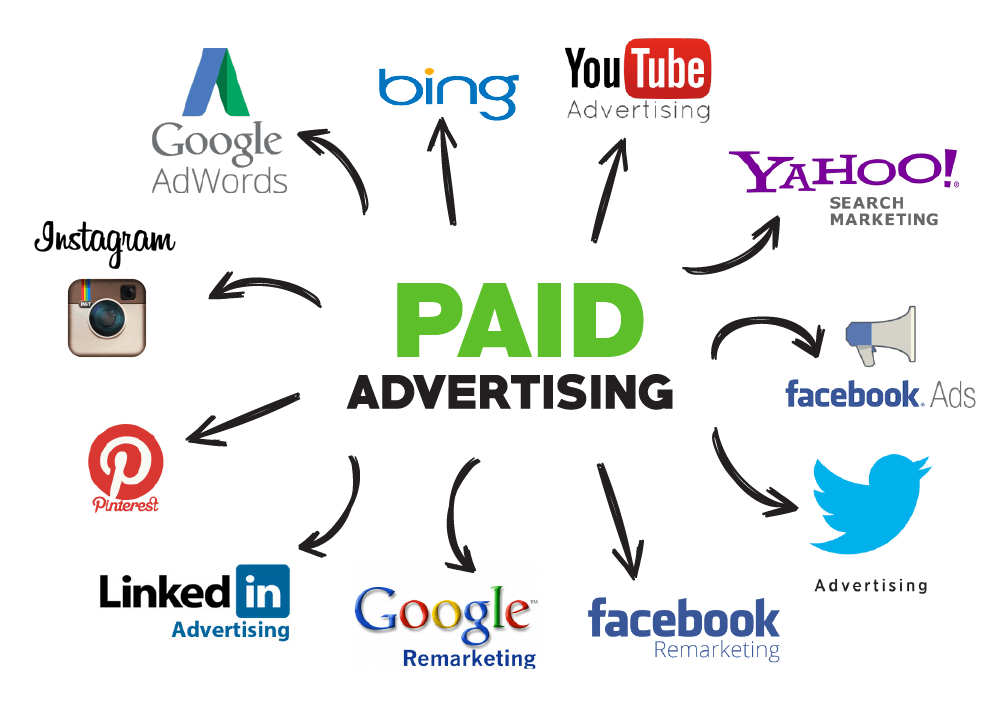
Advertisers can target users based on demographics, interests, location, online behavior, and other criteria to improve campaign effectiveness and Role Of Consultant in Digital Marketing. Social media advertising offers various formats including image ads, video ads, carousel ads, story ads, and sponsored content. Continuous monitoring and optimization help improve performance and maximize return on investment. By leveraging paid campaigns strategically, businesses can reach potential customers more efficiently and achieve marketing objectives faster than relying solely on organic reach.
Measuring Social Media Performance and Analytics
Measuring social media performance is essential for understanding the effectiveness of marketing activities and identifying opportunities for improvement. Social media analytics tools provide valuable data on metrics such as reach, impressions, engagement, follower growth, click-through rates, conversions, and audience demographics. These insights help marketers evaluate content performance, understand audience behavior, and determine which strategies generate the best results and Digital Marketing Projects Guide. Performance analysis also supports budget allocation and campaign optimization decisions. By regularly reviewing analytics data, businesses can refine their content strategies, improve audience engagement, and achieve better marketing outcomes. Effective use of social media analytics ensures that marketing efforts remain aligned with business objectives and deliver measurable value.
Preparing for Digital Marketing Job Interviews? Have a Look at Our Blog on Digital Marketing Interview Questions and Answers To Ace Your Interview!
Career Opportunities in Social Media Marketing for Beginners
Social media marketing offers numerous career opportunities for beginners interested in digital marketing, content creation, and online communication. Entry-level roles include Social Media Executive, Social Media Coordinator, Content Creator, Community Manager, Digital Marketing Associate, and Social Media Analyst in Digital Marketing Training. These positions involve managing social media accounts, creating content, engaging with audiences, monitoring performance metrics, and supporting marketing campaigns. As businesses continue to invest in digital channels, demand for skilled social media professionals continues to grow across industries. Beginners can enhance their career prospects by developing practical skills, earning certifications, building portfolios, and gaining hands-on experience through internships or freelance projects. With continuous learning and professional growth, social media marketers can advance into leadership and strategic marketing roles.
Conclusion: Building a Successful Career in Social Media Marketing
Social media marketing has become an essential component of modern business strategies, creating exciting career opportunities for individuals who enjoy creativity, communication, and digital technology. Throughout this guide, we explored key topics including platform selection, content strategy, community engagement, content creation, advertising, analytics, and career development. Mastering these areas helps beginners build a strong foundation for long-term success in the industry in Digital Marketing Training. Since social media platforms and user behaviors continue to evolve, professionals must stay updated with emerging trends, tools, and best practices. Continuous learning, practical experience, and strategic thinking are essential for career growth. By developing strong social media marketing skills and applying them effectively, beginners can build rewarding careers while helping businesses achieve greater visibility, engagement, and success in the digital marketplace.