LMS
LMS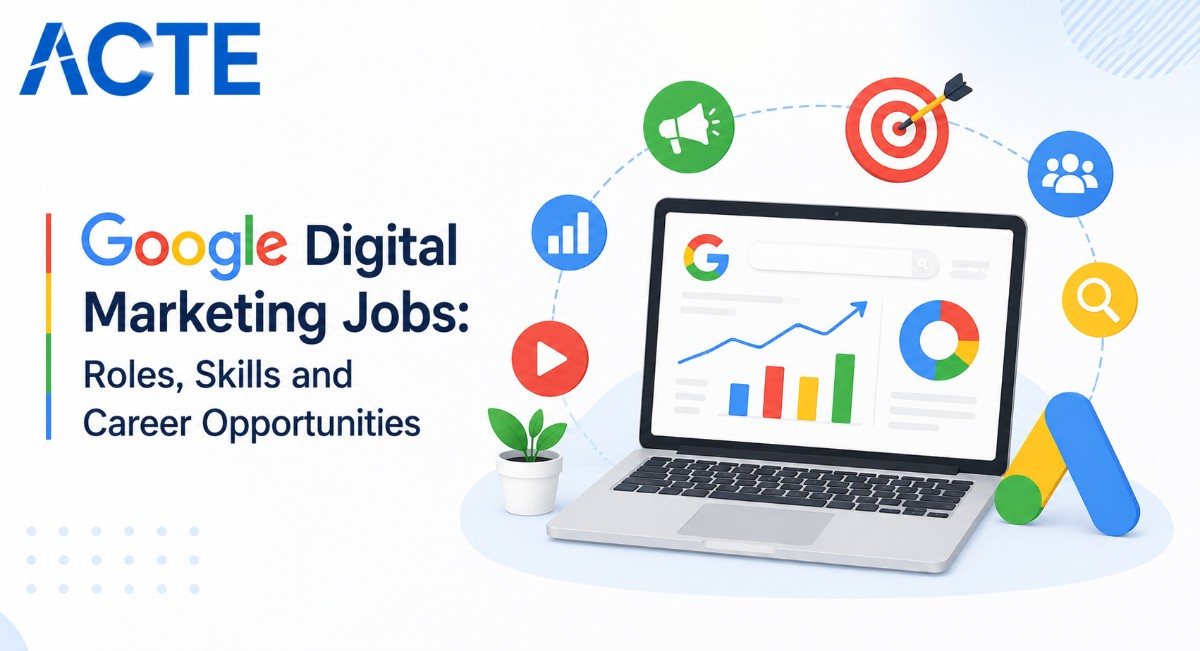
Last updated on 21st Aug 2026| 14163

- Exploring Digital Marketing Careers at Google
- Performance Marketing and Campaign Management Roles
- Growth Marketing and Customer Acquisition Careers
- Marketing Analytics and Consumer Insights Roles
- Product Marketing and Go-to-Market Opportunities
- Brand Marketing and Creative Strategy Careers
- Advertising Solutions and Account Strategy Roles
- Skills and Qualifications for Google Marketing Careers
- Career Progression and Growth Paths in Google Marketing
- How to Prepare for Digital Marketing Job Opportunities at Google
Exploring Digital Marketing Careers at Google
Digital marketing careers at Google can provide opportunities to work across advertising, product marketing, growth strategy, customer engagement, analytics, brand development, and digital campaign management. Professionals in these areas help connect Google products and advertising solutions with businesses, consumers, and partners across different markets. Depending on the position, responsibilities may include developing marketing strategies, understanding customer needs, managing campaigns, analyzing performance, supporting product launches, and identifying opportunities for growth. Completing Digital Marketing Training can also help candidates develop practical knowledge and demonstrate their ability to use data and creativity to solve marketing challenges. Candidates can benefit from knowledge of digital advertising, marketing analytics, consumer behavior, content strategy, campaign optimization, and measurement. Technical familiarity with platforms such as Google Ads and Google Analytics can also strengthen a digital marketing profile. Alongside technical skills, communication, creativity, analytical thinking, teamwork, and problem-solving are valuable for marketing careers. Freshers can prepare through internships, certifications, campaign projects, case studies, and hands-on experience.
Performance Marketing and Campaign Management Roles
Performance marketing and campaign management professionals focus on planning, executing, measuring, and improving digital advertising campaigns. Their work can involve defining campaign objectives, identifying target audiences, selecting advertising formats, monitoring budgets, analyzing conversions, and optimizing campaigns based on performance data. Professionals should understand important marketing metrics such as impressions, clicks, click-through rate, conversion rate, cost per acquisition, and return on advertising spend. Knowledge of search advertising, display advertising, video campaigns, remarketing, audience targeting, and bidding strategies can support performance-focused roles. Strong analytical skills are important because marketers must evaluate campaign results and determine which strategies generate meaningful business outcomes. To build a stronger understanding of the skills required for these roles, candidates can also explore Skills in Digital Marketing and identify the capabilities needed for successful performance marketing careers. Campaign professionals may also collaborate with creative teams, analysts, sales teams, agencies, and clients to improve advertising effectiveness. Candidates can strengthen their profiles by managing practical campaigns, analyzing performance reports, completing advertising certifications, and developing case studies that demonstrate measurable campaign improvements.
Get Your Digital Marketing Certification by Learning from Industry-Leading Experts and Advancing Your Career with ACTE’s Digital Marketing Course.
Growth Marketing and Customer Acquisition Careers
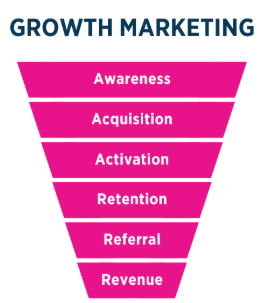
Growth marketing focuses on identifying scalable strategies for attracting, engaging, converting, and retaining customers. Professionals working in customer acquisition analyze different marketing channels and customer journeys to understand which approaches generate sustainable growth. Responsibilities may involve audience segmentation, campaign experimentation, conversion optimization, lifecycle marketing, funnel analysis, and performance measurement. Growth marketers often combine creativity with data analysis to test different messages, channels, audiences, and experiences.

Learn Digital Marketing Training Course to Build Your Skills
Weekday / Weekend BatchesSee Batch DetailsMarketing Analytics and Consumer Insights Roles
Marketing analytics and consumer insights professionals use data to understand campaign performance, customer behavior, market trends, and business opportunities. Their responsibilities can include collecting marketing data, creating reports, analyzing customer journeys, identifying patterns, measuring campaign effectiveness, and communicating insights to stakeholders. Professionals should understand web analytics, campaign metrics, segmentation, attribution concepts, conversion tracking, and data visualization. Skills in spreadsheets, SQL, analytics platforms, visualization tools, and basic statistical analysis can be valuable depending on the position. Those looking to strengthen their analytics knowledge can also explore Overview Of Google Analytics to better understand how website and marketing data can support informed business decisions. Consumer insights roles may also involve studying customer preferences, motivations, behaviors, and feedback to help marketing teams make better decisions. Strong communication skills are essential because analysts need to transform complex information into understandable recommendations. Candidates can develop relevant experience by analyzing marketing datasets, creating dashboards, measuring campaign performance, and presenting recommendations based on their findings.

Get JOB Oriented Digital Marketing Training for Beginners By MNC Experts
- Instructor-led Sessions
- Real-life Case Studies
- Assignments
Product Marketing and Go-to-Market Opportunities
Product marketing professionals help connect products with their intended audiences by understanding customer needs, market conditions, competitive positioning, and product value. Their work can include developing positioning and messaging, conducting market research, identifying target audiences, supporting product launches, creating marketing strategies, and coordinating go-to-market activities. Product marketers frequently collaborate with product managers, sales teams, engineers, researchers, communications teams, and other marketing professionals. Successful go-to-market planning requires understanding the product, customer problem, competitive landscape, distribution channels, messaging, and measures of success. Building these skills through Digital Marketing Training can help aspiring product marketers gain practical knowledge of campaign planning, audience targeting, market analysis, and go-to-market strategies. Professionals should develop skills in market research, storytelling, customer segmentation, campaign planning, competitive analysis, and performance measurement. Strong communication and cross-functional collaboration are particularly important because product marketers often coordinate multiple teams around a shared launch strategy. Freshers can prepare by developing product marketing case studies, analyzing existing products, creating mock launch plans, and gaining practical experience through internships or marketing projects.
Brand Marketing and Creative Strategy Careers
- Brand Strategy and Positioning Brand marketing professionals develop strategies that define how products and services are presented to target audiences. They focus on customer needs, market positioning, messaging, brand identity, and competitive differentiation.
- Creative Campaign Development Creative strategists contribute to marketing campaigns by developing concepts, messaging approaches, and audience-focused ideas. They combine creativity with marketing objectives to build campaigns that communicate product value effectively.
- Measuring Brand Campaign Performance Professionals should understand how to evaluate campaign reach, engagement and other relevant outcomes. Performance insights help teams identify successful strategies and improve future marketing activities. Professionals can further explore Content Marketing Strategy to understand how strategic content can support brand communication and audience engagement.
- Audience and Consumer Understanding Understanding customer interests, behaviors, preferences, and motivations helps marketers create relevant brand experiences. Professionals can use research and marketing data to identify audiences and improve campaign communication.
- Cross-Channel Marketing Strategy Brand campaigns may operate across search, video, social media, websites, events, and other digital channels. Marketers should understand how to maintain consistent messaging while adapting creative approaches for different platforms.
Want to Master Digital Marketing? Explore the Digital Marketing Master Program Offered at ACTE Today!
Advertising Solutions and Account Strategy Roles
- Digital Advertising Solutions Advertising professionals help businesses understand digital advertising opportunities and select solutions that support their marketing objectives. Strong knowledge of campaign formats, targeting, measurement, and optimization can support these roles.
- Client Account Management Account-focused professionals build relationships with advertisers and understand their business objectives, challenges, and marketing requirements. Communication, organization, presentation, and relationship-management abilities are particularly important.
- Campaign Strategy and Optimization Professionals analyze advertising performance and recommend improvements to targeting, bidding, creative approaches, budgets, and campaign structures. Data-driven optimization can help clients improve advertising effectiveness.
- Performance Reporting and Client Communication Professionals may analyze campaign metrics and communicate results to advertisers or internal teams. They should be able to transform performance data into clear insights and actionable next steps. Professionals can also explore Search Engine Marketing to strengthen their knowledge of search-based advertising and marketing strategies.
- Business Growth and Advertising Strategy Account strategists can identify opportunities to help advertisers expand their digital presence and achieve business goals. This requires understanding customer objectives, market conditions, campaign performance, and appropriate advertising solutions.
Want to Learn About AI? Explore Our Digital Marketing Interview Questions and Answers Featuring the Most Frequently Asked Questions in Job Interviews.
Skills and Qualifications for Google Marketing Careers
- Digital Marketing Fundamentals Candidates should understand SEO, paid advertising, content marketing, social media, email marketing, customer journeys, conversion optimization, and campaign measurement to develop a broad marketing foundation.
- Marketing Analytics and Data Skills Analytical skills help marketers evaluate performance and make evidence-based decisions. Knowledge of spreadsheets, analytics platforms, visualization, SQL, and basic statistics can be valuable depending on the specific marketing position.
- Creative and Strategic Thinking Candidates should demonstrate the ability to generate ideas while connecting them with measurable business objectives. Marketing case studies and portfolio work can provide evidence of these abilities. Candidates can also explore Develop a Strategy for Email Marketing to expand their understanding of customer communication and campaign strategy.
- Google Advertising and Analytics Tools Practical familiarity with Google Ads, Google Analytics, and related advertising and measurement platforms can strengthen a candidate’s profile for performance marketing, advertising, and analytics-focused opportunities.
- Communication and Storytelling Skills Marketing professionals need to communicate ideas clearly through presentations, campaign messaging, reports, and stakeholder discussions. Strong storytelling helps translate customer insights and data into understandable marketing strategies.
Career Progression and Growth Paths in Google Marketing
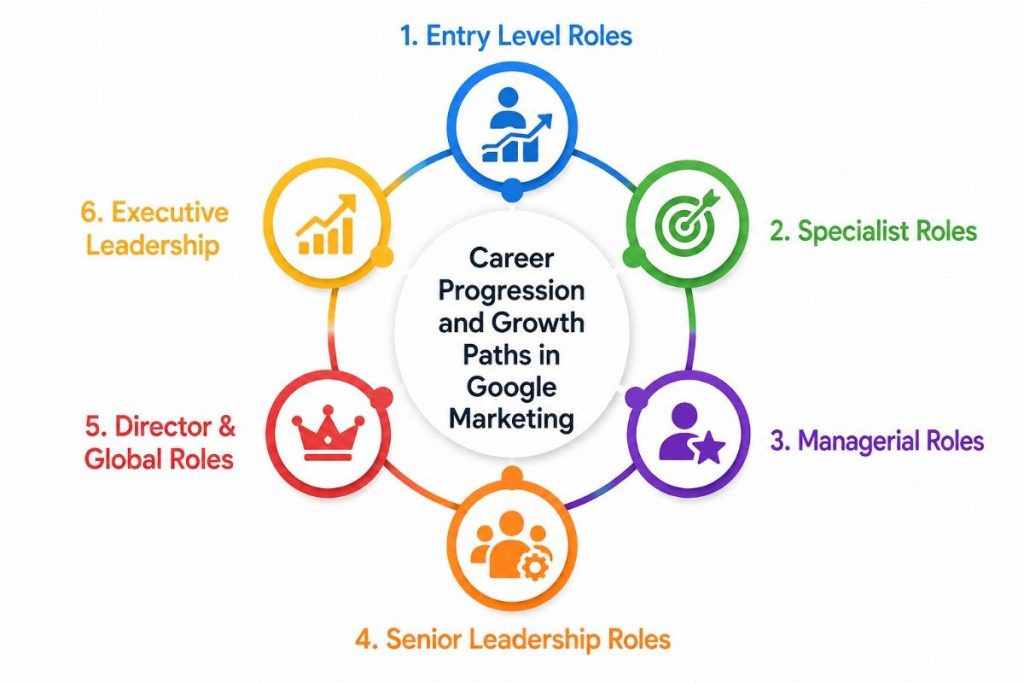
- Entry-Level Marketing Opportunities Early-career professionals can build experience through internships and suitable entry-level opportunities involving campaign support, marketing analysis, customer insights, advertising, or other marketing activities.
- Developing a Marketing Specialization Professionals can specialize in areas such as performance marketing, product marketing, marketing analytics, brand strategy, customer acquisition, advertising solutions, or consumer insights based on their strengths and interests.
- Moving into Senior Marketing Roles With experience, professionals can take responsibility for larger campaigns, strategic initiatives, product launches, client relationships, and cross-functional projects while developing stronger decision-making and leadership capabilities.
- Building Cross-Functional Career Opportunities Marketing experience can also create opportunities to collaborate closely with product and strategy teams. Developing broader business and technical knowledge can support diverse long-term career paths. Professionals can further explore Career in Digital Marketing to understand potential career paths and growth opportunities within the broader digital marketing field.
- Expanding into Marketing Leadership Experienced marketers can work toward leadership responsibilities involving marketing strategy, team coordination, stakeholder management, campaign direction, and broader business objectives.
How to Prepare for Digital Marketing Job Opportunities at Google
Preparing for digital marketing job opportunities at Google requires a combination of marketing knowledge, analytical abilities, creativity, communication skills, and practical experience. Candidates should begin by developing strong fundamentals in SEO, paid advertising, content marketing, social media marketing, campaign management, customer acquisition, conversion optimization, and marketing analytics. Practical familiarity with tools such as Google Ads and Google Analytics can help candidates understand how digital campaigns are created, measured, and optimized. Aspiring professionals should also strengthen their ability to analyze campaign metrics, interpret consumer behavior, identify trends, and convert data into actionable marketing recommendations. Working on real-world projects, internships, freelance campaigns, or personal marketing experiments can provide valuable hands-on experience and portfolio material. Candidates interested in product or brand marketing should develop skills in market research, customer segmentation, positioning, storytelling, competitive analysis, and go-to-market planning. Communication, presentation, collaboration, and problem-solving abilities are equally important for working with cross-functional teams. Candidates can strengthen these core skills through Digital Marketing Training, which can provide practical exposure to key marketing concepts and campaign strategies. Candidates should create a results-focused resume that highlights relevant projects, certifications, campaign outcomes, and measurable achievements. Preparing marketing case studies, practicing behavioral interview questions, and learning how to explain campaign decisions clearly can further improve interview readiness. Continuous learning and staying informed about changes in advertising, analytics, AI, consumer behavior, and digital platforms can help candidates build a competitive profile for marketing opportunities at Google.