LMS
LMS
Last updated on 06th Jun 2026| 11281

- Introduction to SAP SuccessFactors and Cloud HR Management
- Overview of SAP SuccessFactors Modules
- Employee Central Fundamentals
- Organizational Management and Employee Data Management
- Recruitment and Candidate Management
- Onboarding and Offboarding Processes
- Performance and Goal Management
- Learning Management System (LMS)
- Compensation and Benefits Management
- Conclusion: Building a Successful Career in SAP SuccessFactors for HR Professionals
Introduction to SAP SuccessFactors and Cloud HR Management
SAP SuccessFactors is a leading cloud-based Human Capital Management (HCM) solution that helps organizations manage their workforce efficiently throughout the employee lifecycle. It provides a modern platform for handling key HR functions such as employee administration, recruitment, onboarding, performance management, learning, compensation, and workforce analytics in SAP SuccessFactors Training. Unlike traditional on-premise HR systems, SAP SuccessFactors operates in the cloud, allowing organizations to access HR data anytime and from anywhere through a secure internet connection. This flexibility supports remote work environments and improves collaboration across departments and locations. The platform is designed to enhance employee experiences while enabling HR teams to automate routine processes and focus on strategic initiatives. In a real-world scenario, a multinational company can use SAP SuccessFactors to manage thousands of employees across different countries from a single centralized system. By providing real-time information, self-service capabilities, and data-driven insights, SAP SuccessFactors helps organizations improve workforce productivity, employee engagement, and overall business performance in an increasingly digital workplace.
Overview of SAP SuccessFactors Modules
SAP SuccessFactors consists of several integrated modules that work together to support comprehensive human resource management. Each module is designed to address specific HR functions while sharing data seamlessly across the platform. Employee Central serves as the core HR system, storing employee and organizational data. Recruitment Management helps organizations attract, assess, and hire qualified candidates efficiently. Onboarding supports smooth employee transitions into the organization, while Performance and Goal Management helps evaluate employee achievements and align individual goals with business objectives. The Learning Management System enables organizations to deliver training programs and track employee development in SAP SuccessFactors Training. Compensation Management assists in planning salaries, bonuses, and rewards, while Succession and Career Development supports talent growth and leadership planning. Workforce Analytics and Reporting provide valuable insights into HR performance and employee trends. In a practical business environment, these modules work together to create a unified HR ecosystem that improves efficiency, enhances employee experiences, and supports strategic workforce planning. The integrated nature of SAP SuccessFactors ensures data consistency and streamlined HR operations across the organization.
Ready to earn your SAP SuccessFactors Professional Certification? Discover the SAP SuccessFactors Training now available at ACTE!
Employee Central Fundamentals
Employee Central is the foundation of SAP SuccessFactors and serves as the primary repository for employee and organizational information. It enables HR professionals to manage employee records, job information, organizational structures, employment details, compensation data, and personal information within a single centralized platform and SAP PP Tutorial with Real-Time Scenarios. Employee Central supports various HR processes, including hiring, promotions, transfers, terminations, and organizational changes. The module also offers employee and manager self-service capabilities, allowing users to update personal information, request leave, view organizational charts, and access important HR documents. One of its key advantages is real-time data management, ensuring that employee information remains accurate and accessible across all integrated SuccessFactors modules.
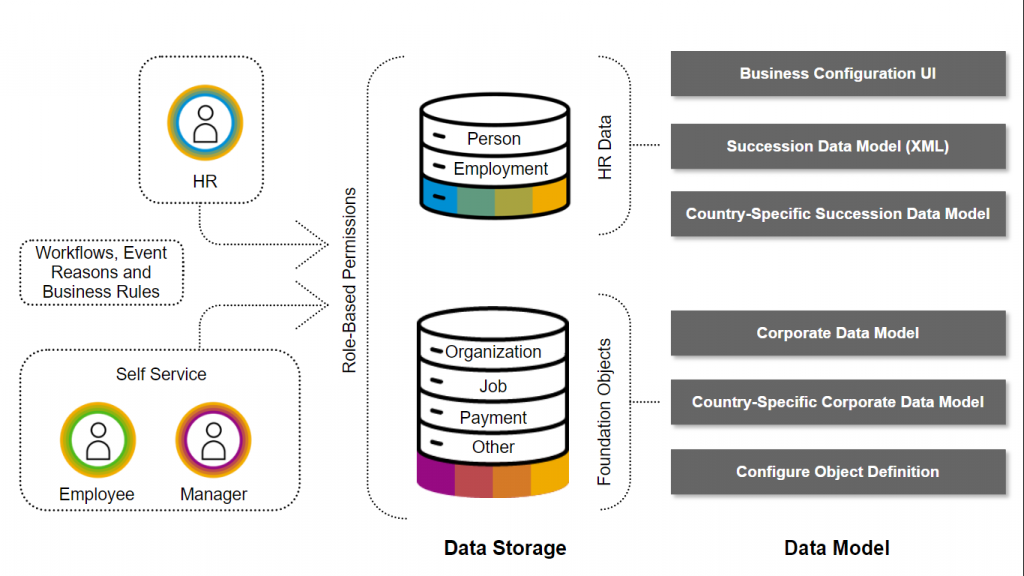
Get Your SAP SuccessFacutors Certification by Learning from Industry-Leading Experts and Advancing Your Career with ACTE’s SAP SuccessFacutors Training .
Organizational Management and Employee Data Management
- Organizational Structure Management: Organizational Structure Management helps companies define departments, business units, divisions, locations, and reporting relationships within SAP SuccessFactors. A well-structured hierarchy provides clear visibility into workforce arrangements, supports effective communication, and enables better workforce planning and resource allocation.
- Employee Information Management: Employee Information Management stores and maintains important employee data such as personal details, employment records, contact information, job assignments, and compensation information. Centralized data management improves accessibility, ensures consistency, and supports efficient HR operations across the organization and Expolre more inComplete SAP Internship Tutorial for Freshers.
- Position and Job Management: Position and Job Management enables HR teams to create, manage, and track job roles and positions throughout the organization. It helps define responsibilities, reporting relationships, qualifications, and workforce requirements, ensuring proper staffing and alignment between employees and organizational goals.
- Data Accuracy and Compliance: Data Accuracy and Compliance ensure employee records remain updated, reliable, and compliant with organizational policies and legal regulations. Automated workflows and approval processes reduce errors, improve record management, and support regulatory reporting requirements across different business locations.
- Business Benefits: Effective Organizational and Employee Data Management improves workforce visibility, streamlines administrative tasks, enhances reporting accuracy, and supports strategic decision-making. Organizations can optimize workforce planning, improve operational efficiency, and maintain accurate employee information across all HR functions.

Recruitment and Candidate Management
- Job Requisition Creation: Job Requisition Creation allows recruiters and hiring managers to define job openings, responsibilities, qualifications, and hiring requirements. Well-defined requisitions help attract suitable candidates, standardize recruitment processes, and ensure alignment between hiring needs and business objectives.
- Candidate Application Management: Candidate Application Management helps organizations collect, organize, and manage applications from various recruitment channels. The system centralizes candidate information, making it easier for recruiters to review applications, track progress, and maintain communication throughout the hiring process.
- Resume Screening Process: Resume Screening Process enables recruiters to evaluate candidate qualifications, experience, and skills against job requirements and Complete SAP Internship Tutorial for Freshers . Automated screening tools help identify the most suitable applicants quickly, reducing manual effort and improving the efficiency of recruitment activities.
- Interview and Selection Management: Interview and Selection Management supports scheduling interviews, collecting feedback, evaluating candidates, and coordinating hiring decisions. The process ensures collaboration among recruiters and managers while maintaining transparency and consistency throughout candidate assessments.
- Recruitment Benefits: Recruitment and Candidate Management improve hiring efficiency, reduce recruitment costs, enhance candidate experiences, and help organizations attract high-quality talent. Streamlined recruitment processes support faster hiring decisions and contribute to building a strong and capable workforce.
Onboarding and Offboarding Processes
- Employee Onboarding Preparation: Employee Onboarding Preparation manages activities before a new employee joins the organization. This includes document collection, policy acknowledgments, account creation, and workflow approvals, ensuring employees are prepared and ready to begin work efficiently from day one.
- Training and Orientation Management: Training and Orientation Management provide new employees with essential information about company policies, culture, procedures, and job responsibilities and SAP-Business Objects Tutorial. Structured learning programs help employees adapt quickly, improve productivity, and integrate smoothly into the organization.
- Employee Transition Support: Employee Transition Support ensures that employees receive the resources, tools, system access, and guidance necessary during role changes or departmental transfers. Proper transition management reduces confusion, improves productivity, and supports continuous employee engagement.
- Offboarding Process Management: Offboarding Process Management handles employee exit procedures, including resignation processing, asset returns, access removal, final documentation, and exit interviews and SAP EWM Tutorial . A structured offboarding process minimizes risks, protects company information, and ensures compliance with organizational policies.
- Process Benefits: Effective Onboarding and Offboarding Processes improve employee experiences, reduce administrative workload, enhance compliance, and support smooth workforce transitions. Organizations benefit from increased operational efficiency, stronger employee engagement, and better management of employee lifecycle events.
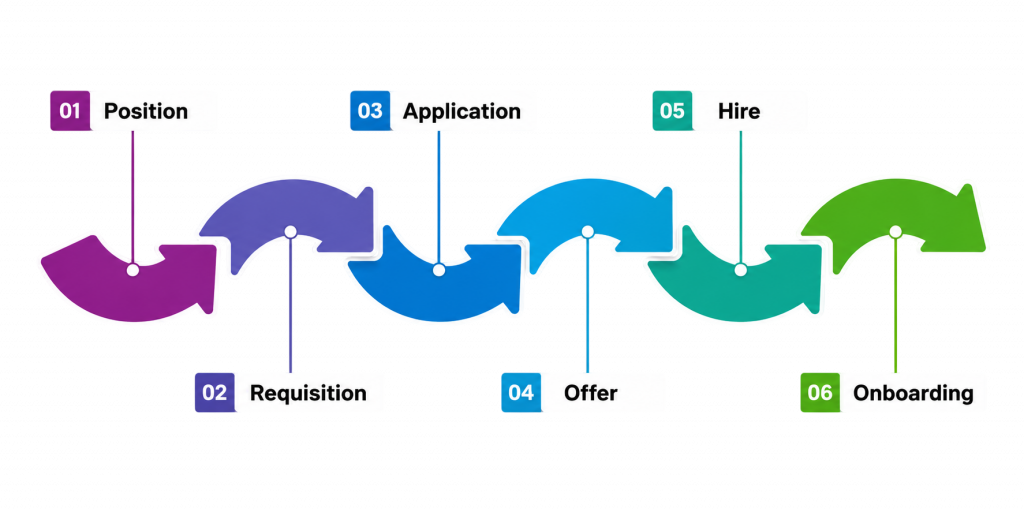
Production Versions and Capacity Planning
- Understanding Production Versions: Production Versions combine BOMs and Routings into a single production method. They define how a product should be manufactured and support flexible production planning.
- Multiple Manufacturing Methods: Organizations may use different production versions for the same product based on location, equipment, or manufacturing processes. SAP allows selection of the most suitable version.
- Capacity Planning Overview: Capacity Planning evaluates available resources such as machines, labor, and work centers and SAP HANA Administration Tutorial. It helps ensure production schedules do not exceed operational capabilities.
- Capacity Load Analysis: SAP analyzes workloads assigned to work centers and compares them with available capacity. This helps identify bottlenecks and resource constraints before production begins.
- Business Advantages: Effective capacity planning improves resource utilization, reduces production delays, enhances scheduling accuracy, and ensures smooth manufacturing operations across the organization.

Get JOB Oriented SAP SuccessFacutors Training for Beginners By MNC Experts
- Instructor-led Sessions
- Real-life Case Studies
- Assignments
Performance and Goal Management
Performance and Goal Management in SAP SuccessFactors help organizations align employee objectives with overall business goals while continuously monitoring and improving workforce performance. The module enables managers and employees to create measurable goals, track progress, conduct performance evaluations, and provide regular feedback throughout the performance cycle. Goal Management allows employees to understand expectations clearly and focus their efforts on achieving organizational objectives and Learn more in SAP Security Tutorial. Performance Management supports structured appraisal processes, competency assessments, and development planning to ensure fair and transparent evaluations. The system facilitates continuous feedback between managers and employees, encouraging collaboration, accountability, and professional growth. In a real-world business environment, managers can track employee achievements, identify performance gaps, recognize top performers, and create targeted development plans. Automated workflows simplify performance review cycles and ensure consistency across departments. By promoting a culture of continuous improvement and employee engagement, SAP SuccessFactors helps organizations enhance productivity, strengthen workforce capabilities, and support long-term business success through effective performance management practices.
Are You Considering Pursuing a SAP CRM Master’s Degree? Enroll For SAP SuccessFacutors Expert Masters Program Training Course Today!
Learning Management System (LMS)
The Learning Management System (LMS) in SAP SuccessFactors is designed to help organizations manage employee training, skill development, compliance learning, and professional growth. The system provides a centralized platform where employees can access training courses, certification programs, learning materials, and development resources. Organizations can assign mandatory training, monitor course completion, track certifications, and measure learning effectiveness through detailed reporting tools. LMS supports various learning formats, including online courses, virtual classrooms, instructor-led training, and self-paced learning programs and SAP Simple Finance Tutorial. In a real-world scenario, companies use LMS to train employees on workplace safety, regulatory compliance, leadership development, and technical skills. Managers can identify skill gaps and recommend appropriate learning paths to support career development. The platform encourages continuous learning by providing personalized learning experiences and easy access to educational resources. By investing in employee development and knowledge enhancement, organizations can improve workforce competencies, increase productivity, support innovation, and maintain a competitive advantage in rapidly changing business environments.
Set to Ace Your SAP SuccessFacutors Job Interview? Check Out Our Blog on SAP SuccessFacutors Interview Questions & Answer
Compensation and Benefits Management
Compensation and Benefits Management in SAP SuccessFactors helps organizations design, manage, and administer employee rewards programs effectively. The module supports salary planning, bonus allocation, incentive programs, stock awards, and other compensation-related activities while ensuring fairness and compliance with organizational policies. HR professionals and managers can evaluate employee performance, market benchmarks, and budget constraints when making compensation decisions. The system provides automated workflows that simplify compensation planning and approval processes, reducing administrative effort and improving accuracy in our SAP SuccessFactors Training. Benefits Management allows organizations to manage employee benefit programs such as health insurance, retirement plans, allowances, and wellness initiatives. Employees can access information about available benefits and make selections through self-service functionality. In a real-world business environment, effective compensation and benefits strategies help attract, motivate, and retain talented employees. SAP SuccessFactors provides transparency, consistency, and data-driven insights that support competitive reward programs. By aligning compensation with performance and organizational goals, companies can improve employee satisfaction, engagement, and long-term workforce retention.
Conclusion: Building a Successful Career in SAP SuccessFactors for HR Professionals
SAP SuccessFactors has become one of the most widely used cloud-based Human Capital Management (HCM) solutions, helping organizations manage their workforce efficiently throughout the employee lifecycle. For HR freshers, learning SAP SuccessFactors provides valuable opportunities to build a successful career in the rapidly growing HR technology industry. Throughout this tutorial, we explored key concepts including Employee Central, Recruitment, Onboarding, Performance Management, Learning Management, Compensation Management, and Employee Data Management. These modules help organizations streamline HR processes, improve employee experiences, and support strategic workforce planning. As businesses continue to adopt digital HR solutions, the demand for SAP SuccessFactors professionals continues to grow across industries worldwide in our SAP SuccessFactors Training. HR professionals with SAP SuccessFactors knowledge can pursue careers as HR Analysts, SuccessFactors Consultants, HR System Administrators, Talent Management Specialists, and Implementation Consultants. Continuous learning, practical experience, and certification can further enhance career opportunities in this field. By developing expertise in SAP SuccessFactors and understanding real-world HR processes, freshers can position themselves for long-term professional growth while contributing to organizational success through efficient and technology-driven human resource management.