LMS
LMS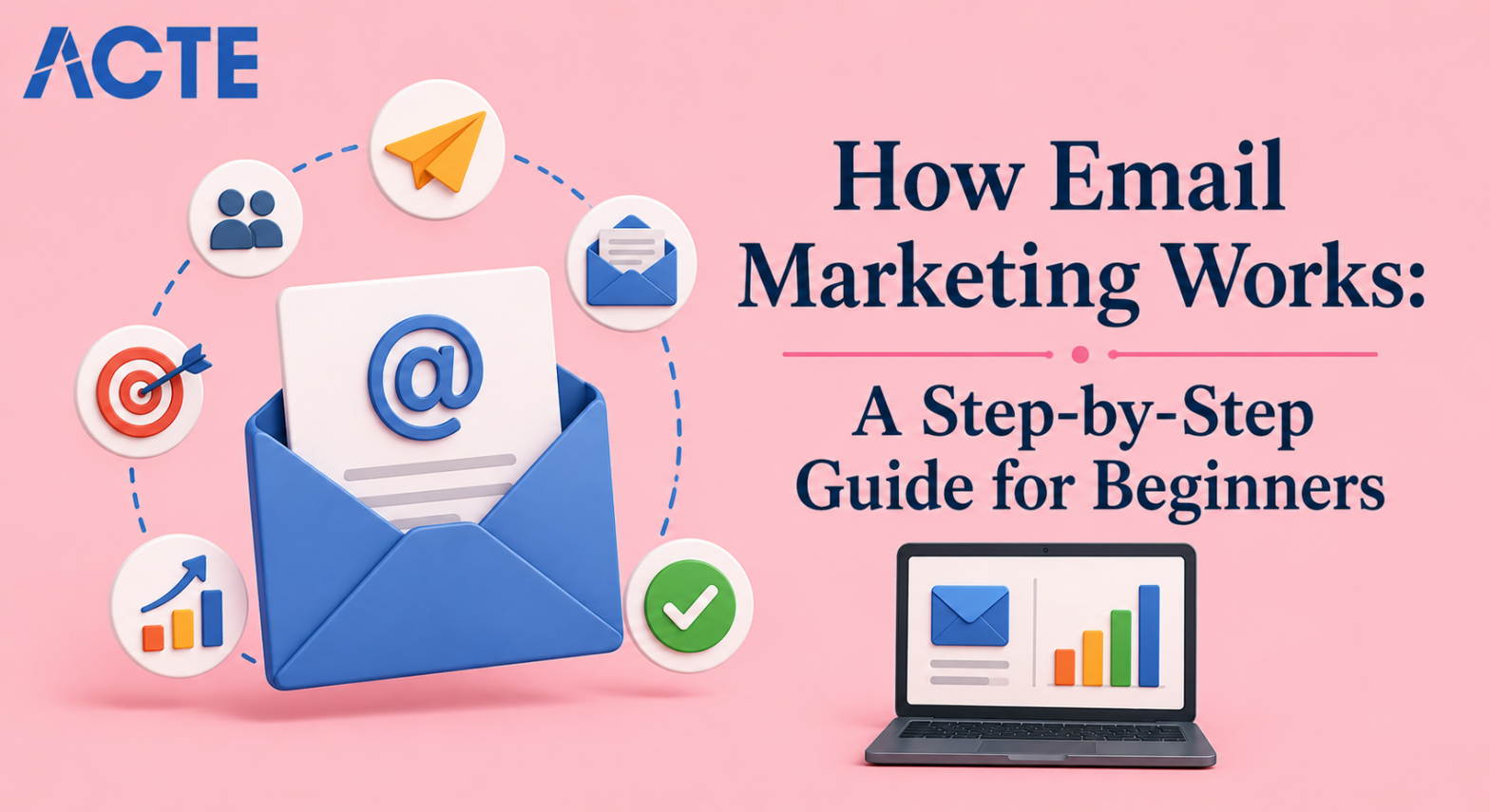
Last updated on 09th Jun 2026| 14113

- Introduction to Email Marketing
- Understanding the Importance of Email Marketing
- Types of Email Marketing Campaigns
- Building and Managing an Email List
- Creating Effective Email Content
- Email Design and Best Practices
- Understanding Email Marketing Tools and Automation
- Measuring Email Marketing Performance
- Career Opportunities in Email Marketing for Freshers
- Conclusion: Building a Successful Career in Email Marketing
Introduction to Email Marketing
Email Marketing is a powerful digital marketing strategy that allows businesses to communicate directly with customers and prospects through email. It is used to promote products, services, special offers, company updates, and valuable content while building long-term relationships with subscribers. Unlike many other marketing channels, email marketing provides a personalized approach that enables businesses to deliver relevant messages To gain practical expertise in creating successful campaigns and understanding customer engagement strategies, consider enrolling in Digital Marketing Training, where learners explore email marketing techniques, audience targeting, automation, and performance analysis. Modern email marketing platforms offer features such as automation, audience segmentation, personalization, and detailed analytics, making campaigns more efficient and effective. Businesses can use email marketing to attract new customers, nurture leads, increase customer loyalty, and drive sales. In today’s competitive digital environment, email marketing remains one of the most reliable methods for customer engagement and business growth. For beginners, understanding email marketing fundamentals is essential because it serves as a core skill in digital marketing and provides numerous career opportunities in customer communication, marketing automation, and campaign management. By mastering the principles of email marketing, businesses can create meaningful customer interactions, strengthen brand awareness, and achieve long-term marketing objectives through targeted and data-driven communication strategies.
Understanding the Email Marketing Process
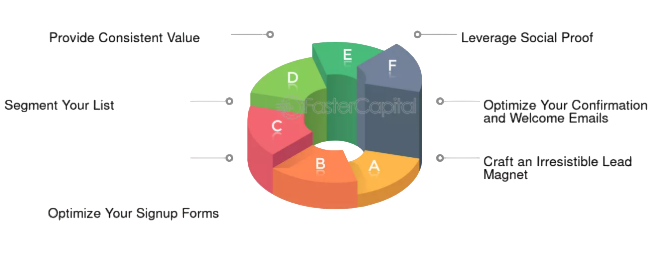
The email marketing process follows a structured workflow designed to attract subscribers, deliver valuable content, and achieve business objectives. The process begins with collecting email addresses through signup forms, landing pages, lead magnets, websites, webinars, or promotional campaigns. Once subscribers join the mailing list, marketers organize them into segments based on factors such as interests, demographics, purchase history, or engagement levels. Audience segmentation allows businesses to send highly targeted and personalized emails that increase relevance and engagement. To learn how to build and manage effective email campaigns, explore Digital Marketing Training, where learners gain practical experience in audience targeting, campaign creation, marketing automation, and analytics. After segmentation, marketers create compelling email content that includes informative messages, promotional offers, newsletters, or educational resources. Emails are then designed, tested, and scheduled using email marketing platforms before being delivered to subscribers. Once campaigns are launched, marketers monitor important performance metrics such as open rates, click-through rates, conversion rates, and unsubscribe rates. These insights help evaluate campaign effectiveness and identify areas for improvement. By continuously analyzing and optimizing campaigns, businesses can improve customer engagement, strengthen relationships, and achieve better marketing results through a well-organized email marketing process. Consistent monitoring and refinement enable marketers to maximize campaign performance, increase customer satisfaction, and support long-term business growth through targeted and data-driven communication strategies.
Ready to Get Certified in Digital Marketing? Explore the Program Now Digital Marketing Online Training Offered By ACTE Right Now!
Building an Email Subscriber List
- Understanding Email Subscriber Lists: An email subscriber list is a database of individuals who have willingly agreed to receive emails from a business. These subscribers represent potential customers and loyal audiences who are interested in receiving updates, offers, educational content, and promotional communications regularly.
- Methods for Collecting Subscribers: Businesses collect subscribers through website signup forms, landing pages, webinars, social media campaigns, newsletters, contests, and downloadable resources and Develop a Strategy for Email Marketing. Using ethical and permission-based methods helps attract interested audiences and build a high-quality email database.
- Creating Lead Magnets: Lead magnets are valuable resources offered in exchange for contact information. Examples include eBooks, guides, templates, checklists, reports, and free courses. Effective lead magnets provide immediate value, encourage subscriptions, and support long-term customer engagement strategies.
- Maintaining List Quality: Maintaining list quality involves updating subscriber information, removing inactive contacts, managing unsubscribe requests, and ensuring data accuracy and know Benefits of Digital Marketing. Regular list maintenance improves email deliverability, reduces bounce rates, and helps marketers achieve better campaign performance.
- Benefits of a Strong Subscriber List: A strong subscriber list provides businesses with direct access to an interested audience. It supports lead generation, customer engagement, brand awareness, sales growth, and long-term relationship building while improving the effectiveness of email marketing campaigns.
- Introduction to Audience Segmentation: Audience segmentation is the process of dividing subscribers into smaller groups based on shared characteristics. It helps marketers deliver relevant content to specific audiences, improving engagement, customer experiences, and overall campaign performance through personalized communication.
- Demographic-Based Segmentation: Demographic segmentation categorizes subscribers based on factors such as age, gender, location, occupation, education level, and income inRanking Factors for Google. This approach enables businesses to create targeted messages that match audience preferences and increase campaign effectiveness.
- Behavioral Segmentation: Behavioral segmentation focuses on subscriber actions such as email opens, link clicks, website visits, purchase history, and browsing activity. Understanding customer behavior helps marketers create personalized campaigns that encourage higher engagement and conversions.
- Personalized Email Targeting: Personalized targeting uses customer information to deliver customized messages, recommendations, offers and Guide To Goole Analytics. Personalized emails create more meaningful interactions, strengthen customer relationships, improve user experiences, and increase response rates significantly.
- Benefits of Segmentation: Audience segmentation improves message relevance, increases open and click-through rates, reduces unsubscribe rates, and enhances customer satisfaction. It enables businesses to communicate more effectively and achieve better marketing outcomes through targeted campaigns.
- Planning Campaign Objectives: Every successful email campaign begins with clear objectives such as generating leads, increasing sales, promoting products, improving engagement, or driving website traffic and PPC Analyst Salary Details. Defined goals help marketers develop focused strategies and measure campaign success effectively.
- Writing Engaging Subject Lines: Subject lines are the first elements recipients see when receiving an email. A compelling subject line captures attention, creates curiosity, and encourages subscribers to open the message, directly influencing campaign performance and engagement rates.
- Developing Valuable Content: Valuable content provides useful information, educational resources, product updates, promotions, or solutions to customer problems. High-quality content builds trust, increases engagement, and strengthens relationships between businesses and subscribers over time.
- Using Strong Calls to Action: Calls to Action guide readers toward desired actions such as visiting a website, downloading resources, registering for events, or making purchases. Effective CTAs are clear, persuasive, and aligned with campaign objectives.
- Benefits of Effective Campaigns: Effective email campaigns improve customer engagement, strengthen brand awareness, increase conversion rates, generate leads, and support business growth and Guide to Content Marketing Strategy. Well-executed campaigns deliver measurable results and contribute to long-term marketing success.
- Importance of Email Templates: Email templates provide a consistent framework for creating professional campaigns. They save time, ensure branding consistency, and help marketers maintain a uniform design and messaging structure across all email communications.
- Mobile-Friendly Design: Mobile-friendly email design ensures messages display properly on smartphones, tablets, and desktops. Responsive layouts improve readability, user experience, and engagement, helping businesses reach subscribers regardless of device type.
- Branding and Visual Consistency: Consistent branding through logos, colors, typography, and visual elements helps strengthen brand recognition and Salary for Digital marketing. Professional branding creates trust, improves credibility, and makes emails instantly recognizable to subscribers.
- Improving Readability: Readable email layouts use clear headings, concise paragraphs, appropriate spacing, and organized content structures. Improved readability helps subscribers quickly understand messages and encourages greater interaction with email content.
- Benefits of Professional Templates: Professional email templates improve visual appeal, strengthen brand identity, enhance user experience, and increase engagement. Well-designed templates help businesses deliver effective communications while maintaining consistency and professionalism and must Know Role Of Consultant in Digital Marketing .
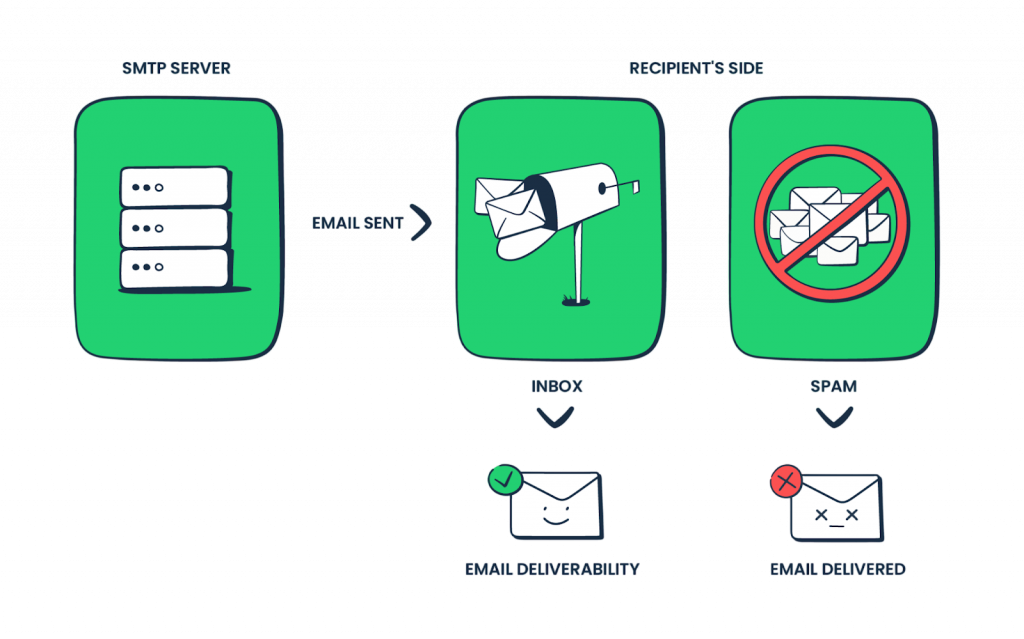
- Understanding Email Delivery: Email delivery refers to the process of successfully sending emails from a marketing platform to subscriber inboxes. Proper delivery practices help ensure emails reach recipients without being blocked or filtered as spam.
- Benefits of Effective Email Management: Effective email management improves communication consistency, enhances customer experiences, increases engagement rates, and helps businesses achieve better results from their email marketing efforts.
- Managing Email Campaigns: Email campaign management involves scheduling, monitoring, updating, and organizing communications. Effective management ensures campaigns are delivered on time, aligned with business objectives, and meet audience expectations. Learn more in Skills in Digital Marketing.
- Improving Email Deliverability: Deliverability focuses on ensuring emails reach inboxes rather than spam folders. Marketers improve deliverability by maintaining clean subscriber lists, following best practices, and using authenticated sending domains. Explore more in Campaigns for Digital Marketing.
- Handling Subscriber Preferences: Managing subscriber preferences allows users to choose the types of emails they want to receive. This improves customer satisfaction, reduces unsubscribe rates, and enhances audience engagement.
- Importance of Performance Tracking: Tracking performance helps marketers measure campaign effectiveness and identify opportunities for improvement. Analyzing results enables businesses to make informed decisions and optimize future campaigns.
- Monitoring Key Email Metrics: Key metrics include open rates, click-through rates, bounce rates, unsubscribe rates, and conversion rates. These indicators provide valuable insights into subscriber engagement and overall campaign performance.
- Analyzing Subscriber Behavior: Behavior analysis examines how recipients interact with emails, including opens, clicks, purchases, and engagement patterns. Understanding subscriber behavior helps improve targeting and personalization strategies. Learn more in PPC in Digital Marketing.
- Conducting A/B Testing: A/B testing compares different versions of subject lines, content, layouts, or calls to action. Testing helps marketers identify the most effective approaches and improve campaign results.
- Benefits of Campaign Optimization: Optimization increases engagement, improves conversion rates, enhances customer experiences, and maximizes return on investment by continuously refining email marketing strategies based on data.
Audience Segmentation and Targeting

Creating Effective Email Campaigns
To Explore Digital Marketing in Depth, Check Out Our Comprehensive Digital Marketing Training To Gain Insights From Our Experts!
Designing Professional Email Templates
Excited to Obtaining Your Gen AI Certificate? View The Digital Marketing Training Offered By ACTE Right Now!
Email Marketing Automation and Workflows
Email Marketing Automation and Workflows help businesses streamline communication by automatically sending emails based on predefined rules, schedules, or customer actions. Instead of manually sending every email, marketers can create automated workflows that deliver the right message to the right person at the right time and Digital Marketing Projects Guide. Common automation examples include welcome emails for new subscribers, abandoned cart reminders, birthday greetings, lead nurturing campaigns, product recommendations, and follow-up messages after purchases. Automation improves efficiency by reducing manual effort while ensuring consistent and timely communication with customers. To develop practical skills in marketing automation and customer engagement strategies, consider enrolling in Digital Marketing Training, where learners gain hands-on experience with email workflows, audience segmentation, personalization, and campaign analytics. Modern email marketing platforms provide advanced workflow builders that allow marketers to design customer journeys based on user behavior, engagement levels, and specific triggers.In a real-world scenario, when a customer signs up for a newsletter, an automated welcome series can introduce the brand, share useful resources, and encourage further engagement. Automation also supports audience segmentation and personalization, making campaigns more relevant and effective. By using email marketing automation, businesses can improve customer experiences, increase engagement, generate more conversions, and maintain strong customer relationships while saving time and resources. As organizations continue to adopt digital-first communication strategies, automation remains an essential tool for delivering consistent, scalable, and highly personalized customer interactions.
Looking to Digital Marketing Training? Discover the Digital Marketing Expert Masters Program Training Course Available at ACTE Now!
Sending, Delivering, and Managing Emails
Preparing for Digital Marketing Job Interviews? Have a Look at Our Blog on Digital Marketing Interview Questions and Answers To Ace Your Interview!
Tracking Performance and Optimizing Campaigns
Conclusion
Increasing organic traffic through SEO is a multifaceted process that requires consistent effort and strategic planning. By mastering on-page elements, addressing technical issues, building quality backlinks, and staying updated with the latest trends like voice search and content clustering, you can significantly improve your website’s visibility. Utilizing the right tools and continuously tracking your progress ensures sustained success in the ever-evolving landscape of search engine optimization. To build these capabilities systematically, explore Digital Marketing Training a strategic program that covers SEO fundamentals, emerging trends, and performance analytics to help you stay ahead in competitive search environments. In today’s digital landscape, optimizing your website across key areas like mobile-first design, site speed, content structure, structured data, and image optimization is essential for driving traffic, enhancing user experience, and improving search engine rankings. Implementing these strategies holistically not only helps your site perform better technically but also builds authority and trust with both users and search engines. Staying up-to-date with best practices and continually refining your approach will ensure sustained growth and online success.