LMS
LMS
Last updated on 11th Jun 2026| 13930

- Introduction to Email Marketing Tools and Techniques
- Understanding Modern Email Marketing Platforms
- Getting Started with Mailchimp
- Exploring Brevo for Email Marketing
- Using ConvertKit for Audience Growth
- Building a High-Quality Email Subscriber List
- Audience Segmentation and Personalization Strategies
- Email Automation and Workflow Management
- Measuring Email Campaign Performance and Optimization
- Conclusion: Mastering Email Marketing Tools for Career Success
Introduction to Email Marketing Tools and Techniques
Email marketing tools and techniques play a vital role in helping businesses communicate effectively with customers, generate leads, and build long-term relationships. These tools simplify the process of creating, sending, managing, and analyzing email campaigns while reducing manual effort. Modern email marketing platforms provide features such as subscriber management, audience segmentation, personalization, automation, template design, and performance tracking in our Digital Marketing Training. Businesses use these capabilities to deliver relevant messages to the right audience at the right time. Email marketing techniques such as list building, content optimization, automation workflows, and campaign testing help improve engagement and conversion rates. As email continues to be one of the most effective digital marketing channels, understanding the available tools and techniques is essential for marketers. For freshers, learning email marketing tools provides practical skills that are highly valued in the digital marketing industry and creates opportunities for career growth in customer engagement, marketing automation, and campaign management.
Understanding Modern Email Marketing Platforms
Modern email marketing platforms provide businesses with comprehensive solutions for managing customer communications and marketing campaigns. These platforms enable marketers to create professional emails, organize subscriber lists, automate communication workflows, and monitor campaign performance through detailed analytics. Popular email marketing platforms offer drag-and-drop editors, responsive email templates, audience segmentation tools, personalization features, A/B testing capabilities, and integration with customer relationship management systems. They help businesses improve efficiency by automating repetitive tasks and delivering personalized experiences based on subscriber behavior and preferences in Digital Marketing Training. Email marketing platforms also support compliance with privacy regulations and help maintain healthy subscriber databases. In a practical business environment, organizations use these platforms to nurture leads, increase customer retention, promote products, and strengthen brand loyalty. Understanding how modern email marketing platforms function allows freshers to develop the technical skills required to manage successful campaigns and contribute effectively to digital marketing initiatives.
Ready to Get Certified in Digital Marketing? Explore the Program Now Digital Marketing Online Training Offered By ACTE Right Now!
Getting Started with Mailchimp
Mailchimp is one of the most widely used email marketing platforms and is often recommended for beginners due to its user-friendly interface and comprehensive features. The platform allows users to create professional email campaigns, manage subscriber lists, build landing pages, automate marketing workflows, and analyze campaign performance and SEO Guide. Getting started with Mailchimp involves creating an account, importing contacts, designing email templates, and setting up audience segments based on subscriber characteristics. Mailchimp provides drag-and-drop design tools that make email creation simple, even for users without technical or coding knowledge. The platform also offers automation features for welcome emails, follow-up sequences, and customer engagement campaigns. Built-in reporting tools help marketers track key metrics such as open rates, click-through rates, and conversions. For freshers, learning Mailchimp provides valuable hands-on experience with email marketing fundamentals while helping them understand campaign management, audience targeting, and performance optimization within a professional marketing environment.
To Explore Digital Marketing in Depth, Check Out Our Comprehensive Digital Marketing Training To Gain Insights From Our Experts!
Exploring Brevo for Email Marketing
Brevo, formerly known as Sendinblue, is a powerful marketing platform that combines email marketing, SMS marketing, automation, and customer relationship management features within a single solution. It enables businesses to create personalized email campaigns, manage customer data, and automate communication workflows efficiently in Crawl Budget Basics. Brevo offers intuitive campaign builders, audience segmentation tools, transactional email capabilities, and detailed analytics that help marketers improve engagement and conversions. The platform supports automated workflows triggered by customer actions, allowing businesses to deliver timely and relevant communications throughout the customer journey. Brevo is particularly valued for its affordability and flexibility, making it suitable for businesses of all sizes. Marketers can use the platform to create newsletters, promotional campaigns, lead nurturing sequences, and customer retention programs. For freshers entering the digital marketing field, learning Brevo provides practical knowledge of modern marketing automation, customer engagement strategies, and campaign performance management, helping them build skills that are highly relevant in today’s competitive marketing landscape.

Using ConvertKit for Audience Growth
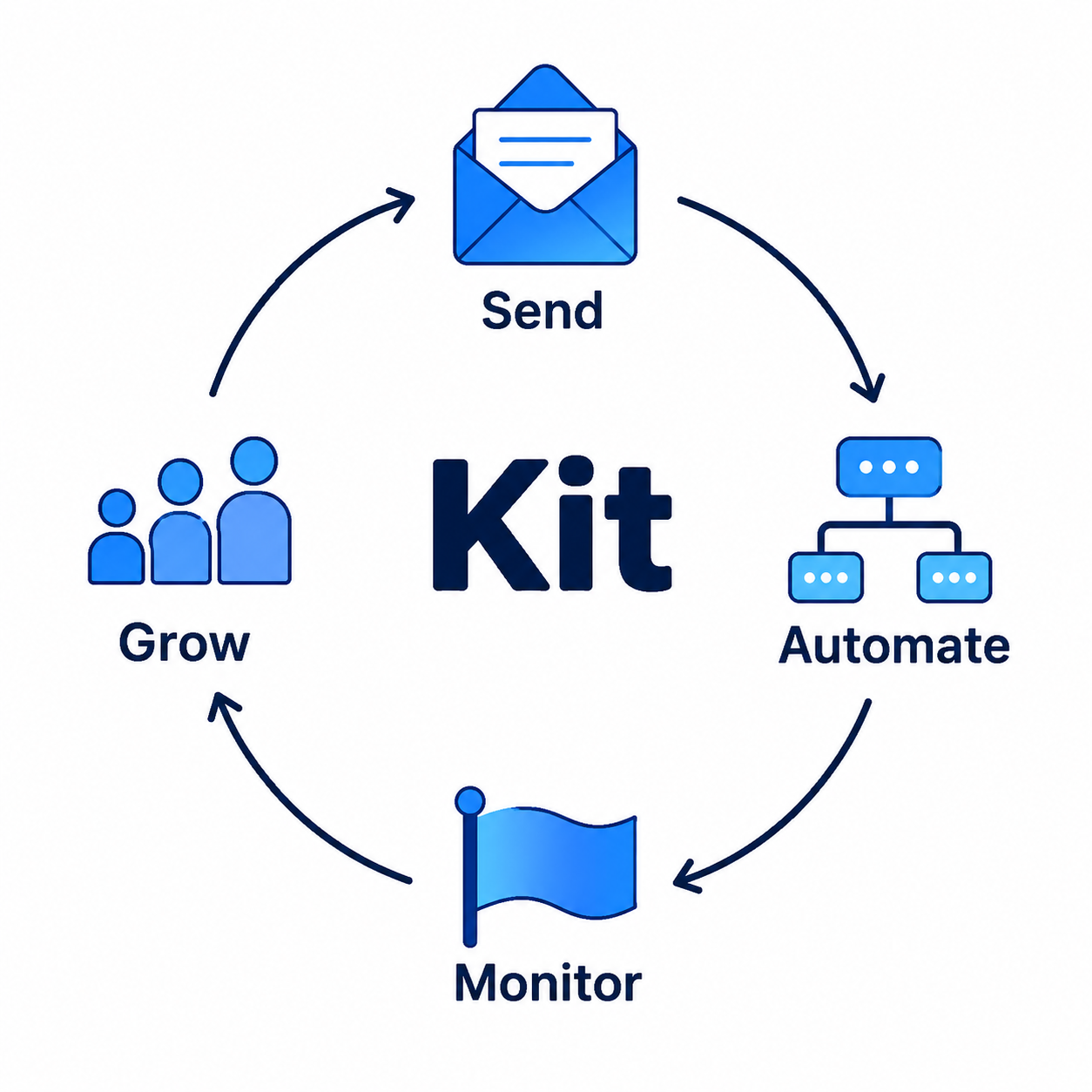
- Introduction to ConvertKit: ConvertKit is an email marketing platform designed primarily for creators, bloggers, educators, and small businesses. It helps users grow audiences, manage subscribers, automate communications, and build meaningful relationships through personalized email marketing campaigns.
- Creator-Focused Email Marketing Features: ConvertKit offers features specifically built for content creators, including subscriber tagging, audience segmentation, landing pages, forms, and Understanding Search Engine Marketing. These tools help creators engage audiences effectively and support long-term community growth.
- Building Landing Pages and Forms: ConvertKit provides customizable landing pages and signup forms that help capture subscriber information. These tools simplify lead generation, increase email list growth, and support audience-building strategies without requiring technical expertise.
- Managing Subscribers and Tags: Subscriber management allows users to organize contacts using tags and segments. This approach improves targeting, personalization, and campaign relevance, ensuring subscribers receive content that matches their interests and engagement levels.
- Benefits of ConvertKit for Audience Growth: ConvertKit helps creators grow audiences, increase engagement, automate communication, and improve subscriber experiences. Its user-friendly features support consistent audience development and strengthen relationships through personalized email interactions and Overview Of Google Analytics.
Building a High-Quality Email Subscriber List
- Understanding Subscriber Acquisition: Subscriber acquisition involves attracting individuals who are interested in receiving communications from a business. Effective acquisition strategies help build a relevant audience that is more likely to engage with email campaigns.
- Using Lead Magnets Effectively: Lead magnets are valuable resources offered in exchange for contact information and Frehers have Good Career in Digital Marketing. Examples include eBooks, templates, guides, and webinars. Effective lead magnets encourage subscriptions and support long-term audience growth.
- Signup Forms and Landing Pages: Signup forms and landing pages provide opportunities for visitors to join email lists. Well-designed forms with clear benefits help increase subscription rates and attract high-quality subscribers interested in business offerings.
- Maintaining Email List Quality: List quality is maintained by removing inactive subscribers, updating contact information, and ensuring permission-based subscriptions. Regular maintenance improves engagement, deliverability, and overall email marketing performance.
- Benefits of a Quality Subscriber List: A quality subscriber list improves campaign effectiveness, increases engagement rates, enhances customer relationships, and supports higher conversions and Learn SEO Tools. Businesses benefit from better communication with audiences genuinely interested in their content.
Looking to Master Digital Marketing? Discover the Digital Marketing Expert Masters Program Training Course Available at ACTE Now!
Audience Segmentation and Personalization Strategies
- Introduction to Audience Segmentation: Audience segmentation divides subscribers into smaller groups based on shared characteristics. This allows marketers to deliver more relevant content, improve customer experiences, and achieve better campaign performance.
- Demographic-Based Segmentation: Demographic segmentation categorizes subscribers by age, gender, location, education, occupation, or income and Mobile App Marketing Guide. This information helps businesses create targeted messages that better match audience needs and preferences.
- Behavioral Segmentation Techniques: Behavioral segmentation focuses on actions such as email opens, clicks, purchases, and website visits. Understanding subscriber behavior enables marketers to create personalized campaigns that encourage engagement and conversions.
- Personalized Email Campaigns: Personalized email campaigns use subscriber information to deliver customized messages, recommendations, and offers. Personalization improves customer experiences, increases relevance, and strengthens relationships between businesses and subscribers.
- Benefits of Targeted Communication: Targeted communication improves engagement, increases click-through rates, reduces unsubscribe rates, and enhances customer satisfaction. Delivering relevant content helps businesses achieve stronger marketing results and higher conversions and Build your social media content strategy.
Email Automation and Workflow Management
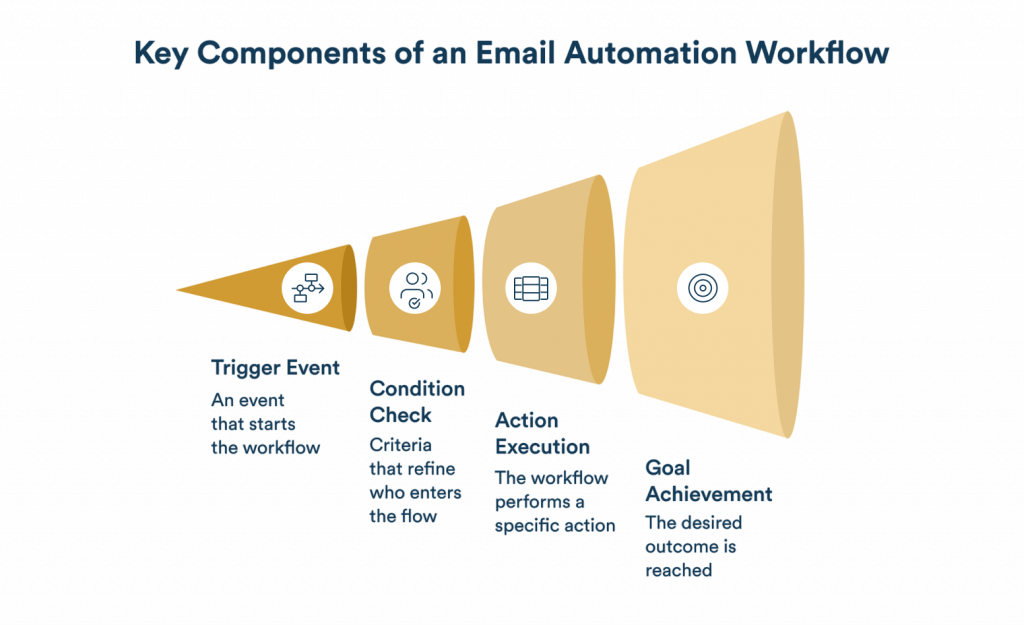
- Understanding Email Automation: Email automation enables businesses to send emails automatically based on schedules, subscriber actions, or predefined rules and Benefits of Digital Marketing. Automation improves efficiency and ensures timely communication throughout the customer journey.
- Creating Automated Email Sequences: Automated sequences consist of multiple emails delivered over time to achieve specific goals. Examples include welcome series, onboarding emails, lead nurturing campaigns, and post-purchase follow-ups.
- Workflow Triggers and Actions: Workflow triggers initiate automated actions based on subscriber behavior such as signups, clicks, purchases, or downloads. These triggers help marketers deliver relevant messages at the most appropriate moments.
- Lead Nurturing Through Automation: Automation supports lead nurturing by delivering valuable content, educational resources, and personalized messages and Develop a Strategy for Email Marketing. Consistent communication helps build trust and guides prospects toward becoming customers.
- Benefits of Workflow Management: Workflow management improves campaign efficiency, reduces manual tasks, enhances personalization, and ensures consistent customer communication. Businesses can scale marketing efforts while maintaining high levels of engagement and customer satisfaction.
Preparing for Digital Marketing Job Interviews? Have a Look at Our Blog on Digital Marketing Interview Questions and Answers To Ace Your Interview!
Measuring Email Campaign Performance and Optimization
Measuring email campaign performance is essential for understanding how effectively marketing efforts achieve business objectives and engage subscribers. Email marketers use various metrics to evaluate campaign success, including open rates, click-through rates, conversion rates, bounce rates, unsubscribe rates, and overall return on investment. These metrics provide valuable insights into subscriber behavior and campaign effectiveness in Digital Marketing Training . By analyzing performance data, marketers can identify strengths, weaknesses, and opportunities for improvement. Techniques such as A/B testing allow businesses to compare subject lines, content variations, email layouts, and calls to action to determine which approach generates the best results. Continuous optimization helps improve engagement, increase conversions, and enhance customer experiences. Modern email marketing platforms provide detailed analytics dashboards that simplify performance monitoring and reporting. For freshers, learning how to measure and optimize email campaigns is an important skill because data-driven decision-making plays a critical role in successful digital marketing strategies and long-term business growth.
Conclusion: Mastering Email Marketing Tools for Career Success
Email marketing remains one of the most effective digital marketing channels for building customer relationships, generating leads, and driving business growth. Throughout this guide, we explored important email marketing tools and techniques, including modern marketing platforms, Mailchimp, Brevo, ConvertKit, subscriber list building, audience segmentation, personalization, automation, workflow management, and campaign performance analysis. These concepts provide a strong foundation for anyone looking to build expertise in email marketing. For freshers, mastering these tools and techniques can open opportunities in roles such as Email Marketing Executive, Marketing Automation Specialist, CRM Executive, and Digital Marketing Associate in Digital Marketing Training. Success in this field requires continuous learning, practical experience, creativity, and analytical thinking. As businesses continue to invest in personalized communication and customer engagement, professionals with email marketing expertise will remain in high demand. By developing technical knowledge, gaining hands-on experience, and applying best practices consistently, aspiring marketers can build rewarding careers and contribute significantly to modern digital marketing success.