LMS
LMS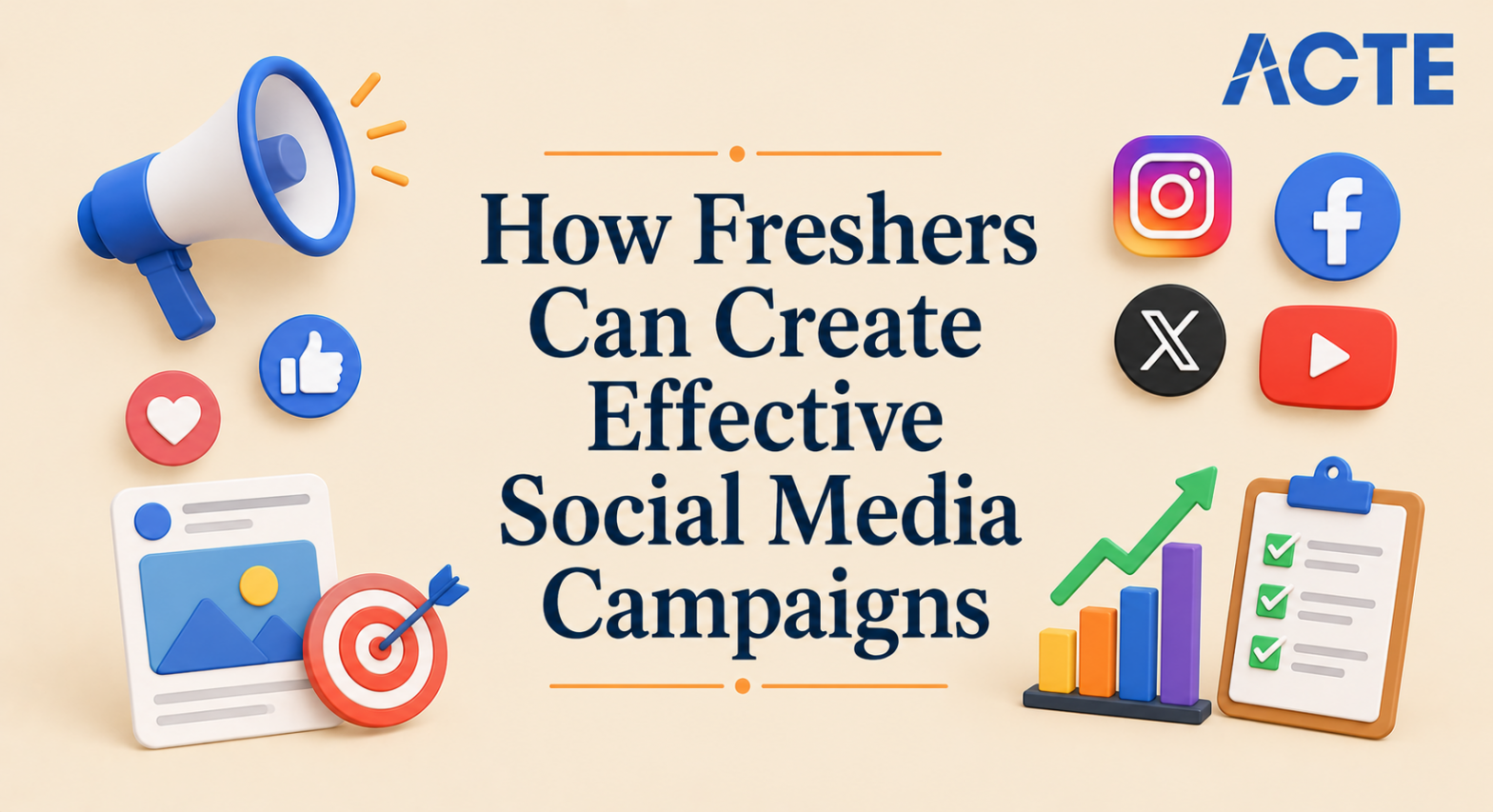
Last updated on 11th Jun 2026| 13951

- Introduction to Social Media Campaigns
- Understanding Social Media Campaign Goals
- Identifying and Researching the Target Audience
- Choosing the Right Social Media Platforms
- Planning a Social Media Content Strategy
- Creating Engaging and Shareable Content
- Managing Social Media Advertising Campaigns
- Monitoring Campaign Performance and Analytics
- Building a Portfolio Through Social Media Projects
- Conclusion: Launching Successful Social Media Campaigns as a Fresher
Introduction to Social Media Campaigns
Social media campaigns are organized marketing efforts designed to achieve specific business objectives through social media platforms. These campaigns may focus on increasing brand awareness, generating leads, promoting products, driving website traffic, or improving customer engagement. Unlike regular social media posting, campaigns are planned around clear goals, targeted audiences, and measurable outcomes and Digital Marketing Training. Businesses use platforms such as Facebook, Instagram, LinkedIn, X, and YouTube to deliver consistent messages and encourage audience interaction. Successful campaigns combine strategic planning, creative content, audience targeting, and performance measurement. For freshers entering digital marketing, understanding how social media campaigns work is an essential skill because businesses increasingly rely on social media to connect with customers and achieve marketing objectives. Learning campaign fundamentals helps beginners create impactful marketing initiatives and build practical experience in digital marketing.
Understanding Social Media Campaign Goals
Every successful social media campaign begins with clearly defined goals that guide planning, execution, and performance measurement. Campaign goals may include increasing brand awareness, generating leads, boosting website traffic, improving audience engagement, promoting events, or driving sales. Establishing specific and measurable objectives helps marketers determine the most appropriate content, platforms, audience targeting methods, and performance metrics in Digital Marketing Training. For example, a campaign focused on brand awareness may prioritize reach and impressions, while a lead generation campaign may focus on conversions and form submissions. Well-defined goals also help teams allocate resources effectively and evaluate campaign success accurately. Understanding campaign objectives enables freshers to develop focused marketing strategies, align activities with business needs, and create campaigns that deliver meaningful and measurable results.
Ready to Get Certified in Digital Marketing? Explore the Program Now Digital Marketing Online Training Offered By ACTE Right Now!
Identifying and Researching the Target Audience
Target audience research is a critical step in creating effective social media campaigns because it helps marketers understand who they are trying to reach. Audience research involves analyzing demographics, interests, behaviors, online activities, purchasing habits, and customer needs. This information allows marketers to create content that resonates with specific groups and increases engagement and Digital Marketing Projects Guide. Social media platforms provide valuable audience insights that help businesses understand user preferences and interactions. By identifying audience characteristics, marketers can choose suitable platforms, develop relevant messaging, and create personalized experiences. Effective audience research improves campaign relevance, enhances customer engagement, and increases the likelihood of achieving campaign objectives. For freshers, learning audience analysis skills is essential because successful social media marketing depends on delivering the right message to the right audience at the right time.
To Explore Digital Marketing in Depth, Check Out Our Comprehensive Digital Marketing Training To Gain Insights From Our Experts!
Choosing the Right Social Media Platforms
Selecting the right social media platforms is essential for maximizing campaign effectiveness and reaching the intended audience. Different platforms attract different user demographics and support various content formats. For example, Instagram is popular for visual content, LinkedIn is ideal for professional networking and B2B marketing, Facebook supports community engagement, and YouTube focuses on video content and Skills in Digital Marketing. Businesses should evaluate platform features, audience demographics, and campaign goals before deciding where to invest their marketing efforts. Using the most appropriate platforms helps improve engagement, increase visibility, and optimize marketing resources. Freshers should understand the strengths and limitations of each platform to create targeted campaigns that align with audience preferences and business objectives. Strategic platform selection contributes significantly to campaign success and overall marketing performance.

Planning a Social Media Content Strategy
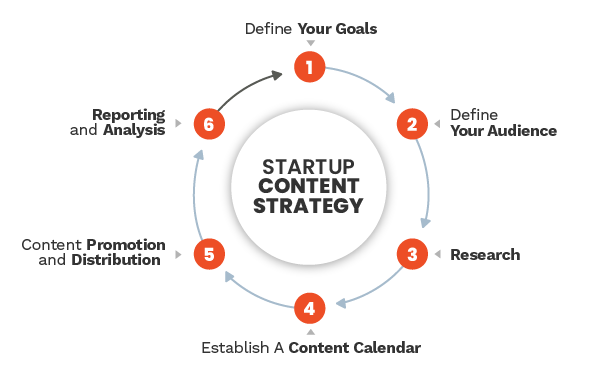
A social media content strategy serves as a roadmap for creating, organizing, and publishing content that supports campaign objectives. It involves defining content themes, identifying target audiences, selecting content formats, establishing posting schedules, and aligning messaging with business goals. Effective content strategies balance educational, promotional, entertaining, and interactive content to maintain audience interest and encourage engagement.
Looking to Master Digital Marketing? Discover the Digital Marketing Expert Masters Program Training Course Available at ACTE Now!
Creating Engaging and Shareable Content
- Understanding Engaging Content: Engaging content captures audience attention and encourages interaction through likes, comments, shares, and discussions. It provides value by educating, entertaining, inspiring, or addressing audience needs effectively.
- Creating Valuable and Relevant Content: Relevant content addresses audience interests, challenges, and goals in PPC in Digital Marketing. Valuable information helps build trust, improve engagement, strengthen brand authority, and encourage long-term audience relationships.
- Using Visual Content Effectively: High-quality images, videos, graphics, and infographics improve content appeal and communication. Visual content attracts attention quickly and increases engagement across social media platforms.
- Writing Compelling Captions: Captions support visual content by providing context, encouraging interaction, and delivering key messages and Examples of digital marketing. Strong captions improve engagement and motivate audiences to take desired actions.
- Benefits of Shareable Content: Shareable content expands organic reach, increases brand visibility, attracts new audiences, improves engagement rates, and helps businesses grow their online communities effectively.
Managing Social Media Advertising Campaigns
- Understanding Social Media Advertising: Social media advertising allows businesses to promote products, services, and content through paid campaigns. It helps reach targeted audiences and achieve marketing objectives more efficiently.
- Audience Targeting Strategies: Targeting enables advertisers to reach users based on demographics, interests, behaviors, location, and online activities. Effective targeting improves campaign relevance and advertising performance.
- Creating Effective Advertisements: Successful advertisements use compelling visuals, persuasive messaging, and strong calls to action and learn more in Digital Marketing Funnal What Is it. Well-designed ads attract attention and encourage users to engage with the brand.
- Budget Management and Optimization: Managing advertising budgets involves setting spending limits, monitoring costs, and optimizing campaigns. Proper budget allocation helps maximize return on investment and campaign effectiveness.
- Benefits of Social Media Advertising: Social media advertising increases brand awareness, generates leads, drives website traffic, improves conversions, and delivers measurable marketing results.
Preparing for Digital Marketing Job Interviews? Have a Look at Our Blog on Digital Marketing Interview Questions and Answers To Ace Your Interview!
Monitoring Campaign Performance and Analytics
- Understanding Social Media Analytics: Analytics provide valuable insights into audience behavior, content performance, and campaign effectiveness. Marketers use data to make informed decisions and improve strategies.
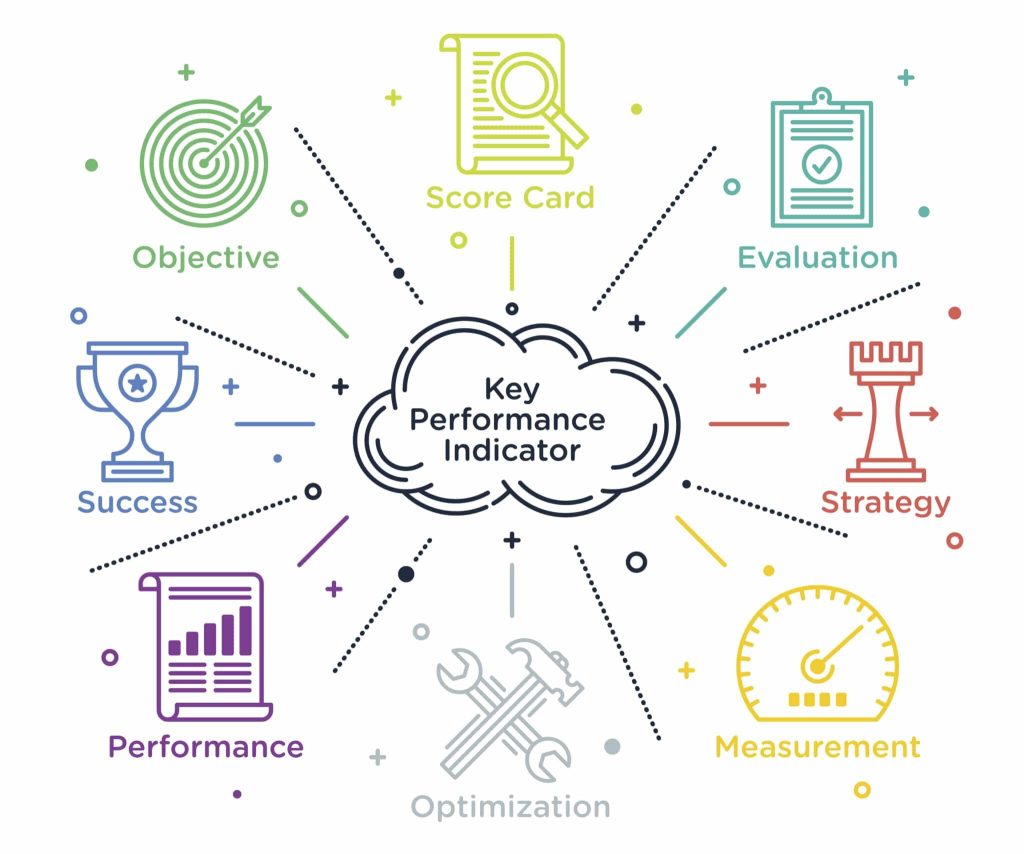
- Tracking Key Performance Indicators: Key metrics include reach, impressions, engagement, click-through rates, conversions, and follower growth. Monitoring these indicators helps evaluate campaign success accurately.
- Analyzing Audience Engagement: Engagement analysis focuses on likes, comments, shares, saves, and interactions. Understanding audience responses helps marketers identify successful content and improve future campaigns.
- Using Analytics Tools: Social media platforms provide built-in analytics tools that help marketers track performance, measure results, and generate detailed reports for decision-making for more visit SEO Backlinks Explained.
- Benefits of Performance Monitoring: Regular monitoring improves campaign effectiveness, enhances audience understanding, supports optimization efforts, and helps achieve better marketing outcomes.
Building a Portfolio Through Social Media Projects
- Creating Practice Campaigns: Freshers can build experience by developing sample social media campaigns that demonstrate content planning, audience targeting, engagement strategies, and campaign management skills and Digital Marketing Training.
- Showcasing Content Creation Skills: A portfolio should include examples of social media posts, graphics, videos, content calendars, and campaign concepts that highlight creativity and marketing expertise.
- Documenting Campaign Results: Including performance metrics, engagement improvements, and campaign outcomes demonstrates analytical abilities and helps employers evaluate practical marketing skills.
- Participating in Freelance and Internship Projects: Freelance assignments and internships provide real-world experience and valuable portfolio content then Mobile App Marketing Guide. Practical projects help freshers develop industry-relevant skills and confidence.
Conclusion: Launching Successful Social Media Campaigns as a Fresher
Creating successful social media campaigns requires a combination of strategic planning, audience understanding, creative content development, advertising knowledge, and performance analysis. Throughout this guide, we explored the essential steps involved in building effective social media campaigns, including setting clear goals, identifying target audiences, selecting suitable platforms, developing content strategies, creating engaging content, managing advertising campaigns, and tracking performance metrics in Digital Marketing Training. Each of these elements plays an important role in ensuring campaign success and achieving marketing objectives. For freshers, learning how to plan and execute social media campaigns provides valuable practical skills that are highly sought after in the digital marketing industry. Building hands-on experience through personal projects, internships, and portfolio development helps strengthen professional capabilities and improve employability. As businesses continue to invest in social media marketing, professionals who understand campaign management and audience engagement will remain in high demand. By continuously learning, analyzing results, and applying best practices, freshers can confidently launch successful social media campaigns and build rewarding careers in digital marketing.