LMS
LMS
Last updated on 13th Jun 2026| 14157

- Introduction to Google Ads
- Understanding the Google Ads Ecosystem
- Creating a Google Ads Account and Campaign Setup
- Keyword Research and Target Audience Selection
- Writing Effective Ad Copy and Creating Ads
- Understanding Bidding Strategies and Budget Management
- Ad Extensions and Campaign Optimization Techniques
- Monitoring Campaign Performance and Analytics
- Common Google Ads Best Practices for Freshers
- Conclusion: Building a Successful Career with Google Ads Skills
Introduction to Google Ads
Google Ads is Google’s online advertising platform that allows businesses to promote products, services, and websites across Google Search, YouTube, Google Display Network, and partner websites. It operates on a pay-per-click (PPC) model, where advertisers pay when users interact with their ads. Google Ads helps businesses reach potential customers who are actively searching for relevant products or services. The platform offers various campaign types, including Search, Display, Video, Shopping, and App campaigns, enabling businesses to achieve different marketing objectives in Digital Marketing Training. One of the key advantages of Google Ads is its ability to target specific audiences based on keywords, demographics, locations, interests, and online behavior. For freshers entering digital marketing, learning Google Ads is valuable because it is one of the most widely used digital advertising platforms globally. Understanding its fundamentals provides a strong foundation for creating effective advertising campaigns and building a successful career in performance marketing.
Understanding the Google Ads Ecosystem
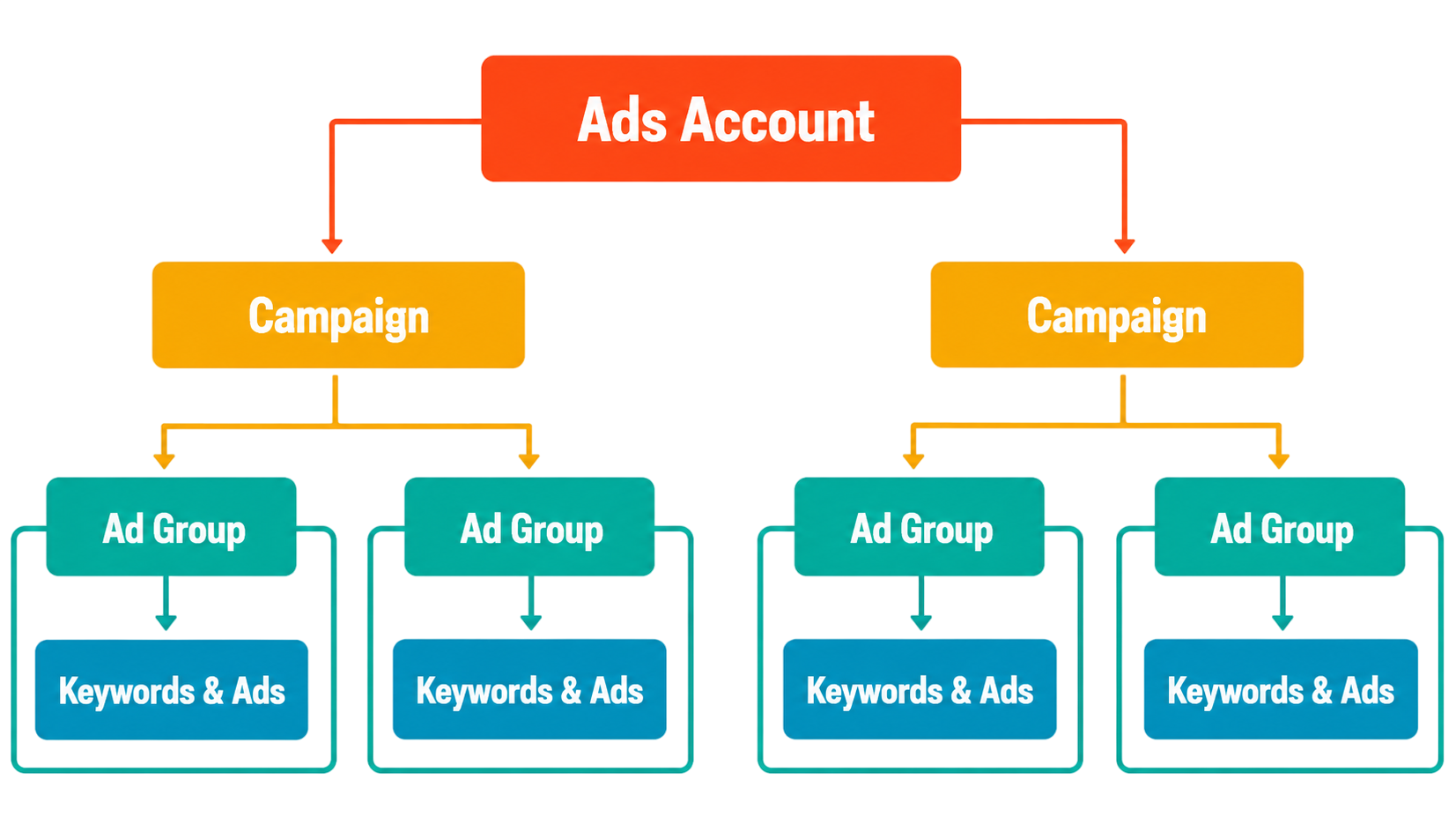
The Google Ads ecosystem consists of multiple components that work together to help advertisers reach their target audience and achieve marketing goals. The ecosystem includes advertisers, users, keywords, ad auctions, bidding systems, campaigns, ad groups, and performance tracking tools in our Digital Marketing Training. Advertisers create campaigns and select keywords that match user search intent. When users search for relevant terms, Google conducts an ad auction to determine which ads will appear based on factors such as bid amount, ad quality, and relevance. The ecosystem also includes the Google Display Network, YouTube advertising, Shopping Ads, and remarketing capabilities that allow businesses to connect with audiences across different platforms. Understanding how these elements interact helps marketers create more effective campaigns, optimize performance, and maximize return on investment. For beginners, learning the Google Ads ecosystem is essential for understanding how digital advertising works and how businesses use paid marketing to drive growth.
Ready to Get Certified in Digital Marketing? Explore the Program Now Digital Marketing Online Training Offered By ACTE Right Now!
Creating a Google Ads Account and Campaign Setup
Creating a Google Ads account is the first step toward launching advertising campaigns and reaching potential customers online. The setup process begins by creating a Google Ads account, defining campaign objectives, selecting campaign types, and configuring account settings. Advertisers must choose goals such as website traffic, lead generation, sales, brand awareness, or app promotion. Once objectives are established, marketers select target locations, languages, audience settings, bidding strategies, and daily budgets. Campaigns are then organized into ad groups containing related keywords and advertisements. Proper campaign structure improves relevance, simplifies management, and enhances overall performance. During setup, advertisers also configure conversion tracking to measure campaign success accurately. A well-organized Google Ads account provides a strong foundation for optimization, performance analysis, and long-term advertising success. For freshers, understanding campaign setup is a critical skill that enables them to create, manage, and improve digital advertising campaigns effectively.
Keyword Research and Target Audience Selection
- Understanding Keyword Research: Keyword research is the process of identifying the search terms and phrases that potential customers use on Google. It helps advertisers understand user intent and select relevant keywords that align with business goals. Effective keyword research improves ad visibility, increases click-through rates, and helps attract qualified traffic to websites or landing pages.
- Identifying High-Value Keywords: High-value keywords are search terms that have strong relevance to a business’s products or services and the potential to generate conversions and Digital Marketing Roadmap for Freshers. Advertisers analyze search volume, competition levels, and user intent when selecting keywords. Choosing the right keywords helps improve campaign performance and ensures advertising budgets are used efficiently.
- Understanding Target Audience Characteristics: Target audience selection involves identifying the demographics, interests, behaviors, and preferences of potential customers. Understanding audience characteristics helps advertisers create more relevant campaigns and deliver messages that resonate with users. Proper audience analysis improves engagement, click-through rates, and conversion opportunities.
- Audience Targeting Methods: Google Ads provides multiple targeting options including demographics, geographic locations, interests, devices, and online behavior. These targeting methods help advertisers reach specific groups of users who are more likely to be interested in their products or services. Effective targeting increases campaign efficiency and improves return on investment.
- Benefits of Effective Research and Targeting: Effective keyword research and audience targeting help businesses reach the right customers at the right time and Understanding Importance Of Digital Marketing. They improve ad relevance, increase conversion rates, reduce wasted advertising spend, and support better campaign performance. Proper planning creates a strong foundation for successful Google Ads campaigns.

Writing Effective Ad Copy and Creating Ads
- Understanding Ad Copy Fundamentals: Ad copy is the text used in advertisements to attract attention and encourage users to take action. Effective ad copy communicates value clearly, highlights benefits, and addresses customer needs. Strong messaging helps improve engagement and increases the likelihood of ad clicks and conversions.
- Writing Attention-Grabbing Headlines: Headlines are the first elements users notice in an advertisement. A compelling headline captures attention, includes relevant keywords, and clearly communicates the main benefit or offer. Strong headlines improve click-through rates and contribute significantly to campaign success.
- Creating Persuasive Descriptions: Ad descriptions provide additional information about products, services, or offers and Learn Dropshipping. They should highlight unique selling points, solve customer problems, and encourage action. Well-written descriptions help build interest and motivate users to learn more about the business.
- Using Effective Calls to Action: Calls to Action (CTAs) guide users toward specific actions such as visiting a website, signing up, making a purchase, or requesting information and How to Increase Organic Traffic to SEO Techniques. Clear and persuasive CTAs improve conversion rates by encouraging users to respond immediately to advertisements.
- Benefits of High-Quality Ad Creation: Well-crafted ads improve visibility, increase click-through rates, attract qualified leads, and enhance campaign performance. Effective ad creation helps businesses communicate value clearly and achieve better results from their advertising investments.
- Introduction to Google Ads Bidding: Bidding is the process of setting the maximum amount an advertiser is willing to pay for clicks, impressions, or conversions. Google Ads uses bidding strategies to determine when and where ads appear during the advertising auction process.
- Types of Bidding Strategies: Google Ads offers various bidding strategies such as Manual CPC, Maximize Clicks, Target CPA, Target ROAS, and Maximize Conversions. Each strategy supports different campaign objectives and helps advertisers achieve specific marketing goals more effectively.
- Setting and Managing Budgets: Budget management involves allocating advertising funds based on campaign goals, audience size, and expected performance in Understanding Marketing Mangement . Proper budget planning ensures campaigns run efficiently while controlling costs and maximizing marketing results.
- Monitoring Bid Performance: Advertisers regularly monitor bidding performance to evaluate costs, clicks, conversions, and return on investment. Performance analysis helps identify opportunities for optimization and supports better decision-making throughout the campaign lifecycle.
- Benefits of Effective Budget Management: Effective bidding and budget management help maximize advertising efficiency, improve return on investment, control spending, and achieve campaign objectives. Proper financial planning ensures sustainable and successful Google Ads performance over time.
To Explore Digital Marketing in Depth, Check Out Our Comprehensive Digital Marketing Training To Gain Insights From Our Experts!
Understanding Bidding Strategies and Budget Management
Excited to Obtaining Your Gen AI Certificate? View The Digital Marketing Training Offered By ACTE Right Now!
Ad Extensions and Campaign Optimization Techniques
Ad Extensions and Campaign Optimization Techniques play a crucial role in improving the effectiveness of Google Ads campaigns. Ad extensions provide additional information alongside advertisements, making them more informative, visible, and engaging for potential customers. Common extensions include sitelink extensions, call extensions, location extensions, callout extensions, and structured snippets, all of which help improve click-through rates and user experience.
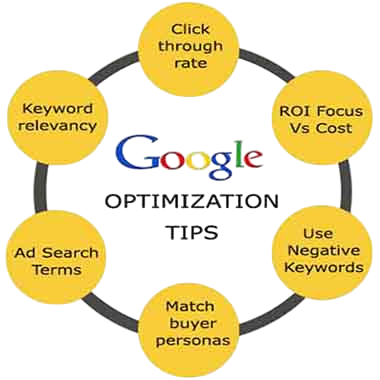
Campaign optimization involves continuously improving ad performance by analyzing campaign data, refining keywords, adjusting bids, testing ad variations, and enhancing audience targeting and Digital Marketing Mistakes You Must Avoid. Advertisers regularly review performance metrics to identify opportunities for improvement and maximize return on investment. Optimization also includes improving landing page experiences, removing underperforming keywords, and implementing A/B testing strategies. By effectively using ad extensions and optimization techniques, businesses can increase ad visibility, improve engagement, reduce advertising costs, and achieve better overall campaign performance.
Looking to Digital Marketing Training? Discover the Digital Marketing Expert Masters Program Training Course Available at ACTE Now!
Monitoring Campaign Performance and Analytics
Monitoring campaign performance is essential for understanding how Google Ads campaigns contribute to business objectives. Google Ads provides detailed analytics that allow advertisers to track key performance indicators such as impressions, clicks, click-through rates, conversion rates, cost-per-click, and return on ad spend. These metrics help marketers evaluate campaign effectiveness and identify areas for improvement. Analytics tools provide insights into audience behavior, keyword performance, device usage, geographic performance, and conversion trends. By regularly reviewing campaign data, advertisers can make informed decisions about budget allocation, keyword optimization, bidding strategies, and audience targeting and Digital Marketing is the future. Performance monitoring also helps identify underperforming ads and opportunities for growth. For freshers, understanding analytics is a critical skill because successful digital advertising relies heavily on data-driven decision-making. Consistent performance analysis enables businesses to improve results, maximize advertising efficiency, and achieve long-term marketing success.
Preparing for Digital Marketing Job Interviews? Have a Look at Our Blog on Digital Marketing Interview Questions and Answers To Ace Your Interview!
Common Google Ads Best Practices for Freshers
Freshers learning Google Ads should follow proven best practices to create effective campaigns and achieve better results. One of the most important practices is conducting thorough keyword research to ensure advertisements target relevant search queries. Campaigns should be organized into well-structured ad groups with closely related keywords and ads. Writing clear, compelling ad copy with strong calls to action helps improve engagement and click-through rates. Advertisers should also use ad extensions to provide additional information and increase ad visibility in our Digital Marketing Training. Regular performance monitoring and optimization are essential for identifying opportunities to improve campaign effectiveness. Freshers should test different ad variations, refine audience targeting, optimize landing pages, and continuously learn from campaign data. Maintaining a focus on relevance, user experience, and measurable objectives helps improve campaign outcomes. By following these best practices, beginners can build strong Google Ads skills and create successful advertising campaigns that deliver meaningful business results.
Conclusion: Building a Successful Career with Google Ads Skills
Google Ads has become one of the most important digital advertising platforms for businesses seeking to increase online visibility, generate leads, and drive sales. Throughout this guide, we explored the key components of Google Ads, including account setup, keyword research, audience targeting, ad creation, bidding strategies, campaign optimization, analytics, and industry best practices. These concepts provide a strong foundation for understanding how paid search advertising works and how businesses use it to achieve marketing goals. For freshers, learning Google Ads offers valuable career opportunities in digital marketing, performance marketing, search engine marketing, and online advertising in our Digital Marketing Training. As organizations continue investing in digital advertising, the demand for skilled Google Ads professionals continues to grow. Practical experience, continuous learning, certification programs, and hands-on campaign management can significantly improve career prospects. By developing expertise in Google Ads and applying data-driven optimization techniques, freshers can build rewarding careers while helping businesses achieve measurable growth through effective online advertising strategies.