LMS
LMS
Last updated on 13th Jun 2026| 14171

- Introduction to Digital Marketing Internships
- Understanding the Importance of Internships in Digital Marketing
- Identifying Your Career Interests in Digital Marketing
- Building Essential Digital Marketing Skills
- Creating a Strong Resume and LinkedIn Profile
- Building a Portfolio with Practical Projects
- Searching for Digital Marketing Internship Opportunities
- Preparing for Internship Interviews and Assessments
- Making the Most of Your Internship Experience
- Conclusion: Launching Your Digital Marketing Career Through Internships
Introduction to Digital Marketing Internships
Digital marketing internships provide aspiring professionals with an excellent opportunity to gain practical experience and understand how online marketing works in real business environments. An internship allows freshers to apply theoretical concepts learned through courses and certifications to actual marketing projects. Interns often assist with activities such as content creation, social media management, search engine optimization, email marketing, paid advertising, and performance analysis in our Digital Marketing Training. These experiences help build confidence, improve technical skills, and expose candidates to industry tools and workflows. Digital marketing internships also provide valuable networking opportunities by allowing freshers to interact with experienced professionals and industry experts. Since employers often prefer candidates with practical experience, internships can significantly improve employability and career prospects. For beginners, a digital marketing internship serves as an important first step toward building a successful career in the rapidly growing digital marketing industry.

Understanding the Importance of Internships in Digital Marketing
Internships play a crucial role in helping freshers transition from learning digital marketing concepts to applying them in real-world situations. They provide hands-on exposure to marketing campaigns, customer engagement strategies, analytics tools, and business objectives that cannot always be fully understood through classroom learning alone. Through internships, candidates learn how marketing teams collaborate, manage projects, analyze data, and optimize campaign performance. Internships also help develop essential workplace skills such as communication, teamwork, time management, and problem-solving. Employers often view internship experience as evidence that a candidate can adapt to professional environments and contribute effectively to marketing activities. In many cases, successful internships can lead to full-time job offers or valuable industry recommendations. Understanding the importance of internships helps freshers appreciate their role in building practical knowledge, professional confidence, and long-term career growth within the digital marketing field.
Ready to Get Certified in Digital Marketing? Explore the Program Now Digital Marketing Online Training Offered By ACTE Right Now!
Identifying Your Career Interests in Digital Marketing
Digital marketing offers a wide range of specialization areas, making it important for freshers to identify their interests before pursuing internship opportunities. Some individuals may enjoy Search Engine Optimization (SEO), while others may prefer content marketing, social media management, email marketing, paid advertising, web analytics, or marketing automation. Understanding personal strengths, interests, and career goals helps candidates focus their learning efforts and select internships that align with their aspirations in our Digital Marketing Training. Exploring different areas through online courses, certifications, personal projects, and industry research can provide valuable insights into each specialization. For example, creative individuals may enjoy content creation and social media marketing, while analytical thinkers may prefer performance marketing and data analysis. Identifying career interests early allows freshers to develop targeted skills, build relevant portfolios, and pursue internship opportunities that support long-term professional growth. A clear career direction helps maximize learning and increases the chances of securing meaningful internship experiences.
Building Essential Digital Marketing Skills
Before applying for internships, freshers should focus on developing essential digital marketing skills that employers commonly seek. These skills include search engine optimization, content creation, social media management, email marketing, keyword research, Google Ads, analytics, and basic marketing strategy development. Learning how to use industry tools such as Google Analytics, Google Ads, content management systems, and social media scheduling platforms can significantly improve internship prospects an Digital Marketing is the future.
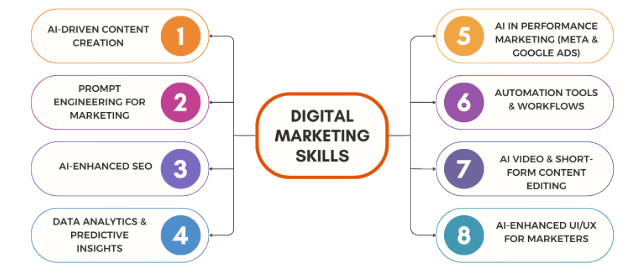
Practical experience is equally important, and freshers can gain it by creating personal blogs, managing social media pages, conducting SEO projects, or developing sample marketing campaigns. Strong communication, creativity, analytical thinking, and problem-solving abilities are also valuable in digital marketing roles. Employers often prefer candidates who demonstrate both theoretical knowledge and practical application of marketing concepts. By continuously improving their skills through learning, certifications, and hands-on projects, freshers can build a strong foundation that increases their chances of securing digital marketing internship opportunities and succeeding in professional environments.

Creating a Strong Resume and LinkedIn Profile
- Resume Structure and Formatting: A professional resume should clearly present education, certifications, skills, projects, and achievements. Clean formatting, proper headings, and concise content help recruiters quickly identify qualifications and assess suitability for internship opportunities.
- Highlighting Relevant Skills: Freshers should emphasize digital marketing skills such as SEO, social media marketing, content creation, email marketing, Google Ads, and analytics and Explaining Digital Marketing. Showcasing relevant abilities demonstrates preparedness for internship responsibilities and industry expectations.
- Showcasing Certifications and Projects: Including certifications and practical projects helps validate knowledge and commitment to learning. Recruiters often value candidates who demonstrate hands-on experience through completed marketing assignments, personal initiatives, and industry-recognized training programs.
- Optimizing LinkedIn Profiles: A strong LinkedIn profile should include a professional photo, compelling headline, detailed summary, certifications, projects, and skills and Digital Marketing Tools Explained. An optimized profile improves visibility and helps attract recruiters and potential internship opportunities.
- Building Professional Connections: Networking through LinkedIn allows freshers to connect with industry professionals, recruiters, mentors, and digital marketers. Building meaningful professional relationships can lead to internship referrals, learning opportunities, and valuable career guidance.
Searching for Digital Marketing Internship Opportunities
- Using Job Portals Effectively: Job platforms provide access to numerous internship opportunities and SEO Guide. Freshers should regularly search, filter relevant positions, and apply strategically to increase their chances of securing interviews and internship offers.
- Leveraging LinkedIn Job Searches: LinkedIn offers internship listings, recruiter connections, and networking opportunities. Consistent engagement on the platform can help candidates discover openings and build relationships with hiring professionals.
- Exploring Company Career Pages: Many organizations publish internship openings directly on their websites. Regularly checking company career pages helps freshers identify opportunities that may not be advertised on external job portals.
- Networking for Internship Referrals: Professional networking can significantly improve internship prospects. Referrals from industry contacts, mentors, instructors, and alumni often help candidates gain access to hidden opportunities and faster recruitment processes.
- Applying Strategically and Consistently: Successful internship searches require consistent effort and targeted applications and Crawl Budget Basics. Customizing resumes, writing personalized cover letters, and applying regularly improve visibility and increase the likelihood of receiving interview invitations.
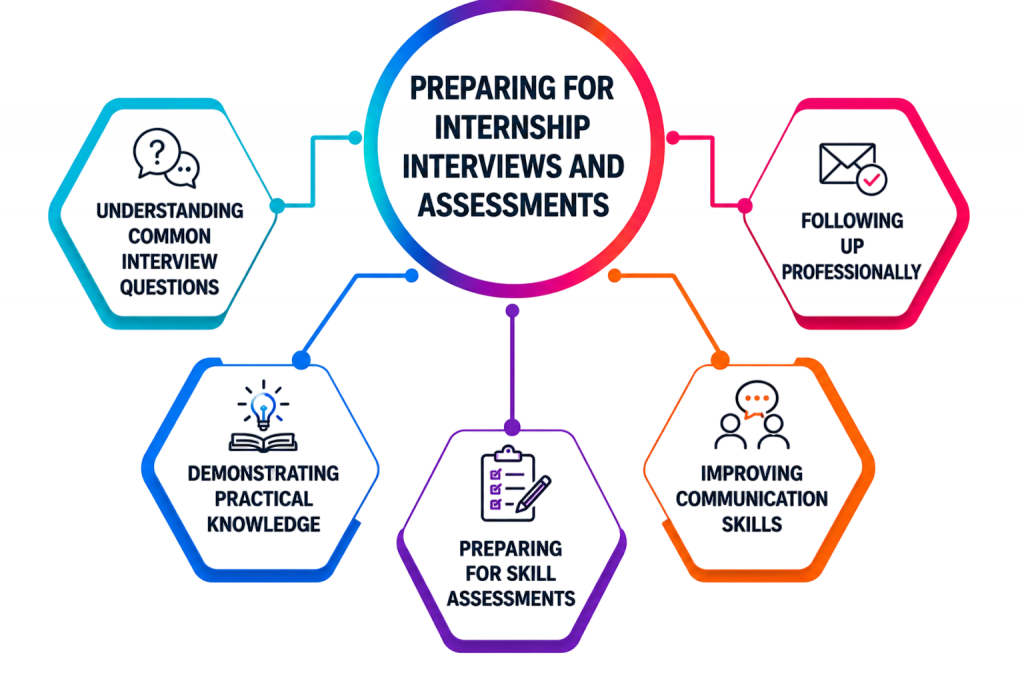
- Understanding Common Interview Questions: Freshers should prepare for questions about digital marketing concepts, career goals, projects, certifications, and practical knowledge. Preparation improves confidence and helps candidates communicate their skills effectively.
- Demonstrating Practical Knowledge: Interviewers often assess understanding through real-world scenarios and project discussions and Understanding Search Engine Marketing. Explaining practical experiences clearly helps showcase problem-solving abilities and readiness for internship responsibilities.
- Preparing for Skill Assessments: Some employers conduct assessments covering SEO, content creation, social media marketing, analytics, or advertising concepts. Practicing common tasks improves performance and increases selection chances.
- Improving Communication Skills: Strong communication is essential in digital marketing roles. Practicing clear, confident responses helps candidates express ideas effectively and create positive impressions during interviews.
- Following Up Professionally: Sending a professional follow-up message after interviews demonstrates enthusiasm and professionalism and Overview Of Google Analytics. It reinforces interest in the opportunity and helps maintain positive communication with potential employers.
- Creating Sample Marketing Campaigns: Developing sample campaigns for SEO, social media, email marketing, and paid advertising demonstrates practical understanding of digital marketing concepts. These projects help showcase creativity, strategy development, and execution capabilities.
- Developing Personal Blogging Projects: Running a personal blog allows freshers to practice content creation, SEO optimization, keyword research, and audience engagement. Blogging projects provide tangible evidence of marketing skills and content development experience.
- Managing Social Media Accounts: Creating and managing social media pages helps demonstrate content planning, audience engagement, branding, and performance tracking skills and Learn SEO Tools. Recruiters appreciate candidates who can show real-world social media marketing experience.
- Conducting SEO Case Studies: SEO case studies involve analyzing websites, identifying optimization opportunities, and presenting recommendations. These projects showcase analytical thinking, keyword research abilities, and understanding of search engine optimization principles.
- Presenting Portfolio Projects Professionally: A well-organized portfolio should clearly explain project objectives, strategies, implementation processes, and results. Professional presentation improves credibility and helps recruiters evaluate practical skills more effectively and leran more in Digital Marketing Roadmap for Freshers.
To Explore Digital Marketing in Depth, Check Out Our Comprehensive Digital Marketing Training To Gain Insights From Our Experts!
Preparing for Internship Interviews and Assessments
Excited to Obtaining Your Gen AI Certificate? View The Digital Marketing Training Offered By ACTE Right Now!
Making the Most of Your Internship Experience
A digital marketing internship provides valuable opportunities to gain practical knowledge, develop professional skills, and build industry experience. To maximize the benefits of an internship, freshers should actively participate in projects, ask questions, seek feedback, and take initiative when learning new tasks. Working closely with experienced professionals helps interns understand real-world marketing strategies, campaign management processes, and business objectives and Career in Digital Marketing. Interns should focus on developing technical skills such as SEO, social media marketing, content creation, email marketing, analytics, and paid advertising while also improving communication, teamwork, and problem-solving abilities. Maintaining a record of completed projects and measurable achievements can strengthen future job applications and portfolios. Networking with colleagues and mentors can also create valuable career opportunities. By approaching internships with enthusiasm, professionalism, and a willingness to learn, freshers can gain meaningful experience that significantly enhances their career prospects in digital marketing.
Looking to Digital Marketing Training? Discover the Digital Marketing Expert Masters Program Training Course Available at ACTE Now!
Building a Portfolio with Practical Projects
Making the Most of Your Internship Experience
A digital marketing internship provides valuable opportunities to gain practical knowledge, develop professional skills, and build industry experience. To maximize the benefits of an internship, freshers should actively participate in projects, ask questions, seek feedback, and take initiative when learning new tasks and Digital Marketing Training . Working closely with experienced professionals helps interns understand real-world marketing strategies, campaign management processes, and business objectives. Interns should focus on developing technical skills such as SEO, social media marketing, content creation, email marketing, analytics, and paid advertising while also improving communication, teamwork, and problem-solving abilities. Maintaining a record of completed projects and measurable achievements can strengthen future job applications and portfolios. Networking with colleagues and mentors can also create valuable career opportunities and . By approaching internships with enthusiasm, professionalism, and a willingness to learn, freshers can gain meaningful experience that significantly enhances their career prospects in digital marketing.
Preparing for Digital Marketing Job Interviews? Have a Look at Our Blog on Digital Marketing Interview Questions and Answers To Ace Your Interview!
Conclusion: Launching Your Digital Marketing Career Through Internships
Digital marketing internships serve as an important bridge between learning and professional employment. Throughout this guide, we explored the importance of internships, career specialization areas, skill development, resume building, portfolio creation, internship searches, and interview preparation. Each of these steps contributes to building a strong foundation for success in the digital marketing industry and Digital Marketing Training . Internships provide hands-on experience, industry exposure, and valuable networking opportunities that help freshers develop confidence and practical expertise. As businesses continue to expand their digital presence, the demand for skilled digital marketing professionals remains strong across industries. By continuously learning, gaining practical experience, earning certifications, and actively participating in internship opportunities, freshers can improve their employability and career growth potential. With dedication, curiosity, and consistent effort, aspiring marketers can successfully launch their digital marketing careers and build rewarding professional journeys through meaningful internship experiences.