LMS
LMS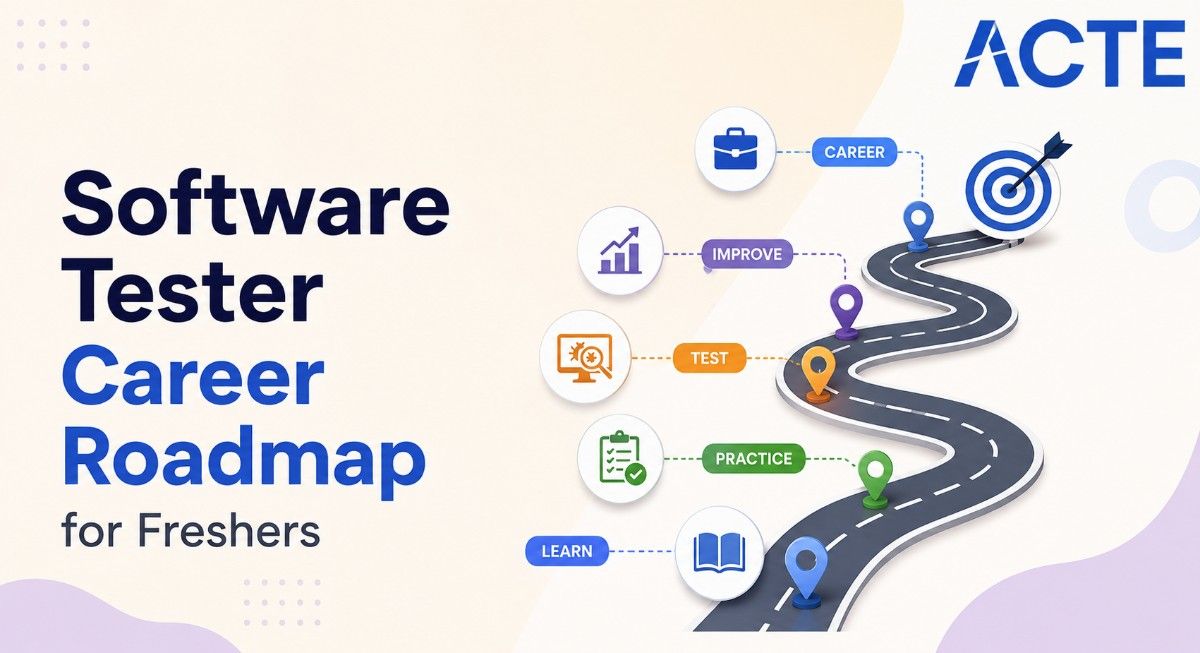
Last updated on 17th Aug 2026| 11406

- Introduction to the Software Tester Career Roadmap
- Learn Software Testing Fundamentals and Concepts
- Develop Manual Testing Skills and Practical Knowledge
- Learn Test Automation Tools and Frameworks
- Build Skills in API and Database Testing
- Master Essential Software Testing Tools
- Build Testing Projects and Earn Relevant Certifications
- Prepare for Software Testing Interviews and Job Opportunities
- Conclusion: Starting a Successful Software Testing Career
Introduction to the Software Tester Career Roadmap
Starting a career as a Software Tester can be a suitable option for freshers who are interested in software quality, problem-solving, and technology. A Software Tester is responsible for evaluating applications, identifying defects, validating functionality, and ensuring that software meets business and user requirements. Freshers can begin their journey by learning software testing fundamentals, including SDLC, STLC, test cases, test scenarios, defect life cycle, and different testing methodologies. Those who want structured training and practical guidance can explore the Software Testing Course to strengthen their testing skills. Developing practical knowledge of manual testing, automation testing, API testing, database testing, and commonly used testing tools can further strengthen their technical profile. Candidates can gain hands-on experience by working on academic, personal, or real-world testing projects and documenting their test cases and defect reports. Building knowledge of tools such as Jira, Selenium, Postman, Git, and SQL can also improve job readiness. Along with technical skills, communication, analytical thinking, attention to detail, and problem-solving abilities are important for working effectively with developers and QA teams. This Software Tester Career Roadmap for Freshers explains the key skills, tools, projects, certifications, and interview preparation steps beginners can follow to build a successful career in software testing.
Learn Software Testing Fundamentals and Concepts
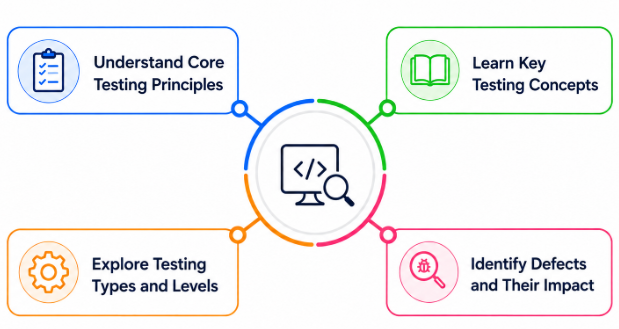
- Understand Software Testing Basics: Learn the purpose of software testing and how it helps identify defects, verify requirements, improve software quality, and ensure applications meet user expectations. A strong foundation can be developed by exploring the Software Tester Career Roadmap to understand the skills and stages involved in beginning a testing career.
- Learn SDLC and STLC: Understand the Software Development Life Cycle and Software Testing Life Cycle to learn how testing activities are planned, executed, documented, and completed throughout a project.
- Study Testing Types: Learn functional and non-functional testing along with important techniques such as unit testing, integration testing, system testing, acceptance testing, regression testing, smoke testing, and sanity testing.
- Understand Test Cases and Scenarios: Practice creating test scenarios and detailed test cases with test steps, test data, expected results, and actual results based on application requirements.
- Learn the Defect Life Cycle: Understand how defects are identified, documented, assigned, fixed, retested, verified, and closed using a structured defect management process.
- Develop Practical Testing Knowledge: Practice testing websites and applications to identify functional issues, document defects, execute test cases, and understand how testers collaborate with developers and other project teams.
Get Your Software Testing Certification by Learning from Industry-Leading Experts and Advancing Your Career with ACTE’s Software Testing Course.
Develop Manual Testing Skills and Practical Knowledge
- Learn Test Case Design: Practice creating clear test cases based on application requirements. Include test steps, test data, expected results, and actual results to systematically validate software functionality.
- Practice Test Execution: Execute test cases manually and compare actual application behavior with expected results. Document successful and failed test cases accurately for further analysis.
- Work on Practical Testing Projects: Test real-world or academic applications to gain hands-on experience in executing test cases, identifying bugs, validating features, and preparing testing documentation. Learners looking to strengthen these practical skills can also explore the Software Testing Course for structured training and hands-on learning.
- Understand Testing Techniques: Gain practical knowledge of techniques such as equivalence partitioning, boundary value analysis, exploratory testing, regression testing, smoke testing, and sanity testing.
- Develop Defect Reporting Skills: Learn how to identify, document, and report software defects with clear reproduction steps, severity, priority, screenshots, and relevant environment details.
- Use Bug Tracking Tools: Practice working with tools such as Jira or Bugzilla to create, assign, track, update, and close defects throughout the testing process.

Learn Software Testing Training Course to Build Your Skills
Weekday / Weekend BatchesSee Batch DetailsLearn Test Automation Tools and Frameworks
- Understand Test Automation Fundamentals: Learn how automated testing uses scripts and testing tools to execute repetitive test cases efficiently, reduce manual effort, and improve testing consistency.
- Learn Selenium: Develop basic Selenium skills for automating web applications. Practice locating elements, performing browser actions, validating results, and creating reusable automated test scripts. Beginners can strengthen their automation knowledge with the Best Selenium Tutorial.
- Explore Playwright and Cypress: Understand modern automation tools such as Playwright and Cypress for testing web applications, handling browser interactions, and validating different user workflows.
- Learn a Programming Language: Develop basic programming knowledge in Java, Python, or JavaScript to create automation scripts, work with testing frameworks, and handle test data effectively.
- Understand Automation Frameworks: Learn concepts such as Page Object Model, reusable components, test data management, assertions, reporting, and test suite organization to build maintainable automation frameworks.
- Practice Automation Projects: Create automated test scripts for websites or applications to gain practical experience with test execution, reporting, debugging, and maintaining automation code.
Build Skills in API and Database Testing
- Understand API Testing Fundamentals: Learn how APIs enable communication between different software components and understand how testers validate API functionality, reliability, data flow, and responses. Understanding Agile Methodologies and Principles can also help testers understand how API testing fits into iterative software development.
- Learn HTTP Methods and Status Codes: Practice working with GET, POST, PUT, PATCH, and DELETE requests along with common HTTP status codes to understand how APIs communicate with clients and servers.
- Practice API Testing with Postman: Use Postman to create API requests, validate responses, check request parameters, verify headers, and organize API collections for systematic testing.
- Learn API Authentication: Understand authentication methods such as API keys, tokens, and basic authentication to test secured endpoints and verify authorized and unauthorized access.
- Develop SQL Skills: Learn SQL queries, joins, filtering, sorting, grouping, subqueries, and basic database operations to validate application data during testing.
- Practice Database Validation: Compare application results with database records to identify data inconsistencies, verify transactions, and ensure that information is stored and retrieved correctly.

Get JOB Oriented Software TestingI Training for Beginners By MNC Experts
- Instructor-led Sessions
- Real-life Case Studies
- Assignments
Master Essential Software Testing Tools
- Learn Jira for Defect Management: Understand how to create, assign, prioritize, track, and close defects using Jira while collaborating with developers and QA team members.
- Practice Selenium for Automation: Learn the basics of Selenium for automating web applications, creating test scripts, locating elements, and validating application functionality.
- Use Postman for API Testing: Practice sending API requests, validating responses, checking status codes, testing authentication, and organizing API collections using Postman.
- Practice Tools Through Projects: Apply testing tools in practical projects to gain hands-on experience with defect tracking, automation, API validation, version control, and test documentation. Learners can further strengthen their practical knowledge through a Software Testing Course focused on essential testing tools and real-world practices.
- Learn Git and GitHub: Understand version control concepts, repositories, branches, commits, pull requests, and collaboration workflows to manage testing scripts and project files effectively.
- Explore Test Management Tools: Gain familiarity with tools used to create test cases, organize test suites, record execution results, and monitor overall testing activities.
Want to Master Software Testing? Explore the Software Testing Master Program Offered at ACTE Today!
Build Testing Projects and Earn Relevant Certifications
- Build Practical Testing Projects: Work on real-world or academic applications to create test scenarios, write test cases, execute tests, identify defects, and document testing results.
- Create Manual Testing Projects: Practice functional, regression, smoke, sanity, integration, and exploratory testing on web or mobile applications to demonstrate practical testing knowledge.
- Develop Automation Testing Projects: Build automation scripts using tools such as Selenium, Playwright, or Cypress and showcase test execution, reporting, debugging, and reusable test components.
- Practice API and Database Testing: Create projects involving Postman API testing and SQL database validation to demonstrate your ability to verify backend services and application data.
- Build a Testing Portfolio: Maintain project documentation, test cases, defect reports, automation scripts, and testing results on GitHub to provide recruiters with evidence of your practical skills. Following an Agile Value Stream Mapping approach can also help demonstrate how testing activities contribute to delivering quality software efficiently.
- Earn Relevant Certifications: Consider software testing certifications that validate your knowledge of testing principles, quality assurance practices, automation, or specialized testing technologies.
- Highlight Projects on Your Resume: Clearly describe the application tested, testing techniques used, tools applied, defects identified, and outcomes achieved to demonstrate practical experience to employers.
Want to Learn About Software Testing? Explore Our Software Testing Interview Questions and Answers Featuring the Most Frequently Asked Questions in Job Interviews.
Prepare for Software Testing Interviews and Job Opportunities
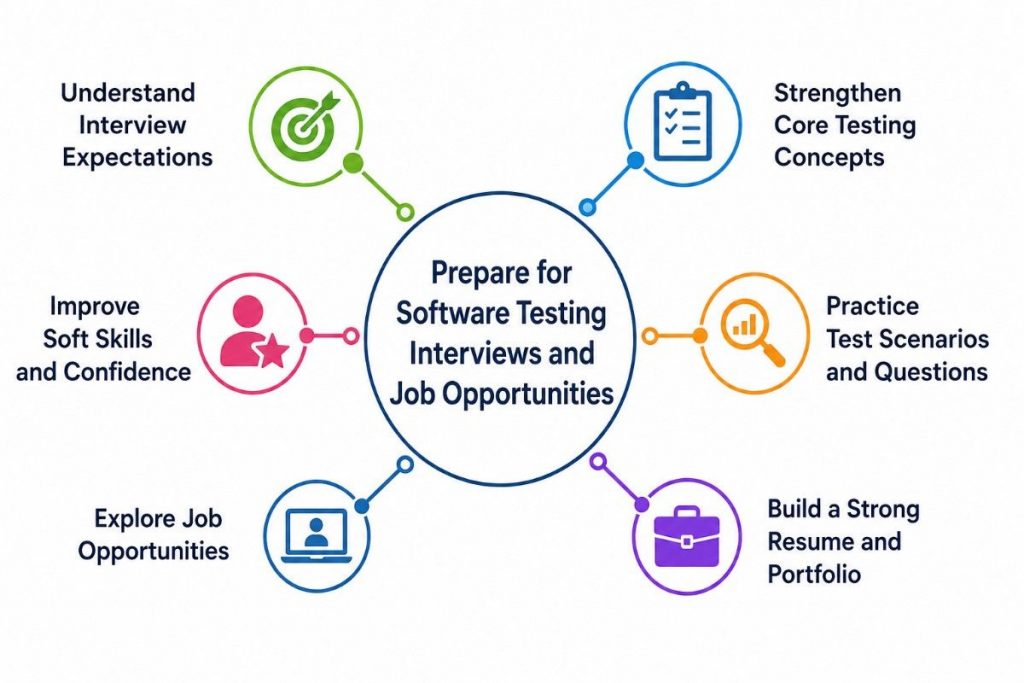
Freshers preparing for Software Tester jobs should develop both technical knowledge and interview confidence. Start by revising software testing fundamentals such as SDLC, STLC, testing types, test case design, defect life cycle, severity, priority, and common testing methodologies. Practice practical questions related to manual testing, automation testing, API testing, SQL, and commonly used tools such as Jira, Selenium, Postman, and Git. Candidates should also prepare for scenario-based questions that evaluate their ability to identify defects, design test cases, handle unexpected application behavior, and communicate issues with development teams. Building and explaining practical testing projects can help demonstrate hands-on knowledge during interviews.
Conclusion: Starting a Successful Software Testing Career
Starting a Software Tester career as a fresher requires a combination of strong testing fundamentals, practical experience, technical skills, and continuous learning. Beginners should start by understanding SDLC, STLC, test cases, testing methodologies, defect management, and manual testing concepts before progressing toward automation, API, and database testing. Learning tools such as Selenium, Postman, Jira, Git, and SQL can help candidates develop practical skills that are relevant to modern QA environments. Building real-world testing projects and maintaining a professional portfolio can provide valuable evidence of hands-on experience when applying for jobs. Freshers can further strengthen their profiles by earning relevant certifications, preparing an ATS-friendly resume, and practicing technical and scenario-based interview questions. Candidates who want to develop these skills through structured, practical training can also explore a Software Testing Course. Along with technical knowledge, communication, analytical thinking, attention to detail, teamwork, and problem-solving abilities are important for long-term success in software testing. As technology continues to evolve, testers should stay updated with automation, Agile practices, CI/CD, cloud technologies, and emerging testing approaches. By following a structured Software Tester Career Roadmap for Freshers, consistently improving technical abilities, and gaining practical experience, aspiring testers can build a strong foundation and pursue rewarding opportunities in software testing and quality assurance.