LMS
LMS
Last updated on 27th Jun 2026| 4687

- Introduction to Internship Preparation
- Understanding the Internship Application Process
- Building a Strong Resume and Cover Letter
- Creating an Impressive LinkedIn Profile and Online Portfolio
- Developing In-Demand Skills Employers Look For
- Finding Internship Opportunities Through the Right Platforms
- Preparing for Internship Assessments and Interviews
- Networking Strategies to Increase Internship Opportunities
- Common Internship Application Mistakes to Avoid
- Conclusion: Successfully Securing Your Dream Internship
Introduction to Internship Preparation
Internship preparation is the first step toward building a successful career and gaining valuable industry experience. A well-planned preparation strategy helps students and fresh graduates develop the technical knowledge and professional confidence required to secure competitive internship opportunities. Preparation begins by identifying career interests, understanding job requirements, and learning relevant technologies or domain-specific skills. Candidates interested in analytics and AI careers can strengthen their foundation through Data Science Training, which provides practical knowledge and industry-relevant skills. Candidates should also focus on improving communication, problem-solving, teamwork, and time management abilities, as these qualities are highly valued by employers. Creating a professional resume, building a portfolio, earning certifications, and completing practical projects further strengthen an internship application. Researching companies, practicing aptitude and technical questions, and preparing for interviews are equally important. Consistent learning through online courses, workshops, hackathons, and internships helps candidates stay updated with industry trends. By investing time in structured internship preparation, students can significantly improve their employability, gain real-world exposure, and build a strong foundation for long-term career growth in their chosen field.
Understanding the Internship Application Process
The internship application process consists of several stages that help employers identify suitable candidates for available positions. It usually begins with searching for internship opportunities through company career pages, job portals, university placement cells, and professional networking platforms. Candidates must carefully review eligibility criteria, required skills, and job descriptions before applying. A complete application generally includes a well-structured resume, a customized cover letter, academic details, project information, certifications, and portfolio links. After the application is submitted, shortlisted candidates may undergo online aptitude tests, coding assessments, technical evaluations, or assignment-based screening depending on the role. Successful applicants are then invited for one or more interview rounds, including technical and HR interviews. Employers assess communication skills, technical knowledge, problem-solving ability, learning attitude, and cultural fit before making the final selection. Proper Data Science Interview Preparation helps candidates understand the required skills, improve confidence, and get ready for different stages of the internship selection process. Understanding each stage of the application process helps candidates prepare effectively, avoid common mistakes, and improve their chances of securing valuable internship opportunities.
Get Your Data Science Certification by Learning from Industry-Leading Experts and Advancing Your Career with ACTE’s Gen AI Course.
Building a Strong Resume and Cover Letter
A well-crafted resume and cover letter play a crucial role in making a positive first impression during the internship selection process. An effective resume should clearly present academic qualifications, technical skills, certifications, internships, projects, achievements, and relevant extracurricular activities in a concise and professional format. Freshers should emphasize practical experience gained through personal projects, online courses, hackathons, and volunteer work, even if they have limited industry experience. Candidates can improve their application quality by following a structured approach to Data Science Resume Tutorial, which helps in highlighting skills, projects, and achievements effectively. A customized cover letter complements the resume by explaining why the candidate is interested in the internship, how their skills align with the organization’s requirements, and how they can contribute to the company’s goals. Both documents should be free from grammatical errors, tailored to the specific internship, and optimized with relevant keywords to improve Applicant Tracking System (ATS) compatibility. A strong resume and persuasive cover letter significantly increase the chances of getting shortlisted for interviews and demonstrate professionalism, attention to detail, and genuine enthusiasm for the opportunity.
Creating an Impressive LinkedIn Profile and Online Portfolio
A professional LinkedIn profile and online portfolio help candidates establish a strong digital presence and showcase their skills beyond a traditional resume. An effective LinkedIn profile should include a professional photograph, a compelling headline, a detailed summary, educational background, certifications, technical skills, internship experience, projects, and recommendations whenever possible. Regularly sharing industry-related content and engaging with professional communities can also improve visibility among recruiters. An online portfolio provides a centralized platform to display completed projects, coding samples, research work, dashboards, case studies, and certificates. Candidates can follow effective strategies from Data Science Internship Portfolio to organize their projects and highlight technical expertise professionally. Data science and software development candidates can also showcase GitHub repositories, live applications, and project documentation to demonstrate practical expertise. Maintaining updated and well-organized online profiles helps recruiters evaluate technical capabilities, problem-solving skills, and project experience more effectively. A strong digital portfolio enhances credibility, increases networking opportunities, and significantly improves the chances of securing internships and entry-level positions in competitive industries.

Developing In-Demand Skills Employers Look For
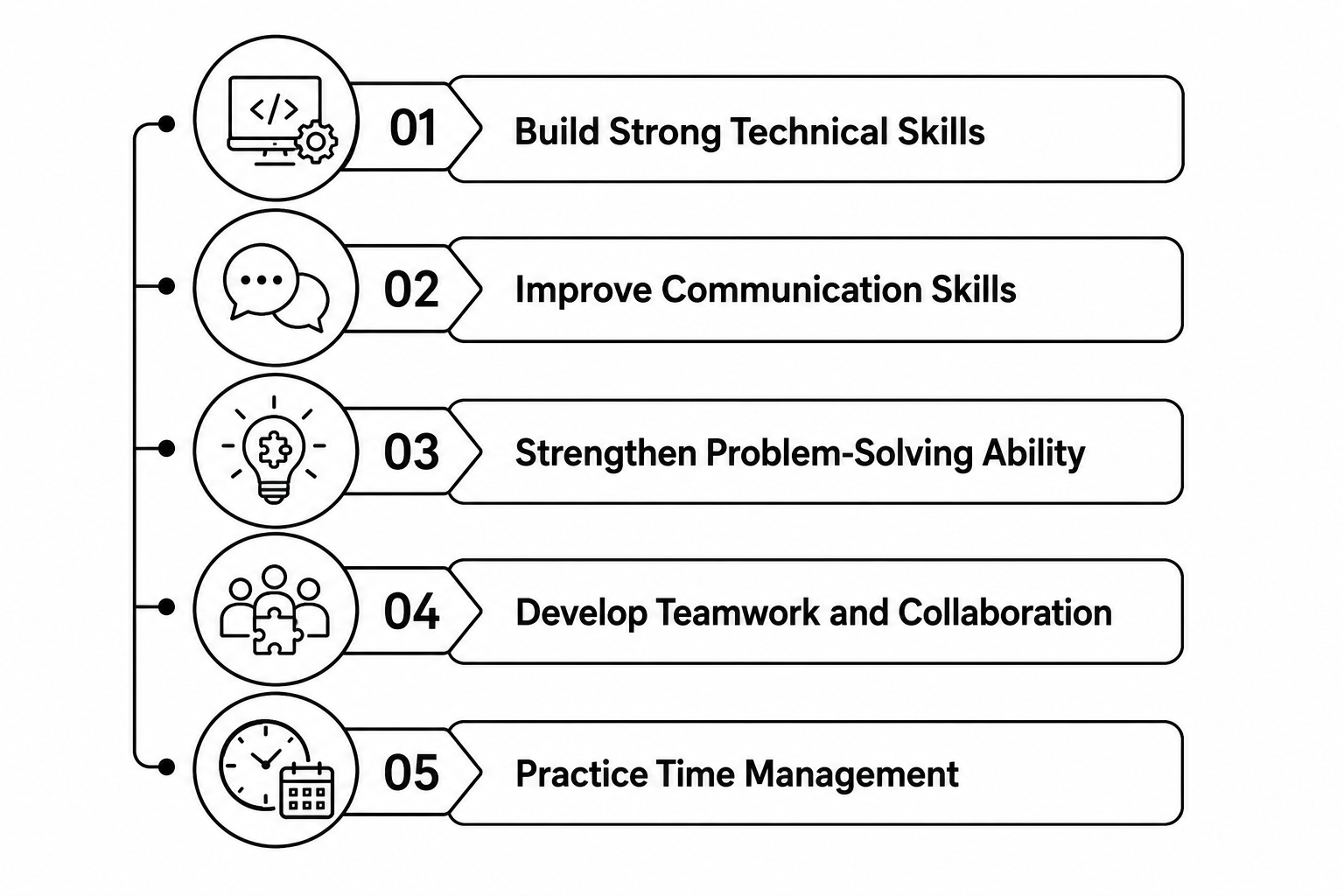
- Build Strong Technical Skills Develop expertise in programming, data analysis, industry-specific tools, and software relevant to your career field. Enrolling in Data Science Training can help you gain practical knowledge through hands-on projects and certifications, making you more attractive to employers.
- Improve Communication Skills Employers value candidates who can communicate ideas clearly in both written and verbal forms. Strong communication improves teamwork, presentations, interviews, and professional workplace interactions.
- Strengthen Problem-Solving Ability Practice solving real-world problems through case studies, coding challenges, and projects. Analytical thinking and logical decision-making demonstrate your ability to handle workplace responsibilities effectively.
- Develop Teamwork and Collaboration Interns often work with cross-functional teams. Learning to collaborate, share ideas, and contribute positively to group projects improves workplace performance and professional relationships.
- Practice Time Management Managing deadlines, prioritizing tasks, and maintaining productivity are essential workplace skills. Effective time management helps interns complete assignments efficiently while balancing learning and responsibilities.

Get JOB Oriented Data Science Training for Beginners By MNC Experts
- Instructor-led Sessions
- Real-life Case Studies
- Assignments
Finding Internship Opportunities Through the Right Platforms
- Company Career Websites Visit official company career pages regularly to find internship openings, eligibility requirements, and application deadlines. Applying directly often increases your chances of being noticed by recruiters. Candidates can also explore Data Science Internship Complete Tutorial to understand effective strategies for searching and applying for internship opportunities.
- Online Job Portals Use platforms like LinkedIn, Internshala, Naukri, and Indeed to search for internships based on your skills, location, and career interests while receiving regular job alerts.
- University Placement Cells College placement offices frequently share internship opportunities through campus recruitment drives, employer partnerships, and alumni networks, making them valuable resources for students.
- Professional Networking Platforms Build connections on LinkedIn and participate in industry communities to discover hidden internship opportunities, gain referrals, and interact directly with recruiters and professionals.
- Hackathons and Career Events Participate in hackathons, coding competitions, workshops, webinars, and career fairs. These events help develop practical skills while connecting with companies offering internship opportunities.
Want to Master Data Science? Explore the Data Science Master Program Offered at ACTE Today!
Preparing for Internship Assessments and Interviews
- Practice Aptitude Tests Prepare quantitative aptitude, logical reasoning, and verbal ability questions commonly included in internship screening assessments to improve confidence and test performance.
- Strengthen Technical Knowledge Review core concepts, programming languages, projects, and industry tools related to your field. Complementing your preparation with Data Science Training can provide practical exposure that helps you answer technical interview questions more effectively.
- Prepare for HR Interviews Practice answering common HR questions about your strengths, career goals, teamwork, challenges, and motivation. Clear and confident responses create a positive impression.
- Mock Interviews Conduct mock interviews with mentors or peers to improve communication, confidence, and interview performance while identifying areas that require improvement.
- Research the Company Understand the company’s products, services, culture, and recent achievements before attending interviews. Good preparation demonstrates genuine interest and professionalism.
Networking Strategies to Increase Internship Opportunities
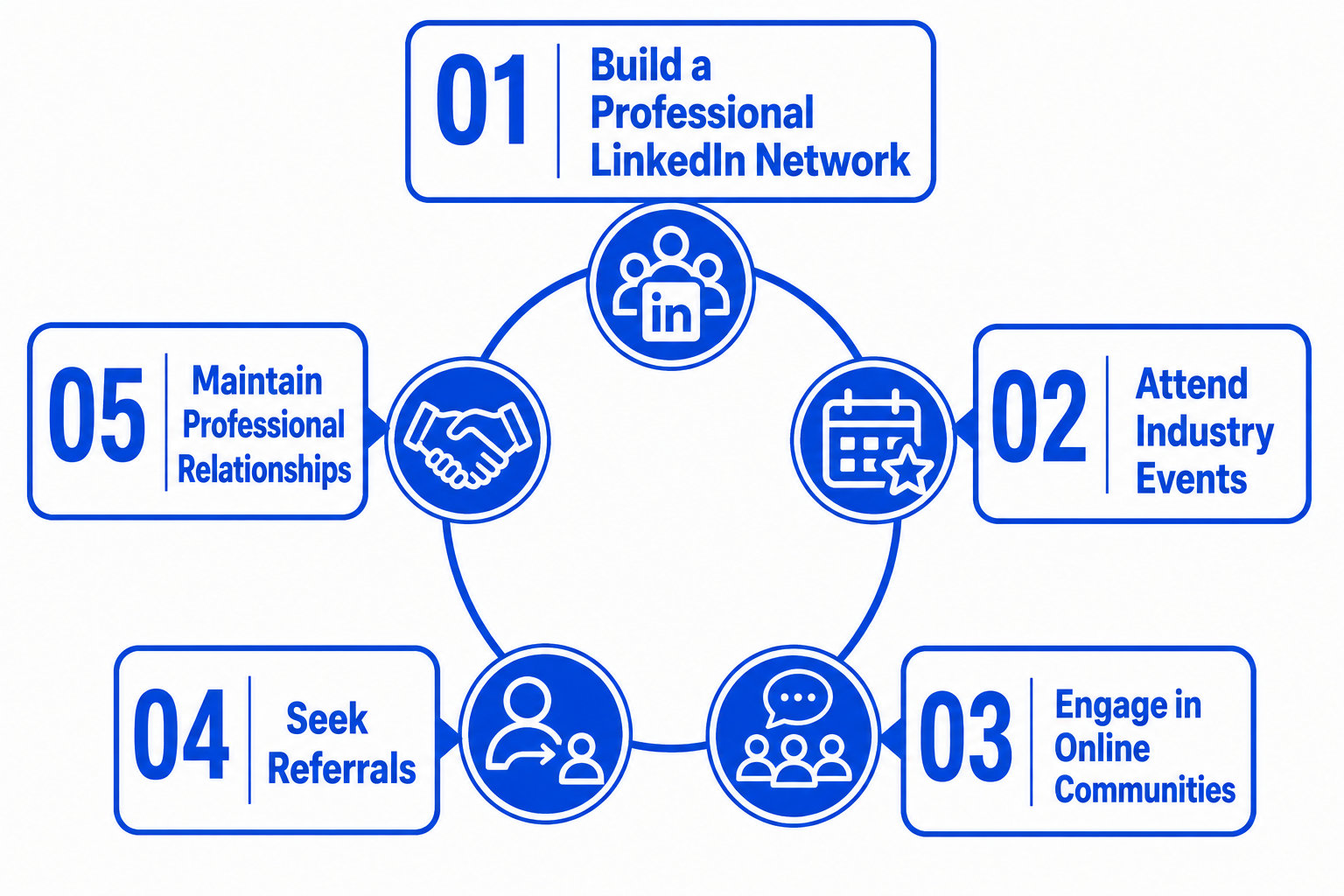
- Build a Professional LinkedIn Network Connect with recruiters, alumni, industry experts, and company employees. A strong professional network helps you discover internship openings and receive valuable career guidance.
- Attend Industry Events Participate in conferences, seminars, webinars, and workshops to meet professionals, learn industry trends, and expand your career network.
- Engage in Online Communities Join professional groups on LinkedIn, GitHub, Discord, or other platforms where experts discuss industry topics, share opportunities, and provide technical guidance. Freshers can also learn effective strategies through data science internship as a fresher to improve networking and increase their chances of finding suitable internship opportunities.
- Seek Referrals Request referrals from professors, mentors, alumni, or professional contacts. Employee referrals often improve application visibility during the recruitment process.
- Maintain Professional Relationships Stay connected with mentors, colleagues, and recruiters by sharing updates, appreciating guidance, and engaging professionally to build long-term career opportunities.
Want to Learn About DevOps? Explore Our Data Science Interview Questions and Answers Featuring the Most Frequently Asked Questions in Job Interviews.
Common Internship Application Mistakes to Avoid
- Submitting Generic Resumes Avoid sending the same resume for every internship. Customize your resume to match the job description, required skills, and company expectations. Understanding the technical skills required through resources like Machine Learning Basics Tutorial for Data Science Interns can help candidates highlight relevant knowledge effectively.
- Ignoring the Cover Letter Many applicants skip writing a cover letter. A personalized cover letter explains your motivation, relevant skills, and interest in the internship, improving your application.
- Applying Without Research Failing to understand the company or internship role can lead to poor interview performance. Researching the organization helps answer questions confidently.
- Neglecting Your Online Presence Outdated LinkedIn profiles, incomplete GitHub repositories, or unprofessional social media accounts may negatively affect recruiter impressions. Keep your online profiles updated.
- Missing Deadlines and Instructions Late applications, incomplete forms, or ignoring submission guidelines can result in immediate rejection. Carefully review application instructions before submitting your documents.
Conclusion: Successfully Securing Your Dream Internship
Securing your dream internship requires a combination of careful preparation, continuous learning, and consistent effort. Developing relevant technical and soft skills, creating a professional resume and cover letter, building a strong LinkedIn profile, and maintaining an impressive portfolio significantly improve your chances of getting noticed by recruiters. Strengthening your expertise through Data Science Training can also help you gain practical knowledge and industry-relevant skills valued by employers. Applying through trusted internship platforms, participating in networking events, and preparing thoroughly for aptitude tests and interviews further increase your chances of success. It is equally important to customize every application, research each company, and demonstrate enthusiasm, professionalism, and a willingness to learn throughout the recruitment process. Rejections should be viewed as opportunities to improve your skills, refine your application strategy, and gain valuable experience for future opportunities. By completing projects, earning certifications, contributing to open-source initiatives, and continuously updating your knowledge, you can build a strong professional profile that stands out in a competitive job market. With persistence, confidence, and a proactive approach, you can successfully secure a meaningful internship that provides real-world experience, strengthens your career foundation, and opens the door to exciting full-time employment opportunities in your chosen field.