LMS
LMS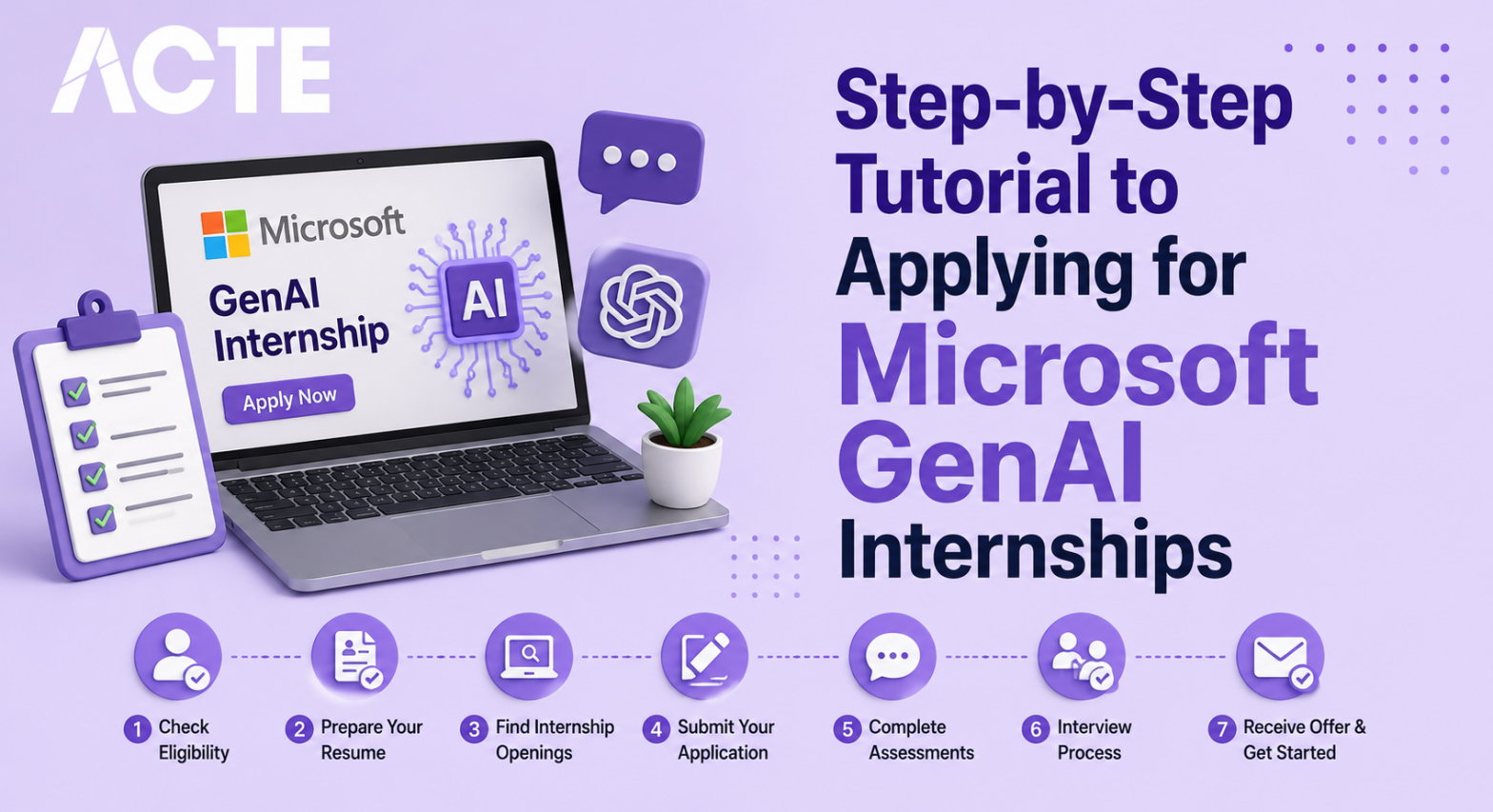
Last updated on 18th Jun 2026| 4600

- Understanding Microsoft Hiring Process
- Preparing Your Resume
- Creating a Strong Portfolio
- Searching for Open Roles
- Step-by-Step Application Guide
- Optimizing LinkedIn Profile
- Networking Strategies
- Interview Preparation
- Follow-up Strategies
- Final Checklist
Understanding Microsoft Hiring Process
Applying for a Generative AI internship at Microsoft requires a clear understanding of how the company evaluates candidates. Microsoft’s hiring process is designed to identify not just technically strong individuals, but also those who demonstrate curiosity, adaptability, and a collaborative mindset. The process usually begins with an online application, where candidates submit their resume and sometimes a cover letter. This is followed by resume screening, where recruiters assess your academic background, technical skills, and relevant experience. At this stage, having well-structured and impactful content is crucial. Building strong AI fundamentals through a structured Gen AI Course can help candidates develop the technical knowledge required for internship roles. Once shortlisted, candidates may be invited to take an online assessment, which tests coding ability, logical reasoning, and problem-solving skills. This round is often used to filter candidates before interviews. The next stage involves technical interviews, where candidates are evaluated on data structures, algorithms, and AI concepts. This is followed by behavioral interviews, focusing on communication skills, teamwork, and cultural fit. Understanding each stage allows you to prepare strategically. Instead of approaching the process randomly, you can focus on building the exact skills required at each level, thereby increasing your chances of success.
Preparing Your Resume
Your resume is your personal marketing document. It determines whether you move forward in the hiring process or get filtered out at the initial stage. For a Microsoft internship, your resume needs to be precise, impactful, and tailored. Start with a clean and professional format. Avoid clutter and ensure that your resume is easy to read. Use clear headings such as Education, Skills, Projects, and Experience. Recruiters typically spend only a few seconds scanning each resume, so clarity is essential. Focus on highlighting relevant technical skills, especially those related to Generative AI, such as Python, Machine Learning, Deep Learning, NLP, and frameworks like TensorFlow or PyTorch. Building these skills through a structured Gen AI Course can help candidates gain the practical knowledge required to showcase in their resumes. Projects play a crucial role. Instead of just listing them, describe your contributions in detail. For example, mention what problem you solved, what technologies you used, and what results you achieved. Quantifying achievements can make your resume stand out. For instance, “Improved chatbot response accuracy by 25%” is more impactful than simply stating “Built a chatbot.” Lastly, customize your resume for each role. Align your skills and experiences with the job description to increase your chances of getting shortlisted.
Get Your Gen AI Certification by Learning from Industry-Leading Experts and Advancing Your Career with ACTE’s Gen AI Course.
Creating a Strong Portfolio
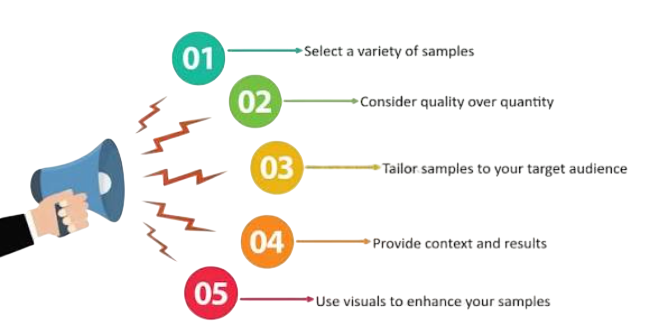
- A strong portfolio is one of the most valuable assets for anyone pursuing a career in Generative AI. It showcases your technical knowledge, creativity, and problem-solving abilities while providing recruiters with practical evidence of your skills beyond academic qualifications or certifications.
- Include a variety of real-world projects that demonstrate your expertise in Generative AI. Examples include AI chatbots, text summarizers, image generators, recommendation systems, document analyzers, code assistants, speech recognition applications, and Retrieval-Augmented Generation (RAG) solutions. You can explore Beginner Gen AI Projects Tutorial to understand practical project ideas and implementation approaches.
- Document every project professionally by explaining the problem statement, dataset, development process, model architecture, tools and frameworks used, evaluation metrics, challenges faced, and future improvements. Well-structured documentation helps recruiters understand your thought process and technical approach.
- Host your projects on GitHub and maintain clean, readable, and well-organized code with meaningful commit messages. Add a comprehensive README file containing installation steps, project features, screenshots, sample outputs, and usage instructions to make your repositories recruiter-friendly.
- Whenever possible, deploy your projects using platforms such as Streamlit, Hugging Face Spaces, Vercel, or Render so recruiters can interact with your applications. Live demonstrations make your portfolio more impressive and prove that you can build production-ready AI solutions.
- Showcase measurable results by including metrics such as accuracy, precision, recall, F1-score, BLEU score, response time, inference speed, or user feedback. Quantifying your project’s performance helps recruiters evaluate the effectiveness and impact of your work.
- Build projects across multiple AI domains, including Natural Language Processing (NLP), Computer Vision, Speech Processing, Recommendation Systems, and Multimodal AI. A diverse portfolio demonstrates your adaptability and ability to work with different technologies and business problems.
- Continuously update your portfolio by adding new projects, improving existing ones, and experimenting with the latest AI models and frameworks. An active portfolio reflects your passion for learning and commitment to staying current with industry trends.
- Include links to your GitHub profile, LinkedIn profile, technical blog, Kaggle account, research papers, certifications, and project videos whenever possible. These additional resources strengthen your professional profile and increase your credibility with recruiters.
- Ultimately, your portfolio should tell the story of your learning journey, technical growth, creativity, and ability to solve real-world problems using Generative AI. A well-maintained portfolio often creates a stronger impression than a resume alone and significantly improves your chances of securing internships and full-time roles.
Searching for Open Roles
Finding the right Microsoft internship opportunities requires a well-planned and consistent approach. The best place to begin your search is the official Microsoft Careers website, where the company regularly publishes internship and early career openings across software engineering, data science, cloud computing, cybersecurity, artificial intelligence, and Generative AI. You can also discover opportunities through LinkedIn, Indeed, Glassdoor, Wellfound, and your university’s placement portal. Create job alerts using relevant keywords such as “Microsoft Internship,” “Generative AI Intern,” “Machine Learning Intern,” or “Software Engineer Intern” to receive notifications whenever new positions become available. Exploring resources like Gen AI Job at Amazon Complete Tutorial can help you understand AI job search strategies, hiring expectations, and preparation methods used by leading technology companies. Before applying, carefully review the job description to understand the required technical skills, responsibilities, eligibility criteria, and preferred qualifications. Rather than applying randomly to every opening, focus on roles that align with your skills, projects, and career goals. Since Microsoft often recruits on a rolling basis, submitting your application early can significantly improve your chances of being noticed by recruiters. Keep a spreadsheet to track applications, deadlines, interview stages, and follow-up dates. Staying organized and applying consistently will help you manage multiple opportunities efficiently and increase your chances of securing a Microsoft internship.
Step-by-Step Application Guide
- The Microsoft internship application process consists of several stages, including creating your profile, submitting your application, completing assessments, and attending interviews. Following each step carefully and submitting accurate information improves your chances of progressing through the hiring process.
- Create an account on Microsoft’s official Careers portal and complete your profile with accurate personal details, education, technical skills, certifications, internship experience, and project information. A complete and professional profile helps recruiters evaluate your qualifications effectively.
- Prepare a well-structured resume tailored to the internship role. Highlight relevant programming languages, technical skills, Generative AI projects, certifications, achievements, and GitHub portfolio. You can improve your application quality by following a Resume Writing Tutorial for Gen AI Jobs to create a recruiter-friendly resume. Upload all required documents after carefully reviewing them for formatting errors and missing information.
- Search for internship roles that closely match your skills and career interests instead of applying randomly. Carefully read the job description, eligibility criteria, required qualifications, preferred skills, and responsibilities before submitting your application.
- After submitting your application, regularly monitor your email and Microsoft Careers account for updates regarding application status, coding assessments, interview invitations, or additional document requests. Respond promptly to recruiter communications to avoid missing important deadlines.
- If you’re invited for an online assessment, practice programming, data structures, algorithms, SQL, and problem-solving questions beforehand. Consistent preparation improves your coding speed, logical thinking, and confidence during technical assessments.
- Prepare thoroughly for technical and behavioral interviews by revising computer science fundamentals, machine learning concepts, Generative AI topics, and your personal projects. Be ready to explain your implementation approach, challenges faced, and the impact of your work.
- Keep track of every application by maintaining a spreadsheet containing the job title, application date, recruiter communication, interview schedule, and current status. Staying organized helps you manage multiple applications efficiently and ensures timely follow-ups.
- If your application is unsuccessful, review your preparation, strengthen your technical skills, improve your resume and portfolio, and continue applying for future openings. Persistence and continuous learning greatly increase your chances of securing a Microsoft internship.

Get JOB Oriented Gen AI Training for Beginners By MNC Experts
- Instructor-led Sessions
- Real-life Case Studies
- Assignments
Optimizing LinkedIn Profile
Your LinkedIn profile is one of the first things recruiters review when evaluating internship candidates, making it an essential part of your professional presence. A well-optimized profile showcases your technical skills, projects, achievements, and career aspirations while helping recruiters discover your profile through relevant keywords. Start by adding a professional profile photo, a customized banner, and a compelling headline such as “Aspiring AI Engineer | Generative AI Enthusiast | Machine Learning Developer.” Write a clear summary that highlights your educational background, technical expertise, certifications, projects, and long-term career goals. Building strong technical expertise through a practical Gen AI Course can help you showcase relevant skills and projects effectively on your LinkedIn profile. Include detailed descriptions of internships, research work, hackathons, and AI projects, along with links to your GitHub repositories, portfolio website, Kaggle profile, or technical blog. Request recommendations from professors, mentors, or previous employers and showcase relevant skills with endorsements. Stay active by sharing AI-related articles, project updates, research insights, and participating in discussions with professionals. Consistently engaging with the AI community strengthens your professional brand, improves profile visibility, and increases your chances of attracting recruiters for Microsoft and other Generative AI internship opportunities.
Want to Master Gen AI? Explore the Gen AI Master Program Offered at ACTE Today!
Want to Learn About AI? Explore Our Artificial Intalligence Interview Questions and Answers Featuring the Most Frequently Asked Questions in Job Interviews.
Interview Preparation
Interview preparation is one of the most important stages of securing a Microsoft internship. Microsoft interviews are designed to evaluate not only your technical knowledge but also your problem-solving skills, logical thinking, communication abilities, and overall approach to tackling real-world challenges. Begin by revising fundamental computer science topics such as data structures, algorithms, object-oriented programming, operating systems, databases, computer networks, and SQL. If you’re applying for Artificial Intelligence or Machine Learning roles, also review machine learning concepts, deep learning, neural networks, transformers, Natural Language Processing (NLP), and Generative AI fundamentals. Understanding the Generative AI Internships Tutorial Guide can help you identify important technical areas to focus on before attending AI-based internship interviews. Practice coding consistently on platforms like LeetCode, HackerRank, and Codeforces to improve speed, accuracy, and optimization skills. Review every project listed on your resume and be prepared to explain the problem statement, architecture, technologies used, implementation process, challenges encountered, and measurable outcomes. Participate in mock interviews to simulate real interview experiences and improve your confidence. Additionally, prepare for behavioral questions using examples that demonstrate teamwork, leadership, adaptability, and problem-solving. Combining strong technical preparation with effective communication and confidence will significantly improve your chances of performing well in Microsoft’s internship interviews.
Follow-up Strategies
- Following up is an important step that many candidates overlook. It shows professionalism and genuine interest in the role.
- After submitting your application, you can send a polite follow-up email if you do not receive a response within a reasonable time.
- After interviews, always send a thank-you email. Express your appreciation for the opportunity and briefly mention key points from the discussion.
- Avoid being overly persistent, but ensure that you stay engaged in the process.
- A well-timed follow-up can leave a positive impression and increase your chances of moving forward.
Final Checklist
Before submitting your Microsoft internship application, take time to review every aspect of your preparation. A well-organized checklist helps you avoid common mistakes, ensures your application is complete, and increases your confidence throughout the hiring process. Verify that your resume is tailored to the role, your portfolio showcases impactful projects, and your LinkedIn profile accurately reflects your skills and achievements. Building and improving your Generative AI knowledge through a structured Gen AI Course can help you strengthen your technical foundation before applying. Review technical concepts, practice coding problems, and prepare to discuss your projects during interviews. Keep track of application deadlines, assessment schedules, and recruiter communications so you don’t miss important updates. Completing this checklist before every application demonstrates professionalism, attention to detail, and readiness for a competitive internship selection process.
- Updated Resume: Ensure your resume is professionally formatted, tailored to the internship role, highlights relevant technical skills, certifications, achievements, and Generative AI or software development projects.
- Strong Portfolio: Include well-documented projects with GitHub repositories, live demos, screenshots, implementation details, and measurable results that showcase your practical skills.
- Optimized LinkedIn Profile: Keep your LinkedIn profile complete with a professional headline, summary, project descriptions, certifications, skills, and links to your GitHub or portfolio website.
- Coding Assessment Preparation: Practice data structures, algorithms, SQL, programming, and problem-solving questions on coding platforms to improve speed and accuracy before online assessments.
- Technical Revision: Review computer science fundamentals, object-oriented programming, machine learning, deep learning, cloud computing, and Generative AI concepts before interviews.
- Project Preparation: Be ready to explain your projects, design decisions, tools used, implementation approach, challenges faced, evaluation metrics, and the overall impact of your work.
- Application Tracking: Maintain a spreadsheet to monitor applications, deadlines, interview schedules, recruiter communications, follow-up dates, and current application status.
- Interview Readiness: Prepare answers for technical, behavioral, and situational interview questions while practicing clear communication and confident presentation of your skills.
- Continuous Learning: Stay updated with Microsoft’s latest technologies, AI advancements, and industry trends by reading blogs, documentation, and research articles even after submitting your applications.