LMS
LMS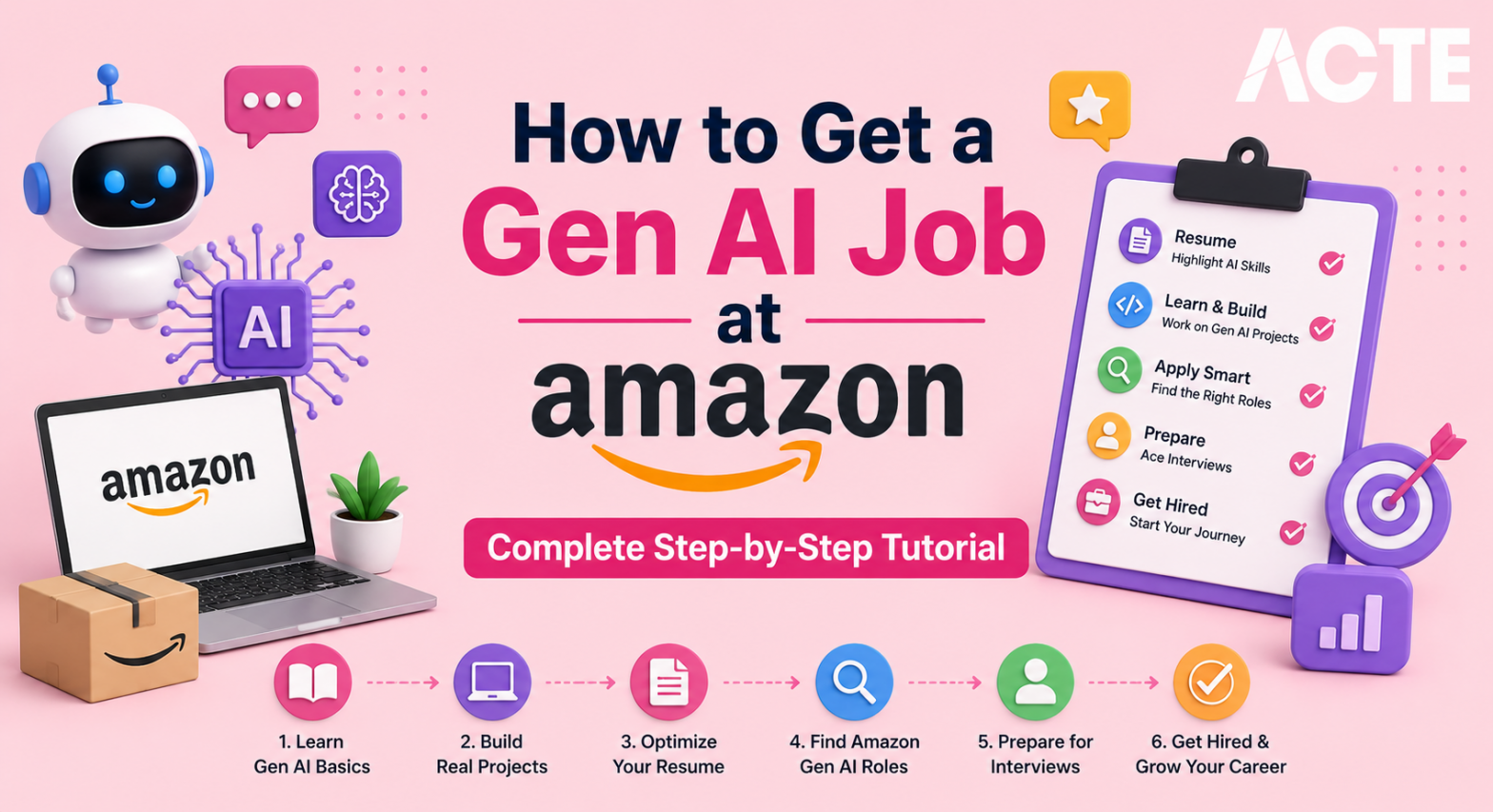
Last updated on 18th Jun 2026| 4605

- Overview of Amazon AI Roles
- Required Skills and Qualifications
- Building a Strong Profile
- Preparing Resume and Portfolio
- Application Process
- Amazon Hiring Process
- Technical Interview Preparation
- Behavioral Interview Tips
- Common Questions
- Final Preparation Strategy
Overview of Amazon AI Roles
Amazon provides a wide spectrum of career opportunities in the field of Generative AI, designed for professionals with diverse technical backgrounds and experience levels. Roles such as Machine Learning Engineer, Applied Scientist, Data Scientist, AI Research Scientist, and Software Development Engineer (AI/ML) are central to Amazon’s innovation strategy. These professionals work on advanced technologies including large language models (LLMs), natural language processing systems, recommendation engines, computer vision solutions, and intelligent automation tools. Professionals looking to build the required technical foundation before applying for these positions can strengthen their skills through a Gen AI Course that covers practical concepts, AI frameworks, and real-world projects. Teams contribute to high-impact products like Alexa, Amazon Search, Prime personalization, and AWS AI services. Working in these roles involves designing scalable machine learning models, optimizing algorithms for performance, and deploying solutions in real-time environments that handle millions of users. Candidates are expected to combine strong technical expertise with creativity and problem-solving skills to build efficient, customer-centric solutions. In addition, collaboration across cross-functional teams, continuous experimentation, and data-driven decision-making are key aspects of these roles. Overall, Amazon AI roles demand a balance of theoretical knowledge, practical experience, and the ability to innovate at scale.
Required Skills and Qualifications
- Programming Proficiency: Strong programming skills are essential for implementing AI models and building scalable applications. Languages such as Python are widely used due to their extensive libraries like NumPy, Pandas, and Scikit-learn, while Java and C++ are often preferred for performance-critical applications. Candidates should be comfortable writing clean, efficient, and optimized code.
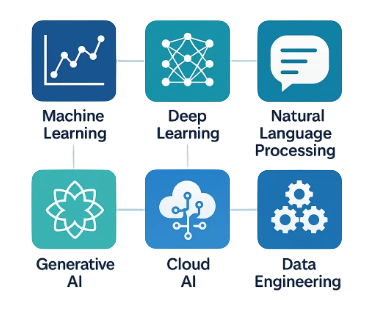
- Machine Learning and Deep Learning Knowledge: A solid understanding of machine learning concepts is critical. This includes supervised learning, unsupervised learning, reinforcement learning, and deep learning techniques such as neural networks and convolutional models. Candidates should also understand how to train, validate, and fine-tune models for better accuracy.
- Generative AI Expertise: Knowledge of Generative AI is highly important for modern AI roles. This includes understanding transformers, large language models (LLMs), prompt engineering, and fine-tuning pre-trained models. Candidates should also be aware of real-world applications such as chatbots, content generation, and automation tools. To strengthen these practical skills, explore the ChatGPT and LLM Tutorial For Beginners for hands-on learning.
- Frameworks and Tools: Hands-on experience with frameworks such as TensorFlow, PyTorch, and Keras is essential for building and deploying machine learning models. Familiarity with tools for data preprocessing, visualization, and model monitoring adds additional value.
- Data Structures and Algorithms: Strong problem-solving skills supported by knowledge of data structures (arrays, trees, graphs) and algorithms (sorting, searching, dynamic programming) are crucial for clearing technical interviews and writing efficient code.
- Cloud Computing (AWS): Since Amazon heavily relies on cloud infrastructure, knowledge of AWS services such as EC2, S3, Lambda, and SageMaker is important. Candidates should understand how to deploy, monitor, and scale AI models in cloud environments.
- Mathematical Foundation: A strong foundation in mathematics, including linear algebra, probability, and statistics, is necessary to understand the inner workings of machine learning algorithms and optimize model performance.
Get Your Gen AI Certification by Learning from Industry-Leading Experts and Advancing Your Career with ACTE’s Gen AI Course.
Building a Strong Profile
Building a strong profile is a critical step in securing a Generative AI role at Amazon, as competition for these positions is extremely high. Candidates must focus on developing both theoretical knowledge and practical experience. Working on real-world projects that solve meaningful problems helps demonstrate the ability to apply AI concepts effectively. Strengthening your skills through a Gen AI Course can provide hands-on experience with AI tools, machine learning concepts, and real-world projects that align with industry expectations. Internships and research work provide valuable industry exposure and help in understanding real-time challenges. Additionally, participating in hackathons and coding competitions can improve problem-solving skills and showcase your capabilities to potential employers. Contributing to open-source projects and publishing technical blogs or articles establishes credibility and thought leadership in the field. Certifications in AI, machine learning, and cloud computing further strengthen your profile by validating your expertise. Maintaining an active GitHub profile with well-documented projects and a strong LinkedIn presence ensures better visibility among recruiters and increases the chances of being shortlisted.
Preparing Resume and Portfolio
- Highlight Relevant Projects: Your resume should clearly showcase projects related to Generative AI, machine learning, and NLP. Each project should include a brief description of the problem, the approach used, tools and technologies applied, and the final outcome or results achieved.
- Include Measurable Achievements: Instead of writing generic statements, quantify your impact using numbers. For example, mention improvements in model accuracy, reduction in processing time, or increased efficiency achieved through your solution.
- Add GitHub and Portfolio Links: Providing links to your GitHub repositories allows recruiters to review your code quality, project structure, and technical expertise. A well-maintained portfolio adds significant value to your profile.
- Mention Certifications: Certifications in relevant domains such as AI, cloud computing, or data science demonstrate your commitment to continuous learning and enhance your credibility.
- Use ATS-Friendly Keywords: Many companies use Applicant Tracking Systems (ATS) to filter resumes. Including keywords like LLM, NLP, Deep Learning, and AI increases the chances of your resume being shortlisted. You can also improve your resume by following the Generative AI Resume Tutorial for practical optimization tips.
- Maintain a Concise Format: A well-structured resume should be limited to 1–2 pages, with clear headings and bullet points for easy readability. Avoid unnecessary details and focus only on relevant information.
- Build a Strong Portfolio: A portfolio should include detailed case studies explaining how you approached problems, implemented solutions, and achieved results. This helps demonstrate your practical knowledge and problem-solving ability.

Application Process
The application process for a Generative AI role at Amazon requires a strategic and well-planned approach. Candidates should begin by identifying suitable job openings through the Amazon careers portal or professional networking platforms. It is important to tailor the resume for each role by aligning it with the job description and required skills. Candidates looking for additional guidance on securing internship opportunities can also explore the Generative AI Internship Complete Tutorial. Networking with current employees and seeking referrals can significantly increase the chances of getting shortlisted. Once the application is submitted, it undergoes screening through ATS systems followed by recruiter evaluation. Candidates who meet the criteria are invited for online assessments and interviews. Staying consistent in applying, preparing thoroughly, and following up when necessary can improve the chances of progressing through the hiring process.

Get JOB Oriented Gen AI Training for Beginners By MNC Experts
- Instructor-led Sessions
- Real-life Case Studies
- Assignments
Amazon Hiring Process
- Online Application Submission: The first step involves applying through the official Amazon careers portal or via employee referrals. A well-optimized resume plays a key role in clearing this stage.
- Resume Screening: Recruiters review resumes to evaluate whether the candidate’s skills and experience match the job requirements. Proper keyword usage and relevant experience are crucial here. For practical resume tips, refer to the Resume Writing Tutorial for Gen AI Jobs and Internships.
- Online Assessment: Candidates may be required to complete coding challenges, aptitude tests, or technical quizzes designed to assess problem-solving ability and technical knowledge.
- Technical Interviews: Multiple rounds of technical interviews are conducted to evaluate coding skills, understanding of algorithms, and knowledge of AI/ML concepts.
- Behavioral Interviews: These interviews focus on Amazon’s Leadership Principles and assess how candidates handle real-world situations, teamwork, and decision-making.
- HR Discussion: The final stage includes discussions about compensation, job role, expectations, and other employment-related details.
Want to Master Gen AI? Explore the Gen AI Master Program Offered at ACTE Today!
Technical Interview Preparation
Preparing for technical interviews at Amazon requires a structured and disciplined approach. Candidates should focus on mastering data structures and algorithms, as these form the core of coding interviews. Regular practice on coding platforms helps improve speed and accuracy. In addition, candidates must have a strong understanding of machine learning concepts, including model building, evaluation, and optimization techniques. Enrolling in a Gen AI Course can help candidates gain practical knowledge of machine learning, transformers, prompt engineering, and other advanced AI concepts through hands-on projects. For Generative AI roles, it is important to understand advanced topics such as transformers, large language models, and prompt engineering. Candidates should also be able to explain their projects in detail, including the challenges faced and solutions implemented. Mock interviews and consistent revision of concepts can significantly improve confidence and performance.
Behavioral Interview Tips
- Understand Leadership Principles: Amazon strongly emphasizes its Leadership Principles, which form the foundation of its work culture and decision-making process. Candidates are expected to demonstrate behaviors that align with principles such as ownership, customer obsession, bias for action, and delivering results. It is important to thoroughly understand these principles and prepare examples from your past experiences that reflect them. Instead of giving generic answers, tailor your responses to show how your actions and decisions match these values. This alignment helps interviewers assess whether you are a good cultural fit for the organization.
- Use STAR Method: The STAR method (Situation, Task, Action, Result) is a structured way to answer behavioral questions effectively. Start by explaining the situation and the context, then describe the specific task or challenge you faced. Follow this with the actions you took to address the situation, and finally, highlight the results or outcomes achieved. This approach ensures that your answers are clear, logical, and easy to understand. It also helps you stay focused and avoid unnecessary details while still providing a complete response.
- Share Real Experiences: Interviewers prefer authentic and genuine responses based on real-life experiences rather than hypothetical answers. Sharing actual examples from your previous work, internships, or academic projects demonstrates your practical knowledge and credibility. To prepare stronger examples, review the Microsoft GenAI Career Tutorial, which explains what recruiters expect from candidates.
- Focus on Impact: While explaining your experiences, it is essential to emphasize the impact of your actions. Instead of just describing what you did, highlight the results you achieved and the value you added to the organization or project. This could include improvements in efficiency, cost savings, increased performance, or successful project delivery. Using measurable outcomes wherever possible makes your answers more convincing and impactful, helping interviewers clearly see your contributions.
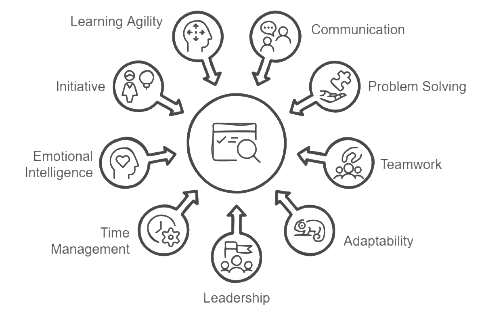
- Demonstrate Soft Skills: Behavioral interviews are also used to assess important soft skills such as teamwork, adaptability, leadership, communication, and problem-solving. Candidates should demonstrate how they collaborate with team members, handle conflicts, adapt to changing situations, and take initiative when needed. Showing a balance between technical ability and interpersonal skills is crucial, as companies look for professionals who can work effectively in team environments and contribute positively to the organization.
- Communicate Clearly: Clear and confident communication is essential during behavioral interviews. Candidates should focus on expressing their thoughts in a structured and concise manner without unnecessary complexity. Listening carefully to the question, taking a moment to organize your thoughts, and then responding calmly can make a significant difference. Maintaining a professional tone, good body language, and steady confidence helps create a positive impression on the interviewer and reflects your overall professionalism.
Want to Learn About AI? Explore Our Artificial Intalligence Interview Questions and Answers Featuring the Most Frequently Asked Questions in Job Interviews.
Common Questions
Amazon interviews typically include a combination of technical and behavioral questions to evaluate a candidate’s overall suitability for the role. Technical questions may involve coding problems, machine learning algorithms, system design, and real-world AI applications. Candidates preparing for these interviews can strengthen their practical knowledge through a Gen AI Course, which covers essential topics such as machine learning, large language models, prompt engineering, and hands-on AI projects. Candidates may also be asked to explain concepts related to Generative AI, such as transformers, fine-tuning models, and building intelligent systems. Behavioral questions focus on past experiences, leadership, teamwork, and problem-solving abilities. Preparing answers in advance and practicing mock interviews can help candidates respond confidently and effectively during the interview process.
Final Preparation Strategy
- Revise Core Concepts Thoroughly: A strong foundation in machine learning, deep learning, and Generative AI is essential for cracking interviews. Candidates should regularly revisit important topics such as supervised and unsupervised learning, neural networks, transformers, and large language models. Instead of just memorizing concepts, focus on understanding how and why algorithms work, their real-world applications, and their limitations. Revising notes, practicing conceptual questions, and explaining topics in your own words can significantly improve retention and clarity. Consistent revision ensures that you can confidently answer both basic and advanced technical questions during interviews.
- Practice Coding Regularly: Coding is a critical part of the technical interview process, and consistent practice is necessary to build speed and accuracy. Candidates should focus on solving problems related to data structures and algorithms, including arrays, linked lists, trees, graphs, and dynamic programming. Practicing on platforms like LeetCode or HackerRank helps in understanding different problem patterns and improving logical thinking. It is also important to analyze solutions, optimize code, and learn multiple approaches to solve a problem. Regular coding practice not only enhances problem-solving ability but also builds confidence to handle challenging questions under time constraints.
- Prepare Project Explanations: Projects play a crucial role in demonstrating your practical knowledge and problem-solving skills. Candidates should be prepared to explain every project mentioned in their resume in a clear and structured manner. This includes describing the problem statement, approach taken, technologies used, challenges faced, and the final outcomes. Interviewers often ask follow-up questions to test depth of understanding, so it is important to know every detail of your work. Beginners can also strengthen their practical skills by working through the Beginner Gen AI Projects Tutorial before attending interviews.
- Refine Your Resume: Your resume is the first impression you create with recruiters, so it must be well-structured, error-free, and aligned with the job role. Candidates should ensure that all information is accurate, relevant, and up to date. Use clear headings, bullet points, and action-oriented language to make the resume easy to read. Including measurable achievements and relevant keywords improves visibility in Applicant Tracking Systems (ATS). Regularly reviewing and updating your resume ensures that it reflects your latest skills, projects, and accomplishments effectively.
- Attend Mock Interviews: Mock interviews are one of the most effective ways to prepare for real interview scenarios. Practicing with peers, mentors, or industry professionals helps simulate the actual interview environment and identify areas for improvement. Mock sessions provide valuable feedback on technical knowledge, communication skills, and overall presentation. They also help reduce nervousness and improve confidence by familiarizing candidates with common interview patterns. Consistent practice through mock interviews significantly increases the chances of performing well in actual interviews.
- Stay Updated: The field of Generative AI is evolving rapidly, and staying updated with the latest trends and advancements is essential. Candidates should regularly follow industry news, research papers, and updates related to AI technologies, tools, and frameworks. Understanding recent developments such as new models, tools, or real-world applications can give you an edge during interviews. Being aware of current trends also helps in answering opinion-based or discussion questions effectively and demonstrates your genuine interest in the field.
- Maintain Confidence: Confidence plays a crucial role in interview success. Even with strong technical knowledge, lack of confidence can impact performance. Candidates should focus on maintaining a positive mindset, clear communication, and a calm approach during interviews. Practicing answers, improving speaking skills, and staying mentally prepared can boost confidence levels. It is important to listen carefully to questions, think before answering, and communicate responses in a structured manner. A confident and composed approach creates a strong impression on interviewers and increases the chances of success.