LMS
LMS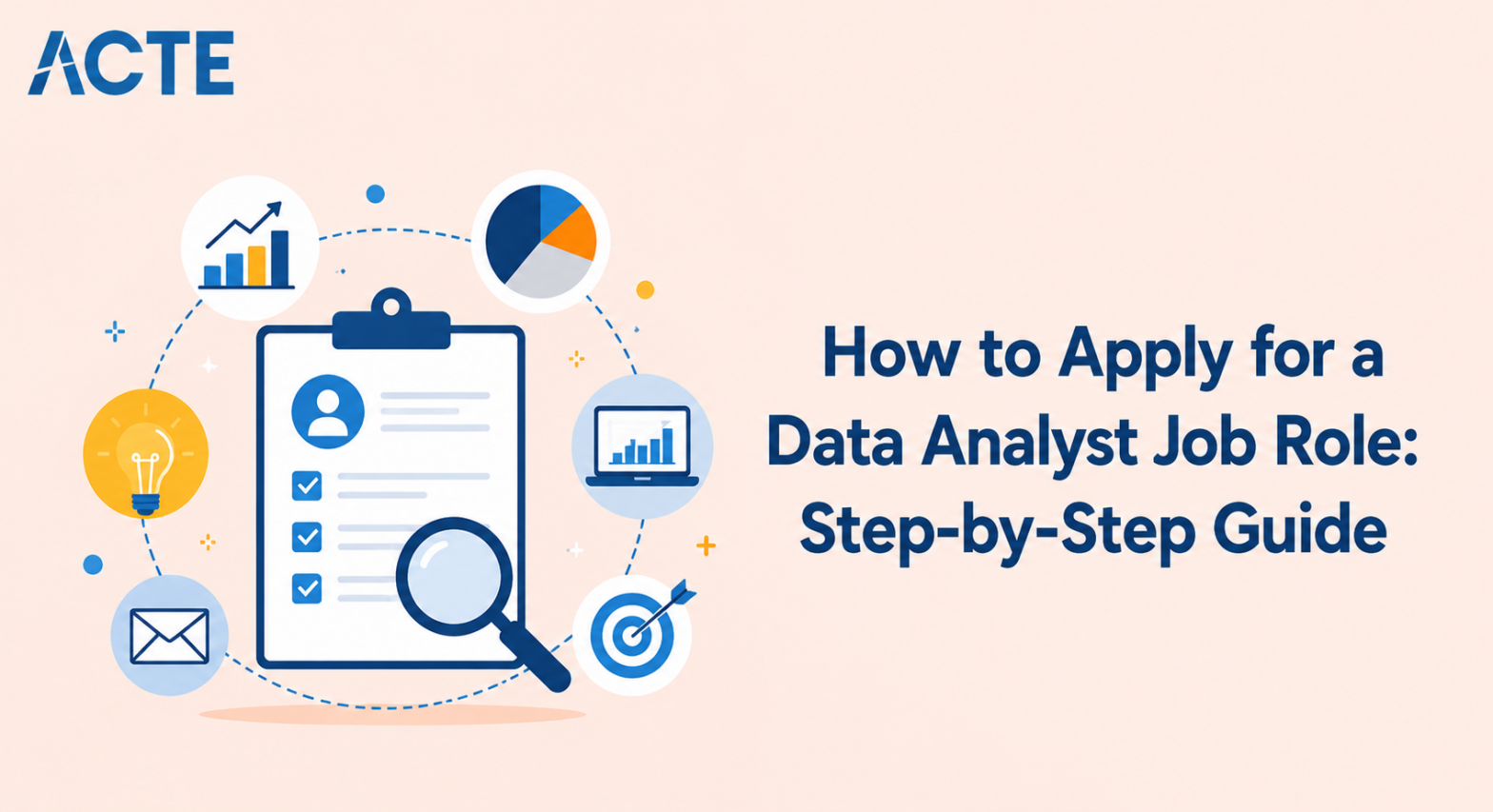
Last updated on 25th Jul 2026| 4859

- Introduction to Data Analyst Job Roles
- Benefits of Choosing a Data Analyst Career
- How to Apply for Data Analyst Job Roles: Step-by-Step Guide
- Skills and Qualifications Needed for Data Analyst Jobs
- Where to Find Data Analyst Job Opportunities
- How to Create a Strong Resume and Portfolio for Data Analyst Roles
- Tips for Writing an Impressive Data Analyst Job Application
- How to Prepare for a Data Analyst Interview
- Common Mistakes to Avoid When Applying for Data Analyst Jobs
- Conclusion and Next Steps to Start Your Data Analyst Career Journey
Introduction to Data Analyst Job Roles
Data Analyst Job Roles are among the most popular career opportunities in the growing field of data and business intelligence. A data analyst is responsible for collecting, cleaning, analyzing, and interpreting data to help organizations make better decisions. Companies across industries such as technology, healthcare, finance, marketing, retail, and consulting rely on data professionals to identify trends, improve processes, and generate valuable insights. This Data Analyst Career Guide helps beginners understand the responsibilities, skills, tools, and career opportunities available in the analytics field. Learners can strengthen these skills through a structured Data Analytics Course that focuses on practical tools and industry-relevant concepts. Professionals in these roles work with Data Analytics Tools such as Excel, SQL, Python, Power BI, and visualization platforms to transform raw data into meaningful reports. Understanding How to Apply for Data Analyst Jobs requires knowledge of industry expectations, technical skills, and effective job search strategies. Whether you are a fresher exploring Entry Level Data Analyst Jobs or a professional planning a career transition, building the right foundation is essential for success in Data Analytics Careers.
Benefits of Choosing a Data Analyst Career
Choosing a career in Data Analyst Job Roles offers excellent growth opportunities due to the increasing demand for data-driven decision-making across organizations. Businesses need skilled professionals who can analyze large volumes of information, identify patterns, and provide actionable insights. For beginners looking to build a strong foundation, the Learn Data Analytics from Scratch can provide useful guidance on essential concepts, skills, and learning steps for building a successful long-term career path. A career in analytics provides opportunities to work with advanced technologies, solve real-world problems, and contribute to important business strategies. Following a proper Data Analyst Career Guide helps individuals understand the skills required, career progression, and available job opportunities. Learning important Data Analyst Skills such as SQL, Python, statistics, data visualization, and reporting can significantly improve career prospects. Professionals can explore various positions, including Entry Level Data Analyst Jobs, Business Analyst roles, BI Analyst positions, and specialized analytics careers. Developing strong expertise with Data Analytics Tools and creating Data Analyst Portfolio Projects can help candidates stand out in the competitive job market.
Get Your Data Analytics Certification by Learning from Industry-Leading Experts and Advancing Your Career with ACTE’s Data Analytics Course.
How to Apply for Data Analyst Job Roles: Step-by-Step Guide
Learning How to Apply for Data Analyst Jobs requires a structured approach that includes skill development, resume preparation, portfolio building, and interview readiness. The first step is understanding the job requirements and identifying the skills needed for different Data Analyst Job Roles. Candidates should develop technical expertise in Data Analytics Tools such as Excel, SQL, Python, Power BI, Tableau, and database technologies. Enrolling in a practical Data Analytics Course can help learners build these skills through structured training and hands-on practice. Creating a professional resume that highlights technical skills, certifications, academic achievements, and practical experience is an important part of the Data Analyst Job Application process. Following effective Data Analyst Resume Tips, such as customizing resumes according to job descriptions and showcasing measurable achievements, can improve selection chances. Building Data Analyst Portfolio Projects using real-world datasets helps demonstrate practical knowledge to recruiters. After applying, candidates should focus on Data Analyst Interview Preparation by practicing technical questions, SQL problems, case studies, and behavioral questions. A consistent learning approach and a clear Data Analyst Career Path can help candidates successfully secure opportunities in Data Analytics Careers.
Skills and Qualifications Needed for Data Analyst Jobs
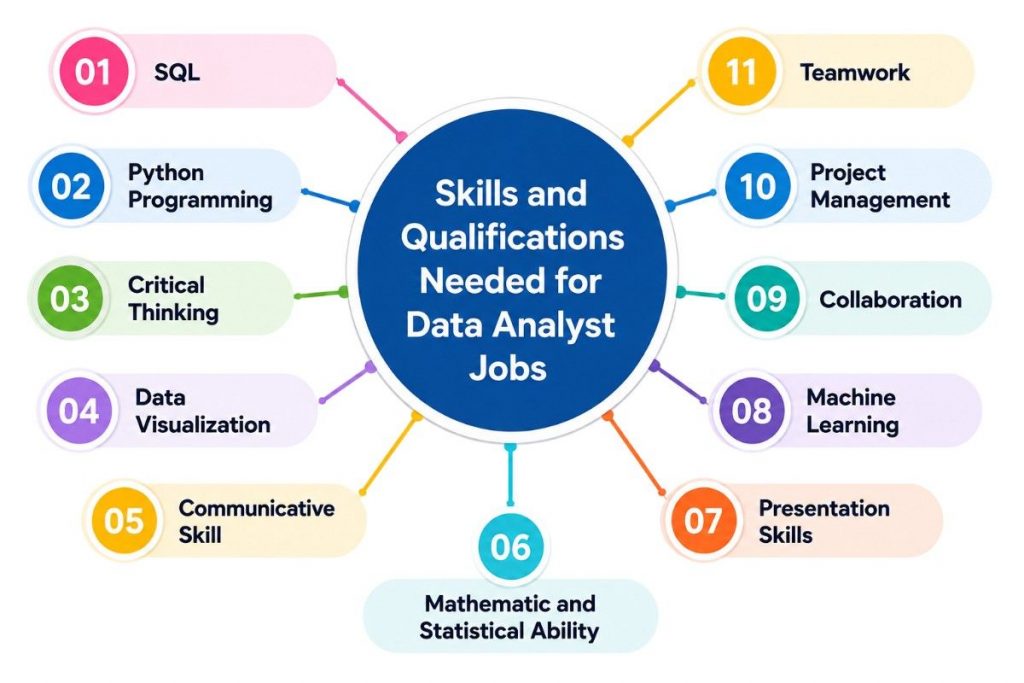
To succeed in Data Analyst Job Roles, candidates need a combination of technical expertise, analytical thinking, and communication abilities. Important Data Analyst Skills include data cleaning, statistical analysis, problem-solving, reporting, and data visualization. Knowledge of Data Analytics Tools such as Excel, SQL, Python, Power BI, and Tableau is highly valuable because these technologies are widely used in professional analytics environments. Beginners interested in Entry Level Data Analyst Jobs should focus on building strong fundamentals and gaining practical experience through projects and certifications.

Learn Advanced Data Analytics Certification Training Course to Build Your Skills
Weekday / Weekend BatchesSee Batch DetailsWhere to Find Data Analyst Job Opportunities
Finding the right opportunities is an important part of How to Apply for Data Analyst Jobs successfully. Candidates can explore Data Analyst Job Roles through company career websites, professional networking platforms, online job portals, recruitment agencies, and university placement programs. Freshers looking for Entry Level Data Analyst Jobs should regularly check internship opportunities, trainee positions, and junior analyst roles to gain industry experience. Building a strong professional profile, maintaining an updated resume, and showcasing Data Analyst Portfolio Projects can increase visibility among recruiters. Following Data Analyst Resume Tips and applying for roles that match your skills can improve the success rate of your Data Analyst Job Application. Candidates targeting leading companies can also refer to the Data Analyst Job at Google Step-by-Step Tutorial to understand the application process and prepare for competitive opportunities. Networking with professionals, participating in analytics communities, and staying updated with industry trends also helps candidates discover better opportunities. By continuously improving Data Analyst Skills and gaining experience with modern Data Analytics Tools, candidates can successfully progress along their Data Analyst Career Path and explore rewarding opportunities in Data Analytics Careers.

Get JOB Oriented Data Analytics Training for Beginners By MNC Experts
- Instructor-led Sessions
- Real-life Case Studies
- Assignments
How to Create a Strong Resume and Portfolio for Data Analyst Roles
- Creating a Professional Data Analyst Resume: A well-structured resume plays an important role in securing Data Analyst Job Roles. Learners should organize education, technical skills, certifications, experience, and Data Analyst Portfolio Projects clearly. Following effective Data Analyst Resume Tips helps candidates present their strengths and improve their chances of getting shortlisted by recruiters.
- Highlighting Relevant Data Analyst Skills: A strong resume should showcase essential Data Analyst Skills such as SQL, Excel, Python, statistics, data visualization, reporting, and problem-solving. Including experience with Data Analytics Tools such as Power BI, Tableau, and database systems demonstrates the ability to work with real-world data and generate useful business insights.
- Building an Online Professional Portfolio: An online portfolio gives recruiters an easy way to review dashboards, reports, datasets, analytical projects, and technical accomplishments. Candidates can include project objectives, analysis methods, visualizations, and business outcomes to demonstrate practical abilities. Those preparing for their first role can also explore the Data Analytics Internship Roadmap to understand how practical experience and projects can support their career preparation.
- Showcasing Data Analyst Portfolio Projects: Practical Data Analyst Portfolio Projects allow candidates to demonstrate their ability to apply analytical concepts to real business situations. Projects can cover sales analysis, customer behavior, financial reporting, dashboards, data visualization, and predictive analytics. A focused portfolio highlights technical knowledge, analytical thinking, and problem-solving abilities.
- Customizing Your Resume for Job Requirements: Each Data Analyst Job Application should be tailored to the specific position and employer requirements. Candidates can emphasize relevant tools, projects, certifications, and achievements that closely match the job description. This approach improves application quality and creates better opportunities for Entry Level Data Analyst Jobs and other analytics positions.
Want to Master Data Analytics? Explore the Data Analytics Master Program Offered at ACTE Today!
Tips for Writing an Impressive Data Analyst Job Application
- Researching the Company and Role: Before submitting a Data Analyst Job Application, candidates should understand the company’s industry, business objectives, role responsibilities, and required technical skills. Researching the organization helps learners create personalized applications that demonstrate genuine interest and show how their analytical abilities align with business requirements.
- Writing a Strong Cover Letter: A professional cover letter helps candidates explain their interest in the position, relevant experience, technical expertise, and career goals. Learners highlight their knowledge of Data Analytics Tools, analytical capabilities, and problem-solving approach while explaining how their skills can contribute to organizational success and data-driven decision-making. Candidates can strengthen these skills through a practical Data Analytics Course that provides structured learning and hands-on exposure.
- Highlighting Relevant Experience and Projects: Including Data Analyst Portfolio Projects, certifications, internships, and practical analytics experience strengthens a job application. Learners showcase projects involving data cleaning, reporting, dashboards, business analysis, and visualization to demonstrate their ability to solve real-world problems and perform effectively in different Data Analyst Job Roles.
- Following Proper Application Practices: A professional application requires accurate information, proper formatting, error-free content, and consistency between the resume and application details. Following effective Data Analyst Resume Tips helps candidates present their qualifications clearly, maintain professionalism, and create a positive impression during the recruitment process.
- Applying Strategically for Suitable Roles: Candidates should focus on job opportunities that match their skills, experience level, and career goals. Freshers can explore Entry Level Data Analyst Jobs, while experienced professionals can target advanced analytics positions. Following a structured approach to How to Apply for Data Analyst Jobs improves career opportunities and supports long-term growth in Data Analytics Careers.
Want to Learn About Data Analytics? Explore Our Data Analytics Interview Questions and Answers Featuring the Most Frequently Asked Questions in Job Interviews.
How to Prepare for a Data Analyst Interview
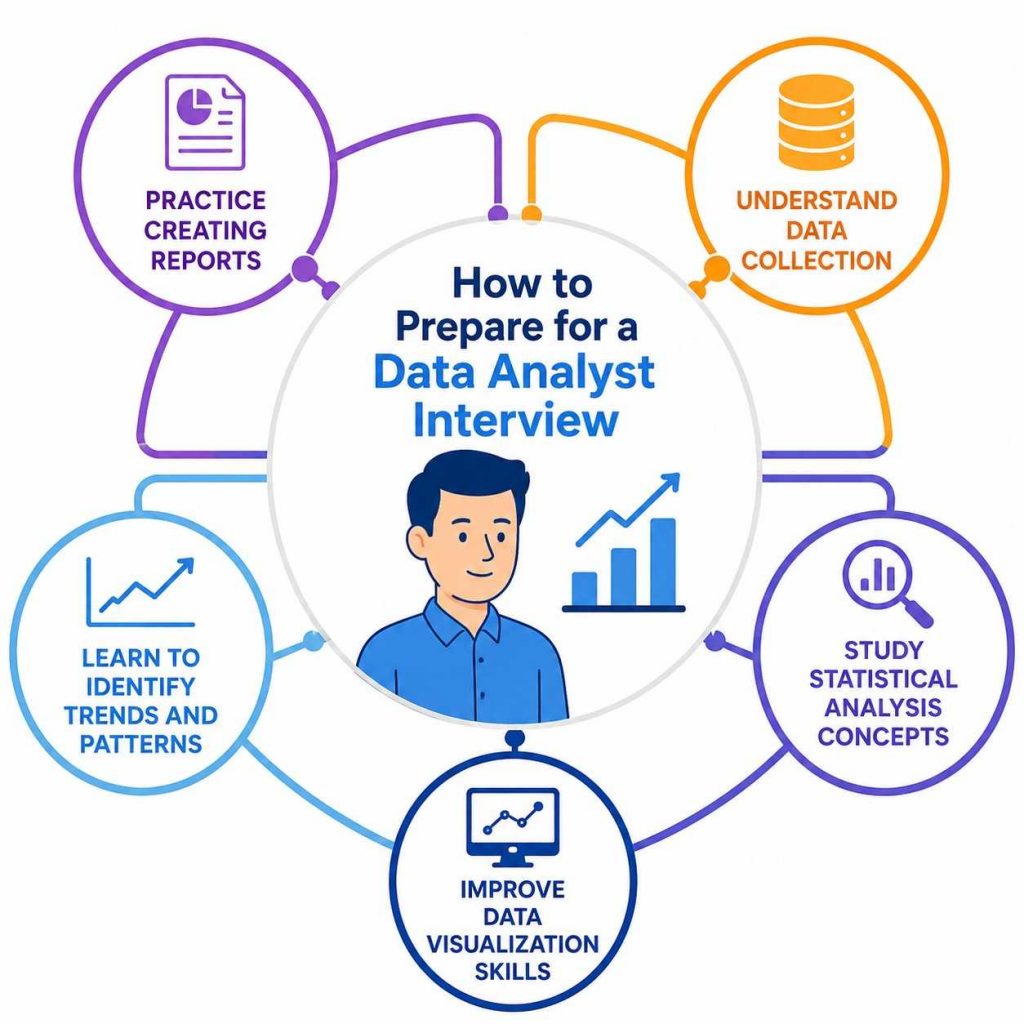
- Understanding Core Data Analytics Concepts: Before attending a Data Analyst Interview, candidates should revise essential topics such as data cleaning, data transformation, statistics, databases, reporting, and data visualization. A strong understanding of fundamental concepts helps learners confidently answer technical questions and demonstrate their readiness for different Data Analyst Job Roles.
- Practicing SQL and Technical Questions: SQL is one of the most important skills required for data analyst positions. Learners should practice database queries, filtering, joins, aggregations, data manipulation, and analytical problem-solving using SQL and other Data Analytics Tools. Regular technical practice improves confidence and prepares candidates for real-world data analysis tasks.
- Practicing Mock Interviews: Mock interviews help candidates evaluate their preparation, improve confidence, and identify areas for improvement. Regular practice with technical questions, SQL exercises, project discussions, and behavioral scenarios supports better performance throughout the Data Analyst Job Application process. Candidates can also review the Google Data Analyst Interviews Tutorial for additional interview preparation guidance and strategies.
- Preparing to Explain Data Analyst Projects: Interviewers often evaluate candidates based on practical experience and problem-solving approaches. Learners should prepare to explain their Data Analyst Portfolio Projects by discussing objectives, datasets, tools used, analysis methods, challenges, and business outcomes. Clear project explanations demonstrate analytical thinking and practical knowledge.
- Improving Communication Skills: Data analysts must communicate insights effectively to technical teams, business users, and stakeholders. Developing presentation skills, data storytelling abilities, and confidence when explaining analytical findings are important parts of Data Analyst Interview Preparation. Strong communication skills help professionals deliver valuable business recommendations.
Common Mistakes to Avoid When Applying for Data Analyst Jobs
- Submitting a Generic Resume: Using the same resume for every Data Analyst Job Application can reduce the chances of getting shortlisted. Candidates should customize their resumes according to each job description by highlighting relevant Data Analyst Skills, technical expertise, certifications, and project experience. A targeted resume makes it easier for recruiters to identify suitability for specific Data Analyst Job Roles.
- Ignoring Practical Experience: Focusing only on certifications and theoretical knowledge without gaining hands-on experience can weaken a candidate’s profile. Building Data Analyst Portfolio Projects involving data cleaning, reporting, dashboards, visualization, and business analysis helps demonstrate practical abilities and strengthens preparation for Data Analytics Careers.
- Applying Without a Career Plan: Sending random applications without understanding career goals can slow professional growth. Learners should follow a structured Data Analyst Career Guide, identify their desired Data Analyst Career Path, improve relevant skills, build practical projects, and apply strategically for suitable opportunities. For additional guidance on securing an analytics position, candidates can explore Data Analytics Internship Tutorial and understand how practical preparation can support their career goals.
- Not Learning Essential Data Analytics Tools: Applying for analyst positions without knowledge of commonly used technologies can limit career opportunities. Candidates should develop practical skills in Data Analytics Tools such as Excel, SQL, Python, Power BI, Tableau, and database systems. Strong technical proficiency helps them work with real-world datasets and meet industry expectations.
- Poor Interview Preparation: Lack of preparation for technical questions, SQL assessments, project discussions, and behavioral rounds can negatively affect interview performance. Following a structured Data Analyst Interview Preparation approach helps candidates revise important concepts, practice problem-solving, improve communication skills, and respond confidently during the selection process.
Conclusion and Next Steps to Start Your Data Analyst Career Journey
Starting a career in data analytics requires a combination of technical knowledge and continuous skill development. Understanding different Data Analyst Job Roles, building relevant expertise, and following a structured learning approach can help beginners and professionals move toward successful careers in the analytics field. This Data Analyst Career Guide provides a clear direction for candidates who want to understand the skills, tools, and strategies required to enter the industry. For candidates learning How to Apply for Data Analyst Jobs, the next steps include improving technical abilities, creating a strong resume, developing practical projects, and preparing effectively for interviews. Building expertise in Data Analytics Tools such as Excel, SQL, Python, Power BI, and data visualization platforms helps candidates handle real-world business problems. A practical Data Analytics Course can further support learners in developing job-ready skills through structured training and hands-on practice. Following effective Data Analyst Resume Tips and showcasing Data Analyst Portfolio Projects can significantly improve your chances of getting noticed by recruiters. A professional Data Analyst Job Application should highlight your technical skills, certifications, projects, and analytical experience. Developing strong Data Analyst Skills, improving communication abilities, and focusing on Data Analyst Interview Preparation can help candidates perform better during recruitment processes. Freshers can explore Entry Level Data Analyst Jobs while continuously upgrading their knowledge to build a strong foundation. Following a clear Data Analyst Career Path helps professionals identify growth opportunities and advance in the field of Data Analytics Careers. Continue learning new technologies, gaining practical experience, and working on real-world projects to strengthen your profile. With dedication, consistent practice, and the right career strategy, you can successfully build a rewarding career as a data analyst.