LMS
LMS
Last updated on 24th Jul 2026| 4858

- Introduction to Data Analytics Internships
- Benefits of Getting a Data Analytics Internship
- How to Get a Data Analytics Internship: Step-by-Step Guide
- Skills and Qualifications Needed for a Data Analytics Internship
- Where to Find Data Analytics Internship Opportunities
- How to Create a Strong Resume and Portfolio for Data Analytics Internships
- Tips for Writing an Impressive Data Analytics Internship Application
- How to Prepare for a Data Analytics Internship Interview
- Common Mistakes to Avoid When Applying for a Data Analytics Internship
- Conclusion and Next Steps to Start Your Data Analytics Internship Journey
Introduction to Data Analytics Internships
A Data Analytics Internship is an excellent opportunity for students and beginners to gain practical experience in analyzing data, creating reports, and solving real-world business problems. With organizations increasingly depending on data-driven decisions, companies are looking for skilled professionals who can collect, process, analyze, and visualize information effectively. A Data Analytics Internship for Students helps learners understand how businesses use data to improve performance, identify trends, and make strategic decisions. This Data Analytics Internship Guide is designed for students and beginners who want to understand How to Get a Data Analytics Internship and build a successful career in analytics. During an internship, candidates get hands-on experience with industry-standard Data Analytics Tools, including Excel, SQL, Python, Power BI, and other business intelligence platforms. For learners looking to strengthen their fundamentals before starting an internship, enrolling in a Data Analytics Course can provide structured training and practical knowledge. Working on real Data Analytics Projects allows students to improve technical knowledge, analytical thinking, and problem-solving abilities. A Data Analytics Student Internship also provides valuable exposure to professional environments, helping learners develop essential Data Analyst Skills such as data cleaning, data visualization, statistical analysis, and reporting. By gaining practical experience through internships, students can improve their resumes, explore Data Analyst Internship Opportunities, and prepare for future Data Analytics Careers.
Benefits of Getting a Data Analytics Internship
A Data Analytics Internship provides numerous benefits for students who want to start a career in the growing field of analytics. Internships allow learners to apply theoretical knowledge to real-world situations by working with actual datasets, creating reports, and solving business challenges. For students who want to strengthen their fundamentals, Learn Data Analytics from Scratch can provide additional guidance before applying these concepts in a professional environment. This practical experience helps students understand the responsibilities of a professional data analyst. One of the biggest advantages of a Data Analytics Internship for Students is the opportunity to gain hands-on experience with professional Data Analytics Tools. Interns can improve their skills in Excel, SQL, Python, Power BI, and data visualization platforms while working on meaningful Data Analytics Projects. These experiences help candidates build confidence and become more prepared for full-time roles. Following the right Data Analytics Internship Guide can also improve career opportunities by helping students develop industry-relevant Data Analyst Skills. Internships provide networking opportunities, mentorship from experienced professionals, and exposure to workplace practices. A successful internship experience can strengthen a Data Analytics Internship Application and increase the chances of securing better Data Analyst Internship Opportunities in the future.
Get Your Data Science Certification by Learning from Industry-Leading Experts and Advancing Your Career with ACTE’s Data Science Course.
How to Get a Data Analytics Internship: Step-by-Step Guide
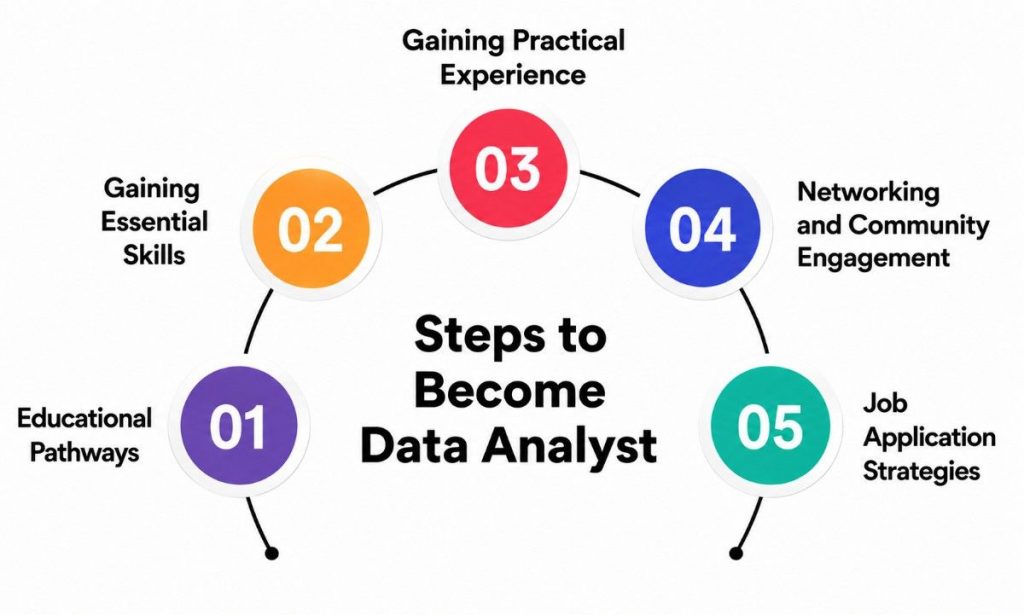
Understanding How to Get a Data Analytics Internship requires proper planning, skill development, and consistent effort. The first step is learning the fundamentals of data analytics, including data collection, data cleaning, statistical concepts, reporting, and visualization techniques. Building a strong foundation helps beginners become confident while applying for internship roles. The next step is developing essential technical skills using popular Data Analytics Tools. Beginners should learn Excel for data analysis, SQL for database management, Python for data processing, and Power BI for creating interactive dashboards. For beginners who want structured learning and practical exposure, enrolling in a Data Analytics Course can help strengthen these core skills. Completing practical Data Analytics Projects such as sales analysis, customer insights, financial reporting, and business dashboards can help candidates create a strong portfolio.
Skills and Qualifications Needed for a Data Analytics Internship
To secure a Data Analytics Internship, students need a combination of technical knowledge, analytical thinking, and communication skills. Employers usually look for candidates who understand data concepts and can work with different datasets to generate meaningful insights. Strong problem-solving ability and attention to detail are important qualities for aspiring data analysts. Knowledge of essential Data Analytics Tools is highly valuable for internship candidates. Beginners should develop skills in Excel, SQL, Python, and Power BI to perform data analysis, create reports, and build dashboards. Learning Data Visualization techniques helps candidates present insights clearly and communicate findings effectively to business teams. Apart from technical abilities, candidates should build a portfolio of practical Data Analytics Projects to demonstrate their capabilities. Skills such as data cleaning, statistical analysis, database querying, reporting, and business understanding are important Data Analyst Skills required for success. Students preparing for internships can also explore Data Analytics Internship Roadmap to understand the key preparation steps and skills needed. Completing relevant courses, certifications, and projects can strengthen a Data Analytics Internship Application and improve opportunities in Data Analytics Careers.

Where to Find Data Analytics Internship Opportunities
Finding the right Data Analytics Internship requires exploring multiple sources and applying consistently. Many companies offer internships through their official career websites, where students can find openings across industries such as technology, finance, healthcare, marketing, and consulting. Checking company websites regularly is an effective way to discover genuine Data Analyst Internship Opportunities. Online internship platforms and professional networking websites are also valuable resources for finding a Data Analytics Internship for Students. These platforms allow candidates to search for internships based on skills, location, duration, and eligibility requirements. Building a strong professional profile and connecting with industry professionals can improve visibility among recruiters. Universities and training institutes often provide internship opportunities through placement programs and industry partnerships. Students can also participate in hackathons, analytics competitions, and community projects to gain practical experience. Following a complete Data Analytics Internship Guide and applying proven Data Analytics Internship Tips can help beginners successfully find internships, develop Data Analyst Skills, and begin their journey toward rewarding Data Analytics Careers.
How to Create a Strong Resume and Portfolio for Data Analytics Internships
- Highlighting Relevant Data Analytics Skills: A strong resume for a Data Analytics Internship should clearly showcase technical and analytical abilities that align with employer expectations. Learners should present skills such as data cleaning, statistical analysis, data visualization, reporting, Excel, SQL, Python, Power BI, and business intelligence. A well-structured skills section demonstrates proficiency in industry-standard Data Analytics Tools and improves visibility during the hiring process.
- Showcasing Practical Data Analytics Projects: Including hands-on Data Analytics Projects helps demonstrate the ability to apply theoretical knowledge in real business scenarios. During Data Analytics Training, learners can build projects involving sales analysis, customer segmentation, financial reporting, dashboard development, and business performance analysis. Real-world project experience strengthens a resume and highlights problem-solving capabilities for Data Analyst Internship Opportunities.
- Including Technical Tools and Certifications: Recruiters value candidates who are familiar with widely used Data Analytics Tools and professional certifications. Learners should highlight experience with Excel, SQL, Python, Tableau, Power BI, database management systems, and cloud-based analytics platforms. Adding recognized certifications and training programs enhances credibility and improves eligibility for competitive Data Analytics Internship for Students programs.
- Building a Professional Data Analytics Portfolio: A well-organized portfolio allows candidates to present their practical work beyond a resume. Include project summaries, datasets, data cleaning methods, visualizations, dashboards, analytical findings, and business recommendations. A professional portfolio demonstrates practical expertise, supports a successful Data Analytics Internship Application, and showcases readiness for real-world Data Analytics Careers. Candidates can also learn more about Data Analyst Job Role to improve their understanding of the application process.
- Customizing Your Resume for Every Internship: Tailoring a resume for each internship significantly improves interview opportunities. Learners should match technical skills, projects, certifications, and achievements with specific internship requirements while emphasizing measurable accomplishments. Following this Data Analytics Internship Guide approach creates stronger applications, increases recruiter interest, and improves success in securing valuable Data Analyst Internship Opportunities.

Get JOB Oriented Data Science Training for Beginners By MNC Experts
- Instructor-led Sessions
- Real-life Case Studies
- Assignments
Tips for Writing an Impressive Data Analytics Internship Application
- Researching the Company and Internship Role: Before submitting a Data Analytics Internship Application, learners should thoroughly research the company’s industry, business objectives, and internship responsibilities. Understanding organizational goals helps candidates customize their resumes and applications while demonstrating genuine interest in the role. This Data Analytics Internship Guide approach improves application quality and increases the chances of securing valuable Data Analyst Internship Opportunities.
- Writing a Professional Cover Letter: A well-crafted cover letter introduces your interest in a Data Analytics Internship while highlighting academic achievements, technical expertise, analytical thinking, and practical project experience. Learners should present their knowledge of Data Analytics Tools, problem-solving abilities, and career goals in a professional manner. A strong cover letter creates a positive first impression and complements a well-structured internship application.
- Highlighting Relevant Data Analytics Projects: Practical Data Analytics Projects demonstrate the ability to apply analytical concepts to real-world business challenges. Learners can showcase projects involving data cleaning, visualization, dashboard creation, business reporting, customer analysis, and predictive analytics while explaining the tools, methodologies, and business outcomes achieved. Project experience strengthens a Data Analytics Internship Application and reflects practical industry readiness.
- Showcasing Technical and Soft Skills: A successful Data Analytics Internship for Students application should emphasize both technical expertise and interpersonal abilities. Learners can highlight proficiency in Data Analytics Tools such as Excel, SQL, Python, Power BI, and Tableau along with communication, critical thinking and problem-solving skills. Combining technical and soft skills demonstrates the ability to work effectively in collaborative business environments. Candidates can also explore Crack Google Data Analyst Interviews to gain additional insights into interview preparation, technical assessments, and essential skills required for Data Analyst roles.
- Following Effective Application Strategies: Applying early, tailoring every application, tracking submissions, preparing for interviews, and continuously improving resumes are essential Data Analytics Internship Tips for career success. Learners should focus on consistent preparation, personalized applications, and professional follow-up practices to improve visibility among recruiters and create better opportunities for long-term Data Analytics Careers.
Want to Master Data Science? Explore the Data Science Master Program Offered at ACTE Today!
How to Prepare for a Data Analytics Internship Interview
- Practicing SQL and Data Analysis Questions: Many organizations evaluate candidates through SQL coding exercises and analytical problem-solving tasks. Learners practice writing SQL queries, performing data manipulation, working with joins, aggregations, filtering, and analyzing datasets using industry-standard Data Analytics Tools. Regular practice improves technical proficiency and prepares candidates for real-world Data Analyst Internship Opportunities.
- Understanding Data Analytics Fundamentals: Before attending a Data Analytics Internship interview, learners should strengthen their understanding of core concepts such as data cleaning, data transformation, statistical analysis, databases, reporting, and business intelligence. Building a solid foundation in these topics improves analytical thinking, increases confidence during technical discussions, and supports long-term success in Data Analytics Careers. A Data Analytics Course can also help learners develop these essential concepts through structured training and practical exercises.
- Preparing to Explain Data Analytics Projects: Interviewers frequently ask candidates to discuss their Data Analytics Projects in detail. Learners understand how to explain project objectives, datasets, analytical approaches, tools used, business challenges, key findings, and measurable outcomes. Presenting projects confidently demonstrates practical Data Analyst Skills and highlights the ability to solve business problems using data-driven approaches.
- Improving Data Visualization Knowledge: Effective data visualization is an essential skill for aspiring data analysts. Learners develop dashboards and reports using Data Analytics Tools such as Power BI and Tableau while learning how to present business insights clearly through charts, KPIs, tables, and interactive visualizations. Strong Data Visualization capabilities enhance interview performance and demonstrate readiness for professional analytics roles.
- Practicing Behavioral Interview Questions: In addition to technical assessments, recruiters evaluate communication, teamwork, adaptability, leadership, and problem-solving abilities during interviews. Learners prepare structured responses based on real experiences, demonstrate professional behavior, and develop confidence in answering common behavioral questions. Following these interview preparation strategies supports a successful How to Get a Data Analytics Internship journey and improves the chances of securing valuable internship opportunities.
Want to Learn About DevOps? Explore Our Data Science Interview Questions and Answers Featuring the Most Frequently Asked Questions in Job Interviews.
Common Mistakes to Avoid When Applying for a Data Analytics Internship
- Submitting a Generic Resume: Using the same resume for every Data Analytics Internship reduces the chances of getting shortlisted. Learners should customize resumes by matching technical skills, relevant Data Analytics Projects, certifications, and achievements with the internship requirements. Tailoring each application demonstrates genuine interest and highlights the most relevant Data Analyst Skills for the role.
- Ignoring Practical Data Analytics Projects: Many candidates focus only on theoretical knowledge and certifications without gaining practical experience. During Data Analytics Training, learners can work on real-world Data Analytics Projects involving business reporting, dashboard development, data visualization, customer analysis, and predictive analytics. Practical project experience showcases problem-solving abilities and strengthens applications for Data Analyst Internship Opportunities.
- Applying Without Learning Essential Data Analytics Tools: A common mistake is applying for internships before developing proficiency in industry-standard Data Analytics Tools. Learners should build hands-on experience with Excel, SQL, Python, Power BI, Tableau, and database management systems to improve technical readiness. Strong tool knowledge increases confidence and prepares candidates for real-world business analysis tasks. Candidates can also explore Write a Data Analyst Job Description to better understand the skills and responsibilities commonly expected in Data Analyst roles.
- Poor Interview Preparation: Lack of preparation for technical assessments, project discussions, SQL questions, and behavioral interviews can significantly reduce internship success. Learners should practice explaining their Data Analytics Projects, reviewing analytical concepts, and improving communication skills. Following proven Data Analytics Internship Tips helps candidates perform confidently throughout the interview process.
- Giving Up After Rejections: Rejections are a common part of the competitive hiring process for Data Analytics Student Internship roles. Learners should continuously improve their technical skills, expand their portfolios, update resumes, earn relevant certifications, and apply consistently for new opportunities. Persistence, continuous learning, and practical experience contribute to long-term success in Data Analytics Careers.
Conclusion and Next Steps to Start Your Data Analytics Internship Journey
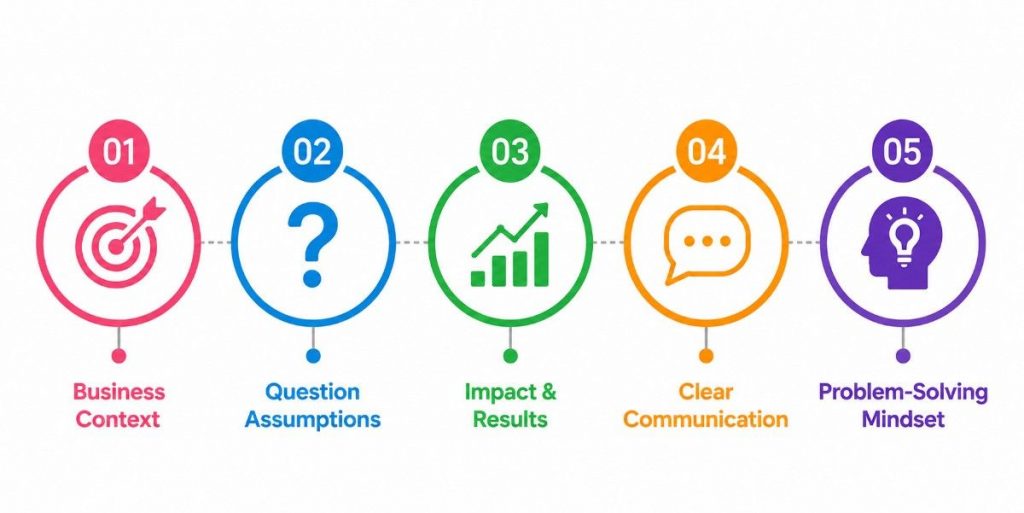
Starting a Data Analytics Internship is an important step toward building a successful career in the growing field of analytics. With businesses increasingly relying on data-driven decisions, skilled data analysts are in high demand across industries. This Data Analytics Internship Guide helps students understand the complete process of preparing for internships, developing essential skills, creating strong applications, and gaining practical experience through real-world projects. For students learning How to Get a Data Analytics Internship, the key steps include building technical knowledge, improving analytical abilities, creating a professional portfolio, and applying consistently to relevant opportunities. Developing expertise in Data Analytics Tools such as Excel, SQL, Python, and Power BI, along with improving Data Visualization skills, can significantly increase your chances of securing an internship. Students who want to strengthen their practical knowledge can also consider a Data Analytics Course to build industry-relevant skills. A strong Data Analytics Internship Application should highlight your technical abilities, certifications, academic achievements, and practical Data Analytics Projects. Following effective Data Analytics Internship Tips, such as customizing your resume, preparing for interviews, and continuously upgrading your knowledge, can help you stand out among other candidates. A Data Analytics Internship for Students provides valuable industry exposure and helps build confidence for future professional roles. Completing a Data Analytics Student Internship can open doors to exciting Data Analyst Internship Opportunities and long-term Data Analytics Careers. Continue improving your technical expertise, developing your Data Analyst Skills, and working on practical projects to strengthen your profile. With dedication, consistent learning, and the right approach, you can successfully begin your journey toward becoming a skilled data analyst and achieving your career goals.