LMS
LMS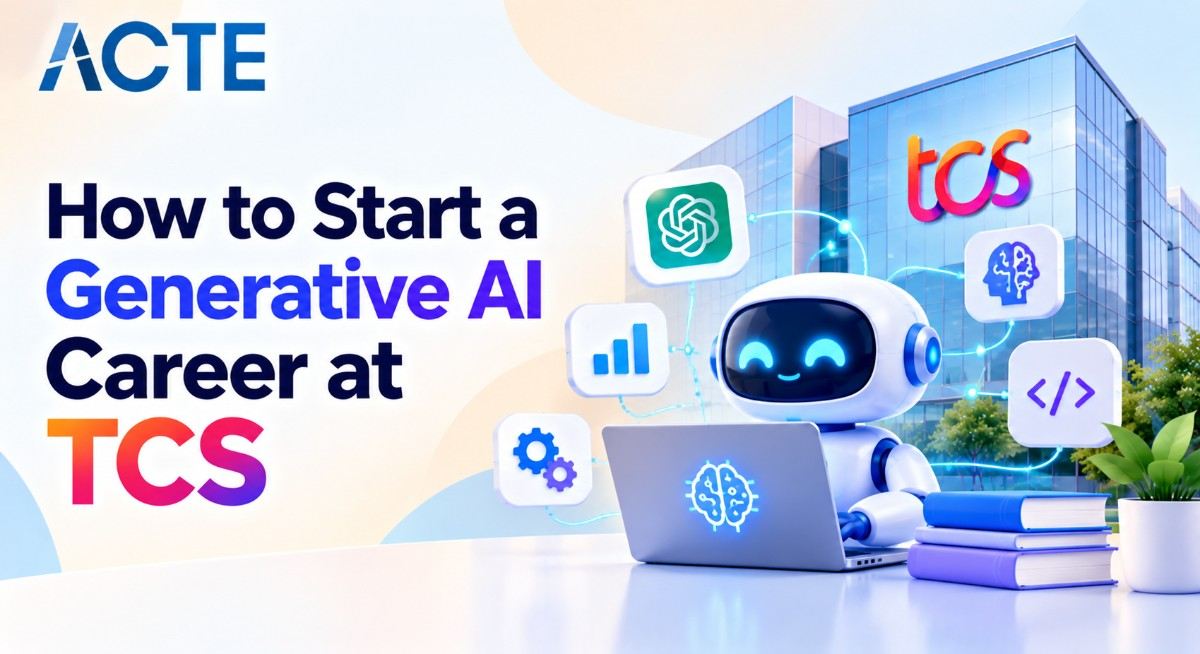
Last updated on 03rd Sep 2026| 4678

- Introduction to Starting a Generative AI Career at TCS
- Eligibility Requirements for Generative AI Careers at TCS
- Generative AI Job Roles and Opportunities at TCS
- Essential Skills to Build a Generative AI Career at TCS
- Generative AI Technologies and Tools to Learn for TCS
- How Freshers Can Start a Generative AI Career at TCS
- Generative AI Projects to Build for a TCS Career
- TCS Generative AI Recruitment and Selection Process
- Generative AI Career Growth and Opportunities at TCS
- Conclusion: Building a Successful Generative AI Career at TCS
Introduction to Starting a Generative AI Career at TCS
Starting a Generative AI career at TCS can open opportunities for professionals interested in building intelligent applications, automation solutions, AI-powered systems, and modern digital technologies. As Generative AI continues to transform how businesses develop software, analyze information, improve customer experiences, and automate processes, candidates can prepare for this career path by building strong technical knowledge and practical skills. Developing a foundation in Python, machine learning, deep learning, natural language processing, and modern Generative AI concepts can help aspiring professionals understand the technologies used in AI-driven projects. Learning about large language models, transformers, embeddings, prompt engineering, Retrieval-Augmented Generation, and AI application development can further support career preparation. Candidates looking to strengthen these skills can also explore Gen AI Training for structured learning and practical exposure. Practical experience through projects, internships, technical challenges, and cloud-based AI platforms can strengthen a candidate’s profile, while problem-solving, communication, continuous learning, and responsible AI awareness can contribute to long-term growth in Generative AI careers at TCS.
Eligibility Requirements for Generative AI Careers at TCS
- Educational Background: Candidates with degrees in Computer Science, Information Technology, Artificial Intelligence, Data Science, Engineering, or related technical fields can explore Generative AI career opportunities.
- Programming Skills: A good understanding of Python and basic software development concepts can help aspiring professionals develop and work with AI-powered applications.
- AI Knowledge: Candidates should build a foundation in machine learning, deep learning, natural language processing, neural networks, large language models, and Generative AI concepts.
- Academic Requirements: Freshers should check the qualification, graduation, academic percentage, backlog, and other eligibility conditions mentioned for the specific TCS recruitment program.
- Hands-On Experience: Academic projects, internships, personal AI projects, coding exercises, and practical experimentation can help candidates demonstrate their technical abilities. Building skills through a Gen AI Projects Tutorial can also help freshers gain practical exposure.
- Cloud and AI Platforms: Knowledge of cloud computing, AI services, APIs, model deployment, and scalable computing environments can be useful when preparing for Generative AI-related roles.
- Relevant Certifications: Certifications in Generative AI, machine learning, artificial intelligence, Python, or cloud technologies can strengthen a candidate’s learning profile and demonstrate technical knowledge.
- Soft Skills: Problem-solving, analytical thinking, communication, teamwork, adaptability, and continuous learning are important for contributing effectively to Generative AI projects at TCS.
Generative AI Job Roles and Opportunities at TCS
- Machine Learning Engineer: Build, train, evaluate, optimize, and deploy machine learning and Generative AI models based on project requirements.
- AI Developer: Incorporate Generative AI capabilities into software applications, digital platforms, and business solutions to improve their functionality.
- Generative AI Engineer: Develop AI-powered applications, integrate large language models, and create intelligent solutions for different enterprise use cases. Candidates can also strengthen their job application profile by following a Resume Writing for Gen AI Jobs.
- NLP Specialist: Work with natural language processing, text analysis, embeddings, language models, and conversational AI technologies.
- AI Consultant: Identify suitable Generative AI use cases, recommend technical approaches, and help organizations implement AI solutions aligned with business objectives.
- Prompt Engineer: Design, test, and refine prompts to improve the accuracy, relevance, and consistency of Generative AI model outputs for specific applications.
- AI Research Professional: Study emerging Generative AI techniques, experiment with new methodologies, and contribute to the development of innovative AI solutions.
- AI Technical Lead: Lead AI development teams, define technical approaches, oversee solution architecture, and support the successful delivery of Generative AI projects.
Essential Skills to Build a Generative AI Career at TCS
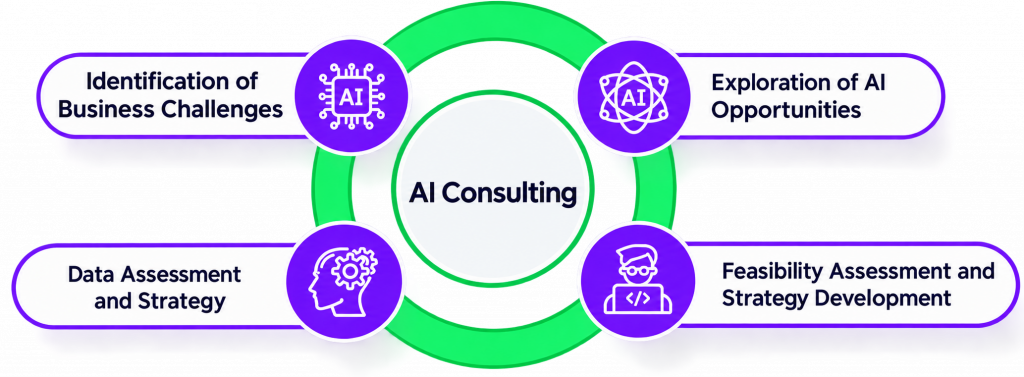
Building a Generative AI career at TCS requires a combination of programming knowledge, artificial intelligence fundamentals, practical development experience, and problem-solving abilities. Candidates should develop strong Python skills along with an understanding of machine learning, deep learning, natural language processing, and neural networks. Knowledge of large language models, transformers, prompt engineering, embeddings, Retrieval-Augmented Generation, fine-tuning, and model evaluation can help aspiring professionals work with modern Generative AI applications. Familiarity with cloud platforms, APIs, databases, Git, and model deployment practices is also valuable for developing scalable enterprise solutions. Candidates should gain practical experience with AI frameworks and learn how to integrate models into real-world applications. Those looking to strengthen their technical capabilities can explore Gen AI Training for structured learning and practical exposure. In addition to technical expertise, analytical thinking, communication, teamwork, adaptability, and continuous learning are important for contributing to AI projects. Developing these skills through hands-on projects, internships, certifications, and regular practice can help candidates prepare for Generative AI career opportunities at TCS.
Generative AI Technologies and Tools to Learn for TCS
- Python: Learn Python programming and essential libraries used for machine learning, artificial intelligence, and Generative AI development.
- Large Language Models: Understand how LLMs work and learn their applications in text generation, conversational AI, summarization, and content creation.
- Transformers: Gain knowledge of transformer architectures and their role in developing modern language and Generative AI models.
- Natural Language Processing: Learn NLP techniques for processing, analyzing, and generating human language using AI systems.
- Embeddings: Understand how text and other information can be converted into numerical representations for search, similarity matching, and AI applications.
- Vector Databases: Explore vector databases for storing and retrieving embeddings in applications such as semantic search and Retrieval-Augmented Generation.
- Prompt Engineering: Learn how to create, test, and optimize prompts to improve the quality and relevance of Generative AI outputs.
- Retrieval-Augmented Generation: Understand RAG techniques for connecting language models with external knowledge sources and enterprise data.
- AI Frameworks: Gain practical exposure to tools and frameworks such as TensorFlow, PyTorch, Hugging Face, and LangChain for AI development. A useful resource for building foundational knowledge is the Generative AI Tutorial for Beginners.
- Cloud and Deployment Tools: Learn cloud-based AI services, APIs, Git, Docker, databases, and model deployment practices for building scalable enterprise AI solutions.
How Freshers Can Start a Generative AI Career at TCS
Freshers can start a Generative AI career at TCS by building strong technical fundamentals and gaining practical experience with current AI technologies. Beginning with Python, data structures, machine learning, and deep learning can provide a strong foundation for learning advanced Generative AI concepts. Candidates can then develop knowledge of large language models, prompt engineering, embeddings, Retrieval-Augmented Generation, and AI application development through structured courses and hands-on practice. Creating projects such as AI chatbots, document summarization applications, question-answering systems, and content generation tools can help demonstrate practical capabilities. Internships, academic projects, coding challenges, and open-source contributions can further improve exposure to real-world development practices. Freshers can also refer to the Gen AI Engineer Internship to understand how practical experience can support their career preparation. Candidates should also work on communication, analytical thinking, and problem-solving skills while preparing for technical assessments and interviews. Maintaining a well-documented portfolio and regularly learning emerging Generative AI technologies can help candidates prepare for entry-level opportunities at TCS.
Generative AI Projects to Build for a TCS Career
Building practical Generative AI projects can help aspiring professionals demonstrate their technical knowledge and application development skills when preparing for a career at TCS. Candidates can begin with beginner-friendly projects such as AI chatbots, text summarization tools, content generation applications, and question-answering systems. As their skills improve, they can develop intermediate projects using large language models, embeddings, vector databases, APIs, and Retrieval-Augmented Generation to solve practical problems. Advanced projects can include enterprise knowledge assistants, intelligent document processing systems, AI-powered customer support applications, or domain-specific Generative AI solutions. Candidates looking to strengthen their practical knowledge can also explore Gen AI Training to gain structured learning and hands-on exposure. Each project should clearly explain the problem, technologies used, development process, and results. Publishing projects on GitHub with proper documentation and showcasing them in a professional portfolio can help candidates demonstrate their ability to apply Generative AI concepts to real-world scenarios. Regularly improving these projects with new AI techniques can further strengthen a candidate’s profile for Generative AI opportunities at TCS.
TCS Generative AI Recruitment and Selection Process
- Application Screening: TCS reviews candidates’ educational qualifications, technical skills, experience, and overall profile based on the requirements of the Generative AI position.
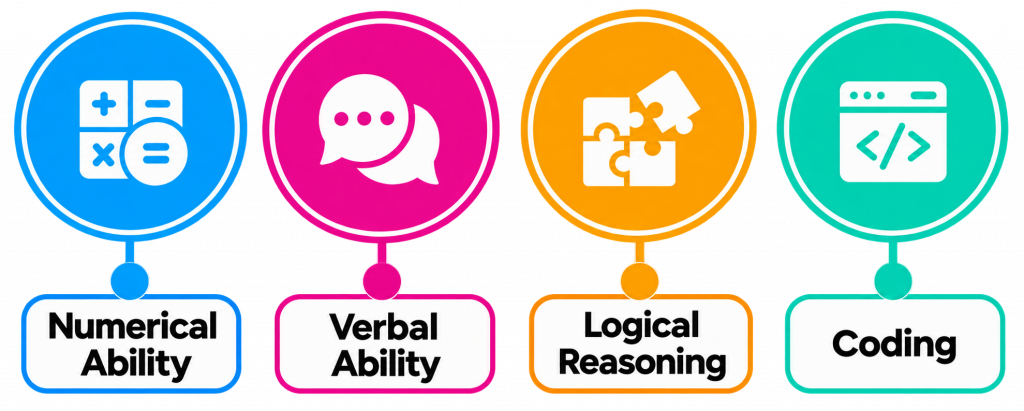
- Aptitude Assessment: Candidates may be evaluated on logical reasoning, quantitative aptitude, verbal ability, and analytical thinking as part of the initial assessment.
- Coding Assessment: Technical evaluations may include programming problems that test Python knowledge, coding ability, data structures, algorithms, and problem-solving skills.
- Technical Evaluation: Candidates should prepare for questions related to machine learning, deep learning, NLP, Generative AI, large language models, prompt engineering, and AI application development.
- Project Discussion: Candidates may be asked to explain their academic, personal, internship, or professional AI projects, including the technologies used and challenges solved.
- AI and Cloud Knowledge: Familiarity with model deployment, cloud platforms, APIs, databases, and enterprise AI implementation can be useful during technical discussions.
- Role-Specific Evaluation: Experienced candidates may face discussions about previous responsibilities, system design, AI architecture, model optimization, deployment, and real-world Generative AI implementations. Reviewing the Generative AI Internship Tutorial can provide additional preparation ideas for AI-focused opportunities.
- Technical Interview: The interview may assess programming fundamentals, AI concepts, project knowledge, technical decision-making, and the candidate’s ability to solve practical problems.
- HR or Managerial Discussion: Candidates may be evaluated on communication, teamwork, adaptability, career goals, problem-solving approach, and their interest in working on AI projects.
- Final Selection: Candidates who successfully complete the required assessments and interviews may proceed to the final selection and onboarding process based on the applicable TCS role and hiring program.
Generative AI Career Growth and Opportunities at TCS
A Generative AI career at TCS can provide opportunities for professionals to expand their technical expertise and progress toward specialized and leadership-oriented positions. Freshers may begin with responsibilities involving AI application development, model integration, data preparation, prompt design, or testing before moving into more advanced roles. With experience, professionals can explore positions such as Generative AI Engineer, Machine Learning Engineer, AI Consultant, AI Architect, or Technical Lead. Career progression can depend on technical knowledge, project exposure, problem-solving skills, and continuous learning. Professionals who strengthen their understanding of large language models, Retrieval-Augmented Generation, cloud AI platforms, model deployment, and AI architecture can contribute to increasingly complex projects. Exposure to different industries and enterprise use cases can further expand their practical experience. Candidates can also explore resources such as the Generative AI Engineer at Google to gain broader insights into skills and career development in Generative AI. Building certifications, completing advanced projects, and keeping pace with emerging AI technologies can help professionals continue developing their capabilities throughout their careers.
Conclusion: Building a Successful Generative AI Career at TCS
Starting a Generative AI career at TCS requires a combination of strong technical fundamentals, practical experience, and continuous learning. Candidates can begin by developing skills in Python, machine learning, deep learning, natural language processing, large language models, prompt engineering, and Generative AI application development. Building real-world projects, completing internships, earning relevant certifications, and maintaining a professional portfolio can help demonstrate practical capabilities. Freshers can focus on strengthening their fundamentals and gaining hands-on experience, while experienced professionals can leverage their existing software, cloud, data, or AI knowledge to move into specialized roles. Candidates looking to strengthen their practical Generative AI skills can also explore Gen AI Training to gain structured learning and hands-on experience. Preparing for technical assessments and interviews while improving communication and problem-solving skills can further support the job search process. As Generative AI continues to evolve, staying updated with emerging technologies and responsible AI practices can help professionals build a sustainable and rewarding career at TCS.