LMS
LMS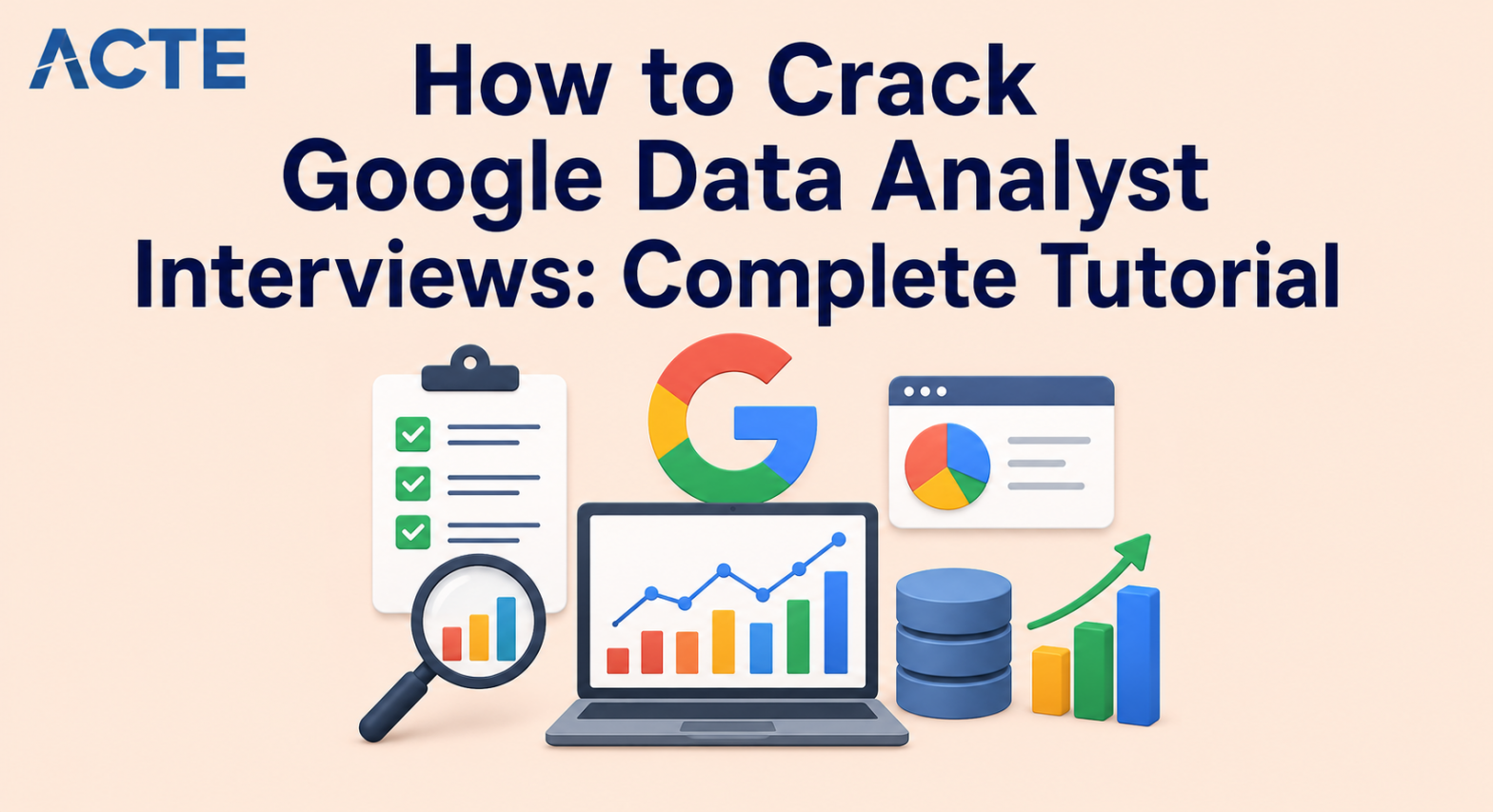
Last updated on 25th Jul 2026| 4871

- Introduction to Data Analyst Interviews
- Benefits of Preparing for a Data Analyst Interview
- How to Crack Data Analyst Interview: Step-by-Step Guide
- Skills and Qualifications Needed for a Data Analyst Interview
- Common Data Analyst Interview Questions and Answers
- How to Prepare Your Resume and Portfolio for Data Analyst Interviews
- Tips for Successful Data Analyst Interview Preparation
- How to Demonstrate Data Analytics Skills During an Interview
- Common Mistakes to Avoid During a Data Analyst Interview
- Conclusion and Next Steps to Crack Your Data Analyst Interview
Introduction to Data Analyst Interviews
A Data Analyst Interview is an important step for candidates looking to start or advance their careers in the data analytics field. Companies use interviews to evaluate a candidate’s technical knowledge, analytical thinking, problem-solving ability, and understanding of business data. A successful interview requires preparation in areas such as data analysis concepts, statistics, SQL, programming, reporting, and visualization. This Data Analyst Interview Guide helps beginners and professionals understand the complete interview process, required skills, and preparation strategies. Learning How to Crack Data Analyst Interview requires a combination of technical expertise, practical experience, and confidence. Candidates can strengthen their foundation through a Data Analytics Course, while gaining experience with Data Analytics Tools and practicing real-world scenarios to improve their chances of securing Data Analyst Jobs.
Benefits of Preparing for a Data Analyst Interview
Proper Data Analyst Interview Preparation helps candidates improve their confidence, technical knowledge, and ability to answer complex analytical problems effectively. Preparing in advance allows candidates to understand common interview patterns, improve communication skills, and showcase their experience with data-related projects. A well-planned preparation strategy helps candidates perform better in technical discussions, case studies, and behavioral rounds. Following a structured Data Analyst Interview Guide enables learners to focus on important areas such as SQL, Python, statistics, reporting, and visualization. Candidates can also strengthen their fundamentals by exploring Learn Data Analytics from Scratch, which can help build a stronger foundation before attending interviews. Developing strong Data Analyst Skills and practicing with Data Analytics Tools can help candidates demonstrate their ability to solve real-world business problems. Effective preparation also improves career opportunities and helps candidates move closer to achieving their goals in Data Analyst Jobs.
Get Your Data Analytics Certification by Learning from Industry-Leading Experts and Advancing Your Career with ACTE’s Data Analytics Course.
How to Crack Data Analyst Interview: Step-by-Step Guide
Learning How to Crack Data Analyst Interview requires a structured preparation approach that covers technical concepts, practical projects, and interview techniques. The first step is understanding the fundamentals of data analytics, including data cleaning, data transformation, statistics, and reporting. Candidates should practice SQL Interview Questions to improve database querying skills and strengthen their ability to work with large datasets. Learning Python for Data Analysis helps candidates perform advanced data manipulation, automation, and analytical tasks. Another important step is improving data storytelling abilities through Data Visualization Interview Questions and dashboard-related discussions. Candidates should also prepare by reviewing their past projects, understanding business scenarios, and practicing common Data Analyst Interview Questions. For additional guidance on building an internship-focused career path, candidates can explore Data Analytics Internship Roadmap Following a complete Data Analyst Interview Guide helps candidates build confidence and successfully prepare for different interview stages.
Skills and Qualifications Needed for a Data Analyst Interview
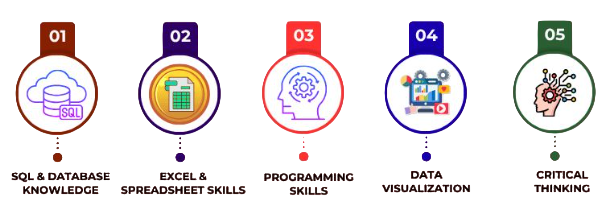
To perform well in a Data Analyst Interview, candidates need a combination of technical skills, analytical abilities, and business understanding. Important Data Analyst Skills include SQL knowledge, spreadsheet expertise, statistical analysis, data visualization, programming, and problem-solving capabilities. Familiarity with Data Analytics Tools such as Excel, SQL databases, Python, Power BI, and Tableau helps candidates demonstrate practical industry knowledge. Employers often evaluate a candidate’s ability to analyze data, identify trends, and communicate insights clearly. Knowledge of Python for Data Analysis is valuable for handling complex datasets and performing automation tasks. Candidates should also understand business concepts and be able to explain their analytical approach during interviews. Enrolling in a structured Data Analytics Course can help learners strengthen these technical and practical skills before attending interviews. A strong foundation in these areas supports long-term growth according to a Data Analyst Career Guide and improves opportunities in Data Analyst Jobs.

Learn Advanced Data Analytics Certification Training Course to Build Your Skills
Weekday / Weekend BatchesSee Batch DetailsCommon Data Analyst Interview Questions and Answers
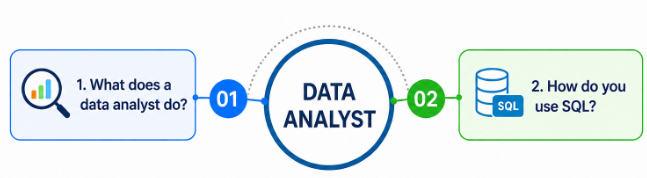
Data Analyst Interview Questions usually focus on technical skills, analytical thinking, project experience, and business problem-solving abilities. Candidates may be asked about SQL queries, data cleaning methods, statistical concepts, dashboard creation, and real-world analysis scenarios. SQL Interview Questions often test knowledge of joins, filtering, aggregation, subqueries, and database operations. Interviewers may also ask Python for Data Analysis questions related to data manipulation, libraries, and automation techniques.

Get JOB Oriented Data Analytics Training for Beginners By MNC Experts
- Instructor-led Sessions
- Real-life Case Studies
- Assignments
How to Prepare Your Resume and Portfolio for Data Analyst Interviews
- Creating a Professional Data Analyst Resume: A well-structured resume is essential for making a strong impression during a Data Analyst Interview. Learners should present education, technical skills, certifications, work experience, and analytical achievements clearly. A targeted resume helps candidates showcase their strengths and improves their chances of getting shortlisted for Data Analyst Jobs.
- Highlighting Relevant Data Analyst Skills: A strong resume should showcase essential Data Analyst Skills such as SQL, Excel, Python, statistics, reporting, data visualization, and problem-solving abilities. Highlighting experience with Data Analytics Tools demonstrates the ability to work with real-world datasets, generate insights, and solve business challenges.
- Showcasing Practical Projects and Experience: Practical projects help recruiters evaluate analytical thinking and technical abilities. Candidates can include projects related to data cleaning, dashboard development, customer analysis, sales reporting, business intelligence, and data visualization. These examples provide valuable discussion points when answering Data Analyst Interview Questions.
- Building a Strong Data Analytics Portfolio: A professional portfolio allows candidates to showcase practical work beyond a resume. Include project objectives, datasets, analytical methods, Data Analytics Tools, dashboards, visualizations, and business outcomes. Candidates can also review Data Analyst Job Role Step-by-Step Guide to better understand how to present their qualifications for relevant opportunities.
- Customizing Your Resume for Each Job Role: Different Data Analyst Jobs require different technical skills, tools, and experiences. Customize resumes according to specific job descriptions by highlighting relevant projects, certifications, achievements, and technical abilities. This targeted approach helps candidates improve their applications and prepare more effectively for Data Analyst Interview processes.
Want to Master Data Analytics? Explore the Data Analytics Master Program Offered at ACTE Today!
Tips for Successful Data Analyst Interview Preparation
- Understanding Core Data Analytics Concepts: Before attending a Data Analyst Interview, candidates should revise essential concepts such as data cleaning, statistics, database management, reporting, data analysis techniques, and business intelligence fundamentals. A strong understanding of these concepts helps learners answer technical questions confidently and supports effective Data Analyst Interview Preparation.
- Practicing SQL Interview Questions: SQL is one of the most important technical skills evaluated during Data Analyst Interviews. Candidates should practice SQL Interview Questions related to joins, filtering, aggregation, subqueries, window functions, and data manipulation to improve query-writing accuracy and problem-solving abilities. Strong SQL knowledge helps candidates analyze datasets and handle real-world business scenarios effectively.
- Following a Structured Preparation Plan: A consistent preparation strategy helps candidates cover technical concepts, practice interview questions, improve communication skills, and build confidence. Candidates can strengthen their practical knowledge through a structured Data Analytics Course while following a complete Data Analyst Interview Guide. This creates an organized learning path and supports better performance during interviews for Data Analyst Jobs.
- Improving Python for Data Analysis Skills: Python for Data Analysis helps candidates manage large datasets, automate repetitive tasks, perform statistical analysis, and create data-driven solutions. Learners can practice Python libraries such as Pandas, NumPy, and other analytical tools to strengthen technical preparation and demonstrate programming capabilities during Data Analyst Interviews.
- Preparing Data Visualization Concepts: Data visualization skills are essential for presenting insights clearly and effectively. Candidates should understand how to create meaningful charts, dashboards, and reports using visualization tools such as Power BI and Tableau. Practicing Data Visualization Interview Questions helps learners explain how they transform raw data into valuable business insights.
Want to Learn About Data Analytics? Explore Our Data Analytics Interview Questions and Answers Featuring the Most Frequently Asked Questions in Job Interviews.
How to Demonstrate Data Analytics Skills During an Interview
- Explaining Your Analytical Approach Clearly: During a Data Analyst Interview, candidates should explain how they approach problems, collect relevant data, analyze information, and generate meaningful insights. Demonstrating structured thinking, logical reasoning, and problem-solving abilities helps interviewers evaluate their ability to handle real-world data challenges.
- Showcasing Experience with Data Analytics Tools: Candidates should discuss practical experience with Data Analytics Tools such as SQL, Excel, Python, Power BI, Tableau, and database systems. Explaining how these tools were applied to data cleaning, analysis, reporting, visualization, and decision-making demonstrates technical knowledge and workplace readiness.
- Connecting Skills with Business Problems: Data analysts should demonstrate how their technical knowledge can help organizations solve business challenges and make informed decisions. Candidates can explain how they understand requirements, analyze relevant data, and recommend data-driven solutions. Learning Write a Data Analyst Job Description can also help candidates understand the skills and responsibilities commonly associated with Data Analyst Jobs.
- Discussing Real-World Data Projects: Sharing examples from previous Data Analytics Projects helps demonstrate practical skills and analytical thinking. Candidates should explain project objectives, datasets, challenges, analysis methods, tools used, and final outcomes when answering Data Analyst Interview Questions. Specific examples provide evidence of their problem-solving capabilities.
- Communicating Insights Effectively: A successful data analyst must communicate findings clearly to technical teams, business stakeholders, and decision-makers. Candidates should practice explaining dashboards, reports, trends, and recommendations in a simple and understandable manner. Strong communication skills can improve interview performance and career opportunities in Data Analyst Jobs.
Common Mistakes to Avoid During a Data Analyst Interview
- Lack of Technical Preparation: Not preparing essential topics such as SQL, Python, statistics, data analysis concepts, and visualization techniques can negatively affect interview performance. Candidates should follow a structured Data Analyst Interview Preparation plan, practice technical questions regularly, and strengthen their analytical skills to answer confidently.
- Ignoring Practical Experience: Candidates who focus only on theoretical concepts may struggle with real-world problem-solving questions. Working on Data Analytics Projects and gaining hands-on experience with tools such as SQL, Excel, Python, Power BI, and Tableau helps demonstrate practical knowledge during a Data Analyst Interview.
- Failing to Plan Career Growth: Candidates should understand their professional goals, required skills, and learning path. Exploring Data Analyst Job at Google can help candidates understand how to approach competitive Data Analyst Jobs while improving their technical expertise, projects, and interview readiness.
- Poor Understanding of Projects: Being unable to explain your own projects can create a negative impression. Candidates should prepare clear explanations of project objectives, datasets, tools used, analysis methods, challenges, and outcomes. Strong project discussions demonstrate the technical and problem-solving abilities required for Data Analyst Jobs.
- Not Practicing Interview Questions: Ignoring common Data Analyst Interview Questions can reduce confidence during technical discussions. Candidates should practice SQL queries, Python problems, business case studies, visualization scenarios, and analytical questions to improve their preparation and interview performance.
Conclusion and Next Steps to Crack Your Data Analyst Interview
Successfully preparing for a Data Analyst Interview requires a combination of technical knowledge, practical experience, and effective communication skills. Candidates who follow a structured preparation approach can improve their confidence and increase their chances of securing opportunities in the analytics field. This Data Analyst Interview Guide helps learners understand important concepts, preparation strategies, and the skills required to perform well during different interview stages. For candidates learning How to Crack Data Analyst Interview, the next steps include strengthening Data Analyst Skills, practicing real-world problems, and improving knowledge of industry-relevant technologies. Regular practice with Data Analytics Tools such as Excel, SQL, Python, Power BI, and Tableau helps candidates become comfortable with data analysis tasks. Candidates can further strengthen their practical knowledge by enrolling in a structured Data Analytics Course focused on relevant tools and real-world applications. Preparing for SQL Interview Questions and improving Python for Data Analysis skills can help candidates handle technical interview rounds more effectively. A successful Data Analyst Interview Preparation strategy should include reviewing common Data Analyst Interview Questions, practicing case studies, and preparing clear explanations of previous projects. Improving your ability to create reports, analyze trends, and present insights through dashboards and charts will help you perform better in Data Visualization Interview Questions. Following a proper Data Analyst Career Guide and continuously upgrading your technical abilities can open doors to better Data Analyst Jobs. Keep building projects, gaining practical experience, and improving your analytical skills to stay competitive in the industry. With consistent preparation, dedication, and the right learning approach, you can confidently crack your data analyst interview and build a successful career in data analytics.