LMS
LMS
Last updated on 23rd Jun 2026| 4604

- Introduction to Data Science Internships
- Understanding the Role of a Data Science Intern
- Building Essential Data Science Skills
- Learning Programming Languages and Analytics Tools
- Developing Projects and Creating a Strong Portfolio
- Earning Relevant Certifications and Practical Experience
- Creating an Effective Resume and LinkedIn Profile
- Finding and Applying for Data Science Internship Opportunities
- Preparing for Data Science Internship Interviews
- Conclusion: Securing Your First Data Science Internship Successfully
Introduction to Data Science Internships
Data science internships are valuable opportunities for students and fresh graduates to gain practical experience in one of the fastest-growing fields in technology and business. These internships allow aspiring data scientists to apply theoretical concepts learned in academics to real-world business problems using data-driven approaches. Organizations across industries such as technology, healthcare, finance, e-commerce, and consulting use data science to improve decision-making, optimize operations, and predict future trends in our Data Science Training. Through internships, students gain exposure to data collection, cleaning, analysis, visualization, machine learning, and statistical modeling. They also learn how businesses use data to solve challenges and create competitive advantages. Working alongside experienced professionals helps interns understand industry expectations and develop technical and professional skills. Internship experience strengthens resumes, builds confidence, and improves employability by demonstrating practical expertise. As companies continue to invest in analytics and artificial intelligence, data science internships have become an important stepping stone toward securing rewarding careers in data science, machine learning, and advanced analytics.
Understanding the Role of a Data Science Intern
A data science intern supports analytics and data-driven projects while learning how organizations use data to solve business challenges. Interns may be involved in collecting, cleaning, organizing, and analyzing large datasets to identify trends, patterns, and insights. They often assist in creating reports, dashboards, visualizations, and predictive models that help decision-makers understand business performance. Depending on the organization, interns may work with machine learning algorithms, statistical techniques, customer behavior analysis, forecasting models, or business intelligence solutions in our Data Science Training. The role also involves collaborating with data analysts, engineers, business teams, and project managers to support ongoing initiatives. Through these responsibilities, interns gain practical experience with industry tools, programming languages, and data workflows. They learn how to transform raw data into meaningful information that supports strategic decision-making. Understanding the responsibilities of a data science intern helps students prepare effectively for internship opportunities and develop the skills required to succeed in professional analytics environments.
Get Your Data Science Certification by Learning from Industry-Leading Experts and Advancing Your Career with ACTE’s Data Science Training.
Building Essential Data Science Skills
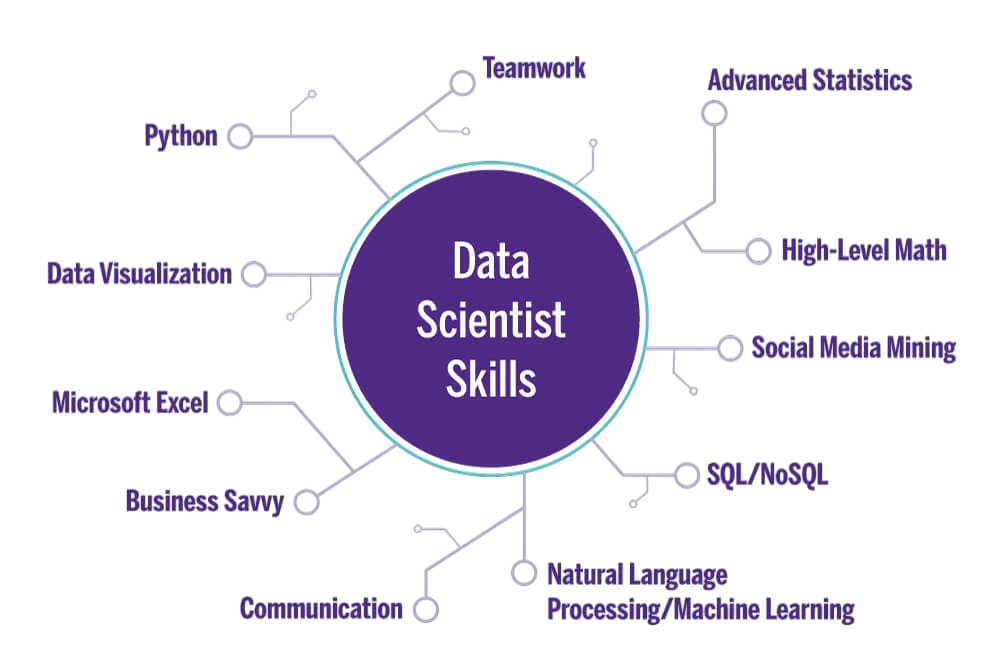
Developing a strong foundation of data science skills is essential for securing and succeeding in internship opportunities. Students should focus on building knowledge in statistics, mathematics, data analysis, data visualization, and problem-solving techniques. Understanding concepts such as probability, hypothesis testing, regression analysis, and statistical modeling helps create a strong analytical foundation and Machine Learning Basics Tutorial for Data Science Interns. Data science also requires critical thinking and the ability to interpret complex information to generate actionable insights. Students should practice working with datasets, identifying trends, and communicating findings clearly. Familiarity with databases, data cleaning techniques, and exploratory data analysis is equally important because much of a data scientist’s work involves preparing and organizing information before analysis. Soft skills such as communication, teamwork, adaptability, and time management are also highly valued by employers. By consistently developing both technical and professional skills, aspiring data scientists can improve their internship prospects and prepare themselves for future career opportunities in analytics, artificial intelligence, and machine learning.
Learning Programming Languages and Analytics Tools
Programming knowledge is a critical requirement for most data science internships. Students should focus on learning widely used languages such as Python and R, which are commonly used for data analysis, machine learning, and statistical modeling. Python is particularly popular because of its extensive libraries, including Pandas, NumPy, Matplotlib, Scikit-learn, and TensorFlow, which support data science workflows. In addition to programming, students should learn SQL for database management and data retrieval and How to Make a Professional Data Science Resume Tutorial. Familiarity with analytics and visualization tools such as Power BI, Tableau, Excel, and Google Analytics can also improve internship opportunities. Understanding cloud platforms and big data technologies may provide additional advantages in competitive job markets. Practical experience using these tools helps students analyze datasets, create visual reports, and develop predictive models. Employers often seek candidates who can contribute immediately using industry-standard technologies, making technical proficiency an important factor when applying for data science internships.

Developing Projects and Creating a Strong Portfolio
A strong portfolio is one of the most effective ways to demonstrate data science skills to potential employers. Students should work on practical projects that showcase their ability to collect, clean, analyze, and visualize data while solving meaningful problems. Portfolio projects can include customer behavior analysis, sales forecasting, sentiment analysis, recommendation systems, predictive modeling, and machine learning applications. These projects provide evidence of technical expertise and demonstrate the ability to apply analytical concepts in real-world situations and How to Build a Data Science Internship Portfolio . Students should document project objectives, methodologies, tools used, key findings, and business insights to highlight their problem-solving abilities. Publishing projects on platforms such as GitHub and creating professional project summaries can further strengthen visibility. A well-structured portfolio helps recruiters evaluate practical capabilities beyond academic qualifications and certifications. By consistently building and improving projects, aspiring data scientists can showcase their skills effectively, differentiate themselves from other applicants, and significantly improve their chances of securing valuable internship opportunities.

Get JOB Oriented Data Science Training for Beginners By MNC Experts
- Instructor-led Sessions
- Real-life Case Studies
- Assignments
Earning Relevant Certifications and Practical Experience
- Industry-Recognized Certifications Certifications in data science, machine learning, Python, SQL, and analytics help validate technical knowledge and demonstrate commitment to learning. They strengthen resumes and show recruiters that candidates possess relevant industry skills and foundational expertise.
- Online Learning Platforms Platforms such as Coursera, Udemy, edX, and DataCamp offer structured courses that help students gain practical knowledge and Introduction to Data Analytics: Concepts and Importance . Completing these programs provides hands-on experience and strengthens understanding of data science concepts and tools.
- Participating in Practical Projects Working on personal, academic, or open-source projects allows students to apply theoretical concepts in real-world scenarios. Practical experience helps improve technical proficiency and creates valuable portfolio content.
- Joining Data Science Competitions Competitions on platforms like Kaggle help students solve real analytical problems, improve problem-solving abilities, and gain exposure to machine learning techniques commonly used in industry.
- Building Real-World Experience Freelancing, volunteering, and internship preparation projects help students gain practical exposure and demonstrate the ability to work with datasets, analytics tools, and business problems.
Want to Master Gen AI? Explore the Data Science Master Program Offered at ACTE Today!
Creating an Effective Resume and LinkedIn Profile
- Highlighting Relevant Skills A strong resume should clearly showcase technical skills such as Python, SQL, machine learning, data visualization, statistics, and analytics tools that are relevant to data science internship roles.
- Showcasing Projects and Achievements Including data science projects, certifications, competitions, and measurable accomplishments helps recruiters evaluate practical capabilities beyond academic qualifications and coursework.
- Creating a Professional LinkedIn Presence An optimized LinkedIn profile with a professional summary, skills, certifications, and project details improves visibility and increases opportunities to connect with recruiters and industry professionals and Learn more in R Programming and Learn R Software .
- Using Clear and Professional Formatting Well-structured resumes with concise descriptions, clear headings, and organized information make it easier for hiring managers to identify relevant qualifications and experience.
- Demonstrating Continuous Learning Employers value candidates who actively develop new skills. Highlighting certifications, online courses, workshops, and learning activities demonstrates dedication to professional growth.
Want to Learn About DevOps? Explore Our Data Science Interview Questions and Answers Featuring the Most Frequently Asked Questions in Job Interviews.
Finding and Applying for Data Science Internship Opportunities
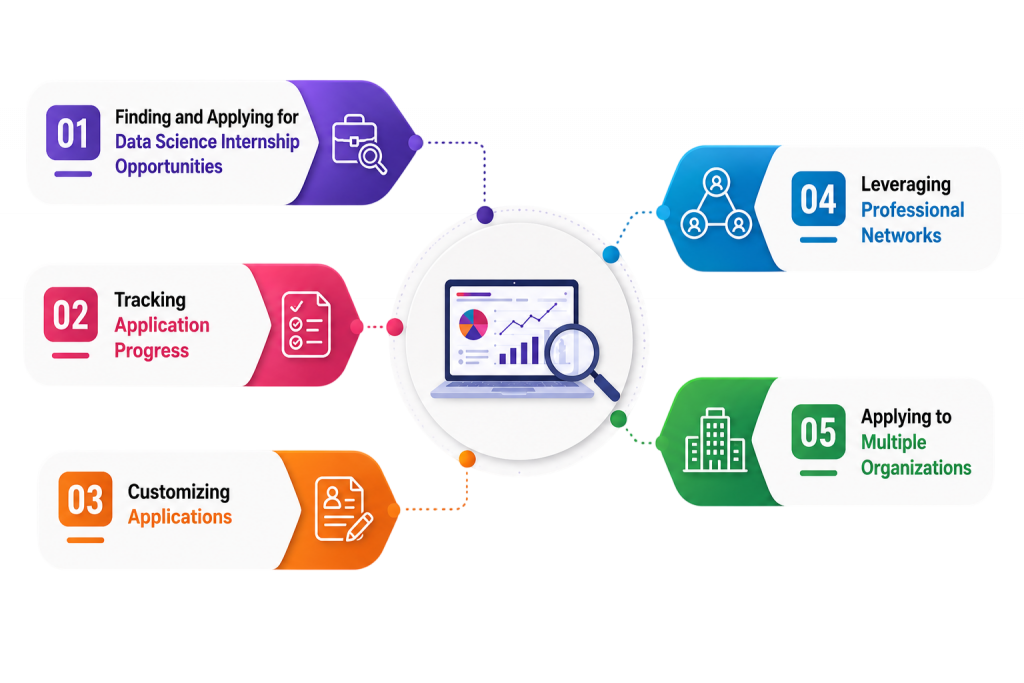
- Using Internship Job Portals Students can search for opportunities through LinkedIn, Internshala, Indeed, Glassdoor, Naukri, and company career portals that regularly publish internship openings.
- Applying to Multiple Organizations Submitting applications to various companies increases the chances of securing interviews and Probability Density Function in Statistics Tutorial | Definition, Formula & Examples . Consistent applications help students explore opportunities across industries and locations.
- Leveraging Professional Networks Networking with professors, mentors, alumni, and industry professionals can help students discover internship openings and receive valuable referrals or recommendations.
- Customizing Applications Tailoring resumes and cover letters to match specific internship requirements demonstrates genuine interest and increases the likelihood of attracting recruiter attention.
- Tracking Application Progress Maintaining records of submitted applications, interview schedules, and follow-up communications helps students stay organized throughout the internship search process and Learn more in Tutorial on Statistics and Probability for Data Science .
- Reviewing Core Data Science Concepts Candidates should strengthen their understanding of statistics, machine learning fundamentals, data cleaning, visualization techniques, and analytical problem-solving methods before interviews and must know Data Scientist vs Analyst vs Engineer.
- Practicing Programming and SQL Questions Many interview processes include coding and database assessments. Regular practice with Python, SQL, and algorithmic problems helps improve technical confidence and performance.
- Preparing Project Explanations Interviewers frequently ask candidates to discuss portfolio projects. Students should be ready to explain objectives, methodologies, tools used, challenges faced, and results achieved.
- Improving Communication Skills Data scientists must communicate findings effectively in our Data Science Training. Practicing clear and concise explanations helps candidates present technical concepts to both technical and non-technical audiences.
- Conducting Mock Interviews Mock interviews help students become familiar with interview formats, identify areas for improvement, and build confidence before participating in actual internship selection processes.
Preparing for Data Science Internship Interviews
Conclusion: Securing Your First Data Science Internship Successfully
Securing your first data science internship successfully requires a balanced combination of strong technical skills, practical experience, and consistent effort. As a beginner, it is important to build a solid foundation in Python, SQL, statistics, and data visualization tools, as these are commonly expected by recruiters. Along with theory, working on real-world projects such as data analysis, dashboards, or machine learning models helps you demonstrate applied knowledge. Creating a strong portfolio on platforms like GitHub can significantly improve your visibility. In addition, updating your resume and LinkedIn profile with relevant skills, certifications, and projects increases your chances of getting noticed in our Data Science Training. Actively applying for internships, networking with professionals, and participating in online communities also play a major role in finding opportunities. Finally, practicing interview questions and case studies helps build confidence and improves your performance during selection rounds. With patience, consistency, and continuous learning, you can successfully secure your first data science internship and take an important step toward a promising career in data science.