LMS
LMS
Last updated on 18th Jun 2026| 4595

- Introduction to Data Science
- Skills Required
- Learning Roadmap
- Tools and Technologies
- Building Projects
- Creating a Portfolio
- Resume Preparation
- Applying for Jobs
- Interview Preparation
- Career Growth Tips
Introduction to Data Science
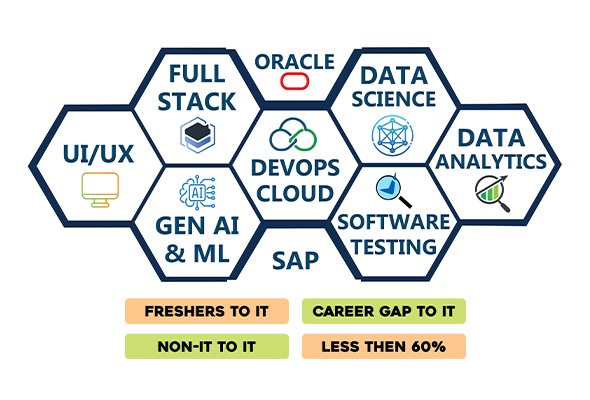
Data Science is a multidisciplinary field that integrates programming, statistical analysis, and domain expertise to extract meaningful insights from data. It involves various stages such as data collection from multiple sources, data cleaning to remove inconsistencies, exploratory data analysis to understand patterns, and building predictive models using machine learning algorithms. Learning through a professional Data Science Training program helps learners gain practical experience with these concepts and real-world projects. Data science helps organizations make data-driven decisions, optimize operations, and forecast future trends. For example, e-commerce companies use data science to recommend products, banks use it to detect fraud, and healthcare organizations use it to predict diseases. With the exponential growth of data in today’s digital world, the importance of data science has increased significantly across industries. Understanding its fundamentals helps beginners appreciate how raw data is transformed into actionable intelligence.
Skills Required
- Building a successful career in Data Science requires a balanced combination of technical expertise, analytical thinking, business understanding, and strong communication skills. Employers look for professionals who can collect, analyze, interpret, and present data-driven insights that support informed business decisions and solve real-world problems effectively.
- Programming proficiency is one of the most important technical skills for a data scientist. Python and R are widely used for data analysis, statistical modeling, automation, and machine learning. Familiarity with libraries such as NumPy, Pandas, Matplotlib, Scikit-learn, TensorFlow, and PyTorch significantly enhances productivity and analytical capabilities.
- A solid understanding of mathematics, statistics, and probability is essential for analyzing datasets, identifying trends, testing hypotheses, and building reliable predictive models. Knowledge of concepts such as distributions, hypothesis testing, linear algebra, and calculus helps in understanding how machine learning algorithms work.
- Machine Learning is a core component of Data Science. Professionals should understand supervised and unsupervised learning techniques, including regression, classification, clustering, decision trees, ensemble methods, model evaluation, feature engineering, and hyperparameter tuning to develop accurate predictive models. Learning through the Machine Learning Basics Tutorial for Data Science Interns helps build a strong foundation for applying these concepts in real-world projects.
- Data visualization skills enable data scientists to communicate insights effectively. Experience with tools such as Power BI, Tableau, Matplotlib, Plotly, or Microsoft Excel helps transform complex datasets into interactive dashboards, charts, and reports that support better decision-making.
- Database management and SQL skills are equally important for extracting, filtering, joining, and analyzing structured data from relational databases. Familiarity with PostgreSQL, MySQL, SQL Server, MongoDB, and data warehousing concepts is highly valuable in professional environments.
- Knowledge of cloud computing platforms such as Microsoft Azure, Amazon Web Services (AWS), and Google Cloud Platform (GCP) allows data scientists to process large datasets, deploy machine learning models, and build scalable analytics solutions in production environments.
- Critical thinking and problem-solving abilities help professionals identify meaningful patterns, evaluate multiple approaches, interpret analytical results, and make data-driven recommendations that address business challenges effectively.
- Communication and storytelling skills are essential because data scientists frequently present technical findings to managers, executives, and non-technical stakeholders. The ability to explain complex analytical concepts in simple language greatly improves collaboration and business impact.
- Continuous learning and adaptability are vital in the rapidly evolving field of Data Science. Keeping up with new programming libraries, AI technologies, machine learning frameworks, research developments, and industry best practices helps professionals remain competitive and advance their careers.
Get Your Data Science Certification by Learning from Industry-Leading Experts and Advancing Your Career with ACTE’s Data Science Training.
Learning Roadmap
A well-structured learning roadmap ensures a smooth and effective journey into data science. Beginners should start with programming fundamentals, focusing on Python due to its simplicity and wide usage. Once comfortable with coding, the next step is to learn statistics and probability concepts, which form the backbone of data analysis. Enrolling in Data Science Training can provide structured guidance, hands-on projects, and industry-focused learning to strengthen these core skills. After that, learners should explore data manipulation and analysis using libraries such as Pandas and NumPy, followed by data visualization techniques using Matplotlib or Seaborn. The next stage involves learning machine learning algorithms, including supervised and unsupervised learning methods. As learners progress, they can move on to advanced topics such as deep learning, natural language processing, and big data technologies. Regular practice, participation in coding challenges, and working on real datasets are essential components of the roadmap to reinforce learning and build confidence.
Tools and Technologies
- Data science relies on a wide range of tools and technologies that simplify data processing, analysis, and model building.
- Python and R are the most commonly used programming languages due to their extensive libraries and community support.
- Libraries like Pandas and NumPy are used for data manipulation, while Scikit-learn provides machine learning functionalities.
- TensorFlow and PyTorch are popular for deep learning applications. Visualization tools such as Power BI and Tableau help in creating interactive dashboards and reports. Exploring the Ultimate Tableau Tutorial can strengthen practical data visualization and reporting skills.
- Databases like MySQL and MongoDB are used for storing and managing data efficiently.
- Additionally, cloud platforms such as AWS, Microsoft Azure, and Google Cloud provide scalable solutions for data storage, processing, and deployment of machine learning models.
- Mastering these tools enables data scientists to handle complex tasks and deliver efficient solutions.

Building projects is a crucial step in becoming job-ready in data science, as it bridges the gap between theoretical knowledge and practical application. Projects allow learners to work on real-world problems, apply various techniques, and gain hands-on experience. Beginners can start with simple projects such as data cleaning and visualization, then progress to predictive modeling tasks like house price prediction or customer segmentation. Advanced projects may include recommendation systems, sentiment analysis, or fraud detection models. To gain practical experience, learners can explore the Data Science Projects Tutorial to Get Internships for project ideas and implementation guidance. Each project should demonstrate a clear problem statement, methodology, tools used, and results achieved. Including real-world datasets and presenting insights effectively adds credibility. Strong project work not only enhances technical skills but also showcases a candidate’s ability to solve practical problems, which is highly valued by employers.

Get JOB Oriented Data Science Training for Beginners By MNC Experts
- Instructor-led Sessions
- Real-life Case Studies
- Assignments
Creating a Portfolio
- A well-crafted portfolio is essential for showcasing skills, projects, and achievements to potential employers.
- It acts as a practical demonstration of a candidate’s capabilities beyond academic qualifications. A strong portfolio should include multiple projects with clear documentation, explaining the problem, approach, tools used, and outcomes. For additional guidance, explore the How to Build a Data Science Internship Portfolio to create an impressive project showcase.
- Platforms like GitHub can be used to host code repositories, while personal websites can present projects in a visually appealing manner. Including dashboards, visualizations, and case studies adds more value.
- A portfolio should be organized, easy to navigate, and regularly updated with new projects.
- It not only reflects technical expertise but also highlights creativity, problem-solving ability, and communication skills, making it a powerful tool in the job search process.
Want to Master Gen AI? Explore the Data Science Master Program Offered at ACTE Today!
Resume Preparation
An effective resume is a key factor in securing interviews for data science roles. It should be structured clearly, highlighting technical skills, certifications, projects, and relevant experience. Each project should include details such as the problem statement, tools used, and measurable outcomes achieved. Along with building a strong resume, completing Data Science Training helps candidates gain practical knowledge and industry-relevant projects that strengthen their profile. Using industry-specific keywords like data analysis, machine learning, and data visualization improves the chances of passing Applicant Tracking Systems (ATS). The resume should focus on achievements rather than just responsibilities, showcasing the impact of the work done. Keeping the format clean, concise, and professional ensures better readability. A strong resume creates a positive first impression and significantly increases the chances of getting shortlisted.
Want to Learn About Data Science? Explore Our Data Science Interview Questions and Answers Featuring the Most Frequently Asked Questions in Job Interviews.
Applying for Jobs
- Applying for Data Science jobs requires a well-planned strategy rather than submitting the same resume to every company. Start by identifying roles that match your current skills and experience, such as Data Analyst, Business Analyst, Junior Data Scientist, Machine Learning Engineer, or AI Engineer. Applying for relevant positions increases your chances of getting shortlisted.
- Search for opportunities through multiple channels, including company career pages, LinkedIn, Indeed, Glassdoor, Wellfound, Naukri, and university placement portals. Set up job alerts using keywords like “Data Scientist,” “Machine Learning Engineer,” and “Data Analyst” so you receive notifications whenever suitable positions become available.
- Customize your resume and cover letter for every application by carefully reviewing the job description. Highlight the technical skills, programming languages, projects, certifications, and achievements that align with the employer’s requirements. Creating an ATS-friendly profile becomes easier with the How to Make a Professional Data Science Resume Tutorial, helping improve your chances of passing the initial screening process.
- Maintain a strong professional portfolio by showcasing real-world Data Science projects on GitHub or a personal website. Include project descriptions, datasets used, implementation details, visualizations, evaluation metrics, and business outcomes to demonstrate your practical knowledge and problem-solving abilities.
- Build a professional network by connecting with recruiters, Data Scientists, alumni, and industry experts on LinkedIn. Attend webinars, conferences, hackathons, workshops, and local meetups to learn from professionals, discover hidden job opportunities, and increase your chances of receiving valuable referrals.
Interview Preparation
Preparing for data science interviews involves mastering both technical and behavioral aspects. Candidates should have a strong understanding of statistics, machine learning algorithms, and data analysis techniques. Enrolling in Data Science Training provides hands-on project experience and interview-focused guidance that can significantly improve job readiness. Practicing coding problems and working on case studies helps improve problem-solving skills. Interviewers often ask questions about past projects, so it is important to explain them clearly, including the approach, challenges, and results. Behavioral questions assess communication skills, teamwork, and adaptability. Mock interviews and regular practice help build confidence and improve performance. Being able to think logically, communicate effectively, and demonstrate practical knowledge is key to success in interviews.
Career Growth Tips
- Career growth in data science requires continuous learning, skill enhancement, and adaptability to new technologies.
- Professionals should stay updated with the latest trends such as artificial intelligence, deep learning, and big data analytics. Exploring Artificial Intelligence and Future Technology of AI can help professionals understand emerging innovations shaping the future of data science careers.
- Gaining expertise in specialized areas can open up advanced career opportunities. Networking, attending workshops, and contributing to open-source projects help in building a strong professional presence.
- Developing domain knowledge in specific industries such as finance, healthcare, or e-commerce can further enhance career prospects.
- Leadership skills and the ability to manage projects are important for moving into senior roles. A proactive approach to learning and career planning ensures long-term success and growth in the data science field.