LMS
LMS
Last updated on 17th Aug 2026| 4844

- Introduction to Starting an IT Career as a Fresher
- How to Identify the Right IT Career Path as a Fresher
- Essential IT Skills to Learn for a Successful Career
- How to Choose the Right IT Course or Certification
- How to Build IT Projects and Gain Practical Experience
- How to Create a Strong IT Resume and Portfolio
- Where and How to Find IT Jobs for Freshers
- How to Prepare for IT Interviews as a Fresher
- Conclusion and Next Steps to Start Your IT Career
Introduction to Starting an IT Career as a Fresher
Starting an IT career as a fresher can be an exciting opportunity to enter one of the fastest-growing industries. The IT sector offers diverse career paths in areas such as software development, web development, data analytics, cloud computing, cybersecurity, testing, DevOps, and artificial intelligence. Freshers can build a successful career by identifying the right career path, learning relevant technical skills, gaining practical experience, and preparing effectively for job opportunities. This Step-by-Step Guide to Starting an IT Career as a Fresher helps beginners understand the essential steps required to enter the IT industry. Gaining practical exposure through internships can help learners develop industry-relevant skills, while enrolling in a Data Analytics Course can help beginners build practical knowledge in data analysis and explore career opportunities in the growing analytics field. Building projects, creating a strong resume and portfolio, and developing interview skills are also important for securing Entry Level IT Jobs. Whether you are a recent graduate or a beginner with no technical background, following a clear career plan can help you confidently begin your journey toward a successful IT Career.
How to Identify the Right IT Career Path as a Fresher
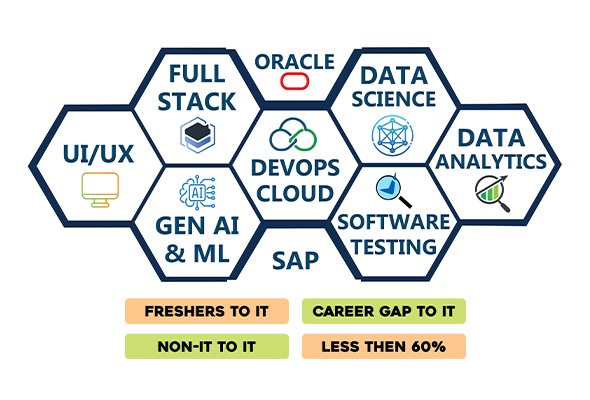
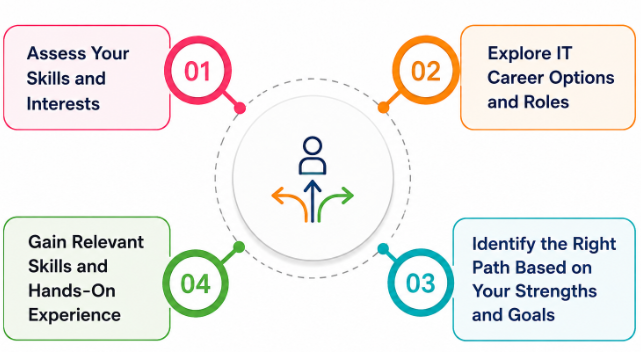
Choosing the right IT career path is an important first step for freshers who want to build a successful career in the technology industry. The IT sector offers several career options, including software development, web development, data analytics, cloud computing, cybersecurity, software testing, DevOps, and artificial intelligence. Beginners should consider their interests, educational background, strengths, and long-term career goals before selecting a specific field.
Get Your Data Analytics Certification by Learning from Industry-Leading Experts and Advancing Your Career with ACTE’s Data Analytics Course.
Essential IT Skills to Learn for a Successful Career
Developing the right technical and professional skills is essential for freshers who want to build a successful IT career. Beginners should first understand the skills required for their chosen IT Career Path and then create a structured learning plan. Depending on the selected field, important IT Skills may include programming languages such as Python, Java, or JavaScript, database technologies such as SQL, cloud platforms, software testing, cybersecurity concepts, data analytics, or DevOps tools. For learners interested in data analytics, understanding the skills and application process is also important, and the Data Analyst Job Role Step-by-Step Guide can provide useful guidance on preparing for this career path. Freshers should also develop important soft skills such as communication, problem-solving, teamwork, and time management because employers consider both technical and interpersonal abilities during recruitment. Practicing coding exercises, completing assignments, and working on real-world projects can strengthen technical knowledge and improve confidence. Building a combination of technical and professional skills prepares freshers for Entry Level IT Jobs and provides a strong foundation for long-term career growth in the technology industry.
How to Choose the Right IT Course or Certification
Choosing the right IT course or certification is an important step for freshers who want to enter the technology industry. Beginners should select a course based on their career interests, educational background, current skill level, and the requirements of their preferred IT Career Path. Popular areas include software development, data analytics, cloud computing, cybersecurity, DevOps, software testing, artificial intelligence, and web development. When evaluating a course, learners should consider whether it provides practical project experience and helps develop skills relevant to their desired career. For example, freshers interested in analytics can explore a Data Analytics Course to build practical knowledge and strengthen their understanding of industry-relevant analytics tools and techniques. Before enrolling, freshers should review the course curriculum, practical projects, tools covered, instructor experience, certification options, and career support. Industry-recognized certifications can also strengthen a fresher’s resume and demonstrate knowledge of specific technologies. Selecting a course that combines theoretical learning with practical assignments and real-world projects can help beginners develop job-ready skills and prepare effectively for Entry Level IT Jobs.

Learn Advanced Data Analytics Certification Training Course to Build Your Skills
Weekday / Weekend BatchesSee Batch DetailsHow to Build IT Projects and Gain Practical Experience
Building practical IT projects is one of the most effective ways for freshers to strengthen their technical skills and demonstrate their abilities to potential employers. After learning the fundamentals of their chosen IT Career Path, beginners should apply their knowledge by developing projects based on real-world problems. Depending on their area of interest, freshers can create applications using programming languages, websites, data analytics dashboards, cloud-based solutions, automation scripts, testing projects, or cybersecurity exercises. Learners interested in data science projects can also explore the Google Colab Tutorial to understand how practical project development can support hands-on learning. Candidates should document their projects, explain the technologies used, describe the problems solved, and publish suitable work on platforms such as GitHub or a personal portfolio. Internships, freelance assignments, open-source contributions, and academic projects can also provide practical exposure. Building several well-documented projects helps freshers create a stronger portfolio, improve problem-solving abilities, and demonstrate job-ready skills when applying for Entry Level IT Jobs.

Get JOB Oriented Data Analytics Training for Beginners By MNC Experts
- Instructor-led Sessions
- Real-life Case Studies
- Assignments
How to Create a Strong IT Resume and Portfolio
- Creating a Professional IT Resume: A well-structured resume is essential for freshers applying for Entry Level IT Jobs. Candidates should clearly organize their education, technical skills, certifications, internships, academic achievements, and practical projects. A simple and professional format helps recruiters quickly understand the candidate’s qualifications and career interests.
- Highlighting Relevant IT Skills: A strong resume should showcase technical skills that match the candidate’s chosen IT Career Path. Depending on the role, these may include programming languages, databases, cloud platforms, software testing tools, cybersecurity technologies, data analytics tools, or DevOps technologies. Including relevant skills helps demonstrate technical readiness to potential employers.
- Building an Online Professional Portfolio: An online portfolio provides recruiters with an opportunity to review practical work and understand a candidate’s technical capabilities. Freshers can include project descriptions, source code, applications, dashboards, websites, or other relevant work. Maintaining a professional GitHub profile or personal portfolio can strengthen an IT job application and demonstrate hands-on experience. Candidates interested in building a data-focused portfolio can also explore Data Science Internship Portfolio for additional guidance.
- Showcasing Practical IT Projects: Practical projects allow freshers to demonstrate how they apply technical concepts to real-world problems. Candidates can showcase software applications, websites, automation projects, data analysis dashboards, cloud implementations, testing projects, or other work related to their chosen career path. Each project should clearly explain the objective, technologies used, development process, and outcome.
- Customizing Your Resume for IT Jobs: Freshers should customize their resume according to the requirements of each IT job application. Highlighting relevant skills, certifications, projects, and achievements that match the job description can improve the chances of getting shortlisted. Candidates should focus on presenting practical experience and job-relevant skills clearly to create a strong professional profile.
Want to Master Data Analytics? Explore the Data Analytics Master Program Offered at ACTE Today!
Where and How to Find IT Jobs for Freshers
- Searching on Job Portals: Freshers can explore Entry Level IT Jobs through popular job portals, company career websites, recruitment platforms, and professional networking websites. Candidates should use relevant job titles and keywords related to their chosen IT Career Path to find suitable opportunities.
- Using Company Career Pages: Many technology companies regularly publish openings for freshers, interns, trainees, and junior professionals on their official career pages. Candidates should create job alerts, check openings regularly, and apply only for positions that match their qualifications and technical skills.
- Building a Professional Online Profile: Maintaining an updated professional profile can help freshers become more visible to recruiters. Candidates should highlight their technical skills, certifications, internships, academic achievements, and practical projects. A well-maintained GitHub or portfolio profile can further demonstrate hands-on experience.
- Exploring Internships and Entry-Level Opportunities: Internships, apprenticeships, trainee positions, and junior roles can provide valuable industry exposure for beginners. Candidates can use these opportunities to develop workplace skills, gain practical experience, and improve their chances of securing full-time IT positions. Freshers interested in data-driven career opportunities can also consider a Data Analytics Course to develop relevant technical skills and strengthen their career readiness.
- Networking and Applying Consistently: Networking with IT professionals, attending career events, participating in technology communities, and connecting with recruiters can help freshers discover new opportunities. Candidates should maintain a consistent application strategy, customize their resumes for relevant positions, and track their applications to improve their chances of securing an IT job.
Want to Learn About Data Analytics? Explore Our Data Analytics Interview Questions and Answers Featuring the Most Frequently Asked Questions in Job Interviews.
How to Prepare for IT Interviews as a Fresher
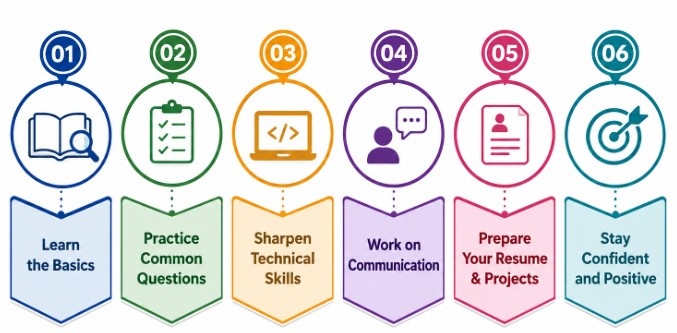
- Understanding the Job Requirements: Before attending an IT interview, freshers should carefully review the job description and understand the technical skills, qualifications, and responsibilities required for the position. This helps candidates focus their preparation on topics that are relevant to their chosen IT Career Path.
- Practicing Technical Questions: Candidates should revise fundamental concepts related to their selected technology, such as programming, databases, networking, cloud computing, software testing, cybersecurity, or data analytics. Regularly practicing technical questions and coding problems can improve confidence and help freshers perform better during technical interview rounds.
- Preparing for HR and Behavioral Questions: Freshers should prepare answers for common HR questions about their education, strengths, weaknesses, career goals, projects, teamwork, and reasons for choosing the IT industry. Practicing these questions helps candidates communicate their ideas clearly and confidently during interviews.
- Preparing to Explain Projects: Interviewers often ask candidates about academic, personal, internship, or training projects. Freshers should be able to explain the project’s objective, technologies used, development process, challenges, and outcome. A practical Internship Strategies and Expert Tips can also help learners understand how practical experience can strengthen their preparation and improve their career opportunities.
- Improving Communication and Problem-Solving Skills: Strong communication and problem-solving abilities are important for succeeding in IT interviews. Candidates should practice explaining technical concepts in simple terms, solving logical problems, participating in mock interviews, and presenting their ideas clearly. Consistent practice can improve confidence and help freshers make a positive impression on recruiters.
Conclusion and Next Steps to Start Your IT Career
Starting an IT career as a fresher requires a combination of technical skills, practical experience, continuous learning, and effective job preparation. Following a structured Step-by-Step Guide to Starting an IT Career as a Fresher can help beginners understand the essential steps involved in choosing the right IT Career Path, learning relevant technologies, building practical projects, and preparing for job opportunities. Freshers should focus on developing in-demand IT Skills, completing industry-relevant certifications, and gaining hands-on experience through projects, internships, and training. Exploring specialized technology areas can also help learners identify suitable career opportunities. For those interested in data-driven technology careers, enrolling in a Data Analytics Course can provide practical knowledge and help develop job-relevant skills. Creating a professional resume and portfolio can help candidates showcase their technical abilities and improve their chances of getting shortlisted for Entry Level IT Jobs. Candidates should also regularly explore suitable job opportunities, customize their applications, build professional networks, and prepare for technical and HR interviews. Improving communication, problem-solving, and teamwork skills can further strengthen a fresher’s overall profile. Continue learning new technologies, completing real-world projects, and staying updated with industry trends to remain competitive. With consistent practice, dedication, and the right career strategy, freshers can confidently begin their journey toward a successful and rewarding IT career.