LMS
LMS
Last updated on 23rd Jun 2026| 10827

- Introduction to Virtual Internships
- Understanding How Virtual Internships Work
- Key Benefits of Remote Internship Programs
- Flexibility and Work-Life Balance in Virtual Internships
- Global Networking and Professional Development Opportunities
- Challenges and Limitations of Remote Work Experience
- Essential Skills for Success in Virtual Internships
- Tools and Technologies Used in Remote Internships
- Comparing Virtual Internships and Traditional Internships
- Conclusion: Evaluating the Impact of Virtual Internships on Career Growth
Introduction to Virtual Internships
Virtual internships have emerged as a popular alternative to traditional workplace internships, offering students and job seekers the opportunity to gain professional experience remotely. With advancements in digital technology and the widespread adoption of remote work practices, organizations across various industries now provide internship programs that can be completed entirely online. These internships allow participants to contribute to real projects, collaborate with teams, and develop valuable industry skills without being physically present in an office and join in our Software Testing Training. Virtual internships are particularly beneficial for students who may have geographical, financial, or scheduling limitations that make traditional internships difficult to pursue. They provide access to organizations located in different cities and countries, expanding learning opportunities and professional exposure. As businesses continue to embrace digital transformation, virtual internships have become an effective way for individuals to build practical experience, strengthen their resumes, and prepare for future careers while working from the comfort of their own homes.
Understanding How Virtual Internships Work
Virtual internships operate through online communication and collaboration platforms that enable interns to work remotely while staying connected with their supervisors and teams. Interns are assigned tasks, projects, and responsibilities similar to those in traditional internships, but all interactions occur through digital tools such as email, video conferencing software, project management applications, and cloud-based workspaces and join in Software Testing Training. Organizations often provide structured training, onboarding sessions, and regular feedback to ensure interns remain engaged and productive throughout the program. Depending on the industry, interns may participate in research, content creation, software development, marketing campaigns, data analysis, customer support, or other professional activities. Regular virtual meetings help interns discuss progress, seek guidance, and collaborate with colleagues. This remote work model allows companies to access talent from a wider geographical area while providing interns with flexibility and exposure to modern workplace practices that are increasingly common across industries.
Are You Interested in Learning More About Software Testing? Sign Up For Our Software Testing Certification Training Today!
Key Benefits of Remote Internship Programs
Remote internship programs offer numerous advantages that make them attractive to students and early-career professionals. One of the most significant benefits is accessibility, as participants can apply for opportunities regardless of their location. This expands access to organizations that may otherwise be unreachable due to travel or relocation costs. Remote internships also reduce expenses related to transportation, accommodation, and daily commuting, making professional experience more affordable. Additionally, interns gain valuable experience using digital collaboration tools and remote communication platforms that are widely used in modern workplaces. Explore more in Software Testing Training. These internships often encourage greater independence, self-motivation, and problem-solving skills because interns must manage their responsibilities with less direct supervision. Participants also have the opportunity to work with diverse teams from different cultural and professional backgrounds, enhancing their communication abilities and global perspective. These benefits contribute significantly to personal growth and career readiness.

Flexibility and Work-Life Balance in Virtual Internships
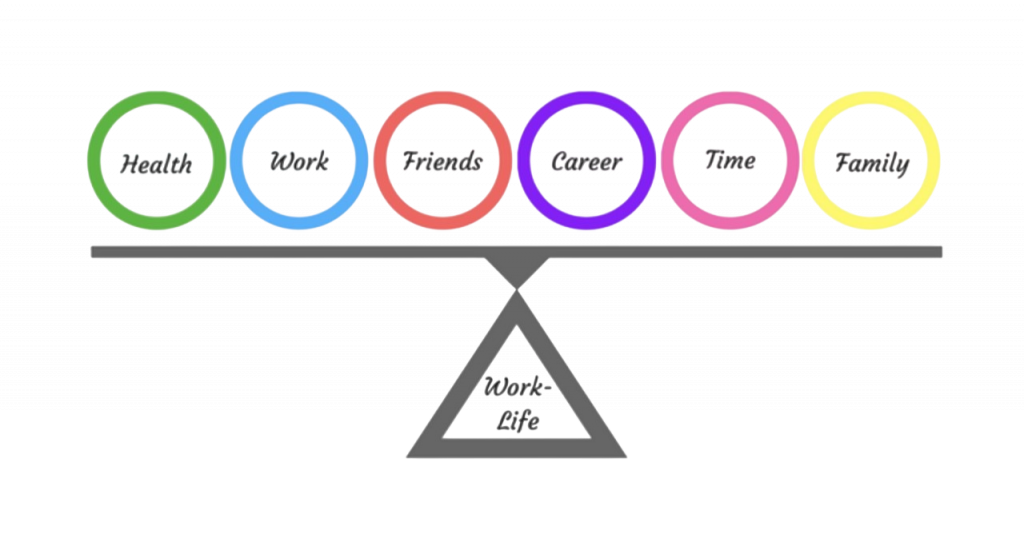
One of the primary reasons many students prefer virtual internships is the flexibility they provide. Unlike traditional internships that require commuting and fixed office hours, remote internships often allow participants to work from any location and, in some cases, manage their schedules more independently. This flexibility enables students to balance academic commitments, personal responsibilities, and internship duties more effectively. By eliminating travel time, interns can dedicate additional hours to learning, skill development, and project completion. Learn more in HR Internship Duties and Skills. Virtual internships can also reduce stress associated with transportation and relocation, creating a more comfortable work environment. However, maintaining work-life balance in a remote setting requires discipline and effective time management. Interns must establish clear schedules, minimize distractions, and create dedicated workspaces to remain productive. When managed properly, virtual internships provide a healthy balance between professional growth and personal well-being while supporting long-term career development.
Global Networking and Professional Development Opportunities
Virtual internships provide exceptional opportunities for networking and professional development by connecting participants with professionals from different regions and industries. Through online meetings, collaborative projects, webinars, and mentoring sessions, interns can build meaningful relationships with supervisors, colleagues, and industry experts. These connections often lead to future career opportunities, professional references, and valuable industry insights. Learn more in Marketing Internships Explained. Working with global teams also exposes interns to diverse perspectives, business practices, and workplace cultures, helping them develop cross-cultural communication skills. Many virtual internship programs include training workshops, skill-building sessions, and career guidance initiatives that support professional growth beyond daily work assignments. Interns can strengthen their portfolios by contributing to real-world projects and demonstrating their ability to work effectively in remote environments. As remote and hybrid work models continue to grow worldwide, the networking and professional development opportunities gained through virtual internships can significantly enhance employability and long-term career success.
Challenges and Limitations of Remote Work Experience
- Communication Barriers: Remote internships often rely heavily on digital communication, which can sometimes lead to misunderstandings or delays in receiving feedback. Limited face-to-face interaction may make collaboration more challenging compared to traditional office environments. Learn more in How Data Analytics Internships Help Freshers.
- Limited Networking Opportunities: Virtual interns may find it harder to build strong professional relationships because they do not interact with colleagues in person. Casual workplace conversations and networking events are often less frequent in remote settings.
- Feelings of Isolation: Working remotely can sometimes create a sense of loneliness or disconnection from the team. Without regular social interactions, interns may feel less engaged and miss out on the collaborative atmosphere of a physical workplace.
- Time Management Challenges: The flexibility of remote work can become a challenge if interns struggle to manage their schedules effectively. Distractions at home and lack of direct supervision may affect productivity and task completion. Discover more in 10 Essential Internship Tips.
- Technical Issues: Internet connectivity problems, software malfunctions, and device limitations can interrupt workflow and communication. Reliable technology and basic troubleshooting skills are important for maintaining productivity during remote internships.
- Effective Communication: Clear written and verbal communication is essential in remote environments. Interns must express ideas, ask questions, and provide updates professionally through emails, chats, and virtual meetings.
- Time Management: Successful virtual interns plan their schedules carefully and meet deadlines consistently. Strong organizational skills help balance multiple responsibilities while maintaining productivity and work quality.
- Self-Motivation: Remote work requires individuals to stay focused without constant supervision. Self-motivated interns take initiative, complete tasks independently, and actively seek learning opportunities throughout the internship. Learn more in Understanding Unpaid Internships.
- Adaptability: Virtual workplaces often involve changing priorities, new technologies, and different communication styles. Adaptability helps interns adjust quickly and remain effective in dynamic work environments.
- Problem-Solving Skills: Interns frequently encounter challenges that require independent thinking and decision-making. Strong problem-solving abilities help identify solutions efficiently and contribute positively to project outcomes. Discover more in Paid Vs Unpaid Internships.
- Video Conferencing Platforms: Applications such as Zoom, Google Meet, and Microsoft Teams enable virtual meetings, training sessions, and team discussions. These tools support real-time communication and collaboration among remote teams.
- Project Management Software: Tools like Trello, Asana, and Jira help teams organize tasks, track progress, and manage deadlines. Interns use these platforms to stay aligned with project goals and responsibilities.
- Cloud Storage Solutions: Google Drive, OneDrive, and Dropbox allow users to store, access, and share files securely online and freshers See These tools support seamless collaboration and document management across remote teams.
- Team Communication Tools: Platforms such as Slack and Microsoft Teams provide instant messaging and collaboration features. They help interns communicate quickly with colleagues and stay informed about project updates.
- Productivity and Collaboration Tools: Applications like Notion, Miro, and Google Workspace help teams brainstorm ideas, create documents, and collaborate effectively. These tools improve workflow efficiency in virtual work environments.
- Work Environment: Virtual internships are completed remotely using digital tools, while traditional internships take place in physical office settings. Each environment offers unique learning experiences and workplace exposure. Learn more in My Data Analytics Internship Experience.
- Flexibility: Remote internships provide greater flexibility in terms of location and scheduling. Traditional internships generally require fixed working hours and daily commuting to the workplace.
- Networking Experience: Traditional internships often offer stronger face-to-face networking opportunities with colleagues and managers. Virtual internships require interns to build professional relationships primarily through online interaction. Explore more in Software Testing Training.
- Cost and Accessibility: Virtual internships reduce expenses related to travel, accommodation, and commuting. They also provide access to opportunities from organizations located in different cities and countries.
To Explore Software Testing in Depth, Check Out Our Comprehensive Software Testing Training Course To Gain Insights From Our Experts!
Essential Skills for Success in Virtual Internships
Want to Pursue a Software Testing Master’s Degree? Enroll For Software Testing Master Program Course Today!
Tools and Technologies Used in Remote Internships
Set to Ace Your Manual Testing Job Interview? Check Out Our Blog on Manual Testing Interview Questions & Answer
Comparing Virtual Internships and Traditional Internships
Conclusion: Evaluating the Impact of Virtual Internships on Career Growth
Virtual internships have become an important pathway for students and professionals seeking practical experience in a rapidly evolving digital workplace. They offer flexibility, accessibility, and opportunities to work with organizations across different locations without the constraints of travel or relocation. Through remote internships, individuals develop valuable skills such as digital communication, time management, self-discipline, adaptability, and collaboration using modern workplace technologies and Software Testing Training. These experiences help strengthen resumes, build professional portfolios, and increase employability in competitive job markets. Although virtual internships may present challenges such as limited face-to-face interaction, networking constraints, and potential communication barriers, they also prepare participants for the growing trend of remote and hybrid work environments. By actively engaging in projects, seeking mentorship, and utilizing available learning opportunities, interns can gain significant professional exposure and industry knowledge. Overall, virtual internships contribute positively to career growth by providing real-world experience, expanding professional networks, and equipping individuals with skills that are highly valued by employers across industries.