LMS
LMS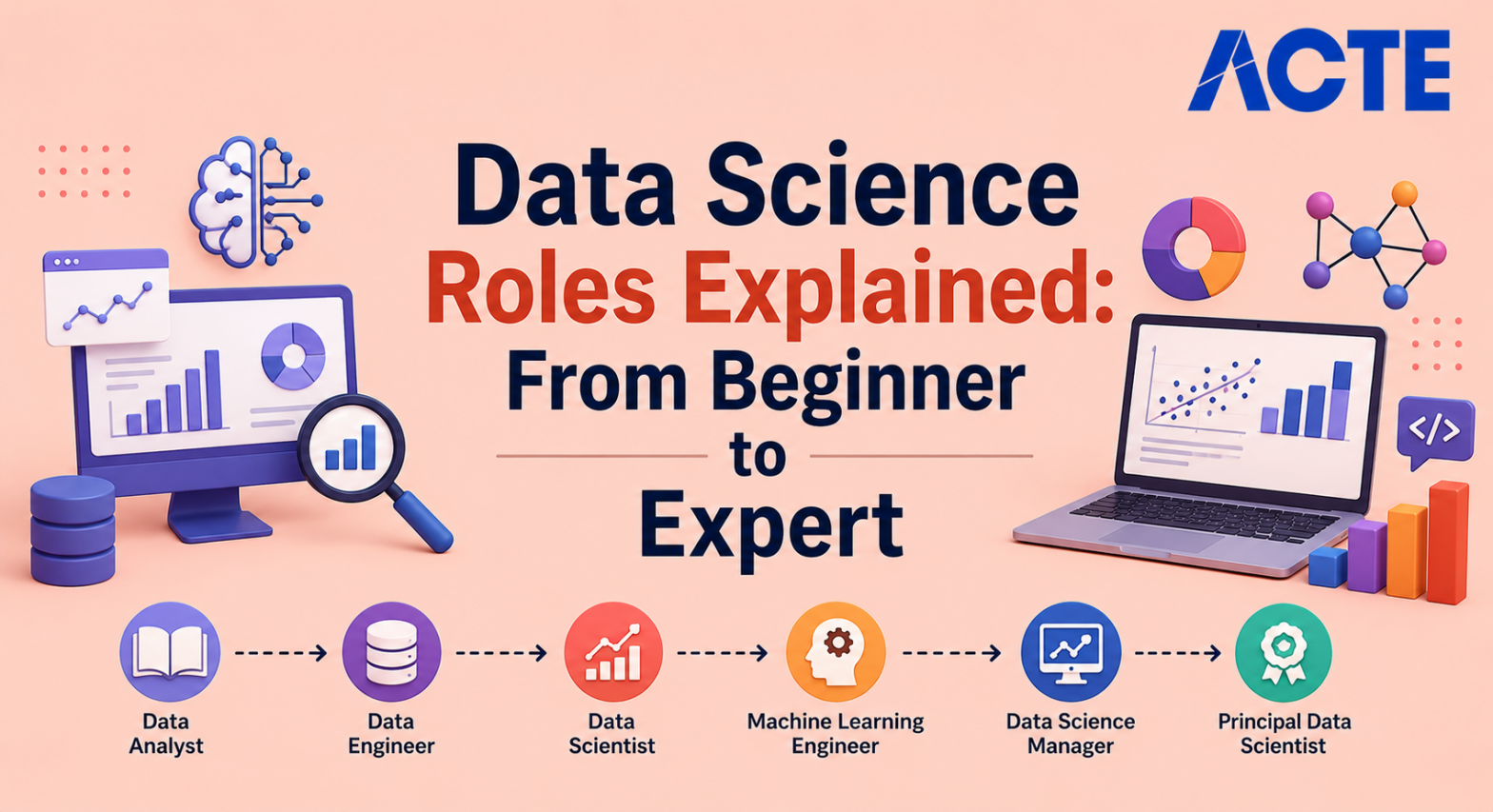
Last updated on 24th Jul 2026| 7988
 (5.0) | 24232 Ratings
E-mail this post
(5.0) | 24232 Ratings
E-mail this post
- Introduction to Data Science Career Roles
- Understanding the Data Science Career Path
- Entry-Level Data Science Roles for Beginners
- Data Analyst vs Data Scientist: Key Differences
- Machine Learning Engineer Roles and Responsibilities
- Data Engineer Career Path and Skills Required
- Senior Data Scientist and AI Specialist Roles
- Leadership Roles in Data Science (Lead, Manager, Director)
- Skills Required at Every Stage of a Data Science Career
- Conclusion: Choosing the Right Data Science Career Path
Introduction to Data Science Career Roles
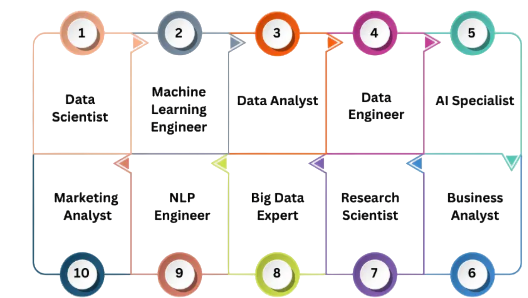
Data science is one of the most dynamic and rapidly growing career fields, offering a wide range of job roles for professionals with different levels of expertise. Organizations across industries such as technology, healthcare, finance, retail, manufacturing, and telecommunications rely on data scientists to transform raw data into valuable business insights. Depending on experience and specialization, professionals can work as Data Analysts, Junior Data Scientists, Machine Learning Engineers, Data Engineers, AI Specialists, Business Intelligence Analysts, or Analytics Managers. Each role involves unique responsibilities, from collecting and cleaning data to building predictive models, deploying machine learning solutions, and supporting strategic decision-making. Professionals looking to build practical skills can enroll in Data Science Training to gain hands-on experience with industry tools and real-world projects. As businesses increasingly adopt artificial intelligence, cloud computing, and big data technologies, the demand for skilled data professionals continues to grow. Building a successful career in data science requires strong programming skills, statistical knowledge, problem-solving abilities, and continuous learning. Understanding these career roles helps aspiring professionals choose the right learning path and prepare for long-term growth in the industry.
Understanding the Data Science Career Path
The data science career path typically begins with entry-level positions such as Data Analyst, Business Analyst, or Junior Data Scientist, where professionals learn data collection, preprocessing, visualization, and basic machine learning techniques. As they gain practical experience, they advance into roles like Data Scientist, Machine Learning Engineer, or Data Engineer, taking on more complex projects involving predictive analytics, artificial intelligence, and large-scale data processing. To better understand industry growth opportunities, explore The Future Scope of Data Science Careers, which highlights emerging trends and career prospects. With several years of experience, professionals can progress to Senior Data Scientist, AI Specialist, Analytics Consultant, or Research Scientist positions, where they design advanced machine learning solutions and mentor junior team members. The highest career levels include Lead Data Scientist, Data Science Manager, Director of Analytics, and Chief Data Officer, where professionals oversee data strategies, manage teams, and drive business innovation. Continuous learning, certifications, hands-on projects, cloud computing expertise, and leadership skills play a crucial role in progressing successfully from beginner to expert in the data science field.
Ready to Pursue Your Data Analytics Certificate? View The Data Science Course Training Offered By ACTE Right Now!
Entry-Level Data Science Roles for Beginners
- Junior Data Analyst: Junior Data Analysts collect, clean, and analyze data to generate reports and dashboards. They use tools like Excel, SQL, and Python to identify trends and support business decisions. This role helps beginners build strong analytical and technical foundations.
- Business Analyst: Business Analysts gather business requirements, analyze operational data, and recommend improvements. They bridge the gap between business teams and technical departments, ensuring that data-driven solutions align with organizational goals and customer needs.
- Junior Data Scientist: Junior Data Scientists assist in preparing datasets, building basic machine learning models, and performing exploratory data analysis. They work under experienced professionals while gaining practical exposure to predictive analytics and AI-based projects.
- Business Intelligence (BI) Analyst: BI Analysts develop interactive dashboards and reports using tools like Power BI and Tableau. Their visual insights help management monitor performance, identify trends, and make informed business decisions based on accurate data analysis.
- Data Operations Associate: Data Operations Associates maintain data quality, organize databases, validate records, and support data processing activities. They ensure business data remains accurate, consistent, and available for reporting, analytics, and machine learning projects.
- Internship Opportunities: Data science internships provide practical industry experience by allowing students and freshers to work on live projects. Learn Data Science Internship as a Fresher. Interns develop technical skills, learn business processes, and strengthen their resumes for full-time employment opportunities.
Data Analyst vs Data Scientist: Key Differences
- Primary Responsibilities: Data Analysts focus on analyzing historical data and generating reports, while Data Scientists create predictive models and AI solutions. Data Scientists solve complex business problems using advanced statistical techniques and machine learning algorithms.
- Technical Skills: Data Analysts mainly use SQL, Excel, and visualization tools, whereas Data Scientists require expertise in Python, machine learning, statistics, deep learning, and programming to build intelligent analytical solutions.
- Tools and Technologies: Data Analysts commonly work with Power BI, Tableau, and Excel for reporting. Explore Data Science Tools and Technologies for Beginner. Data Scientists use Scikit-learn, TensorFlow, PyTorch, Jupyter Notebook, and cloud platforms to develop machine learning applications.
- Business Impact: Data Analysts explain what has happened in a business using reports and dashboards. Data Scientists predict future outcomes, automate decision-making, and develop AI-powered solutions that improve business performance.
- Career Progression: Many professionals begin as Data Analysts and gradually become Data Scientists by learning programming, statistics, machine learning, cloud computing, and advanced analytics through projects and certifications.
- Salary Comparison: Data Scientists generally earn higher salaries because they possess advanced technical expertise in artificial intelligence, predictive analytics, and machine learning compared to traditional data analysis professionals.

Develop Your Skills with Data Data Science Course Training
Weekday / Weekend BatchesSee Batch DetailsMachine Learning Engineer Roles and Responsibilities
- Building Machine Learning Models: Machine Learning Engineers develop algorithms that learn from historical data to make predictions and automate decision-making. Their models are used in recommendation systems, fraud detection, forecasting, and image recognition.
- Model Deployment: After developing machine learning models, engineers deploy them into production environments where businesses can use AI-powered applications efficiently and reliably in real-world scenarios.
- Data Preprocessing: Machine Learning Engineers clean, transform, and prepare raw data before model training. Proper preprocessing improves model accuracy, reduces errors, and ensures better predictive performance.
- Model Performance Optimization: Engineers continuously monitor deployed models, evaluate prediction accuracy, retrain algorithms with new data, and optimize performance to maintain reliable business outcomes.
- Collaboration with Development Teams: Machine Learning Engineers work closely with software developers, data engineers, and product managers to integrate AI solutions into applications and ensure seamless deployment.
- Required Technical Skills: Professionals gain these skills through Data Science Training, covering Python, SQL, TensorFlow, PyTorch, cloud platforms, MLOps, APIs, statistics, and software engineering principles.
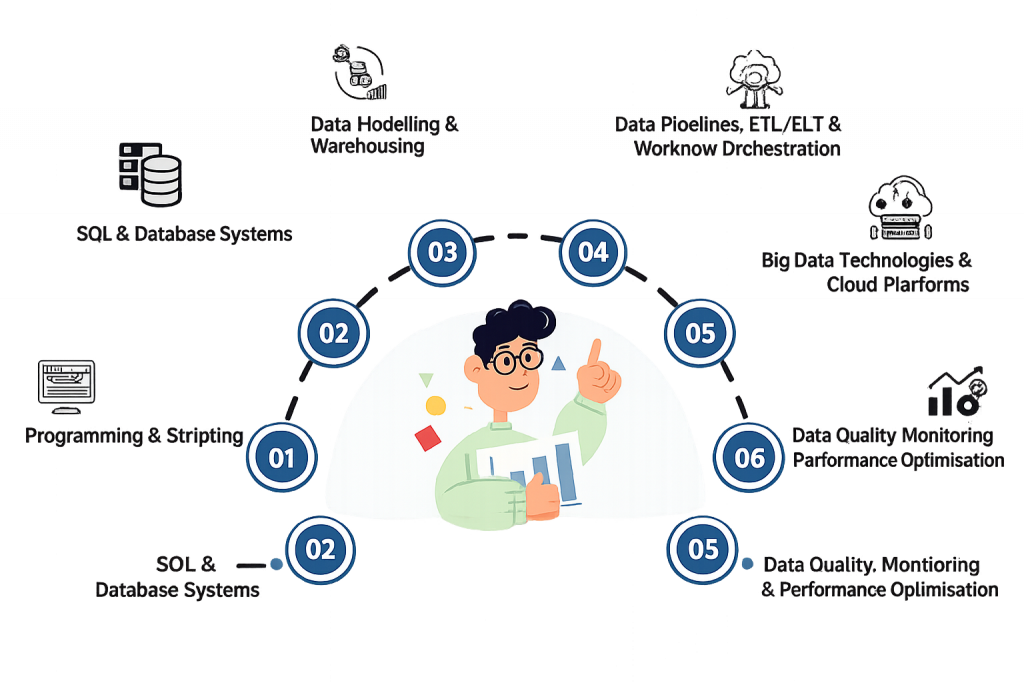
- Data Pipeline Development: Data Engineers create automated pipelines that collect, process, and transfer data from multiple systems. Efficient pipelines ensure reliable data availability for analytics and machine learning applications.
- Database Management: They design, optimize, and maintain databases that securely store large volumes of business data while ensuring fast access and high system performance.
- Big Data Technologies: Data Engineers use technologies such as Hadoop, Spark, Kafka, and distributed computing frameworks to process large-scale datasets efficiently across enterprise systems.
- Cloud Data Engineering: Build Must Have Data Science Skills For Freshers using AWS, Azure, and Google Cloud to support enterprise analytics and AI solutions.
- ETL Process Management: ETL processes involve extracting, transforming, and loading data from different sources into centralized systems. Data Engineers automate these workflows to maintain data consistency.
- Essential Skills: Successful Data Engineers require expertise in Python, SQL, cloud computing, data warehousing, database management, Linux, Spark, Hadoop, and workflow automation technologies.
- Advanced Predictive Modeling: Senior Data Scientists build advanced predictive models using machine learning and statistical techniques to solve complex business problems. These skills are developed through a Data Science Training that covers real-world predictive modeling techniques.
- Artificial Intelligence Solutions: AI Specialists design and develop intelligent systems using deep learning, natural language processing, and computer vision. These solutions automate business processes, improve customer experiences, and enable organizations to make faster, data-driven decisions.
- Project Leadership: Senior professionals lead data science projects by defining objectives, managing timelines, mentoring team members, and ensuring successful implementation. They collaborate with business leaders to deliver high-quality AI and analytics solutions.
- Business Strategy Support: Senior Data Scientists transform analytical findings into business recommendations that improve operational efficiency, increase revenue, and support long-term organizational growth. Their insights help executives make informed strategic decisions.
- Research and Innovation: Experienced professionals continuously explore new machine learning algorithms, AI frameworks, and emerging technologies. Their research helps organizations remain competitive by adopting innovative data-driven solutions and improving existing analytical models.
- Required Skills: Senior roles require expertise explained in Data Science Roles Explained, along with continuous learning to stay updated with industry advancements.
- Lead Data Scientist: Lead Data Scientists supervise technical teams, review machine learning models, and ensure project quality. They guide junior professionals, solve complex technical challenges, and contribute to business innovation through advanced analytics.
- Data Science Manager: Data Science Managers oversee project planning, resource allocation, team performance, and stakeholder communication. They ensure analytics initiatives align with business objectives while delivering measurable organizational value.
- Director of Data Science: Directors develop enterprise-wide data strategies, manage multiple analytics teams, and drive AI adoption across business units. They collaborate with senior executives to support long-term organizational growth and innovation.
- Cross-Functional Collaboration: Leadership professionals coordinate with engineering, marketing, finance, operations, and product teams to implement data-driven solutions that improve business performance and customer satisfaction.
- Strategic Decision-Making: Leaders analyze business opportunities, evaluate risks, and prioritize analytics initiatives. Their decisions influence organizational strategy, technology investments, and future product development.
- Leadership Skills: Successful leaders build expertise through Data Science Training, strengthening communication, project management, mentoring, strategic planning, and decision-making abilities to deliver impactful business results.
- Programming Skills: Strong programming knowledge in Python, SQL, and R forms the foundation of every data science role. Data Science Internship Preparation helps beginners build these essential skills.
- Statistics and Mathematics: A solid understanding of probability, statistics, linear algebra, and calculus helps professionals interpret data accurately, build reliable predictive models, and make informed analytical decisions.
- Machine Learning Knowledge: Learning supervised learning, unsupervised learning, deep learning, and model evaluation techniques is essential for progressing from beginner to advanced data science roles.
- Data Visualization: Professionals should present insights using Power BI, Tableau, Matplotlib, and Seaborn. Effective visualizations help business stakeholders understand complex data and make informed decisions.
- Cloud Computing and Big Data: Knowledge of AWS, Azure, Google Cloud, Hadoop, and Spark enables professionals to manage large datasets and build scalable data science solutions for enterprise environments.
- Communication and Problem-Solving: Data scientists must communicate technical findings clearly, collaborate with cross-functional teams, and solve real-world business challenges using logical thinking, analytical skills, and data-driven decision-making.
Excited to Obtaining Your Data Analytics Certificate? View The Data Science Course Training Offered By ACTE Right Now!
Data Engineer Career Path and Skills Required
Are You Considering Pursuing a Data Analytics Master’s Degree? Enroll For Data Science Expert Masters Program Training Course Today!
Senior Data Scientist and AI Specialist Roles
Set to Ace Your AWS Job Interview? Check Out Our Blog on Data Science Interview Questions & Answer
Leadership Roles in Data Science (Lead, Manager, Director)
Skills Required at Every Stage of a Data Science Career
Conclusion: Choosing the Right Data Science Career Path
Choosing the right data science career path depends on your interests, technical strengths, and long-term professional goals. The field offers diverse opportunities ranging from Data Analyst and Junior Data Scientist to Machine Learning Engineer, Data Engineer, AI Specialist, and leadership positions such as Data Science Manager and Director. Beginners can start with a Data Science Training while building skills in Python, SQL, statistics, machine learning, and data visualization through projects and certifications. As professionals gain industry experience, they can specialize in areas like artificial intelligence, deep learning, cloud computing, big data, or business analytics to enhance their expertise and earning potential. Continuous learning, problem-solving, communication skills, and staying updated with emerging technologies are essential for long-term success. By selecting a career path that matches your passion and consistently upgrading your technical and professional skills, you can build a rewarding and future-proof career in data science with excellent opportunities for growth, innovation, and leadership across industries.