LMS
LMS
Last updated on 09th May 2026| 7402

Preparing For Amazon SDE Interviews Requires Strong Knowledge Of Programming, Data Structures, Algorithms, Object Oriented Concepts, Databases, And System Design Fundamentals. Amazon Frequently Tests Candidates Through Coding Assessments, Technical Interviews, And Behavioral Rounds Based On Leadership Principles. Freshers Should Focus On Problem Solving Skills, Logical Thinking, And Writing Optimized Code Efficiently During Interviews. Common Topics Include Arrays, Strings, Linked Lists, Trees, Graphs, Dynamic Programming, SQL, Operating Systems, Networking, And Cloud Computing Concepts. Candidates Are Also Expected To Understand Object Oriented Programming, REST APIs, AWS Basics, And Software Development Best Practices Clearly. Practicing Coding Questions Regularly Improves Accuracy, Time Management, And Confidence During Online Assessments And Technical Discussions. These Top 100 Amazon SDE Interview Questions For Freshers Help Candidates Prepare Effectively For Coding, Technical, And HR Interview Rounds Successfully.
1. What Is A Variable In Programming?
Ans:
A Variable Is A Named Memory Location Used To Store Data In A Program. Variables Help Developers Store Numbers, Strings, And Other Information Efficiently. Different Programming Languages Support Different Data Types For Variables. Variables Make Programs Flexible And Easy To Modify During Execution. A Variable Value Can Change Multiple Times While The Program Runs. Proper Naming Conventions Improve Code Readability And Maintenance Significantly. Amazon Interviews Often Include Basic Questions About Variables And Data Handling.
2. What Is A Data Type?
Ans:
A Data Type Defines The Kind Of Value A Variable Can Store In Programming. Common Data Types Include Integer, Float, Character, Boolean, And String Types. Data Types Help Computers Allocate Memory Efficiently During Program Execution. Strong Understanding Of Data Types Improves Coding Accuracy And Performance. Different Languages Support Primitive And Non Primitive Data Types Differently. Choosing Correct Data Types Prevents Errors And Improves Application Reliability. Amazon SDE Interviews Frequently Test Knowledge Of Programming Fundamentals Clearly.
3. What Is An Array?
Ans:
An Array Is A Collection Of Elements Stored In Continuous Memory Locations. Arrays Allow Fast Access To Elements Using Index Values Efficiently. Arrays Can Store Similar Types Of Data In A Structured Format. Developers Use Arrays For Searching, Sorting, And Managing Multiple Values. Array Indexing Usually Starts From Zero In Most Programming Languages Today. Understanding Arrays Is Important For Solving Coding Problems During Interviews. Amazon Frequently Asks Array Based Questions In Technical Coding Rounds Regularly.
4. What Is A Linked List?
Ans:
A Linked List Is A Linear Data Structure Containing Connected Nodes Together. Each Node Stores Data And A Reference To The Next Node Efficiently. Linked Lists Allow Dynamic Memory Allocation During Program Execution Easily. Insertion And Deletion Operations Are Faster Compared To Arrays In Some Cases. Singly Linked Lists And Doubly Linked Lists Are Common Types Used Widely. Understanding Linked Lists Helps In Solving Complex Data Structure Problems Effectively.
5. What Is Stack Data Structure?
Ans:
A Stack Is A Linear Data Structure Following Last In First Out Principle. Elements Are Inserted Using Push Operation And Removed Using Pop Operation. Stacks Are Commonly Used In Function Calls And Expression Evaluation Processes. The Top Element Is Accessed Quickly Without Traversing Entire Data Structure. Overflow And Underflow Are Common Conditions Associated With Stack Operations. Stacks Play A Major Role In Compiler Design And Backtracking Algorithms.
6. What Is Queue Data Structure?
Ans:
- A Queue Is A Linear Data Structure Following First In First Out Principle. Elements Are Inserted From Rear And Removed From Front Sequentially Efficiently.
- Queues Are Commonly Used In Scheduling And Resource Management Systems Today. Circular Queue And Priority Queue Are Popular Variants Used In Applications. Queues Help Manage Tasks In Operating Systems And Networking Applications Efficiently.
- Understanding Queue Operations Is Important For Technical Interview Preparation Successfully. Amazon SDE Interviews Often Include Queue Related Coding Challenges And Concepts.
7. What Is Object Oriented Programming?
Ans:
Object Oriented Programming Is A Programming Paradigm Based On Objects And Classes. It Improves Code Reusability, Scalability, And Maintainability In Software Development. The Main Concepts Include Encapsulation, Inheritance, Polymorphism, And Abstraction Clearly. Objects Represent Real World Entities With Properties And Behaviors Efficiently. OOP Helps Developers Build Large Applications In An Organized Manner Successfully. Languages Like Java, Python, And C++ Support Object Oriented Programming Features
8. What Is Encapsulation?
Ans:
Encapsulation Is The Process Of Wrapping Data And Methods Into Single Units. It Protects Sensitive Data From Unauthorized Access Using Access Modifiers Efficiently. Private Variables Are Accessed Through Public Getter And Setter Methods Safely. Encapsulation Improves Code Security And Reduces Unnecessary Dependencies In Applications. It Helps Maintain Better Control Over Data Within A Program Structure Clearly. Object Oriented Programming Strongly Relies On Encapsulation Principles For Development. Amazon Interviews Often Include Questions Related To Encapsulation And Access Control.
9. What Is Inheritance?
Ans:
Inheritance Allows One Class To Acquire Properties And Methods From Another Class. The Existing Class Is Called Parent Class Or Base Class Commonly. The New Class Is Called Child Class Or Derived Class In Programming. Inheritance Promotes Code Reusability And Reduces Duplicate Code In Applications Efficiently. Single, Multiple, Multilevel, And Hierarchical Inheritance Are Common Types Available. Inheritance Helps Developers Extend Existing Functionalities Without Rewriting Entire Codebases.
10. What Is Polymorphism?
Ans:
Polymorphism Allows Methods To Perform Different Behaviors Using The Same Interface. Method Overloading And Method Overriding Are Two Main Types Of Polymorphism. Compile Time Polymorphism Is Achieved Through Method Overloading In Programming. Runtime Polymorphism Is Achieved Through Method Overriding Using Inheritance Concepts. Polymorphism Improves Flexibility And Maintainability Of Software Applications Efficiently. Object Oriented Languages Strongly Support Polymorphism For Dynamic Behavior Management.
11. What Is Abstraction?
Ans:
Abstraction Hides Internal Implementation Details And Shows Only Essential Features Clearly. It Helps Reduce Complexity In Large Software Applications Efficiently And Systematically. Abstract Classes And Interfaces Are Used To Achieve Abstraction In Programming. Users Interact With Functionalities Without Understanding Internal Program Logic Completely. Abstraction Improves Security And Enhances Application Maintainability In Development Processes. Object Oriented Programming Relies Heavily On Abstraction For Better Software Design.
12. Write A Program To Check Whether A Number Is Even Or Odd
Ans:
This Program Checks Whether A Number Is Even Or Odd Efficiently Today. The Modulus Operator Returns Remainder After Division By Two Successfully. If The Remainder Is Zero Then Number Is Even Otherwise Odd Clearly. This Logic Is Simple And Commonly Used In Programming Basics Frequently. Even Odd Programs Help Improve Logical Thinking And Problem Solving Skills. Beginners Learn Conditional Statements Through Such Coding Examples Successfully Today.
- num = 10
- if num % 2 == 0
- print(“Even”)
- else:
- print(“Odd”)
13. What Is An Object?
Ans:
An Object Is An Instance Of A Class In Object Oriented Programming. Objects Contain Data Members And Methods That Define Specific Behaviors Clearly Today. Each Object Represents A Real World Entity Within A Software Application Efficiently. Objects Interact With Other Objects Through Method Calls During Program Execution. Object Creation Helps Implement Modular And Reusable Programming Structures Successfully. Constructors Initialize Objects With Default Or Custom Values During Runtime Operations.
14. What Is Recursion?
Ans:
- Recursion Is A Programming Technique Where A Function Calls Itself Repeatedly. Recursive Functions Continue Execution Until A Base Condition Is Reached Successfully.
- Recursion Simplifies Complex Problems Such As Tree Traversal And Factorial Calculations. Every Recursive Function Must Include A Valid Base Condition To Avoid Errors.
- Stack Memory Is Used Internally To Manage Recursive Function Calls Efficiently. Understanding Recursion Is Important For Solving Algorithmic Problems During Interviews Clearly.
15. What Is Time Complexity?
Ans:
Time Complexity Measures The Amount Of Time Required By An Algorithm Efficiently. Big O Notation Is Commonly Used To Represent Algorithm Performance Clearly Today. Lower Time Complexity Usually Indicates Faster And More Efficient Program Execution. Common Complexities Include O One, O Log N, And O N Square. Analyzing Time Complexity Helps Developers Optimize Software Performance Successfully In Projects. Efficient Algorithms Improve Application Scalability And Resource Utilization Significantly Today.
16. What Is Space Complexity?
Ans:
Space Complexity Measures The Amount Of Memory Required By An Algorithm Efficiently. It Includes Input Storage, Temporary Variables, And Additional Memory Usage Clearly. Lower Space Complexity Helps Improve Application Performance On Limited Resource Systems. Developers Optimize Memory Usage To Build Scalable And Efficient Software Applications Successfully. Space Complexity Is Commonly Represented Using Big O Notation In Programming. Balancing Time And Space Complexity Is Important During Algorithm Design Processes.
17. What Is A Binary Search?
Ans:
Binary Search Is An Efficient Searching Algorithm Used On Sorted Arrays Only. The Algorithm Divides The Search Space Into Two Halves Repeatedly Until Found. Binary Search Works Faster Compared To Linear Search For Large Datasets Efficiently. The Time Complexity Of Binary Search Is O Log N Typically Today. Middle Elements Are Compared Continuously To Narrow Down Search Results Successfully. Binary Search Requires Properly Sorted Data Before Performing Search Operations Efficiently.
18. What Is Linear Search?
Ans:
Linear Search Sequentially Checks Each Element Until The Target Value Is Found. It Is Simple And Easy To Implement In Most Programming Languages Today. Linear Search Works On Both Sorted And Unsorted Collections Of Data Efficiently. The Worst Case Time Complexity Of Linear Search Is O N Commonly. It Is Suitable For Small Datasets With Limited Search Requirements Successfully. Developers Use Linear Search When Simplicity Is More Important Than Performance Sometimes.
19. What Is Bubble Sort?
Ans:
Bubble Sort Is A Simple Sorting Algorithm That Swaps Adjacent Elements Repeatedly. The Largest Element Moves Toward The End During Each Iteration Efficiently Today. Bubble Sort Is Easy To Understand And Implement For Beginners Successfully. Its Worst Case Time Complexity Is O N Square In Most Cases. Bubble Sort Is Inefficient For Large Datasets Compared To Advanced Algorithms Clearly. The Algorithm Continues Until No More Swaps Are Required In Passes.
20.Difference Between Method Overloading And Overriding
Ans:
| Feature | Method Overloading | Method Overriding |
|---|---|---|
| Definition | Method Overloading Uses Same Method Name With Different Parameters Clearly. | Method Overriding Redefines Parent Class Method In Child Class Clearly Today. |
| Polymorphism Type | It Represents Compile Time Polymorphism In Programming Languages Frequently. | It Represents Compile Time Polymorphism In Programming Languages Frequently. It Represents Runtime Polymorphism In Object Oriented Programming Efficiently. |
| Inheritance Requirement | Inheritance Is Not Required For Method Overloading Successfully Often Today. | Inheritance Is Mandatory For Method Overriding In Applications Clearly. |
| Method Signature | Parameters Must Differ In Number, Type, Or Order Clearly Today. | Method Signature Must Remain Same Between Parent And Child Classes. |
21. What Is Quick Sort?
Ans:
Quick Sort Is A Popular Divide And Conquer Sorting Algorithm Used Widely. It Selects A Pivot Element And Partitions Data Around The Pivot Efficiently. Quick Sort Performs Faster Than Many Traditional Sorting Algorithms In Practice Today. The Average Time Complexity Is O N Log N In General Cases. Poor Pivot Selection May Lead To O N Square Complexity Sometimes Clearly. Quick Sort Is Commonly Used Because Of Its Excellent Practical Performance Characteristics
22. What Is A Tree Data Structure?
Ans:
- A Tree Is A Hierarchical Data Structure Consisting Of Nodes Connected Together. The Topmost Node Is Called Root Node In Tree Structures Commonly.
- Trees Are Used To Represent Hierarchical Relationships Efficiently In Applications Today. Binary Trees, AVL Trees, And Binary Search Trees Are Popular Variants.
- Trees Support Fast Searching, Insertion, And Deletion Operations Efficiently In Software. Traversal Methods Include Inorder, Preorder, And Postorder Traversal Techniques Frequently.
23. Write A Program To Reverse A String
Ans:
This Program Reverses A String Using Python Slicing Efficiently Today Clearly. The Slice Operator Traverses Characters From End To Beginning Successfully Often. String Reversal Is A Common Interview Question In Technical Assessments Frequently. It Helps Evaluate Understanding Of String Manipulation Concepts Efficiently Today Clearly. Reversing Strings Is Useful In Palindrome And Text Processing Problems Successfully. Python Provides Simple Syntax For Performing String Operations Quickly And Clearly.
- text = “Amazon”
- print(text[::-1])
24. What Is Graph Data Structure?
Ans:
A Graph Is A Collection Of Vertices Connected Through Edges Efficiently Today. Graphs Represent Relationships Between Different Entities In Real World Applications Clearly. Directed And Undirected Graphs Are Common Types Used In Programming Frequently. Graphs Are Widely Used In Networking, Social Media, And Navigation Systems Successfully. Traversal Algorithms Include Breadth First Search And Depth First Search Commonly. Graphs Help Solve Complex Connectivity And Path Finding Problems Efficiently In Software
25. What Is Breadth First Search?
Ans:
Breadth First Search Traverses Graphs Level By Level Using Queue Structure Efficiently. It Starts From A Source Node And Visits Neighboring Nodes Sequentially Clearly. BFS Is Commonly Used To Find Shortest Paths In Unweighted Graphs Successfully. The Algorithm Uses Queue Data Structure To Manage Traversal Operations Properly Today. Visited Nodes Are Marked To Avoid Infinite Loops During Execution Efficiently. Breadth First Search Works Well For Network And Connectivity Related Problems Clearly
26. What Is Depth First Search?
Ans:
Depth First Search Explores Nodes Deeply Before Visiting Neighboring Nodes In Graphs. It Uses Stack Data Structure Or Recursion For Traversal Operations Efficiently Today. DFS Helps Solve Path Finding And Connectivity Problems In Applications Successfully. Visited Nodes Are Tracked To Prevent Repeated Traversal During Graph Exploration Clearly. Depth First Search Is Widely Used In Topological Sorting And Maze Problems. The Algorithm Traverses Branches Completely Before Backtracking To Previous Nodes Efficiently.
27. What Is Dynamic Programming?
Ans:
Dynamic Programming Solves Complex Problems By Breaking Them Into Smaller Subproblems Efficiently. Results Of Subproblems Are Stored To Avoid Repeated Calculations During Execution. Memoization And Tabulation Are Two Common Dynamic Programming Techniques Widely Used. Dynamic Programming Improves Performance Compared To Simple Recursive Solutions Significantly Today. Problems Like Fibonacci And Knapsack Use Dynamic Programming Approaches Successfully Often. Understanding State Transitions Is Important For Solving DP Problems Correctly Today.
28. What Is Hashing?
Ans:
Hashing Converts Input Data Into Fixed Size Values Using Hash Functions Efficiently. Hash Tables Store Key Value Pairs For Fast Data Retrieval Operations Clearly. Hashing Provides Average O One Time Complexity For Search Operations Commonly. Collisions Occur When Multiple Keys Generate The Same Hash Value Sometimes. Collision Resolution Techniques Include Chaining And Open Addressing Methods Frequently Today. Hashing Is Widely Used In Databases, Caching, And Security Applications Successfully
29. What Is Exception Handling?
Ans:
Exception Handling Manages Runtime Errors Without Terminating Program Execution Unexpectedly Today. Try, Catch, Finally, And Throw Keywords Are Commonly Used In Programming Languages. It Improves Application Reliability And User Experience During Unexpected Error Situations Clearly. Developers Use Exception Handling To Maintain Smooth Program Flow Efficiently In Applications. Checked And Unchecked Exceptions Are Common Categories In Java Programming Frequently. Proper Exception Handling Helps Debug Applications And Improve Software Stability Significantly.
30. What Is Multithreading?
Ans:
Multithreading Allows Multiple Threads To Execute Simultaneously Within A Program Efficiently. Threads Share Resources And Improve Application Performance During Parallel Task Execution. Multithreading Is Commonly Used In Gaming, Servers, And Real Time Applications Today. Synchronization Prevents Data Inconsistency When Multiple Threads Access Shared Resources Clearly. Deadlock Is A Common Issue Associated With Improper Thread Management In Software. Efficient Thread Management Improves CPU Utilization And System Responsiveness Significantly Today
31. What Is Synchronization?
Ans:
Synchronization Controls Access To Shared Resources In Multithreaded Applications Efficiently Today. It Prevents Race Conditions And Data Corruption During Concurrent Program Execution Clearly. Locks, Mutexes, And Semaphores Are Common Synchronization Mechanisms Used Frequently. Synchronization Ensures Only One Thread Accesses Critical Sections At A Time Successfully. Improper Synchronization Can Lead To Deadlocks And Reduced Application Performance Sometimes. Developers Use Synchronization To Maintain Consistency In Shared Data Structures Efficiently.
32. What Is Deadlock?
Ans:
Deadlock Occurs When Multiple Threads Wait Indefinitely For Shared Resources Simultaneously. Each Thread Holds One Resource While Waiting For Another Resource Continuously Today. Deadlocks Prevent Applications From Proceeding Normally During Program Execution Efficiently. Proper Resource Allocation Strategies Help Avoid Deadlocks In Multithreaded Systems Successfully. Deadlock Prevention Techniques Include Resource Ordering And Timeout Mechanisms Frequently Used. Understanding Deadlocks Is Important For Building Reliable Concurrent Applications Effectively Today
33. What Is Database Normalization?
Ans:
Database Normalization Organizes Data To Reduce Redundancy And Improve Integrity Efficiently. It Divides Large Tables Into Smaller Related Tables Using Specific Rules Clearly. Normalization Improves Data Consistency And Reduces Duplicate Information In Databases Successfully. First, Second, And Third Normal Forms Are Common Normalization Levels Used Frequently. Proper Normalization Simplifies Database Maintenance And Enhances Query Performance Significantly Today. Over Normalization May Increase Complexity And Affect Performance In Certain Applications.
34. Write A Program To Find Largest Number In Array
Ans:
This Program Finds The Largest Element Present In An Array Efficiently Today. The Max Function Compares Values And Returns Highest Number Successfully Clearly. Arrays Are Common Data Structures Used In Software Development Frequently Today. Finding Maximum Values Helps Understand Searching And Traversal Operations Efficiently Clearly. Such Questions Improve Problem Solving Skills During Coding Practice Successfully Often. Developers Frequently Use Array Operations In Real World Applications Efficiently Today
- arr = [10, 45, 22, 99, 67]
- largest = max(arr)
- print(largest)
35. What Is Primary Key?
Ans:
A Primary Key Uniquely Identifies Each Record In A Database Table Clearly. Primary Keys Prevent Duplicate Records And Maintain Data Integrity Efficiently In Databases. Every Table Should Have One Primary Key For Proper Data Organization Today. Primary Keys Cannot Contain Null Values In Relational Database Systems Typically. They Help Establish Relationships Between Tables Using Foreign Key Constraints Successfully. Indexes Are Automatically Created For Primary Keys To Improve Search Performance Significantly.
36. What Is Foreign Key?
Ans:
- A Foreign Key Establishes Relationships Between Two Database Tables Efficiently Today. It References The Primary Key Of Another Table In Relational Databases Clearly. Foreign Keys Help Maintain Data Integrity Across Related Database Records Successfully Always.
- They Prevent Invalid Data Entries And Enforce Relationship Constraints Properly In Systems. Foreign Key Constraints Improve Consistency In Large Database Applications Significantly Today.
- Developers Use Foreign Keys To Build Structured And Connected Database Architectures Efficiently
37. What Is Operating System?
Ans:
- An Operating System Manages Computer Hardware And Software Resources Efficiently Today. It Provides An Interface Between Users And Computer Hardware Components Successfully.
- Operating Systems Handle Memory Management, Process Scheduling, And File Management Clearly. Popular Operating Systems Include Windows, Linux, And MacOS Used Widely Worldwide.
- The Operating System Improves Overall System Performance And Resource Utilization Significantly. Multitasking Allows Multiple Programs To Execute Simultaneously Under Operating Systems Efficiently.
38. What Is Process?
Ans:
A Process Is A Program Currently Executing In Computer Memory Efficiently Today. Each Process Has Its Own Memory Space And Execution Context Clearly Defined. Processes Are Managed By The Operating System Through Scheduling Mechanisms Successfully Often. Multiple Processes Can Run Concurrently To Improve System Utilization Significantly Today. Process States Include Ready, Running, Waiting, And Terminated In Operating Systems. Inter Process Communication Enables Processes To Share Information Efficiently In Applications.
39. What Is Thread?
Ans:
A Thread Is The Smallest Unit Of Execution Within A Process Efficiently Today. Threads Share Memory Resources While Performing Independent Tasks Concurrently In Applications. Multithreading Improves Application Responsiveness And CPU Utilization Significantly In Software Systems. Threads Require Less Memory Compared To Creating Separate Processes During Execution Clearly. Synchronization Is Necessary When Threads Access Shared Resources Simultaneously In Programs. Thread Scheduling Determines Execution Order Managed By The Operating System Efficiently Today
40. What Is API?
Ans:
API Stands For Application Programming Interface Used For Software Communication Efficiently Today. APIs Allow Different Applications To Exchange Data And Functionalities Seamlessly Together Clearly. REST APIs Use HTTP Methods Like GET, POST, PUT, And DELETE Frequently. APIs Simplify Integration Between Frontend And Backend Systems In Modern Applications Successfully. Authentication Mechanisms Protect APIs From Unauthorized Access And Security Threats Clearly. Well Designed APIs Improve Scalability And Reusability Across Multiple Platforms Efficiently Today

Enroll in Java Certification Course and UPGRADE Your Skills
Weekday / Weekend BatchesSee Batch Details41. What Is REST API?
Ans:
REST API Is A Web Service Architecture Based On HTTP Protocol Standards Today. It Uses Stateless Communication Between Client And Server Applications Efficiently In Systems. REST APIs Support Methods Such As GET, POST, PUT, And DELETE Frequently. JSON Is Commonly Used For Data Exchange Between Applications Through REST Services. RESTful Services Improve Scalability And Simplicity In Distributed Application Architectures Successfully. Proper API Documentation Helps Developers Understand Endpoints And Functionalities Clearly Today.
42. What Is JSON?
Ans:
JSON Stands For JavaScript Object Notation Used For Data Exchange Efficiently Today. It Is Lightweight, Human Readable, And Easy For Machines To Parse Clearly. JSON Stores Information Using Key Value Pair Structures In Applications Frequently Today. APIs Commonly Use JSON For Communication Between Client And Server Systems Successfully. JSON Supports Data Types Like Strings, Numbers, Arrays, And Objects Efficiently. It Has Become Popular Because Of Simplicity And Compatibility Across Programming Languages.
43. What Is Cloud Computing?
Ans:
Cloud Computing Provides Computing Services Over The Internet Efficiently And Reliably Today. It Includes Storage, Servers, Databases, Networking, And Software Resources On Demand. Cloud Platforms Reduce Infrastructure Costs And Improve Scalability For Businesses Significantly. AWS, Azure, And Google Cloud Are Popular Cloud Service Providers Worldwide Today. Cloud Services Include Infrastructure, Platform, And Software As A Service Models. Organizations Use Cloud Computing For Flexibility, Security, And Faster Deployment Efficiently.
44. What Is AWS?
Ans:
AWS Stands For Amazon Web Services Offered By Amazon For Cloud Computing. It Provides Services Like EC2, S3, Lambda, And RDS For Applications Efficiently. AWS Supports Scalable Infrastructure For Businesses And Developers Across The World Today. Cloud Resources Can Be Managed Through AWS Console Or APIs Successfully Often. AWS Improves Reliability, Availability, And Cost Efficiency For Modern Software Applications Clearly. Security Services Help Protect Cloud Resources And Sensitive Information Effectively Today.
45. What Is EC2?
Ans:
EC2 Stands For Elastic Compute Cloud In Amazon Web Services Platform Today. It Provides Scalable Virtual Servers For Running Applications In The Cloud Efficiently. Users Can Launch, Stop, And Manage Instances Based On Requirements Flexibly Today. EC2 Supports Multiple Operating Systems And Instance Types For Different Workloads Clearly. Auto Scaling Improves Performance By Adjusting Resources Automatically During Traffic Spikes. Security Groups Control Network Access To EC2 Instances Effectively In Cloud Systems
46. What Is S3?
Ans:
- S3 Stands For Simple Storage Service In Amazon Web Services Efficiently Today. It Provides Scalable Object Storage For Files, Images, Videos, And Backups Clearly.
- S3 Buckets Store Data Securely With High Availability Across Multiple Regions Successfully. Versioning Helps Recover Deleted Or Modified Objects Within Storage Buckets Easily Today.
- Lifecycle Policies Automatically Manage Data Archiving And Deletion Based On Rules Efficiently.
47. What Is Load Balancing?
Ans:
Load Balancing Distributes Incoming Traffic Across Multiple Servers Efficiently And Reliably. It Prevents Overloading Of Single Servers During High Traffic Situations Clearly Today. Load Balancers Improve Application Availability And Performance In Distributed Systems Successfully. Round Robin And Least Connection Are Common Load Balancing Algorithms Frequently Used. Cloud Platforms Provide Managed Load Balancing Services For Scalability And Reliability Today. Load Balancing Supports Fault Tolerance By Redirecting Traffic During Server Failures Efficiently
48. What Is Microservices Architecture?
Ans:
Microservices Architecture Divides Applications Into Small Independent Services Efficiently Today. Each Service Handles Specific Business Functionalities Within Large Applications Clearly Defined. Microservices Improve Scalability, Deployment Speed, And Application Maintainability Significantly Today. Services Communicate Using APIs Or Messaging Systems In Distributed Architectures Successfully. Independent Deployment Allows Faster Updates Without Affecting Entire Applications Efficiently Today. Monitoring And Service Discovery Are Important In Microservices Based Systems Clearly
49. What Is Version Control?
Ans:
Version Control Tracks Changes Made To Source Code During Development Efficiently Today. It Helps Developers Collaborate And Manage Multiple Code Versions Successfully In Projects. Git Is The Most Popular Version Control System Used Worldwide Frequently Today. Version Control Enables Rollback To Previous Stable Versions When Errors Occur Clearly. Branches Allow Developers To Work Independently Without Affecting Main Codebases Efficiently. Repositories Store Source Code And Maintain Project History For Better Collaboration Successfully. Amazon Interviews Often Include Questions Related To Git And Version Control Systems.
50. Write A Program To Check Palindrome String
Ans:
This Program Checks Whether A String Reads Same Forward And Backward Clearly. Palindrome Logic Uses String Reversal For Comparison Efficiently Today Frequently. Palindrome Problems Improve Understanding Of Strings And Conditional Statements Successfully. Such Coding Questions Are Common In Technical Screening Rounds Frequently Today Clearly. String Manipulation Skills Are Important For Competitive Coding And Interviews Efficiently. Python Makes Palindrome Checking Simple Using Slice Operators Successfully Often Today.
- text = “madam”
- if text == text[::-1]:
- print(“Palindrome”)
- else:
- print(“Not Palindrome”)
51. What Is Agile Methodology?
Ans:
Agile Methodology Is A Software Development Approach Focused On Flexibility And Collaboration. Development Work Is Divided Into Small Iterations Called Sprints Efficiently Today. Agile Encourages Continuous Feedback And Improvement Throughout Project Development Cycles Clearly. Scrum And Kanban Are Popular Agile Frameworks Used By Organizations Frequently Today. Daily Standup Meetings Improve Team Communication And Task Tracking Effectively In Projects. Agile Helps Deliver Working Software Faster With Better Customer Satisfaction Successfully Today
52. What Is Scrum?
Ans:
Scrum Is An Agile Framework Used For Managing Software Development Projects Efficiently. It Organizes Work Into Small Iterations Called Sprints For Better Productivity Today. Scrum Teams Include Roles Like Product Owner, Scrum Master, And Developers Clearly. Daily Scrum Meetings Help Teams Discuss Progress And Resolve Blockers Quickly Successfully. Sprint Reviews And Retrospectives Improve Product Quality And Team Collaboration Significantly Today. Scrum Encourages Incremental Development And Faster Delivery Of Software Applications Efficiently.
53. What Is Unit Testing?
Ans:
Unit Testing Verifies Individual Components Of Software Applications Independently And Efficiently Today. Developers Write Test Cases To Validate Functions And Methods Against Expected Results. Unit Testing Helps Detect Bugs Early During Software Development Processes Successfully Today. Frameworks Like JUnit And PyTest Support Automated Unit Testing In Applications Clearly. Frequent Testing Improves Code Reliability And Reduces Maintenance Costs Significantly Over Time. Mocking Is Used To Simulate External Dependencies During Testing Efficiently In Projects
54. What Is Debugging?
Ans:
Debugging Is The Process Of Identifying And Fixing Errors In Software Applications. Developers Use Debugging Tools To Analyze Program Execution Step By Step Clearly. Syntax Errors, Logical Errors, And Runtime Errors Are Common Software Problems Today. Effective Debugging Improves Application Stability And User Experience Significantly In Development. Breakpoints Help Developers Pause Programs And Inspect Variable Values Efficiently Today. Debugging Skills Are Essential For Solving Technical Problems During Coding Interviews Successfully.
55. What Is Compiler?
Ans:
A Compiler Converts High Level Programming Code Into Machine Readable Instructions Efficiently. It Checks Syntax Errors And Optimizes Code Before Generating Executable Programs Clearly. Compiled Languages Include C, C++, And Java In Software Development Frequently Today. Compilation Improves Execution Speed Compared To Interpreted Programming Languages Significantly Today. Compilers Generate Error Messages To Help Developers Fix Coding Mistakes Efficiently. Lexical Analysis And Syntax Analysis Are Important Compiler Design Stages Frequently Used
56. What Is Interpreter?
Ans:
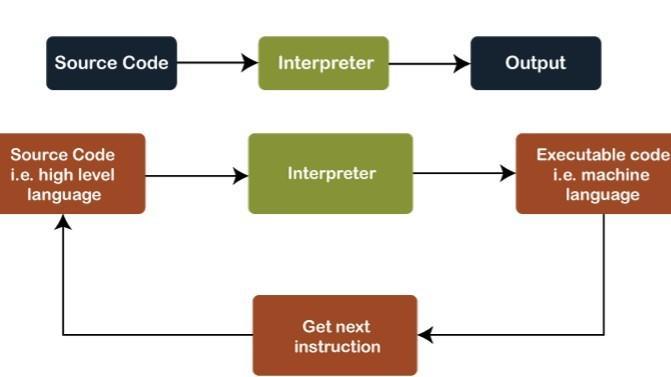
- An Interpreter Executes Source Code Line By Line During Program Execution Efficiently. It Does Not Generate Separate Executable Files Like Compilers Usually Do Clearly. I
- Interpreted Languages Include Python, JavaScript, And Ruby Used Widely Today Frequently. Interpreters Simplify Debugging Because Errors Are Reported Immediately During Execution Clearly.
- Execution Speed Is Generally Slower Compared To Compiled Languages In Some Cases. Interpreters Improve Flexibility And Rapid Development For Modern Applications Efficiently Today
57. What Is Constructor?
Ans:
- A Constructor Is A Special Method Used To Initialize Objects In Classes Efficiently. Constructors Are Automatically Invoked When Objects Are Created In Programming Languages Today.
- They Assign Initial Values To Object Variables During Object Creation Processes Clearly. Default Constructors And Parameterized Constructors Are Common Types Used Frequently Today.
- Constructors Improve Code Organization And Simplify Object Initialization Tasks Successfully Often. Programming Languages Like Java And C++ Strongly Support Constructor Methods Efficiently.
58. What Is Destructor?
Ans:
A Destructor Is A Special Method Used To Release Resources Automatically Efficiently Today. It Is Invoked When Objects Are Destroyed Or Go Out Of Scope Clearly. Destructors Help Prevent Memory Leaks In Resource Intensive Applications Successfully Often. Languages Like C++ Use Destructors Extensively For Memory Management Operations Frequently. Only One Destructor Exists Per Class And It Cannot Accept Parameters Typically. Automatic Cleanup Improves Application Stability And Resource Utilization Significantly In Software.
59. What Is Garbage Collection?
Ans:
Garbage Collection Automatically Frees Unused Memory During Program Execution Efficiently Today. It Helps Prevent Memory Leaks And Improves Application Stability Significantly Over Time. Languages Like Java And Python Use Automatic Garbage Collection Mechanisms Frequently Today. Unused Objects Without References Are Removed From Memory By Garbage Collectors Clearly. Garbage Collection Reduces Manual Memory Management Burden For Developers Successfully Often. Efficient Garbage Collection Improves Resource Utilization In Large Scale Applications Clearly.
60.Difference Between Vertical Scaling And Horizontal Scaling
Ans:
| Feature | Vertical Scaling | Horizontal Scaling |
|---|---|---|
| Definition | Increases Resources In Existing Server Efficiently Today. | Adds More Servers To Handle Workloads Efficiently Today |
| Hardware Change | Upgrades CPU, RAM, Or Storage In Single Machine Clearly. | Adds Multiple Machines Or Nodes To System Clearly. |
| Scalability Limit | Limited By Maximum Capacity Of Single Server Frequently Today. | Supports Nearly Unlimited Expansion Across Multiple Servers Clearly. |
| Cost | High End Hardware Upgrades Can Be Expensive Frequently Today | Commodity Servers Reduce Overall Scaling Costs Efficiently Often. |

Learn Java Training with Advanced Concepts By Industry Experts
- Instructor-led Sessions
- Real-life Case Studies
- Assignments
61. What Is Abstract Class?
Ans:
An Abstract Class Cannot Be Instantiated Directly In Object Oriented Programming Today. It Contains Both Abstract Methods And Fully Implemented Methods Within Classes Clearly. Child Classes Must Implement Abstract Methods To Provide Specific Functionalities Efficiently. Abstract Classes Help Achieve Partial Abstraction In Software Development Processes Successfully. They Improve Code Reusability And Maintain Consistent Application Structures Significantly Today. Abstract Classes Are Commonly Used In Framework And Library Development Frequently Today.
62. What Is Method Overloading?
Ans:
Method Overloading Allows Multiple Methods With Same Name But Different Parameters Clearly. It Is An Example Of Compile Time Polymorphism In Programming Languages Frequently. Overloaded Methods Improve Readability And Flexibility In Software Applications Efficiently Today. Parameter Types, Numbers, Or Order Must Differ Between Overloaded Methods Clearly. Method Overloading Simplifies Code Organization And Reduces Complexity In Applications Successfully. Languages Like Java And C++ Strongly Support Method Overloading Features Frequently.
63. What Is Method Overriding?
Ans:
- Method Overriding Allows Child Classes To Redefine Parent Class Methods Clearly Today. It Supports Runtime Polymorphism In Object Oriented Programming Applications Efficiently Often.
- The Method Signature Must Remain Same Between Parent And Child Classes Clearly. Overriding Helps Achieve Dynamic Behavior Based On Object Types During Execution Successfully.
- Annotations Like Override Improve Readability And Reduce Programming Errors Frequently Today. Method Overriding Enhances Flexibility And Extensibility In Software Design Efficiently Today.
64. What Is Singleton Design Pattern?
Ans:
- Singleton Pattern Ensures Only One Instance Of A Class Exists Efficiently Today. It Provides Global Access To Shared Resources Within Applications Successfully Often Clearly.
- Private Constructors Prevent External Object Creation In Singleton Implementations Frequently Today. Singletons Are Commonly Used For Logging And Database Connection Management Efficiently.
- Thread Safe Singleton Patterns Prevent Multiple Instances In Concurrent Environments Clearly. Design Patterns Improve Code Maintainability And Reusability In Software Development Successfully.
65. What Is Factory Design Pattern?
Ans:
Factory Pattern Creates Objects Without Exposing Exact Object Creation Logic Clearly Today. It Provides Interfaces For Creating Related Objects In Applications Efficiently And Flexibly. Factory Pattern Improves Code Reusability And Simplifies Object Management Significantly Today. Developers Use Factories To Reduce Tight Coupling Between Classes Successfully Often Clearly. The Pattern Supports Scalability When New Object Types Are Added In Applications. Object Creation Logic Remains Centralized And Easier To Maintain Efficiently Over Time.
66. Write A Program To Find Factorial Of A Number
Ans:
This Program Calculates Factorial Using Loop Based Multiplication Efficiently Today Clearly. Factorial Means Product Of All Positive Numbers Up To Given Number Successfully. Loops Help Perform Repeated Calculations In Programming Applications Frequently Today Clearly. Factorial Logic Is Commonly Used In Mathematics And Algorithm Problems Efficiently Often. Such Programs Improve Understanding Of Iteration And Arithmetic Operations Successfully Today.
- num = 5
- fact = 1
- for i in range(1, num + 1):
- fact = fact * i
- print(fact)
67. What Is Dependency Injection?
Ans:
Dependency Injection Supplies Required Objects To Classes From External Sources Efficiently Today. It Reduces Tight Coupling Between Components In Software Applications Successfully Often Clearly. Dependency Injection Improves Testability And Flexibility In Large Scale Systems Significantly. Frameworks Like Spring Use Dependency Injection Extensively For Object Management Frequently. Constructor Injection And Setter Injection Are Common Dependency Injection Methods Clearly. This Design Pattern Simplifies Application Maintenance And Enhances Scalability Efficiently Today
68. What Is Caching?
Ans:
Caching Stores Frequently Accessed Data Temporarily For Faster Retrieval Efficiently Today. It Reduces Database Queries And Improves Overall Application Performance Significantly Today. Caches Are Commonly Used In Browsers, Servers, And Distributed Systems Successfully Often. Memory Based Caching Provides Faster Access Compared To Disk Based Storage Clearly. Cache Expiration Policies Remove Outdated Data Automatically In Applications Efficiently Today. Redis And Memcached Are Popular Technologies Used For Caching Frequently Worldwide Today
69. What Is CDN?
Ans:
CDN Stands For Content Delivery Network Used For Faster Content Distribution Today. It Delivers Website Content Through Multiple Servers Located Across Different Regions Efficiently. CDNs Reduce Latency And Improve User Experience During High Traffic Situations Clearly. Static Resources Like Images And Videos Are Commonly Delivered Through CDNs Frequently. Caching At Edge Servers Improves Website Loading Speed Significantly In Applications Today. CDNs Enhance Reliability By Distributing Traffic Across Multiple Data Centers Efficiently Today.
70. What Is DNS?
Ans:
DNS Stands For Domain Name System Used On The Internet Efficiently Today. It Translates Domain Names Into IP Addresses For Network Communication Successfully Clearly. DNS Helps Users Access Websites Without Remembering Numerical IP Addresses Easily Today. DNS Servers Handle Queries And Return Matching Address Information Efficiently In Networks. Caching Improves DNS Lookup Speed And Reduces Repeated Requests Significantly Today. DNS Plays An Important Role In Modern Web Infrastructure And Connectivity Clearly.
71. What Is HTTP?
Ans:
HTTP Stands For HyperText Transfer Protocol Used For Web Communication Efficiently Today. It Enables Data Exchange Between Clients And Servers Over The Internet Clearly. HTTP Methods Include GET, POST, PUT, DELETE, And PATCH Frequently Used Today. Stateless Communication Means Each Request Is Independent In HTTP Protocol Clearly. HTTPS Adds Encryption To Improve Security During Data Transmission Over Networks Efficiently. Status Codes Like 200 And 404 Indicate Request Processing Results Successfully Today
72. What Is HTTPS?
Ans:
HTTPS Is A Secure Version Of HTTP Using SSL Or TLS Encryption Today. It Protects Sensitive Information During Communication Between Clients And Servers Efficiently. HTTPS Prevents Data Theft And Improves User Trust On Websites Significantly Today. Certificates Verify Website Authenticity And Enable Secure Connections Successfully In Browsers. Most Modern Websites Use HTTPS For Better Security And Privacy Protection Clearly. Encrypted Communication Helps Prevent Attacks Like Data Interception During Transmission Efficiently.
73. What Is Cookie
Ans:
Cookies Are Small Files Stored In Browsers To Maintain User Information Efficiently. They Help Websites Remember Login Sessions And User Preferences Successfully Over Time. Cookies Improve User Experience By Storing Temporary Data During Web Browsing Clearly. Session Cookies And Persistent Cookies Are Common Types Used Frequently Today. Secure Cookies Protect Sensitive Data During Website Communication Efficiently In Applications. Improper Cookie Management May Lead To Privacy And Security Risks Sometimes Clearly.
74. What Is Session?
Ans:
A Session Stores User Information Temporarily During Interactions With Web Applications Today. Sessions Help Maintain User State Across Multiple Requests Efficiently In Websites Clearly. Session IDs Uniquely Identify Active Users During Application Usage Successfully Often Today. Sessions Are Commonly Used For Authentication And Shopping Cart Management Efficiently. Server Side Session Storage Improves Security Compared To Client Side Storage Clearly. Sessions Expire Automatically After Specific Time Periods For Better Security Management.
75. What Is Authentication?
Ans:
- Authentication Verifies User Identity Before Granting Access To Systems Efficiently Today. Usernames, Passwords, OTPs, And Biometrics Are Common Authentication Methods Frequently Used.
- Authentication Improves Security And Protects Sensitive Information From Unauthorized Access Clearly. Multi Factor Authentication Provides Additional Security Layers In Modern Applications Successfully.
- Authentication Mechanisms Are Widely Used In Banking And E Commerce Systems Efficiently. Proper Authentication Prevents Data Breaches And Unauthorized System Usage Significantly Today.
76. What Is Authorization?
Ans:
Authorization Determines What Resources Users Can Access After Authentication Successfully Today. It Defines Permissions And Access Levels Within Applications Efficiently And Securely Clearly. Role Based Access Control Is Commonly Used For Authorization Management Frequently Today. Authorization Helps Protect Sensitive Data From Unauthorized Operations In Systems Efficiently. Proper Authorization Improves Security And Reduces Risks In Enterprise Applications Significantly. Authentication And Authorization Work Together For Secure System Access Management Clearly.
77. What Is Encryption?
Ans:
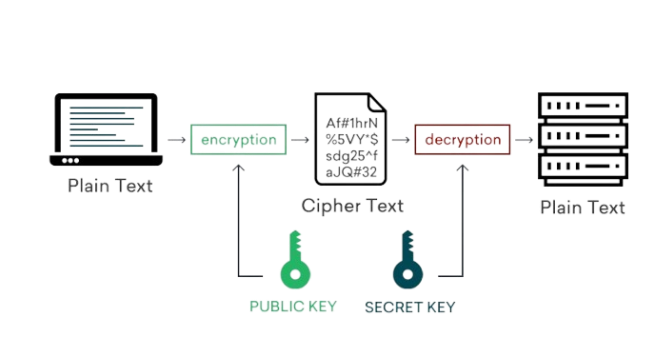
Encryption Converts Readable Data Into Secure Encoded Formats For Protection Efficiently Today. Only Authorized Users With Correct Keys Can Decrypt Encrypted Information Successfully. Encryption Protects Sensitive Information During Storage And Data Transmission Processes Clearly. Symmetric And Asymmetric Encryption Are Common Security Techniques Used Frequently Today. HTTPS Uses Encryption To Secure Communication Between Websites And Users Efficiently. Strong Encryption Prevents Cybercriminals From Accessing Confidential Information Successfully Often
78. What Is Machine Learning?
Ans:
Machine Learning Enables Computers To Learn From Data Without Explicit Programming Clearly. Algorithms Identify Patterns And Improve Predictions Through Training Processes Efficiently Today. Supervised, Unsupervised, And Reinforcement Learning Are Common Machine Learning Types Frequently. Machine Learning Is Used In Recommendations, Fraud Detection, And Search Engines Successfully. Large Datasets Improve Model Accuracy And Performance In Real World Applications Clearly. Python Libraries Like TensorFlow And Scikit Learn Support Machine Learning Development Efficiently. Amazon Interviews Sometimes Include Basic Questions About Machine Learning Concepts And Applications.
79. What Is Artificial Intelligence?
Ans:
Artificial Intelligence Enables Machines To Simulate Human Intelligence And Decision Making Today. AI Systems Perform Tasks Like Learning, Reasoning, And Problem Solving Efficiently Clearly. Artificial Intelligence Is Used In Chatbots, Robotics, And Recommendation Systems Frequently Today. Machine Learning Is A Subset Of Artificial Intelligence Technologies Successfully Often Clearly. AI Improves Automation And Business Efficiency Across Multiple Industries Significantly Today. Ethical AI Development Focuses On Fairness, Privacy, And Responsible Usage Efficiently.
80. What Is Big Data?
Ans:
Big Data Refers To Extremely Large And Complex Data Collections Efficiently Today. Traditional Processing Methods Cannot Handle Big Data Volumes Effectively In Systems Clearly. Big Data Characteristics Include Volume, Velocity, Variety, Veracity, And Value Frequently. Technologies Like Hadoop And Spark Process Big Data Efficiently Across Distributed Systems. Organizations Use Big Data Analytics For Business Insights And Decision Making Successfully. Scalable Storage And Parallel Processing Improve Big Data Handling Capabilities Significantly Today.
81. What Is Hadoop?
Ans:
Hadoop Is An Open Source Framework Used For Big Data Processing Efficiently Today. It Stores And Processes Large Datasets Across Distributed Systems Successfully Often Clearly. HDFS Provides Distributed Storage While MapReduce Handles Data Processing Tasks Efficiently. Hadoop Improves Scalability And Fault Tolerance In Big Data Applications Significantly Today. Clusters Allow Parallel Processing Across Multiple Machines For Better Performance Clearly. Organizations Use Hadoop For Analytics And Data Intensive Business Operations Frequently Today
82. What Is Docker?
Ans:
- Docker Is A Platform Used To Create And Manage Containers Efficiently Today. Containers Package Applications Along With Dependencies For Consistent Deployments Successfully Clearly.
- Docker Improves Portability Across Development, Testing, And Production Environments Significantly Today. Docker Images Contain Application Code And Required Runtime Components Efficiently Often.
- Containers Start Faster Compared To Traditional Virtual Machines In Many Situations Clearly. Docker Simplifies Continuous Integration And Continuous Deployment Processes Successfully In Projects.
83. What Is Kubernetes?
Ans:
Kubernetes Is A Container Orchestration Platform Used For Managing Containers Efficiently Today. It Automates Deployment, Scaling, And Monitoring Of Containerized Applications Successfully Clearly. Pods Are The Smallest Deployable Units In Kubernetes Clusters Frequently Used Today. Kubernetes Improves Reliability And Availability In Cloud Native Applications Significantly Today. Load Balancing And Auto Scaling Features Enhance Performance During Traffic Spikes Clearly. Kubernetes Simplifies Management Of Large Distributed Application Architectures Efficiently Over Time.
84.Write A Program To Check Prime Number
Ans:
This Program Checks Whether A Number Is Prime Or Not Efficiently Today Clearly. Prime Numbers Have Only Two Factors Which Are One And Itself Successfully. The Loop Verifies Divisibility Using Modulus Operations Efficiently In Programs Frequently. Prime Number Logic Improves Mathematical And Analytical Thinking Skills Clearly Today. Such Questions Are Frequently Asked In Technical Coding Interview Assessments Successfully. Understanding Prime Numbers Helps In Cryptography And Algorithm Development Efficiently Often.
- num = 7
- flag = True
- for i in range(2, num):
- if num % i == 0:
- flag = False
- break
- if flag and num > 1:
- print(“Prime Number”)
- else:
- print(“Not Prime Number”)
85. What Is Jenkins?
Ans:
Jenkins Is An Open Source Automation Tool Used For CI CD Pipelines Today. It Automates Building, Testing, And Deployment Of Software Applications Efficiently In Teams. Jenkins Supports Multiple Plugins For Integrating Different Development Tools Successfully Often. Automated Pipelines Improve Development Speed And Reduce Manual Deployment Errors Clearly. Jenkins Helps Developers Deliver Reliable Software Updates Faster In Modern Workflows Efficiently. Distributed Builds Improve Scalability And Performance During Large Project Development Today.
86. What Is Linux?
Ans:
Linux Is An Open Source Operating System Used Worldwide Efficiently Today Frequently. It Provides Stability, Security, And Flexibility For Servers And Applications Clearly. Linux Commands Help Manage Files, Processes, And System Configurations Successfully Today. Many Cloud Platforms And Enterprise Systems Run On Linux Operating Systems Efficiently. Shell Scripting Automates Repetitive Administrative Tasks In Linux Environments Clearly Often. Linux Is Popular Among Developers Because Of Strong Community Support And Reliability.
87. What Is Shell Scripting?
Ans:
Shell Scripting Automates Command Execution In Linux And Unix Systems Efficiently Today. Scripts Combine Multiple Commands Into Reusable Programs For Administrative Tasks Clearly. Shell Scripts Improve Productivity And Reduce Manual Effort In System Management Successfully. Variables, Loops, And Conditions Are Commonly Used In Shell Programming Frequently Today. Bash Is One Of The Most Popular Shells Used In Linux Systems Clearly. Shell Scripting Is Widely Used In DevOps And Automation Processes Efficiently Today.
88. What Is Pagination?
Ans:
Pagination Divides Large Data Into Smaller Pages For Better Performance Efficiently Today. It Improves User Experience By Reducing Load Times In Applications Successfully Clearly. Databases Use Limit And Offset Clauses To Implement Pagination Frequently Today. Pagination Prevents Servers From Sending Huge Amounts Of Data At Once Clearly. Efficient Pagination Improves Scalability In Large Scale Web Applications Significantly Today. Infinite Scrolling Is Another Technique Used Alongside Pagination In Modern Applications.
89. What Is Rate Limiting?
Ans:
- Rate Limiting Restricts Number Of Requests Users Can Send Within Specific Periods. It Protects Servers From Abuse And Excessive Traffic Efficiently Today Clearly.
- APIs Commonly Use Rate Limiting To Ensure Fair Resource Usage Successfully Often. Token Bucket And Leaky Bucket Are Popular Rate Limiting Algorithms Frequently Used.
- Rate Limiting Improves Application Stability And Prevents Denial Of Service Attacks Clearly. Monitoring Tools Help Detect Suspicious Activities And Manage Request Thresholds Efficiently Today.
90. What Is Scalability?
Ans:
Scalability Refers To A System Ability To Handle Increasing Workloads Efficiently Today. Scalable Systems Maintain Performance During Growth In Users And Data Volumes Clearly. Horizontal Scaling Adds More Servers While Vertical Scaling Increases Server Resources Successfully. Cloud Platforms Simplify Scalability Through Auto Scaling Features And Resource Allocation Efficiently. Scalable Architectures Improve Reliability And Support Business Expansion Significantly Over Time. Distributed Systems And Load Balancers Help Achieve Better Scalability In Applications Clearly.
91. What Is Availability?
Ans:
Availability Measures How Often Systems Remain Operational And Accessible Efficiently Today Clearly. High Availability Prevents Downtime And Improves User Experience In Applications Successfully. Redundant Servers And Backup Systems Improve Availability In Distributed Architectures Significantly. Load Balancers Redirect Traffic During Failures To Maintain Continuous Service Efficiently. Cloud Providers Offer Multi Region Deployments For Better Availability And Reliability Today. Monitoring And Alerting Systems Help Detect Issues Before Service Disruptions Clearly Occur.
92. What Is Fault Tolerance?
Ans:
Fault Tolerance Allows Systems To Continue Working Despite Failures Efficiently Today Clearly. Backup Components Replace Failed Parts Without Interrupting Services Successfully Often Today. Distributed Systems Use Replication To Improve Fault Tolerance Across Multiple Servers Efficiently. Fault Tolerance Reduces Downtime And Improves Application Reliability Significantly Over Time. Cloud Architectures Commonly Implement Fault Tolerant Designs For Critical Applications Clearly. Automatic Recovery Mechanisms Help Systems Resume Operations During Unexpected Failures Efficiently.
93.Write A Program To Sort Array In Ascending Order
Ans:
This Program Sorts Array Elements In Ascending Order Efficiently Today Clearly. The Sort Function Rearranges Numbers From Smallest To Largest Successfully Often. Sorting Is One Of The Most Important Concepts In Programming Interviews Frequently. Sorted Data Improves Searching And Data Processing Efficiency In Applications Clearly. Developers Use Sorting Algorithms In Databases And Real Time Systems Efficiently Today. Python Provides Built In Methods For Easy Sorting Operations Successfully Clearly.
- arr = [5, 2, 8, 1, 9]
- arr.sort()
- print(arr)
94. What Is NoSQL Database?
Ans:
NoSQL Databases Store Non Relational Data In Flexible Formats Efficiently Today Clearly. They Support High Scalability And Fast Performance For Large Applications Successfully Often. Document, Key Value, Column Family, And Graph Databases Are Common Types. NoSQL Databases Handle Unstructured Data Better Than Traditional Relational Databases Frequently. MongoDB And Cassandra Are Popular NoSQL Database Technologies Used Worldwide Today Clearly. NoSQL Systems Are Commonly Used In Big Data And Real Time Applications.
95. What Is MongoDB?
Ans:
MongoDB Is A Popular NoSQL Document Database Used In Modern Applications Today. It Stores Data In Flexible JSON Like Documents Efficiently And Reliably Clearly. MongoDB Supports Horizontal Scaling Through Sharding Across Multiple Servers Successfully Often. Indexes Improve Query Performance And Speed Up Data Retrieval Operations Efficiently Today. Schema Flexibility Makes MongoDB Suitable For Rapid Application Development Projects Clearly. Replication Improves Data Availability And Fault Tolerance In Distributed Systems Significantly.
96. What Is Message Queue?
Ans:
A Message Queue Enables Asynchronous Communication Between Different Application Components Efficiently. Messages Are Stored Temporarily Until Consumers Process Them Successfully And Reliably Today. Queues Improve Scalability And Decouple Services In Distributed Systems Clearly Often. RabbitMQ And Apache Kafka Are Popular Messaging Technologies Used Frequently Today. Message Queues Help Manage High Traffic Workloads And Background Processing Efficiently. Reliable Delivery Mechanisms Prevent Message Loss During System Failures Successfully Often.
97. What Is Apache Kafka?
Ans:
- Apache Kafka Is A Distributed Event Streaming Platform Used For Real Time Data. It Handles High Throughput Messaging Between Applications Efficiently And Reliably Today Clearly.
- Kafka Uses Topics And Partitions For Organizing And Storing Data Streams Successfully. Producers Send Messages While Consumers Read Messages From Kafka Topics Efficiently.
- Kafka Supports Fault Tolerance Through Replication Across Multiple Brokers Successfully Often. Organizations Use Kafka For Logging, Analytics, And Real Time Processing Applications Clearly.
98. What Is System Design?
Ans:
System Design Focuses On Building Scalable And Reliable Software Architectures Efficiently Today. It Includes Components Like Databases, APIs, Caching, And Load Balancers Clearly. System Design Helps Applications Handle Millions Of Users And Large Data Volumes. Scalability, Availability, And Fault Tolerance Are Important Design Considerations Frequently Today. Microservices And Distributed Systems Are Common Topics In System Design Interviews Clearly. Proper Design Improves Performance, Security, And Maintainability Of Applications Significantly Today.
99. What Is Behavioral Interview?
Ans:
Behavioral Interviews Evaluate Communication, Leadership, And Problem Solving Skills Efficiently Today. Candidates Share Real Experiences Using Structured Answers Like STAR Method Clearly. Amazon Strongly Focuses On Leadership Principles During Behavioral Interview Rounds Frequently. Examples Demonstrating Ownership And Teamwork Improve Interview Performance Significantly Today Clearly. Preparation Helps Candidates Answer Questions Confidently And Professionally During Interviews Successfully. Behavioral Questions Assess How Candidates Handle Challenges In Workplace Situations Efficiently.
100. What is role of accountability in jobs?
Ans:
Accountability means accepting ownership for actions, results, and responsibilities sincerely. Accountable employees do not shift blame when problems arise unexpectedly. This quality builds management trust and stronger professional reputation significantly. It also encourages careful work and continuous improvement habits. Accountability is highly valued in organizations.