LMS
LMS
Last updated on 10th Jun 2026| 6746

Wipro Internship Coding Interview Questions And Answers Are Designed To Help Students And Freshers Build Strong Programming And Problem-Solving Skills. These Questions Cover Important Topics Such As Java, C, C++, Python, Data Structures, Algorithms, Arrays, Strings, And Basic Coding Logic. Practicing Coding Problems Improves Analytical Thinking And Enhances Confidence During Technical Interviews. Candidates Are Often Evaluated On Their Ability To Write Efficient, Error-Free, And Optimized Code. Understanding Fundamental Programming Concepts Is Essential For Performing Well In Wipro Internship Recruitment Drives. Regular Practice Of Coding Questions Helps Improve Accuracy, Speed, And Overall Interview Performance.
1. What Is Programming?
Ans:
Programming Is The Process Of Writing Instructions That Enable Computers To Perform Specific Tasks. It Involves Using Languages Such As Java, Python, And C++. Programming Helps Automate Processes And Solve Real-World Problems. Developers Create, Test, And Maintain Software Applications Through Programming. Logical Thinking And Problem-Solving Skills Are Essential For Writing Efficient Code. Programming Forms The Foundation Of Software Development And Technology Innovation. It Is One Of The Most Important Skills For Internship Candidates.
2. What Is An Algorithm?
Ans:
An Algorithm Is A Step-By-Step Procedure Designed To Solve A Specific Problem. It Defines The Sequence Of Operations Required To Achieve A Desired Result. Algorithms Should Be Correct, Efficient, And Easy To Understand. They Are Used In Searching, Sorting, And Data Processing Tasks. Performance Is Measured Using Time And Space Complexity. Good Algorithms Improve Application Speed And Efficiency. Understanding Algorithms Is Essential For Coding Interviews.
3. What Is A Flowchart?
Ans:
- A Flowchart Is A Graphical Representation Of A Process Or Algorithm. It Uses Standard Symbols To Represent Different Operations. Flowcharts Help Visualize Program Logic Before Coding Begins.
- They Improve Understanding And Communication Among Team Members. Flowcharts Simplify Complex Processes By Breaking Them Into Steps.
- They Are Commonly Used During Software Design. Creating Flowcharts Helps Developers Plan Solutions Effectively.
4. What Is Pseudocode?
Ans:
Pseudocode Is An Informal Way Of Describing Program Logic Using Simple Language. It Resembles Programming Syntax But Does Not Follow Strict Rules. Pseudocode Helps Developers Plan Algorithms Before Coding. It Improves Communication Between Technical And Non-Technical Stakeholders. Writing Pseudocode Makes Problem Solving More Structured. It Is Easier To Modify Than Actual Code. Pseudocode Is Widely Used During Software Design.
5. What Is A Variable?
Ans:
A Variable Is A Named Memory Location Used To Store Data. Variables Allow Programs To Handle Dynamic Information. Different Data Types Determine The Kind Of Data Stored. Variables Can Be Updated During Program Execution. They Improve Program Flexibility And Reusability. Every Programming Language Supports Variables. Understanding Variables Is Fundamental To Programming.
6. What Is A Data Type?
Ans:
A Data Type Defines The Kind Of Value A Variable Can Store. Examples Include Integer, Float, Character, And Boolean. Data Types Help The Compiler Allocate Appropriate Memory. They Ensure Data Is Used Correctly Within Programs. Choosing The Correct Data Type Improves Performance. Data Types Reduce Errors During Program Execution. They Are Fundamental Building Blocks Of Programming Languages.
7. Write A Program To Check Whether A Number Is Even Or Odd
Ans:
This Program Checks Whether A Number Is Even Or Odd Using The Modulus Operator. If The Remainder After Dividing By 2 Is Zero, The Number Is Even. Otherwise, It Is Odd. This Question Tests Basic Conditional Statements And Arithmetic Operations.
- int n = 8;
- if(n % 2 == 0)
- System.out.println(“Even”);
- else
- System.out.println(“Odd”);
8. What Is An Array?
Ans:
An Array Is A Collection Of Elements Stored In Contiguous Memory Locations. All Elements Must Have The Same Data Type. Arrays Allow Fast Access Through Indexes. Their Size Is Fixed Once Created. Arrays Are Widely Used For Storing Multiple Values. They Provide Efficient Data Organization. Arrays Are Fundamental Data Structures In Programming.
9. What Is A String?
Ans:
A String Is A Sequence Of Characters Used To Represent Text. Strings Are Commonly Used For Handling User Input And Output. Most Languages Provide Built-In String Functions. Strings Can Be Concatenated, Compared, And Modified. Efficient String Handling Is Important In Software Development. Strings Are Essential For Processing Textual Data. They Are Frequently Used In Coding Interviews.
10. What Is A Loop?
Ans:
A Loop Is A Control Structure That Repeats A Block Of Code Multiple Times. Loops Reduce Code Duplication And Improve Efficiency. Common Types Include For, While, And Do-While Loops. Loops Continue Until A Specified Condition Is Met. They Are Useful For Processing Collections Of Data. Proper Loop Design Prevents Infinite Execution. Loops Are Essential In Programming.
11. What Is A Conditional Statement?
Ans:
A Conditional Statement Executes Code Based On Specific Conditions. Common Examples Include If, Else If, And Switch Statements. Conditions Are Evaluated As True Or False. Conditional Logic Helps Programs Make Decisions. It Improves Program Flexibility And Functionality. Conditional Statements Are Widely Used In Real Applications. They Are Fundamental Programming Concepts.
12. What Is Object-Oriented Programming?
Ans:
- Object-Oriented Programming Is A Paradigm Based On Objects And Classes. It Organizes Code Into Reusable Components.
- OOP Supports Encapsulation, Inheritance, Polymorphism, And Abstraction. These Concepts Improve Maintainability And Scalability.
- Languages Such As Java And C++ Use OOP Extensively. OOP Helps Model Real-World Entities In Software. It Is A Core Concept In Technical Interviews.
13. What Is A Class?
Ans:
A Class Is A Blueprint For Creating Objects In Programming. It Defines Attributes And Methods Shared By Objects. Classes Improve Code Reusability And Organization. Multiple Objects Can Be Created From A Single Class. Classes Support Encapsulation And Modularity. They Form The Basis Of Object-Oriented Programming. Understanding Classes Is Important For Developers.
14. What Is An Object?
Ans:
An Object Is An Instance Of A Class. It Contains Data And Behaviors Defined By The Class. Objects Interact With Each Other To Perform Tasks. Each Object Has Its Own State And Identity. Objects Help Represent Real-World Concepts In Software. They Improve Code Structure And Reusability. Objects Are Essential Components Of OOP.
15. What Is Encapsulation?
Ans:
Encapsulation Is The Process Of Combining Data And Methods Within A Class. It Restricts Direct Access To Internal Data. Getter And Setter Methods Provide Controlled Access. Encapsulation Improves Security And Maintainability. It Helps Protect Data From Unintended Modifications. This Concept Supports Modular Programming. Encapsulation Is A Core OOP Principle.
16. What Is Inheritance?
Ans:
Inheritance Allows A Class To Acquire Properties From Another Class. It Promotes Code Reusability And Reduces Duplication. The Existing Class Is Called The Parent Class. The New Class Is Called The Child Class. Inheritance Supports Hierarchical Relationships. It Improves Maintainability In Large Applications. It Is One Of The Main Features Of OOP.
17. What Is Polymorphism?
Ans:
Polymorphism Allows Objects To Take Multiple Forms. It Enables Methods To Behave Differently Based On Context. Method Overloading And Overriding Are Common Examples. Polymorphism Improves Flexibility And Reusability. It Supports Dynamic Behavior In Applications. This Concept Simplifies Complex Software Design. It Is Widely Used In OOP-Based Systems.
18. Write A Program To Find The Largest Of Two Numbers
Ans:
This Program Compares Two Numbers And Displays The Larger One. The If Condition Checks Which Number Is Greater. If The Condition Is True, The First Number Is Printed; Otherwise, The Second Number Is Displayed.
- int a = 15, b = 20;
- if(a > b)
- System.out.println(a);
- else
- System.out.println(b);
19. What Is A Linked List?
Ans:
A Linked List Is A Linear Data Structure Made Of Nodes. Each Node Contains Data And A Reference To The Next Node. Linked Lists Support Dynamic Memory Allocation. Insertions And Deletions Are Efficient Compared To Arrays. They Do Not Require Contiguous Memory Allocation. Traversal Occurs Sequentially Through Nodes. Linked Lists Are Widely Used In Applications.
20. What Is A Stack?
Ans:
A Stack Is A Linear Data Structure Following The LIFO Principle. LIFO Means Last In First Out. Elements Are Added Using Push Operations. Elements Are Removed Using Pop Operations. Stacks Are Used In Function Calls And Expression Evaluation. They Support Efficient Data Processing. Stacks Are Commonly Asked About In Coding Interviews. Stacks Are Widely Used In Undo Operations And Recursion Handling.
21. What Is The Difference Between Linear Search And Binary Search?
Ans:
| Feature | Linear Search | Binary Search |
|---|---|---|
| Definition | Checks Elements One By One Until The Target Is Found. | Repeatedly Divides The Search Space Into Halves. |
| Data Requirement | Works On Sorted And Unsorted Data | Requires Data To Be Sorted. |
| Time Complexity | O(n) | O(log n) |
| Speed | Slower For Large Datasets | Faster For Large Datasets |
22. What Is Time Complexity?
Ans:
Time Complexity Measures The Execution Time Of An Algorithm Relative To Input Size. It Helps Compare Algorithm Efficiency. Big O Notation Is Commonly Used For Representation. Lower Complexity Usually Indicates Better Performance. Time Complexity Is Important For Large Datasets. Developers Use It To Optimize Programs. It Is A Frequently Asked Interview Topic.
23. What Is Space Complexity?
Ans:
Space Complexity Measures The Memory Used By An Algorithm. It Includes Variables And Data Structures Required During Execution. Efficient Programs Minimize Memory Usage. Space Complexity Is Also Expressed Using Big O Notation. It Helps Evaluate Resource Requirements. Both Time And Space Complexity Are Important. Understanding Complexity Improves Problem-Solving Skills.
24. What Is Linear Search?
Ans:
Linear Search Checks Each Element Sequentially Until The Target Is Found. It Works On Both Sorted And Unsorted Data. The Worst-Case Complexity Is O(n). Linear Search Is Easy To Implement. It Is Suitable For Small Datasets. Performance Decreases As Data Size Increases. It Is One Of The Simplest Search Algorithms. Linear Search Does Not Require Any Prior Sorting Of Data
25. What Is Binary Search?
Ans:
- Binary Search Finds Elements Efficiently In Sorted Arrays. It Repeatedly Divides The Search Space Into Halves.
- The Time Complexity Is O(Log n). Binary Search Is Faster Than Linear Search. It Requires Data To Be Sorted Before Searching. This Algorithm Is Widely Used In Applications.
- Binary Search Is A Popular Interview Question. Binary Search Significantly Reduces The Number Of Comparisons Needed.
26. What Is Bubble Sort?
Ans:
Bubble Sort Is A Simple Sorting Algorithm That Repeatedly Compares Adjacent Elements. If Elements Are In The Wrong Order, They Are Swapped. Larger Values Gradually Move Toward The End Of The Array. The Worst-Case Time Complexity Is O(n²). Bubble Sort Is Easy To Understand And Implement. It Is Commonly Used For Learning Sorting Concepts. The Algorithm Is Not Efficient For Large Datasets. Bubble Sort Demonstrates Fundamental Comparison-Based Sorting Techniques.
27. What Is Selection Sort?
Ans:
- Selection Sort Repeatedly Finds The Smallest Element And Places It In The Correct Position. The Array Is Divided Into Sorted And Unsorted Sections.
- It Performs Fewer Swaps Than Bubble Sort. The Worst-Case Time Complexity Is O(n²). Selection Sort Is Simple To Implement.
- It Is Suitable For Small Collections Of Data. The Algorithm Helps Understand Sorting Fundamentals. Selection Sort Requires Minimal Additional Memory.
28. What Is Insertion Sort?
Ans:
Insertion Sort Builds A Sorted Array One Element At A Time. Each New Element Is Inserted Into Its Proper Position. It Performs Well On Small Or Nearly Sorted Datasets. The Worst-Case Time Complexity Is O(n²). Insertion Sort Is Stable And Easy To Understand. It Requires Minimal Extra Memory. The Algorithm Is Commonly Used In Educational Examples. Insertion Sort Is Efficient For Small Input Sizes.
29. What Is Merge Sort?
Ans:
Merge Sort Uses The Divide-And-Conquer Technique To Sort Data. It Splits The Array Into Smaller Parts And Merges Them Back. The Time Complexity Is O(n Log n). Merge Sort Is Stable And Predictable. It Performs Well On Large Datasets. Additional Memory Is Required During Merging. It Is Commonly Used In Data Processing Applications. Merge Sort Guarantees Consistent Performance Across Inputs.
30. What Is Quick Sort?
Ans:
Quick Sort Is A Fast Sorting Algorithm Based On Divide-And-Conquer. It Selects A Pivot Element And Partitions The Data. Average Time Complexity Is O(n Log n). Quick Sort Is Widely Used In Real Applications. Performance Depends On Pivot Selection. It Is Faster Than Many Basic Sorting Algorithms. Quick Sort Can Be Implemented Recursively. It Is One Of The Most Popular Sorting Methods.
31. What Is A Hash Table?
Ans:
A Hash Table Stores Data As Key-Value Pairs. It Uses A Hash Function To Determine Storage Locations. Hash Tables Provide Fast Search And Retrieval Operations. Average Lookup Time Is O(1). Collisions Can Occur And Must Be Handled Properly. They Are Widely Used In Databases And Caching Systems. Hash Tables Improve Application Performance. They Are Important Data Structures In Programming..
32. What Is Recursion?
Ans:
- Recursion Is A Programming Technique Where A Function Calls Itself. It Helps Solve Problems By Breaking Them Into Smaller Subproblems.
- Every Recursive Function Requires A Base Condition. Without A Base Condition, Infinite Recursion May Occur. Recursion Simplifies Complex Logic In Certain Situations.
- It Is Commonly Used In Tree And Graph Problems. Recursive Solutions Can Improve Readability. Understanding Recursion Is Important For Coding Interviews.
33. What Is Function Overloading?
Ans:
- Function Overloading Allows Multiple Methods To Have The Same Name. The Methods Must Differ In Parameter Type Or Count.
- It Improves Code Readability And Reusability. Function Overloading Is Resolved At Compile Time. It Is An Example Of Compile-Time Polymorphism.
- Java Supports Method Overloading Extensively. Overloading Simplifies Program Design. It Helps Developers Write Cleaner Code.
34. What Is Function Overriding?
Ans:
Function Overriding Occurs When A Child Class Redefines A Parent Class Method. The Method Signature Must Remain The Same. It Enables Runtime Polymorphism In Java. Overriding Allows Customized Behavior In Subclasses. It Improves Flexibility In Object-Oriented Design. The JVM Determines The Method At Runtime. Overriding Is Widely Used In Enterprise Applications. It Supports Dynamic Method Dispatch..
35. What Is An Interface?
Ans:
An Interface Defines A Contract That Classes Must Implement. It Contains Abstract Methods And Constants. Interfaces Support Multiple Inheritance In Java. They Promote Loose Coupling Between Components. Interfaces Improve Application Flexibility. Classes Use The Implements Keyword To Adopt Interfaces. Interfaces Are Widely Used In Enterprise Development. They Support Scalable Software Design.
36. What Is An Abstract Class?
Ans:
- An Abstract Class Cannot Be Instantiated Directly. It May Contain Both Abstract And Concrete Methods. Subclasses Must Implement Abstract Methods.
- Abstract Classes Provide Partial Abstraction. They Help Share Common Functionality Across Classes. Java Uses The Abstract Keyword For Declaration.
- Abstract Classes Improve Code Reusability. They Are Frequently Used In Framework Development.
37. What Is Exception Handling?
Ans:
Exception Handling Is A Mechanism For Managing Runtime Errors. It Prevents Unexpected Program Termination. Java Uses Try, Catch, Finally, Throw, And Throws Keywords. Exception Handling Improves Reliability And Stability. Developers Can Handle Specific Error Scenarios Gracefully. Proper Handling Enhances User Experience. It Is An Essential Programming Practice. Exception Handling Produces More Robust Applications.
38. What Is A Database?
Ans:
A Database Is An Organized Collection Of Data Stored Electronically. It Supports Efficient Storage And Retrieval Of Information. Databases Are Used Across Various Industries. Common Systems Include MySQL, Oracle, And PostgreSQL. Data Is Typically Stored In Tables. Databases Ensure Consistency And Security. They Are Essential For Modern Applications. Databases Enable Efficient Data Management.
39. What Is DBMS?
Ans:
DBMS Stands For Database Management System. It Is Software Used To Create And Manage Databases. DBMS Provides Storage, Retrieval, And Security Features. Examples Include MySQL And Oracle Database. It Supports Multiple Users Simultaneously. DBMS Improves Data Integrity And Efficiency. It Simplifies Database Administration. DBMS Is Essential For Enterprise Applications.
40. What Is SQL?
Ans:
SQL Stands For Structured Query Language. It Is Used To Interact With Relational Databases. SQL Supports Data Retrieval And Manipulation. Common Commands Include SELECT, INSERT, UPDATE, And DELETE. SQL Is Widely Used In Database Systems. It Enables Efficient Data Management. SQL Is A Fundamental Skill For Developers. It Plays A Key Role In Backend Development.
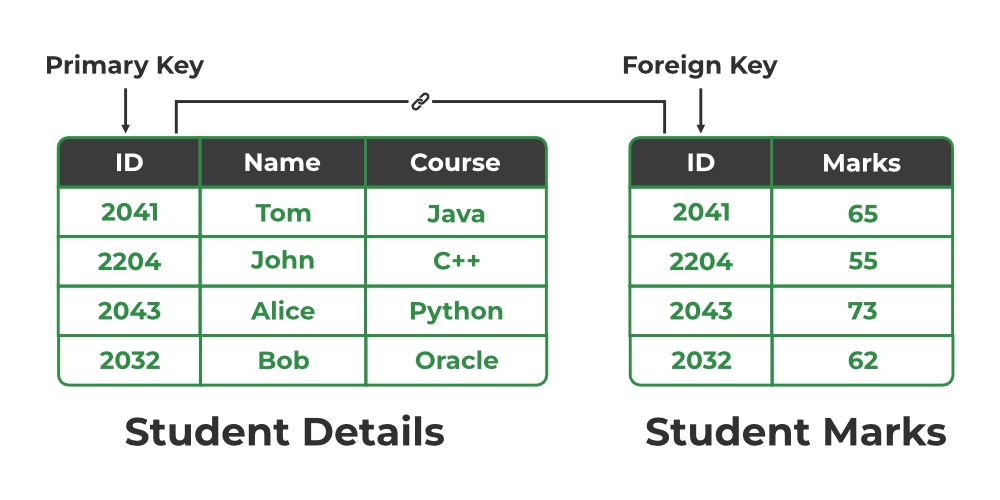
41. What Is A Primary Key?
Ans:
A Primary Key Uniquely Identifies Each Record In A Table. It Cannot Contain Duplicate Values. Primary Keys Also Cannot Contain NULL Values. They Ensure Data Integrity. Every Database Table Should Ideally Have A Primary Key. Primary Keys Improve Search Performance. They Support Efficient Data Relationships. Primary Keys Are Fundamental In Database Design.
42. What Is A Foreign Key?
Ans:
- A Foreign Key Creates A Relationship Between Two Database Tables. It References The Primary Key Of Another Table. Foreign Keys Maintain Referential Integrity.
- They Prevent Invalid Relationships Between Records. Foreign Keys Support Database Normalization. They Improve Data Consistency.
- This Concept Is Important In Relational Databases. Foreign Keys Enable Structured Data Organization.
43. What Is Normalization?
Ans:
Normalization Organizes Database Tables To Reduce Data Redundancy. It Improves Consistency And Integrity. Different Normal Forms Address Specific Design Issues. Common Forms Include 1NF, 2NF, And 3NF. Normalization Prevents Data Anomalies. It Simplifies Database Maintenance. Proper Normalization Enhances Efficiency. It Is A Key Database Design Technique.
44. What Is An Operating System?
Ans:
An Operating System Manages Hardware And Software Resources. It Provides An Interface Between Users And Computers. Examples Include Windows, Linux, And macOS. The Operating System Handles Processes And Memory. It Ensures Efficient Resource Utilization. Applications Depend On The Operating System To Run. It Is A Core Software Component. Operating Systems Support Multitasking Environments.
45. What Is A Process?
Ans:
A Process Is A Program Currently Under Execution. It Has Its Own Memory Space And Resources. Multiple Processes Can Run Simultaneously. The Operating System Manages Process Scheduling. Processes Communicate Through Various Mechanisms. Efficient Management Improves Performance. Processes Enable Multitasking Functionality. They Are Fundamental To Operating Systems.
46. What Is A Thread?
Ans:
A Thread Is The Smallest Unit Of Execution Within A Process. Multiple Threads Can Exist In One Process. Threads Share Memory And Resources. Multithreading Improves Application Responsiveness. Java Supports Thread Creation Through Various Methods. Threads Enable Concurrent Execution. They Are Widely Used In Modern Applications. Threads Improve Resource Utilization.
47. What Is Multithreading?
Ans:
Multithreading Allows Multiple Threads To Run Concurrently. It Improves Resource Usage And Performance. Threads Share The Same Process Memory. Synchronization Is Needed To Avoid Data Issues. Multithreading Supports Responsive Applications. It Is Common In Web And Enterprise Systems. Developers Must Ensure Thread Safety. Multithreading Enhances Application Efficiency.
48. Write A Program To Find The Sum Of Digits Of A Number
Ans:
This Program Calculates The Sum Of All Digits In A Number. It Extracts Each Digit Using The Modulus Operator And Adds It To The Sum Variable. The Number Is Reduced By Dividing It By 10 Repeatedly. This Process Continues Until The Number Becomes Zero.
- int n = 123, sum = 0;
- while(n > 0){ sum += n % 10; n /= 10; }
- System.out.println(sum);
49. What Is HTTPS?
Ans:
HTTPS Is The Secure Version Of HTTP. It Uses SSL/TLS Encryption For Security. HTTPS Protects Sensitive Data During Transmission. It Prevents Unauthorized Access. Most Websites Use HTTPS Today. It Enhances Privacy And User Trust. HTTPS Is Essential For Secure Transactions. Search Engines Prefer Secure Websites.
50. What Is An API?
Ans:
API Stands For Application Programming Interface. It Enables Communication Between Software Systems. APIs Allow Applications To Share Data And Functionality. They Simplify Software Integration. REST And SOAP Are Common API Types. APIs Improve Development Efficiency. They Are Widely Used In Modern Applications. APIs Support Scalable Software Architectures.
51. What Is A REST API?
Ans:
A REST API Is A Web Service Architecture Based On REST Principles. It Uses HTTP Methods Such As GET, POST, PUT, And DELETE. REST APIs Are Stateless And Scalable. Resources Are Identified Using URLs. JSON Is Commonly Used For Data Exchange. REST APIs Simplify System Integration. They Are Widely Used In Modern Applications. REST Promotes Flexibility And Interoperability.
52. What Is JSON?
Ans:
JSON Stands For JavaScript Object Notation. It Is A Lightweight Data Exchange Format. JSON Is Easy For Humans To Read And Write. It Is Easy For Machines To Parse And Generate. APIs Commonly Use JSON For Communication. JSON Supports Structured Data Representation. It Is Widely Used In Web Development. JSON Improves Data Interoperability Between Systems.
53. What Is XML?
Ans:
XML Stands For Extensible Markup Language. It Is Used To Store And Transport Data. XML Uses Custom Tags For Structuring Information. It Is Both Human And Machine Readable. XML Supports Platform-Independent Data Exchange. It Was Widely Used Before JSON Became Popular. XML Remains Important In Enterprise Systems. XML Supports Complex Data Structures.
54. What Is Software Testing?
Ans:
Software Testing Is The Process Of Evaluating Software Quality. It Identifies Defects And Verifies Functionality. Testing Improves Reliability And Performance. Different Types Of Testing Address Different Requirements. It Helps Ensure Customer Satisfaction. Testing Is A Key Part Of Quality Assurance. Proper Testing Reduces Production Issues. It Contributes To Stable Software Delivery.
55. What Is Unit Testing?
Ans:
Unit Testing Focuses On Individual Components Of Software. Developers Test Small Functional Units Independently. It Helps Detect Defects Early In Development. Unit Tests Improve Code Quality. Automated Frameworks Simplify Testing Processes. Unit Testing Supports Continuous Integration Practices. It Reduces Maintenance Costs. Unit Testing Encourages Reliable Software Design.
56. What Is Integration Testing?
Ans:
Integration Testing Verifies Communication Between Software Modules. It Ensures Components Work Together Correctly. Testing Occurs After Unit Testing. Integration Testing Detects Interface Issues. It Validates Data Flow Between Components. This Testing Improves Overall Reliability. It Helps Identify System Interaction Problems. Integration Testing Supports Stable Application Development.
57. What Is System Testing?
Ans:
- System Testing Evaluates The Entire Application As A Complete System. It Verifies Functional And Non-Functional Requirements.
- Testing Is Performed In A Controlled Environment. System Testing Ensures Overall Software Quality. It Detects Defects Across Integrated Modules.
- This Process Validates End-To-End Functionality. It Helps Confirm Deployment Readiness. System Testing Improves User Confidence.
58. Write A Program To Reverse A Number
Ans:
This Program Reverses The Digits Of A Number. The Last Digit Is Extracted And Appended To The Reversed Number. The Original Number Is Reduced Step By Step Until It Becomes Zero. The Final Result Is The Reverse Of The Given Number.
- int n = 123, rev = 0;
- while(n > 0){ rev = rev * 10 + n % 10; n /= 10; }
- System.out.println(rev);
59. What Is SDLC?
Ans:
SDLC Stands For Software Development Life Cycle. It Defines The Process Of Developing Software Systems. Phases Include Planning, Design, Development, Testing, And Maintenance. SDLC Improves Project Organization And Control. It Helps Deliver High-Quality Software. Different Models Include Waterfall And Agile. SDLC Enhances Team Coordination. It Provides A Structured Development Approach.
60. What Is The Difference Between Array And Linked List?
Ans:
| Feature | Array | Linked List |
|---|---|---|
| Memory Allocation | Stored In Contiguous Memory Locations. | Stored In Non-Contiguous Memory Locations. |
| Size | Fixed Size Once Created | Dynamic Size That Can Grow Or Shrink |
| Access Speed | Faster Random Access Using Indexes. | Sequential Access Required. |
| Insertion/Deletion | Slower Due To Element Shifting | Faster Because Only Links Need Updating. |
61. What Is Scrum?
Ans:
Scrum Is An Agile Framework For Managing Software Projects. It Organizes Work Into Time-Boxed Sprints. Scrum Includes Roles Such As Product Owner And Scrum Master. Daily Stand-Up Meetings Improve Communication. Scrum Promotes Transparency And Collaboration. It Helps Teams Deliver Incremental Value. Scrum Supports Continuous Feedback. It Is Popular In Agile Development.
62. What Is Git?
Ans:
Git Is A Distributed Version Control System. It Tracks Changes Made To Source Code. Git Enables Collaboration Among Multiple Developers. It Maintains A Complete History Of Modifications. Branching And Merging Are Key Features Of Git. It Supports Efficient Project Management. Git Is Widely Used In Software Development. It Helps Prevent Code Conflicts.
63. What Is GitHub?
Ans:
GitHub Is A Cloud-Based Platform For Hosting Git Repositories. It Supports Code Sharing And Collaboration. Developers Can Manage Projects Using GitHub Features. Pull Requests Facilitate Code Reviews. GitHub Includes Issue Tracking And Documentation Tools. It Supports Open-Source Development. Organizations Use GitHub For Team Collaboration. GitHub Improves Development Productivity.
64. What Is Version Control?
Ans:
Version Control Is A System That Tracks Changes To Files Over Time. It Helps Manage Source Code Efficiently. Developers Can Revert To Previous Versions When Necessary. Version Control Supports Team Collaboration. It Reduces The Risk Of Data Loss. Systems Such As Git Are Widely Used. It Maintains A Complete Change History. Version Control Is Essential For Software Projects.
65. What Is DevOps?
Ans:
- DevOps Combines Software Development And IT Operations Practices. It Promotes Collaboration Between Teams.
- DevOps Encourages Automation Throughout Development Processes. It Improves Software Delivery Speed And Reliability. Continuous Integration And Deployment Are Core Practices.
- DevOps Enhances Monitoring And Feedback. It Supports Agile Development Approaches. DevOps Improves Overall Business Efficiency.
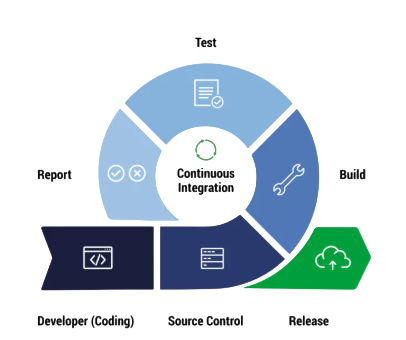
66. What Is Continuous Integration?
Ans:
Continuous Integration Is The Practice Of Frequently Merging Code Changes. Automated Testing Runs After Each Integration. It Helps Detect Defects Early In Development. Continuous Integration Improves Code Quality. Developers Receive Quick Feedback On Changes. CI Reduces Integration Problems. It Supports Agile And DevOps Methodologies. Continuous Integration Accelerates Development Cycles.
67. What Is Continuous Deployment?
Ans:
Continuous Deployment Automatically Releases Tested Code To Production. It Extends Continuous Integration Practices. Automated Validation Ensures Software Quality. Continuous Deployment Reduces Manual Effort. It Enables Faster Feature Delivery. Organizations Can Respond Quickly To User Needs. CD Improves Release Consistency. It Is A Key DevOps Practice.
68. What Is Cloud Computing?
Ans:
Cloud Computing Delivers Computing Resources Over The Internet. It Provides On-Demand Access To Services. Users Can Access Storage, Servers, And Applications Remotely. Cloud Computing Improves Scalability And Flexibility. It Reduces Infrastructure Costs. Businesses Benefit From Pay-As-You-Go Models. Cloud Services Support Innovation. Cloud Computing Is Widely Adopted Across Industries.
69. What Is AWS?
Ans:
AWS Stands For Amazon Web Services. It Is A Leading Cloud Computing Platform. AWS Provides Services For Computing, Storage, And Databases. Organizations Use AWS To Build Scalable Applications. It Supports High Availability And Reliability. AWS Offers Flexible Pricing Models. It Includes Popular Services Such As EC2 And S3. AWS Skills Are Highly Valuable In The Industry.
70. Write A Program To Check Whether A Number Is Prime
Ans:
This Program Determines Whether A Number Is Prime Or Not. A Prime Number Has Exactly Two Factors, One And Itself. The Loop Counts The Total Number Of Divisors. If The Count Equals Two, The Number Is Prime. This Question Tests Logical Thinking And Loop Concepts.
- int n = 7, c = 0;
- for(int i = 1; i <= n; i++) if(n % i == 0) c++;
- System.out.println(c == 2 ? “Prime” : “Not Prime”);
71. What Is Virtualization?
Ans:
Virtualization Creates Virtual Versions Of Physical Resources. It Allows Multiple Operating Systems To Run On One Machine. Virtualization Improves Resource Utilization. It Reduces Hardware Costs. Virtual Machines Operate Independently. Virtualization Supports Testing And Development Environments. It Enhances Scalability And Flexibility. Virtualization Is Fundamental To Cloud Computing.
72. What Is Docker?
Ans:
Docker Is A Containerization Platform Used To Package Applications. It Includes All Required Dependencies In Containers. Docker Ensures Consistent Execution Across Environments. Containers Are Lightweight Compared To Virtual Machines. Docker Simplifies Deployment And Scaling. It Supports Microservices Architectures. Docker Improves Development Efficiency. It Enhances Application Portability.
73. What Is Kubernetes?
Ans:
Kubernetes Is A Container Orchestration Platform. It Automates Deployment And Management Of Containers. Kubernetes Supports Scaling And Load Balancing. It Improves Application Availability. Organizations Use Kubernetes For Large Deployments. It Works Seamlessly With Docker Containers. Kubernetes Provides Self-Healing Features. It Is Popular In Cloud-Native Development.
74. What Is A Microservice?
Ans:
A Microservice Is A Small Independent Service Within An Application. Each Service Performs A Specific Business Function. Microservices Communicate Through APIs. They Improve Scalability And Maintainability. Teams Can Develop Services Independently. Microservices Support Agile Development. Fault Isolation Improves Reliability. Microservices Are Widely Used In Modern Architectures.
75. What Is Monolithic Architecture?
Ans:
Monolithic Architecture Combines All Components Into One Application. It Is Simple To Develop Initially. Deployment Is Usually Straightforward. However, Scaling Individual Components Is Difficult. Large Monolithic Systems Become Harder To Maintain. Changes Can Affect The Entire Application. Monolithic Architecture Is Suitable For Small Projects. It Differs Significantly From Microservices.
76. What Is JVM?
Ans:
JVM Stands For Java Virtual Machine. It Executes Java Bytecode On Different Platforms. JVM Provides Platform Independence. It Manages Memory And Resources Efficiently. Components Include The Class Loader And Garbage Collector. JVM Optimizes Performance During Execution. It Supports Multiple Languages. JVM Is The Foundation Of Java Technology.
77. What Is Garbage Collection?
Ans:
Garbage Collection Automatically Reclaims Unused Memory. It Is Managed By The JVM. Garbage Collection Reduces Memory Leaks. Developers Do Not Need Manual Memory Deallocation. It Improves Application Stability. Different Algorithms Are Available For Collection. Garbage Collection Enhances Memory Management. It Is A Key Java Feature.
78. What Is A Design Pattern?
Ans:
A Design Pattern Is A Reusable Solution To Common Software Design Problems. Patterns Represent Best Practices In Development. They Improve Code Structure And Maintainability. Examples Include Singleton And Factory Patterns. Design Patterns Promote Reusability. They Simplify Complex Design Decisions. Developers Use Them To Build Robust Applications. Patterns Support Scalable Software Design..
79. What Is The Singleton Pattern?
Ans:
The Singleton Pattern Ensures Only One Instance Of A Class Exists. It Provides A Global Access Point To That Instance. Singleton Is Commonly Used For Configuration Management. It Helps Control Resource Usage. Proper Implementation Supports Thread Safety. Singleton Reduces Unnecessary Object Creation. It Is A Popular Design Pattern. It Promotes Consistent Application Behavior..
80. Write A Program To Find The Factorial Of A Number
Ans:
This Program Calculates The Factorial Of A Given Number. The Factorial Is Obtained By Multiplying All Positive Integers From 1 To The Number. A Loop Is Used To Perform The Multiplication Repeatedly. The Result Is Stored In The Variable Fact
- int n = 5, fact = 1;
- for(int i = 1; i <= n; i++) fact *= i;
- System.out.println(fact);
81. What Is Cybersecurity?
Ans:
- Cybersecurity Protects Systems, Networks, And Data From Threats. It Includes Measures Such As Encryption And Authentication.
- Cybersecurity Prevents Unauthorized Access. Organizations Implement Security Policies To Reduce Risks. Security Testing Identifies Vulnerabilities.
- Cybersecurity Supports Business Continuity. Threats Continue To Evolve Rapidly. Strong Security Practices Protect Valuable Information.
82. What Is Encryption?
Ans:
Encryption Converts Readable Data Into An Encoded Format. It Protects Information From Unauthorized Access. Only Authorized Parties Can Decrypt The Data. Encryption Is Widely Used In Secure Communications. HTTPS Relies On Encryption Technologies. It Helps Maintain Privacy And Confidentiality. Encryption Is Essential In Cybersecurity. It Protects Sensitive Business Information.
83. What Is Authentication?
Ans:
Authentication Verifies The Identity Of A User Or System. It Ensures Only Authorized Individuals Gain Access. Common Methods Include Passwords And Biometrics. Authentication Enhances Security. It Helps Protect Sensitive Data. Multi-Factor Authentication Improves Protection. Authentication Is A Core Security Concept. It Supports Secure Access Control.
84. What Is Authorization?
Ans:
Authorization Determines What Actions A User Can Perform. It Occurs After Authentication. Authorization Controls Access To Resources. Different Users May Have Different Permissions. It Enhances System Security. Authorization Prevents Unauthorized Operations. It Supports Role-Based Access Control. Authorization Is Essential In Enterprise Applications.
85. What Is Load Balancing?
Ans:
Load Balancing Distributes Traffic Across Multiple Servers. It Prevents Overloading Individual Systems. Load Balancing Improves Availability And Performance. It Supports Scalable Applications. Different Algorithms Are Used For Distribution. Load Balancers Improve User Experience. They Enhance Fault Tolerance. Load Balancing Is Common In Cloud Environments.
86. What Is A Firewall?
Ans:
A Firewall Is A Security System That Monitors Network Traffic. It Controls Incoming And Outgoing Connections. Firewalls Block Unauthorized Access Attempts. They Protect Networks From Threats. Firewalls Can Be Hardware Or Software Based. They Improve Security Posture. Firewalls Are Widely Used In Organizations. They Form A Critical Defense Layer.
87. What Is An IP Address?
Ans:
An IP Address Is A Unique Identifier Assigned To Devices On A Network. It Enables Communication Between Systems. IPv4 And IPv6 Are Common Versions. IP Addresses Help Route Data Packets. They Are Essential For Internet Connectivity. Every Connected Device Requires An Address. IP Addresses Facilitate Reliable Communication. They Play A Key Networking Role.
88. What Is DNS?
Ans:
DNS Stands For Domain Name System. It Translates Domain Names Into IP Addresses. DNS Makes Internet Navigation Easier. Users Can Access Websites Using Names Instead Of Numbers. DNS Servers Process Lookup Requests. It Is A Critical Internet Service. DNS Improves Accessibility And Convenience. It Supports Efficient Network Communication.
89. What Is A URL?
Ans:
URL Stands For Uniform Resource Locator. It Specifies The Address Of A Resource On The Internet. URLs Include Protocol, Domain Name, And Path Information. Browsers Use URLs To Access Websites. URLs Help Identify Resources Uniquely. They Simplify Navigation Across The Web. URLs Are Fundamental To Internet Usage. Proper URLs Improve User Experience.
90. What Is Software Engineering?
Ans:
- Software Engineering Is The Systematic Approach To Software Development. It Applies Engineering Principles To Build Applications.
- Software Engineering Improves Quality And Reliability. It Includes Design, Development, Testing, And Maintenance. Teams Follow Established Methodologies And Practices.
- Software Engineering Supports Large Projects. It Encourages Documentation And Collaboration. It Is Fundamental To Technology Development.
91. What Is Software Maintenance?
Ans:
Software Maintenance Is The Process Of Modifying And Updating Software After Deployment. It Ensures Applications Continue To Function Correctly. Maintenance Includes Bug Fixes And Performance Improvements. It Helps Adapt Software To Changing Business Requirements. Different Types Include Corrective, Adaptive, Perfective, And Preventive Maintenance. Proper Maintenance Extends Software Lifespan. It Improves Reliability And User Satisfaction. Software Maintenance Is A Critical Phase Of The Software Life Cycle.
92. What Is Requirement Analysis?
Ans:
Requirement Analysis Is The Process Of Identifying And Documenting User Needs. It Helps Define The Scope Of A Software Project. Analysts Gather Functional And Non-Functional Requirements. Accurate Requirements Reduce Development Errors. Requirement Analysis Improves Communication Between Stakeholders. It Serves As The Foundation For Software Design. Proper Analysis Increases Project Success Rates. It Is An Essential Step In Software Development.
93. What Is A Feasibility Study?
Ans:
A Feasibility Study Evaluates Whether A Project Is Practical And Viable. It Considers Technical, Economic, Legal, And Operational Factors. The Study Helps Organizations Make Informed Decisions. It Identifies Potential Risks And Challenges. Feasibility Analysis Prevents Unnecessary Resource Expenditure. It Supports Effective Project Planning. The Results Guide Project Approval Decisions. A Feasibility Study Improves Project Success Chances.
94. What Is UML?
Ans:
UML Stands For Unified Modeling Language. It Is A Standard Language For Visualizing Software Systems. UML Uses Diagrams To Represent System Structure And Behavior. Common Diagrams Include Use Case, Class, And Sequence Diagrams. UML Improves Communication Among Team Members. It Simplifies System Design And Documentation. Developers Use UML During Analysis And Design Phases. UML Helps Create Well-Structured Software Solutions.
95. What Is Data Warehousing?
Ans:
Data Warehousing Refers To The Storage Of Large Volumes Of Historical Data. It Combines Data From Multiple Sources Into A Central Repository. Data Warehouses Support Reporting And Business Intelligence Activities. They Enable Efficient Analysis Of Large Datasets. Data Is Organized For Querying Rather Than Transactions. Data Warehousing Improves Decision-Making Processes. It Is Widely Used In Enterprises. Data Warehouses Help Identify Business Trends And Patterns.
96. What Is Big Data?
Ans:
Big Data Refers To Extremely Large And Complex Datasets. Traditional Processing Tools Often Cannot Handle Such Data Efficiently. Big Data Is Characterized By Volume, Velocity, And Variety. Organizations Analyze Big Data For Valuable Insights. It Supports Better Business Decisions And Predictions. Technologies Like Hadoop And Spark Are Commonly Used. Big Data Is Important In Modern Analytics. It Drives Innovation Across Multiple Industries.
97. What Is Machine Learning?
Ans:
Machine Learning Is A Branch Of Artificial Intelligence That Enables Systems To Learn From Data. It Uses Algorithms To Identify Patterns And Make Predictions. Machine Learning Improves Accuracy Through Experience. Applications Include Recommendation Systems And Fraud Detection. It Reduces The Need For Explicit Programming. Machine Learning Supports Data-Driven Decision Making. It Is Widely Used Across Industries. Machine Learning Is A Fast-Growing Technology Field.
98. What Is Artificial Intelligence?
Ans:
Artificial Intelligence Is The Simulation Of Human Intelligence In Machines. AI Systems Can Learn, Reason, And Solve Problems. Applications Include Chatbots, Robotics, And Virtual Assistants. AI Improves Automation And Productivity. It Uses Technologies Such As Machine Learning And Deep Learning. Artificial Intelligence Is Transforming Various Industries. AI Helps Organizations Make Smarter Decisions. It Is One Of The Most Influential Technologies Today.
99. What Is The Internet Of Things (IoT)?
Ans:
- The Internet Of Things Refers To A Network Of Connected Physical Devices. These Devices Collect And Exchange Data Through The Internet.
- IoT Enables Smart Homes, Smart Cities, And Industrial Automation. Sensors Play A Key Role In IoT Systems. IoT Improves Efficiency And Real-Time Monitoring.
- It Supports Better Decision Making Through Data Collection. IoT Is Expanding Rapidly Across Industries. It Connects The Physical And Digital Worlds.
100. What Is Blockchain?
Ans:
Blockchain Is A Distributed Digital Ledger Technology. It Records Transactions Across Multiple Systems Securely. Each Block Contains Data Linked To The Previous Block. Blockchain Provides Transparency And Immutability. It Reduces Dependence On Central Authorities. Cryptocurrencies Are A Popular Application Of Blockchain. The Technology Enhances Security And Trust. Blockchain Has Potential Uses In Finance, Healthcare, And Supply Chain Management.