LMS
LMS
Last updated on 09th May 2026| 7429

Amazon Business Analyst Interviews Focus On Analytical Thinking, Problem Solving, Data Interpretation, SQL Knowledge, And Business Decision Making Skills Successfully Today. Candidates Are Commonly Asked Questions Related To Business Analysis Concepts, Agile Methodology, Reporting Tools, Stakeholder Management, Data Visualization, And Process Improvement Techniques During Interviews. Amazon Also Evaluates Customer Obsession, Ownership, Communication Skills, And Leadership Principles Through Scenario Based And Behavioral Questions Efficiently. Preparing Top Amazon Business Analyst Interview Questions And Answers Helps Freshers And Experienced Candidates Improve Confidence, Understand Important Concepts, And Perform Better In Technical And HR Interview Rounds Successfully Today.
1. What Is The Role Of A Business Analyst At Amazon?
Ans:
A Business Analyst At Amazon Collects, Analyzes, And Interprets Business Data. They Help Teams Improve Processes, Performance, And Customer Experience Efficiently. Business Analysts Work Closely With Stakeholders Across Different Departments Daily. They Create Reports, Dashboards, And Insights Using Analytical Tools Successfully. The Role Requires Strong Problem Solving And Communication Skills For Success. Amazon Business Analysts Also Support Decision Making Through Accurate Data Analysis.
2. What Are The Key Skills Required For A Business Analyst?
Ans:
A Business Analyst Needs Strong Analytical And Critical Thinking Skills Daily. Communication Skills Are Important For Interacting With Teams And Stakeholders Clearly. Knowledge Of SQL, Excel, And Data Visualization Tools Is Very Helpful. Problem Solving Skills Help Analysts Identify And Resolve Business Challenges Efficiently. Time Management Skills Are Necessary For Handling Multiple Tasks Successfully Together. Business Understanding Helps Analysts Recommend Effective Solutions For Organizational Growth. Adaptability Is Also Important In Amazon’s Fast Paced Working Environment Today.
3. What Is SWOT Analysis?
Ans:
SWOT Analysis Is A Strategic Planning Technique Used In Business Organizations Today. It Stands For Strengths, Weaknesses, Opportunities, And Threats In Business Analysis. Strengths And Weaknesses Represent Internal Factors Affecting Organizational Performance Directly. Opportunities And Threats Represent External Factors Influencing Business Growth And Risks. Business Analysts Use SWOT Analysis To Support Better Decision Making Processes. It Helps Organizations Identify Competitive Advantages And Areas Requiring Improvement Quickly. SWOT Analysis Is Commonly Used During Project Planning And Business Strategy Development.
4. What Is Requirement Gathering?
Ans:
- Requirement Gathering Is The Process Of Collecting Business Needs From Stakeholders Clearly. Business Analysts Conduct Meetings, Interviews, And Discussions To Gather Information Properly.
- The Process Helps Teams Understand Project Goals And Expected Deliverables Accurately Today. Requirements Can Be Functional Or Non Functional Based On Business Expectations Defined. Proper Requirement Gathering Reduces Errors And Improves Project Success Rates Significantly.
- Documentation Of Requirements Helps Developers And Stakeholders Maintain Clear Understanding Always. Requirement Gathering Is One Of The Most Important Responsibilities Of Business Analysts.
5. What Is A Functional Requirement?
Ans:
A Functional Requirement Describes What A System Should Perform Or Execute Correctly. It Defines Features, Processes, Inputs, Outputs, And User Interactions Within Applications. Functional Requirements Are Based On Business Needs And Customer Expectations Clearly Defined. Examples Include Login Features, Payment Processing, And Report Generation Functionalities Daily. Business Analysts Document Functional Requirements During Requirement Gathering Activities Carefully. These Requirements Help Developers Build Systems According To Business Objectives Successfully. Functional Requirements Are Essential For Delivering Reliable And User Friendly Applications.
6. What Is A Non Functional Requirement?
Ans:
A Non Functional Requirement Describes System Performance And Quality Standards Clearly Today. It Includes Security, Reliability, Scalability, Availability, And Performance Requirements For Systems. These Requirements Define How Well The System Should Operate Under Different Conditions. Examples Include Fast Response Time And High Security Standards For Applications Successfully. Non Functional Requirements Improve User Experience And System Stability In Organizations Daily. Business Analysts Document These Requirements Alongside Functional Requirements During Projects Carefully. They Are Important For Building Efficient And Reliable Business Applications Successfully.
7. What Is Gap Analysis?
Ans:
Gap Analysis Is A Method Used To Compare Current And Desired Performance Levels. It Helps Organizations Identify Missing Processes, Skills, Or Resources Efficiently Today. Business Analysts Use Gap Analysis To Improve Operations And Achieve Strategic Objectives. The Analysis Highlights Areas Requiring Attention For Better Business Performance Successfully. Gap Analysis Supports Decision Making And Helps Prioritize Improvement Activities Within Teams. It Is Commonly Used During Digital Transformation And Process Improvement Projects Frequently. Organizations Use Gap Analysis To Achieve Competitive Advantages In Business Markets Successfully.
8. What Is Use Case Analysis?
Ans:
Use Case Analysis Describes How Users Interact With A Software System Clearly. It Identifies Different Actions Performed By Users To Achieve Specific Goals Successfully. Business Analysts Create Use Cases To Understand Functional Requirements In Projects Better. Use Cases Include Actors, Scenarios, Preconditions, And Expected Outcomes For Applications Daily. They Help Developers And Testers Understand System Functionality More Effectively During Development. Use Case Analysis Improves Communication Between Technical Teams And Business Stakeholders Greatly. It Plays A Major Role In Requirement Documentation And Software Development Processes.
9. What Is A Business Requirement Document?
Ans:
A Business Requirement Document Contains Detailed Information About Business Project Requirements Clearly. It Defines Objectives, Scope, Deliverables, And Stakeholder Expectations For Project Teams Successfully. Business Analysts Prepare This Document During Initial Project Planning Stages Carefully Today. The Document Helps Teams Maintain Clarity And Alignment Throughout Project Execution Efficiently. It Serves As A Reference For Developers, Testers, And Stakeholders During Implementation. A Well Prepared Business Requirement Document Reduces Misunderstandings And Project Risks Significantly. It Is One Of The Most Important Documents In Business Analysis Projects.
10. What Is Data Analysis?
Ans:
- Data Analysis Is The Process Of Examining Information To Identify Valuable Insights Clearly. Business Analysts Use Data To Support Decision Making And Business Growth Strategies Daily.
- The Process Includes Data Collection, Cleaning, Interpretation, And Reporting Activities Successfully Together. Tools Like Excel, SQL, And Tableau Are Commonly Used For Data Analysis. Data Analysis Helps Organizations Improve Efficiency And Understand Customer Behavior Better Today.
- It Supports Forecasting, Trend Analysis, And Performance Measurement In Business Operations Successfully. Accurate Data Analysis Improves Overall Organizational Productivity And Strategic Planning Processes.
11. What Is SQL And Why Is It Important?
Ans:
SQL Stands For Structured Query Language Used For Managing Database Information Efficiently. Business Analysts Use SQL To Retrieve, Filter, And Analyze Business Data Successfully Daily. It Helps Analysts Generate Reports And Insights For Better Decision Making Processes. SQL Supports Data Manipulation Through Commands Like Select, Insert, Update, And Delete. Strong SQL Knowledge Is Important For Handling Large Volumes Of Business Information. Amazon Frequently Uses SQL Based Questions During Business Analyst Interview Assessments Today. SQL Skills Improve Data Accuracy And Reporting Efficiency In Organizations Successfully.
12. What Is A Variable In Programming?
Ans:
A Variable Is A Named Memory Location Used To Store Data In A Program. Variables Help Developers Store Numbers, Strings, And Other Information Efficiently. Different Programming Languages Support Different Data Types For Variables. Variables Make Programs Flexible And Easy To Modify During Execution. A Variable Value Can Change Multiple Times While The Program Runs. Proper Naming Conventions Improve Code Readability And Maintenance Significantly. Amazon Interviews Often Include Basic Questions About Variables And Data Handling.
13. What Is KPI?
Ans:
KPI Stands For Key Performance Indicator Used To Measure Business Performance Successfully Today. Organizations Use KPIs To Track Progress Toward Strategic Goals And Objectives Clearly. Examples Include Revenue Growth, Customer Satisfaction, And Employee Productivity Measurements Daily. Business Analysts Monitor KPIs To Evaluate Operational Efficiency And Business Performance Regularly. KPIs Help Management Identify Areas Requiring Improvement And Optimization Activities Efficiently. They Support Better Decision Making And Performance Monitoring Across Business Departments Successfully. Choosing Relevant KPIs Is Important For Accurate Business Performance Evaluation Processes.
14. What Is Agile Methodology?
Ans:
Agile Methodology Is A Flexible Project Management Approach Used In Software Development Frequently. It Focuses On Continuous Improvement, Collaboration, And Fast Delivery Of Business Solutions Successfully. Agile Divides Projects Into Smaller Iterations Called Sprints For Better Management Processes. Business Analysts Work Closely With Teams During Requirement Gathering And Sprint Planning Activities. Agile Encourages Regular Feedback And Adaptability Throughout Project Development Life Cycles Daily.
15. What Is Scrum?
Ans:
Scrum Is A Popular Agile Framework Used For Managing Complex Projects Successfully Today. It Organizes Work Into Short Iterations Known As Sprints For Better Productivity Results. Scrum Teams Include Product Owners, Scrum Masters, And Development Team Members Collaboratively. Daily Standup Meetings Help Teams Track Progress And Resolve Challenges Quickly Together. Business Analysts Support Scrum Teams By Clarifying Requirements And Stakeholder Expectations Efficiently. Scrum Improves Collaboration, Transparency, And Product Delivery Speed In Organizations Greatly. It Is Widely Used In Amazon Technology And Product Development Environments Successfully.16. What Is User Story?
Ans:
A User Story Describes A Software Feature From The User Perspective Clearly Today. It Usually Follows The Format As A User I Want Something For Benefits. User Stories Help Teams Understand Customer Needs And Deliver Valuable Features Successfully. Business Analysts Write User Stories During Agile Requirement Gathering Sessions Frequently Together. They Include Acceptance Criteria To Define Expected Outcomes And Functional Requirements Clearly. User Stories Improve Communication Between Stakeholders, Developers, And Testing Teams Efficiently. They Are Important Components Of Agile And Scrum Based Project Management Approaches.
17. What Is A Flowchart?
Ans:
A Flowchart Is A Diagram Representing Steps In A Process Or Workflow Clearly. Business Analysts Use Flowcharts To Visualize Business Processes And System Operations Effectively. Flowcharts Help Teams Understand Sequences, Decisions, And Process Dependencies More Easily Today. They Use Symbols Like Rectangles, Diamonds, And Arrows To Represent Activities Properly. Flowcharts Improve Communication And Simplify Complex Business Processes During Analysis Tasks Successfully. They Are Commonly Used In Requirement Documentation And Process Improvement Initiatives Frequently. Flowcharts Help Organizations Identify Bottlenecks And Opportunities For Operational Improvements Quickly.
18. What Is Risk Analysis?
Ans:
Risk Analysis Is The Process Of Identifying And Evaluating Potential Business Risks Carefully. Business Analysts Assess Risks That Could Affect Projects, Operations, Or Organizational Goals Successfully. The Process Includes Risk Identification, Assessment, Mitigation, And Monitoring Activities Continuously Today. Risk Analysis Helps Organizations Prepare Strategies To Reduce Negative Impacts Effectively Together. Examples Include Financial Risks, Operational Risks, And Technology Related Risks Within Businesses. Proper Risk Management Improves Project Success Rates And Business Stability Significantly Today. Risk Analysis Supports Better Decision Making And Long Term Organizational Growth Efficiently
19. What Is Root Cause Analysis?
Ans:
- Root Cause Analysis Is A Technique Used To Identify Problem Origins Accurately Today. Business Analysts Investigate Issues To Determine Underlying Causes Instead Of Symptoms Only.
- The Process Helps Organizations Prevent Repeated Problems Through Corrective Actions Successfully Together. Techniques Include Five Whys, Fishbone Diagrams, And Process Analysis Methods Frequently Used. Root Cause Analysis Improves Operational Efficiency And Reduces Business Process Failures Significantly.
- It Supports Better Problem Solving And Continuous Improvement Within Organizations Successfully Daily. Amazon Values Candidates With Strong Analytical And Root Cause Analysis Skills Greatly.
20. Difference Between Data And Information?
Ans:
| Feature | Data | Information |
|---|---|---|
| Definition | Data Refers To Raw Facts And Figures Collected From Different Sources. | Information Refers To Processed Data That Provides Meaningful Insights. |
| Meaning | Data Alone Does Not Provide Complete Meaning Clearly Today. | Information Gives Proper Meaning And Context For Decision Making. |
| Processing | Data Is Unorganized And Requires Processing Before Usage Successfully. | Information Is Organized And Ready For Business Use Efficiently. |
| Purpose | Data Is Used As Input For Analysis And Reporting Activities. | Information Is Used For Strategic Planning And Better Decisions. |
21. What Is ETL?
Ans:
ETL Stands For Extract, Transform, And Load In Data Processing Systems Successfully. The Process Extracts Data From Sources And Transforms It Into Useful Formats Properly. Finally The Data Is Loaded Into Databases Or Data Warehouses For Analysis Tasks. Business Analysts Work With ETL Processes During Reporting And Data Integration Activities Frequently. ETL Ensures Data Accuracy, Consistency, And Availability Across Business Systems Successfully Today. Organizations Use ETL Tools To Handle Large Volumes Of Data Efficiently And Securely. ETL Processes Support Better Business Intelligence And Data Driven Decision Making Activities.
22. What Is Data Visualization?
Ans:
Data Visualization Represents Information Using Charts, Graphs, And Dashboards For Better Understanding. Business Analysts Use Visualization Tools To Present Insights Clearly To Stakeholders Successfully Daily. Popular Tools Include Tableau, Power BI, And Excel Visualization Features Frequently Used. Visual Reports Help Organizations Identify Trends And Patterns More Easily During Analysis Activities. Data Visualization Improves Communication And Simplifies Complex Information For Business Teams Greatly. It Supports Faster Decision Making And Better Understanding Of Business Performance Metrics. Effective Visualization Enhances Reporting Accuracy And Presentation Quality In Organizations Successfully.
23. What Is Tableau?
Ans:
Tableau Is A Popular Data Visualization Tool Used For Business Intelligence Reporting Today. Business Analysts Use Tableau To Create Interactive Dashboards And Reports Efficiently Daily. The Tool Helps Users Analyze Large Data Sets Through Visual Representations Successfully Together. Tableau Supports Better Decision Making By Presenting Insights In Easy To Understand Formats. It Integrates With Multiple Data Sources Including Databases And Cloud Platforms Seamlessly. Tableau Improves Reporting Speed And Data Analysis Accuracy Across Organizations Significantly Today. Amazon Business Analysts Often Use Visualization Tools Like Tableau For Reporting Tasks.
24. What Is Power BI?
Ans:
Power BI Is A Microsoft Business Intelligence Tool Used For Data Visualization Successfully. It Helps Business Analysts Create Reports, Dashboards, And Interactive Business Insights Efficiently. Power BI Connects With Various Data Sources For Real Time Reporting Capabilities Daily. The Tool Supports Data Modeling And Advanced Analytics For Better Decision Making Processes. Organizations Use Power BI To Monitor KPIs And Business Performance Metrics Continuously Today. Power BI Improves Reporting Accuracy And Simplifies Complex Data Analysis Activities Successfully Together. It Is Widely Used Across Industries For Business Intelligence And Reporting Requirements.
25. What Is Requirement Traceability Matrix?
Ans:
Requirement Traceability Matrix Tracks Requirements Throughout The Project Development Life Cycle Successfully. It Helps Ensure All Business Requirements Are Implemented And Properly Tested Before Delivery. Business Analysts Use Traceability Matrices To Maintain Requirement Tracking And Project Transparency. The Matrix Connects Requirements With Test Cases And Development Activities Clearly Today. It Reduces Missing Requirements And Improves Overall Project Quality Significantly Over Time. Requirement Traceability Supports Better Communication Between Stakeholders And Technical Teams Efficiently. It Is An Important Document In Software Development And Business Analysis Projects.
26. What Is UAT?
Ans:
UAT Stands For User Acceptance Testing Performed Before Product Deployment Successfully Today. End Users Test Applications To Verify Whether Business Requirements Are Met Correctly Daily. Business Analysts Coordinate UAT Activities Between Stakeholders And Development Teams Efficiently Together. The Process Helps Identify Issues Before Final Product Release Into Production Environments Successfully. UAT Ensures Applications Deliver Expected Functionality And Customer Satisfaction Levels Properly Maintained. It Reduces Deployment Risks And Improves Overall Product Quality In Organizations Significantly. User Acceptance Testing Is A Critical Phase In Software Development Projects Successfully.
27. What Is Regression Testing?
Ans:
- Regression Testing Ensures Existing Features Continue Working After System Changes Successfully Today. Testing Teams Re Execute Test Cases To Detect Unexpected Issues In Applications Quickly.
- Business Analysts Support Regression Testing By Reviewing Requirements And Expected Functionalities Clearly. The Process Helps Maintain Software Stability And Product Quality During Development Activities Daily.
- Regression Testing Is Important After Bug Fixes, Updates, Or New Feature Implementations. It Reduces Risks Of Application Failures And Improves Customer Satisfaction Significantly Over Time.
28. What Is Business Process Modeling?
Ans:
- Business Process Modeling Represents Organizational Workflows Through Visual Diagrams Successfully Today. Business Analysts Use Models To Understand And Improve Business Operations Efficiently Daily Together.
- The Process Helps Identify Inefficiencies, Bottlenecks, And Opportunities For Process Improvements Clearly. Common Modeling Techniques Include BPMN Diagrams And Workflow Charts In Business Analysis.
- Business Process Modeling Improves Communication Between Teams And Stakeholders Greatly Today. It Supports Better Planning, Automation, And Operational Efficiency Across Organizations Successfully.
29. What Is Stakeholder Management?
Ans:
Stakeholder Management Involves Communicating And Collaborating With Project Stakeholders Successfully Today. Business Analysts Identify Stakeholders And Understand Their Expectations And Requirements Clearly Daily. Strong Stakeholder Relationships Improve Project Success And Organizational Collaboration Significantly Together. Analysts Conduct Meetings, Presentations, And Discussions To Maintain Alignment Throughout Projects Efficiently. Stakeholder Management Helps Resolve Conflicts And Supports Better Decision Making Processes Successfully. It Ensures Business Objectives And Customer Expectations Are Properly Addressed During Development. Effective Stakeholder Management Is A Critical Skill For Amazon Business Analysts Today.
30. What Is Business Intelligence?
Ans:
Business Intelligence Refers To Technologies And Processes Used For Data Analysis Successfully Today. Organizations Use Business Intelligence To Generate Insights And Support Better Decisions Efficiently. Business Analysts Work With Reports, Dashboards, And Data Visualization Tools Frequently Together. Business Intelligence Helps Identify Trends, Opportunities, And Performance Issues Within Organizations Clearly. Popular Business Intelligence Tools Include Tableau, Power BI, And SAP BusinessObjects Systems. It Supports Strategic Planning And Improves Organizational Efficiency Through Accurate Reporting Successfully. Amazon Uses Business Intelligence Extensively To Improve Customer Experience And Business Operations.
31. What Is Data Warehousing?
Ans:
Data Warehousing Refers To Storing Large Volumes Of Historical Business Data Successfully Today. Organizations Use Data Warehouses For Reporting, Analytics, And Business Intelligence Activities Efficiently. Business Analysts Access Data Warehouses To Generate Insights And Performance Reports Regularly Together. Data Warehouses Combine Information From Multiple Sources Into Centralized Storage Systems Clearly. They Improve Data Consistency, Accessibility, And Reporting Efficiency Across Organizations Significantly Today. Popular Data Warehousing Solutions Include Amazon Redshift, Snowflake, And Google BigQuery Platforms. Data Warehousing Supports Better Decision Making And Strategic Business Planning Activities Successfully.
32. What Is Amazon Redshift?
Ans:
Amazon Redshift Is A Cloud Based Data Warehousing Service From Amazon Successfully Today. It Helps Organizations Store And Analyze Large Volumes Of Data Efficiently And Securely. Business Analysts Use Redshift For Reporting, Data Queries, And Business Intelligence Activities Frequently. The Service Supports Fast Query Performance And Scalable Storage Capabilities For Enterprises. Amazon Redshift Integrates With Visualization Tools And Analytics Platforms Seamlessly Together Daily. It Improves Data Analysis Speed And Operational Efficiency Within Organizations Significantly Today. Knowledge Of Amazon Redshift Is Valuable For Amazon Business Analyst Interview Preparation.
33. What Is Data Cleaning?
Ans:
Data Cleaning Is The Process Of Removing Errors And Inconsistencies From Data Successfully. Business Analysts Clean Data Before Analysis To Ensure Accurate Reporting And Insights Daily. The Process Includes Removing Duplicates, Correcting Errors, And Handling Missing Values Properly. Data Cleaning Improves Data Quality And Reliability Across Business Intelligence Systems Greatly Today. Clean Data Helps Organizations Make Better Decisions And Avoid Incorrect Business Conclusions Successfully. Analysts Use Excel, SQL, And Data Processing Tools For Cleaning Activities Frequently Together. Data Cleaning Is An Important Step In Effective Business Analysis And Reporting Processes.
34. What Is Predictive Analysis?
Ans:
Predictive Analysis Uses Historical Data To Forecast Future Business Outcomes Successfully Today. Business Analysts Apply Statistical Techniques And Machine Learning Models For Predictions Efficiently. The Process Helps Organizations Identify Trends And Make Better Strategic Decisions Continuously. Predictive Analysis Supports Demand Forecasting, Customer Behavior Analysis, And Risk Assessment Activities. Organizations Use Predictive Insights To Improve Efficiency And Customer Satisfaction Levels Greatly. Accurate Predictions Help Businesses Reduce Costs And Increase Revenue Opportunities Successfully Today. Amazon Frequently Uses Predictive Analysis For Supply Chain And Customer Experience Improvements.
35. What Is Descriptive Analysis?
Ans:
Descriptive Analysis Examines Historical Data To Understand Past Business Performance Clearly Today. Business Analysts Use Reports And Dashboards To Summarize Business Metrics Successfully Together. The Analysis Identifies Trends, Patterns, And Key Insights From Existing Data Sources. Descriptive Analysis Helps Organizations Understand Customer Behavior And Operational Performance Better. It Supports Reporting Activities And Improves Decision Making Through Accurate Historical Insights. Common Tools Include Excel, SQL, Tableau, And Power BI Visualization Platforms Frequently Used.
36. What Is Prescriptive Analysis?
Ans:
Prescriptive Analysis Recommends Actions Based On Data Insights And Predictions Successfully Today. Business Analysts Use Advanced Analytics Techniques To Suggest Optimal Business Decisions Efficiently. The Analysis Combines Historical Data, Forecasting, And Optimization Methods Together Daily. Prescriptive Analysis Helps Organizations Improve Efficiency And Reduce Operational Risks Significantly Today. It Supports Better Resource Allocation And Strategic Planning Across Business Functions Successfully. Machine Learning And Artificial Intelligence Often Support Prescriptive Analytics Activities In Organizations. Prescriptive Analysis Provides Valuable Guidance For Complex Business Decision Making Processes Daily.
37. What Is A Dashboard?
Ans:
A Dashboard Is A Visual Interface Displaying Business Metrics And Insights Clearly Today. Business Analysts Create Dashboards To Monitor KPIs And Operational Performance Efficiently Daily. Dashboards Use Charts, Tables, And Graphs To Present Information In Understandable Formats Successfully. Interactive Dashboards Allow Stakeholders To Explore Data And Generate Insights Quickly Together. Popular Dashboard Tools Include Tableau, Power BI, And Google Data Studio Platforms Frequently. Dashboards Improve Reporting Efficiency And Support Faster Decision Making Across Organizations Greatly. Amazon Teams Use Dashboards Extensively For Performance Monitoring And Business Analytics Activities.
38. What Is A Feasibility Study?
Ans:
- A Feasibility Study Evaluates Whether A Project Is Practical And Achievable Successfully Today. Business Analysts Assess Technical, Financial, Operational, And Legal Factors Before Project Approval.
- The Study Helps Organizations Identify Risks And Opportunities Related To Proposed Projects Clearly. Feasibility Studies Support Better Decision Making And Resource Allocation Across Organizations Efficiently.
- They Help Reduce Business Risks And Improve Project Success Rates Significantly Over Time. Business Analysts Prepare Feasibility Reports For Stakeholders And Management Teams Frequently Together.
39. What Is Requirement Prioritization?
Ans:
- Requirement Prioritization Determines Which Requirements Are Most Important For Project Success Today. Business Analysts Work With Stakeholders To Rank Requirements Based On Business Value Efficiently.
- The Process Helps Teams Focus On Critical Features During Development Activities Successfully Together. Prioritization Improves Resource Utilization And Supports Faster Delivery Of Valuable Solutions Daily.
- Common Techniques Include MoSCoW Analysis And Value Based Prioritization Methods Frequently Used. Requirement Prioritization Helps Manage Scope Changes And Project Constraints Effectively Throughout Development.
40. What Is MoSCoW Analysis?
Ans:
MoSCoW Analysis Is A Requirement Prioritization Technique Used In Project Management Successfully Today. It Categorizes Requirements Into Must Have, Should Have, Could Have, And Wont Have. Business Analysts Use MoSCoW Analysis To Manage Project Scope And Priorities Efficiently Together. The Method Helps Teams Focus On High Value Features During Product Development Activities. MoSCoW Analysis Improves Communication Between Stakeholders And Development Teams Significantly Today. It Supports Better Resource Allocation And Project Planning Across Organizations Successfully Daily. This Technique Is Commonly Used In Agile And Scrum Based Development Environments Frequently.

Enroll in Business Analyst Course and UPGRADE Your Skills
Weekday / Weekend BatchesSee Batch Details41. What Is Change Management
Ans:
Change Management Refers To Managing Organizational Changes Smoothly And Effectively Successfully Today. Business Analysts Help Organizations Adapt To New Systems, Processes, And Technologies Efficiently. The Process Includes Planning, Communication, Training, And Stakeholder Support Activities Daily Together. Effective Change Management Reduces Employee Resistance And Improves Adoption Rates Significantly Today. It Ensures Business Operations Continue Smoothly During Transformation Initiatives Successfully Across Teams. Business Analysts Coordinate Between Stakeholders And Technical Teams During Change Implementations Frequently. Change Management Plays A Major Role In Successful Digital Transformation Projects Today.
42. What Is Scope Creep?
Ans:
Scope Creep Refers To Uncontrolled Changes Or Additions To Project Requirements Successfully Today. It Usually Occurs Without Proper Approval Or Resource Planning During Project Development Activities. Scope Creep Can Increase Costs, Delays, And Project Complexity Significantly Over Time Together. Business Analysts Manage Scope Changes Through Clear Documentation And Stakeholder Communication Efficiently. Requirement Prioritization Helps Reduce Scope Creep Risks During Product Development Processes Successfully. Proper Change Control Processes Ensure Projects Remain Aligned With Original Objectives Clearly. Managing Scope Creep Is Important For Successful Project Delivery And Resource Optimization.
43. What Is Process Improvement?
Ans:
Process Improvement Involves Enhancing Business Operations For Better Efficiency And Productivity Successfully. Business Analysts Identify Inefficiencies And Recommend Optimized Workflows Within Organizations Daily Together. The Process Helps Reduce Costs And Improve Customer Satisfaction Levels Significantly Over Time. Common Techniques Include Lean, Six Sigma, And Automation Based Process Enhancements Frequently Used. Process Improvement Supports Continuous Learning And Innovation Across Business Departments Successfully Today. Organizations Achieve Better Performance Through Regular Process Analysis And Improvement Activities Efficiently. Amazon Continuously Focuses On Process Optimization And Operational Excellence Across Teams.
44. What Is Six Sigma?
Ans:
Six Sigma Is A Process Improvement Methodology Focused On Reducing Defects Successfully Today. Organizations Use Six Sigma To Improve Quality And Operational Efficiency Continuously Together Daily. The Methodology Uses Data Analysis And Statistical Techniques For Process Optimization Activities Frequently. Business Analysts Participate In Six Sigma Projects To Improve Business Performance Significantly Today. DMAIC Is A Popular Six Sigma Framework Used For Problem Solving And Improvements. Six Sigma Helps Organizations Reduce Costs And Improve Customer Satisfaction Levels Successfully. It Is Widely Used Across Manufacturing, Technology, And Service Industries Globally Today.
45. What Is Lean Methodology?
Ans:
Lean Methodology Focuses On Eliminating Waste And Improving Operational Efficiency Successfully Today. Organizations Use Lean Practices To Deliver Maximum Value To Customers Efficiently Together Daily. Business Analysts Identify Non Value Added Activities During Process Improvement Initiatives Frequently. Lean Encourages Continuous Improvement And Simplified Workflows Across Business Operations Successfully Today. The Methodology Improves Productivity, Quality, And Customer Satisfaction Levels Significantly Over Time. Lean Principles Are Commonly Used Alongside Agile And Six Sigma Methodologies Frequently Together. Amazon Strongly Emphasizes Efficiency And Continuous Improvement Through Lean Thinking Practices.
46. What Is A Wireframe?
Ans:
A Wireframe Is A Visual Representation Of Application Layouts And User Interfaces Successfully. Business Analysts Use Wireframes To Communicate Design Ideas To Development Teams Clearly Today. Wireframes Show Navigation, Structure, And Basic Features Without Detailed Visual Elements Together. They Help Stakeholders Understand Product Requirements Before Development Activities Begin Successfully Daily. Wireframes Improve Collaboration Between Designers, Developers, And Business Teams Significantly Today. Popular Wireframing Tools Include Balsamiq, Figma, And Adobe XD Platforms Frequently Used. Wireframes Support Better User Experience Planning And Requirement Validation Processes Efficiently.
47. What Is A Prototype?
Ans:
A Prototype Is An Early Model Of A Product Or Application Successfully Today. Business Analysts Use Prototypes To Demonstrate Features And Gather Stakeholder Feedback Efficiently. Prototypes Help Teams Validate Requirements Before Full Scale Development Begins Properly Together. They Improve Communication And Reduce Misunderstandings During Product Planning Activities Successfully Daily. Interactive Prototypes Allow Users To Experience Basic Functionality Before Final Development Stages. Prototyping Supports Better User Experience Design And Faster Requirement Validation Processes Today. It Helps Organizations Reduce Development Risks And Improve Product Quality Significantly Over Time.
48. What Is Customer Journey Mapping?
Ans:
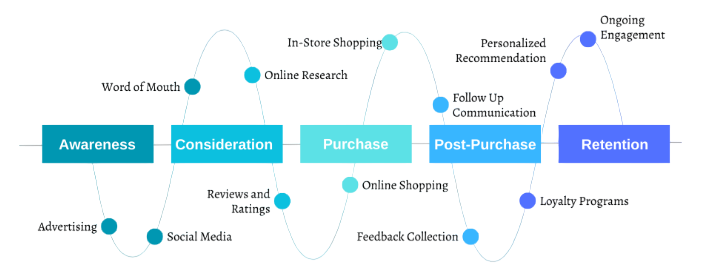
Customer Journey Mapping Visualizes Customer Interactions With A Product Or Service Successfully. Business Analysts Use Journey Maps To Understand Customer Experiences And Pain Points Clearly. The Process Helps Organizations Improve Customer Satisfaction And Service Quality Significantly Today. Journey Maps Include Customer Actions, Emotions, Expectations, And Interaction Channels Together Daily. Customer Journey Analysis Supports Better Product Design And Business Strategy Development Efficiently. Organizations Use Insights From Journey Maps To Enhance Customer Retention And Loyalty Successfully. Amazon Strongly Focuses On Customer Centricity Through Continuous Journey Improvement Initiatives.
49. What Is Data Governance?
Ans:
Data Governance Refers To Managing Data Quality, Security, And Accessibility Successfully Today. Organizations Establish Policies And Standards For Handling Business Data Efficiently Together Daily. Business Analysts Support Data Governance By Ensuring Accurate And Consistent Information Management. Good Data Governance Improves Compliance And Reduces Risks Related To Data Usage Significantly. It Helps Organizations Maintain Reliable Reporting And Better Decision Making Processes Successfully. Data Governance Includes Data Ownership, Privacy, And Security Management Activities Frequently Together. Strong Data Governance Practices Are Important In Modern Data Driven Organizations Today.
50. What Is Data Mining?
Ans:
Data Mining Is The Process Of Discovering Patterns From Large Data Sets Successfully. Business Analysts Use Data Mining Techniques To Generate Valuable Business Insights Efficiently Today. The Process Helps Identify Customer Behavior, Trends, And Opportunities Within Organizations Clearly. Data Mining Supports Better Decision Making And Strategic Planning Activities Across Businesses Daily. Common Techniques Include Clustering, Classification, And Association Rule Analysis Frequently Used Together. Organizations Use Data Mining For Marketing, Fraud Detection, And Customer Analytics Successfully. Amazon Uses Advanced Data Mining Techniques To Improve Recommendations And Customer Experience.
51. What Is Market Analysis?
Ans:
Market Analysis Evaluates Industry Trends, Competitors, And Customer Demands Successfully Today. Business Analysts Conduct Market Research To Support Strategic Business Decisions Efficiently Together. The Analysis Helps Organizations Identify Opportunities And Potential Risks Within Markets Clearly. Market Analysis Includes Customer Segmentation And Competitive Benchmarking Activities Frequently Used Daily. It Supports Product Development And Marketing Strategy Planning Across Organizations Successfully Today. Accurate Market Insights Improve Business Growth And Customer Acquisition Efforts Significantly Over Time.
52. What Is Competitive Analysis?
Ans:
- Competitive Analysis Compares Business Performance Against Competitors Within The Industry Successfully Today. Business Analysts Study Competitor Products, Strategies, And Market Positions Efficiently Together Daily.
- The Analysis Helps Organizations Identify Strengths, Weaknesses, And Growth Opportunities Clearly Today. Competitive Insights Support Better Product Development And Marketing Strategy Decisions Successfully.
- Organizations Use Competitive Analysis To Improve Innovation And Customer Satisfaction Levels Greatly. It Helps Businesses Maintain Competitive Advantages In Dynamic Market Environments Continuously Today
53. What Is Cost Benefit Analysis?
Ans:
Cost Benefit Analysis Compares Project Costs Against Expected Business Benefits Successfully Today. Business Analysts Use This Technique To Evaluate Investment And Project Feasibility Efficiently Together. The Analysis Helps Organizations Make Better Financial And Strategic Decisions Continuously Daily. Benefits May Include Increased Revenue, Efficiency, Or Customer Satisfaction Improvements Successfully Today. Costs Include Development Expenses, Operational Costs, And Resource Requirements Within Organizations Clearly. Cost Benefit Analysis Supports Prioritization And Resource Allocation During Planning Activities Efficiently. It Is Commonly Used Before Starting Large Business Or Technology Projects Successfully.
54. What Is ROI?
Ans:
ROI Stands For Return On Investment Used To Measure Financial Performance Successfully Today. Organizations Calculate ROI To Evaluate Profitability Of Projects And Business Investments Efficiently. Business Analysts Use ROI Metrics To Support Strategic Decision Making Activities Daily Together. Higher ROI Indicates Better Financial Returns Compared To Investment Costs Successfully Today. ROI Helps Organizations Prioritize Projects And Allocate Resources More Effectively Across Teams. The Formula Includes Net Profit Divided By Investment Cost Multiplied By Hundred Properly. Amazon Frequently Focuses On ROI Driven Decisions To Maximize Business Value Successfully.
55. What Is Business Communication?
Ans:
Business Communication Refers To Sharing Information Within Organizations Effectively Successfully Today. Business Analysts Communicate With Stakeholders, Teams, And Management During Projects Frequently Together. Clear Communication Helps Reduce Misunderstandings And Improves Collaboration Across Departments Significantly. Communication Methods Include Emails, Meetings, Reports, And Presentations Within Organizations Daily. Strong Communication Skills Support Better Requirement Gathering And Stakeholder Management Activities Successfully. Business Analysts Must Explain Complex Information In Simple And Understandable Formats Clearly. Effective Communication Is Essential For Successful Project Delivery And Team Coordination Today.
56. What Is A Data Model?
Ans:
A Data Model Represents Relationships Between Data Elements Within Business Systems Successfully Today. Business Analysts Use Data Models To Understand Information Structures And Database Designs Efficiently. The Models Help Developers Create Accurate Databases For Business Applications Successfully Together Daily. Common Data Models Include Conceptual, Logical, And Physical Data Models Frequently Used Today. Data Modeling Improves Data Consistency And Supports Better Information Management Across Organizations. It Helps Teams Understand Data Flow And Relationships More Clearly During Development Activities. Data Models Are Important Components Of Database Design And Business Analysis Projects Successfully.
57. What Is Normalization?
Ans:
Normalization Organizes Database Tables To Reduce Data Redundancy Successfully Today. The Process Improves Database Efficiency And Maintains Data Integrity Across Systems Efficiently Together. Business Analysts Understand Normalization Concepts During Database And Reporting Activities Frequently Daily. Normalization Divides Data Into Related Tables Using Keys And Relationships Properly Designed. It Helps Prevent Duplicate Information And Improves Database Maintenance Significantly Over Time. Different Normal Forms Include First, Second, And Third Normalization Levels Successfully Today. Normalization Supports Better Database Performance And Accurate Business Reporting Activities Efficiently.
58. What Is Denormalization?
Ans:
Denormalization Combines Database Tables To Improve Query Performance Successfully Today. Organizations Use Denormalization When Faster Data Retrieval Is More Important Than Redundancy. Business Analysts May Encounter Denormalized Structures During Reporting And Analytics Activities Frequently. The Process Reduces Complex Joins And Improves Reporting Efficiency Across Systems Significantly Today. Denormalization Can Increase Data Redundancy But Improves Performance For Large Queries Successfully. It Is Commonly Used In Data Warehouses And Business Intelligence Applications Together Daily. Understanding Denormalization Helps Analysts Work Better With Reporting And Analytics Systems.
59. What Is Data Integrity?
Ans:
Data Integrity Refers To Accuracy And Consistency Of Information Within Systems Successfully Today. Organizations Maintain Data Integrity To Ensure Reliable Reporting And Decision Making Activities Efficiently. Business Analysts Validate Data Quality During Analysis And Reporting Processes Frequently Together Daily. Data Integrity Includes Correctness, Completeness, And Reliability Of Business Information Clearly Defined. Poor Data Integrity Can Cause Incorrect Decisions And Operational Problems Within Organizations Today. Security Controls And Validation Rules Help Maintain Data Integrity Across Systems Successfully. Strong Data Integrity Practices Improve Trust In Business Reports And Analytics Results Greatly.
60. Difference Between Agile And Waterfall Methodology
Ans:
| Feature | Agile Methodology | Waterfall Methodology |
|---|---|---|
| Definition | Agile Is An Iterative And Flexible Software Development Approach Successfully Today. | Waterfall Is A Sequential And Structured Software Development Approach Clearly Today. |
| Process Flow | Agile Follows Continuous Development Through Small Iterations Called Sprints Daily. | Waterfall Follows Fixed Phases Completed One After Another Sequentially Successfully. |
| Flexibility | Agile Easily Accepts Requirement Changes During Development Activities Efficiently Together. | Waterfall Does Not Easily Support Requirement Changes After Planning Stages Today. |
| Customer Involvement | Agile Encourages Continuous Customer Feedback Throughout Project Development Successfully Daily | Waterfall Involves Customers Mainly During Initial Requirement Gathering Stages Clearly. |

Learn Business Analyst Training with Advanced Concepts By Industry Experts
- Instructor-led Sessions
- Real-life Case Studies
- Assignments
61. What Is Problem Solving?
Ans:
Problem Solving Refers To Identifying Issues And Finding Effective Solutions Successfully Today. Business Analysts Analyze Business Challenges Using Data And Logical Thinking Efficiently Together. The Process Includes Root Cause Identification And Solution Evaluation Activities Frequently Daily. Strong Problem Solving Skills Improve Project Success And Organizational Efficiency Significantly Today. Business Analysts Collaborate With Teams To Implement Corrective Actions Successfully Across Departments. Amazon Values Employees Who Demonstrate Strong Ownership And Problem Solving Abilities Greatly. Problem Solving Is One Of The Most Important Skills For Business Analysts Today.
62. What Is Decision Making?
Ans:
Decision Making Is The Process Of Choosing The Best Business Solution Successfully Today. Business Analysts Support Decision Making Through Data Analysis And Business Insights Efficiently Together. The Process Includes Evaluating Alternatives, Risks, And Expected Outcomes Carefully Daily Successfully. Accurate Decisions Improve Business Performance And Customer Satisfaction Levels Significantly Today. Business Analysts Present Reports And Recommendations To Stakeholders For Better Decisions Frequently.
63. What Is Time Management?
Ans:
Time Management Refers To Planning And Organizing Tasks Efficiently Successfully Today. Business Analysts Handle Multiple Responsibilities And Deadlines During Projects Frequently Together Daily. Effective Time Management Improves Productivity And Reduces Work Related Stress Significantly Today. Analysts Use Prioritization Techniques And Scheduling Tools To Manage Work Successfully Across Teams. Good Time Management Helps Deliver Projects On Schedule And Meet Business Expectations Clearly. It Supports Better Collaboration And Improves Overall Work Performance Within Organizations Efficiently. Amazon Values Candidates Who Can Manage Time And Deliver Results Consistently Successfully.
64. What Is Team Collaboration?
Ans:
Team Collaboration Refers To Working Together Toward Shared Business Goals Successfully Today. Business Analysts Coordinate With Developers, Managers, And Stakeholders During Projects Frequently Together. Strong Collaboration Improves Communication And Enhances Problem Solving Across Organizations Significantly Today. Collaborative Teams Deliver Better Products And Improve Customer Satisfaction Levels Successfully Daily. Business Analysts Facilitate Meetings And Ensure Alignment Between Different Departments Efficiently Together. Collaboration Encourages Innovation And Continuous Learning Within Business Environments Successfully Today. Amazon Emphasizes Teamwork And Cross Functional Collaboration Across All Business Operations Greatly.
65. What Is Customer Centricity?
Ans:
Customer Centricity Focuses On Delivering Excellent Experiences To Customers Successfully Today. Organizations Design Products And Services Based On Customer Needs And Expectations Efficiently Together. Business Analysts Analyze Customer Feedback And Behavior To Improve Services Continuously Daily. Customer Centric Strategies Increase Satisfaction, Loyalty, And Long Term Business Growth Successfully. Amazon Strongly Emphasizes Customer Obsession As A Core Leadership Principle Today Globally. Business Analysts Support Customer Focused Decisions Through Accurate Data Analysis Activities Frequently. Customer Centricity Helps Organizations Build Strong Brand Reputation And Competitive Advantages Successfully.
66. What Is Automation?
Ans:
Automation Uses Technology To Perform Repetitive Tasks Without Manual Effort Successfully Today. Organizations Use Automation To Improve Efficiency And Reduce Operational Costs Significantly Together. Business Analysts Identify Processes Suitable For Automation During Improvement Initiatives Frequently Daily. Automation Improves Accuracy And Reduces Human Errors Within Business Operations Successfully Today. Common Automation Tools Include RPA Platforms And Workflow Management Systems Frequently Used. Automation Supports Faster Service Delivery And Better Customer Experiences Across Organizations Efficiently. Amazon Uses Automation Extensively In Logistics, Technology, And Customer Support Operations Successfully.
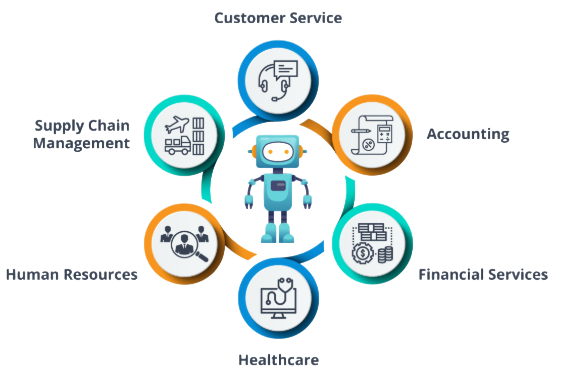
67. What Is RPA?
Ans:
- RPA Stands For Robotic Process Automation Used For Task Automation Successfully Today. Organizations Use RPA Bots To Perform Repetitive Business Processes Efficiently Together Daily. Business Analysts Identify Automation Opportunities And Define Process Requirements For RPA Projects
- RPA Improves Productivity And Reduces Manual Errors Across Organizations Significantly Today Successfully. Popular RPA Tools Include UiPath, Automation Anywhere, And Blue Prism Platforms Frequently.
- RPA Helps Businesses Save Costs And Improve Operational Efficiency Through Automation Activities. Knowledge Of RPA Concepts Is Valuable For Modern Business Analyst Roles Successfully.
68. What Is Cloud Computing?
Ans:
- Cloud Computing Provides Technology Services Through Internet Based Platforms Successfully Today. Organizations Use Cloud Services For Storage, Applications, And Data Processing Efficiently Together.
- Business Analysts Work With Cloud Based Systems During Digital Transformation Projects Frequently Daily. Cloud Computing Improves Scalability, Flexibility, And Cost Efficiency Across Organizations Significantly Today.
- Popular Cloud Platforms Include AWS, Microsoft Azure, And Google Cloud Successfully Used. Amazon Web Services Is One Of The Leading Cloud Service Providers Globally Today. Understanding Cloud Computing Concepts Is Helpful For Amazon Business Analyst Interviews Successfully.
69. What Is AWS?
Ans:
AWS Stands For Amazon Web Services Offering Cloud Computing Solutions Successfully Today. It Provides Services Like Storage, Databases, Analytics, And Machine Learning Efficiently Together. Business Analysts Work With AWS Based Systems During Reporting And Analytics Activities Frequently. AWS Improves Scalability And Operational Efficiency Across Organizations Significantly Today Successfully Daily. Popular AWS Services Include EC2, S3, Redshift, And Lambda Platforms Frequently Used. Amazon Uses AWS Extensively To Support Its Global Business Operations Successfully Together. Basic Knowledge Of AWS Is Valuable For Amazon Business Analyst Interview Preparation Today.
70. What Is Machine Learning?
Ans:
Machine Learning Uses Algorithms To Learn From Data And Make Predictions Successfully Today. Organizations Use Machine Learning For Automation And Advanced Analytics Efficiently Together Daily. Business Analysts Work With Machine Learning Insights To Support Strategic Decisions Frequently. Applications Include Recommendation Systems, Fraud Detection, And Customer Behavior Analysis Successfully Today. Machine Learning Improves Accuracy And Efficiency Across Business Operations Significantly Over Time. Amazon Uses Machine Learning Extensively For Customer Recommendations And Logistics Optimization Activities. Understanding Machine Learning Concepts Is Helpful For Modern Business Analyst Roles Successfully.
71. What Is Artificial Intelligence?
Ans:
Artificial Intelligence Refers To Systems Performing Tasks Requiring Human Intelligence Successfully Today. Organizations Use AI For Automation, Decision Making, And Customer Service Improvements Efficiently. Business Analysts Analyze AI Driven Insights To Improve Business Performance Frequently Together Daily. AI Applications Include Chatbots, Recommendation Engines, And Predictive Analytics Successfully Today. Artificial Intelligence Improves Productivity And Enhances Customer Experiences Across Organizations Greatly. Amazon Uses AI Technologies In Alexa, Logistics, And Personalized Recommendations Successfully Together. Basic Understanding Of AI Concepts Is Valuable For Business Analysts In Technology Companies.
72. What Is Big Data?
Ans:
Big Data Refers To Extremely Large And Complex Data Sets Successfully Today. Organizations Analyze Big Data To Discover Insights And Improve Business Decisions Efficiently Together. Business Analysts Work With Big Data Tools During Analytics And Reporting Activities Frequently. Big Data Includes Structured, Semi Structured, And Unstructured Information Sources Successfully Daily. Technologies Like Hadoop And Spark Support Big Data Processing Across Organizations Significantly Today. Big Data Helps Businesses Understand Customers And Improve Operational Performance Efficiently Together. Amazon Uses Big Data Extensively To Support Global Operations And Customer Analytics Successfully.
73. What Is Hadoop?
Ans:
Hadoop Is An Open Source Framework Used For Big Data Processing Successfully Today. Organizations Use Hadoop To Store And Analyze Large Data Sets Efficiently Together Daily. Business Analysts May Work With Hadoop Based Reports And Analytics Systems Frequently Today. Hadoop Supports Distributed Storage And Parallel Data Processing Across Multiple Servers Successfully. The Framework Improves Scalability And Performance For Large Scale Analytics Activities Efficiently. Hadoop Ecosystem Tools Include Hive, Pig, And HDFS Components Frequently Used Today. Understanding Hadoop Basics Is Helpful For Data Driven Business Analyst Roles Successfully.
74. What Is Spark?
Ans:
Apache Spark Is A Fast Data Processing Framework Used For Analytics Successfully Today. Organizations Use Spark For Big Data Processing And Machine Learning Applications Efficiently Together. Business Analysts Benefit From Spark Based Reporting And Analytics Systems Frequently Daily Successfully. Spark Provides Faster Performance Compared To Traditional Big Data Processing Frameworks Today. It Supports Real Time Data Processing And Advanced Analytics Across Organizations Efficiently Together. Spark Integrates With Hadoop And Cloud Platforms For Scalable Data Analysis Activities. Knowledge Of Spark Concepts Is Valuable For Modern Analytics And Business Intelligence Roles.
75. What Is Data Security?
Ans:
- Data Security Protects Business Information From Unauthorized Access And Threats Successfully Today. Organizations Implement Security Measures To Maintain Privacy And Compliance Efficiently Together Daily.
- Business Analysts Handle Sensitive Data Carefully During Analysis And Reporting Activities Frequently. Data Security Includes Encryption, Authentication, And Access Control Methods Successfully Today Clearly.
- Strong Security Practices Reduce Risks Of Data Breaches And Financial Losses Significantly. Organizations Must Follow Regulations And Policies To Ensure Proper Data Protection Efficiently.
76. What Is Compliance?
Ans:
Compliance Refers To Following Laws, Regulations, And Organizational Policies Successfully Today. Organizations Maintain Compliance To Avoid Legal Issues And Operational Risks Efficiently Together Daily. Business Analysts Ensure Processes And Systems Meet Regulatory Requirements Successfully Across Teams. Compliance Standards May Include Data Privacy And Financial Reporting Regulations Frequently Today. Proper Compliance Improves Organizational Reputation And Customer Trust Significantly Over Time Together. Business Analysts Support Audits And Documentation Activities Related To Compliance Requirements Successfully. Amazon Maintains Strict Compliance Standards Across Technology And Business Operations Globally Today.
77. What Is Documentation?
Ans:
Documentation Refers To Recording Business Requirements And Project Information Successfully Today. Business Analysts Prepare Documents To Maintain Clarity And Project Transparency Efficiently Together. Common Documents Include Requirement Specifications And Process Flow Diagrams Frequently Used Daily. Good Documentation Reduces Misunderstandings And Supports Smooth Project Execution Successfully Today. Documentation Helps Teams Maintain Knowledge And Improve Collaboration Across Departments Significantly. Business Analysts Must Create Clear And Accurate Documents For Stakeholders Efficiently Together
78. What Is Presentation Skill?
Ans:
Presentation Skill Refers To Explaining Information Clearly To An Audience Successfully Today. Business Analysts Present Reports, Insights, And Recommendations To Stakeholders Frequently Together Daily. Strong Presentation Skills Improve Communication And Support Better Decision Making Significantly Today. Analysts Use Charts, Graphs, And Visuals To Simplify Complex Information Successfully Clearly. Confidence And Clear Speaking Help Deliver Effective Presentations Across Organizations Efficiently Together. Presentation Skills Improve Stakeholder Engagement And Professional Credibility Significantly Over Time. Amazon Values Candidates Who Can Communicate Ideas Clearly And Persuasively Successfully.
79. What Is Conflict Resolution?
Ans:
Conflict Resolution Refers To Solving Disagreements Between Individuals Or Teams Successfully Today. Business Analysts Handle Conflicts During Requirement Discussions And Project Activities Frequently Together. Effective Conflict Resolution Improves Collaboration And Maintains Positive Working Relationships Successfully Daily. Analysts Listen Carefully And Identify Common Goals To Resolve Issues Efficiently Today. Strong Communication And Negotiation Skills Support Better Conflict Management Across Organizations Successfully. Conflict Resolution Helps Maintain Productivity And Reduces Delays During Project Execution Significantly. Amazon Encourages Professional Collaboration And Effective Problem Resolution Across Teams Successfully.
80. What Is Negotiation Skill?
Ans:
Negotiation Skill Refers To Reaching Agreements Beneficial For All Parties Successfully Today. Business Analysts Negotiate Requirements, Priorities, And Resources During Projects Frequently Together Daily. Strong Negotiation Skills Improve Stakeholder Relationships And Project Outcomes Significantly Today Successfully. Analysts Balance Business Goals And Technical Constraints During Discussions Efficiently Across Teams. Good Negotiation Helps Resolve Conflicts And Supports Better Decision Making Processes Successfully. Preparation And Clear Communication Are Important For Effective Negotiation Activities Frequently Today. Amazon Values Candidates With Strong Communication And Negotiation Abilities In Business Roles.
81. What Is Critical Thinking?
Ans:
Critical Thinking Refers To Evaluating Information Logically Before Making Decisions Successfully Today. Business Analysts Use Critical Thinking To Solve Problems And Analyze Complex Situations Efficiently. The Skill Helps Analysts Identify Patterns And Generate Effective Business Solutions Successfully Daily. Critical Thinking Improves Decision Making And Reduces Risks Across Organizations Significantly Today. Business Analysts Ask Relevant Questions And Validate Information Carefully During Projects Frequently. Strong Analytical Thinking Supports Better Planning And Performance Improvement Activities Successfully Together. Amazon Values Employees Who Demonstrate Logical Thinking And Sound Judgment In Work.
82. What Is Analytical Thinking?
Ans:
- Analytical Thinking Refers To Examining Problems Using Data And Logical Reasoning Successfully Today. Business Analysts Analyze Information To Generate Insights And Recommendations Efficiently Together Daily.
- The Skill Helps Identify Trends, Opportunities, And Risks Within Business Operations Successfully Today. Analytical Thinking Improves Problem Solving And Supports Better Strategic Decisions Across Organizations.
- Business Analysts Use Data Analysis Tools And Techniques During Daily Activities Frequently Together. Strong Analytical Abilities Are Essential For Reporting And Business Intelligence Roles Successfully.
83. What Is Adaptability?
Ans:
Adaptability Refers To Adjusting Quickly To Changes In Business Environments Successfully Today. Business Analysts Work In Dynamic Projects Requiring Flexible Thinking And Learning Efficiently Together. Adaptable Employees Handle New Technologies And Processes More Effectively Daily Successfully Today. Adaptability Improves Collaboration And Supports Innovation Across Organizations Significantly Over Time. Business Analysts Must Respond Quickly To Changing Requirements And Business Priorities Efficiently. Amazon Values Employees Who Can Thrive In Fast Paced And Challenging Environments Successfully. Adaptability Is An Important Skill For Career Growth And Professional Success Today.
84. What Is Innovation?
Ans:
Innovation Refers To Creating New Ideas And Improving Existing Processes Successfully Today. Organizations Encourage Innovation To Improve Customer Experience And Business Performance Efficiently Together. Business Analysts Identify Opportunities For Process And Product Improvements Frequently Daily Successfully. Innovation Supports Competitive Advantages And Long Term Organizational Growth Significantly Today. Creative Thinking Helps Analysts Generate Effective Solutions For Business Challenges Successfully Together. Amazon Strongly Encourages Innovation Through Experimentation And Continuous Learning Practices Globally. Innovation Is Essential For Technology Companies Operating In Competitive Market Environments Today.
85. What Is Ownership?
Ans:
Ownership Refers To Taking Responsibility For Tasks And Business Outcomes Successfully Today. Business Analysts Demonstrate Ownership By Solving Problems And Delivering Results Efficiently Together Daily. Employees With Ownership Mentality Act Proactively And Support Organizational Success Continuously Successfully. Ownership Improves Accountability And Encourages Better Performance Across Teams Significantly Today. Amazon Considers Ownership One Of Its Important Leadership Principles Globally Successfully Together. Business Analysts Must Handle Responsibilities Independently And Maintain High Quality Standards Clearly. Strong Ownership Skills Improve Career Growth And Professional Reputation Significantly Over Time.
86. What Is Customer Feedback Analysis?
Ans:
Customer Feedback Analysis Examines Customer Opinions And Suggestions Successfully Today Clearly. Business Analysts Use Feedback To Improve Products And Services Efficiently Together Daily Successfully. The Process Helps Organizations Understand Customer Expectations And Pain Points More Effectively. Feedback Analysis Supports Better Product Development And Customer Satisfaction Improvements Successfully Today. Common Sources Include Surveys, Reviews, And Customer Support Interactions Frequently Used Together. Organizations Use Insights From Feedback To Enhance Brand Reputation And Loyalty Significantly. Amazon Continuously Analyzes Customer Feedback To Improve Shopping Experiences Successfully Globally.
87. What Is Forecasting?
Ans:
Forecasting Predicts Future Business Trends Using Historical Data Successfully Today Clearly. Business Analysts Use Forecasting Techniques For Planning And Decision Making Efficiently Together Daily. The Process Helps Organizations Estimate Demand, Revenue, And Resource Requirements Successfully Today. Forecasting Improves Strategic Planning And Reduces Business Uncertainty Significantly Over Time Together. Common Methods Include Trend Analysis And Statistical Modeling Techniques Frequently Used Today. Accurate Forecasting Supports Better Inventory Management And Operational Efficiency Successfully Across Teams. Amazon Uses Forecasting Extensively For Supply Chain And Sales Planning Activities Globally.
88. What Is Supply Chain Analysis?
Ans:
Supply Chain Analysis Evaluates Movement Of Products And Resources Successfully Today Clearly. Business Analysts Analyze Supply Chains To Improve Efficiency And Reduce Costs Efficiently Together. The Process Helps Organizations Optimize Inventory, Logistics, And Vendor Relationships Successfully Daily. Supply Chain Analysis Improves Delivery Speed And Customer Satisfaction Levels Significantly Today. Analysts Use Data And Reports To Identify Bottlenecks And Performance Issues Frequently Together. Amazon Strongly Focuses On Supply Chain Optimization For Faster Deliveries Globally Successfully. Knowledge Of Supply Chain Concepts Is Valuable For Amazon Business Analyst Roles Today.
89. What Is Inventory Management?
Ans:
- Inventory Management Refers To Controlling Stock Levels Within Organizations Successfully Today Clearly. Business Analysts Monitor Inventory Data To Improve Efficiency And Reduce Costs Efficiently Together.
- Proper Inventory Management Prevents Shortages And Excess Stock Problems Successfully Daily Today. Organizations Use Forecasting And Analytics To Optimize Inventory Planning Activities Frequently Together.
- Good Inventory Management Improves Customer Satisfaction And Operational Performance Significantly Over Time. Amazon Uses Advanced Technology To Manage Inventory Across Fulfillment Centers Successfully Globally.
90. What Is Vendor Management?
Ans:
Vendor Management Involves Managing Relationships With Suppliers And Service Providers Successfully Today. Business Analysts Evaluate Vendor Performance And Support Contract Related Decisions Efficiently Together. The Process Helps Organizations Maintain Quality And Reduce Procurement Risks Successfully Daily Today. Vendor Management Improves Communication And Collaboration Between Businesses And Suppliers Significantly. Organizations Monitor Vendor Performance Using KPIs And Service Level Agreements Frequently Together. Effective Vendor Management Supports Better Cost Control And Operational Efficiency Successfully Today. Amazon Works With Multiple Vendors Globally To Support Business Operations And Logistics.
91. What Is Business Strategy?
Ans:
Business Strategy Refers To Long Term Plans For Organizational Growth Successfully Today Clearly. Organizations Develop Strategies To Achieve Competitive Advantages And Business Objectives Efficiently Together. Business Analysts Support Strategy Development Through Research And Data Analysis Activities Frequently. Strong Business Strategies Improve Market Position And Customer Satisfaction Significantly Today Successfully. Strategic Planning Includes Goal Setting And Resource Allocation Across Organizations Daily Together. Business Analysts Provide Insights To Help Management Make Strategic Decisions Successfully Today. Amazon Continuously Innovates And Adjusts Strategies To Maintain Global Market Leadership Successfully.
92. What Is Revenue Analysis?
Ans:
Revenue Analysis Examines Business Income And Financial Performance Successfully Today Clearly. Business Analysts Analyze Revenue Trends To Support Strategic Planning Efficiently Together Daily Successfully. The Process Helps Organizations Identify Growth Opportunities And Financial Risks More Effectively. Revenue Analysis Supports Budget Planning And Business Forecasting Activities Across Organizations Today. Analysts Use Reports And Dashboards To Monitor Revenue Performance Frequently Together Successfully. Accurate Revenue Insights Improve Decision Making And Profitability Significantly Over Time Clearly. Amazon Closely Monitors Revenue Metrics To Drive Business Growth And Expansion Globally.
93. What Is Churn Analysis?
Ans:
Churn Analysis Examines Why Customers Stop Using Products Or Services Successfully Today. Business Analysts Analyze Customer Behavior To Reduce Churn Rates Efficiently Together Daily Successfully. The Process Helps Organizations Improve Retention And Customer Satisfaction Significantly Over Time. Churn Analysis Identifies Factors Affecting Customer Loyalty And Engagement Clearly Today Successfully. Organizations Use Insights To Improve Marketing And Customer Support Strategies Frequently Together. Reducing Churn Helps Businesses Increase Revenue And Long Term Customer Relationships Successfully. Amazon Focuses On Customer Retention Through Continuous Service And Experience Improvements Globally.
94. What Is Segmentation Analysis?
Ans:
Segmentation Analysis Divides Customers Into Groups Based On Shared Characteristics Successfully Today. Business Analysts Use Segmentation To Improve Marketing And Customer Engagement Efficiently Together Daily. The Process Helps Organizations Understand Different Customer Needs And Behaviors Clearly Successfully. Customer Segments May Include Age, Location, Interests, Or Purchasing Patterns Frequently Today. Segmentation Improves Personalization And Supports Better Product Recommendations Successfully Together. Organizations Use Segmentation Insights To Increase Sales And Customer Satisfaction Significantly Today. Amazon Uses Customer Segmentation To Deliver Personalized Shopping Experiences Globally Successfully.
95. What Is Trend Analysis?
Ans:
Trend Analysis Examines Historical Data To Identify Patterns Over Time Successfully Today. Business Analysts Use Trend Analysis To Support Forecasting And Strategic Planning Efficiently Together. The Process Helps Organizations Understand Market Changes And Customer Behavior Clearly Successfully. Trend Analysis Supports Better Decision Making And Risk Management Across Businesses Daily Today. Analysts Use Charts And Reports To Present Trends To Stakeholders Frequently Together Successfully. Identifying Trends Helps Organizations Improve Competitiveness And Operational Efficiency Significantly Today. Amazon Uses Trend Analysis Extensively For Sales Forecasting And Market Planning Activities.
96. What Is Data Driven Decision Making?
Ans:
- Data Driven Decision Making Uses Analytics And Insights For Business Decisions Successfully Today. Organizations Rely On Data Instead Of Assumptions To Improve Accuracy Efficiently Together Daily.
- Business Analysts Collect And Interpret Information To Support Strategic Decisions Successfully Today. The Approach Reduces Risks And Improves Organizational Performance Significantly Over Time Together.
- Data Driven Cultures Encourage Better Accountability And Continuous Improvement Across Organizations Successfully. Amazon Strongly Focuses On Metrics And Data Based Decisions In Operations Globally Today.
97. What Is Report Automation?
Ans:
Report Automation Uses Technology To Generate Reports Automatically Successfully Today Clearly. Organizations Use Automation To Save Time And Improve Reporting Accuracy Efficiently Together Daily. Business Analysts Configure Dashboards And Automated Reporting Systems Frequently Successfully Today. Automated Reports Reduce Manual Work And Improve Operational Efficiency Across Organizations Significantly. Automation Helps Stakeholders Access Real Time Information For Faster Decisions Successfully Together. Tools Like Power BI And Tableau Support Automated Reporting Features Frequently Used Today. Amazon Uses Automated Reporting Systems To Monitor Business Performance Efficiently Globally Successfully.
98. What Is Cross Functional Collaboration?
Ans:
Cross Functional Collaboration Involves Teams From Different Departments Working Together Successfully Today. Business Analysts Coordinate Between Technical, Operational, And Management Teams Efficiently Together Daily. The Collaboration Improves Innovation And Helps Achieve Shared Business Goals Successfully Today. Cross Functional Teams Deliver Better Solutions And Improve Customer Experiences Significantly Together. Strong Collaboration Reduces Communication Gaps And Supports Faster Problem Resolution Successfully. Amazon Encourages Cross Functional Teamwork Across Technology And Business Operations Globally Today. Business Analysts Play Important Roles In Facilitating Effective Team Collaboration Successfully.
99. What Is Documentation?
Ans:
Documentation Refers To Recording Business Requirements And Project Information Successfully Today. Business Analysts Prepare Documents To Maintain Clarity And Project Transparency Efficiently Together. Common Documents Include Requirement Specifications And Process Flow Diagrams Frequently Used Daily. Good Documentation Reduces Misunderstandings And Supports Smooth Project Execution Successfully Today. Documentation Helps Teams Maintain Knowledge And Improve Collaboration Across Departments Significantly. Business Analysts Must Create Clear And Accurate Documents For Stakeholders Efficiently Together. Proper Documentation Is Essential For Successful Project Management And Business Analysis Activities.
100.Why Should Amazon Hire Business Analyst?
Ans:
A Possess Strong Analytical And Problem Solving Skills Required For Business Analysis Successfully. My Knowledge Of SQL, Reporting, And Data Visualization Supports Effective Decision Making Daily. Communicate Clearly And Collaborate With Cross Functional Teams Efficiently Together Today. Adaptable And Can Handle Fast Paced Work Environments Successfully Across ProjectsAbility To Analyze Data And Generate Insights Will Benefit Amazon Operations Significantly. Strongly Believe In Customer Focus And Continuous Improvement Within Organizations Successfully Today