LMS
LMS
Last updated on 09th May 2026| 7419

Amazon React JS Interview Questions For Freshers Cover Important Topics Like Functional Components, Class Components, Props, State, Hooks, Events, Forms, Conditional Rendering, And Lifecycle Methods Used In Modern Web Development Projects Successfully.These React JS Interview Questions Help Freshers Improve Problem Solving Skills, Build Confidence, Understand Frontend Architecture, And Prepare Effectively For Technical Rounds Conducted By Top Product Based And Service Based Companies.Freshers Preparing For React JS Interviews Should Practice Coding Examples, Component Reusability, API Integration, Routing, Error Handling, Performance Optimization, And Debugging Techniques For Better Interview Performance.
1.What Is React JS?
Ans:
React JS Is A Popular JavaScript Library Used For Building User Interfaces Efficiently. It Was Developed By Facebook To Create Fast And Interactive Web Applications Easily. React Uses Components To Divide The User Interface Into Reusable Smaller Parts. Developers Can Manage Application Data And User Interaction More Effectively With React. Virtual DOM Technology Improves Application Performance By Updating Only Required Elements Quickly. React Supports Single Page Applications That Provide Better User Experience Across Devices.
2. What Are Components In React?
Ans:
Components Are Independent Reusable Building Blocks Used To Create React Applications Efficiently. Each Component Contains Logic Structure And Styling Required For A Particular Feature. Components Help Developers Maintain Large Applications By Dividing Code Into Smaller Sections. Functional Components And Class Components Are Two Common Types Used In React Development. Components Can Accept Inputs Called Props To Display Dynamic Data Correctly Everywhere. Reusable Components Reduce Repeated Coding And Improve Overall Application Development Speed Significantly.
3. What Is JSX In React?
Ans:
JSX Stands For JavaScript XML And Allows HTML Inside JavaScript Code Easily. JSX Makes React Code More Readable And Easier To Understand During Development Processes. Developers Use JSX To Create User Interface Elements In A Structured Format Efficiently. Browsers Cannot Read JSX Directly So Babel Converts JSX Into Regular JavaScript Syntax. JSX Supports Embedding JavaScript Expressions Using Curly Braces Within HTML Structures Correctly. React Applications Become Simpler And Faster To Build Using JSX Based Syntax Features.
4. What Is Virtual DOM In React?
Ans:
Virtual DOM Is A Lightweight Copy Of The Real DOM Used By React Applications. React Compares Changes Between Virtual DOM And Real DOM To Improve Performance Significantly. Only Updated Elements Are Rendered Instead Of Reloading The Entire Web Page Repeatedly. This Process Is Called Reconciliation And Helps Create Faster User Interface Updates Efficiently. Virtual DOM Reduces Browser Operations And Improves Overall Application Speed During User Interaction. React Applications Perform Better Compared To Traditional DOM Manipulation Techniques In Web Development
5.What Is JWT?
Ans:
- JWT Stands For JSON Web Token Used For Secure Authentication And Authorization Processes Today. It Contains Encoded User Information Shared Between Client And Server Applications Efficiently Everywhere.
- JWT Tokens Include Header Payload And Signature Sections For Secure Data Transmission Correctly Today. React Applications Store Tokens In Local Storage Cookies Or Session Storage Mechanisms Frequently Today. Backend Servers Validate Tokens Before Granting Access To Protected Resources Within Applications Efficiently.
- JWT Authentication Simplifies Secure User Sessions Across Modern Web Applications Significantly Overall Today.
6. What Is A Functional Component?
Ans:
Functional Components Are JavaScript Functions That Return JSX Elements In React Applications. These Components Are Simpler Easier To Read And Faster To Develop Than Classes. Functional Components Support Hooks Which Enable State And Lifecycle Features Efficiently Today. They Improve Code Maintainability And Reduce Complexity In Modern React Development Projects Significantly. Functional Components Receive Props As Function Parameters To Display Dynamic User Information Correctly. Most Modern React Applications Prefer Functional Components Due To Better Performance And Simplicity.
7. What Is A Class Component?
Ans:
Class Components Are ES6 Classes Used To Create React Components With Additional Features. They Support State Management Lifecycle Methods And Complex Application Logic Efficiently In React. Developers Extend React Component Class To Create Reusable User Interface Structures Correctly Today. Class Components Use Render Methods To Return JSX Elements For Display Purposes Efficiently. Earlier React Applications Widely Used Class Components Before Introduction Of Hooks Functionality Recently. Functional Components With Hooks Have Mostly Replaced Class Components In Modern Applications Today.
8. What Are React Hooks?
Ans:
React Hooks Are Functions That Allow Functional Components To Use State And Lifecycle Features. Hooks Simplify React Development By Eliminating The Need For Complex Class Components Completely Today. Common Hooks Include UseState UseEffect UseContext UseMemo And UseReducer In Applications Frequently. Hooks Improve Code Reusability And Help Organize Application Logic More Effectively Across Components. Developers Can Create Custom Hooks To Share Common Functionalities Between Multiple Components Easily. Hooks Reduce Boilerplate Code And Enhance Readability In Modern React Application Development Projects
9. What Is UseState Hook?
Ans:
UseState Is A React Hook Used To Manage State In Functional Components Efficiently. It Returns A State Variable And A Function To Update That Variable Correctly. Developers Use UseState For Dynamic Data Such As Counters Forms And User Inputs. Updating State Automatically Re Renders Components To Reflect Changes In The User Interface. UseState Simplifies State Management Compared To Traditional Class Based Component Approaches In React. Multiple UseState Hooks Can Be Used Within The Same Component Without Issues Today.
10. What Is UseEffect Hook?
Ans:
UseEffect Is A React Hook Used For Handling Side Effects Within Functional Components. Side Effects Include API Calls Timers Event Listeners And DOM Manipulation Operations Frequently Today. UseEffect Executes After Component Rendering Based On Dependency Array Configurations Provided Correctly. Developers Can Control When Effects Run By Specifying Dependencies Inside The Hook Array. Cleanup Functions Prevent Memory Leaks By Removing Unnecessary Resources During Component Unmounting Efficiently. UseEffect Replaces Lifecycle Methods Like ComponentDidMount And ComponentDidUpdate In Functional Components Today
11. What Is Prop Drilling?
Ans:
Prop Drilling Refers To Passing Data Through Multiple Intermediate Components In React Applications. Parent Components Send Props To Child Components Even When Intermediates Do Not Need Them. This Process Can Make Code Difficult To Manage In Large Applications Over Time. Developers Use Context API Or State Management Libraries To Avoid Prop Drilling Problems Efficiently. Prop Drilling Reduces Code Readability And Increases Maintenance Complexity Across Multiple Application Components. Proper State Management Improves Application Scalability And Simplifies Data Sharing Between Components Significantly.
12. Create A Counter Application In React
Ans:
- import React, { useState } from “react”;
- function Counter() {
- const [count, setCount] = useState(0);
- return (
- Counter Value: {count}
- onClick={() => setCount(count + 1)}
- Increment
- onClick={() => setCount(count – 1)}
- Decrement
- );
- }
- export default Counter;
13. What Is Redux?
Ans:
Redux Is A Popular State Management Library Used With React Applications For Predictable Data Flow. It Stores Application State In A Centralized Store Accessible Across Multiple Components Efficiently. Redux Uses Actions Reducers And Store Concepts To Manage Application Data Correctly Everywhere. Developers Prefer Redux For Large Applications With Complex State Management Requirements And Logic. Middleware Like Redux Thunk Supports Asynchronous Operations Such As API Calls Efficiently Today. Redux Improves Application Scalability Debugging And State Consistency Across Different Components Significantly.
14. What Is The Difference Between React And Angular?
Ans:
React Is A JavaScript Library While Angular Is A Complete Frontend Framework Solution Today. React Focuses Mainly On User Interface Development Using Reusable Components Efficiently Across Applications. Angular Provides Built In Features Like Routing Dependency Injection And Form Validation Automatically. React Uses Virtual DOM For Faster Rendering While Angular Uses Real DOM Updates Frequently. React Offers Greater Flexibility Whereas Angular Follows Strict Architectural Patterns For Development Projects. React Is Easier To Learn Compared To Angular Due To Simpler Syntax And Features
15. What Is Uncontrolled Component In React?
Ans:
Uncontrolled Components Store Form Data Directly Inside The DOM Instead Of React State Variables. Developers Use Refs To Access Form Values From Input Fields During Submission Processes Efficiently. Uncontrolled Components Require Less Code Compared To Controlled Components In Simple Form Scenarios Today. They Are Useful When Quick Form Handling Is Needed Without Complex Validation Requirements Frequently. React Refs Allow Developers To Access DOM Elements Directly For Input Data Retrieval Efficiently. Controlled Components Are Generally Preferred For Better State Management And Predictable Data Handling Today.
16. What Is Conditional Rendering In React?
Ans:
Conditional Rendering Allows Components To Display Content Based On Specific Conditions Dynamically Today. Developers Use If Statements Ternary Operators Or Logical Operators For Conditional Display Purposes. This Feature Improves User Experience By Showing Relevant Information According To User Actions. Conditional Rendering Helps Create Interactive Applications With Dynamic Content Management Efficiently In React. Developers Commonly Use Conditional Rendering For Authentication Dashboards And Error Message Display Features. React Makes Conditional Rendering Easy Through JavaScript Expressions Embedded Inside JSX Syntax Correctly.
17. What Is React Router?
Ans:
- React Router is a library used for navigation between pages in React applications efficiently. It enables single-page applications to display different components without full page reloads.
- Developers use Routes, Links, and BrowserRouter components to manage navigation functionality effectively. Dynamic routing improves user experience and makes applications faster and more interactive.
- React Router supports nested routes, protected routes, and URL parameters for flexible navigation. Modern React applications commonly use React Router for seamless client-side navigation.
18. What Is Lazy Loading In React?
Ans:
- Lazy Loading Is A Technique Used To Load Components Only When They Are Needed. It Improves Application Performance By Reducing Initial Loading Time For Large React Applications Significantly.
- React Provides React Lazy And Suspense Features To Implement Lazy Loading Efficiently Today. Lazy Loading Prevents Unnecessary Components From Loading During Initial Application Startup Processes Automatically.
- Users Experience Faster Page Rendering And Improved Responsiveness Across Different Devices And Networks. Developers Commonly Use Lazy Loading In Dashboards Ecommerce And Large Scale Applications Frequently Today.
19. What Is Controlled Component In React?
Ans:
Controlled Components Are Form Elements Managed Entirely By React State Within Applications Efficiently Today. Input Values Are Controlled Using State Variables And Event Handling Functions Correctly Everywhere. React Updates Form Data Dynamically Whenever Users Enter Information Into Input Fields Successfully. Controlled Components Provide Better Validation And Data Management Capabilities For Complex Forms Efficiently. Developers Can Easily Track User Input And Implement Custom Validation Logic Using Controlled Forms. Controlled Components Improve Predictability And Simplify Debugging During Application Development Processes Significantly Today.
20. What Is The Difference Between React And Vue?
Ans:
| Feature | React | Vue.js |
|---|---|---|
| Type | React Is A JavaScript Library Used For Building User Interfaces | Vue Is A Progressive JavaScript Framework Used For Frontend Development |
| Developed By | React Was Developed And Maintained By Meta Facebook | Vue Was Created By Evan You And Supported By Open Source Community |
| Learning Curve | React Has Moderate Learning Curve Due To JSX And Additional Libraries | Vue Is Easier To Learn Because Of Simple Syntax And Structure |
| Syntax | React Uses JSX Which Combines HTML And JavaScript Together | Vue Uses HTML Based Templates With Simpler Structure |
21. What Is React Fragment?
Ans:
React Fragment Allows Grouping Multiple Elements Without Adding Extra DOM Nodes To Applications Today. Developers Use Fragments To Avoid Unnecessary Div Tags In Component Structures Efficiently Everywhere. Fragments Improve Cleanliness And Performance Of Rendered HTML Structures Within React Applications Significantly. Empty Angle Brackets Or React Fragment Syntax Can Be Used To Create Fragments Easily. Fragments Help Maintain Proper HTML Structure Especially Inside Tables Lists And Nested Components Correctly. React Applications Become More Optimized By Reducing Unnecessary Elements In The Real DOM Structure
22. What Is Reconciliation In React?
Ans:
Reconciliation Is The Process React Uses To Update The DOM Efficiently During State Changes Today. React Compares Previous Virtual DOM With Updated Virtual DOM To Identify Required Changes Quickly. Only Modified Elements Are Updated Instead Of Re Rendering Entire Web Pages Automatically Efficiently. This Process Improves Application Performance And Reduces Unnecessary Browser Rendering Operations Significantly Today. Reconciliation Uses Diffing Algorithms To Detect Differences Between Component Trees Correctly Everywhere. React Applications Become Faster And More Responsive Due To Efficient Reconciliation Mechanisms Internally Implemented.
23. What Are Keys In React?
Ans:
Keys Are Special Attributes Used To Identify Elements In Lists Within React Applications Efficiently. They Help React Determine Which Items Changed Added Or Removed During Rendering Processes Correctly. Unique Keys Improve Performance And Prevent Unexpected Rendering Issues In Dynamic Lists Frequently Today. Developers Commonly Use Database IDs Or Unique Values As Keys For List Items Correctly. Using Array Indexes As Keys Is Discouraged Because It Can Cause Rendering Problems Sometimes. Proper Key Usage Helps React Optimize Updates And Maintain Stable Component Rendering Efficiently Today.
24. What Is Event Handling In React?
Ans:
Event Handling In React Allows Applications To Respond To User Actions Dynamically And Efficiently. Developers Handle Clicks Inputs Form Submissions And Keyboard Events Using JavaScript Functions Correctly. React Uses Synthetic Events Which Provide Cross Browser Compatibility For User Interaction Handling Today. Event Handlers Are Passed As Functions Inside JSX Elements For Interactive Functionality Implementation Efficiently. Developers Frequently Use Arrow Functions Or Binding Techniques For Proper Event Context Management. Event Handling Improves User Experience By Enabling Interactive Features Across Modern Web Applications Today.
25. What Is UseRef Hook?
Ans:
UseRef Is A React Hook Used To Access DOM Elements Without Re Rendering Components. It Stores Mutable Values That Persist Between Component Renders Throughout Application Execution Efficiently Today. Developers Commonly Use UseRef For Input Focus Timers And DOM Manipulation Tasks Frequently Today. UseRef Returns A Mutable Object With A Current Property Referencing DOM Elements Correctly Everywhere. Unlike State Updates Changes In UseRef Values Do Not Trigger Component Re Rendering Automatically. UseRef Improves Performance In Scenarios Where Re Rendering Is Not Necessary During Data Updates.
26. What Is UseMemo Hook?
Ans:
- UseMemo Is A React Hook Used To Optimize Performance By Memoizing Expensive Calculations Efficiently. It Prevents Unnecessary Recalculations During Component Re Rendering Processes Within Applications Correctly Today.
- Developers Use UseMemo When Heavy Computations Affect Application Performance Significantly During User Interaction. The Hook Recomputes Values Only When Dependency Variables Change During Application Execution Correctly Everywhere.
- UseMemo Improves Speed And Responsiveness In Large Scale React Applications With Complex Data Handling. Excessive Use Of UseMemo Is Not Recommended Because It Can Increase Code Complexity Unnecessarily.
27. What Is UseCallback Hook?
Ans:
UseCallback Is A React Hook Used To Memoize Functions Between Component Renders Efficiently Today. It Prevents Unnecessary Function Recreation Which Improves Performance In React Applications Significantly Overall. Developers Commonly Use UseCallback With Child Components To Avoid Unwanted Re Rendering Operations Frequently. The Hook Returns The Same Function Instance Unless Dependency Values Change During Execution Correctly. UseCallback Is Helpful In Optimizing Large Applications With Frequent User Interactions And Updates Today. Overusing UseCallback Can Increase Complexity Without Significant Performance Benefits In Smaller Applications Sometimes.
28. Create A Todo List Application In React
Ans:
This React Program Creates A Todo List Application Using Functional Components And Hooks Efficiently. Users Can Enter Tasks Inside Input Fields And Add Them Into Dynamic Lists Correctly Today. UseState Hook Manages Both Current Task Input And Complete Task List Data Successfully. Map Function Dynamically Displays All Tasks Inside Unordered List Elements During Rendering Processes Efficiently.
- import React, { useState } from “react”;
- function Todo() {
- const [task, setTask] = useState(“”);
- return setTask(e.target.value)} placeholder=”Enter Task”
- />;
- }
29. What Is React Memo?
Ans:
React Memo Is A Higher Order Component Used To Prevent Unnecessary Re Rendering Operations Efficiently. It Memoizes Functional Components And Re Renders Them Only When Props Change Significantly Today. React Memo Improves Application Performance Especially In Large Applications With Complex User Interfaces Frequently. Developers Commonly Combine React Memo With UseCallback And UseMemo Hooks For Optimization Purposes. Shallow Comparison Of Props Determines Whether Components Need Re Rendering During Execution Correctly Today. Excessive Usage Of React Memo Can Increase Complexity Without Significant Benefits In Smaller Applications.
30. What Is Server Side Rendering In React?
Ans:
Server Side Rendering Generates HTML On The Server Before Sending Content To Browsers Efficiently. It Improves Search Engine Optimization And Initial Page Loading Speed Significantly Across Applications Today. Frameworks Like Next JS Commonly Support Server Side Rendering In Modern React Development Projects. Users Experience Faster Content Display Especially On Slow Networks And Mobile Devices Frequently Today. Server Side Rendering Enhances Performance But Requires Additional Backend Processing Resources Efficiently Sometimes. React Applications Benefit From Better SEO Rankings Due To Pre Rendered HTML Content Availability.
31. What Is Client Side Rendering?
Ans:
Client Side Rendering Generates Application Content Directly Inside The User Browser Using JavaScript Efficiently. React Downloads JavaScript Files And Dynamically Updates The User Interface After Initial Loading TodayThis Approach Provides Faster Navigation Between Pages Without Reloading Entire Websites Repeatedly Frequently. Client Side Rendering Improves User Experience In Interactive Single Page Applications Significantly Overall Today. Initial Loading Can Be Slower Because Browsers Need To Process JavaScript Before Displaying Content. React Applications Commonly Use Client Side Rendering Alongside APIs For Dynamic Data Management Efficiently.
32. What Is Next JS?
Ans:
Next JS Is A React Framework Used For Building Server Rendered Web Applications Efficiently Today. It Supports Server Side Rendering Static Site Generation And API Routes Within Applications Correctly. Next JS Improves SEO Performance And Initial Page Loading Speed Significantly Across Modern Websites. Developers Use File Based Routing Which Simplifies Navigation Configuration In Large Applications Efficiently Today. Next JS Provides Built In Optimization Features Such As Image Optimization And Code Splitting. React Developers Prefer Next JS For Production Ready Applications Requiring Better Performance And Scalability.
33. What Is State Lifting In React?
Ans:
State Lifting Refers To Moving Shared State To A Common Parent Component Efficiently Today. Multiple Child Components Can Access And Update Shared Data Through Parent Components Correctly Everywhere. State Lifting Helps Maintain Consistency Between Components Using The Same Information Dynamically Today. Developers Use Props To Pass Shared State And Functions Down To Child Components Efficiently. This Approach Simplifies Data Synchronization And Improves Application Predictability Across Different Components Significantly. Proper State Lifting Reduces Bugs And Enhances Maintainability In Large React Applications Today.
34. What Is React Strict Mode?
Ans:
React Strict Mode Is A Tool Used To Identify Potential Problems In React Applications Efficiently. It Highlights Unsafe Lifecycle Methods Deprecated APIs And Unexpected Side Effects During Development Processes. Strict Mode Does Not Affect Production Builds But Improves Code Quality During Development Significantly. Developers Wrap Components Inside StrictMode Tags To Enable Additional Warnings And Checks Automatically. React Strict Mode Encourages Best Practices And Helps Prepare Applications For Future React Updates. Modern React Projects Frequently Use Strict Mode For Improved Stability And Maintainability Across Applications
35. What Is Babel In React?
Ans:
Babel Is A JavaScript Compiler Used To Convert Modern JavaScript Into Browser Compatible Code. It Transforms JSX And ES6 Features Into Standard JavaScript Understood By Browsers Efficiently Today. Babel Allows Developers To Use Latest JavaScript Features Without Compatibility Issues Across Browsers Frequently. React Applications Depend On Babel For JSX Conversion During Application Build Processes Correctly Everywhere. Babel Supports Plugins And Presets Which Extend JavaScript Transformation Capabilities Significantly In Development. Modern Frontend Toolchains Commonly Include Babel For Efficient React Application Compilation And Deployment.
36. What Is Webpack In React?
Ans:
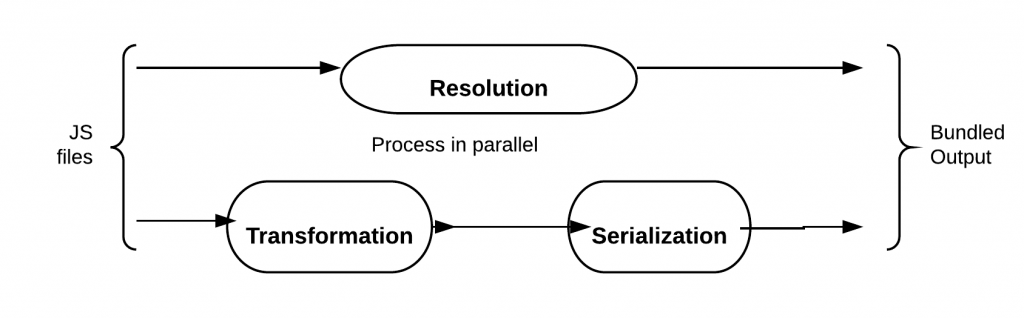
Webpack Is A Module Bundler Used To Combine JavaScript CSS And Assets Efficiently Today. It Optimizes Application Files And Improves Loading Performance Across Modern React Applications Significantly Overall. Webpack Supports Loaders And Plugins For Managing Different File Types During Build Processes Correctly. Developers Use Webpack To Bundle Modules And Minify Application Resources For Production Deployments. Code Splitting Features In Webpack Improve Performance By Loading Required Modules Dynamically Today. React Applications Commonly Use Webpack With Babel For Efficient Frontend Development Workflows Successfully.
37. What Is Create React App?
Ans:
Create React App Is A Tool Used To Quickly Setup React Applications Efficiently Today. It Provides Preconfigured Development Environments Without Manual Configuration Of Webpack And Babel Components. Developers Can Focus On Writing Application Logic Instead Of Managing Complex Build Configurations Initially. Create React App Includes Features Like Hot Reloading Testing And Production Build Optimization Automatically. Beginners Commonly Use Create React App To Start Learning React Development Efficiently Today. Modern Applications Sometimes Prefer Vite Or Next JS For Faster Development And Better Performance.
38. What Is JSX Expression?
Ans:
JSX Expressions Allow JavaScript Code To Be Embedded Inside JSX Using Curly Braces Correctly. Developers Use Expressions To Display Dynamic Data Within React User Interface Components Efficiently Today. Variables Functions Arithmetic Operations And Conditional Logic Can Be Written Inside JSX Expressions Easily. JSX Expressions Improve Flexibility And Help Create Interactive User Interfaces Across Modern Applications Significantly. React Automatically Evaluates Expressions And Renders Results Inside Browser User Interface Elements Correctly. JSX Expressions Simplify Dynamic Content Rendering Compared To Traditional HTML Based Development Approaches Frequently.
39. What Is Synthetic Event In React?
Ans:
Synthetic Events Are Wrapper Objects Around Native Browser Events Used By React Applications Efficiently. They Provide Consistent Behavior Across Different Browsers During User Interaction Handling Processes Correctly Today. React Uses Synthetic Events For Better Performance And Simplified Event Management Across Components. Developers Handle Click Keyboard Input And Form Events Using Synthetic Event Objects Frequently Today. Synthetic Events Support Methods Like PreventDefault And StopPropagation Similar To Native Browser Events. React Automatically Reuses Synthetic Event Objects To Optimize Memory Usage Within Applications Efficiently Today.
40. Fetch API Data Using useEffect Hook
Ans:
- useEffect(() => {
- fetch(“https://jsonplaceholder.typicode.com/users”)
- .then(res => res.json())
- then(data => console.log(data));
- }, []);

Enroll in ReactJS Certification Course and UPGRADE Your Skills
Weekday / Weekend BatchesSee Batch Details41. What Is The Difference Between npm And yarn?
Ans:
Npm And Yarn Are Package Managers Used To Install JavaScript Libraries And Dependencies Efficiently. Npm Comes Default With Node JS While Yarn Was Developed By Facebook Later Today. Yarn Provides Faster Package Installation Through Parallel Processing And Better Dependency Management Features Frequently. Both Tools Use Package JSON Files To Manage Project Dependencies Across Applications Correctly Everywhere. Npm Has Improved Performance Significantly And Is Widely Used In Modern React Development Projects. Developers Choose Either Tool Based On Team Preferences And Project Requirements During Development Today.
42. What Is Props Validation In React?
Ans:
Props Validation Ensures Components Receive Correct Data Types During React Application Execution Efficiently Today. Developers Use PropTypes Library To Validate Props Passed Between Components Within Applications Correctly Everywhere. Prop Validation Helps Detect Bugs Early And Improves Application Stability During Development Processes Significantly. Different Validation Types Include String Number Boolean Array Object And Function PropTypes Frequently Today. Required Props Can Be Specified Using IsRequired Validation Rules For Better Component Reliability. Modern React Applications Sometimes Use TypeScript Instead Of PropTypes For Stronger Type Checking Features
43. What Is Default Props In React?
Ans:
Default Props Provide Initial Values For Component Props When No Values Are Passed Explicitly. They Prevent Undefined Errors And Ensure Components Render Correctly Under Different Conditions Efficiently Today. Developers Define Default Props Using Default Parameters Or DefaultProps Configurations Within Components Successfully. Default Props Improve Component Reliability And Simplify Data Handling Across React Applications Significantly Overall. Functional Components Commonly Use JavaScript Default Parameters Instead Of Traditional DefaultProps Methods Today. Proper Default Values Enhance User Experience By Providing Meaningful Content During Missing Data Situations.
44. What Is Code Splitting In React?
Ans:
Code Splitting Divides Application Bundles Into Smaller Chunks Loaded Only When Needed Efficiently Today. It Improves Performance By Reducing Initial Bundle Size In Large React Applications Significantly Overall. React Supports Code Splitting Using Dynamic Import Statements And React Lazy Functionality Correctly. Users Experience Faster Loading Times And Improved Responsiveness Across Different Devices And Networks Today. Developers Frequently Use Code Splitting For Routes Dashboards And Feature Based Application Modules Efficiently. Modern React Applications Depend On Code Splitting To Enhance Scalability And Performance Optimization Today.
45. What Is Hydration In React?
Ans:
Hydration Is The Process Of Attaching React Event Handlers To Server Rendered HTML Efficiently. It Enables Interactive Functionality After Server Side Rendered Content Loads Inside Browsers Correctly Today. Frameworks Like Next JS Use Hydration To Combine Server Rendering With Client Side Interactivity. Hydration Improves Performance And User Experience By Displaying Content Before JavaScript Loads Completely. React Reuses Existing HTML Instead Of Re Rendering Entire Pages During Hydration Processes Efficiently. Proper Hydration Enhances SEO Performance And Reduces Perceived Loading Time Across Applications Significantly.
46. What Is React Fiber?
Ans:
- React Fiber Is The Reconciliation Engine Introduced To Improve React Rendering Performance Significantly Today. It Enables Incremental Rendering And Better Control Over Task Prioritization During Updates Efficiently.
- Fiber Improves Application Responsiveness By Splitting Rendering Work Into Smaller Units Correctly Everywhere. React Can Pause Resume Or Cancel Rendering Tasks Based On Application Priorities Dynamically Today.
- Fiber Supports Advanced Features Like Concurrent Rendering And Smooth User Interface Interactions Efficiently. Modern React Applications Benefit From Better Performance Due To React Fiber Architecture Internally Implemented..
47. What Is Concurrent Rendering In React?
Ans:
Concurrent Rendering Allows React To Work On Multiple Rendering Tasks Simultaneously Efficiently Today. It Improves User Experience By Preventing Application Freezing During Heavy Rendering Operations Frequently. React Prioritizes Important Updates Such As User Inputs Over Less Critical Rendering Tasks Automatically. Concurrent Rendering Enhances Responsiveness And Makes Applications Feel Faster During User Interaction Significantly. This Feature Is Part Of Modern React Improvements Introduced With React Fiber Architecture Internally. Developers Can Build More Interactive And Scalable Applications Using Concurrent Rendering Capabilities Efficiently Today.
48. What Is Error Boundary In React?
Ans:
Error Boundaries Are React Components Used To Catch JavaScript Errors In Child Components Efficiently. They Prevent Entire Applications From Crashing Due To Unexpected Errors During Rendering Processes Today. Error Boundaries Display Fallback User Interface Instead Of Broken Application Screens Automatically Correctly. Class Components Implement Error Boundaries Using ComponentDidCatch And GetDerivedStateFromError Methods Frequently. Developers Use Error Boundaries Around Critical Application Sections For Better Stability And Reliability. Modern React Applications Frequently Include Error Boundaries To Improve User Experience During Runtime Errors.
49. What Is The Difference Between useEffect And useLayoutEffect?
Ans:
UseEffect Runs After Browser Painting While UseLayoutEffect Runs Before Browser Painting Efficiently Today. UseLayoutEffect Blocks Visual Updates Until Side Effects Complete During Rendering Processes Correctly Everywhere. Developers Use UseLayoutEffect For DOM Measurements And Visual Adjustments Requiring Immediate Execution Frequently. UseEffect Is Preferred For Data Fetching And Non Visual Side Effects Within Applications Today. Excessive Use Of UseLayoutEffect Can Reduce Performance Due To Blocking Browser Rendering Operations Sometimes. Choosing The Correct Hook Improves Application Responsiveness And Rendering Performance Significantly Overall Today.
50. What Is useReducer Hook?
Ans:
UseReducer Is A React Hook Used For Managing Complex State Logic Efficiently Within Applications Today. It Works Similar To Redux By Using Reducer Functions And Dispatch Actions Correctly Everywhere. Developers Prefer UseReducer When State Updates Depend On Previous Values Or Multiple Conditions Frequently. UseReducer Improves Code Organization In Large Components With Complex State Management Requirements Today. The Hook Returns Current State And Dispatch Function For Updating Application Data Efficiently. Combining UseReducer With Context API Provides Powerful State Management Without External Libraries Frequently Today.
51. Create A Search Filter Application
Ans:
This React Program Implements A Dynamic Search Filter Using State Management Efficiently Today. Users Can Search Items Inside Input Fields And View Filtered Results Instantly Successfully. UseState Hook Stores Current Search Text Entered By Users During Application Execution Correctly. Filter Method Checks Matching Items And Returns Relevant Results Based On Search Keywords Efficiently. React Automatically Updates Displayed Results Whenever Search Input Values Change Dynamically Today.
- const items = [“Apple”, “Banana”, “Mango”];
- const result = items.filter(item => item.toLowerCase().includes(“a”));
- console.log(result);
- This Code Filters Items Containing The Letter A Successfully.
52. What Is Jest?
Ans:
Jest Is A JavaScript Testing Framework Commonly Used For React Application Testing Efficiently Today. It Supports Unit Testing Snapshot Testing And Mocking Functionalities For Reliable Application Development Processes. Developers Use Jest To Verify Component Behavior And Prevent Bugs During Code Updates Frequently. Jest Provides Fast Test Execution With Built In Features Like Parallel Testing And Coverage Reports. React Projects Frequently Use Jest Together With React Testing Library For Comprehensive Frontend Testing. Automated Testing Improves Application Quality And Reduces Deployment Risks In Modern Development Workflows Today.
53. What Is Snapshot Testing?
Ans:
- Snapshot Testing Captures Component Output And Compares It During Future Test Executions Efficiently Today. It Helps Detect Unexpected Changes In User Interface Rendering Across React Applications Significantly Overall.
- Developers Use Jest Snapshot Testing To Maintain Consistent Component Designs During Development Processes Frequently. Snapshots Store Rendered Component Structures Inside Files For Automated Comparison Correctly Everywhere Today.
- If Component Output Changes Unexpectedly Tests Fail And Alert Developers About Potential Issues Quickly. Snapshot Testing Simplifies Regression Testing And Improves Reliability In React Application Development Projects.
54. What Is Form Handling In React?
Ans:
- Form Handling In React Manages User Input Data Using State And Event Handling Efficiently Today. Developers Create Interactive Forms For Login Registration Search And Feedback Features Frequently Today.
- Controlled Components Are Commonly Used To Track Form Values Through React State Variables Correctly. Validation Logic Ensures Accurate User Input Before Submitting Data To Backend Systems Successfully.
- React Simplifies Dynamic Form Creation And User Interaction Handling Across Modern Applications Significantly Overall. Proper Form Handling Improves User Experience And Prevents Invalid Data Submission Errors Efficiently Today.
55. What Is React Hook Form?
Ans:
React Hook Form Is A Library Used For Efficient Form Handling In React Applications Today. It Reduces Re Rendering And Improves Performance Compared To Traditional Form Management Techniques Frequently. Developers Use Hooks To Register Inputs Validate Data And Handle Form Submission Efficiently Today. React Hook Form Simplifies Validation Logic And Reduces Boilerplate Code In Complex Forms Significantly. Integration With Libraries Like Yup Supports Advanced Schema Based Validation Features Correctly Everywhere. Modern React Applications Frequently Use React Hook Form For Better Performance And Simplicity Today.
56. What Is API Integration In React?
Ans:
API Integration Connects React Applications With Backend Services To Fetch Dynamic Data Efficiently Today. Developers Use Fetch API Or Axios Library To Send HTTP Requests Correctly Everywhere Frequently. APIs Provide Real Time Data For Applications Like Ecommerce Dashboards And Social Media Platforms. React Applications Display Retrieved Data Dynamically Using State Management And Rendering Techniques Efficiently. Proper Error Handling Ensures Stable Application Behavior During Network Failures Or Invalid Responses Today. API Integration Is Essential For Building Interactive And Data Driven Modern Web Applications Successfully.
57. What Is Axios In React?
Ans:
Axios Is A Popular JavaScript Library Used For Making HTTP Requests In React Applications. It Simplifies API Calls And Provides Better Error Handling Compared To Fetch API Frequently Today. Developers Use Axios For GET POST PUT And DELETE Requests During Backend Communication Processes. Axios Automatically Converts JSON Data And Supports Request Interceptors For Advanced Functionality Efficiently. Promise Based Syntax Makes Asynchronous Programming Easier Within React Application Development Workflows Today. Modern React Applications Frequently Use Axios For Reliable API Communication And Data Management Efficiently.
58. What Is CORS?
Ans:
CORS Stands For Cross Origin Resource Sharing Used In Web Application Security Mechanisms Today. Browsers Restrict Requests Between Different Domains To Prevent Unauthorized Data Access Efficiently Everywhere. Servers Must Allow Specific Origins Through Headers For Cross Domain Communication To Work Correctly. React Applications Frequently Encounter CORS Errors During API Integration With External Backend Services. Developers Resolve CORS Issues By Configuring Backend Headers Or Using Proxy Servers Efficiently Today. Understanding CORS Is Important For Secure Communication Between Frontend And Backend Applications Correctly.
59. What Is Authentication In React?
Ans:
Authentication Verifies User Identity Before Granting Access To Protected Application Features Efficiently Today. React Applications Frequently Use Login Systems With JWT Tokens Or Session Based Authentication Methods. Developers Store Authentication Data Securely Using Context API Redux Or Browser Storage Mechanisms. Protected Routes Restrict Unauthorized Users From Accessing Sensitive Pages Within Applications Correctly Today. Authentication Improves Security And Protects User Information Across Modern Web Applications Significantly Overall. Proper Authentication Handling Enhances User Trust And Prevents Unauthorized System Access Efficiently Today
60. What Is The Difference Between State And Props?
Ans:
| Feature | State | Props |
|---|---|---|
| Definition | State Is Data Managed Inside A Component | Props Are Data Passed From Parent To Child Components |
| Mutability | State Can Be Changed Or Updated | Props Are Read Only And Cannot Be Modified |
| Ownership | State Belongs To The Component Itself | Props Are Controlled By Parent Components |
| Purpose | State Handles Dynamic Data And User Interactions | Props Help Transfer Data Between Components |

Learn ReactJS Training with Advanced Concepts By Industry Experts
- Instructor-led Sessions
- Real-life Case Studies
- Assignments
61. What Is Local Storage In React?
Ans:
Local Storage Is A Browser Feature Used To Store Data Persistently On User Devices Today. React Applications Frequently Use Local Storage For Authentication Tokens And User Preferences Efficiently Everywhere. Data Remains Available Even After Browser Refreshes Or Application Restarts Successfully Today. Local Storage Supports Key Value Pair Storage Using Simple JavaScript Methods Correctly Everywhere Today. Sensitive Information Should Not Be Stored Without Proper Security Measures In Applications Frequently Today. Developers Use Local Storage To Improve User Experience And Maintain Application State Efficiently Today.
62. What Is Session Storage?
Ans:
Session Storage Stores Data Temporarily Within Browser Sessions For React Applications Efficiently Today. Data Is Automatically Removed When Browser Tabs Or Windows Are Closed By Users Successfully. Developers Use Session Storage For Temporary User Data And Session Specific Information Frequently Today. Session Storage Provides Better Security Compared To Local Storage For Short Term Data Management. It Supports Simple Key Value Pair Storage Similar To Local Storage Functionality Correctly Everywhere. React Applications Frequently Use Session Storage For Authentication And Navigation State Management Efficiently.
63. What Is React DevTools?
Ans:
React DevTools Is A Browser Extension Used To Debug React Applications Efficiently Today. It Allows Developers To Inspect Component Hierarchies Props State And Hooks Correctly Everywhere Frequently. React DevTools Simplifies Troubleshooting And Performance Analysis During Application Development Processes Significantly. Developers Can Monitor State Changes And Identify Rendering Problems More Easily Using DevTools. React DevTools Improves Productivity And Helps Maintain High Quality Application Development Standards Efficiently. Modern React Developers Frequently Depend On DevTools For Debugging Complex User Interface Components Today.
64. Create A Form Validation Application
Ans:
This React Program Demonstrates Basic Form Validation Using Functional Components And Hooks Efficiently. Users Enter Email Addresses And Submit Forms Through Interactive Input Fields Successfully Today. HandleSubmit Function Prevents Default Form Submission Behavior Using PreventDefault Method Correctly Today. Validation Logic Checks Whether Input Fields Are Empty Before Processing User Information Efficiently. React Dynamically Displays Success Or Error Messages Based On Validation Results Correctly Today
- function FormValidation() {
- const [name, setName] = React.useState(“”);
- return setName(e.target.value)} placeholder=”Enter Name” />{name === “” ?;
Name Required
:Valid Input
} - }
65. What Is Dependency Array In useEffect?
Ans:
Dependency Array Controls When UseEffect Executes Within React Functional Components Efficiently Today. React Runs Effects Only When Dependency Values Change During Component Lifecycle Processes Correctly Everywhere. Empty Dependency Arrays Execute Effects Only Once After Initial Component Rendering Successfully Today. Missing Dependency Arrays Cause Effects To Execute After Every Component Render Automatically Frequently. Proper Dependency Management Prevents Unnecessary API Calls And Performance Issues In Applications Today. Developers Must Carefully Include Required Dependencies To Avoid Bugs And Unexpected Behaviors Efficiently.
66. What Is Debouncing In React?
Ans:
Debouncing Delays Function Execution Until User Activity Stops For A Specific Time Period Today. It Improves Performance By Reducing Frequent API Calls During User Input Operations Efficiently Everywhere. Search Bars And Auto Suggestions Commonly Use Debouncing Techniques In React Applications Frequently Today. Developers Implement Debouncing Using SetTimeout Or Utility Libraries Like Lodash Correctly Everywhere Today. Debouncing Enhances User Experience And Reduces Server Load In Dynamic Applications Significantly Overall. Proper Debouncing Prevents Unnecessary Processing During Rapid User Interactions Across Applications Efficiently Today.
67. What Is Throttling In React?
Ans:
Throttling Limits Function Execution To Fixed Intervals During Continuous User Actions Efficiently Today. It Improves Performance In Scroll Resize And Mouse Movement Event Handling Scenarios Frequently Today. React Applications Use Throttling To Prevent Excessive Processing And Improve Responsiveness Significantly Overall. Developers Implement Throttling Using Utility Libraries Like Lodash Or Custom Logic Efficiently Today. Throttling Differs From Debouncing Because It Executes Functions At Regular Time Intervals Correctly. Proper Throttling Enhances Application Performance During Heavy User Interaction Scenarios Efficiently Today.
68. What Is Responsive Design In React?
Ans:
Responsive Design Ensures Applications Work Properly Across Different Screen Sizes And Devices Efficiently. React Developers Use CSS Media Queries Flexbox And Grid Layouts For Responsiveness Frequently Today. Responsive Applications Improve User Experience On Mobile Tablets And Desktop Devices Significantly Overall. Libraries Like Bootstrap And Material UI Simplify Responsive Interface Development Processes Correctly Today. React Components Dynamically Adjust Layouts Based On Screen Dimensions And Device Orientations Efficiently. Modern Web Development Strongly Emphasizes Responsive Design For Better Accessibility And Usability Today.
69. What Is Material UI?
Ans:
Material UI Is A Popular React Component Library Based On Google Material Design Principles. It Provides Prebuilt Components Such As Buttons Cards Tables And Dialogs Efficiently Today. Developers Use Material UI To Build Attractive Responsive And Consistent User Interfaces Quickly. Material UI Supports Theme Customization And Styling Features For Modern Application Development Efficiently. Components Improve Development Speed By Reducing The Need For Writing Custom UI Elements Frequently. React Developers Frequently Use Material UI In Enterprise Applications For Professional Interface Designs Today.
70. What Is Tailwind CSS?
Ans:
Tailwind CSS Is A Utility First CSS Framework Used With React Applications Efficiently Today. It Provides Predefined Utility Classes For Styling User Interfaces Without Writing Custom CSS Frequently. Developers Create Responsive Modern Designs Faster Using Tailwind Utility Based Development Approaches Successfully. Tailwind CSS Improves Consistency And Simplifies Maintenance Across Large Scale Web Applications Today. React Applications Benefit From Faster Styling Workflows And Reduced CSS File Sizes Efficiently Today. Modern Frontend Development Frequently Combines React With Tailwind CSS For Better Productivity Today.
71. What Is React Lifecycle?
Ans:
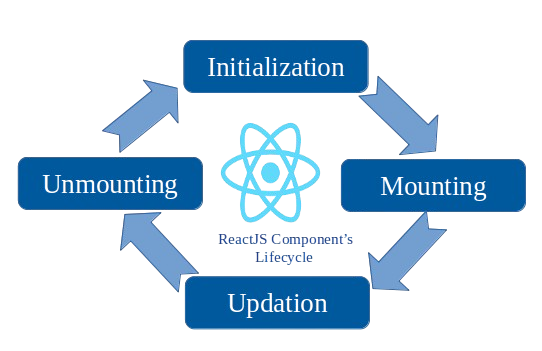
React Lifecycle Refers To Different Phases Components Pass Through During Their Existence Efficiently Today. Common Lifecycle Stages Include Mounting Updating And Unmounting During Application Execution Correctly Everywhere. Class Components Use Methods Like ComponentDidMount And ComponentWillUnmount For Lifecycle Handling Frequently. Functional Components Achieve Similar Behavior Using Hooks Like UseEffect Efficiently In Modern Applications. Understanding Lifecycle Helps Developers Manage Data Fetching Timers And Cleanup Operations Correctly Today. Proper Lifecycle Management Improves Application Stability And Prevents Memory Leak Issues Efficiently Today.
72. What Is ComponentDidMount?
Ans:
- ComponentDidMount Is A Lifecycle Method Executed After Component Mounting In Class Components Today. Developers Commonly Use It For API Calls Event Listeners And Initialization Tasks Efficiently Everywhere.
- It Executes Only Once After Initial Component Rendering During Application Execution Correctly Today. ComponentDidMount Helps Load Dynamic Data Required For User Interface Display Efficiently Today.
- Functional Components Replace ComponentDidMount Using UseEffect With Empty Dependency Arrays Frequently Today. Understanding Lifecycle Methods Is Important For Maintaining Older React Applications Correctly Today
73. What Is ComponentWillUnmount?
Ans:
ComponentWillUnmount Executes Before Components Are Removed From The DOM In React Applications Today. Developers Use It To Cleanup Timers Event Listeners And Subscriptions Efficiently Everywhere Frequently. Proper Cleanup Prevents Memory Leaks And Improves Application Performance During Runtime Execution Correctly. ComponentWillUnmount Is Important For Releasing Resources Used By Components Before Destruction Efficiently Today. Functional Components Achieve Similar Cleanup Behavior Using Return Functions Inside UseEffect Hooks Frequently. React Applications Become More Stable Through Proper Component Cleanup Management Practices Efficiently Today
74. What Is Pure Component?
Ans:
Pure Components Are React Components That Prevent Unnecessary Re Rendering Operations Efficiently Today. They Perform Shallow Comparison Of Props And State Before Updating Components Automatically Correctly Everywhere. Pure Components Improve Performance In Applications With Frequent State Changes And Complex Interfaces. Developers Use Pure Components Mainly In Class Based React Application Architectures Frequently Today. Functional Components Achieve Similar Optimization Using React Memo Instead Of Pure Components Efficiently. Proper Usage Of Pure Components Reduces Rendering Overhead And Improves Application Responsiveness Significantly.
75. What Is Memoization In React?
Ans:
Memoization Is A Performance Optimization Technique Used To Store Previously Calculated Results Efficiently. React Uses Memoization To Avoid Repeating Expensive Calculations During Component Rendering Processes Frequently. Hooks Like UseMemo And UseCallback Support Memoization Within Functional Components Correctly Today. Memoization Improves Application Speed And Responsiveness In Complex React Applications Significantly Overall Today. Developers Must Use Memoization Carefully To Avoid Unnecessary Complexity In Smaller Projects Frequently. Proper Memoization Reduces Processing Overhead And Enhances User Experience Across Applications Efficiently Today.
76. What Is Dynamic Import In React?
Ans:
Dynamic Import Loads JavaScript Modules Only When Required Within React Applications Efficiently Today. It Supports Code Splitting And Reduces Initial Bundle Size For Better Performance Significantly Overall. Developers Use Import Functions Together With React Lazy For Dynamic Component Loading Frequently Today. Dynamic Import Improves Loading Speed Especially In Large Scale React Applications Efficiently Today. Users Experience Faster Initial Rendering Because Unused Modules Are Not Loaded Immediately Correctly. Modern React Applications Frequently Use Dynamic Imports To Enhance Performance And Scalability Efficiently Today.
77. What Is Environment Variable In React?
Ans:
Environment Variables Store Configuration Values Used Across React Applications During Development Efficiently Today. Developers Use Environment Variables For API URLs Authentication Keys And Deployment Settings Frequently. React Requires Variables To Start With REACT APP Prefix For Accessibility Correctly Everywhere Today. Environment Variables Improve Security By Separating Sensitive Information From Application Source Code. Different Environments Like Development Testing And Production Use Separate Configuration Values Efficiently Today.
78. What Is Cross Site Scripting?
Ans:
Cross Site Scripting Is A Security Vulnerability Where Malicious Scripts Execute Inside Web Applications. Attackers Inject Harmful JavaScript Code Into Websites To Steal Sensitive User Information Frequently Today. React Automatically Escapes JSX Content To Protect Applications From Cross Site Scripting Attacks Efficiently. Developers Must Avoid Unsafe HTML Rendering Without Proper Sanitization In Applications Frequently Today. Secure Coding Practices Reduce Vulnerabilities And Improve User Data Protection Significantly Overall Today. Understanding Security Concepts Is Important For Safe Frontend Development Using React Applications Efficiently.
79. What Is React Suspense?
Ans:
React Suspense Allows Components To Wait For Data Before Rendering User Interfaces Efficiently Today. It Works Together With React Lazy For Code Splitting And Asynchronous Component Loading Frequently. Suspense Displays Fallback Content Such As Loaders During Data Or Component Fetching Processes. React Suspense Improves User Experience By Managing Loading States More Effectively Across Applications Today. Future React Features Expand Suspense Support For Advanced Data Fetching Capabilities Efficiently Today. Modern React Applications Frequently Use Suspense For Better Performance And User Interaction Handling Today.
80. What Is ReactDOM?
Ans:
ReactDOM Is A Package Used To Render React Components Into Browser DOM Elements Efficiently. It Connects React Components With Actual HTML Structures Displayed Inside Browsers Correctly Everywhere Today. ReactDOM Render Method Was Commonly Used Before Introduction Of CreateRoot API Recently Today. Modern React Applications Use CreateRoot For Improved Concurrent Rendering Support Efficiently Today. ReactDOM Also Supports Portals And Server Side Rendering Functionalities Within Applications Frequently Today. Understanding ReactDOM Is Important For Managing React Application Rendering Processes Correctly Today.
81. What Is useContext Hook?
Ans:
UseContext Is A React Hook Used To Access Context Values Inside Functional Components Efficiently. It Simplifies Data Sharing Without Passing Props Through Multiple Components Repeatedly Frequently Today. Developers Use UseContext For Themes Authentication And Global Application State Management Correctly Today. UseContext Improves Readability And Reduces Complexity Compared To Traditional Context Consumer Components. Combining UseContext With UseReducer Creates Powerful State Management Solutions Efficiently Today Frequently. Modern React Applications Depend Heavily On UseContext For Shared Data Handling Across Components.
82. What Is React Key Prop Warning?
Ans:
- React Displays Key Prop Warnings When List Items Lack Unique Key Attributes Efficiently Today. Keys Help React Identify Elements During Updates And Improve Rendering Performance Significantly Overall Today.
- Missing Or Duplicate Keys Can Cause Unexpected Rendering Behavior In Dynamic Lists Frequently Today. Developers Should Use Stable Unique Values Like Database IDs As Keys Correctly Everywhere Today.
- Proper Key Usage Prevents Bugs And Enhances Component Update Efficiency Across Applications Significantly.
83. What Is Tree Shaking In React
Ans:
Tree Shaking Removes Unused Code From JavaScript Bundles During Build Processes Efficiently Today. It Reduces Bundle Size And Improves Application Loading Speed Across React Projects Significantly Overall. Modern Bundlers Like Webpack Support Tree Shaking For ES6 Module Based Applications Frequently Today. Developers Benefit From Better Performance Because Only Required Code Gets Included In Production Builds. Tree Shaking Helps Optimize Large Scale React Applications And Reduce Resource Consumption Efficiently Today. Proper Module Import Practices Improve Tree Shaking Effectiveness During Frontend Development Workflows Frequently.
84. What Is Vite In React?
Ans:
Vite Is A Modern Frontend Build Tool Used For Faster React Application Development Efficiently Today. It Provides Instant Server Startup And Faster Hot Module Replacement Compared To Webpack Frequently. Vite Uses Native ES Modules During Development For Improved Performance And Simplicity Efficiently Today. React Developers Prefer Vite Because It Reduces Build Configuration Complexity Significantly Overall Today. Production Builds Use Rollup Internally For Optimized Application Bundling And Deployment Processes Efficiently. Modern React Projects Frequently Use Vite Instead Of Create React App For Better Speed
85. What Is Hot Reloading In React?
Ans:
Hot Reloading Updates Application Changes Instantly Without Refreshing Entire Web Pages Efficiently Today. Developers Experience Faster Development Because State Is Preserved During Code Updates Frequently Today. React Development Servers Automatically Detect Changes And Reload Modified Components Correctly Everywhere Today. Hot Reloading Improves Productivity And Simplifies Debugging During Frontend Application Development Processes Significantly. Developers Receive Immediate Feedback While Building User Interfaces And Testing Features Efficiently Today. Modern React Toolchains Include Hot Reloading Support For Enhanced Development Experiences Frequently Today.
86. Create A Dark Mode Toggle Application
Ans:
This React Program Creates A Dark Mode Toggle Feature Using The UseState Hook Efficiently Today. Boolean State Variables Control Whether Light Theme Or Dark Theme Is Active Correctly Today. Conditional Styling Dynamically Changes Background And Text Colors Based On Current Theme Values Efficiently. Button Click Events Toggle Between True And False States During Application Execution Successfully Today. React Automatically Updates User Interface Styles Without Reloading Entire Pages Efficiently Today
- const [dark, setDark] = useState(false);
87. What Is ForwardRef In React?
Ans:
ForwardRef Allows Parent Components To Access Child Component DOM Elements Through Refs Efficiently. Developers Use ForwardRef For Input Focus And Direct DOM Manipulation Requirements Frequently Today. It Improves Component Reusability While Supporting Advanced Interaction Functionalities Across Applications Efficiently. ForwardRef Is Commonly Combined With UseImperativeHandle For Better Ref Management Correctly Today. React Applications Frequently Use ForwardRef In Reusable UI Libraries And Form Components Successfully. Understanding ForwardRef Helps Developers Manage Component Communication More Effectively In React Today.
88. What Is React Children Prop?
Ans:
React Children Prop Represents Content Passed Between Opening And Closing Component Tags Efficiently Today. Developers Use Children Props To Create Reusable Layout And Wrapper Components Frequently Today. The Children Prop Improves Flexibility By Allowing Dynamic Content Inside Components Correctly Everywhere. React Automatically Passes Nested Elements Into Components Through The Children Property Successfully Today. Developers Frequently Use Children Props For Modals Cards Layouts And Container Components Efficiently. Modern React Applications Depend On Children Props For Better Component Composition Patterns Frequently Today.
89. What Is Component Composition In React?
Ans:
- Component Composition Combines Multiple Components Together To Build Complex User Interfaces Efficiently Today. React Encourages Composition Instead Of Inheritance For Better Reusability And Maintainability Significantly Overall.
- Developers Create Flexible Applications By Nesting Components Within Other Components Correctly Today. Composition Improves Scalability And Simplifies Application Structure Across Large Development Projects Frequently.
- Children Props And Reusable Components Support Effective Composition Patterns In React Applications Today. Modern React Development Strongly Relies On Composition For Building Modular User Interfaces Efficiently Today
90. What Is ESLint In React?
Ans:
ESLint Is A Tool Used To Identify And Fix JavaScript Code Quality Issues Efficiently Today. React Developers Use ESLint To Maintain Consistent Coding Standards Across Applications Frequently Today. ESLint Detects Syntax Errors Unused Variables And Potential Bugs During Development Processes Correctly. Developers Configure ESLint Rules According To Project Requirements And Team Preferences Efficiently Today. ESLint Improves Code Readability Maintainability And Overall Application Stability Significantly Overall Today. Modern React Projects Frequently Include ESLint For Better Development And Collaboration Experiences Today
91. What Is Prettier In React?
Ans:
Prettier Is A Code Formatting Tool Used To Maintain Consistent Styling Across React Applications. It Automatically Formats JavaScript JSX CSS And Other Files During Development Efficiently Today Frequently. Developers Use Prettier Together With ESLint For Better Code Quality Management Successfully Today. Prettier Reduces Formatting Conflicts And Improves Team Collaboration In Large Projects Significantly Overall. Automatic Formatting Saves Development Time And Enhances Code Readability Across Applications Efficiently Today. Modern React Projects Commonly Integrate Prettier Into Development Workflows For Better Productivity Today
92. What Is Accessibility In React?
Ans:
Accessibility Ensures React Applications Are Usable By People With Different Disabilities Efficiently Today. Developers Use Semantic HTML ARIA Attributes And Keyboard Navigation For Better Accessibility Frequently Today. Accessible Applications Improve User Experience And Comply With Web Accessibility Standards Correctly Everywhere. React Encourages Accessibility Through Proper Form Labels Roles And Screen Reader Support Efficiently. Accessibility Enhances Inclusivity And Expands Application Reach Across Diverse User Communities Significantly Overall. Modern Frontend Development Strongly Emphasizes Accessibility Best Practices In React Applications Today.
93. What Is Semantic HTML In React?
Ans:
Semantic HTML Uses Meaningful HTML Tags To Improve Structure Accessibility And SEO Efficiently Today. Developers Use Tags Like Header Main Section Article And Footer Correctly In Applications Frequently. Semantic HTML Improves Screen Reader Support And Makes Websites Easier To Understand Efficiently Today. React Applications Frequently Combine Semantic HTML With Accessible Design Principles For Better Usability. Proper Semantic Structure Helps Search Engines Index Web Content More Effectively Correctly Today. Modern Frontend Development Encourages Semantic HTML For High Quality User Interface Design Frequently Today.
94. What Is React Performance Optimization?
Ans:
- React Performance Optimization Improves Application Speed Responsiveness And Rendering Efficiency Significantly Overall Today. Developers Use Memoization Lazy Loading Code Splitting And Virtualization Techniques Frequently Today.
- Performance Optimization Reduces Unnecessary Re Rendering And Enhances User Experience Across Applications Efficiently. React Tools Like Profiler Help Identify Performance Bottlenecks During Development Processes Correctly Today. Optimized Applications Consume Fewer Resources And Load Faster Across Different Devices.
- Efficiently Today. Modern React Development Strongly Focuses On Performance For Scalable User Friendly Applications Frequently Today..
95. What Is Virtualization In React?
Ans:
Virtualization Renders Only Visible List Items Instead Of Entire Large Data Collections Efficiently Today. It Improves Performance In Applications Displaying Thousands Of Records Simultaneously Frequently Today. Libraries Like React Window And React Virtualized Support Virtualization Features Correctly Everywhere Today. Virtualization Reduces DOM Size And Enhances Scrolling Performance Across Large React Applications Significantly. Users Experience Faster Rendering And Better Responsiveness During Data Intensive Operations Efficiently Today. Modern React Applications Frequently Use Virtualization For Dashboards Tables And Infinite Scrolling Features
96. What Is Infinite Scrolling In React?
Ans:
Infinite Scrolling Loads Additional Content Automatically As Users Scroll Down Applications Efficiently Today. Social Media Platforms And Ecommerce Websites Frequently Use Infinite Scrolling Features Successfully Today. React Applications Implement Infinite Scrolling Using Scroll Events Intersection Observer APIs Or Libraries. Infinite Scrolling Improves User Engagement By Providing Seamless Content Browsing Experiences Efficiently Today. Developers Must Optimize Performance To Prevent Excessive Memory Usage During Continuous Loading Processes. Modern React Applications Frequently Combine Infinite Scrolling With API Pagination Features Efficiently Today.
97. What Is Pagination In React?
Ans:
Pagination Divides Large Data Sets Into Smaller Pages For Better User Experience Efficiently Today. React Applications Frequently Use Pagination In Tables Ecommerce Platforms And Search Result Interfaces Frequently. Pagination Improves Performance By Loading Limited Data Instead Of Entire Collections Simultaneously Today. Developers Implement Pagination Using State Management And API Query Parameters Correctly Everywhere Today. Users Navigate Between Pages Easily Which Enhances Content Accessibility Across Applications Efficiently Today. Modern React Applications Frequently Combine Pagination With Filtering And Sorting Functionalities Successfully Today.
98. What Is Sorting In React?
Ans:
Sorting Arranges Data In Specific Orders Such As Alphabetical Numerical Or Chronological Efficiently Today. React Applications Frequently Use Sorting In Tables Product Listings And Search Results Successfully Today. Developers Implement Sorting Using JavaScript Array Methods And State Management Techniques Correctly Everywhere. Dynamic Sorting Enhances User Experience By Organizing Information According To User Preferences Efficiently. Sorting Operations Often Combine With Filtering Pagination And Search Features In Applications Frequently. Modern React Applications Frequently Include Interactive Sorting Functionalities For Better Data Presentation Today.
99. What Is Filtering In React?
Ans:
Filtering Displays Specific Data Based On Conditions Or User Selected Criteria Efficiently Today Frequently. React Applications Frequently Use Filtering In Ecommerce Search And Dashboard Interfaces Successfully Today. Developers Implement Filtering Using JavaScript Methods And State Management Functionalities Correctly Everywhere. Dynamic Filtering Improves User Experience By Displaying Relevant Content Quickly Across Applications Efficiently. Filtering Often Combines With Sorting Pagination And Search Functionalities In Modern Applications Frequently. Proper Filtering Logic Enhances Data Accessibility And Application Usability Significantly Overall Today Frequently.
100. Why Should Hire As A React JS Developer?
Ans:
Have Strong Knowledge Of React JS Components Hooks State Management And Frontend Development Concepts Continuously Practice Coding And Build Projects To Improve My Problem Solving Skills Efficiently. Understand Modern React Features Including Routing API Integration And Performance Optimization Techniques Correctly. New Technologies And Team Environments Successfully. Communication Skills And Positive Attitude Help Collaborate Effectively With Development Teams Frequently.Building User Friendly Applications And Delivering High Quality Software Solutions Efficiently.
Upcoming Batches
| Name | Date | Details |
|---|---|---|
| Amazon | 21 - Sep - 2026(Weekdays) Weekdays Regular |
View Details |
| Amazon | 23 - Sep- 2026(Weekdays) Weekdays Regular |
View Details |
| Amazon | 26 - Sep - 2026(Weekends) Weekend Regular |
View Details |
| Amazon | 27 - Sep - 2026(Weekends) Weekend Fasttrack |
View Details |