LMS
LMS
Last updated on 28th Apr 2026| 6704

Wipro Technical and HR interview questions are designed to evaluate both a candidate’s technical knowledge and personal qualities in a balanced manner. The technical section focuses on core subjects like programming, databases, data structures, and problem-solving skills, ensuring that the candidate has a strong foundation in their field. Questions may include concepts from Java, C++, SQL, or basic computer science principles, depending on the role. On the other hand, the HR interview assesses communication skills, attitude, confidence, and cultural fit within the organization. Candidates are often asked about their strengths, weaknesses, career goals, and ability to work in a team.
1. What is a computer?
Ans:
- A computer is an electronic device that processes data and converts it into meaningful information. It takes input, processes it, and produces output
- It operates based on instructions called programs. It can store data for future use. It is widely used in various industries for automation and problem-solving.
- It performs calculations at high speed and accuracy. It is an essential tool in modern technology-driven environments.
2. What is an operating system.
Ans:
- An operating system is software that manages hardware and software resources and acts as an interface between the user and the computer.It ensures smooth functioning of the system by controlling overall operations.
- It handles key tasks like memory management, process management, and file management.It also manages device drivers, system security, and allows multiple applications to run simultaneously.
- It provides a platform for running applications and enables user interaction with the system.
3. What is RAM?
Ans:
RAM stands for Random Access Memory and is used for temporary storage. It stores data that is actively being used by the CPU. It is volatile, meaning data is lost when power is off. It helps improve system speed and performance. More RAM allows better multitasking. It enables faster access to frequently used data. It directly impacts system responsiveness.
4. What is a programming language?
Ans:
A programming language is used to communicate instructions to a computer. It allows developers to write software and applications. Examples include C, Java, and Python. It follows syntax and rules. It helps in solving computational problems efficiently. It supports development of various types of software systems. It enables automation and innovation in technology.
5. What is a compiler?
Ans:
A compiler converts high-level language into machine code. It translates the entire program at once. It helps in detecting syntax errors. It improves execution speed. Examples include GCC and Turbo C. It generates optimized code for better performance. It is essential for running programs written in compiled languages..
6. What is debugging?
Ans:
Debugging is the process of identifying and fixing errors in code. It helps improve program correctness. Developers use tools to track issues. It ensures smooth execution. It enhances software reliability. It involves analyzing logic and runtime behavior. It is a crucial step in software development.
7. What is an algorithm?
Ans:
An algorithm is a step-by-step procedure to solve a problem. It defines logic clearly. It is independent of programming languages. It improves efficiency. It is used in all computing tasks. It helps in designing optimized solutions. It forms the foundation of programming.
8. What is a data structure?
Ans:
A data structure is a way of organizing data efficiently. It helps in accessing and modifying data easily. Examples include arrays, stacks, and queues. It improves performance. It is essential for problem-solving. It reduces complexity in handling large data. It plays a key role in algorithm design.
9. What is OOP?
Ans:
Object-Oriented Programming organizes code using objects and classes. It improves modularity and reuse. It includes concepts like inheritance and encapsulation. It makes programs easier to manage. Languages like Java use OOP. It enhances code scalability and flexibility. It simplifies complex system design.
10. What is inheritance?
Ans:
Inheritance allows a class to acquire properties of another class. It promotes code reuse. It reduces redundancy. It supports hierarchical classification. It is a key feature of OOP. It improves code maintainability. It enables extension of existing functionality.
11. What is polymorphism?
Ans:
- Polymorphism means one function behaves differently in different situations. It improves flexibility in code. It can be achieved through overloading and overriding.
- It simplifies code design. It enhances readability. It allows the same interface to be used for different data types.
- It supports dynamic method binding at runtime. It is a key concept for achieving flexibility in OOP.
12. What is encapsulation?
Ans:
Encapsulation binds data and methods into a single unit. It restricts direct access to data. It improves security. It uses access modifiers. It is an important OOP principle. It protects data from unauthorized access. It helps in maintaining data integrity. It makes code more modular and organized.
13. What is abstraction?
Ans:
Abstraction hides implementation details and shows only essential features. It simplifies complexity. It improves code clarity. It is achieved using abstract classes and interfaces. It enhances maintainability. It focuses on what an object does instead of how it works. It reduces code complexity for users. It improves system design efficiency
14. What is a database?
Ans:
A database is a collection of organized data. It allows easy access and management. It is used in applications to store information. Examples include MySQL and Oracle. It ensures data integrity. It supports data sharing among multiple users. It provides backup and recovery mechanisms. It helps in efficient data retrieval and storage.
15. What is SQL?
Ans:
SQL stands for Structured Query Language. It is used to manage databases. It helps in retrieving and updating data. It supports commands like SELECT and INSERT. It is widely used in applications. It allows creation and modification of database structures. It ensures efficient data manipulation. It is essential for relational database management systems.
16. What is a primary key?
Ans:
A primary key uniquely identifies each record in a table. It cannot have null values. It ensures data uniqueness. It helps in indexing. It improves database efficiency. It prevents duplicate records in a table. It is used to establish relationships between tables. It plays a vital role in maintaining data integrity.
17. What is normalization?
Ans:
Normalization organizes data to reduce redundancy. It improves data integrity. It divides tables logically. It enhances efficiency. It is used in database design. It eliminates unnecessary data duplication. It ensures consistency across the database. It follows different normal forms like 1NF, 2NF, and 3NF.
18. What is a network?
Ans:
A network connects multiple computers. It allows data sharing. It improves communication. It uses protocols. It is essential in modern systems. It enables resource sharing like printers and files. It supports internet connectivity. It enhances collaboration between users.
19. What is HTTP?
Ans:
HTTP is a protocol used for web communication. It transfers data between client and server. It is stateless. It is widely used in websites. It supports request-response model. It works on top of TCP/IP protocol. It is the foundation of data exchange on the web. It enables loading of web pages in browsers.
20. What is API?
Ans:
API allows communication between software systems. It defines rules for interaction. It simplifies integration. It enables automation. It is widely used in modern apps. It allows different applications to work together. It improves scalability of systems. It is essential for web and mobile development.
21. What Is Complexity?
Ans:
Complexity Refers To The Amount Of Time And Memory Required By An Algorithm Or Program To Complete A Task. It Helps Measure The Efficiency And Performance Of Code, Especially When The Input Size Increases. Complexity Is Important In Software Development Because Efficient Programs Run Faster And Use Fewer Resources. It Allows Developers To Compare Different Algorithms And Choose The Best One For A Specific Problem. Complexity Is Usually Expressed Using Big O Notation Such As O(1), O(n), O(log n), And O(n²). There Are Two Main Types: Time Complexity And Space Complexity. Understanding Complexity Helps In Writing Optimized And Scalable Applications.
22. Why does want to join Wipro?
Ans:
Wipro is a reputed IT company known for innovation. It provides great learning opportunities. It supports employee growth. It has global exposure. want to build my career in such an environment. Impressed by its strong values and work culture. Believe it offers a platform to enhance my skills. To contribute to the company’s success and growth.
23. What are strengths?
Ans:
Strengths include problem-solving and adaptability. Learn quickly and work well in teams. Dedicated and responsible. Maintain a positive attitude. Focus on achieving goals. Handle challenges with confidence. Have good time management skills. Always willing to learn and improve.
24. What are weaknesses?
Ans:
Sometimes focus too much on details. This can affect speed. However,Improving by managing time better. Prioritize tasks effectively. Continuously work on self-improvement. Seek feedback to improve my performance. Learning to balance quality and efficiency. Actively working on overcoming this weakness.
25. What Is Time Management?
Ans:
Time Management Is The Process Of Planning, Organizing, And Controlling How Time Is Spent On Different Tasks And Activities. It Helps Individuals Complete Work Efficiently, Meet Deadlines, And Achieve Goals Without Unnecessary Stress. Good Time Management Involves Setting Priorities, Creating Schedules, And Focusing On Important Tasks First. It Improves Productivity, Reduces Procrastination, And Enhances Work Quality. Effective Time Management Also Helps Maintain A Better Balance Between Personal And Professional Responsibilities. It Is An Essential Skill For Students And Working Professionals. Proper Time Management Leads To Better Performance And Success.
26. What Does Success Mean?
Ans:
Success Represents The Achievement Of Goals Through Dedication, Hard Work, And Continuous Improvement. It Involves Learning From Experiences And Overcoming Challenges Effectively. Professional Growth And Skill Development Are Important Elements Of Success. Meaningful Contributions To Organizational Objectives Also Reflect Success. Maintaining Integrity And Positive Relationships Is Equally Valuable. Success Is Not Limited To Results But Includes The Journey Of Learning. Continuous Progress Creates Long-Term Satisfaction And Achievement.
27. How Does Handle Criticism?
Ans:
Constructive Criticism Provides Valuable Opportunities For Learning And Improvement. Feedback Helps Identify Areas That Require Additional Attention And Development. A Positive Attitude Towards Suggestions Encourages Professional Growth. Careful Evaluation Of Feedback Supports Better Decision-Making. Continuous Improvement Leads To Enhanced Skills And Performance. Respect For Different Perspectives Strengthens Workplace Relationships. Constructive Feedback Is An Important Part Of Career Development.
28. What is teamwork?
Ans:
Teamwork is working together to achieve a common goal. It requires communication and cooperation. It improves efficiency. It helps in problem-solving. It builds strong relationships. It ensures better productivity and results. It encourages sharing of ideas and knowledge. It creates a positive work environment.
29. What is leadership?
Ans:
Leadership is the ability to guide and motivate others. It involves decision-making. It ensures team success. It requires responsibility. It builds trust. It inspires team members to perform better. It helps in achieving organizational goals. It promotes accountability and direction
30. What Is The Value Of Hard Work?
Ans:
Hard Work Is Essential For Achieving Goals And Professional Success. Consistent Effort Improves Skills And Knowledge Over Time. Dedication Helps Overcome Challenges And Obstacles. Hard Work Demonstrates Commitment And Reliability. It Often Leads To Better Opportunities And Recognition. Continuous Effort Supports Personal And Professional Growth. Hard Work Remains A Key Factor In Long-Term Achievement.
31. What is cloud computing?.
Ans:
Cloud computing provides services over the internet. It allows storage and processing online. It reduces hardware dependency. It is scalable. Examples include AWS and Azure. It offers on-demand access to computing resources. It reduces infrastructure costs for organizations. It supports remote access and collaboration.
32. What is cybersecurity?
Ans:
Cybersecurity protects systems from attacks. It ensures data safety. It prevents unauthorized access. It uses encryption. It is essential for digital systems. It safeguards sensitive information from threats. It helps in detecting and preventing cyber attacks. It ensures system reliability and trust.
33. What is machine learning?
Ans:
Machine learning enables systems to learn from data. It improves performance automatically. It uses algorithms. It is used in AI applications. It enhances predictions. It identifies patterns in large datasets. It reduces the need for manual programming. It is widely used in automation and analytics.
34. What is software testing?
Ans:
Software testing checks for errors. It ensures quality. It improves reliability. It validates functionality. It is essential in development. It helps identify bugs before deployment. It ensures software meets user requirements. It improves overall user experience.
35. What is SDLC?
Ans:
SDLC is Software Development Life Cycle. It defines stages of development. It includes planning and testing. It ensures quality output. It improves efficiency. It consists of phases like design, development, and maintenance. It provides a structured approach to software development. It helps deliver reliable and high-quality software.
36. What is DBMS?
Ans:
DBMS stands for Database Management System. It is software used to manage databases. It helps in storing, retrieving, and updating data. It ensures data security and integrity. Examples include MySQL and Oracle. It supports multi-user access. It reduces data redundancy. It improves data consistency and efficiency. It provides backup and recovery features.
37.What is an array?
Ans:
An array is a collection of elements of the same type. It stores data in contiguous memory locations. It allows easy access using index values. It improves data management. It is widely used in programming. It simplifies handling multiple values. It supports iteration. It is efficient for fixed-size data storage. It provides fast data access using indices.
38. What is a linked list?
Ans:
A linked list is a linear data structure. It consists of nodes connected by pointers. Each node contains data and a reference. It allows dynamic memory allocation. It is flexible in size. It supports efficient insertion and deletion. It does not require contiguous memory. It is used in dynamic applications. It is suitable for memory-efficient operations.
39. What is a stack?
Ans:
A stack is a linear data structure. It follows LIFO (Last In First Out) principle. Elements are added and removed from the top. It supports push and pop operations. It is used in recursion and expression evaluation. It helps in memory management. It is simple and efficient. It is widely used in programming. It is useful in backtracking algorithms.
40. What is a queue?
Ans:
A queue is a linear data structure. It follows FIFO (First In First Out) principle. Elements are added at the rear and removed from the front. It supports enqueue and dequeue operations. It is used in scheduling tasks. It improves process management. It is used in buffering systems. It ensures order processing. It is widely used in real-time systems.
41. What is a tree?
Ans:
A tree is a hierarchical data structure. It consists of nodes connected by edges. It has a root node and child nodes. It is used to represent hierarchical data. It supports fast searching and sorting. It is used in databases and file systems. It improves efficiency. It is widely used in algorithms. It helps in efficient data organization
42. What is a graph?
Ans:
- A graph is a non-linear data structure consisting of vertices (nodes) and edges.It is used to represent relationships and connections between data.
- It is commonly used in networks, maps, and real-world applications.It can be directed or undirected based on the relationship between nodes.
- It supports traversal algorithms to explore data efficiently.It helps in solving complex problems and modeling real-life connections.
43. What is recursion?
Ans:
Recursion is a function calling itself. It solves problems by breaking them into smaller parts. It requires a base condition. It simplifies complex logic. It is used in algorithms like factorial and Fibonacci. It reduces code length. It improves readability. It requires proper memory handling. It is useful in divide-and-conquer problems.
44. What is a pointer?
Ans:
A pointer is a variable that stores memory address. It is used in languages like C. It helps in dynamic memory allocation. It improves performance. It allows direct memory access. It is useful in data structures. It reduces memory usage. It increases program efficiency. It enables efficient handling of arrays and structures.
45. What is memory management?
Ans:
Memory management handles allocation and deallocation of memory. It ensures efficient use of resources. It prevents memory leaks. It improves performance. It is managed by OS or programs. It supports dynamic allocation. It ensures system stability. It optimizes memory usage. It plays a key role in system performance.
46. What is virtual memory?
Ans:
Virtual memory is a memory management technique. It uses disk space as RAM. It allows running large programs. It improves multitasking. It increases system efficiency. It provides memory abstraction. It ensures smooth performance. It supports paging and segmentation. It extends available memory logically.
47. What is TCP/IP?
Ans:
- TCP/IP is a communication protocol. It connects devices over networks. It ensures reliable data transfer. It splits data into packets.
- It reassembles data at destination. It is used in internet communication. It supports error checking. It ensures data integrity.
- It forms the backbone of the internet. It enables communication between different network devices.
48. What is HTML?
Ans:
HTML stands for HyperText Markup Language. It is used to create web pages. It structures content on the web. It uses tags and elements. It is easy to learn. It works with CSS and JavaScript. It defines page layout. It is essential for web development. It forms the basic structure of websites. It is supported by all web browsers.
49. What is CSS?
Ans:
CSS stands for Cascading Style Sheets. It is used to style web pages. It controls layout and design. It improves visual appearance. It works with HTML. It supports responsive design. It enhances user experience. It separates content from design. It allows customization of colors and fonts. It helps create visually attractive websites.
50.What is JavaScript?
Ans:
JavaScript is a scripting language. It is used for web development. It makes web pages interactive. It runs in browsers. It supports dynamic content. It works with HTML and CSS. It improves user experience. It is widely used in modern apps. It enables real-time updates without reloading pages. It is essential for front-end development.
51. What is Git?
Ans:
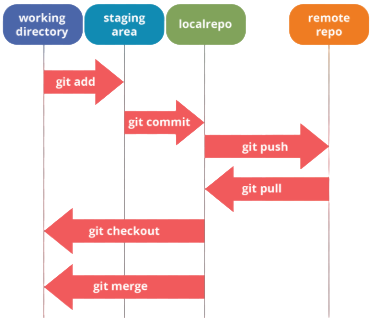
Git is a version control system. It tracks changes in code. It supports collaboration. It allows branching and merging. It is widely used by developers. It maintains code history. It improves project management. It supports distributed development. It helps in reverting to previous versions. It ensures safe and efficient code handling.
52. What is Agile?
Ans:
Agile is a software development methodology. It focuses on iterative development. It improves flexibility. It encourages teamwork. It delivers faster results. It adapts to changes quickly. It improves customer satisfaction. It ensures continuous improvement. It involves regular feedback and updates. It supports incremental product delivery.
53. What is DevOps?
Ans:
DevOps combines development and operations. It improves collaboration. It automates processes. It speeds up delivery. It ensures continuous integration. It improves efficiency. It reduces errors. It enhances software quality. It bridges the gap between development and deployment teams. It enables faster and reliable releases.
54. What is CI/CD?
Ans:
CI/CD stands for Continuous Integration and Deployment. It automates code integration and delivery. It improves software quality. It reduces manual work. It speeds up releases. It ensures faster feedback. It minimizes errors. It supports agile development. It enables frequent and reliable updates. It improves development workflow efficiency.
55. What is Big Data?
Ans:
Big Data refers to large data sets. It is complex and fast-growing. It requires advanced tools. It is used in analytics. It helps in decision-making. It includes structured and unstructured data. It improves business insights. It supports innovation. It is processed using tools like Hadoop and Spark. It plays a key role in modern data-driven applications.
56. What is IoT?
Ans:
IoT connects devices via internet. It enables data exchange. It improves automation. It is used in smart devices. It enhances efficiency. It supports real-time monitoring. It improves decision-making. It is widely used in industries. It connects sensors, devices, and systems together. It enables smarter and more efficient environments.
57. What is blockchain?
Ans:
Blockchain is a distributed ledger technology. It ensures secure transactions. It is decentralized. It prevents data tampering. It is used in cryptocurrencies. It improves transparency. It enhances trust. It is used in many industries. It records transactions in a secure and immutable way. It reduces dependency on intermediaries.
58. How Does Deal With Failure?
Ans:
Failure Provides Valuable Lessons That Contribute To Personal And Professional Growth. Analyzing Mistakes Helps Identify Opportunities For Improvement. A Positive Mindset Encourages Learning Rather Than Discouragement. Continuous Effort And Persistence Help Overcome Challenges Successfully. Experience Gained From Failure Improves Future Decision-Making. Adaptability And Resilience Support Recovery From Difficult Situations. Every Failure Can Become A Step Toward Future Success.
59. How does handle pressure?
Ans:
Stay calm under pressure. Prioritize tasks effectively. Focus on solutions. Manage time well. Maintain a positive mindset. Break problems into smaller parts. Stay organized. Ensure timely completion. Seek support when needed to improve efficiency. Learn from challenging situations to perform better.
60. What Are Career Goals?
Ans:
Career Goals Focus On Continuous Learning, Skill Enhancement, And Professional Advancement. Developing Expertise In Relevant Technologies And Business Processes Is Important. Taking On Greater Responsibilities Supports Leadership Development. Contributing To Organizational Growth Remains A Key Objective. Continuous Adaptation To Industry Changes Enhances Career Opportunities. Building Strong Professional Networks Supports Long-Term Success. Achieving Meaningful Growth Through Consistent Effort Is The Ultimate Goal.
61.What are short-term goals?
Ans:
- Short-term goal is to start career in a reputed organization. Want to apply technical skills in real projects. To learn new technologies and improve knowledge.
- Want to gain practical experience. Focus on building a strong foundation. Plan to improve my communication skills. To perform well in my role.
- Want to contribute effectively to the team. Seek continuous learning opportunities. To grow professionally.
62. What are long-term goals?
Ans:
Long-term goal is to grow into a leadership role. To become an expert in my field. To contribute to organizational success. Plan to take on more responsibilities. Want to mentor others. Focus on continuous improvement. I aim to achieve career stability.Want to work on innovative projects.Seek long-term growth in the company. To make a meaningful impact.
63. What is greatest achievement?
Ans:
- Greatest achievement is completing a challenging project successfully. worked hard to meet deadlines. Overcame obstacles effectively.
- Applied my skills practically. Gained valuable experience. It boosted confidence. It improved problem-solving skills.
- Learned teamwork and coordination. It was recognized by mentors. It motivated to achieve more.
64. What is biggest failure?
Ans:
Biggest failure was not managing time effectively in a project. It affected performance.Learned the importance of planning. Improved a time management skills. Started prioritizing tasks better. Took feedback seriously. Worked on weaknesses. It helped to grow. Became more organized. It turned into a learning experience.
65. How does manage time?
Ans:
Manage time by planning tasks in advance. Prioritize important work and set clear deadlines. To avoid distractions. Stay organized. break tasks into smaller parts. Track progress regularly.Focus on efficiency. To ensure timely completion of work. Continuously improve the time management skills.
66. How does handle conflicts in a team?
Ans:
Handle conflicts by staying calm and listening to others. Try to understand different perspectives. Focus on finding a solution. Communicate clearly. Avoid personal arguments. Maintain professionalism. Encourage teamwork. Work towards a common goal. Ensure mutual respect. Help resolve issues effectively.
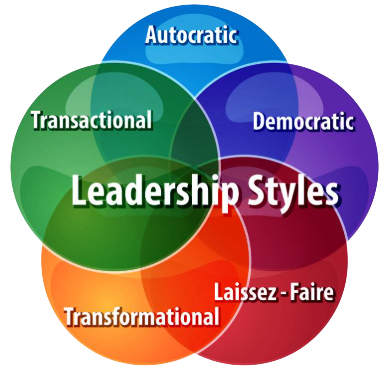
67. What is leadership style?
Ans:
- Leadership style is collaborative. Believe in teamwork and communication. To support team members. Encourage ideas and innovation.
- Take responsibility. To Guide the team effectively.Focus on achieving goals. Motivate others. Maintain transparency. Ensure a positive work environment
- Promote trust and mutual respect among team members. Help the team grow and succeed together.
68. How does stay updated with technology?
Ans:
Stay updated by reading articles and blogs. Follow technology trends. Take online courses. Practice coding regularly. Participate in discussions. Explore new tools attend webinars. Learn from peers. Apply new knowledge practically. stay curious and motivated and follow industry experts and communities. Continuously upgrade technical skills.
69. What Makes A Good Team Player?
Ans:
A Good Team Player Demonstrates Cooperation, Respect, And Effective Communication. Sharing Knowledge And Supporting Colleagues Helps Achieve Common Objectives. Reliability And Accountability Build Trust Within The Team. Active Listening Encourages Better Understanding And Collaboration. Flexibility Helps Adapt To Different Working Styles And Situations. Positive Attitudes Contribute To A Healthy Work Environment. Strong Teamwork Often Leads To Improved Productivity And Success.
70. What Is The Importance Of Communication In The Workplace?
Ans:
Communication Is Essential For Sharing Information Clearly And Accurately. Effective Communication Reduces Misunderstandings And Improves Collaboration. Strong Communication Skills Help Build Professional Relationships. Timely Information Exchange Supports Better Decision-Making Processes. Active Listening Encourages Understanding And Mutual Respect. Clear Communication Enhances Productivity And Team Performance. It Plays A Significant Role In Organizational Success.
71. How Does Adapt To Change?
Ans:
Adaptability Is Essential In Dynamic Work Environments And Evolving Industries. A Positive Attitude Towards Learning Helps Manage New Situations Effectively. Understanding The Benefits Of Change Encourages Acceptance And Growth. Flexibility Supports Smooth Transitions During Organizational Changes. Continuous Skill Development Enhances Confidence In New Responsibilities. Open-Mindedness Promotes Innovation And Better Problem-Solving. Adaptability Contributes To Long-Term Professional Success.
72. What Values Are Important In A Workplace?
Ans:
Integrity, Respect, And Professionalism Are Important Workplace Values. Ethical Behavior Builds Trust Among Colleagues And Stakeholders. Collaboration Encourages Team Success And Knowledge Sharing. Accountability Ensures Responsibilities Are Fulfilled Effectively. Continuous Learning Supports Growth And Innovation. Inclusiveness Creates A Positive And Productive Work Environment. Strong Values Contribute To Sustainable Organizational Success.
73. How Does Prioritize Multiple Tasks?
Ans:
Task Prioritization Involves Evaluating Urgency, Importance, And Deadlines. High-Priority Activities Should Receive Immediate Attention. Creating A Structured Plan Helps Organize Responsibilities Efficiently. Monitoring Progress Supports Timely Completion Of Tasks. Effective Prioritization Reduces Work Overload And Stress. Flexibility Allows Adjustments When New Requirements Arise. This Approach Improves Productivity And Work Quality.
74. What Have Academic Projects Taught?
Ans:
Academic Projects Provide Practical Exposure To Planning, Execution, And Collaboration. They Help Develop Problem-Solving And Analytical Thinking Skills. Team Activities Improve Communication And Coordination Abilities. Managing Deadlines Encourages Discipline And Responsibility. Research Activities Enhance Learning And Technical Understanding. Project Experiences Build Confidence In Handling Challenges. These Lessons Prepare Candidates For Professional Work Environments.
75. How Does Build Good Relationships At Work?
Ans:
Good Workplace Relationships Are Built Through Respect, Trust, And Professionalism. Effective Communication Encourages Better Understanding Among Colleagues. Active Listening Demonstrates Interest In Others’ Ideas And Opinions. Reliability Helps Establish Credibility And Confidence. Positive Attitudes Contribute To A Healthy Work Environment. Collaboration Strengthens Team Connections And Productivity. Strong Relationships Support Long-Term Professional Success.
76. What Is Professionalism?
Ans:
Professionalism Involves Demonstrating Responsibility, Integrity, And Respect In The Workplace. It Includes Maintaining Ethical Standards During Daily Activities. Professional Individuals Communicate Clearly And Behave Respectfully. Accountability Helps Ensure Tasks Are Completed Effectively. Time Management Supports Productivity And Reliability. Continuous Learning Reflects Commitment To Growth And Improvement. Professionalism Enhances Reputation And Career Development.
77. How Does Handle Disagreements In A Team?
Ans:
- Disagreements Should Be Addressed Through Respectful And Open Communication. Understanding Different Perspectives Helps Identify Common Ground.
- Focusing On Facts Rather Than Emotions Improves Discussions. Active Listening Encourages Better Collaboration And Understanding.
- Seeking Solutions That Benefit The Team Supports Progress. Professional Behavior Maintains Positive Relationships During Conflicts. Constructive Resolution Strengthens Team Effectiveness.
78. What Does Customer Satisfaction Mean?
Ans:
Customer Satisfaction Reflects The Ability To Meet Or Exceed Expectations Consistently. Understanding Customer Needs Helps Deliver Better Solutions. Quality Service Builds Trust And Long-Term Relationships. Prompt Responses Improve Customer Experiences And Confidence. Continuous Improvement Supports Higher Satisfaction Levels. Positive Customer Experiences Contribute To Organizational Success. Customer Satisfaction Is Essential For Sustainable Growth.
79. How Does Stay Organized?
Ans:
Organization Requires Proper Planning And Structured Task Management. Maintaining Schedules Helps Ensure Timely Completion Of Activities. Prioritization Supports Efficient Use Of Available Resources. Tracking Progress Improves Productivity And Accountability. Organized Approaches Reduce Errors And Missed Deadlines. Consistency Helps Maintain High Standards Of Performance. Strong Organizational Skills Contribute To Workplace Success.
80. What Is The Importance Of Integrity?
Ans:
Integrity Involves Honesty, Ethics, And Consistency In Actions. It Builds Trust Among Colleagues, Customers, And Organizations. Ethical Decisions Support Long-Term Professional Success. Integrity Encourages Accountability And Transparency. Respect For Rules And Standards Strengthens Workplace Culture. Honest Behavior Enhances Reputation And Credibility. Integrity Is A Fundamental Value In Every Profession.
81. How Does Learn New Things Quickly?
Ans:
Learning New Things Requires Curiosity, Dedication, And Consistent Practice. Research Helps Build Foundational Understanding Of New Topics. Active Participation Improves Knowledge Retention And Application. Seeking Guidance From Experienced Individuals Enhances Learning. Practical Experience Reinforces Concepts And Skills. Continuous Improvement Encourages Adaptability And Growth. Effective Learning Supports Career Advancement.
82. What Inspires To Perform Better?
Ans:
Personal Growth And Achievement Serve As Strong Sources Of Inspiration. Challenging Opportunities Encourage Skill Development And Learning. Recognition For Good Performance Increases Motivation. Positive Contributions To Team Success Create Satisfaction. Continuous Improvement Helps Maintain Enthusiasm And Focus. Learning From Successful Individuals Provides Valuable Insights. Inspiration Drives Consistent Effort And Professional Excellence.
83. What is professionalism?
Ans:
Professionalism means maintaining proper behavior at work. It includes discipline and responsibility. It involves respect for others. It ensures ethical conduct. It reflects commitment to work. It improves workplace relationships. It builds trust. It enhances reputation. It requires punctuality. It promotes positive attitude. It ensures high-quality performance. It supports career growth..
84.What is work ethics?
Ans:
Work ethics refers to moral principles at work. It includes honesty and integrity. It ensures responsibility. It promotes dedication. It builds trust among employees. It improves work quality. It encourages discipline. It supports teamwork. It ensures accountability. It maintains professionalism. It leads to long-term success. It strengthens organizational values.
85. What is decision-making?
Ans:
- Decision-making is the process of choosing the best option. It involves analyzing situations. It requires logical thinking.
- It considers possible outcomes. It helps solve problems. It improves efficiency. It requires responsibility. It ensures effective results
- It involves evaluating risks. It supports goal achievement. It is essential in leadership. It improves productivity.
86. What Makes Different From Other Candidates?
Ans:
A Combination Of Learning Ability, Adaptability, And Dedication Creates Unique Strengths. Strong Communication Supports Effective Collaboration And Understanding. A Positive Attitude Encourages Growth And Continuous Improvement. Willingness To Accept Challenges Helps Build Valuable Experience. Focus On Quality Ensures Reliable Performance And Results. Commitment To Professional Development Supports Long-Term Success. These Qualities Contribute To Organizational Value And Achievement.
87. What is innovation?
Ans:
- Innovation means creating new ideas or improving existing ones. It helps solve problems creatively. It improves efficiency.
- It drives growth. It encourages thinking differently. It supports development. It adds value to work. It enhances competitiveness.
- It is important in technology. It leads to better solutions. It promotes continuous improvement. It supports business success.
88. How does ensure quality in work?
Ans:
To ensure quality by paying attention to details. Follow best practices. Review my work. Test results carefully. To avoid errors. Seek feedback. Improve continuously. Maintain standards. Focus on accuracy. Meet requirements. Deliver reliable results. Ensure high-quality output.
89. What is accountability?
Ans:
Accountability means taking responsibility for actions. It ensures ownership of work. It builds trust. It improves performance. It promotes discipline. It ensures transparency. It encourages reliability. It supports teamwork. It leads to better results. It reflects professionalism. It strengthens credibility. It improves overall efficiency.
90. How does contribute to a company’s growth?
Ans:
An Employee Contributes To A Company’s Growth By Performing Assigned Responsibilities Efficiently And Consistently. High-Quality Work Helps Improve Productivity, Customer Satisfaction, And Overall Business Performance. Strong Communication And Teamwork Support Better Collaboration Across Departments. Continuous Learning And Skill Development Enable Adaptation To New Technologies And Business Requirements.
91.What is customer satisfaction?
Ans:
- Customer satisfaction means meeting customer expectations. It ensures quality service. It builds trust. It improves business relationships.
- It leads to repeat customers. It enhances reputation. It requires understanding customer needs. It ensures timely delivery.
- It supports growth. It increases loyalty. It is key to success. It improves brand value
92. What Is The Importance Of A Positive Attitude?
Ans:
A Positive Attitude Helps Maintain Motivation And Productivity During Daily Activities. It Encourages Better Relationships With Colleagues And Customers. Positive Thinking Supports Effective Problem-Solving And Decision-Making. Challenges Can Be Managed More Efficiently With Optimism And Confidence. A Positive Approach Improves Team Morale And Collaboration. It Also Encourages Continuous Learning And Adaptability. This Quality Contributes Significantly To Workplace Succes
93. What Is The Role Of Trust In The Workplace?
Ans:
Trust Is Essential For Building Strong Professional Relationships And Teamwork. It Encourages Open Communication And Transparency Among Team Members. Trust Helps Improve Collaboration And Workplace Efficiency. Reliable Behavior Strengthens Confidence Between Colleagues And Management. A Trustworthy Environment Supports Innovation And Knowledge Sharing. Employees Feel More Comfortable Contributing Ideas And Feedback. Trust Creates A Positive And Productive Workplace Culture.
94. What Is The Importance Of Adaptability In The Workplace?
Ans:
Adaptability Helps Employees Respond Effectively To Changing Business Requirements. It Supports Learning New Skills And Technologies Quickly. Flexible Individuals Can Handle Unexpected Challenges More Efficiently. Adaptability Encourages Innovation And Continuous Improvement. It Improves Collaboration In Diverse Work Environments. Organizations Value Employees Who Adjust Positively To Change. This Quality Supports Long-Term Career Growth And Success.
95. What Is The Importance Of Accountability?
Ans:
Accountability Means Taking Responsibility For Actions, Decisions, And Results. It Encourages Professionalism And Reliability In The Workplace. Accountable Individuals Complete Tasks Efficiently And On Time. This Quality Builds Trust Among Team Members And Management. Accountability Helps Improve Performance And Decision-Making. Learning From Mistakes Supports Continuous Development. It Is Essential For Individual And Organizational Success.
96.Why Is Continuous Learning Important?
Ans:
Continuous Learning Helps Maintain Relevance In A Changing Industry. It Supports Skill Development And Professional Advancement. New Knowledge Improves Problem-Solving And Decision-Making Abilities. Learning Encourages Innovation And Adaptability. Organizations Benefit From Employees Who Continuously Improve Their Capabilities. Professional Growth Creates New Career Opportunities. Continuous Learning Is Essential For Long-Term Success.
97. What Does Commitment Mean?
Ans:
Commitment Involves Dedication Towards Responsibilities And Goals. It Requires Consistent Effort And A Strong Work Ethic. Committed Individuals Focus On Delivering Quality Results. Reliability And Accountability Reflect Professional Commitment. Challenges Are Viewed As Opportunities For Growth And Learning. Commitment Supports Team Success And Organizational Objectives. This Quality Is Important For Career Progression.
98. How Does Handle Repetitive Tasks?
Ans:
Repetitive Tasks Require Consistency, Accuracy, And Attention To Detail. Maintaining Focus Helps Ensure High-Quality Results. Proper Planning Prevents Errors And Improves Efficiency. A Positive Attitude Supports Sustained Productivity. Identifying Better Methods Can Improve Task Execution. Repetitive Work Often Contributes To Larger Organizational Objectives. Professionalism Ensures Effective Completion Of Such Responsibilities.
99. What Is The Importance Of Respect In The Workplace?
Ans:
Respect Promotes Positive Relationships And Effective Collaboration. It Encourages Open Communication And Understanding Among Employees. Respectful Behavior Creates A Healthy Work Environment. Different Opinions And Perspectives Are Valued Through Mutual Respect. This Quality Helps Reduce Workplace Conflicts. Respect Strengthens Trust And Team Cohesion. A Respectful Culture Supports Organizational Success.
100. What Does Work-Life Balance Mean?
Ans:
- Work-Life Balance Refers To Managing Professional And Personal Responsibilities Effectively. A Balanced Approach Supports Productivity And Well-Being.
- Proper Time Management Helps Maintain Stability. Personal Activities Contribute To Motivation And Energy Levels.
- Balance Reduces Stress And Improves Performance. Healthy Habits Support Long-Term Professional Success. Work-Life Balance Encourages Sustainable Growth.

![Top Informatica Interview Questions & Answers – [UPDATED] Interview Question](https://www.acte.in/wp-content/uploads/2020/05/4-img-acte-1-400x218.jpeg)