LMS

Last updated on 07th Sep 2026| 6941

Amazon AWS Interview Questions And Selection Process Covers The Technical, Problem-Solving, Cloud Computing, And Behavioral Skills Commonly Evaluated During AWS-Related Hiring. AWS Roles Can Involve Services Such As EC2, S3, IAM, VPC, RDS, Lambda, CloudFormation, CloudWatch, And Other Cloud Technologies. The AWS Hiring Process Generally Includes An Online Application, Assessments, Phone Or Technical Screening, And Interview Rounds, Although The Exact Process Varies By Role..
1. What Is AWS?
Ans:
Amazon Web Services Is A Cloud Computing Platform Provided By Amazon That Offers Infrastructure, Platform, And Software Services Over The Internet. It Provides Services For Computing, Storage, Databases, Networking, Security, Analytics, And Application Development. AWS Allows Organizations To Provision Resources Without Purchasing And Maintaining Physical Hardware. It Supports Flexible Resource Scaling Based On Application Requirements And Workloads. AWS Uses A Pay-As-You-Go Pricing Model For Many Of Its Services. It Helps Organizations Build, Deploy, And Manage Applications In A Scalable Cloud Environment.
2. What Are The Main Services In AWS?
Ans:
AWS Provides A Wide Range Of Cloud Services Designed To Support Different IT And Business Requirements. Amazon EC2 Provides Virtual Computing Capacity For Hosting Applications And Workloads. Amazon S3 Provides Scalable Object Storage For Files, Backups, And Application Data. Amazon RDS Provides Managed Relational Database Services For Different Database Engines. Amazon VPC Provides Networking And Isolation For AWS Resources Within A Cloud Environment. These Services Can Be Combined To Build Secure, Scalable, And Highly Available Applications.
3. What Is Amazon EC2?
Ans:
Amazon EC2 Is A Cloud Computing Service That Provides Resizable Virtual Servers For Running Applications. It Allows Organizations To Select Instance Types Based On CPU, Memory, Storage, And Networking Requirements. EC2 Instances Can Run Operating Systems Such As Linux Or Windows Server. Instances Can Be Started, Stopped, Rebooted, Resized, And Terminated According To Application Needs. EC2 Supports Security Groups, Key Pairs, Elastic IP Addresses, And Auto Scaling Features. It Helps Organizations Deploy Applications Without Maintaining Physical Servers.
4. What Is Amazon S3?
Ans:
Amazon S3 Is An Object Storage Service Used To Store And Retrieve Large Amounts Of Data In The AWS Cloud. Data Is Stored As Objects Inside Containers Called Buckets. S3 Can Store Documents, Images, Videos, Backups, Logs, And Application Files. It Provides Features Such As Versioning, Lifecycle Management, Encryption, And Access Control. S3 Is Designed For High Durability And Can Store Data At Large Scale. It Is Commonly Used For Backup, Data Lakes, Static Website Content, And Application Storage.
5. What Is Amazon VPC?
Ans:
- Amazon VPC Is A Virtual Networking Service That Allows Resources To Run Inside A Logically Isolated Network. It Provides Control Over IP Address Ranges, Subnets, Route Tables, And Network Connectivity.
- A VPC Can Contain Public And Private Subnets For Different Application Components. Internet Gateways, NAT Gateways, And Network Security Controls Can Be Used To Manage Connectivity.
- VPC Security Groups And Network ACLs Help Control Network Traffic. It Allows Organizations To Design Secure And Customized Network Architectures In AWS.
6. What Is An AWS Region?
Ans:
- An AWS Region Is A Geographic Area That Contains Multiple Isolated Availability Zones For Hosting AWS Infrastructure. Each Region Is Located In A Different Geographic Area To Support Performance, Compliance, And Disaster Recovery Requirements.
- Organizations Can Select A Region Based On Data Residency, Latency, Cost, And Service Availability. Resources Created In One Region Are Generally Independent Of Resources In Another Region.
- Using Multiple Regions Can Improve Business Continuity And Disaster Recovery Capabilities. AWS Regions Help Organizations Deploy Applications Closer To Their Users And Data.
7. What Is An Availability Zone?
Ans:
An Availability Zone Is An Isolated Location Within An AWS Region That Contains One Or More Data Centers. Availability Zones Are Designed With Independent Power, Cooling, And Networking Infrastructure. Multiple Availability Zones Within A Region Help Applications Achieve Higher Availability And Fault Tolerance. Applications Can Distribute Servers And Databases Across Different Availability Zones. If One Availability Zone Experiences A Failure, Workloads In Another Zone Can Continue Operating. Availability Zones Are Commonly Used To Design Highly Available AWS Architectures.
8. What Is AWS IAM?
Ans:
AWS Identity And Access Management Is A Service Used To Control Access To AWS Resources And Services. IAM Allows Organizations To Create Users, Groups, Roles, And Policies For Managing Permissions. Permissions Determine Which AWS Resources Users Or Applications Can Access And Which Actions They Can Perform. IAM Supports Security Features Such As Multi-Factor Authentication And Temporary Credentials. Roles Can Be Assigned To AWS Services And Applications Without Sharing Long-Term Access Keys. IAM Helps Organizations Implement Least-Privilege Access And Improve Cloud Security.
9. What Is An IAM Role?
Ans:
An IAM Role Is An AWS Identity That Provides Temporary Permissions To Users, Applications, Or AWS Services. Unlike An IAM User, A Role Does Not Have Permanent Credentials Such As A Password Or Access Key. Roles Can Be Assumed By EC2 Instances, Lambda Functions, Users, Or Other Trusted Entities. Permissions Are Assigned To Roles Through IAM Policies. Using Roles Reduces The Need To Store Long-Term Credentials Inside Applications. IAM Roles Are Commonly Used For Secure Service-To-Service Access In AWS.
10. What Is An IAM Policy?
Ans:
An IAM Policy Is A Document That Defines Permissions For Accessing AWS Resources And Performing Specific Actions. Policies Can Specify Which Actions Are Allowed Or Denied For Particular Resources. Policies Can Be Attached To IAM Users, Groups, And Roles. AWS Provides Managed Policies While Organizations Can Also Create Custom Policies. Permissions Should Generally Follow The Principle Of Least Privilege. IAM Policies Help Control And Audit Access To AWS Services And Resources.
11. What Is Amazon RDS?
Ans:
- Amazon RDS Is A Managed Relational Database Service That Simplifies The Deployment And Administration Of Databases. It Supports Database Engines Such As MySQL, PostgreSQL, MariaDB, Oracle, And SQL Server.
- RDS Handles Many Administrative Tasks Such As Backups, Patching, Monitoring, And Infrastructure Provisioning. It Supports Features Such As Multi-AZ Deployments, Read Replicas, And Automated Backups.
- Database Resources Can Be Scaled Based On Application Requirements. RDS Helps Organizations Run Relational Databases Without Managing The Underlying Physical Infrastructure.
12. What Is Amazon DynamoDB?
Ans:
Amazon DynamoDB Is A Fully Managed NoSQL Database Service Designed For Fast And Predictable Performance At Scale. It Stores Data Using Tables, Items, And Attributes Instead Of Traditional Relational Rows And Columns. DynamoDB Supports Key-Value And Document Data Models For Different Application Requirements. It Can Automatically Scale Capacity Based On Workload Configuration And Traffic Patterns. The Service Provides Built-In High Availability And Low-Latency Data Access. DynamoDB Is Commonly Used For Serverless Applications, Gaming, Mobile Applications, And High-Traffic Systems..
13. What Is AWS Lambda?
Ans:
AWS Lambda Is A Serverless Compute Service That Runs Code Without Requiring Users To Manage Servers. Functions Are Executed In Response To Events Generated By AWS Services Or Applications. Lambda Automatically Handles The Required Compute Capacity Based On The Number Of Requests. It Supports Programming Languages Such As Python, Java, JavaScript, And Several Others. Users Generally Pay Based On Function Invocations And Compute Duration. Lambda Is Commonly Used For APIs, Automation, Data Processing, And Event-Driven Applications.
14. What Is Amazon CloudWatch?
Ans:
Amazon CloudWatch Is A Monitoring And Observability Service Used To Monitor AWS Resources, Applications, And Operational Activity. It Collects Metrics, Logs, Events, And Other Monitoring Information From Different AWS Services. CloudWatch Alarms Can Trigger Actions When Specific Metrics Cross Defined Thresholds. Logs Can Be Stored And Analyzed To Troubleshoot Application And Infrastructure Problems. Dashboards Can Be Created To Display Important Operational Metrics In One Place. CloudWatch Helps Organizations Monitor Performance, Detect Issues, And Maintain Application Reliability..
15. What Is AWS CloudTrail?
Ans:
- AWS CloudTrail Is A Service Used To Record And Monitor API Activity Within An AWS Account. It Captures Information About Actions Performed By Users, Applications, And AWS Services.
- CloudTrail Events Can Include Details About Who Performed An Action, What Action Was Performed, And When It Occurred. The Records Can Help Investigate Security Events, Operational Changes, And Compliance Requirements.
- CloudTrail Logs Can Be Delivered To Amazon S3 And Integrated With Other AWS Monitoring Services. It Provides An Important Audit Trail For Activities Across AWS Resources.
16. What Is Amazon Cloud Front?
Ans:
Amazon Cloud Front Is A Content Delivery Network Service Used To Deliver Applications, Websites, Videos, And Other Content With Lower Latency. It Uses A Global Network Of Edge Locations To Serve Content Closer To End Users. Cloud Front Can Cache Frequently Requested Content At Edge Locations To Reduce Requests To The Origin Server. It Can Use Amazon S3, EC2, Load Balancers, And Other Origins For Content Delivery. Cloud Front Supports Security Features Such As HTTPS, Access Controls, And Integration With AWS WAF. It Helps Improve Application Performance, Availability, And Global Content Delivery.
17. What Is Amazon Route 53?
Ans:
Amazon Route 53 Is A Highly Available And Scalable Domain Name System Service Provided By AWS. It Translates Domain Names Into IP Addresses So Users Can Access Applications Using Human-Readable Names. Route 53 Supports Domain Registration, DNS Routing, And Health Checking Features. Different Routing Policies Can Direct Users Based On Factors Such As Location, Latency, Or Application Health. It Can Be Integrated With Services Such As CloudFront, Elastic Load Balancing, And S3. Route 53 Helps Organizations Manage Reliable Domain Resolution And Application Traffic Routing.
18. What Is Elastic Load Balancing?
Ans:
- Elastic Load Balancing Is An AWS Service Used To Distribute Incoming Application Traffic Across Multiple Targets. Targets Can Include EC2 Instances, Containers, IP Addresses, And Lambda Functions Depending On The Load Balancer Type.
- Load Balancers Can Perform Health Checks To Avoid Sending Traffic To Unhealthy Targets. They Help Improve Application Availability, Scalability, And Fault Tolerance.
- AWS Provides Load Balancer Types Such As Application Load Balancer, Network Load Balancer, And Gateway Load Balancer. Elastic Load Balancing Is Commonly Used In Highly Available Application Architectures.
19. What Is Auto Scaling?
Ans:
AWS Auto Scaling Is A Capability Used To Automatically Adjust Computing Resources Based On Application Demand. EC2 Auto Scaling Groups Can Add Or Remove Instances According To Configured Policies And Conditions. Scaling Can Be Based On Metrics Such As CPU Utilization, Request Count, Or Custom CloudWatch Metrics. Auto Scaling Helps Maintain Application Performance During Increasing Or Decreasing Workloads. It Can Also Reduce Infrastructure Costs By Removing Unnecessary Capacity. Auto Scaling Is Commonly Combined With Elastic Load Balancing For Highly Available Applications.
20. What Is Amazon EBS?
Ans:
- Amazon Elastic Block Store Is A Block Storage Service Designed For Use With Amazon EC2 Instances. EBS Volumes Provide Persistent Storage That Remains Available Independently Of The Lifecycle Of An EC2 Instance.
- Different Volume Types Are Available To Support General-Purpose, High-Performance, And Throughput-Oriented Workloads.
- EBS Volumes Can Be Snapshotted For Backup And Disaster Recovery Purposes. Volumes Can Also Be Resized And Modified Based On Application Requirements
21. What Is Amazon EFS?
Ans:
Amazon Elastic File System Is A Managed File Storage Service That Provides Shared File-System Access For AWS Resources. Multiple EC2 Instances Can Access The Same EFS File System At The Same Time. EFS Automatically Scales Storage Capacity As Files Are Added Or Removed. It Uses A Standard File-System Interface That Can Be Mounted By Compatible Compute Resources. EFS Is Useful For Shared Application Data, Content Management, And File-Based Workloads. It Removes The Need To Manually Provision And Manage Traditional File Servers.
22. What Is The Difference Between EBS And EFS?
Ans:
| Aspect | EBS | EFS |
|---|---|---|
| Storage Type | Provides Block Storage For EC2 Instances | Provides Managed File Storage For Shared Access. |
| Access | Typically Used By An EC2 Instance As Attached Storage. | Can Be Accessed By Multiple EC2 Instances At The Same Time. |
| Availability | An EBS Volume Is Associated With A Specific Availability Zone. | EFS Can Provide Shared File-System Access Across Multiple Availability Zones. |
| Common Usage | Commonly Used For Operating Systems, Databases, And Application Storage. | Commonly Used For Shared Files, Content Management, And File-Based Applications. |
23. What Is The Difference Between S3 And EBS?
Ans:
Amazon S3 Is An Object Storage Service Used To Store Files And Objects In Buckets. Amazon EBS Is A Block Storage Service Primarily Used As Persistent Storage For EC2 Instances. S3 Data Is Accessed Through APIs And Object-Based Operations Rather Than A Traditional File System. EBS Provides Storage That Can Be Mounted And Used By Operating Systems And Applications. S3 Is Commonly Used For Backups, Media, Logs, And Data Lakes. EBS Is Commonly Used For Operating Systems, Databases, And Application Files Requiring Block Storage.
24. What Is Amazon S3 Versioning?
Ans:
- Amazon S3 Versioning Is A Feature That Maintains Multiple Versions Of Objects Stored In An S3 Bucket. It Helps Protect Data From Accidental Deletion Or Overwriting.
- When An Object Is Updated, S3 Can Preserve The Previous Version Instead Of Permanently Replacing It. Previous Versions Can Be Retrieved Or Restored When Necessary.
- Versioning Can Be Combined With Lifecycle Rules To Manage Older Versions Automatically. It Is Useful For Data Recovery, Backup Protection, And Maintaining Object History.
25. What Is S3 Lifecycle Management?
Ans:
S3 Lifecycle Management Allows Organizations To Automatically Transition Or Delete Objects Based On Defined Rules. Objects Can Be Moved From Frequently Accessed Storage Classes To Lower-Cost Storage Classes Over Time. Lifecycle Rules Can Also Permanently Delete Objects Or Older Object Versions After A Specific Period. This Helps Optimize Storage Costs For Data With Changing Access Patterns. Rules Can Be Applied To Objects Based On Prefixes, Tags, Or Other supported criteria. Lifecycle Management Is Useful For Backups, Logs, Archives, And Long-Term Data Retention.
26. What Are S3 Storage Classes?
Ans:
Amazon S3 Storage Classes Are Designed To Support Different Data Access Patterns, Availability Requirements, And Cost Considerations. S3 Standard Is Suitable For Frequently Accessed Data That Requires High Availability And Performance. S3 Intelligent-Tiering Automatically Moves Data Between Access Tiers Based On Changing Access Patterns. S3 Standard-IA And One Zone-IA Are Designed For Data That Is Accessed Less Frequently. Glacier Storage Classes Are Intended For Long-Term Archival And Infrequently Accessed Data. Selecting An Appropriate Storage Class Helps Balance Performance, Availability, And Storage Costs.
27. What Is AWS Security Group?
Ans:
An AWS Security Group Is A Virtual Firewall That Controls Network Traffic For Supported AWS Resources. Security Groups Primarily Control Inbound And Outbound Traffic At The Resource Level. Rules Can Specify Protocols, Ports, And Allowed Source Or Destination Addresses. Security Groups Are Stateful, Meaning Return Traffic For An Allowed Connection Is Automatically Permitted. Multiple Security Groups Can Be Associated With Certain AWS Resources Such As EC2 Instances. They Help Protect Applications By Restricting Unnecessary Network Access.
28. What Is A Network ACL?
Ans:
A Network Access Control List Is A Network-Level Security Mechanism Used To Control Traffic Entering Or Leaving A VPC Subnet. NACL Rules Can Allow Or Deny Traffic Based On Protocols, Ports, And IP Addresses. Unlike Security Groups, Network ACLs Are Stateless And Require Rules For Both Directions Of Traffic. NACLs Are Associated With Subnets Rather Than Individual EC2 Instances. They Can Provide An Additional Layer Of Network Security For Applications. NACLs Are Often Used Alongside Security Groups In Layered Network Protection.
29. What Is AWS CloudFormation??
Ans:
- AWS CloudFormation Is An Infrastructure-As-Code Service Used To Create And Manage AWS Resources Through Templates. Resources Such As EC2 Instances, VPCs, IAM Roles, And Databases Can Be Defined In A Template.
- CloudFormation Creates Resources According To The Desired Configuration Specified In The Template. It Can Also Update Or Delete Resources As The Infrastructure Definition Changes.
- Templates Help Make Infrastructure Deployments Repeatable And Consistent Across Environments. CloudFormation Is Commonly Used For Automation, Standardization, And Infrastructure Management.
30. What Is Infrastructure As Code In AWS?
Ans:
Infrastructure As Code Is An Approach That Uses Configuration Files Or Templates To Define And Manage Cloud Infrastructure. Instead Of Creating Resources Manually, Infrastructure Can Be Provisioned Through Automated Tools And Repeatable Configurations. AWS Supports Infrastructure-As-Code Tools Such As CloudFormation And Also Works With Tools Such As Terraform. IaC Helps Maintain Consistency Between Development, Testing, And Production Environments. It Also Supports Version Control, Automation, Auditing, And Faster Infrastructure Deployment. Infrastructure As Code Helps Reduce Manual Errors And Simplifies Large-Scale Cloud Management.
31. What Is Amazon ECS?
Ans:
Amazon Elastic Container Service Is A Managed Container Orchestration Service Used To Run And Manage Containerized Applications. ECS Can Run Containers Using AWS Fargate Or EC2-Based Infrastructure. Fargate Allows Containers To Run Without Directly Managing The Underlying Servers. ECS Supports Features Such As Task Definitions, Services, Clusters, Load Balancing, And Auto Scaling. It Integrates With Other AWS Services For Networking, Security, Monitoring, And Storage. ECS Helps Organizations Deploy And Operate Container-Based Applications Efficiently.
32. What Is Amazon EKS?
Ans:
Amazon Elastic Kubernetes Service Is A Managed Kubernetes Service Provided By AWS. It Allows Organizations To Run Kubernetes-Based Container Applications Without Managing The Entire Kubernetes Control Plane. EKS Integrates With AWS Networking, IAM, Load Balancing, Storage, And Monitoring Services. Applications Can Be Deployed Across Multiple Availability Zones For Improved Availability. EKS Supports Both Managed Node Groups And Serverless Compute Options Through AWS Fargate. It Is Commonly Used For Scalable Containerized Applications And Kubernetes-Based Workloads.
33. What Is Docker In AWS?
Ans:
- Docker Is A Container Technology Used To Package Applications And Their Dependencies Into Portable Container Images. AWS Provides Several Services That Can Build, Store, Deploy, And Run Docker Containers.
- Amazon ECR Can Store Docker Container Images In Private Or Public Repositories. ECS And EKS Can Be Used To Run Docker-Based Containers In Managed Environments.
- Containers Provide Consistent Application Execution Across Development, Testing, And Production. Docker And AWS Together Support Scalable And Portable Application Deployment.
34. What Is Amazon ECR?
Ans:
Amazon Elastic Container Registry Is A Managed Container Image Registry Service Provided By AWS. It Allows Organizations To Store, Manage, And Deploy Container Images For Application Workloads. ECR Can Store Docker And Other OCI-Compatible Container Images In Repositories. It Integrates With Services Such As ECS, EKS, And AWS CodeBuild. Access To Repositories Can Be Controlled Through IAM Permissions And Repository Policies. ECR Helps Organizations Securely Manage Container Images Throughout The Application Deployment Lifecycle.
35. What Is AWS Fargate?
Ans:
AWS Fargate Is A Serverless Compute Engine Designed To Run Containers Without Managing Underlying EC2 Servers. It Can Be Used With Services Such As Amazon ECS And Amazon EKS. Users Define Container Requirements Such As CPU, Memory, Networking, And Storage. AWS Manages The Infrastructure Required To Run The Containers. Fargate Automatically Provides The Required Compute Environment For Container Tasks And Pods. It Helps Simplify Container Operations By Reducing Server Management Responsibilities.
36. What Is Amazon Aurora?
Ans:
- Amazon Aurora Is A Managed Relational Database Engine Designed For High Performance And Availability. It Is Compatible With MySQL And PostgreSQL Database Technologies.
- Aurora Separates Database Compute From Its Distributed Storage Architecture To Support Scalability And Resilience. It Provides Features Such As Automated Backups, Replication, Failover, And Monitoring.
- Aurora Can Automatically Grow Storage Capacity Based On Database Requirements. It Is Commonly Used For Enterprise Applications That Require Managed Relational Database Performance And Availability.
37. What Is Amazon Redshift?
Ans:
Amazon Redshift Is A Fully Managed Cloud Data Warehouse Designed For Large-Scale Analytics And Business Intelligence Workloads. It Uses A Columnar Storage Architecture To Improve Query Performance For Analytical Operations. Redshift Can Process Large Volumes Of Structured And Semi-Structured Data. It Integrates With AWS Data Lake And Analytics Services For Data Processing And Reporting. Workloads Can Be Scaled Based On Performance And Capacity Requirements. Redshift Helps Organizations Perform Complex Analytical Queries And Generate Business Insights.
38. What Is Amazon Athena?
Ans:
Amazon Athena Is A Serverless Interactive Query Service Used To Analyze Data Stored In Amazon S3. It Uses SQL To Query Structured, Semi-Structured, And Unstructured Data Without Requiring A Dedicated Database Server. Athena Can Work With Formats Such As CSV, JSON, Parquet, And ORC. It Is Commonly Used For Log Analysis, Data Exploration, And Data Lake Queries. Since It Is Serverless, Infrastructure Management Is Not Required For Running Queries. Athena Helps Analyze Large S3 Datasets Efficiently Using Standard SQL.
39. What Is AWS Glue?
Ans:
AWS Glue Is A Serverless Data Integration And ETL Service Used To Discover, Transform, And Load Data. It Provides A Data Catalog That Stores Metadata About Data Sources And Tables. Glue Crawlers Can Automatically Discover Data Structures From Supported Data Stores. Glue Jobs Can Transform Data And Move It Between Different Sources And Destinations. It Integrates With Services Such As S3, Athena, Redshift, And Other AWS Data Services. AWS Glue Helps Organizations Build Scalable Data Processing And Analytics Pipelines.
40. What Is Amazon Kinesis?
Ans:
Amazon Kinesis Is A Collection Of AWS Services Designed To Collect, Process, And Analyze Streaming Data In Real Time. It Can Handle Data Generated By Applications, Devices, Websites, And Operational Systems. Kinesis Data Streams Allows Continuous Streaming Data To Be Collected And Processed By Applications. Kinesis Data Firehose Can Deliver Streaming Data To Destinations Such As S3 And Redshift. Kinesis Data Analytics Can Be Used To Analyze Streaming Data In Real Time. It Is Useful For Monitoring, IoT, Log Processing, And Real-Time Analytics Applications.

Get JOB AWS Training for Beginners By MNC Experts
- Instructor-led Sessions
- Real-life Case Studies
- Assignments
41. What Is Amazon SNS?
Ans:
Amazon Simple Notification Service Is A Managed Messaging Service Used To Send Notifications And Messages To Multiple Subscribers. SNS Supports Communication Through Topics That Can have Multiple Subscribers. Messages Can Be Delivered To Services Such As SQS, Lambda, HTTP Endpoints, Email, And Other Destinations. Publishers Send Messages To A Topic Instead Of Communicating Directly With Every Subscriber. This Provides A Flexible Publish-Subscribe Communication Model. SNS Is Commonly Used For Alerts, Notifications, Event Broadcasting, And Application Integration.
42. What Is Amazon SQS?
Ans:
- Amazon Simple Queue Service Is A Managed Message Queuing Service Used To Decouple Application Components.
- Messages Can Be Placed In A Queue By A Producer And Retrieved Later By A Consumer. This Allows Different Application Components To Operate Independently Without Requiring Immediate Communication.
- SQS Provides Standard And FIFO Queue Options For Different Messaging Requirements. Messages Can Remain In A Queue Until They Are Successfully Processed Or Their Retention Period Expires.
43. What Is The Difference Between SNS And SQS?
Ans:
| Aspect | SNS | SQS |
|---|---|---|
| Purpose | Used For Publishing And Delivering Messages To Multiple Subscribers. | Used For Storing Messages In A Queue Until They Are Processed. |
| Communication Model | Follows A Publish-Subscribe Messaging Model. | Follows A Queue-Based Messaging Model. |
| Message Delivery | One Message Can Be Delivered To Multiple Subscribers Or Services. | Messages Are Retrieved And Processed By Consumers From The Queue. |
| Common Use | Used For Notifications, Alerts, And Event Broadcasting. | Used For Application Decoupling, Asynchronous Processing, And Reliable Message Handling. |
44. What Is AWS API Gateway?
Ans:
- Amazon API Gateway Is A Managed Service Used To Create, Publish, Secure, Monitor, And Manage APIs. It Can Handle HTTP And RESTful API Requests From Applications And Clients.
- API Gateway Can Integrate With Services Such As Lambda, EC2, And Other backend Applications. It Supports Features Such As Authentication, Authorization, Throttling, Monitoring, And Request Management.
- APIs Can Be Designed To Support Serverless And Traditional Application Architectures. API Gateway Helps Organizations Expose Application Functionality Through Secure And Scalable APIs.
45. What Is Serverless Computing?
Ans:
Serverless Computing Is A Cloud Execution Model Where Infrastructure Management Is Handled By The Cloud Provider. Developers Focus Primarily On Application Code Instead Of Provisioning And Maintaining Servers. AWS Lambda Is A Common Example Of A Serverless Compute Service. Serverless Architectures Can Automatically Scale Based On Application Events And Requests. Organizations Typically Pay For The Compute Resources Used During Function Execution. Serverless Computing Helps Reduce Operational Overhead And Supports Event-Driven Application Development.
46. What Is AWS Elastic Beanstalk?
Ans:
AWS Elastic Beanstalk Is A Platform Service That Simplifies Application Deployment And Management. Developers Can Upload Application Code While AWS Handles Many Infrastructure Tasks Automatically. Elastic Beanstalk Can Provision Resources Such As EC2 Instances, Load Balancers, Auto Scaling Groups, And Monitoring Components. It Supports Several Popular Programming Languages And Application Platforms. Developers Can Configure Environment Settings Without Managing Every Infrastructure Component Manually. Elastic Beanstalk Helps Simplify Application Deployment While Still Providing Control Over AWS Resources.
47. What Is AWS CodeCommit?
Ans:
AWS CodeCommit Is A Managed Source Control Service That Provides Private Git-Based Repositories. It Allows Development Teams To Store, Manage, And Collaborate On Application Source Code. CodeCommit Integrates With Other AWS Developer Tools And Continuous Delivery Services. Repository Access Can Be Controlled Through IAM Permissions. Teams Can Use Standard Git Commands To Clone, Commit, Push, And Pull Code. CodeCommit Helps Organizations Maintain Secure And Centralized Source Code Repositories.
48. What Is AWS CodeBuild?
Ans:
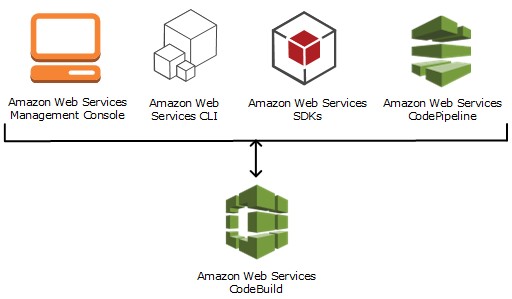
- AWS CodeBuild Is A Fully Managed Build Service Used To Compile Source Code, Run Tests, And Produce Deployable Software Packages. It Can Retrieve Source Code From Supported Repository And Storage Services.
- Build Instructions Can Be Defined Through Configuration Files Such As Buildspec. CodeBuild Automatically Provides The Required Compute Environment For Build Jobs.
- It Can Scale Build Capacity Based On The Number Of Build Requests. CodeBuild Is Commonly Used As A Component Of AWS CI/CD Pipelines.
49. What Is AWS CodeDeploy?
Ans:
AWS CodeDeploy Is A Managed Deployment Service Used To Automate Application Deployments To Supported Compute Environments. It Can Deploy Applications To EC2 Instances, On-Premises Servers, Lambda Functions, And ECS Services. CodeDeploy Supports Deployment Strategies That Can Help Reduce Application Downtime. Deployment Configurations Can Control How New Application Versions Are Released. Automated Rollback Features Can Help Recover From Failed Deployments. CodeDeploy Helps Standardize And Automate Application Release Processes.
50. What Is AWS CodePipeline?
Ans:
- AWS CodePipeline Is A Continuous Delivery Service Used To Automate Application Release Workflows. It Can Connect Source Control, Build, Testing, Approval, And Deployment Stages Into A Pipeline.
- CodePipeline Can Integrate With Services Such As CodeCommit, CodeBuild, CodeDeploy, And External Tools.
- Changes To Source Code Can Automatically Trigger The Pipeline Based On Its Configuration. Each Stage Can Validate Or Transform The Application Before Moving It To The Next Stage.
51. What Is AWS DevOps?
Ans:
AWS DevOps Refers To The Use Of AWS Services And Practices To Automate Software Development, Testing, Deployment, And Infrastructure Management. It Combines Development And Operations Activities To Improve Software Delivery Speed And Reliability. Services Such As CodePipeline, CodeBuild, CodeDeploy, CloudFormation, And CloudWatch Support DevOps Workflows. Infrastructure Can Be Automated Using Infrastructure-As-Code Approaches. Monitoring And Automated Scaling Can Help Maintain Application Performance After Deployment. AWS DevOps Helps Teams Build Repeatable, Reliable, And Automated Software Delivery Processes.
52. What Is AWS Direct Connect?
Ans:
AWS Direct Connect Is A Networking Service That Provides A Dedicated Network Connection Between An Organization’s Network And AWS. It Can Provide More Consistent Network Performance Than Internet-Based Connections For Certain Workloads. Direct Connect Can Be Used To Access AWS VPCs And Other AWS Services Through Supported Network Configurations. It Is Commonly Used For Hybrid Cloud Architectures And Large Data Transfers. Connectivity Can Be Designed With Redundant Connections To Improve Availability. Direct Connect Helps Organizations Establish Dedicated And Predictable Connectivity With AWS.
53. What Is A NAT Gateway?
Ans:
A NAT Gateway Allows Resources In A Private Subnet To Initiate Outbound Connections To The Internet Or Other Supported Destinations Without Allowing Direct Inbound Internet Connections. It Is Commonly Deployed In A Public Subnet And Associated With An Elastic IP Address. Private Subnet Route Tables Can Direct Internet-Bound Traffic Through The NAT Gateway. This Allows Private Resources Such As Application Servers To Download Updates Or Access External Services. NAT Gateways Are Managed By AWS And Can Scale Based On Network Traffic Requirements. They Help Maintain Private Network Resources While Providing Controlled Outbound Connectivity.
54. What Is An Internet Gateway?
Ans:
An Internet Gateway Is A VPC Component That Enables Communication Between Resources In A VPC And The Public Internet. It Provides A Target For Routes That Need To Send Internet Traffic From Public Subnets. Resources Such As Public EC2 Instances Can Communicate With The Internet When Proper Routing And Public Addressing Are Configured. An Internet Gateway Is Horizontally Scaled And Managed By AWS. It Does Not Automatically Make Every Resource In A VPC Public. Proper Route Tables, Security Groups, And Network Configuration Are Still Required.
55. What Is A Route Table In AWS??
Ans:
A Route Table Contains Rules That Determine Where Network Traffic From A Subnet Or Gateway Should Be Directed. Each Route Specifies A Destination And A Target Such As An Internet Gateway, NAT Gateway, Or Another Network Component. Public Subnets Typically Have A Route To An Internet Gateway For Internet Connectivity. Private Subnets Can Use A NAT Gateway For Controlled Outbound Internet Access. Route Tables Can Be Associated With One Or More VPC Subnets. Proper Route Configuration Is Essential For Designing AWS Network Connectivity.
56. What Is Amazon EC2 Instance Type?
Ans:
An EC2 Instance Type Defines The Hardware Configuration And Capabilities Provided To A Virtual Server. Different Instance Families Are Optimized For General Purpose, Compute-Intensive, Memory-Intensive, Storage-Intensive, Or Accelerated Workloads. Each Instance Type Provides Specific CPU, Memory, Networking, And Storage Characteristics. Selecting The Correct Instance Type Helps Balance Application Performance And Cost. Instance Types Can Be Changed Or Resized When Application Requirements Change. Choosing An Appropriate Instance Type Is An Important Part Of EC2 Capacity Planning
57. What Is An AMI?
Ans:
An Amazon Machine Image Is A Template Used To Launch EC2 Instances With A Defined Software And Operating System Configuration. An AMI Can Include An Operating System, Application Software, Configuration, And Other Required Components. Organizations Can Use AWS-Provided AMIs Or Create Custom AMIs For Their Applications. Custom AMIs Help Standardize Server Deployments Across Different Environments. AMIs Can Be Used To Launch Multiple EC2 Instances With Similar Configurations. They Are Commonly Used For Automation, Scaling, And Repeatable Infrastructure Deployment.
58. What Is An Elastic IP Address?
Ans:
- An Elastic IP Address Is A Static Public IPv4 Address Designed For Use With AWS Resources Such As EC2 Instances. Unlike A Dynamic Public IP Address, An Elastic IP Can Remain Associated With An AWS Account Until It Is Released.
- It Can Be Remapped To Another compatible resource when required. Elastic IP Addresses Can Be Useful When An Application Requires A Stable Public IP Address.
- They Should Be Managed Carefully Because Unused Allocated Addresses May Incur Charges Under AWS Pricing Rules. Elastic IPs Are Often Used For Specific Networking And Availability Requirements.
59. What Is AWS Backup?
Ans:
AWS Backup Is A Managed Service Used To Centralize And Automate Data Protection Across Supported AWS Resources. It Allows Backup Plans To Define Schedules, Retention Periods, And Lifecycle Policies. Supported Resources Can Be Backed Up According To Organizational Requirements. Centralized Backup Management Can Simplify Compliance And Disaster Recovery Operations. Backup Copies Can Be Managed According To Retention And Recovery Requirements. AWS Backup Helps Organizations Establish Consistent And Automated Data Protection Strategies.
60. What Is Disaster Recovery In AWS??
Ans:
Disaster Recovery In AWS Is The Process Of Preparing Applications And Data To Recover From Infrastructure Failures Or Other Disruptive Events. AWS Provides Services And Architectural Options For Creating Backups, Replication, Redundant Infrastructure, And Recovery Environments. Applications Can Be Distributed Across Multiple Availability Zones Or Regions Depending On Recovery Requirements. Recovery Point Objective Defines How Much Data Loss Can Be Accepted, While Recovery Time Objective Defines How Quickly Services Should Be Restored. Different Recovery Strategies Offer Different Levels Of Cost, Complexity, And Recovery Speed. A Proper Disaster Recovery Architecture Helps Maintain Business Continuity During Major Failures.

61. What Is High Availability In AWS?
Ans:
High Availability In AWS Means Designing Applications To Continue Operating With Minimal Interruption During Infrastructure Failures. Applications Can Use Multiple Availability Zones To Avoid Dependence On A Single Infrastructure Location. Load Balancers Can Distribute Traffic Across Healthy Application Instances. Auto Scaling Can Replace Failed Instances And Adjust Capacity Based On Demand. Databases Can Use Replication And Multi-AZ Features For Improved Availability. High Availability Architecture Helps Reduce Downtime And Improve Application Reliability.
62. What Is Fault Tolerance In AWS?
Ans:
Fault Tolerance Is The Ability Of An Application Or System To Continue Operating Even When Certain Components Fail. AWS Applications Can Achieve Fault Tolerance Through Redundant Compute, Networking, Storage, And Database Components. Multiple Availability Zones Can Help Isolate Applications From Individual Infrastructure Failures. Automated Health Checks And Failover Mechanisms Can Redirect Workloads When Components Become Unhealthy. Data Replication And Backup Strategies Can Further Improve Resilience. Fault-Tolerant Architecture Helps Reduce The Impact Of Hardware, Software, Or Infrastructure Failures.
63. What Is AWS Well-Architected Framework?
Ans:
The AWS Well-Architected Framework Provides Principles And Best Practices For Designing Reliable And Efficient Cloud Workloads. It Uses Several Pillars To Evaluate Areas Such As Security, Reliability, Performance, Cost, And Operational Excellence. Additional Considerations Include Sustainability And Other Architecture Priorities. The Framework Helps Teams Review Existing Workloads And Identify Potential Improvements. It Encourages Cloud Architectures That Are Secure, Resilient, Efficient, And Cost-Aware. Organizations Can Use The Framework During Design Reviews And Architecture Assessments.
64. What Is AWS Cost Optimization?
Ans:
AWS Cost Optimization Is The Practice Of Controlling Cloud Spending While Maintaining Required Application Performance And Availability. Organizations Can Select Appropriate Instance Types, Storage Classes, And Pricing Models Based On Workload Requirements. Auto Scaling Can Reduce Unnecessary Compute Capacity During Low-Demand Periods. AWS Cost Management Tools Can Help Monitor Spending, Budgets, And Resource Usage. Unused Or Underutilized Resources Can Be Identified And Optimized. Cost Optimization Helps Organizations Use Cloud Resources Efficiently And Avoid Unnecessary Expenses.
65. What Are AWS Reserved Instances?
Ans:
- Reserved Instances Provide A Pricing Option For Certain Amazon EC2 Usage Commitments Over A Defined Term.
- They Can Offer Savings Compared With Standard On-Demand Pricing When Workloads Have Predictable Usage. Reserved Instance Options Can Differ In Commitment Terms And Payment Structures. T
- hey Are Generally Useful For Stable And Long-Running Workloads. Workload Requirements Should Be Evaluated Before Making A Long-Term Commitment.
66. What Are Spot Instances?
Ans:
- Amazon EC2 Spot Instances Allow Organizations To Use Available EC2 Capacity At Potentially Lower Prices Than On-Demand Instances.
- Spot Capacity Can Be Interrupted When AWS Needs The Capacity Back Or When Other conditions cause the configured price or capacity requirements to no longer be met.
- They Are Suitable For Workloads That Can Tolerate Interruption And Restart. Examples Include Batch Processing, Data Analysis, And Certain Distributed Computing Workloads.
67. What Is The Difference Between On-Demand And Spot Instances?
Ans:
On-Demand EC2 Instances Provide Compute Capacity Without A Long-Term Commitment And Are Suitable For Flexible Workloads. Spot Instances Use Available AWS Capacity And Can Provide Significant Cost Savings For Interruptible Workloads. On-Demand Instances Are Designed For Applications That Require More Predictable Availability. Spot Instances Can Be Interrupted When AWS Reclaims The Underlying capacity. On-Demand Pricing Is Generally Higher Than Spot Pricing For Comparable Capacity. The Choice Depends On Workload Reliability Requirements, Cost Targets, And Ability To Handle Interruptions.
68. What Is AWS Trusted Advisor?
Ans:
AWS Trusted Advisor Is A Service That Provides Recommendations For Improving AWS Environments. It Can Identify Opportunities Related To Cost Optimization, Security, Performance, Fault Tolerance, And Service Limits. Recommendations Can Help Organizations Detect Underutilized Resources And Potential Configuration Issues. The Service Can Support Operational Reviews And Cloud Governance Activities. Different Checks And Capabilities Can Depend On AWS Account And Support Plan Details. Trusted Advisor Helps Organizations Improve The Efficiency, Security, And Reliability Of Their AWS Environment.
69. What Is AWS WAF?
Ans:
AWS WAF Is A Web Application Firewall Used To Help Protect Web Applications From Common Web-Based Attacks. It Can Inspect Incoming HTTP And HTTPS Requests Based On Configured Rules. Rules Can Help Control Traffic Based On IP Addresses, Request Patterns, Headers, And Other Characteristics. AWS WAF Can Be Integrated With Services Such As CloudFront, Application Load Balancer, And API Gateway. Custom Rules Can Be Created To Block Or Allow Specific Types Of Requests. WAF Helps Provide An Additional Security Layer For Internet-Facing Applications.
70. What Is AWS Shield?
Ans:
- AWS Shield Is A Managed Protection Service Designed To Help Defend AWS Applications Against Distributed Denial-Of-Service Attacks. AWS Shield Standard Provides Basic DDoS Protection For Common Network And Transport Layer Attacks.
- AWS Shield Advanced Provides Additional Protection And Capabilities For Eligible Resources And Workloads.
- It Can Work Alongside Services Such As CloudFront, Route 53, And Elastic Load Balancing. DDoS Protection Helps Maintain Application Availability During Malicious Traffic Events. AWS Shield Is Part Of A Broader AWS Security Strategy For Internet-Facing Applications.
71. What Is AWS KMS?
Ans:
AWS Key Management Service Is A Managed Service Used To Create And Control Cryptographic Keys For Protecting Data. KMS Keys Can Be Used With Various AWS Services To Encrypt Data At Rest And Support Secure Key Management. Access To Keys Can Be Controlled Through IAM Policies And Key Policies. AWS KMS Provides Centralized Control Over Encryption Keys And Related Operations. Key Usage Can Also Be Audited Through AWS Monitoring And Logging Services. KMS Helps Organizations Implement Encryption And Security Requirements Across AWS Workloads.
72. What Is Encryption In AWS?
Ans:
Encryption In AWS Is A Security Technique Used To Protect Data By Converting It Into A Form That Cannot Be Read Without Appropriate Cryptographic Access. AWS Services Support Encryption For Data At Rest And Data In Transit. Services Such As S3, EBS, RDS, And DynamoDB Provide Encryption Capabilities Through AWS-Managed Or Customer-Managed Keys. HTTPS And TLS Can Protect Data While It Travels Across Networks. AWS KMS Can Help Manage Encryption Keys Used By Supported services. Encryption Helps Protect Confidential Information And Supports Security And Compliance Requirements.
73. What Is AWS Secrets Manager?
Ans:
AWS Secrets Manager Is A Service Used To Securely Store And Manage Sensitive Information Such As Database Credentials, API Keys, And Application Secrets. Applications Can Retrieve Secrets Programmatically Instead Of Storing Credentials Directly In Source Code. Secrets Can Be Encrypted Using AWS KMS. Secrets Manager Supports Features Such As Access Control, Rotation, And Version Management. IAM Permissions Can Control Which Applications Or Users Can Retrieve Specific Secrets. It Helps Reduce The Risk Of Exposing Sensitive Credentials In Applications And Configuration Files.
74. What Is AWS Systems Manager?
Ans:
AWS Systems Manager Is A Collection Of Tools Used To Manage And Monitor AWS Resources And Applications. It Provides Capabilities For Operational Tasks Such As Parameter Management, Patch Management, Automation, And Session Access. Systems Manager Parameter Store Can Store Configuration Values And Certain Types Of Secrets. Session Manager Can Provide Secure Access To Managed Instances Without Requiring Traditional SSH Or RDP Access In Supported Scenarios. Automation Features Can Help Execute Repetitive Administrative Tasks. Systems Manager Helps Centralize And Automate Infrastructure Operations.
75. What Is AWS Parameter Store?
Ans:
- AWS Systems Manager Parameter Store Provides Secure And Centralized Storage For Configuration Values And Parameters. Applications Can Retrieve Parameters Instead Of Hardcoding Configuration Values In Application Code.
- Parameters Can Store Values Such As Database Endpoints, Environment Settings, And Other Configuration Information.
- Sensitive Parameters Can Be Encrypted Using AWS KMS. Access Can Be Controlled Through IAM Policies
76. What Is Amazon Macie?
Ans:
- Amazon Macie Is A Data Security And Privacy Service Designed To Help Discover And Protect Sensitive Data Stored In Amazon S3.
- It Uses Machine Learning And Pattern Matching To identify certain types of sensitive information. Macie Can Monitor S3 Buckets And Provide Findings About Potentially Sensitive Data Or Security Risks.
- It Can Help Organizations Understand Where Sensitive Information Is Stored. Findings Can Support Security Investigation And Data Protection Processes. Macie Helps Improve Visibility Into Sensitive Data Within S3 Environments.
77. What Is Amazon GuardDuty?
Ans:
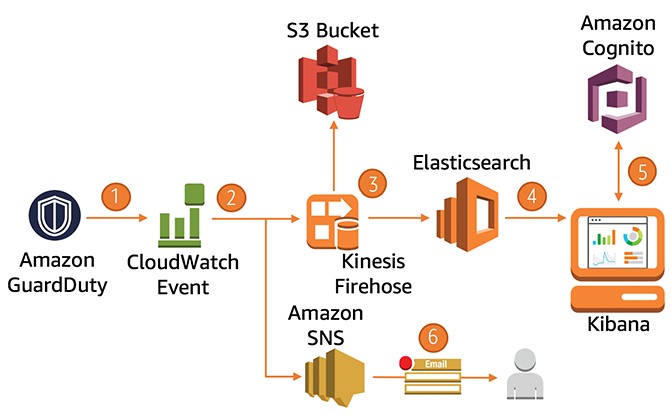
Amazon GuardDuty Is A Managed Threat Detection Service That Continuously Monitors AWS Account And Resource Activity For Potential Security Threats. It Uses Multiple Data Sources And Threat Intelligence To Identify Suspicious Behavior. GuardDuty Can Generate Findings For Activities That May Indicate Compromise Or Malicious behavior. Findings Can Be Integrated With Other AWS Security And Monitoring Services For Response Workflows. It Reduces The Need To Build A Separate Threat Detection Infrastructure. GuardDuty Helps Organizations Improve Security Monitoring Across AWS Environments.
78. What Is AWS Config?
Ans:
AWS Config Is A Service Used To Assess, Record, And Monitor The Configuration Of AWS Resources. It Can Maintain Configuration History And Help Determine Whether Resources Follow Defined Rules. Organizations Can Create Config Rules To Check Resource Configurations Against Desired Standards. Configuration Changes Can Be Used For Compliance Monitoring And Troubleshooting. AWS Config Can Help Identify Resources That Do Not Meet Organizational Security Or Governance Requirements. It Supports Continuous Visibility Into AWS Resource Configurations.
79. What Is AWS Organizations?
Ans:
AWS Organizations Is A Service Used To Centrally Manage Multiple AWS Accounts. It Allows Organizations To Group Accounts And Apply Governance Policies Across Their AWS Environment. Service Control Policies Can Restrict The Maximum Available Permissions For Accounts In An Organization. Organizations Can Also Support Consolidated Billing And Centralized Account Management. Separating Workloads Into Multiple Accounts Can Improve Security, Governance, And Operational Isolation. AWS Organizations Helps Enterprises Manage Large Multi-Account Cloud Environments.
80. What Is A Landing Zone In AWS?
Ans:
- An AWS Landing Zone Is A Preconfigured Multi-Account Cloud Environment Designed To Establish Governance And Security Foundations.
- It Can Provide Standardized Account Structures, Networking, Identity Management, Logging, And Security Controls. Landing Zones Help Organizations Establish Consistent Configurations Before Deploying Production Workloads.
- AWS Services And Partner Solutions Can Be Used To Build And Manage Landing Zone Environments.
81. What Is AWS Transit Gateway?
Ans:
AWS Transit Gateway Is A Network Service Used To Connect Multiple VPCs And On-Premises Networks Through A Centralized Network Hub. It Reduces The Need To Create Numerous Individual Network Connections Between Every VPC. Transit Gateway Can Support Centralized Routing And Network Architecture For Large AWS Environments. It Can Connect VPCs Across Multiple AWS Accounts And Regions In Supported configurations. Route Tables Can Control How Traffic Moves Between Connected Networks. Transit Gateway Simplifies Network Management For Complex Multi-VPC And Hybrid Environments.
82. What Is VPC Peering?
Ans:
VPC Peering Is A Networking Connection That Allows Two VPCs To Communicate Using Private IP Addresses. The VPCs Can Exist In The Same AWS Region Or In Different Regions Through Supported Inter-Region Peering. Peering Traffic Does Not Need To Travel Through The Public Internet. Route Tables Must Be Configured Correctly To Enable Communication Between The Connected VPCs. VPC Peering Is Useful For Direct Communication Between Specific VPCs. For Large And Complex Networks, Transit Gateway May Provide A More Centralized Connectivity Model.
83. What Is AWS PrivateLink?
Ans:
AWS PrivateLink Provides Private Connectivity Between VPCs And Supported Services Without Requiring Traffic To Traverse The Public Internet. It Uses VPC Endpoints To Access Services Through Private IP Addresses. PrivateLink Can Be Used To Expose Services Privately To Other VPCs Or AWS Accounts. It Helps Reduce Network Exposure And Simplifies Secure Service Connectivity. Applications Can Access Supported Services Without Requiring Public IP Addresses Or Internet Gateways. PrivateLink Is Commonly Used For Secure Private Service-to-Service Communication.
84. What Is A VPC Endpoint?
Ans:
A VPC Endpoint Allows Resources In A VPC To Access Certain AWS Services Or Endpoint Services Without Using Public Internet Connectivity. Gateway Endpoints Can Provide Private Access To Services Such As Amazon S3 And DynamoDB. Interface Endpoints Use Elastic Network Interfaces And Private IP Addresses For Supported services. Endpoint Policies Can Help Control Access To Certain resources and actions. VPC Endpoints Can Improve Security By Keeping Traffic Within The AWS Network In Supported Architectures. They Are Useful For Private Connectivity Between VPC Resources And AWS Services.
85. What Is AWS Batch?
Ans:
A user will specify which metric to monitor, such as CPU utilization, AWS Batch Is A Managed Service Used To Run Batch Computing Jobs At Scale. It Automatically Provisions And Manages Compute Resources Based On Job Requirements And Queue Configuration. Jobs Can Be Submitted To Queues And Executed According To Scheduling Priorities. AWS Batch Can Use EC2 Or Other Supported Compute Options For Running Workloads. It Is Suitable For Scientific Computing, Data Processing, Rendering, And Other Batch-Oriented Applications. AWS Batch Helps Organizations Run Large Numbers Of Compute Jobs Without Manually Managing The Entire Compute Environment..
86. What Is AWS Step Functions?
Ans:
- AWS Step Functions Is A Serverless Workflow Service Used To Coordinate Multiple AWS Services And Application Tasks. Workflows Can Be Defined As State Machines That Control The Sequence Of Different Activities.
- Step Functions Can Integrate With Services Such As Lambda, ECS, DynamoDB, And SNS. It Provides Features For Error Handling, Retries, Conditional Branching, And Workflow Monitoring.
- Complex Business Processes Can Be Represented As Visual And Manageable Workflows. Step Functions Helps Build Reliable And Coordinated Serverless And Distributed Applications
87. What Is Amazon EventBridge?
Ans:
Amazon EventBridge Is A Serverless Event Bus Service Used To Connect Applications And AWS Services Through Events. It Can Receive Events From AWS Services, Custom Applications, And Supported External Sources. Rules Can Match Specific Events And Route Them To Appropriate targets. Targets Can Include Lambda, Step Functions, SNS, SQS, ECS, And Other supported services. EventBridge Supports Event-Driven Architectures That Reduce Direct Dependencies Between Application Components. It Helps Organizations Build Automated And Loosely Coupled Cloud Workflows.
88. How Would Troubleshoot A Failed EC2 Application?
Ans:
A Failed EC2 Application Can Be Troubleshooted By First Checking The Instance State And Confirming That The EC2 Instance Is Running Properly. CloudWatch Metrics And Logs Can Then Be Reviewed To Identify CPU, Memory, Disk, Or Application-Level Problems. Security Group, Network ACL, Route Table, And Connectivity Settings Should Be Checked For Network-Related Issues. The Operating System Logs And Application Logs Can Help Identify Configuration Or Software Errors. Storage Capacity, Instance Health Checks, And Application Dependencies Should Also Be Verified. After Identifying The Root Cause, The Required Configuration Or Application Correction Can Be Applied And Tested.
89. How Would Secure An AWS Application?
Ans:
An AWS Application Can Be Secured By Applying Least-Privilege Access Through IAM Users, Roles, And Policies. Network Security Can Be Improved By Using VPCs, Private Subnets, Security Groups, NACLs, And Appropriate Routing Controls. Sensitive Data Should Be Protected Using Encryption And Secure Secret Management Services. Monitoring And Auditing Can Be Implemented Through Services Such As CloudTrail, CloudWatch, GuardDuty, And AWS Config. Regular Backups, Patch Management, Vulnerability Monitoring, And Security Reviews Can Further Improve Protection. A Layered Security Approach Helps Protect Applications, Data, Identity, And Network Resources.
90. How Would Troubleshoot High CPU Utilization On An EC2 Instance?
Ans:
High CPU Utilization On An EC2 Instance Can Be Troubleshooted By First Checking CloudWatch Metrics To Determine When And How Frequently The CPU Usage Increases. Operating System And Application Processes Should Then Be Reviewed To Identify Which Workload Is Consuming Excessive CPU. Application Logs And System Logs Can Help Determine Whether A Software Issue Or Unexpected Workload Is Responsible. Instance Type And Available Compute Capacity Should Be Evaluated Against The Application’s Current Requirements