LMS
LMS
Last updated on 09th May 2026| 11227

- Introduction How to Build a Strong Resume for SAP Freshers
- Highlighting the Right SAP Module
- Structuring the Professional Summary
- Showcasing Academic Projects
- Adding Certifications and Training
- Emphasizing Technical and Soft Skills
- Formatting and ATS Optimization
- Tailoring for Specific Job Descriptions
- Conclusion
Introduction – How to Build a Strong Resume for SAP Freshers
Landing your first job in the SAP ecosystem can feel like a catch-22. Employers want experienced consultants, but you need someone to give you that first break. The only tool you have to bridge this gap is a highly optimized resume for SAP freshers. A strong resume does not just list your degree; it proves you have the foundational knowledge and the right mindset to learn quickly on the job. Because SAP is so vast, recruiters spend about six seconds scanning a resume before deciding to shortlist it. If your resume looks like a generic IT resume, it will get lost in the pile. You need to strategically highlight your module-specific knowledge, academic projects, certifications, and any hands-on system exposure you have gained through internships or professional courses like SAP BASIS Training. Practical training programs help freshers understand real-time SAP environments, system administration concepts, and enterprise workflows, making their resumes more attractive to recruiters. Below are the essential steps to structure your SAP resume so it catches a recruiter’s eye and proves you are ready for the enterprise world.
Highlighting the Right SAP Module
Highlighting the right SAP module is one of the most important parts of creating a strong SAP fresher resume because SAP is not a single application but a collection of specialized business solutions. Recruiters should immediately understand your area of expertise, whether it is SAP FI, SAP MM, SAP SD, SAP ABAP, or SAP BASIS Training. Mentioning your specialization beside your name, such as “SAP MM Associate” or “SAP BASIS Fresher,” helps recruiters identify your focus within seconds. Avoid adding multiple SAP modules just to appear versatile, as companies usually prefer candidates with focused and practical knowledge in a specific domain. Your technical skills, certifications, academic projects, internships, and training details should all align with your chosen module. For example, SAP MM candidates should highlight procurement, inventory, and vendor management concepts, while SAP BASIS candidates should emphasize system administration, server monitoring, and database management knowledge. A targeted and module-focused resume creates a stronger professional impression.
Ready to Get Certified in SAP BASIS ? Explore the Program Now SAP BASIS Training Offered By ACTE Right Now!
Structuring the Professional Summary
- Keep It Short and Impactful: Your professional summary should be three to four lines maximum. Do not write a long essay about your life goals. Use this space to state your degree, your specific SAP module, and the value you want to bring to the company. Make every word count.
- State Your Career Objective: Clearly mention that you are an enthusiastic fresher looking to kickstart a career in your chosen SAP domain. Avoid generic statements like “seeking a challenging position.” Be specific about wanting to contribute to enterprise resource planning tasks.
- Highlight Academic Foundation: If your degree aligns with your module, mention it here. For example, if you are an MBA applying for SAP HCM, state that your academic background gives you a strong understanding of HR processes. This connects your education to the software.
- Mention Hands-On Exposure: Even during academic training, mention practical SAP experience gained through projects or SAP Courses For Freshers. Highlighting SAP GUI navigation, transactions, and basic configurations helps recruiters see that you have practical exposure, not just theoretical knowledge.
- Showcase Soft Skills Briefly: SAP consultants need to talk to business users, so communication is key. Briefly mention skills like analytical thinking, problem-solving, or cross-functional collaboration in your summary. This shows you understand the human side of SAP consulting.

Showcasing Academic Projects
- Treat Projects Like Real Experience: Since you do not have full-time work experience, your academic or training projects are your strongest asset. Do not just list them as “College Project.” Give them professional titles and treat them like real implementation tasks you completed.
- Detail the Business Scenario: Explain the business problem solved in your project, such as automating a purchase order cycle for a mock company. This shows you understand the “why” behind SAP configuration. Mentioning resources like How Long Does Take To learn SAP adds credibility.
- List Specific Configurations: Recruiters want to know exactly what buttons you clicked in the system. List the specific transaction codes, tables, or configuration steps you performed, like “created organizational structures” or “set up pricing procedures.”
- Highlight Team Collaboration: Mention if you worked in a group and what your specific role was. SAP implementations are massive team efforts. Showing that you can divide tasks, share system access, and integrate your work with others proves you have team skills.
- State the Final Outcome: Conclude your project description with the result. Did it reduce manual errors? Did it speed up the reporting process? Even in a mock project, stating the business benefit shows you think like a consultant, not just a student.
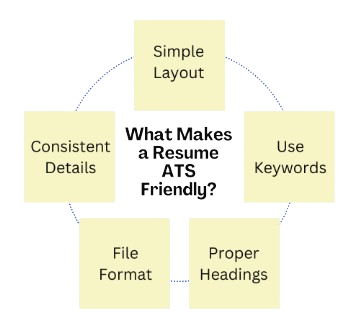
- Use a Clean, Simple Layout: Avoid flashy colors, crazy fonts, or heavy graphics. SAP is an enterprise software, and your resume should look highly professional. Stick to a standard font like Arial or Calibri, use clear headings, and keep plenty of white space so it is easy to read.
- Avoid Tables and Columns: Many companies use Applicant Tracking Systems (ATS) to scan resumes before a human sees them. ATS software cannot read text inside complex tables or text boxes. Keep your resume strictly linear from top to bottom for proper parsing. Insights from Top Companies Hiring SAP Freshers help you align better with recruiter expectations.
- Use Standard Section Headings: Do not get creative with section titles. Use standard terms like “Education,” “Certifications,” “Projects,” and “Skills.” If the ATS is programmed to look for the word “Projects,” and you named it “My Portfolios,” the system might skip it entirely.
- Save in the Right Format: Always submit your resume as a PDF or DOCX file. PDFs preserve formatting and ensure consistency across devices. Unless specified, PDF is safest for professionalism. Structured learning like SAP BASIS Training can also boost job readiness.
- Optimize with Keywords: Look at the SAP job description and mirror the exact words they use. If the job asks for “S/4HANA experience” or “end-user training,” make sure those exact phrases appear naturally in your skills or project sections. This helps your resume rank higher in ATS searches.
Excited to Obtaining Your SAP BASIS Certificate? View The SAP BASIS Course Offered By ACTE Right Now!
Adding Certifications and Training
Adding certifications and training credentials to your SAP fresher resume instantly improves your credibility and increases your chances of getting noticed by recruiters in the competitive SAP job market. Since freshers usually lack real-time project or work experience, certifications act as proof that you possess foundational SAP knowledge and understand enterprise-level systems. Recruiters often look for candidates who have invested time and effort into professional learning, and an SAP certification demonstrates both commitment and technical readiness. If you have completed official SAP Learning Hub courses or earned an associate-level SAP certification, Mention the exact certification title, completion date, and specialization module such as SAP FICO vs SAP MM vs SAP SD, SAP ABAP, or SAP HCM. However, not every fresher has the financial resources to pursue official SAP certifications, and that is completely acceptable.
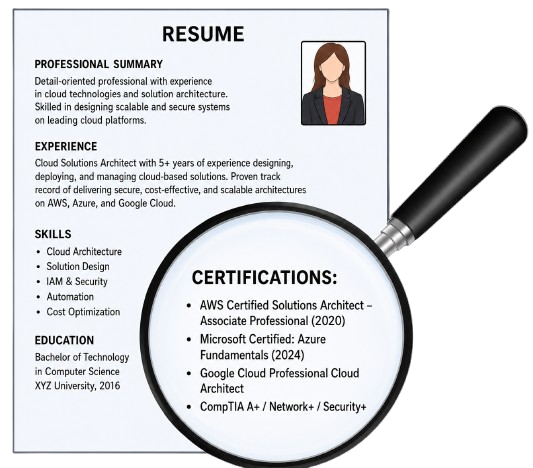
You can still strengthen your profile by mentioning instructor-led training programs completed through reputable online platforms or recognized local training institutes. Include important details such as the course name, duration, practical exposure received, and institute name to make your training more credible and professional. If your training included live projects, case studies, system access, or hands-on SAP practice, briefly mentioning those elements can further improve your resume’s value. At the same time, honesty is extremely important when presenting certifications and training details. Never claim to have an official SAP certification if you have not actually earned it, because recruiters and employers can easily verify certification IDs through the official SAP database. Providing accurate, transparent, and verifiable information reflects integrity, professionalism, and a genuine willingness to learn, which are qualities highly valued in the SAP ecosystem.
Are You Considering Pursuing a SAP BASIS Master’s Degree? Enroll For SAP BASIS Expert Masters Program Training Course Today!
Emphasizing Technical and Soft Skills
Emphasizing the right mix of technical and soft skills is what separates a good SAP fresher resume from a great one. On the technical side, you should clearly list the exact tools and environments you have worked with, such as SAP GUI, specific transaction codes (T-codes), reporting tools like SAP Report Painter, or basic SQL knowledge if you are targeting technical modules. Avoid generic skills like “MS Word” or “Internet browsing” and focus instead on enterprise-level SAP-relevant competencies. Understanding industry demand and opportunities through resources like SAP is High Demand can also help you align your skill set with what recruiters are actively looking for. Equally important are your soft skills, since SAP consultants act as a bridge between business users and the system. Highlight abilities like requirement gathering, active listening, problem-solving, and explaining technical concepts to non-technical stakeholders. Recruiters understand that technical skills can be taught, but communication and client-handling abilities are harder to develop quickly. Showcasing these interpersonal strengths makes you a more reliable and job-ready candidate.
Formatting and ATS Optimization
Set to Ace Your AWS Job Interview? Check Out Our Blog on SAP BASIS Interview Questions & Answer
Tailoring for Specific Job Descriptions
Tailoring your resume for specific job descriptions is the ultimate secret to getting more interview calls as a fresher. A massive mistake freshers make is sending the exact same generic resume to a hundred different companies. If a company is hiring for an SAP SD consultant and your resume focuses on SAP FI projects, recruiters may see you as a mismatch. Always read the job description carefully before applying. Highlight relevant projects first and align your skills with the role. Refer to Top SAP Modules to choose the right path.. Tweak your professional summary to mention the specific sub-modules they are asking for. If they want someone who knows billing, make sure the word “billing” is prominent in your experience section. This small amount of customization shows the employer that you actually read their requirements and see yourself fitting into that specific role, drastically increasing your chances of getting shortlisted.
Conclusion
Building a resume for SAP freshers is all about proving your potential to be a reliable enterprise consultant. By clearly defining your module, showcasing your academic projects like real-world experience, and highlighting relevant certifications, you create a powerful narrative. You have to compensate for your lack of full-time jobs by demonstrating a strong understanding of SAP concepts and a willingness to learn. Keeping your resume clean and ATS-friendly ensures your profile reaches recruiters effectively. Your resume should be treated as a living document—update it regularly as you learn new transaction codes, complete training modules, or gain experience through mini projects or internships. This continuous improvement shows growth and commitment to the SAP ecosystem. Structured learning like SAP BASIS Training can further strengthen your technical foundation and improve your career opportunities. Take the time to refine every single bullet point, avoid fluff, and focus purely on business value. A perfectly structured SAP resume is the key that will finally unlock the door to your first interview and launch your consulting career.