LMS
LMS
Last updated on 22nd Jun 2026| 9363

- Introduction to Unpaid Internships
- Understanding the Purpose of Unpaid Internships
- Common Industries That Offer Unpaid Internships
- Key Advantages of Unpaid Internship Programs
- Building Professional Skills Through Unpaid Internships
- Gaining Industry Experience and Workplace Exposure
- Networking Opportunities and Career Connections
- Challenges and Financial Limitations of Unpaid Internships
- Risks, Legal Considerations, and Student Rights
- Conclusion: Making an Informed Decision About Unpaid Internships
Introduction to Unpaid Internships
Unpaid internships are structured work experiences that allow students and fresh graduates to gain practical industry exposure without receiving direct financial compensation. These internships are designed to help participants develop professional skills, understand workplace environments, and apply academic knowledge to real-world situations in our Artificial Intaligence Training. Unpaid internships are commonly offered by non-profit organizations, startups, educational institutions, research centers, media companies, and creative industries. They provide valuable opportunities for learning, networking, and career exploration while helping individuals build experience that can strengthen future job applications. Although they do not offer salaries, unpaid internships can play an important role in professional development and career preparation.

Understanding the Purpose of Unpaid Internships
The primary purpose of unpaid internships is to provide educational and professional learning opportunities rather than financial rewards. These programs help students gain practical experience, develop industry-relevant skills, and understand workplace expectations before entering full-time employment. Organizations offering unpaid internships often focus on mentorship, training, and hands-on learning experiences that support career development. Interns can explore specific industries, build confidence, and gain valuable insights into professional responsibilities. For many students, unpaid internships serve as a stepping stone toward future employment by helping them acquire practical knowledge and establish a foundation for long-term career growth.
Ready to Get Certified in Artificial Intelligence ? Explore the Program Now Artificial Intelligence Online Training Offered By ACTE Right Now!
Common Industries That Offer Unpaid Internships
Unpaid internships are commonly available in industries where learning and professional exposure are prioritized over immediate financial compensation. Non-profit organizations often offer internships that allow students to contribute to social initiatives while gaining valuable experience. Media, journalism, publishing, arts, and creative industries frequently provide unpaid opportunities to help aspiring professionals build portfolios and industry connections in our Artificial Intaligence Training. Educational institutions and research organizations also offer internships focused on learning and skill development. Startups may provide unpaid internships to individuals seeking hands-on experience in dynamic work environments. These industries often view internships as educational experiences that prepare participants for future career opportunities.
Key Advantages of Unpaid Internship Programs
Despite the absence of financial compensation, unpaid internships offer several valuable benefits for students and fresh graduates. They provide practical work experience that helps participants apply academic knowledge in professional settings and develop industry-specific skills. Unpaid internships often offer direct access to experienced professionals who can provide mentorship, guidance, and career advice. Learn more in Why AI Internships Are Important for Freshers. They also help interns build professional networks, strengthen resumes, and gain insights into workplace culture and industry expectations. For individuals with limited experience, unpaid internships can serve as an important starting point for career development by providing exposure to real projects, professional responsibilities, and valuable learning opportunities that enhance future employability.
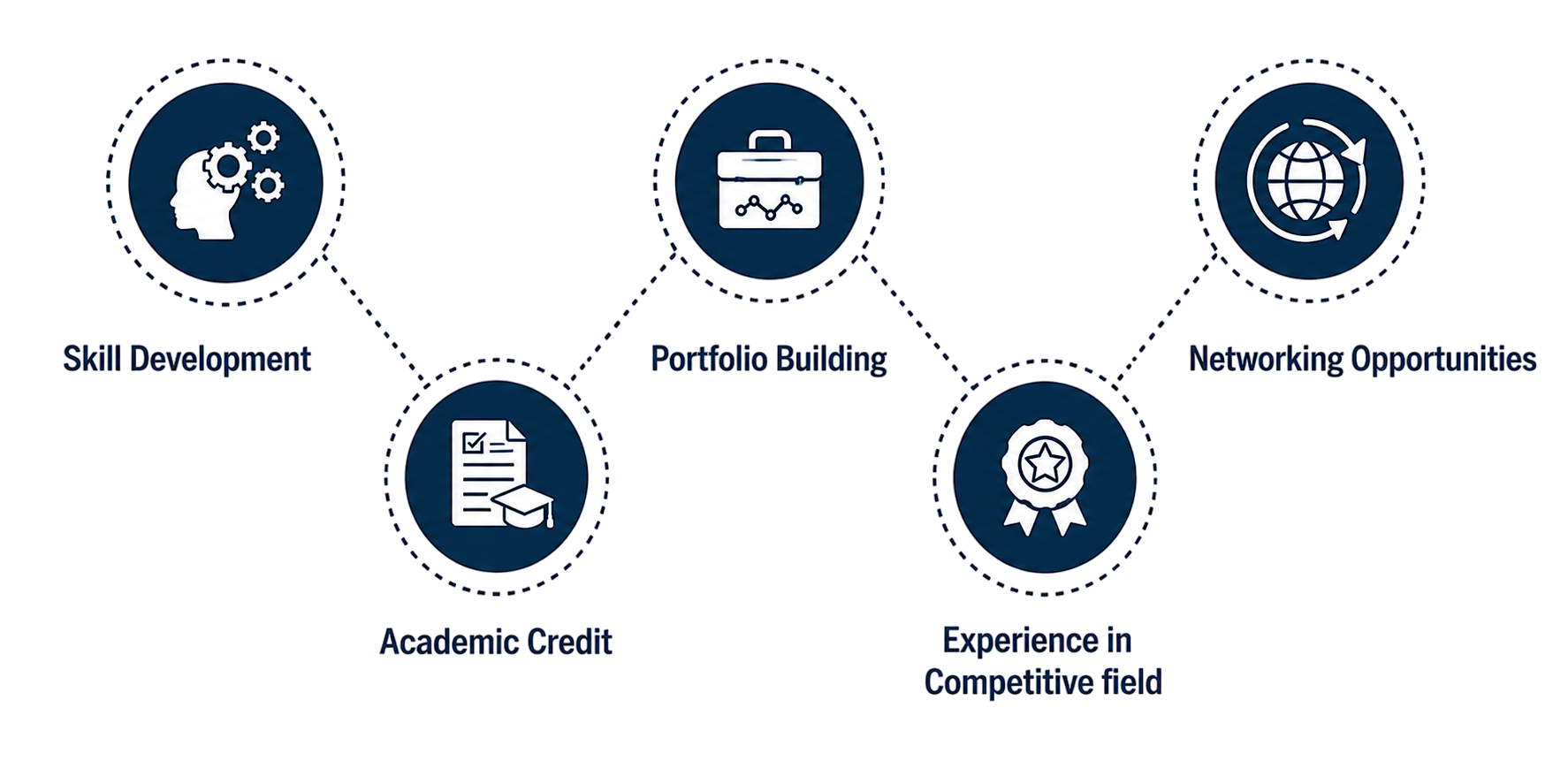
Building Professional Skills Through Unpaid Internships
- Developing Workplace Communication Skills: Unpaid internships help students improve communication by interacting with supervisors, colleagues, and clients in professional settings. Regular participation in meetings, discussions, and reporting activities strengthens verbal and written communication skills essential for career success.
- Enhancing Teamwork and Collaboration: Working with different teams teaches interns how to cooperate effectively, share responsibilities, and contribute toward common goals. These experiences help students understand workplace dynamics and develop the collaboration skills employers highly value. Explore more in Best AI Internships for Freshers.
- Improving Time Management: Interns often balance multiple tasks and deadlines, which helps them develop strong organizational and time-management abilities. Learning to prioritize responsibilities and complete assignments efficiently prepares students for future professional roles.
- Strengthening Problem-Solving Abilities: Internships expose students to real workplace challenges that require analytical thinking and practical solutions. By participating in projects and daily operations, interns learn how to identify issues, evaluate options, and contribute meaningful solutions.
- Building Professional Confidence: As interns gain experience and complete responsibilities successfully, their confidence grows significantly. Exposure to professional environments helps students become more comfortable handling workplace expectations and interacting with experienced professionals.

Develop Your Skills with Artificial Intelligence Training
Weekday / Weekend BatchesSee Batch DetailsGaining Industry Experience and Workplace Exposure
- Understanding Industry Operations: Internships provide firsthand exposure to how organizations function, including workflows, processes, and industry-specific practices. This knowledge helps students understand the practical application of concepts learned during their academic studies.
- Working on Real Projects: Participation in real business projects allows interns to apply their knowledge in professional settings. This hands-on experience improves technical skills and provides a better understanding of workplace responsibilities and expectations.
- Learning Industry Tools and Technologies: Many internships introduce students to software, platforms, and technologies commonly used within their industries. Learning these tools helps interns improve technical competence and increase future employability. Explore more in How to Find Your First Digital Marketing Internship.
- Observing Professional Practices: Interns gain valuable insights into workplace etiquette, communication standards, project management approaches, and organizational structures. These observations help students adapt more easily to professional environments.
- Exploring Career Paths: Industry exposure enables students to learn about different job roles and career opportunities. Understanding various responsibilities helps interns make informed decisions about their future professional goals.
- Building Relationships with Mentors – Internships provide opportunities to connect with experienced professionals who can offer valuable guidance, career advice, and industry knowledge. Mentorship relationships often support long-term professional development.
- Expanding Professional Networks – Working alongside colleagues and professionals allows interns to build meaningful connections that may lead to future job opportunities, referrals, or professional collaborations.
- Learning from Industry Professionals: Interacting with experts helps students gain practical insights into industry trends, workplace expectations, and successful career development strategies that are difficult to learn through academic study alone.
- Creating Future Job Opportunities: Strong performance during an internship can lead to recommendations, references, and employment opportunities. Employers often consider successful interns for future openings within their organizations. Discover more in Top Skills Required for a Digital Marketing Internship.
- Developing Long-Term Career Connections: Professional relationships established during internships can continue to provide support, guidance, and opportunities throughout an individual’s career, making networking an important internship benefit.
- Lack of Financial Compensation: The absence of a salary can make unpaid internships difficult for students who need financial support. Managing living expenses, transportation costs, and educational fees may become challenging during the internship period.
- Balancing Work and Academic Commitments: Students often need to manage internship responsibilities alongside coursework, exams, and personal commitments. Maintaining a healthy balance can be demanding and requires strong organizational skills. Explore more in My Data Analytics Internship Experience.
- Limited Accessibility: Financial constraints may prevent some students from participating in unpaid internships. This limitation can reduce access to valuable professional experiences and career development opportunities.
- Increased Personal Expenses: Interns may incur additional costs for travel, meals, accommodation, and professional attire while receiving no financial compensation, increasing the overall burden of participation.
- Uncertainty About Long-Term Benefits: Although unpaid internships provide learning opportunities, there is no guarantee of future employment. Students must carefully evaluate whether the experience aligns with their career goals.
- Understanding Internship Regulations – Students should understand applicable labor laws and internship guidelines to ensure that organizations follow legal requirements and provide appropriate learning opportunities.
- Clarifying Roles and Responsibilities – Before accepting an internship, students should clearly understand their duties, working hours, learning objectives, and supervision arrangements to avoid misunderstandings later.
- Avoiding Exploitative Practices – Interns should be cautious of organizations that assign excessive workloads without offering meaningful learning experiences in our Artificial Intaligence Training. A quality internship should prioritize education and skill development.
- Ensuring a Safe Work Environment – All interns have the right to work in professional environments that promote safety, respect, inclusion, and fair treatment regardless of the internship type.
- Protecting Learning Objectives – The primary goal of an unpaid internship should be educational growth. Students should ensure the experience provides practical training, mentorship, and opportunities that support long-term career development.
To Explore Artificial Intelligence in Depth, Check Out Our Comprehensive Artificial Intelligence Online Training To Gain Insights From Our Experts!
Networking Opportunities and Career Connections

Looking to Master Machine Learning? Discover the Artificial Intelligence Expert Masters Program Training Course Available at ACTE Now!
Challenges and Financial Limitations of Unpaid Internships
Preparing for Artificial Intelligence Job Interviews? Have a Look at Our Blog on Artificial Intelligence Interview Questions and Answers To Ace Your Interview!
Risks, Legal Considerations, and Student Rights
Conclusion: Making an Informed Decision About Unpaid Internships
Unpaid internships can provide valuable opportunities for students and fresh graduates to gain practical experience, develop professional skills, and build industry connections that support future career growth. Although these internships do not offer financial compensation, they often provide meaningful learning experiences, workplace exposure, mentorship, and opportunities to strengthen resumes. However, students should carefully evaluate each opportunity by considering factors such as learning outcomes, industry relevance, professional development potential, time commitment, and financial implications in our Artificial Intaligence Training. It is important to ensure that the internship offers genuine educational value and aligns with long-term career goals. Understanding workplace expectations, legal considerations, and personal financial circumstances can help students make informed choices. While unpaid internships may not be suitable for everyone, they can serve as valuable stepping stones for individuals seeking industry experience and professional growth. By carefully assessing the benefits and challenges, students can choose opportunities that contribute positively to their career development and help prepare them for future success in the workforce.