LMS
LMS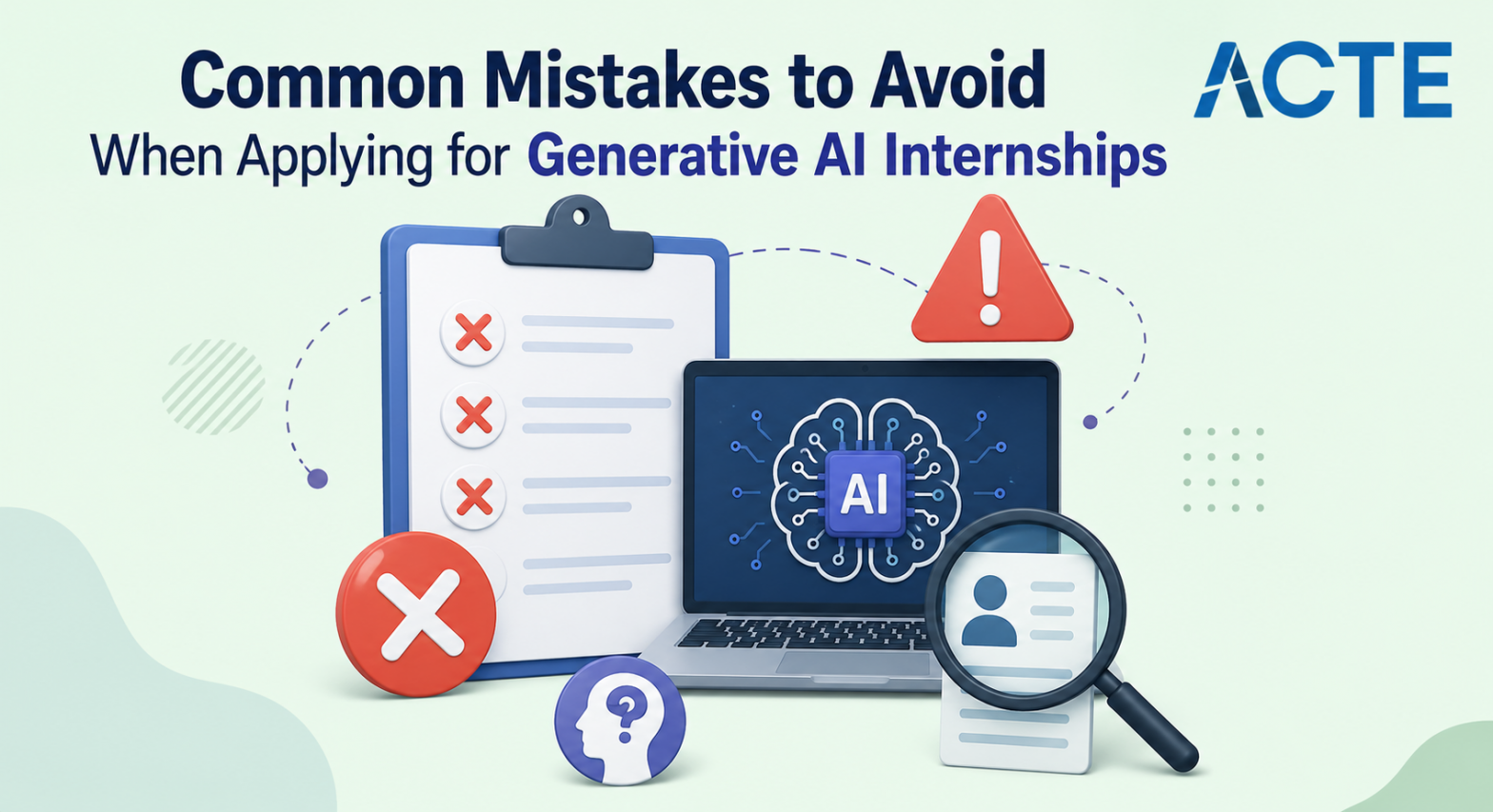
Last updated on 10th Jul 2026| 4714

- Introduction: Why Avoiding Common Mistakes Matters
- Applying Without Understanding the Job Requirements
- Submitting a Generic Resume and Cover Letter
- Ignoring the Importance of AI Projects and Portfolio
- Lack of Knowledge in Python and AI Fundamentals
- Overlooking GitHub and Online Professional Presence
- Poor Interview Preparation and Communication Skills
- Applying to Every Internship Without Customization
- Not Following Up or Continuing Skill Development
- Conclusion: Improving Your Chances of Securing a Generative AI Internship
Introduction: Why Avoiding Common Mistakes Matters
Applying for a Generative AI internship is one of the best ways for students and fresh graduates to gain practical experience in one of today’s fastest-growing technology fields. Building a strong foundation through Gen AI Training can also help candidates develop the practical skills employers expect. However, many applicants miss valuable opportunities not because they lack talent, but because they make avoidable mistakes during the application process. Recruiters receive hundreds of internship applications, making it essential for candidates to present themselves professionally and demonstrate genuine interest in the role. Common errors such as submitting incomplete resumes, ignoring job descriptions, failing to showcase projects, or preparing poorly for interviews can significantly reduce your chances of being shortlisted. Since Generative AI is a rapidly evolving domain, employers look for candidates who are eager to learn, adaptable, and capable of applying technical knowledge to real-world problems. Understanding these common mistakes allows you to improve your application strategy and avoid unnecessary rejection. Careful preparation, continuous learning, and attention to detail can make a significant difference in securing your first Generative AI internship and starting a successful career in artificial intelligence.
Applying Without Understanding the Job Requirements
One of the most common mistakes applicants make is submitting internship applications without carefully reading the job description. Every Generative AI internship is unique and may require different programming languages and technical skills. Understanding the eligibility and required skills before applying helps candidates whether they are a good fit for the role. You can also explore Who Can Apply for a Generative AI Internship to understand the qualifications and skills expected by companies. Some internships focus on prompt engineering, while others require machine learning, natural language processing, chatbot development, or API integration. Applying without understanding these expectations often results in rejection because your application may not match the employer’s requirements. Before applying, carefully study the responsibilities, eligibility criteria, preferred qualifications, and technical skills mentioned in the job posting. Research the company, understand the technologies they use, and identify any skills you may need to improve. If you find knowledge gaps, spend time learning the basics before applying. Tailoring your resume and preparing for interviews based on the specific role demonstrates professionalism, genuine interest, and a willingness to contribute effectively from the beginning.
Ready to Pursue Your Gen AI Certificate? View The Gen AI Course Offered By ACTE Right Now!
Submitting a Generic Resume and Cover Letter
Many candidates make the mistake of sending the same resume and cover letter to every company they apply to. It significantly reduces the chances of getting shortlisted because recruiters prefer personalized applications that closely match the internship requirements. Building relevant skills through Gen AI Training can help strengthen your resume with practical knowledge and industry-ready projects. A generic resume often includes unrelated skills while failing to highlight relevant AI knowledge, programming abilities, certifications, or technical projects. Similarly, a generic cover letter does not explain why you are interested in that particular company or how your background aligns with the role. Instead, customize your resume by emphasizing the most relevant projects, technical skills, and achievements that relate to the internship. Your cover letter should mention the company’s work, explain your interest in Generative AI, and describe how your learning journey and projects prepare you for the position. A personalized application demonstrates effort, professionalism, and genuine enthusiasm, helping you stand out among numerous applicants.
Ignoring the Importance of AI Projects and Portfolio
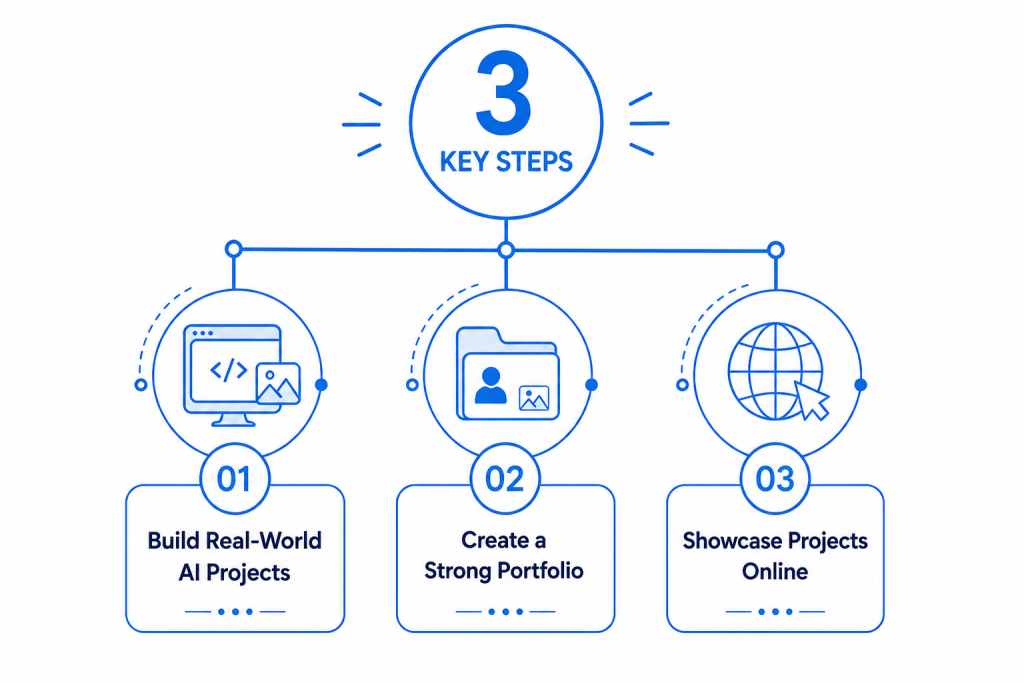
One of the biggest mistakes freshers make is relying only on academic qualifications while ignoring the importance of practical AI projects. Recruiters hiring for Generative AI internships want evidence that candidates can apply their knowledge to solve real-world problems. Building projects such as AI chatbots, document summarizers, content generators, recommendation systems, image generation tools, or prompt engineering applications demonstrates technical competence and creativity. Freshers can explore Top Generative AI Projects for Beginners to understand project ideas that help showcase their practical skills.
Excited to Obtaining Your Gen AI Certificate? View The Gen AI Course Offered By ACTE Right Now!
Lack of Knowledge in Python and AI Fundamentals
Python is the foundation of most Generative AI applications, making it one of the most important skills expected from internship applicants. Many candidates apply before developing a solid understanding of Python programming, data structures, machine learning concepts, or natural language processing. Enrolling in Gen AI Training can help build these essential skills before applying for internships. During interviews, recruiters often assess these fundamentals through coding questions or technical discussions. Without this knowledge, even candidates with certifications may struggle to perform well. Before applying, focus on mastering Python syntax, functions, object-oriented programming, file handling, and commonly used libraries such as NumPy and Pandas. You should also understand machine learning basics, prompt engineering, neural networks, APIs, and popular AI frameworks like TensorFlow, PyTorch, Hugging Face, and LangChain. Practicing coding regularly and building simple AI applications helps reinforce your learning. A strong foundation in these areas not only improves interview performance but also prepares you to contribute effectively during the internship.
Overlooking GitHub and Online Professional Presence
Many students underestimate the value of maintaining a professional online presence, which can significantly influence internship opportunities. Recruiters frequently review GitHub profiles and personal portfolio websites to evaluate candidates beyond their resumes. An inactive GitHub account or incomplete LinkedIn profile may create the impression that you lack practical experience or professional interest. Building and showcasing quality AI projects can improve your credibility, and freshers can explore How Freshers Can Build Projects Using Gen AI to understand how project development helps strengthen their technical profile. Your GitHub should include well-documented AI projects, organized repositories, clear README files, and consistent code updates. Similarly, your LinkedIn profile should highlight technical skills, certifications, academic achievements, internship interests, and completed projects. Sharing AI-related learning experiences, participating in discussions, and connecting with industry professionals can also increase your visibility. A strong online presence demonstrates continuous learning, technical competence, and commitment to your career. It gives recruiters confidence in your abilities and can even help you receive internship opportunities directly through professional networking platforms.
Are You Considering Pursuing a Gen AI Master’s Degree? Enroll For Gen AI Expert Masters Program Training Course Today!
Poor Interview Preparation and Communication Skills
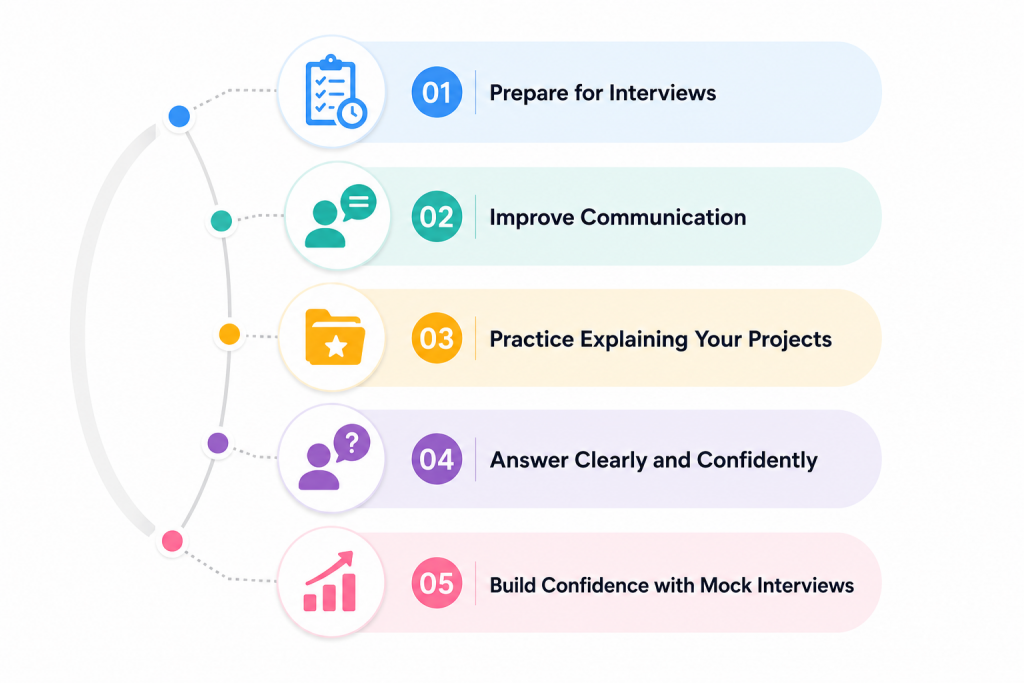
Many candidates prepare extensively for technical concepts but overlook interview preparation and communication skills, which are equally important for securing a Generative AI internship. Recruiters evaluate not only your technical knowledge but also your confidence, problem-solving approach, and ability to explain ideas clearly. Common mistakes include being unable to describe projects, giving unclear answers, or failing to explain the reasoning behind technical decisions. Before your interview, practice introducing yourself, explaining your AI projects, and answering common HR and technical questions.
Applying to Every Internship Without Customization
Many freshers believe that applying to hundreds of internships with the same resume and cover letter will increase their chances of getting selected. However, this strategy often leads to repeated rejections because every company has different expectations and project requirements. Recruiters can easily identify generic applications that fail to address the specific role. Instead of focusing only on the number of applications, spend time researching each organization and understanding its products and internship responsibilities. Candidates can also learn effective application strategies through resources like How to Secure a Generative AI Internship at Microsoft to understand how tailored preparation improves internship selection chances. Customize your resume by highlighting the projects, programming languages, certifications, and technical skills most relevant to the position. Similarly, personalize your cover letter by explaining why you are interested in that company and how your skills align with its goals. Quality applications are far more effective than mass applications because they demonstrate genuine interest, professionalism, and attention to detail. A targeted application strategy greatly improves your chances of getting shortlisted.
Set to Ace Your Gen AI Job Interview? Check Out Our Blog on Gen AI Interview Questions & Answer
Not Following Up or Continuing Skill Development
One of the biggest mistakes candidates make after submitting internship applications is waiting passively for responses without continuing to improve their skills. Generative AI is a rapidly evolving field where new tools, frameworks, and technologies emerge regularly. Recruiters appreciate candidates who demonstrate continuous learning and stay updated with industry trends. While waiting for interview calls, continue building AI projects, learning advanced concepts, completing certifications, and developing practical knowledge through resources like Getting Started with Generative AI as a Fresher. Candidates can also strengthen their profiles by contributing to open-source repositories and participating in hackathons or coding competitions. If you have already attended an interview, sending a polite follow-up email thanking the interviewer for their time demonstrates professionalism and enthusiasm. Even if you receive a rejection, treat it as a learning opportunity rather than a setback. Analyze your weaknesses, improve your skills, and continue applying with stronger applications. Consistent learning and persistence greatly increase your chances of securing future internship opportunities.
Conclusion: Improving Your Chances of Securing a Generative AI Internship
Securing a Generative AI internship requires careful preparation, practical experience, and a commitment to continuous improvement. Avoiding common mistakes such as submitting generic applications, overlooking interview preparation, or maintaining a weak online presence can dramatically improve your chances of success. Focus on building a strong foundation in Python, machine learning and Generative AI frameworks while developing practical projects that showcase your abilities. Freshers should also understand the importance of gaining AI skills and career readiness through resources like Why Freshers Should Learn Generative AI to stay competitive in the evolving technology landscape. Maintain an active GitHub profile, optimize your LinkedIn presence, and continuously expand your portfolio with meaningful AI applications. Tailor every resume and cover letter to match the internship requirements, and prepare thoroughly for interviews by reviewing both technical concepts and communication skills. Most importantly, remain patient and persistent throughout your internship search. Every application and project contributes to your professional growth. With consistent effort, continuous learning, and a proactive mindset, you can successfully secure a Generative AI internship and begin building a rewarding career in artificial intelligence, machine learning, and other emerging technology domains.