LMS
LMS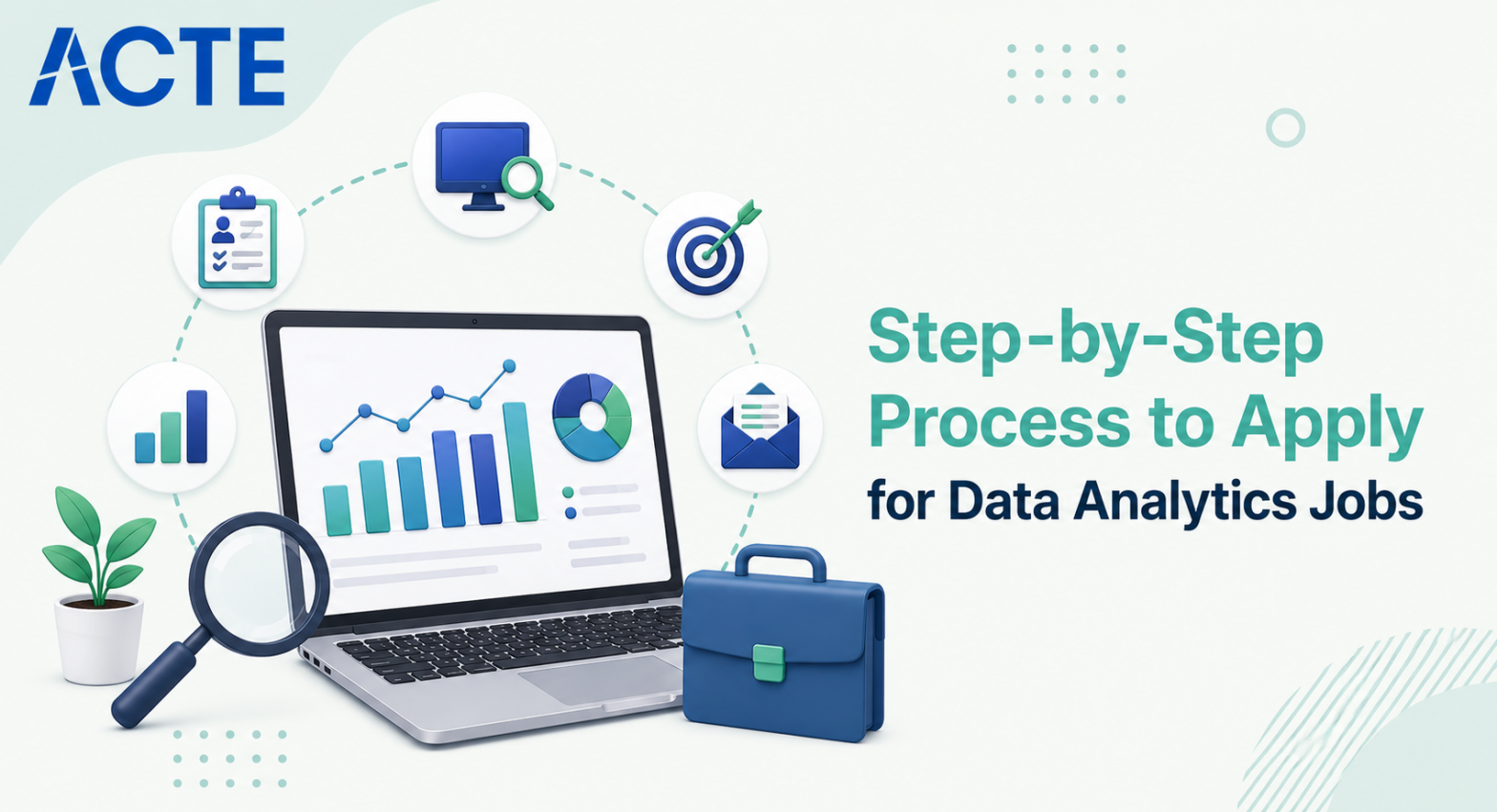
Last updated on 21st Jul 2026| 11441

- Introduction to Applying for Data Analytics Jobs
- Understanding the Data Analytics Job Market
- Essential Skills Required Before Applying for Data Analytics Jobs
- Build a Strong Resume and Data Analytics Portfolio
- Top Job Portals and Companies Hiring Data Analytics Professionals
- Step-by-Step Process to Apply for Data Analytics Jobs
- Preparing for Data Analytics Aptitude, Technical, and HR Interviews
- Common Mistakes to Avoid While Applying for Data Analytics Jobs
- Tips to Increase Your Chances of Getting Hired as a Data Analyst
- Conclusion: Starting Your Career in Data Analytics Successfully
Introduction to Applying for Data Analytics Jobs
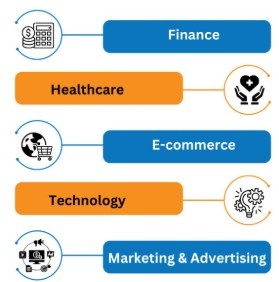
The demand for Data Analytics professionals has grown significantly as organizations across industries increasingly rely on data to make informed business decisions, improve operational efficiency, enhance customer experiences, and gain a competitive advantage. Companies in sectors such as banking, healthcare, retail, e-commerce, finance, manufacturing, telecommunications, education, logistics, and information technology are actively seeking skilled Data Analysts who can collect, organize, analyze, and interpret large volumes of data to generate meaningful business insights. For fresh graduates and aspiring professionals, applying for Data Analytics jobs requires much more than simply submitting a resume. Candidates need to develop strong technical skills in Python, SQL, Excel, Power BI, Tableau, statistics, and data visualization by enrolling in a comprehensive Data Analytics Course, while also building practical experience through projects, internships, certifications, and online portfolios. Understanding employer expectations, preparing an effective resume, creating a professional LinkedIn profile, and showcasing analytical abilities through real-world projects greatly improve the chances of getting shortlisted. In today’s competitive job market, recruiters not only evaluate academic qualifications but also assess practical problem-solving skills, communication abilities, teamwork, adaptability, and continuous learning. Following a structured application process enables candidates to identify suitable job opportunities, prepare effectively for recruitment stages, and present themselves as capable professionals who can contribute to business success. By consistently improving technical knowledge, gaining practical exposure, networking with industry professionals, and applying strategically to relevant job openings, aspiring Data Analysts can successfully begin a rewarding career in one of the fastest-growing and most in-demand technology domains.
Understanding the Data Analytics Job Market
The Data Analytics job market has expanded rapidly over the past few years due to the growing importance of data-driven decision-making in organizations worldwide. Businesses generate massive amounts of structured and unstructured data every day from customer transactions, websites, mobile applications, social media platforms, financial systems, healthcare records, IoT devices, and enterprise software, creating an increasing demand for professionals who can transform this data into valuable business insights. As a result, companies of all sizes, including startups, multinational corporations, consulting firms, government organizations, research institutions, and technology companies, are actively recruiting Data Analytics professionals to improve business performance, optimize operations, predict market trends, detect fraud, and support strategic planning. Freshers can find opportunities in roles such as Data Analyst, Business Analyst, Business Intelligence Analyst, Reporting Analyst, Product Analyst, Marketing Analyst, and Junior Data Scientist, depending on their technical skills and educational background.
Essential Skills Required Before Applying for Data Analytics Jobs
- Programming and Database Skills: Candidates should have a strong understanding of Python and SQL for data manipulation, querying databases, and performing analytical tasks. These programming skills form the foundation for solving real-world business problems using data.
- Data Analysis and Visualization: Learn to analyze datasets and create interactive dashboards using Excel, Power BI, Tableau, or similar visualization tools. Effective visualization helps organizations understand trends and make data-driven decisions.
- Statistics and Analytical Thinking: A solid knowledge of statistics, probability, and analytical reasoning is essential for interpreting data accurately and identifying meaningful patterns. These skills support better business decision-making and predictive analysis.
- Data Cleaning and Preparation: Understand how to handle missing values, remove duplicate records, transform datasets, and prepare data for analysis. High-quality data is essential for generating reliable analytical insights. Reviewing Common Mistakes Freshers Make in Data Analytics can help you avoid common errors while preparing datasets.
- Machine Learning Fundamentals: Basic knowledge of machine learning concepts and predictive analytics provides an added advantage during recruitment. It demonstrates your ability to work with advanced analytical techniques and intelligent systems.
- Problem-Solving Skills: Data Analysts must identify business challenges, analyze available information, and recommend practical solutions using data. Strong logical reasoning improves decision-making and overall analytical performance.
- Communication and Presentation Skills: Candidates should be able to explain technical findings clearly to both technical and non-technical stakeholders. Effective communication ensures that analytical insights are understood and implemented successfully.
- Continuous Learning and Adaptability: The field of Data Analytics evolves rapidly with new technologies and tools emerging regularly. Employers value candidates who continuously improve their skills and adapt to changing industry requirements.
Get Your Data Analytics Certification by Learning from Industry-Leading Experts and Advancing Your Career with ACTE’s Data Analytics Course.
Build a Strong Resume and Data Analytics Portfolio
A well-designed resume and a strong professional portfolio are essential for securing Data Analytics job opportunities because they create the first impression on recruiters and hiring managers. Your resume should clearly highlight your educational qualifications, technical skills, certifications, internships, academic achievements, and relevant projects while being concise, well-organized, and tailored to the specific job role. Include important technical skills such as Python, SQL, Excel, Power BI, Tableau, statistics, data visualization, and basic machine learning, along with any tools or technologies you have used during projects or internships. Strengthening these skills through a professional Data Analytics Course can further enhance your job readiness. Instead of simply listing skills, demonstrate your practical knowledge by describing projects where you analyzed datasets, built dashboards, created reports, or solved business problems using data. A professional portfolio further strengthens your profile by showcasing real-world projects, GitHub repositories, interactive dashboards, case studies, and detailed project documentation that allow recruiters to evaluate your practical abilities. Uploading projects to GitHub with clear README files, sharing Power BI or Tableau dashboards, participating in Kaggle competitions, and creating a LinkedIn profile that highlights your achievements significantly improve your professional visibility. Recruiters often prefer candidates who can demonstrate practical experience rather than only theoretical knowledge, making a portfolio one of the most valuable assets during the job application process. Additionally, ensure that your resume is free from grammatical errors, uses professional formatting, includes relevant keywords from the job description, and highlights measurable achievements wherever possible. Continuously updating your resume and portfolio with new certifications, internships, projects, and technical skills demonstrates your commitment to learning and helps you stand out in today’s competitive Data Analytics job market.

Learn Advanced Data Analytics Certification Training Course to Build Your Skills
Weekday / Weekend BatchesSee Batch DetailsTop Job Portals and Companies Hiring Data Analytics Professionals
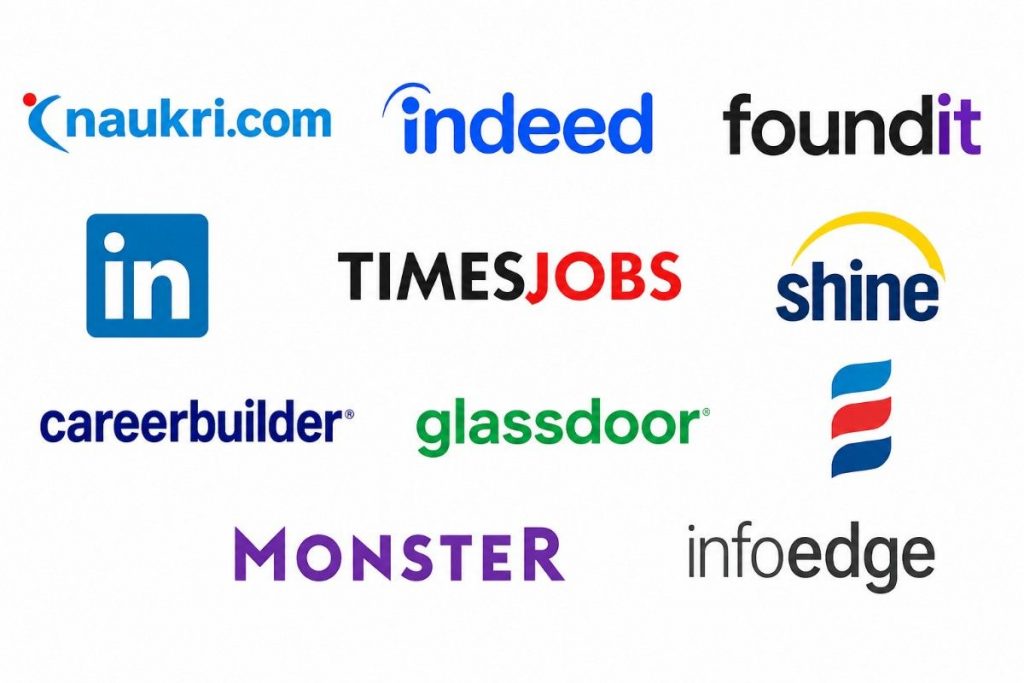
- LinkedIn Jobs: LinkedIn is one of the most popular platforms for finding Data Analytics job opportunities across various industries. It also allows candidates to network with recruiters, industry professionals, and hiring managers.
- Naukri.com: Naukri is widely used in India for entry-level and experienced Data Analytics job openings. Candidates can upload resumes, apply directly, and receive personalized job recommendations.
- Indeed: Indeed provides thousands of Data Analytics job listings from startups, multinational companies, and consulting firms. It also offers company reviews, salary insights, and interview experiences shared by employees.
- TCS, Infosys, Wipro, and Accenture: Leading IT companies regularly hire Data Analysts, Business Analysts, and Business Intelligence professionals through campus recruitment and off-campus hiring. They provide excellent learning opportunities and career growth.
- Amazon, Google, Microsoft, and IBM: Global technology companies recruit Data Analytics professionals for business intelligence, data engineering, and advanced analytics roles. Strong technical skills and practical project experience improve selection chances. To improve your chances of securing these opportunities, refer to Secure a Data Analytics Internship, which shares practical preparation strategies.
- Deloitte, EY, PwC, and KPMG: Consulting firms hire Data Analytics professionals to solve business problems using analytical insights across multiple industries. These companies offer exposure to diverse projects and client environments.
- Glassdoor: Glassdoor helps candidates explore job openings while providing company reviews, salary information, and interview experiences. This information assists applicants in preparing for the recruitment process.
- Internshala and Wellfound: These platforms are excellent for freshers seeking internships and entry-level Data Analytics opportunities in startups and growing technology companies. They help candidates gain valuable industry experience early in their careers.

Get JOB Oriented Data Analytics Training for Beginners By MNC Experts
- Instructor-led Sessions
- Real-life Case Studies
- Assignments
Step-by-Step Process to Apply for Data Analytics Jobs
- Identify Suitable Job Opportunities: Search for Data Analytics roles that match your education, technical skills, and career goals using trusted job portals. Carefully review the eligibility criteria, required skills, and job responsibilities before applying.
- Prepare a Professional Resume: Create a well-structured resume highlighting your education, projects, certifications, internships, technical skills, and achievements. Tailor your resume to match the requirements mentioned in each job description.
- Build an Impressive Portfolio: Upload your Data Analytics projects, dashboards, and source code to GitHub or create an online portfolio showcasing your practical work. Demonstrating real-world projects significantly increases your chances of getting shortlisted.
- Apply Through Official Career Portals: Submit your application through the company’s official careers website or trusted job portals with accurate information. Ensure that all required documents are uploaded before completing the application.
- Prepare for Online Assessments: Practice aptitude questions, SQL queries, Python programming, logical reasoning, and data interpretation before attempting recruitment assessments. Strengthen these skills by enrolling in a Data Analytics Course to improve your performance in the initial screening process.
- Attend Technical and HR Interviews: Revise Data Analytics concepts, explain your projects confidently, and demonstrate strong communication and problem-solving skills. Employers assess both technical expertise and professional attitude during interviews.
- Follow Up on Your Application: Monitor your email regularly for interview invitations, assessment updates, or recruiter communication after submitting your application. Maintaining professional communication reflects your interest and commitment.
- Continue Upskilling While Applying: Learn new tools, complete certifications, and work on additional projects even after applying for jobs. Continuous learning improves your profile and increases future employment opportunities.
Want to Master Data Analytics? Explore the Data Analytics Master Program Offered at ACTE Today!
Preparing for Data Analytics Aptitude, Technical, and HR Interviews
| Interview Stage | Preparation Tips |
|---|---|
| Aptitude Round | Practice quantitative aptitude, logical reasoning, data interpretation, and verbal ability questions regularly to improve speed and accuracy. |
| Python Interview | Revise Python fundamentals, data structures, loops, functions, file handling, and libraries such as Pandas and NumPy used in Data Analytics. |
| SQL Interview | Practice SQL queries including SELECT, JOIN, GROUP BY, HAVING, ORDER BY, subqueries, aggregate functions, and database normalization concepts. |
| Statistics Questions | Review probability, mean, median, mode, variance, standard deviation, hypothesis testing, and basic statistical concepts used in analytics. |
| Excel and Visualization | Learn advanced Excel functions, Pivot Tables, VLOOKUP, XLOOKUP, Power Query, Power BI, and Tableau dashboard creation techniques. |
| Project Discussion | Prepare to explain your projects, dataset, objectives, methodology, tools used, challenges faced, and business outcomes confidently. |
| HR Interview | Be ready to discuss your strengths, weaknesses, career goals, teamwork experience, and reasons for choosing Data Analytics as a career. |
| Mock Interviews | Participate in mock interviews and coding practice sessions to improve confidence, communication, and problem-solving skills before the actual interview. |
Common Mistakes to Avoid While Applying for Data Analytics Jobs
- Using a Generic Resume: Sending the same resume for every job application reduces your chances of getting shortlisted. Customize your resume according to the job description and required technical skills.
- Ignoring Practical Projects: Recruiters prefer candidates who can demonstrate real-world experience through projects and portfolios. Failing to showcase practical work can weaken your application.
- Applying Without Reading the Job Description: Many candidates apply without understanding the required qualifications, responsibilities, and technical skills. Carefully reviewing the job description helps determine whether the role matches your profile.
- Poor Interview Preparation: Attending interviews without revising SQL, Python, Excel, statistics, and project concepts often leads to poor performance. Consistent preparation significantly improves interview confidence.
- Neglecting LinkedIn and GitHub Profiles: An incomplete LinkedIn profile or inactive GitHub account creates a less professional impression. Keeping both profiles updated helps recruiters evaluate your technical expertise. Reading My Data Analytics Internship Experience can provide practical insights into how recruiters evaluate candidates during internships and job applications.
- Making Resume Errors: Spelling mistakes, formatting issues, and incorrect information reduce the professionalism of your resume. Always proofread your application before submitting it.
- Lack of Communication Skills: Strong technical knowledge alone is not enough if you cannot explain your ideas clearly. Practice presenting your projects and analytical findings in a confident and structured manner.
- Stopping Learning After Applying: The recruitment process may take several weeks, making continuous learning important during this period. Completing new projects and certifications improves your profile for future opportunities.
Want to Learn About Data Analytics? Explore Our Data Analytics Interview Questions and Answers Featuring the Most Frequently Asked Questions in Job Interviews.
Tips to Increase Your Chances of Getting Hired as a Data Analyst
- Master Core Technical Skills: Build strong knowledge of Python, SQL, Excel, Power BI, Tableau, statistics, and data visualization before applying. These are the most commonly evaluated skills during Data Analytics recruitment.
- Build an Impressive Project Portfolio: Develop real-world projects using publicly available datasets and upload them to GitHub with proper documentation. A strong portfolio demonstrates practical knowledge beyond academic learning.
- Earn Industry-Recognized Certifications: Complete certifications in Data Analytics, Python, SQL, Power BI, or cloud technologies from trusted platforms. Certifications validate your knowledge and strengthen your resume.
- Practice Interview Questions Regularly: Solve aptitude questions, coding problems, SQL queries, and case studies to improve technical confidence. Regular practice helps you perform better during recruitment assessments.
- Apply Through Multiple Job Portals: Use LinkedIn, Naukri, Indeed, company career pages, and other trusted platforms to maximize job opportunities. Applying consistently increases your chances of receiving interview calls. Understanding Data Analytics Salary Trends can also help you identify high-demand roles and set realistic career expectations.
- Develop Strong Communication Skills: Learn to explain technical concepts, project outcomes, and business insights clearly during interviews. Good communication helps recruiters assess your overall professional readiness.
- Network with Industry Professionals: Connect with Data Analysts, recruiters, and professionals through LinkedIn, webinars, and technical communities. Networking often provides valuable career guidance and job referrals.
- Keep Learning and Stay Updated: The Data Analytics field evolves continuously with new tools and technologies emerging regularly. Staying updated with industry trends improves long-term career growth and employability.
Conclusion: Starting Your Career in Data Analytics Successfully
Building a successful career in Data Analytics requires a combination of technical knowledge, practical experience, continuous learning, and a well-planned job application strategy. As organizations across industries increasingly rely on data to drive business decisions, the demand for skilled Data Analytics professionals continues to grow, creating excellent opportunities for fresh graduates and career changers. Securing a Data Analytics job involves much more than meeting the educational requirements; candidates must also develop strong technical skills in Python, SQL, Excel, Power BI, Tableau, statistics, data visualization, and basic machine learning while gaining practical experience through projects, internships, certifications, and online portfolios. Enrolling in a professional Data Analytics Course can help candidates build these industry-relevant skills through structured learning and hands-on projects. A well-structured resume, an active GitHub repository, and a professional LinkedIn profile significantly improve visibility among recruiters and demonstrate a candidate’s commitment to learning and professional development. Applying through trusted job portals, carefully reading job descriptions, tailoring applications for each role, and preparing thoroughly for aptitude tests, technical interviews, and HR discussions further increase the chances of success. Strong communication skills, analytical thinking, logical reasoning, teamwork, and problem-solving abilities are equally important because employers seek professionals who can effectively transform complex data into meaningful business insights. Candidates should also remain consistent in upgrading their skills by learning new technologies, completing advanced certifications, participating in hackathons, contributing to open-source projects, and staying informed about emerging trends in data analytics, artificial intelligence, cloud computing, and business intelligence. Rejections during the job search should be viewed as valuable learning experiences rather than setbacks, allowing candidates to identify areas for improvement and prepare more effectively for future opportunities. With determination, continuous practice, hands-on experience, and a proactive learning mindset, aspiring Data Analysts can confidently enter the technology industry and build a rewarding career filled with continuous growth, attractive salary opportunities, and the chance to contribute to data-driven innovation across a wide range of industries.