LMS
LMS
Last updated on 25th Jul 2026| 8168

- Introduction to ATS and Why It Matters
- How Applicant Tracking Systems Work
- Key Elements of an ATS-Friendly Resume
- Formatting Rules for ATS Compatibility
- Keywords and Their Role in ATS Screening
- Comparison Table: ATS-Friendly vs Non-ATS-Friendly Resumes
- Common ATS Mistakes That Get Resumes Rejected
- Optimizing Sections for ATS and Human Readers
- Tools and Tips to Test Your ATS Resume
- Conclusion: Building a Resume That Passes ATS and Impresses Recruiters
Introduction to ATS and Why It Matters
In today’s competitive job market, most resumes never reach a human recruiter directly; instead, they first pass through an Applicant Tracking System, commonly known as ATS, which is software used by companies to manage, filter, and rank job applications automatically. Large organizations often receive hundreds or even thousands of applications for a single opening, making it practically impossible for recruiters to manually review every resume in detail. To handle this volume efficiently, companies rely on ATS platforms to scan resumes, extract relevant information, and shortlist candidates based on how closely their profile matches the job requirements. Understanding how these systems work has become essential for job seekers, because a resume that looks visually appealing to a human reader may still be misread or rejected by an ATS if it is not structured correctly. Many qualified candidates unknowingly lose opportunities simply because their resume format, layout, or wording is incompatible with how ATS software reads documents. This makes ATS optimization not just a technical formality but a critical skill for anyone applying to mid-sized or large companies. Candidates should also be aware of common resume issues that can reduce their chances of reaching recruiters, as even small errors in formatting, content, or structure can affect application success. Reviewing Resume Mistakes That Are Costing You Interviews can help job seekers identify and avoid problems that may prevent their resumes from being shortlisted. This article explains what ATS systems are, how they function, what elements make a resume ATS-friendly, and how candidates can build resumes that successfully pass automated screening while still remaining engaging and impressive to the human recruiters who eventually review them.
How Applicant Tracking Systems Work
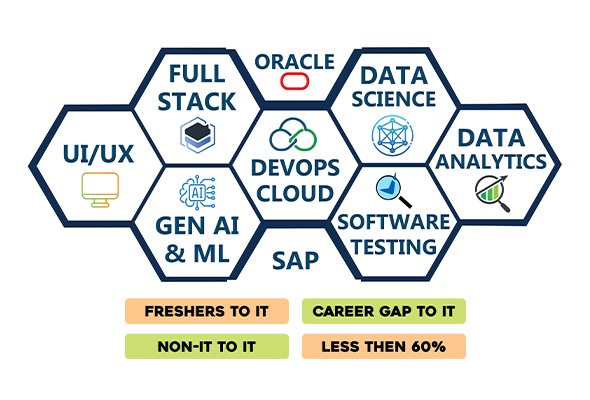
An Applicant Tracking System functions as a digital gatekeeper that manages the entire recruitment workflow, starting from the moment a candidate submits an application to the point where a recruiter decides whether to move forward with an interview. When a resume is uploaded, the ATS parses the document, meaning it breaks down the content into structured data by identifying sections such as contact information, education, work experience, and skills. This parsed data is then compared against the job description using algorithms that look for matching keywords, relevant qualifications, and required experience levels. Based on this comparison, the system generates a ranking or match score for each candidate, which recruiters use to prioritize which resumes to review first. Some advanced ATS platforms also allow recruiters to search their entire database of past applicants using specific keywords, meaning a well-optimized resume can resurface in future searches even after the original application cycle has ended. It is important to understand that ATS software does not make final hiring decisions; it simply organizes and filters applications to make the recruiter’s job more manageable.
Ready to Pursue Your Data Science Certificate? View The Data Science Course Training Offered By ACTE Right Now!
Key Elements of an ATS-Friendly Resume
- Clear Section Headings: Using standard headings such as Education, Experience, and Skills helps the ATS correctly categorize information. Unusual or creative headings may confuse the parsing algorithm and cause important details to be misclassified or ignored entirely.
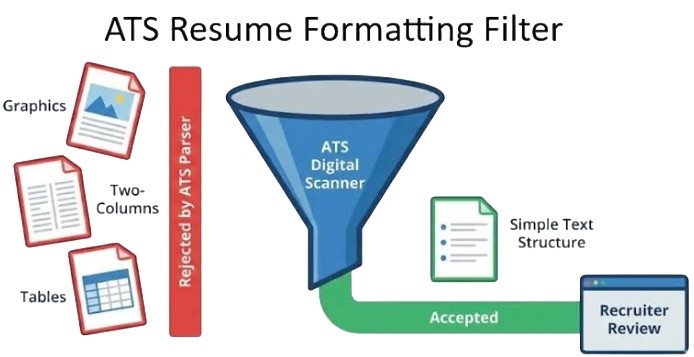
- Simple and Clean Layout: A single-column layout without complex design elements is easier for ATS software to read accurately. Multi-column layouts, text boxes, and graphics can disrupt the parsing sequence and scramble the extracted information.
- Standard Fonts: Common fonts such as Arial, Calibri, or Times New Roman are reliably recognized by ATS systems. Decorative or unusual fonts may not be read correctly, resulting in garbled or missing text after parsing.
- Relevant Keywords: Including keywords directly from the job description helps the ATS recognize alignment between the candidate’s profile and the role. Keywords should be integrated naturally within sentences rather than forced or repeated excessively.
- Proper File Format: Saving the resume as a standard PDF or Word document, unless otherwise specified, ensures compatibility with most ATS platforms. Some systems struggle with heavily designed PDFs, so following any specific instructions provided by the employer is important.
- Consistent Date Formatting: Using a uniform date format throughout the resume, such as month and year, helps the ATS accurately calculate work experience duration. Inconsistent formatting can lead to incorrect or incomplete experience calculations.
Along with following ATS-friendly practices, candidates should also avoid common resume issues that can reduce their chances of getting shortlisted. Reviewing 10 Mistakes That Will Get Your Resume Rejected can help job seekers identify formatting errors, content gaps, and other problems that may negatively impact their application.
Formatting Rules for ATS Compatibility
Formatting plays a pivotal role in determining whether an ATS can accurately extract and organize the information on a resume, and candidates must follow certain rules to avoid unintentional parsing errors. First, avoiding headers and footers for essential information is important, as many ATS platforms fail to scan content placed within these areas, meaning contact details or key qualifications could be entirely missed. Second, tables and text boxes should generally be avoided because ATS software often reads content in a linear, top-to-bottom sequence, and information placed inside these design elements can be read out of order or skipped altogether. Third, using standard bullet point symbols rather than custom icons or special characters ensures that list items are recognized correctly during parsing. Fourth, avoiding images, charts, and graphics that contain important text is essential, since ATS systems cannot read text embedded within visual elements. Fifth, candidates should refrain from using excessive abbreviations without first spelling out the full term, as the ATS may be searching for the complete keyword phrase rather than its shortened version. Finally, maintaining a logical reading order, where sections flow naturally from top to bottom and left to right, helps ensure that the parsed version of the resume matches the intended structure, preserving the accuracy of the information being evaluated by recruiters. Following professional resume writing practices can further improve clarity and effectiveness, and candidates can explore Resume Writing Tips to Land Your Dream Job to understand how to highlight skills and information in a recruiter-friendly way.
Keywords and Their Role in ATS Screening
Keywords act as the primary matching mechanism between a candidate’s resume and the job description within an ATS, making them one of the most important elements to get right during resume preparation. These keywords typically include specific skills, tools, certifications, job titles, and industry-specific terminology that recruiters expect to see in a qualified candidate’s profile. To identify the most relevant keywords, candidates should carefully analyze the job description and note recurring terms, required qualifications, and specific technologies mentioned by the employer. However, simply stuffing a resume with as many keywords as possible is not an effective strategy, as many modern ATS platforms and recruiters can identify unnatural keyword repetition, which may raise concerns about authenticity rather than improving the match score. Instead, keywords should be woven naturally into the descriptions of projects, experiences, and skills, ensuring that the resume remains readable and genuine while still aligning with the terminology the ATS is searching for. It is also useful to include both the full term and its common abbreviation where applicable, such as mentioning “Search Engine Optimization” alongside “SEO,” since different systems or job postings may search for either version. Ultimately, effective keyword usage requires a balance between strategic optimization and authentic, well-written content that accurately reflects the candidate’s actual skills and experiences. A strong resume summary can also help highlight important keywords at the beginning of the document and quickly communicate a candidate’s value to recruiters. Job seekers can refer to Top Resume Summary Examples for ideas on creating impactful summaries that improve resume visibility.

Comparison Table: ATS-Friendly vs Non-ATS-Friendly Resumes
| Feature | ATS-Friendly Resume | Non-ATS-Friendly Resume |
|---|---|---|
| Layout | Single column, simple structure | Multi-column, complex design |
| Fonts | Standard, widely supported fonts | Decorative or unusual fonts |
| Headings | Standard section headings | Creative or non-standard headings |
| Graphics | Minimal or no graphics | Heavy use of icons and images |
| Tables | Avoided or used minimally | Used for layout and content |
| File Format | Standard PDF or Word document | Image-based or unusual formats |
| Keyword Usage | Naturally integrated relevant keywords | Missing or irrelevant keywords |
| Parsing Accuracy | High accuracy, information intact | Low accuracy, information lost |
Excited to Obtaining Your Data Analytics Certificate? View The Data Science Course Training Offered By ACTE Right Now!
Common ATS Mistakes That Get Resumes Rejected
- Using Images for Text Content: Placing text within an image, such as a designed header or infographic-style skills section, makes that content invisible to the ATS. All important information should always exist as actual selectable text.
- Overly Creative Templates: Highly designed templates with unusual layouts, sidebars, and graphics often confuse ATS parsers. Simpler, more traditional layouts consistently perform better during automated screening.
- Missing Standard Contact Information: Placing contact details in a header, footer, or graphic element can cause the ATS to miss this critical information entirely. Contact details should always be placed in the main body of the document.
- Inconsistent Job Titles: Using overly creative or non-standard job titles instead of recognizable industry terms can prevent the ATS from correctly matching experience. Standard, widely recognized title conventions improve matching accuracy.
- Ignoring the Job Description: Submitting the same generic resume for every application without adjusting keywords reduces the match score significantly. Each application should be tailored to reflect the specific terminology used in that job posting.
Avoiding ATS mistakes is only one part of creating an effective resume. Candidates should also focus on presenting their qualifications, achievements, and experience in a structured manner to make a strong impression throughout the hiring process. Following a complete Tips to Build a Resume That Lands Your Dream Job can help job seekers create a professional resume that meets both ATS requirements and recruiter expectations.
Optimizing Sections for ATS and Human Readers
Building a resume that performs well with ATS software while still remaining engaging for human recruiters requires balancing technical optimization with genuine, well-written content. The summary or objective section at the top of the resume should be concise yet keyword-rich, giving both the ATS and the recruiter an immediate sense of the candidate’s core strengths and career focus. The skills section should list relevant technical and soft skills using terminology that matches the job description, while also being organized clearly enough for a human reader to quickly scan and understand. When describing work experience or projects, candidates should use strong action verbs combined with relevant keywords, ensuring that each bullet point communicates a specific accomplishment rather than a vague responsibility. Education and certification sections should be formatted consistently and use standard terminology recognized by both automated systems and recruiters. It is also helpful to include a dedicated skills or technologies section separate from the experience section, as this provides a concentrated area of relevant keywords that the ATS can easily identify. Ultimately, the goal is to create a resume that reads naturally and compellingly to a human while simultaneously containing the structural clarity and keyword alignment that allows an ATS to accurately parse and score the document, ensuring the resume performs well at every stage of the hiring process. Freshers who are preparing their first professional resume can also learn how to organize sections effectively by following a How to Make a Resume for Freshers, which explains how to highlight skills, projects, and academic achievements.
Optimizing Sections for ATS and Human Readers
Building a resume that performs well with ATS software while still remaining engaging for human recruiters requires balancing technical optimization with genuine, well-written content. The summary or objective section at the top of the resume should be concise yet keyword-rich, giving both the ATS and the recruiter an immediate sense of the candidate’s core strengths and career focus. The skills section should list relevant technical and soft skills using terminology that matches the job description, while also being organized clearly enough for a human reader to quickly scan and understand. When describing work experience or projects, candidates should use strong action verbs combined with relevant keywords, ensuring that each bullet point communicates a specific accomplishment rather than a vague responsibility. Education and certification sections should be formatted consistently and use standard terminology recognized by both automated systems and recruiters. It is also helpful to include a dedicated skills or technologies section separate from the experience section, as this provides a concentrated area of relevant keywords that the ATS can easily identify. Ultimately, the goal is to create a resume that reads naturally and compellingly to a human while simultaneously containing the structural clarity and keyword alignment that allows an ATS to accurately parse and score the document, ensuring the resume performs well at every stage of the hiring process. Freshers who are preparing their first professional resume can also learn how to organize sections effectively by following a How to Make a Resume for Freshers, which explains how to highlight skills, projects, and academic achievements.
Are You Considering Pursuing a Data Analytics Master’s Degree? Enroll For Data Science Expert Masters Program Training Course Today!
Tools and Tips to Test Your ATS Resume
Before submitting a resume, candidates can take several practical steps to verify how well it will perform when processed by an ATS. One simple method is to copy the content of the resume and paste it into a plain text editor; if the information appears jumbled, out of order, or missing key sections, this is a strong indicator that the original formatting may cause parsing issues. Several free and paid online ATS resume checker tools are also available, which analyze a resume against a specific job description and provide a match score along with suggestions for improvement, such as missing keywords or formatting warnings. Candidates can also ask peers, mentors, or career counselors to review the resume specifically for ATS compatibility, since a fresh perspective can catch formatting issues that may not be obvious to the original author. Another useful tip is to save the resume in the file format explicitly requested by the employer, as some ATS platforms handle certain formats more reliably than others. Testing the resume across multiple ATS checking tools, since different systems may parse documents slightly differently, provides a more comprehensive understanding of potential issues. Regularly updating and re-testing the resume as new skills and experiences are added ensures that it continues to perform well as both an ATS-friendly and recruiter-friendly document over time. Choosing the right resume structure before testing is equally important, especially for candidates starting their careers. Freshers can explore different Resume Formats for Freshers to understand how to organize their education, skills, projects, and experience effectively.
Set to Ace Your Data Science Job Interview? Check Out Our Blog on Data Science Interview Questions & Answer
Conclusion: Building a Resume That Passes ATS and Impresses Recruiters
Successfully navigating the modern hiring process requires candidates to think beyond simply listing their qualifications and instead consider how their resume will be read, interpreted, and scored by automated systems before it ever reaches a human recruiter. Understanding how ATS platforms work, following formatting rules that support accurate parsing, and strategically incorporating relevant keywords are all essential steps toward ensuring a resume does not get filtered out before it has a chance to be seen. At the same time, candidates must remember that the ultimate goal is not just to satisfy an algorithm but to create a document that genuinely and compellingly represents their skills, experiences, and potential to a human decision-maker. By balancing technical ATS optimization with authentic, well-structured content, candidates can build resumes that perform strongly at every stage of the hiring pipeline, from automated screening to final interview selection. As more companies continue to adopt ATS technology to manage growing volumes of applications, developing this skill has become an essential part of modern job searching. Candidates who take the time to understand and apply these principles significantly increase their chances of getting noticed, shortlisted, and ultimately hired in an increasingly competitive and technology-driven recruitment landscape. Continuously improving resume quality based on industry expectations and recruiter preferences can create better career opportunities, and candidates can explore Resume Tips Inspired by Candidates Hired at Leading Tech Companies to learn strategies that help create a stronger professional profile.