LMS
Last updated on 05th Sep 2026| 8496

- Exploring Career Opportunities in Microsoft Azure
- Azure Administrator and Cloud Engineer Job Roles
- Azure Solutions Architect Career Opportunities
- Azure DevOps Engineer and Cloud Automation Roles
- Azure Security Engineer and Cloud Security Careers
- Azure Data Engineer and AI Cloud Opportunities
- Essential Microsoft Azure Skills and Technologies to Learn
- Microsoft Azure Salary and Compensation Factors
- Azure Certifications, Projects, and Experience for Cloud Jobs
- Career Progression and Future Opportunities in Microsoft Azure
Exploring Career Opportunities in Microsoft Azure
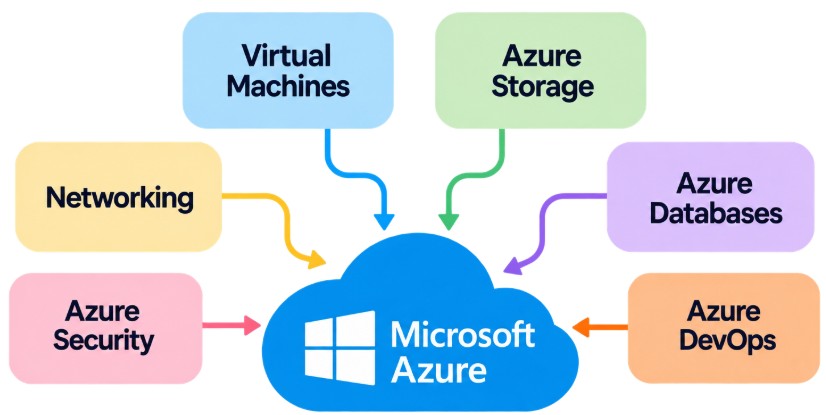
Microsoft Azure offers career opportunities for professionals interested in cloud computing, infrastructure, application development, security, data engineering, artificial intelligence, DevOps, networking, and enterprise architecture. Organizations use Azure to host applications, manage data, automate infrastructure, strengthen security, and support digital transformation initiatives. Depending on their interests and technical expertise, professionals can pursue roles such as Azure Administrator, Cloud Engineer, Azure Developer, DevOps Engineer, Security Engineer, Data Engineer, AI Engineer, Network Engineer, or Solutions Architect. Beginners can start by understanding cloud fundamentals, Azure services, virtual machines, storage, networking, identity, and security. Professionals looking to build structured Azure knowledge can explore the Microsoft Azure Course before moving toward specialized technologies. Practical experience with Azure Portal, Azure CLI, PowerShell, Infrastructure as Code, monitoring, and automation can further improve job readiness. Building projects and earning role-aligned certifications can help candidates demonstrate their capabilities and prepare for long-term careers in cloud technologies.
Azure Administrator and Cloud Engineer Job Roles
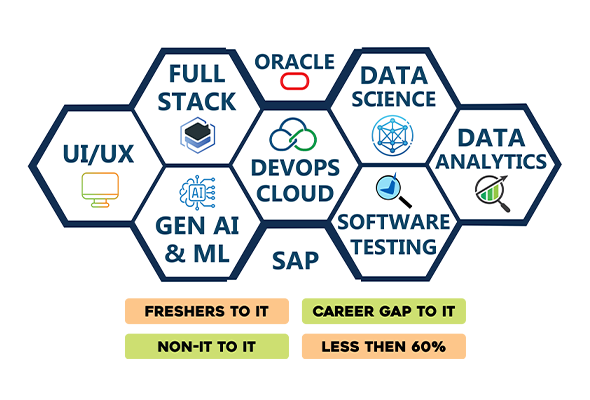
Azure Administrators and Cloud Engineers are responsible for deploying, configuring, monitoring, and maintaining cloud infrastructure that supports business applications and services. Their responsibilities can include managing Azure Virtual Machines, storage accounts, virtual networks, identity services, access controls, backups, monitoring, and resource configurations. Administrators may use Azure Portal, PowerShell, Azure CLI, and automation tools to manage cloud resources efficiently. Cloud Engineers can also participate in infrastructure migrations, troubleshooting, performance optimization, disaster recovery, security configuration, and cost management.
Get Your Azure Certification by Learning from Industry-Leading Experts and Advancing Your Career with ACTE’s Azure Training.
Azure Solutions Architect Career Opportunities
Azure Solutions Architects design cloud solutions that align technology architecture with organizational and application requirements. They evaluate business needs and determine how Azure compute, networking, storage, identity, security, database, integration, and monitoring services can work together effectively. Architects may design highly available applications, hybrid cloud environments, disaster recovery strategies, migration solutions, governance frameworks, and secure enterprise architectures. The role requires broader technical knowledge than focusing on a single Azure service because architects must understand how multiple cloud components interact. Professionals planning their specialization can refer to an Azure Certification Roadmap to understand relevant certification paths and skill areas. Knowledge of Azure Virtual Network, Microsoft Entra ID, Azure Storage, databases, monitoring, security, backup, containers, and Infrastructure as Code can be valuable. Solutions Architects also communicate with business stakeholders, developers, administrators, security professionals, and engineering teams. Strong architecture, problem-solving, documentation, communication, and decision-making skills can help professionals progress into senior architecture and cloud leadership responsibilities.

Azure DevOps Engineer and Cloud Automation Roles
Azure DevOps Engineers focus on improving software delivery by connecting development, testing, deployment, infrastructure, and operations processes. They can build continuous integration and continuous delivery pipelines, automate infrastructure deployment, manage source code, configure release processes, monitor applications, and improve development workflows. Professionals looking to strengthen their Azure and cloud automation skills can explore the Microsoft Azure Course to develop a structured understanding of relevant technologies. Professionals may work with Azure DevOps, GitHub, Git, Azure Pipelines, containers, Kubernetes, PowerShell, Azure CLI, Terraform, Bicep, and other automation technologies. Infrastructure as Code enables teams to create repeatable cloud environments while reducing manual configuration. DevOps Engineers may also implement monitoring, testing, security controls, artifact management, and deployment strategies. Strong knowledge of cloud infrastructure, scripting, version control, CI/CD concepts, containers, and automation is important for these positions. With practical experience, professionals can advance toward Senior DevOps Engineer, Platform Engineer, Site Reliability Engineer, Cloud Automation Specialist, or DevOps Architect career paths.
Azure Security Engineer and Cloud Security Careers
Azure Security Engineers help organizations protect cloud applications, infrastructure, identities, networks, and data from security risks. Their responsibilities can include configuring identity and access controls, securing network resources, implementing security policies, monitoring threats, investigating incidents, and strengthening cloud security configurations. Professionals should understand Microsoft Entra ID, role-based access control, Azure Key Vault, network security, encryption, logging, monitoring, and security governance. Security teams may also work with data and analytics services, making knowledge of Microsoft Azure Analysis Services useful when securing and managing cloud-based data environments. Security roles can also involve vulnerability management, security posture improvement, compliance requirements, incident response, and cloud threat detection. Knowledge of zero-trust principles, authentication, authorization, privileged access, and security automation can further strengthen career opportunities. Azure security professionals commonly collaborate with administrators, developers, architects, SOC teams, and governance specialists. With experience and broader security expertise, professionals can progress toward Cloud Security Consultant, Security Architect, Security Lead, or enterprise cloud security positions.

Get JOB Oriented Azure Training for Beginners By MNC Experts
- Instructor-led Sessions
- Real-life Case Studies
- Assignments
Azure Data Engineer and AI Cloud Opportunities
Azure provides career paths for professionals interested in data engineering, analytics, machine learning, and artificial intelligence. Azure Data Engineers can build pipelines that collect, transform, process, and deliver data for analytics and business applications. Depending on the environment, professionals may work with Azure data services, SQL technologies, data lakes, analytics platforms, Microsoft Fabric, and related cloud tools. For data integration workflows, understanding Azure Data Factory for Data Integration can help professionals design and manage cloud-based data movement and transformation processes. AI-focused professionals can develop intelligent applications using machine learning, generative AI, natural language processing, search, and other AI capabilities available across Microsoft’s cloud ecosystem. Important skills can include SQL, Python, data modeling, ETL or ELT concepts, data integration, analytics, machine learning fundamentals, APIs, and cloud security. Professionals should also understand data governance, performance, scalability, and monitoring. Practical projects involving cloud data pipelines, analytics solutions, machine learning models, or AI applications can help candidates demonstrate their abilities for data and AI-focused cloud positions.
Want to Master Azure? Explore the Azure Master Program Offered at ACTE Today!
Essential Microsoft Azure Skills and Technologies to Learn
- Azure Fundamentals: Beginners should understand Azure subscriptions, resource groups, compute services, storage, networking, identity, governance, and monitoring.
- Cloud Infrastructure: Professionals interested in infrastructure should develop skills in virtual machines, virtual networks, load balancing, backup, disaster recovery, and Microsoft Entra ID.
- Azure Development: Developers can strengthen their knowledge of APIs, serverless computing, containers, databases, and application deployment.
- Cloud Management: Professionals can use the Microsoft Azure Portal to manage resources, configure services, monitor environments, and perform common cloud administration tasks.
- DevOps and Automation: DevOps professionals should learn Git, CI/CD, Infrastructure as Code, Azure DevOps, GitHub, Terraform or Bicep, and scripting.
- Cloud Security: Security professionals should understand identity protection, access management, network security, encryption, logging, and security monitoring.
- Azure CLI and PowerShell: Knowledge of Azure CLI and PowerShell can improve automation, administration, deployment, and cloud-management capabilities.
- Professional Skills: Troubleshooting, documentation, communication, analytical thinking, and practical project experience can strengthen overall cloud career readiness.
Set to Ace Your Microsoft Azure Job Interview? Check Out Our Blog on Microsoft Azure Interview Questions & Answer
Microsoft Azure Salary and Compensation Factors
- Job Role: Azure expertise is used across many cloud positions, so compensation can differ between administrators, developers, DevOps Engineers, Security Engineers, Data Engineers, and Solutions Architects.
- Experience Level: Professionals with deeper implementation, troubleshooting, architecture, and enterprise cloud experience can qualify for positions with greater technical responsibility.
- Technical Specialization: Expertise in cloud security, architecture, automation, artificial intelligence, data engineering, Kubernetes, and enterprise migrations can influence career and compensation opportunities. Professionals can also explore Microsoft Azure Career Opportunities to understand different cloud roles and skill requirements.
- Certifications: Azure certifications can strengthen a professional profile when combined with practical experience and demonstrated technical capabilities.
- Project Responsibilities: Professionals who design complex cloud solutions, automate infrastructure, troubleshoot production environments, and lead major implementations may qualify for more senior roles.
- Employer and Location: Salary can vary according to employer, geographic location, job level, market conditions, responsibilities, and the specific Azure role.
Want to Learn About Azure ? Explore Our Azure Interview Questions and Answers Featuring the Most Frequently Asked Questions in Job Interviews.
Azure Certifications, Projects, and Experience for Cloud Jobs
Azure certifications can help professionals validate their knowledge and organize their learning around particular cloud responsibilities. Beginners can first develop foundational cloud knowledge before progressing toward certifications aligned with administration, development, security, data, AI, DevOps, or architecture. For professionals focusing on application development, becoming a Certified Azure Developer can provide a structured path for building relevant cloud development knowledge. Certification preparation becomes more valuable when combined with practical experience. Candidates can build projects involving virtual machines, virtual networks, storage, identity management, web application deployment, databases, monitoring, CI/CD pipelines, Infrastructure as Code, cloud security, data pipelines, or AI applications. Projects should demonstrate not only how services are configured but also how security, availability, performance, automation, and cost considerations are handled. Maintaining clear project documentation and source code can help candidates explain their technical decisions during interviews. Hands-on labs, internships, enterprise projects, and troubleshooting experience can further strengthen readiness for professional Azure positions.
Career Progression and Future Opportunities in Microsoft Azure
A Microsoft Azure career can progress through multiple technical and leadership pathways depending on a professional’s specialization and experience. Beginners may start in cloud support, system administration, junior development, or infrastructure roles before progressing into Azure Administrator, Cloud Engineer, Developer, DevOps Engineer, Security Engineer, Data Engineer, or other specialized positions. Professionals looking to strengthen their Azure skills can explore the Microsoft Azure Course to build relevant cloud knowledge and practical capabilities. Experienced professionals can move toward Senior Engineer, Technical Consultant, Cloud Architect, Solutions Architect, Security Architect, Platform Architect, or technical leadership responsibilities. Continuous learning is important because cloud platforms regularly introduce new capabilities across artificial intelligence, automation, containers, security, data platforms, and application development. Professionals who combine Azure knowledge with DevOps, cybersecurity, data engineering, AI, or software development expertise can develop broader career options. Building real-world projects, earning relevant certifications, improving architecture knowledge, and gaining enterprise implementation experience can support long-term progression in cloud computing.