LMS
LMS
Last updated on 29th Oct 2025| 9734

- “Enhancing React with Frameworks: Simplifying Routing, State, and Server Rendering”
- Why Use a React Framework?
- Remix: Full-Stack React Framework
- Blitz.js: Zero-API Data Layer for React
- Chakra UI and Tailwind CSS are frameworks used with React
- React Admin Frameworks
- Testing Frameworks for React Apps
- Choosing the Right React Framework
- Future Trends in React Frameworks
- Conclusion
Enhancing React with Frameworks: Simplifying Routing, State, and Server Rendering
React is a JavaScript library mainly used for building dynamic user interfaces, especially in single-page applications. Full Stack Developer Training While chakra ui react manages the view layer, it doesn’t provide built-in solutions for routing, data fetching, state management, or server-side rendering.
This is where React frameworks come in. Frameworks like Next.js Framework, Remix, and Gatsby offer a complete architecture for developing fully-featured web applications. They handle:
- Routing: Navigating between pages
- SSR/SSG: Server-side or static rendering for performance and SEO
- State Management: Efficiently managing UI and data state
- Full-stack capabilities: Seamless frontend-backend integration
- File-based routing
- API route creation
- Automatic code splitting
- Built-in CSS/Sass support
- Image optimization and analytics
- GraphQL data layer
- Pre-built plugins and themes
- PWA support
- Optimized image handling
- Nested routing
- Server-side data loaders
- Built-in caching
- Optimized for real-world performance
- Minimal boilerplate full-stack setup
- Built-in authentication
- Prisma ORM support
- Serverless-friendly
- Chakra UI: Accessible, themeable React components
- chakra ui react CSS: Utility-first Tailwind CSS for responsive design
- React Admin: CRUD dashboards
- Ant Design Pro: Enterprise-ready templates
- Material-UI Dashboards: Pre-designed React Admin panels
- Jest: Unit and integration testing
- React Testing Library: Behavior-focused testing
- Cypress: End-to-end testing
- SEO & Performance: Next.js, Gatsby
- Full-stack Interactivity: Remix React, Blitz.js Framework
- Admin Tools: React Admin, Ant Design Pro
- Custom UI: Tailwind CSS, chakra ui react
- React Server Components
- Edge-first rendering (CDN)
- Zero-API full-stack models
- Composable, accessible chakra ui react ecosystems
Why Use a React Framework?
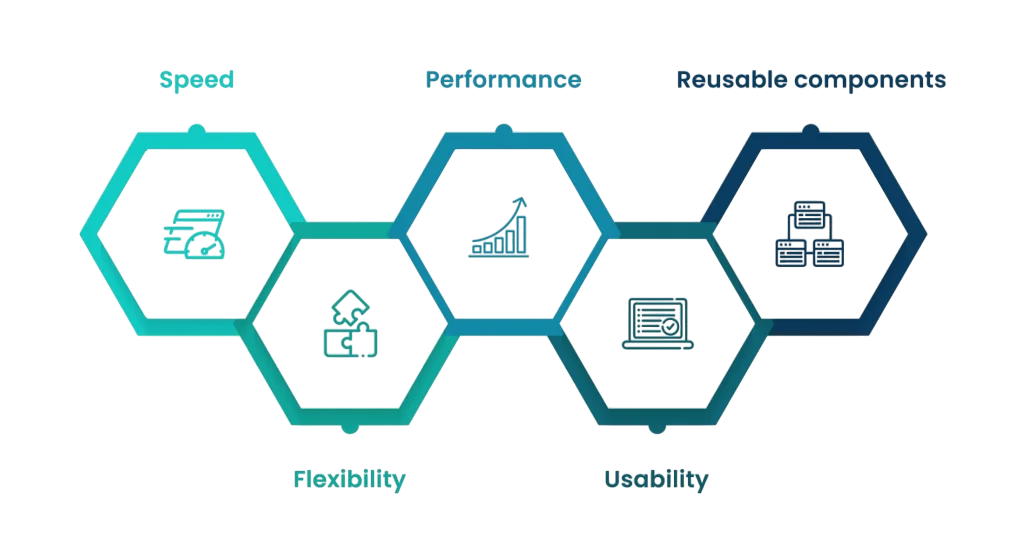
React frameworks simplify Full Stack Developer Training by offering pre-configured tools, performance optimizations, and scalable project structures. They reduce setup time, improve maintainability, and enhance user experience.
Popular React Frameworks
Next.js Framework: Server-Side Rendering for React
Gatsby.js Framework: Static Site Generation
Remix: Full-Stack React Framework

Blitz.js: Zero-API Data Layer
Chakra UI and Tailwind CSS are frameworks used with React
React Admin Frameworks
Testing Frameworks
Comparing React Frameworks: Features & Use Cases
| S.No | Gatsby.js Framework | Rendering Type | Key Strengths | Ideal Use Cases |
|---|---|---|---|---|
| 1 | Next.js Framework | SSR + SSG | Performance, SEO, hybrid apps | E-commerce, SaaS apps, blogs |
| 2 | Gatsby.js Framework | SSG | Fast, SEO-friendly plugin ecosystem | Marketing sites, content-heavy blogs |
| 3 | Remix React | SSR (Full-stack) | Smooth transitions, nested routing | Interactive web apps, dashboards |
| 4 | Blitz.js Framework | SSR + Zero API | Full-stack, minimal boilerplate | Rapid full-stack apps |
Choosing the Right Framework
Future Trends
Conclusion
React frameworks extend the power of chakra ui react beyond front-end development, turning it into a complete Full-stack developer training ecosystem. The right Blitz.js Framework can shape your project’s success whether your focus is performance, user experience, or speed of development. Choosing wisely means aligning tools with your goals, team skills, and long-term scalability. As Remix React continues to evolve, staying updated with emerging Framework and best practices is essential for building applications that are not only fast and interactive but also maintainable and future-ready.