LMS
LMS
Last updated on 03rd Apr 2026| 7939

- From Fresher to Data Analyst in 90 Days
- Introduction and Roadmap Overview
- Week 1–2: Basics of Data Analytics and Excel
- Week 3–4: SQL and Database Concepts
- Week 5–6: Python for Data Analysis
- Week 7–8: Data Visualization Tools (Power BI/Tableau)
- Week 9–10: Real-world Projects and Case Studies
- Week 11: Resume Building and Portfolio Finalization
- Week 12: Interview Preparation and Job Applications
- Daily Practice Plan and Resources
- Final Tips for Success in 90 Days
From Fresher to Data Analyst in 90 Days
Becoming a data analyst in just 90 days may appear challenging at first, but with a well-structured plan, disciplined execution, and the right mindset, it is a highly achievable goal. This journey is not about rushing through concepts but about learning them in a focused and practical manner. This Data Analytics Training helps To build a strong foundation, gradually develop technical expertise, and consistently apply what you learn through hands-on practice. For freshers, this roadmap provides a clear direction, eliminating confusion about what to learn and when. By dedicating consistent effort each day and staying committed to the process, individuals can transform themselves from beginners into job-ready candidates within a short period.
Introduction and Roadmap Overview
The 90-day roadmap is designed to guide freshers through a step-by-step learning process that covers all essential aspects of Data Analytics. It begins with fundamental concepts and gradually progresses toward advanced tools, real-world applications, and job preparation. Each stage of the roadmap builds upon the previous one, ensuring that learners develop both theoretical understanding and practical skills simultaneously. The structure also includes dedicated time for portfolio creation, resume building, and interview preparation, which are often overlooked but equally important. By following this organized approach, freshers can stay focused, track their progress, and avoid the common mistake of learning topics randomly without a clear goal.
Eager to Acquire Your Data Analytics Certification? View The Data Analytics Training Offered By ACTE Right Now!
Week 1–2: Basics of Data Analytics and Excel
The first two weeks are dedicated to establishing a strong foundation in data analytics and gaining proficiency in Excel. During this phase, learners should focus on understanding the fundamentals of data, including types of data, data collection methods, and basic analytical techniques. Excel serves as an ideal starting tool, as it is widely used in the industry for data manipulation and preliminary analysis. Data Analytics Training helps skills to develop include using formulas, functions, sorting, filtering, pivot tables, and creating basic charts. These capabilities enable freshers to handle structured datasets and perform simple analyses effectively. Building confidence in these basic skills is crucial, as they form the groundwork for more advanced tools and techniques in the later stages of the roadmap.
Week 3–4: SQL and Database Concepts
In the next phase, the focus shifts to SQL and understanding how data is stored and managed in databases. SQL is a fundamental skill for data analysts, Learn SQL as it allows them to retrieve, manipulate, and analyze data stored in relational databases. During these weeks, learners should become comfortable with writing queries using SELECT statements, filtering data with conditions, grouping results, and performing joins across multiple tables.
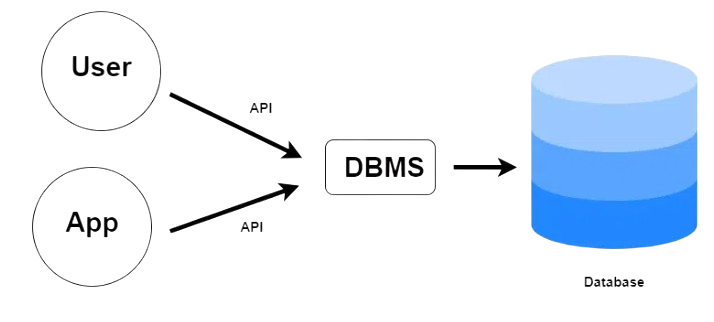
Additionally, understanding basic database concepts such as table structures, relationships, and normalization is essential. Regular practice is key to mastering SQL, as it helps improve both speed and accuracy. By the end of this phase, freshers should be able to confidently extract meaningful data from databases, which is a core requirement in most data analytics roles.

Week 5–6: Python for Data Analysis
Weeks five and six introduce Python, a versatile and powerful programming language widely used in data analytics. This phase begins with learning the basics of Python, including variables, data types, loops, and functions. Once the fundamentals are clear, learners can move on to using libraries such as Pandas and NumPy for data manipulation and analysis.What Does Data Analytics Do in Python enables analysts to work with large datasets, automate repetitive tasks, and perform more complex analyses that go beyond the capabilities of Excel. It also opens the door to advanced techniques such as data transformation and exploratory analysis. By practicing regularly and working on small datasets, freshers can develop confidence in using Python as a key tool in their analytics toolkit.
Week 7–8: Data Visualization Tools (Power BI/Tableau)
The focus in weeks seven and eight is on data visualization, which plays a crucial role in communicating insights effectively. Tools like Power BI and Tableau allow analysts to transform raw data into interactive and visually appealing dashboards. During this phase, learners should focus on understanding how to create charts, graphs, and reports that clearly convey key findings.
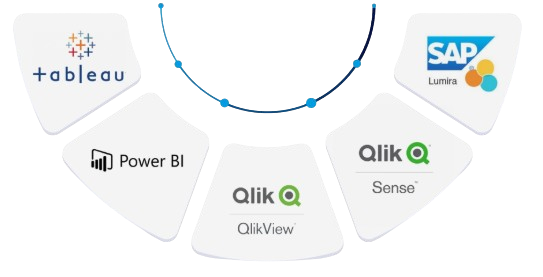
It is also important to learn how to design dashboards that are user-friendly and aligned with business objectives. Visualization is not just about creating attractive visuals it is about telling a story with data. Data Analytics Tools Developing this skill helps freshers present their analysis in a way that is easy to understand for both technical and non-technical audiences.
Excited to Obtaining Your Data Analytics Certificate? View The Data Analytics Training Offered By ACTE Right Now!
Week 9–10: Real-world Projects and Case Studies
This phase is one of the most important parts of the 90-day journey, as it focuses on applying learned skills to real-world scenarios. During weeks nine and ten, freshers should work on practical projects that involve analyzing datasets, solving business problems, and presenting insights. These projects help bridge the gap between theoretical learning and industry expectations. Working on diverse case studies also exposes learners to different types of data and challenges, enhancing their problem-solving abilities. Additionally, these projects become a key part of the portfolio, showcasing the candidate’s practical experience to potential employers. Hands-on experience gained during this phase significantly boosts confidence and job readiness.
Are You Considering Pursuing a Data Analytics Master’s Degree? Enroll For Data Analytics Expert Masters Program Training Course Today!
Week 11: Resume Building and Portfolio Finalization
In week eleven, the focus shifts toward preparing for job applications by building a strong resume and finalizing the portfolio. Freshers should ensure that their resume highlights relevant skills, tools, and project experience in a clear and concise manner. The portfolio should include well-documented projects with detailed explanations of the problem, approach, and results. Data Analytics Portfolio Attention should also be given to optimizing LinkedIn profiles and maintaining a consistent professional presence online. A well-prepared resume and portfolio not only increase the chances of getting shortlisted but also help create a positive impression on recruiters.
Set to Ace Your Data Analytics Job Interview? Check Out Our Blog on Data Analytics Interview Questions & Answer
Week 12: Interview Preparation and Job Applications
The final phase is dedicated to preparing for interviews and actively applying for job opportunities. Freshers should revise all key concepts, practice SQL queries, and review their projects thoroughly to ensure they can explain them confidently. Data Analytics Training helps Preparing for common interview questions, both technical and behavioral, is essential for performing well. Mock interviews can be highly beneficial in improving communication skills and building confidence. At the same time, candidates should start applying for relevant roles and internships through job portals and networking platforms. Consistency and persistence during this stage are crucial for securing job opportunities.
Daily Practice Plan and Resources
A consistent daily practice routine is essential for successfully completing the 90-day roadmap. Freshers should allocate dedicated time each day for learning new concepts, practicing skills, and working on projects. Data Analytics Good Career For Fresher A balanced approach that includes theoretical study, hands-on exercises, and revision is highly effective. Utilizing online resources such as tutorials, courses, and practice platforms can enhance the learning experience. Setting daily and weekly goals helps in maintaining focus and tracking progress. Regular practice not only strengthens technical skills but also builds confidence and discipline, which are key to achieving long-term success.
Final Tips for Success in 90 Days
Achieving success within 90 days requires a combination of dedication, consistency, and a proactive attitude. Freshers should focus on understanding concepts deeply rather than rushing through topics. Hands-on practice should be prioritized, as it helps in retaining knowledge and developing practical skills. Staying motivated, seeking feedback, and learning from mistakes are important aspects of the journey. Data Analytics Training It is also essential to remain patient and persistent, as progress may take time. By maintaining a positive mindset and committing to continuous improvement, freshers can successfully transition into a data analytics role within a short and focused timeframe.