LMS
LMS
Last updated on 17th Jun 2026| 9260

- Introduction to Data Analytics as a Career Path
- Why Internships Matter in Data Analytics
- Understanding Real-World Data Analytics Workflows
- Learning Data Collection and Data Cleaning Skills
- Working with Excel, SQL, and Analytics Tools
- Developing Data Visualization and Dashboard Skills
- Building Analytical Thinking and Problem-Solving Abilities
- Creating Industry-Ready Projects and Portfolios
- From Internship Experience to Full-Time Employment
- Conclusion: Launching a Successful Data Analytics Career Through Internships
Introduction to Data Analytics as a Career Path
Data Analytics has become one of the fastest-growing career fields as organizations increasingly rely on data to make informed business decisions. Data analysts help businesses collect, organize, interpret, and visualize data to identify trends, solve problems, and improve performance. Industries such as finance, healthcare, retail, manufacturing, marketing, and technology actively seek skilled data professionals who can transform raw data into actionable insights. A career in data analytics combines technical skills, analytical thinking, and business understanding, making it suitable for individuals who enjoy working with data and solving complex challenges. Professionals in this field often work with tools such as Excel, SQL, Power BI, Tableau, Python, and other analytics platforms. To gain practical expertise and industry-relevant skills, learners can explore Data Analytics Training, which covers data analysis techniques, visualization tools, reporting methods, and real-world projects that prepare candidates for analytics careers. As companies continue to generate large volumes of data, the demand for qualified data analysts continues to grow. For freshers, data analytics offers strong career prospects, competitive salaries, and opportunities for continuous learning and professional advancement in a rapidly evolving industry. By developing analytical capabilities and mastering modern data tools, aspiring professionals can build successful careers while helping organizations make smarter and more strategic business decisions.
Why Internships Matter in Data Analytics
Internships play a crucial role in helping freshers transition from academic learning to professional data analytics careers. While classroom education provides theoretical knowledge, internships offer practical experience that allows learners to apply concepts in real business environments. During internships, students gain exposure to data collection, cleaning, analysis, reporting, and visualization tasks while working with industry-standard tools and datasets. Internships also help individuals understand workplace expectations, project workflows, team collaboration, and business problem-solving processes. To gain practical experience and strengthen industry readiness, aspiring professionals can enroll in Data Analytics Training, where they learn essential analytics tools, reporting techniques, and real-world project execution. Employers often prefer candidates with practical experience because they can contribute more effectively from the beginning of their careers. In addition to technical skills, internships help develop communication, time management, and professional skills that are essential in corporate environments. By working on real projects and interacting with experienced professionals, interns gain confidence and industry knowledge that significantly improve their employability and career readiness in the competitive field of data analytics. Internship experience also helps freshers build professional networks and better understand industry expectations, creating a strong foundation for long-term career success.
Eager to Acquire Your Data Analytics Certification? View The Data Analytics Training Offered By ACTE Right Now!
Understanding Real-World Data Analytics Workflows
Real-world data analytics workflows involve a series of structured processes that transform raw data into meaningful business insights. The workflow typically begins with identifying business objectives and gathering relevant data from various sources such as databases, spreadsheets, applications, and online platforms. Once data is collected, analysts clean and prepare it by removing errors, handling missing values, and organizing information into usable formats.
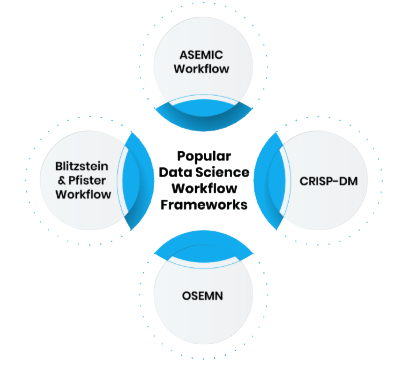
The next stage involves analyzing the data using statistical methods, analytical tools, and visualization techniques to identify patterns, trends, and opportunities. Findings are then presented through reports, dashboards, and visualizations that support decision-making. Data analysts frequently collaborate with business teams to understand requirements and communicate insights effectively. Learn more in Data Analytics Salary Trends. Understanding these workflows helps freshers gain a realistic view of how analytics projects are managed in professional environments. Learning each stage of the analytics process prepares aspiring analysts to contribute effectively to business goals and solve data-driven challenges. Exposure to real-world workflows during internships and training programs enables learners to develop practical skills, improve efficiency, and understand how data supports strategic business decisions across various industries.
Learning Data Collection and Data Cleaning Skills
Data collection and data cleaning are fundamental skills that form the foundation of every successful data analytics project. Data collection involves gathering information from multiple sources such as surveys, databases, websites, applications, business systems, and external datasets. Once data is collected, it often contains inconsistencies, duplicate records, missing values, and formatting issues that can affect analysis accuracy. Data cleaning focuses on identifying and correcting these problems to ensure the dataset is reliable and ready for analysis. Analysts use tools such as Excel, SQL, Python, and data preparation software to organize, validate, and transform data into usable formats. Clean and accurate data is essential because the quality of analysis depends heavily on the quality of the underlying information and My Data Analytics Internship Experience .During internships, freshers often spend significant time learning these processes because they are critical to successful analytics outcomes. Mastering data collection and cleaning skills helps build strong analytical foundations and prepares individuals for more advanced data analysis responsibilities. These skills improve data reliability, support accurate decision-making, and enable analysts to deliver meaningful insights that drive business performance and operational efficiency.

Working with Excel, SQL, and Analytics Tools
- Understanding Microsoft Excel for Data Analysis: Microsoft Excel is one of the most important tools used in data analytics. It helps professionals organize, clean, calculate, and analyze data efficiently. Features such as formulas, pivot tables, charts, and data filtering enable analysts to identify trends and generate meaningful business insights from large datasets.
- Learning SQL for Data Management: SQL (Structured Query Language) is used to access, manage, and analyze data stored in databases. It allows analysts to retrieve specific information, filter records, join multiple tables, and perform calculations. Learning SQL helps freshers work with large datasets and supports accurate data-driven decision-making.
- Using Data Analytics Platforms: Analytics platforms such as Power BI, Tableau, and Looker Studio help transform raw data into interactive visual reports and dashboards. These tools simplify data interpretation and enable businesses to monitor performance, track KPIs, and make strategic decisions based on real-time information. Learn more in Top 10 Companies Hiring Data Analytics Interns.
- Working with Data Queries and Reports: Data queries help analysts extract relevant information from complex databases. By generating accurate reports, analysts can summarize business performance, identify trends, and communicate findings effectively. Reporting skills are essential for supporting management decisions and organizational planning.
- Benefits of Analytics Tools: Analytics tools improve productivity, reduce manual effort, and increase the accuracy of data analysis. They help professionals automate reporting, visualize trends, and uncover insights quickly. Mastering these tools enhances employability and prepares freshers for real-world analytics responsibilities.
- Understanding Data Visualization Fundamentals: Data visualization converts complex numerical information into easy-to-understand formats such as charts, graphs, and maps. Effective visualizations help businesses identify trends, compare performance metrics, and understand patterns more quickly than traditional spreadsheets or reports.
- Creating Interactive Dashboards: Interactive dashboards provide a centralized view of important business data. Users can filter information, explore trends, and monitor performance in real time. Learning dashboard development helps freshers present insights professionally and improve decision-making processes within organizations.
- Choosing the Right Visualization Methods: Different business scenarios require different visualization techniques. Bar charts, line graphs, pie charts, and heat maps each serve unique purposes. Understanding which visualization to use helps analysts communicate information clearly and ensures stakeholders interpret data correctly. Learn more in Top 10 Proven Ways to Secure a Data Analytics Internship.
- Improving Data Storytelling Skills: Data storytelling combines analysis, visualization, and communication to explain insights in a meaningful way. It helps stakeholders understand business challenges, opportunities, and recommendations. Strong storytelling skills make analytical findings more impactful and actionable.
- Benefits of Visualization Expertise: Visualization expertise improves communication, simplifies complex data, and enhances decision-making. Professionals who can create effective dashboards and reports are highly valued because they help organizations understand information quickly and take appropriate actions based on insights.
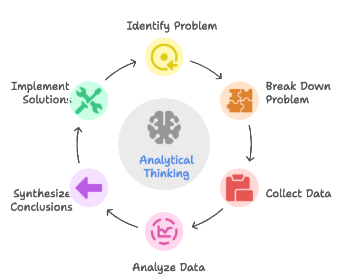
- Understanding Business Problems: Analytical thinking starts with understanding the business problem that needs to be solved. Analysts must identify objectives, gather relevant information, and determine the best approach for analyzing data to generate meaningful solutions and support organizational goals.
- Developing Critical Thinking Skills: Critical thinking enables analysts to evaluate information objectively, identify inconsistencies, and draw logical conclusions. It helps professionals avoid assumptions, validate findings, and ensure that recommendations are based on accurate and reliable data analysis.
- Applying Data-Driven Decision Making: Data-driven decision-making involves using evidence and analytical insights rather than intuition alone. Analysts examine patterns, trends, and performance metrics to recommend actions that improve business outcomes and reduce uncertainty in decision-making processes. Learn more in How Data Analytics Internships Help Freshers.
- Identifying Trends and Opportunities: Analysts study data to uncover hidden trends, customer preferences, operational inefficiencies, and growth opportunities. Recognizing these patterns allows organizations to improve strategies, increase efficiency, and gain competitive advantages in the marketplace.
- Benefits of Problem-Solving Skills: Strong problem-solving skills help analysts address complex business challenges, improve operational performance, and create valuable solutions. These abilities make professionals more effective contributors and increase their value within data-driven organizations.
- Building Real-World Analytics Projects: Real-world analytics projects help learners apply theoretical concepts to practical business scenarios. Working with datasets, creating reports, and solving business problems demonstrates technical competency and prepares freshers for professional analytics roles.
- Showcasing Data Visualization Work: Including dashboards, charts, and visual reports in a portfolio highlights a candidate’s ability to present insights effectively. Strong visualization projects demonstrate both technical expertise and communication skills that employers highly value.
- Demonstrating Technical Skills: A portfolio should showcase proficiency in tools such as Excel, SQL, Power BI, Tableau, and Python. Demonstrating technical capabilities through completed projects helps employers assess practical skills beyond certifications and academic qualifications.
- Documenting Project Outcomes: Project documentation should explain objectives, methodologies, findings, and business impact. Clearly presenting project outcomes helps employers understand how analytical skills were applied to solve problems and generate meaningful results. Learn more in Why Metabase is a Powerful Tool for Data Analysts.
- Benefits of a Professional Portfolio: A professional portfolio provides evidence of practical experience and technical expertise. It strengthens job applications, improves interview opportunities, and helps freshers stand out from competitors when pursuing internships and entry-level data analytics positions.
Excited to Obtaining Your Data Analytics Certificate? View The Data Analytics Training Offered By ACTE Right Now!
Developing Data Visualization and Dashboard Skills
Are You Considering Pursuing a Data Analytics Master’s Degree? Enroll For Data Analytics Expert Masters Program Training Course Today!
Building Analytical Thinking and Problem-Solving Abilities
Set to Ace Your Data Analytics Job Interview? Check Out Our Blog on Data Analytics Interview Questions & Answer
Creating Industry-Ready Projects and Portfolios
From Internship Experience to Full-Time Employment
A data analytics internship often serves as a stepping stone to full-time employment by providing practical experience, industry exposure, and professional networking opportunities. During an internship, freshers work on real business projects, collaborate with experienced professionals, and gain hands-on experience using industry-standard tools and technologies. Employers frequently evaluate interns based on their performance, technical abilities, communication skills, and willingness to learn in Data Analytics Training . Interns who consistently demonstrate strong analytical thinking, problem-solving capabilities, and professionalism are often considered for permanent positions within the organization. Additionally, internship experience strengthens resumes and helps candidates stand out in competitive job markets. It provides valuable examples of real-world achievements that can be discussed during interviews. By actively contributing to projects, seeking feedback, and continuously improving their skills, interns can significantly increase their chances of securing full-time employment and building a successful long-term career in data analytics.
Conclusion: Launching a Successful Data Analytics Career Through Internships
Data analytics internships play a crucial role in helping freshers build the knowledge, skills, and confidence required for successful careers in the analytics industry. Throughout this guide, we explored how internships provide exposure to real-world workflows, data collection, data cleaning, analytics tools, visualization techniques, problem-solving methodologies, and professional project development. These experiences help bridge the gap between academic learning and workplace expectations while preparing individuals for the challenges of modern data-driven organizations. To further strengthen practical expertise and industry readiness, learners can explore Data Analytics Training, which offers hands-on experience with analytics tools, reporting techniques, and real-world projects. Internships also provide opportunities to develop technical expertise, strengthen communication skills, build professional networks, and create impressive portfolios that enhance employability. As businesses increasingly rely on data to guide strategic decisions, the demand for skilled data professionals continues to grow across industries. By gaining practical experience through internships, continuously learning new technologies, and applying analytical thinking to real business problems, freshers can establish a strong foundation for long-term career success. A well-executed internship not only improves job prospects but also accelerates the journey toward becoming a highly valued data analytics professional.