LMS
LMS
Last updated on 24th Jun 2026| 9299

- Introduction to Data Analytics Careers and Salary Growth
- Factors That Influence Data Analytics Salaries
- Entry-Level Data Analyst Salary Expectations
- Salary Growth from Junior to Mid-Level Analytics Roles
- Senior Data Analyst Responsibilities and Compensation
- Data Scientist and Advanced Analytics Career Opportunities
- Industry-Wise Salary Differences in Data Analytics
- Skills and Certifications That Increase Earning Potential
- Career Progression Strategies for Higher Salaries
- Conclusion: Building a High-Paying Career in Data Analytics
Introduction to Data Analytics Careers and Salary Growth
Data analytics has emerged as one of the most promising and high-demand career fields in today’s data-driven business environment. Organizations across industries such as technology, finance, healthcare, retail, manufacturing, and consulting rely heavily on data to make informed decisions, improve operations, and identify growth opportunities. As a result, the demand for skilled data analysts continues to increase worldwide, creating attractive career prospects and competitive salary packages. A career in data analytics offers multiple growth pathways, ranging from entry-level analyst positions to advanced roles such as senior data analyst, business intelligence specialist, data scientist, and analytics manager. As professionals gain experience, technical expertise, and industry knowledge, their earning potential increases significantly in our Data Analytics Course. Data analytics careers also provide opportunities to work with advanced technologies, large datasets, artificial intelligence tools, and business intelligence platforms. Continuous learning and skill development play a key role in career progression and salary growth. For students and professionals seeking stable, rewarding, and future-focused careers, data analytics offers excellent opportunities for long-term professional advancement and financial success.
Factors That Influence Data Analytics Salaries
Several factors influence salary levels in the field of data analytics, making compensation vary across individuals, organizations, and industries. One of the most significant factors is professional experience, as employers typically offer higher salaries to candidates with proven expertise and successful project experience. Technical skills also play a major role, with proficiency in tools such as Python, SQL, Power BI, Tableau, machine learning frameworks, and cloud analytics platforms often leading to better compensation packages in our Data Analytics Course . Educational qualifications, certifications, and specialized training can further enhance earning potential by demonstrating advanced knowledge and commitment to professional development. Industry choice also impacts salaries, with sectors such as finance, technology, healthcare, and consulting often offering higher compensation compared to other industries. Geographic location, company size, business requirements, and market demand for analytics talent can also affect salary levels. Additionally, professionals who possess strong communication, problem-solving, leadership, and business intelligence skills are often rewarded with greater career advancement opportunities and higher salaries. Understanding these factors can help aspiring data analysts make informed career decisions and maximize their long-term earning potential.
Eager to Acquire Your Data Analytics Certification? View The Data Analytics Training Offered By ACTE Right Now!
Entry-Level Data Analyst Salary Expectations
- Typical Starting Salary Range: Entry-level data analysts typically receive competitive salaries as organizations increasingly rely on data-driven decision-making. Compensation varies based on location, education, technical skills, and industry demand, with technology and finance sectors often offering higher starting packages.
- Skills That Influence Entry-Level Pay: Knowledge of Excel, SQL, Python, Power BI, Tableau, and data visualization tools can significantly improve earning potential. Employers often offer better compensation to candidates who possess practical project experience and strong analytical abilities.
- Impact of Education and Certifications: Candidates with degrees in data science, statistics, computer science, or related fields often have stronger salary prospects and Data Analytics Salary Trends . Industry-recognized certifications can further increase employment opportunities and compensation levels.
- Importance of Internship Experience: Internship experience demonstrates practical knowledge and workplace readiness. Employers frequently offer higher salaries to candidates who have already worked on real-world analytics projects and business challenges.
- Career Foundation for Future Growth: Entry-level roles provide opportunities to develop technical expertise, gain industry exposure, and build the experience required for future promotions and salary increases for more My Data Analytics Internship Experience.
Salary Growth from Junior to Mid-Level Analytics Roles
- Increasing Responsibilities and Earnings: As analysts gain experience, they take on more complex projects and greater responsibilities. This professional growth is often accompanied by significant salary increases and improved career opportunities.
- Advanced Technical Skill Development: Mid-level professionals are expected to possess stronger expertise in analytics tools, databases, reporting systems, and data visualization technologies, which contributes to higher compensation.
- Business Impact and Decision Support: Experienced analysts often contribute directly to strategic business decisions. For students exploring career pathways in analytics, understanding the top 10 companies hiring data analytics interns can provide insight into entry points that eventually lead to higher-paying mid-level roles. Their ability to provide valuable insights increases their importance within organizations and supports salary growth.
- Leadership and Collaboration Opportunities: Mid-level analysts frequently mentor junior team members, coordinate projects, and collaborate with stakeholders across departments, enhancing both career progression and earning potential.
- Transitioning to Specialized Roles: Many professionals move into specialized positions such as business analyst, BI analyst, data engineer, or analytics consultant, often leading to substantial compensation improvements. Building early experience through internships and structured learning, such as guidance found in proven ways to secure a data analytics internship, can help set the foundation for these advanced roles and long-term career growth.

Senior Data Analyst Responsibilities and Compensation
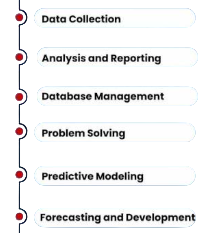
- Managing Complex Data Projects: Senior data analysts oversee large-scale analytics initiatives, ensuring accurate analysis, reporting, and strategic recommendations that support organizational objectives and business growth.
- Leading Analytics Teams: Many senior professionals guide junior analysts, review project outcomes, and contribute to team development while ensuring high-quality analytical work across projects. Early exposure to real-world analytics environments, such as how data analytics internships help freshers, often lays the foundation for developing these leadership and technical capabilities later in a career.
Excited to Obtaining Your Data Analytics Certificate? View The Data Analytics Training Offered By ACTE Right Now!
Data Scientist and Advanced Analytics Career Opportunities
- Expanding Beyond Traditional Analytics: Data scientists work with advanced statistical models, machine learning algorithms, predictive analytics, and artificial intelligence technologies to solve complex business problems.
- Strong Demand Across Industries: Organizations across technology, finance, healthcare, retail, manufacturing, and consulting actively seek data science professionals due to the growing importance of data-driven innovation. Professionals exploring this field can also benefit from understanding tools like why Metabase is a powerful tool for data analysts, which is widely used for modern data visualization and reporting workflows.
- Advanced Technical Expertise: Professionals in these roles typically possess strong programming, statistical analysis, machine learning, and data engineering skills that support sophisticated analytical projects.
- Exceptional Salary Potential: Data scientists and advanced analytics specialists often receive some of the highest salaries within the analytics field due to their specialized knowledge and business value.
- Long-Term Career Growth Opportunities: Advanced analytics careers offer pathways to leadership positions such as machine learning engineer, AI specialist, chief data officer, analytics director, and other highly rewarding professional roles. Staying updated with industry evolution is equally important, and resources like future trends in data analytics you shouldn’t ignore can help professionals stay ahead in this rapidly evolving field.
Are You Considering Pursuing a Data Analytics Master’s Degree? Enroll For Data Analytics Expert Masters Program Training Course Today!
Industry-Wise Salary Differences in Data Analytics
Salaries in data analytics can vary significantly depending on the industry in which a professional works. Industries that generate large volumes of data and rely heavily on analytical insights often offer higher compensation to attract skilled talent. Technology companies typically provide some of the highest salaries due to their focus on innovation, product optimization, and data-driven decision-making. For students planning to enter this field, understanding how to transition early can be helpful, and resources like how freshers can get data analyst jobs in 3 months can provide practical guidance on building foundational skills and securing entry-level roles. Financial institutions and banking organizations also offer attractive compensation because analytics plays a critical role in risk management, fraud detection, investment analysis, and customer insights. Healthcare organizations increasingly invest in analytics to improve patient outcomes and operational efficiency, creating strong demand for data professionals. Consulting firms often provide competitive salaries because analysts work on diverse projects for multiple clients and industries. Retail and e-commerce companies rely on analytics for customer behavior analysis, inventory management, and sales forecasting, contributing to growing career opportunities. Manufacturing, telecommunications, and logistics sectors also employ analytics professionals to improve operational performance. Understanding industry-specific salary trends can help professionals identify career paths that align with both their interests and financial goals.
Set to Ace Your Data Analytics Job Interview? Check Out Our Blog on Data Analytics Interview Questions & Answer
Skills and Certifications That Increase Earning Potential
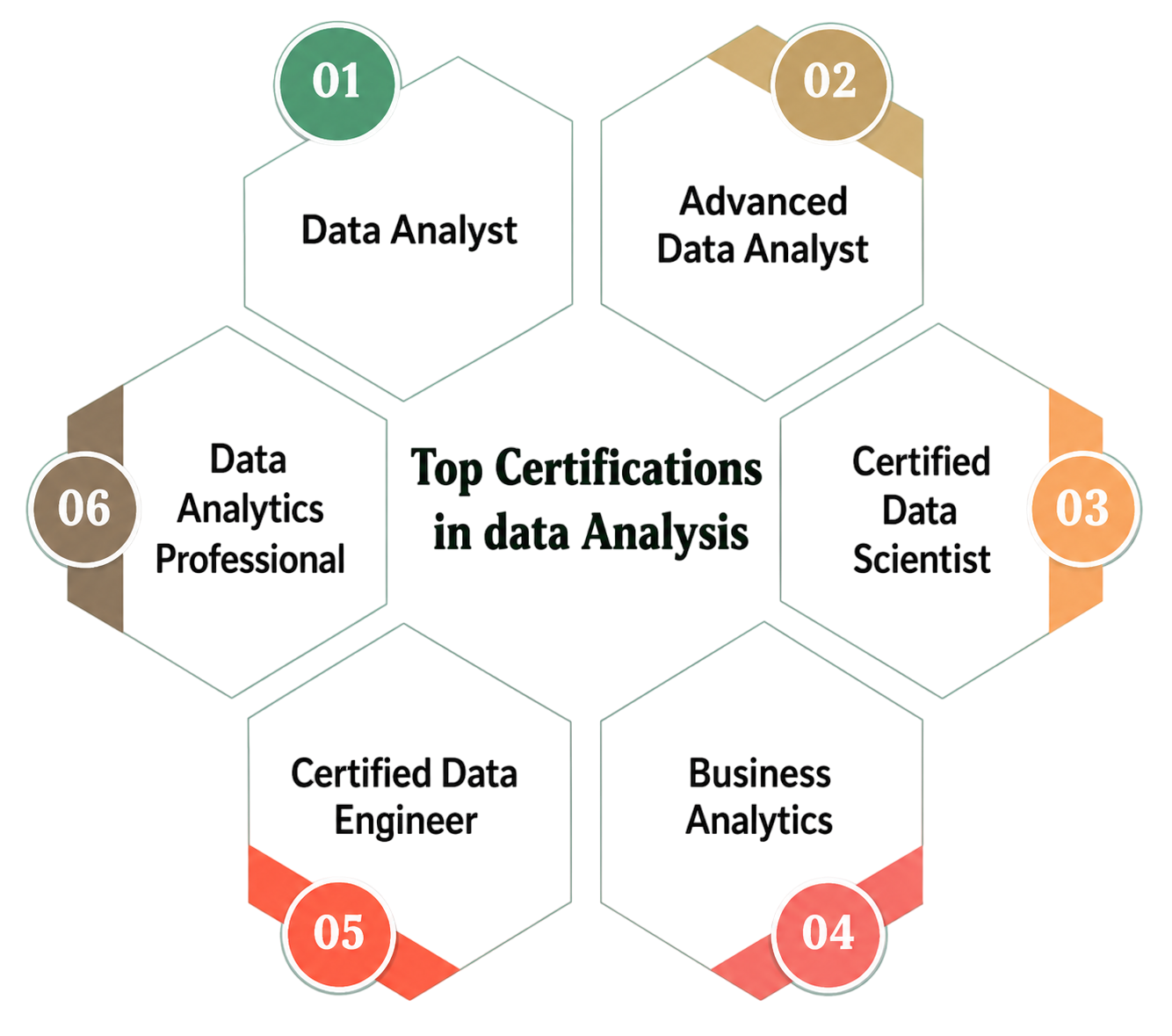
Developing advanced technical skills and earning industry-recognized certifications can significantly increase earning potential in data analytics careers. Employers highly value professionals who demonstrate expertise in tools such as SQL, Python, R, Power BI, Tableau, Excel, and cloud-based analytics platforms. Knowledge of machine learning, predictive analytics, artificial intelligence, data engineering, and big data technologies can further enhance career prospects and salary levels. Certifications provide formal validation of technical competencies and show a commitment to continuous learning and professional development. For beginners looking to build a strong foundation, working on practical applications such as top 8 real-world data analytics projects for freshers can complement certifications and strengthen hands-on experience. In addition to technical expertise, strong business understanding, communication skills, problem-solving abilities, and project management capabilities contribute to career advancement and higher compensation. Professionals who can effectively translate complex data into actionable business insights are often rewarded with leadership opportunities and increased salaries. Continuous skill development is particularly important in analytics because technologies and business requirements evolve rapidly. By investing in learning and certification programs, analytics professionals can remain competitive and maximize their long-term earning potential.
Career Progression Strategies for Higher Salaries
Achieving higher salaries in data analytics requires a strategic approach to career development and continuous improvement. Professionals should focus on building strong technical foundations while gaining practical experience through projects, internships, and workplace responsibilities. Developing expertise in high-demand areas such as machine learning, business intelligence, cloud analytics, and artificial intelligence can accelerate career growth. Taking on challenging projects and demonstrating measurable business impact helps build credibility and increases promotion opportunities. Networking with industry professionals, attending conferences, and participating in professional communities can provide valuable insights and career opportunities. Seeking mentorship from experienced analysts and managers can also support professional growth and decision-making in our Data Analytics Course . Leadership development is another important factor, as managerial and strategic roles often offer significantly higher compensation than technical positions alone. Regularly updating skills, earning certifications, and staying informed about industry trends help professionals remain competitive in evolving job markets. By combining technical excellence with business knowledge and leadership abilities, data analytics professionals can position themselves for long-term career advancement and higher earning potential.
Conclusion: Building a High-Paying Career in Data Analytics
Data analytics offers exceptional career opportunities for individuals seeking professional growth, financial stability, and long-term success in a rapidly expanding field. As organizations continue to rely on data-driven strategies, the demand for skilled analytics professionals remains strong across industries worldwide. Salary growth in data analytics is influenced by factors such as experience, technical expertise, certifications, industry specialization, and leadership capabilities. Professionals who continuously develop their skills, gain practical experience, and stay current with emerging technologies are often rewarded with higher compensation and greater career opportunities in our Data Analytics Course. From entry-level analyst roles to advanced positions in data science, business intelligence, and analytics leadership, the field provides multiple pathways for progression and specialization. In addition to competitive salaries, data analytics careers offer opportunities to work on impactful projects, solve complex business challenges, and contribute to strategic decision-making. By focusing on continuous learning, professional development, and industry-relevant skills, aspiring analytics professionals can build rewarding careers that combine intellectual growth, job satisfaction, and strong earning potential in the modern digital economy.