LMS
LMS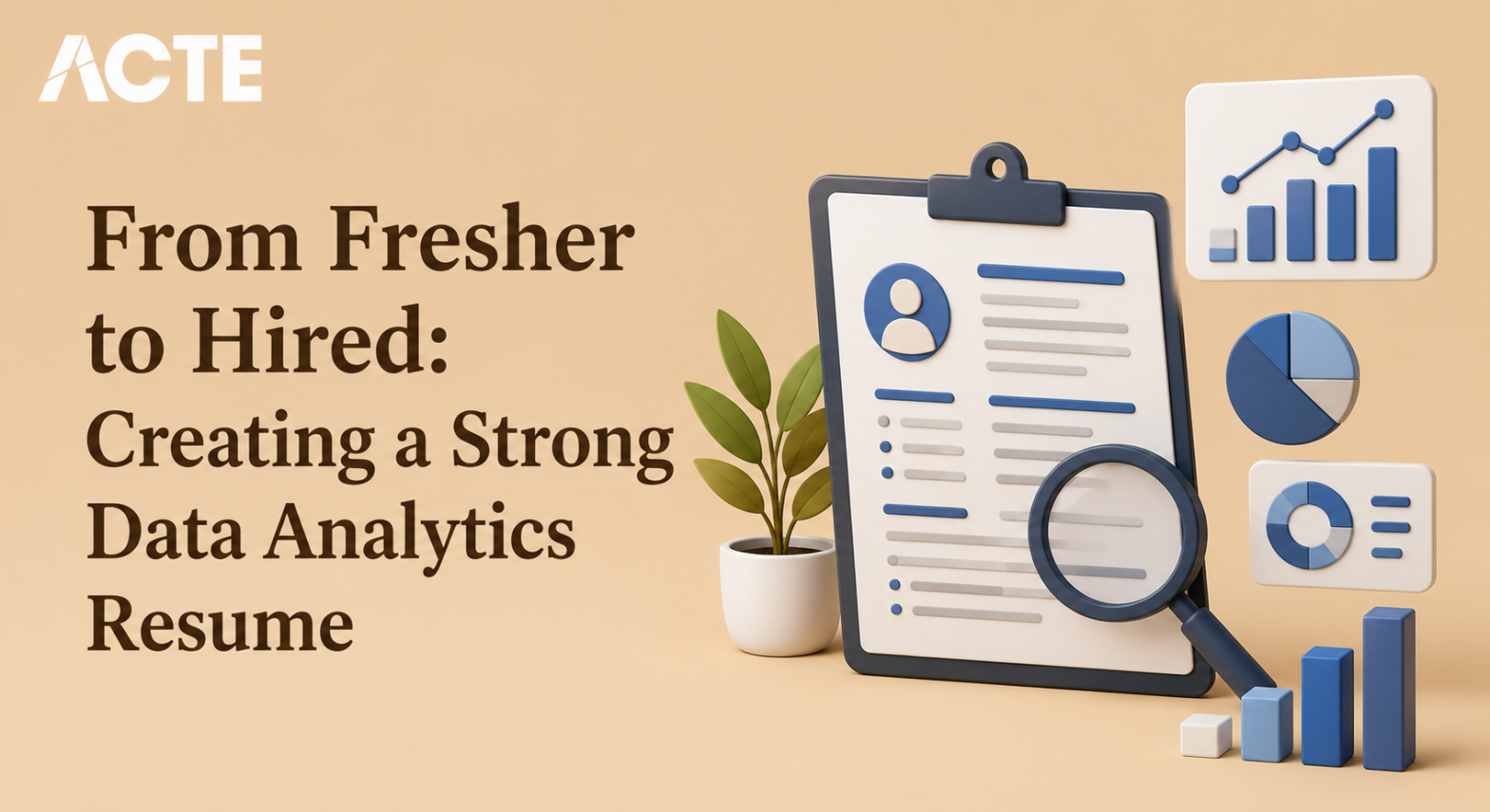
Last updated on 24th Jun 2026| 9309

- Introduction to Data Analytics Resumes for Freshers
- Understanding What Recruiters Look for in a Data Analytics Resume
- Choosing the Right Resume Format and Structure
- Writing a Strong Professional Summary
- Highlighting Technical Skills and Analytics Tools
- Showcasing Academic Projects and Practical Experience
- Adding Certifications, Internships, and Achievements
- Optimizing Your Resume for Applicant Tracking Systems (ATS)
- Common Resume Mistakes to Avoid
- Conclusion: Building a Resume That Gets Data Analytics Interviews
Introduction to Data Analytics Resumes for Freshers
A well-crafted data analytics resume is one of the most important tools for freshers seeking internship or entry-level job opportunities in the analytics industry. Since many students and recent graduates have limited professional experience, a resume must effectively highlight academic achievements, technical skills, projects, certifications, and relevant accomplishments. Recruiters use resumes to quickly assess whether candidates possess the qualifications required for analytics roles. Building these foundational skills is often supported through structured learning, such as a data analytics course, which helps learners develop both technical expertise and practical exposure. Therefore, presenting information in a clear, professional, and organized manner is essential. A strong resume showcases proficiency in tools such as Excel, SQL, Python, Power BI, Tableau, and data visualization techniques while demonstrating analytical thinking and problem-solving abilities. Academic projects, internships, online certifications, and practical experiences can significantly strengthen a fresher’s profile. An effective resume not only highlights technical expertise but also demonstrates communication, teamwork, and adaptability. By creating a resume that reflects both knowledge and potential, freshers can increase their chances of securing interviews and launching successful careers in data analytics.
Understanding What Recruiters Look for in a Data Analytics Resume
Recruiters reviewing data analytics resumes typically focus on a combination of technical skills, practical experience, educational background, and professional potential. They look for candidates who can demonstrate knowledge of data analysis tools, statistical concepts, reporting techniques, and business problem-solving abilities. Skills such as SQL, Python, Excel, Power BI, Tableau, and data visualization are commonly sought after because they are widely used in analytics roles. Structured learning programs like a data analytics course can help candidates build these in-demand skills and align their profiles with industry expectations. Recruiters also pay close attention to project experience, internships, and certifications that showcase practical application of analytical concepts. Well-documented academic or personal projects can often compensate for limited professional experience by demonstrating hands-on skills and initiative. Additionally, employers value strong communication abilities because data analysts must effectively present insights to both technical and non-technical audiences. Attention to detail, critical thinking, and the ability to work collaboratively are also important qualities. Understanding recruiter expectations helps freshers create resumes that highlight relevant strengths and improve their chances of progressing through the hiring process.
Eager to Acquire Your Data Analytics Certification? View The Data Analytics Training Offered By ACTE Right Now!
Choosing the Right Resume Format and Structure
Selecting the right resume format is crucial for creating a professional and easy-to-read document. For freshers pursuing data analytics roles, a clean and organized structure helps recruiters quickly identify key qualifications and relevant information. A typical resume should begin with contact details followed by a professional summary, technical skills section, education details, projects, internships, certifications, and achievements. Technical skills should be prominently displayed because they are often among the first elements recruiters evaluate. Project descriptions should focus on objectives, tools used, methodologies applied, and measurable outcomes whenever possible. Structured learning programs such as a data analytics course can also help freshers understand how to present these projects more effectively in a professional format aligned with industry expectations. Consistent formatting, clear headings, bullet points, and concise language improve readability and professionalism. Freshers should avoid cluttered layouts, excessive design elements, and unnecessary information that may distract from important qualifications. Keeping the resume focused, relevant, and well-structured ensures that recruiters can efficiently assess a candidate’s suitability for data analytics positions. A professionally organized resume creates a positive first impression and significantly increases interview opportunities.
Writing a Strong Professional Summary
A professional summary is one of the most important sections of a data analytics resume because it provides recruiters with a quick overview of a candidate’s qualifications, skills, and career goals. For freshers, this section serves as an opportunity to highlight technical expertise, academic achievements, certifications, and project experience in a concise and impactful manner. A strong professional summary should clearly communicate knowledge of data analysis, statistics, data visualization, and analytical tools such as Excel, SQL, Python, Power BI, and Tableau. It should also emphasize problem-solving abilities, attention to detail, and a passion for working with data to generate meaningful insights. Recruiters often spend only a few seconds reviewing resumes, making it essential to create a summary that immediately captures attention and demonstrates value. Developing a strong portfolio alongside this summary further strengthens a candidate’s profile, and resources like how to build a strong data analytics portfolio as a fresher can help learners showcase their skills more effectively. Freshers should focus on their strengths, relevant coursework, internships, projects, and willingness to learn rather than emphasizing limited work experience. A well-written professional summary creates a positive first impression, establishes credibility, and encourages recruiters to continue reviewing the rest of the resume. This section plays a significant role in differentiating candidates and increasing their chances of securing interviews for data analytics roles.

Highlighting Technical Skills and Analytics Tools
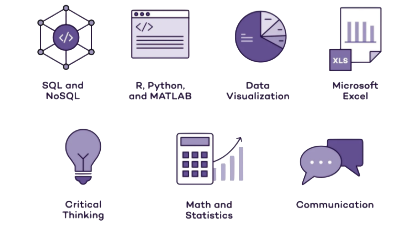
- Organizing Technical Skills Effectively: Technical skills should be displayed in a dedicated section that is easy for recruiters to locate. Grouping skills by categories such as programming languages, databases, analytics tools, and visualization platforms improves readability and professionalism.
- Including Relevant Analytics Tools: Freshers should highlight tools commonly used in data analytics, including Excel, SQL, Python, R, Power BI, Tableau, and Google Analytics. Understanding how these tools contribute to career growth is equally important, especially when evaluating whether data analytics is a good career for freshers.
- Demonstrating Practical Knowledge: Simply listing skills is not enough. Candidates should support technical abilities through projects, internships, certifications, or practical applications that demonstrate real-world usage and proficiency.
- Prioritizing In-Demand Skills: Recruiters often search for specific keywords related to analytics roles. For those entering the field, understanding how to get your first job in data analytics as a fresher can help identify which skills are most valued in job descriptions and hiring processes. Including high-demand skills such as data visualization, data cleaning, statistical analysis, machine learning, and business intelligence can improve visibility.
- Keeping Skills Updated: As analytics technologies continue to evolve, candidates should regularly update their resumes with newly acquired tools, certifications, and technical competencies to remain competitive.
- Highlighting Relevant Academic Projects: Academic projects help freshers demonstrate practical application of analytics concepts. Projects involving data analysis, visualization, forecasting, or predictive modeling can significantly strengthen a resume.
- Describing Project Objectives Clearly: Each project should include a brief explanation of the problem, objectives, datasets used, analytical methods applied, and outcomes achieved to provide recruiters with valuable context. Understanding common pitfalls is equally important, and resources like common mistakes freshers make in data analytics and how to avoid them can help candidates present their work more effectively.
- Mentioning Tools and Technologies Used: Listing technologies such as Python, SQL, Tableau, Power BI, Excel, and machine learning libraries helps recruiters assess technical expertise and practical capabilities.
- Including Measurable Results: Whenever possible, candidates should highlight project outcomes and insights generated through analysis. Quantifiable results make project descriptions more impactful and credible.
- Demonstrating Problem-Solving Abilities: Projects should showcase data analytics thinking, data interpretation skills, and the ability to solve real-world business or research problems using data-driven approaches through data analytics.
- Including Relevant Certifications: Industry-recognized certifications in data analytics, SQL, Python, Power BI, Tableau, machine learning, and related areas help validate technical skills and commitment to learning.
- Highlighting Internship Experience: Internships provide practical exposure and workplace experience. Candidates should emphasize responsibilities, projects completed, and contributions made during internship programs.
- Showcasing Academic Achievements: Academic accomplishments, awards, scholarships, and competition achievements help demonstrate dedication, performance, and a strong learning mindset. For those exploring why upskilling matters, resources like data analytics training: top reasons to learn can provide additional motivation and direction.
- Mentioning Professional Development Activities: Workshops, seminars, hackathons, webinars, and analytics competitions demonstrate initiative and active engagement in professional growth and continuous learning.
- Strengthening Overall Credibility: Certifications, internships, and achievements provide additional evidence of capability, making candidates more attractive to recruiters seeking entry-level analytics professionals. Early career planning resources such as how freshers can get data analyst jobs in 3 months can further help candidates understand how these elements improve employability and job readiness.
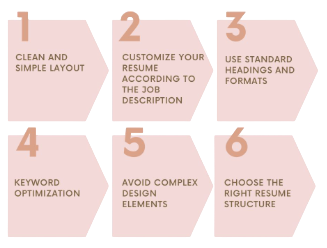
- Using Relevant Keywords: Many organizations use ATS software to filter resumes. Including keywords from job descriptions improves the chances of passing initial screening processes.
- Maintaining Simple Formatting: Complex designs, graphics, tables, and unusual fonts may not be properly processed by ATS systems. A clean and professional format ensures better compatibility. Staying aware of industry evolution is also important, and exploring resources like future trends in data analytics you shouldn’t ignore can help candidates align their resumes with emerging skill demands.
- Matching Job Requirements: Tailoring resumes to specific job postings by incorporating relevant skills, qualifications, and keywords increases visibility during automated resume screening.
- Using Standard Section Headings: Common headings such as Skills, Education, Projects, Experience, and Certifications help ATS systems correctly categorize and interpret resume content.
- Ensuring Accurate Information: Consistent formatting, proper spelling, and clear descriptions improve ATS readability and reduce the risk of important information being overlooked. It is also important for candidates to stay informed about evolving industry expectations, as insights like future trends in data analytics you shouldn’t ignore can help align resumes with in-demand skills and emerging technologies.
- Including Irrelevant Information: Adding unrelated details can distract recruiters from important qualifications. Candidates should focus only on information relevant to data analytics positions.
- Using Generic Resume Content: Submitting the same resume for every application may reduce effectiveness. Understanding how internships contribute to skill-building can improve targeting, as explained in how data analytics internships help freshers build successful careers. Resumes should be customized to align with specific job requirements and employer expectations.
- Overloading the Resume: Excessive text, lengthy descriptions, and unnecessary details can make resumes difficult to read. Concise and focused content creates a stronger impression.
- Ignoring Grammar and Formatting Errors: Spelling mistakes, grammatical issues, and inconsistent formatting can negatively impact professionalism and reduce recruiter confidence in a candidate’s abilities.
- Failing to Demonstrate Impact: Many candidates simply list responsibilities instead of highlighting achievements and results. Demonstrating measurable outcomes helps recruiters understand the value a candidate can bring to an organization.
Excited to Obtaining Your Data Analytics Certificate? View The Data Analytics Training Offered By ACTE Right Now!
Showcasing Academic Projects and Practical Experience
Are You Considering Pursuing a Data Analytics Master’s Degree? Enroll For Data Analytics Expert Masters Program Training Course Today!
Adding Certifications, Internships, and Achievements
Optimizing Your Resume for Applicant Tracking Systems (ATS)
Set to Ace Your Data Analytics Job Interview? Check Out Our Blog on Data Analytics Interview Questions & Answer
Common Resume Mistakes to Avoid
Conclusion: Building a Resume That Gets Data Analytics Interviews
Creating a strong data analytics resume is a crucial step for freshers who want to secure internships and entry-level opportunities in the competitive analytics industry. A well-structured resume should effectively highlight technical skills, academic achievements, certifications, projects, internships, and practical experiences that demonstrate analytical capabilities and professional potential. Recruiters look for candidates who can showcase both technical expertise and problem-solving abilities through clear, concise, and relevant information. Including skills such as SQL, Python, Excel, Power BI, Tableau, data visualization, and statistical analysis can significantly strengthen a candidate’s profile. Academic and personal projects provide valuable evidence of practical experience, while certifications and internships help validate industry knowledge and workplace readiness. Structured learning programs such as a data analytics course can further support skill development and improve employability in this field. Optimizing resumes for Applicant Tracking Systems (ATS) further improves visibility during the recruitment process and increases the likelihood of reaching hiring managers. Equally important is avoiding common mistakes such as poor formatting, irrelevant information, and generic content. A thoughtfully crafted resume not only creates a positive first impression but also demonstrates professionalism, attention to detail, and commitment to career growth. By continuously updating skills, gaining practical experience, and tailoring applications to specific roles, aspiring data analysts can build resumes that attract recruiter attention, generate interview opportunities, and serve as powerful tools for launching successful careers in data analytics.